How to Cookieyes Vs Cookie Consent: Complete Guide for 2026
You’re building a website. You need a consent banner. That’s the clear reality of modern web development. Slapping a generic script on your header just won’t cut it anymore.
You’re building a website. You need a consent banner. That’s the clear reality of modern web development. Slapping a generic script on your header just won’t cut it anymore.
Privacy isn’t optional anymore. You already know this. But choosing between a local WordPress plugin and a cloud-based scanner feels like a massive gamble.
Getting cookie compliance right isn’t just about avoiding hefty GDPR fines anymore. It’s about keeping your analytics accurate while respecting user privacy in 2026. Choosing the correct consent management platform completely changes how you handle tracking scripts.

The trap most agencies fall into is treating AI as a replacement for strategy. When you use AI to bypass the planning phase, you generate technical debt at scale. The real power comes from using AI to execute your structural decisions faster, not to make the decisions for you.
You’re looking at the website builder market share for 2026. The options seem endless. But picking the right platform isn’t just a design choice. It’s a massive financial commitment that dictates your future growth.
Look, getting cookie consent right in 2026 isn’t just a legal box to check. It’s a core part of your website’s user experience. You’ve got strict data privacy laws sweeping across the globe. You also have strict performance budgets to maintain for your search rankings.
Look, slapping a basic banner on your site just doesn’t cut it anymore. By early 2026, data privacy regulations have completely transformed how we handle user tracking. If your consent management platform fails, your analytics go dark.

Look, pricing a custom website project feels completely opaque. You ask five different agencies for a quote, and you’ll get five wildly different numbers. So, how do you actually plan your budget? A realistic website design cost breakdown requires understanding exactly where your money goes. We’r…
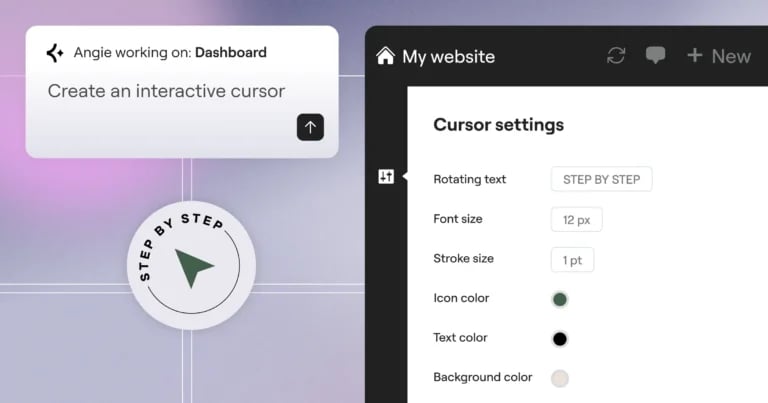
Building a website used to mean staring at a blank screen for hours while wrestling with shortcodes. Now, you simply type a sentence and watch an entire layout generate in seconds. But is this actually the right move for your business in 2026?
You want to build a website. You keep hearing about WordPress, but the sheer volume of information out there’s completely overwhelming. Honestly, most tutorials make it harder than it needs to be.
Look, web design in 2026 isn’t what you learned five years ago. We’ve completely moved past static mockups and basic media queries. Your clients don’t just want digital brochures anymore; they demand living, breathing interfaces that adapt to every single user.
Look, building WordPress sites changed completely. You’re no longer restricted by rigid PHP templates or confusing widget areas.

So, you’re staring down the barrel of 2026 data privacy updates. And honestly, gdpr cookie compliance isn’t just a legal checkbox anymore. It’s a fundamental part of modern web development.
Look, slapping a tiny ‘I agree’ button at the very bottom of your website simply doesn’t cut it anymore. Regulators are cracking down hard in 2026, and the days of assumed permission are entirely over. You need actual, verifiable consent before firing those marketing scripts into a user’s browser.
Privacy regulations aren’t going away. By 2026, the rules have completely shifted, and you’re no longer just putting up a tiny banner and hoping for the best.
You already know privacy laws are getting stricter. But building a compliant website in 2026 isn’t just about slapping a generic popup on your homepage and hoping for the best. It’s about respecting user boundaries while protecting your hard-earned analytics data.
Look, sticking a generic popup on your site just doesn’t cut it anymore. By 2026, privacy regulations have completely transformed how we handle user data. You need a reliable cookie consent template that protects your business without tanking your conversion rates.
Getting sued over a cookie banner isn’t a fun experience. But most developers still treat consent as an afterthought. You paste a generic script into your header and hope for the best.
Look, ignoring privacy laws won’t work anymore. You’ve probably seen the news about massive regulatory fines hitting small businesses and agency owners. It’s not just a corporate problem in 2026.
The biggest mistake developers make is treating consent as a UI problem rather than a data architecture problem. If your server is sending third-party requests before the user clicks ‘Accept’, your beautiful banner is legally useless.
Look, designing a compliant website in 2026 isn’t just about throwing a generic popup on your homepage. You need real cookie banner examples that balance strict privacy laws with actual user experience. the team created 143 sites over the last decade, and getting this wrong kills both your conver…
Privacy compliance isn’t a secondary task anymore. You’ve probably noticed the web feels heavily regulated in 2026. Fines are larger than ever. Tracking rules are incredibly strict.
Look, slapping a basic “we use cookies” popup on your WordPress site doesn’t cut it anymore. Regulators are actively scanning sites, automated privacy audits are standard practice, and user trust hinges entirely on how you handle their data. If you aren’t managing consent properly, you’re leaving…
Let’s get real about GDPR compliance. You probably ignore the rules until a client panics about a legal threat from a privacy advocate. I’ve audited over 147 websites this year alone, and most owners have no idea their contact forms leak personal data to third-party servers.