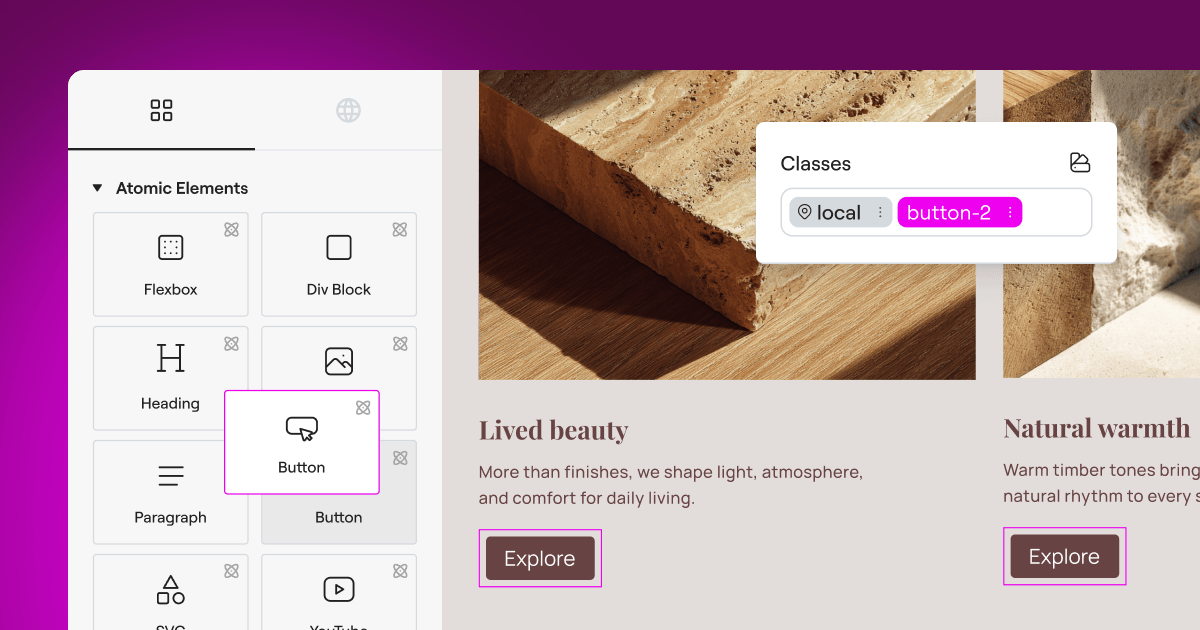
Setting up a compliant website means balancing beautiful design with privacy law requirements. If you run a WordPress site, you’ve probably compared Cookiebot with Elementor’s native compliance tool, Cookie Consent. Here’s how they compare on privacy rules, design customization, and daily workflow, so you can pick the right fit.
Key Takeaways
- Native integration, Cookie Consent lives entirely inside your WordPress dashboard.
- Enterprise-grade reach, Cookiebot offers multi-site scanning for large external networks via an outside cloud portal.
- Google Consent Mode v2, both tools support this standard, keeping analytics and ad tracking accurate.
- Setup speed, Elementor’s tool is running in under five minutes with simple templates.
- Design control, matching your banner to your brand colors is simpler when it’s built into your builder.
Why Web Compliance Matters More Than Ever in 2026
Privacy rules have shifted fast. A simple “we use cookies” banner used to be enough, but those days are gone. Regulators in the EU, UK, California, and other places now require consent that’s explicit, informed, and easy to withdraw.
Browsers are phasing out third-party tracking, and Google now requires Google Consent Mode v2 for ads or analytics in the European Economic Area, or your numbers lose accuracy. The big choice is a WordPress-native tool that keeps your workflow unified, or an external SaaS portal treating compliance as a separate service.
An Overview of Cookie Consent by Elementor
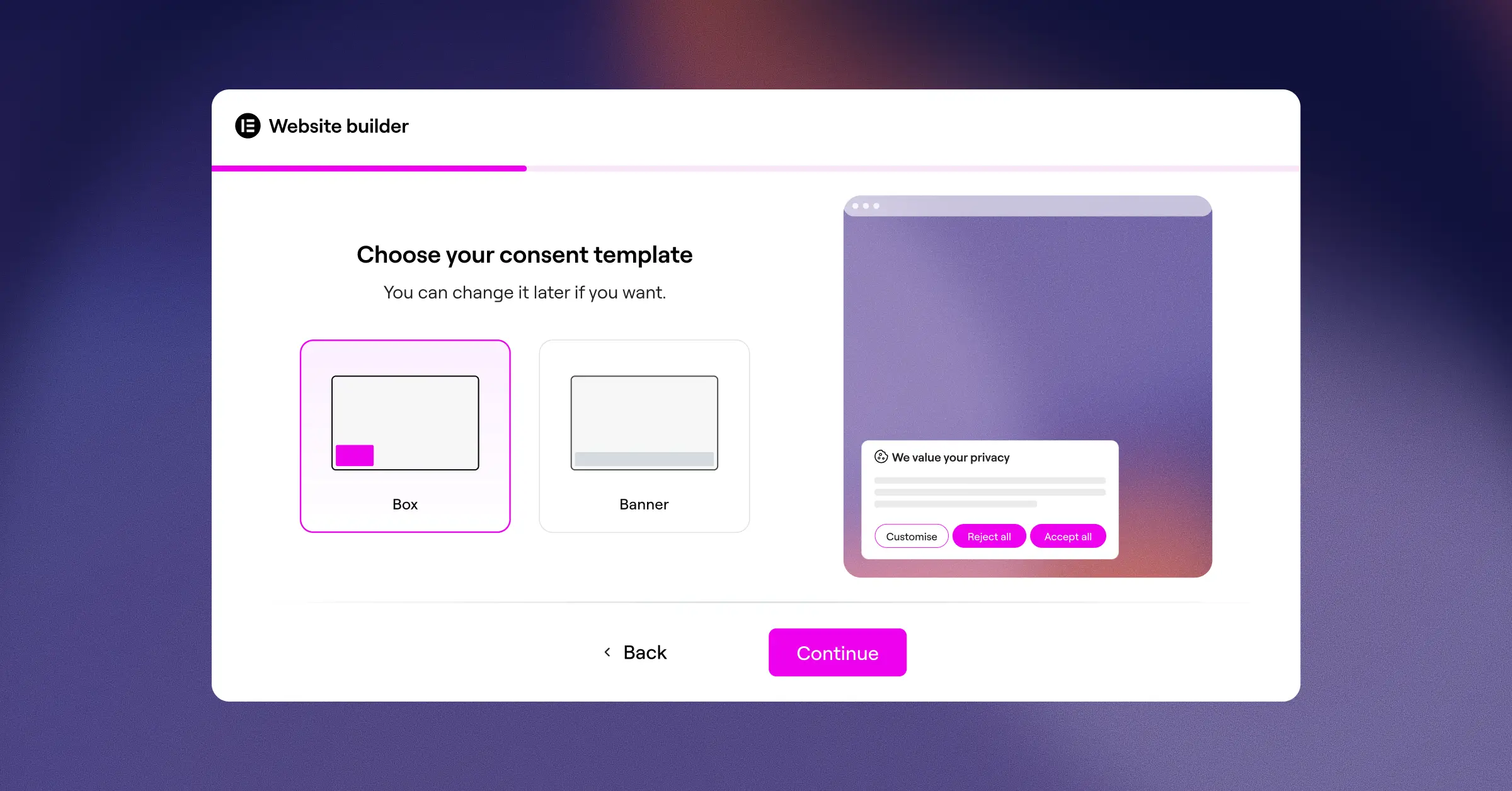
When Elementor built Cookie Consent, the goal was bringing compliance into your creative workflow instead of adding another portal to manage. It handles everything from your WordPress dashboard, a native feature for GDPR and CCPA rules without added complexity. Setup takes under five minutes, handling scanning, script categorization, and template design in one interface.
Because it’s built into the broader Elementor ecosystem, it works alongside other site features, much like Web Accessibility. Cookie Consent is also included in Elementor One, giving you a full toolkit for building modern websites.
Key Features of Cookie Consent
- Builds customized banners using flexible cloud templates.
- Scans your website automatically to identify active tracking scripts.
- Logs user choices to maintain a secure audit trail for regulators.
- Supports multiple languages to serve visitors in their native tongue.
- Adapts your tracking behavior using built-in Google Consent Mode v2 capabilities.
- Restricts specific scripts based on geographic targeting settings.
An Overview of Cookiebot
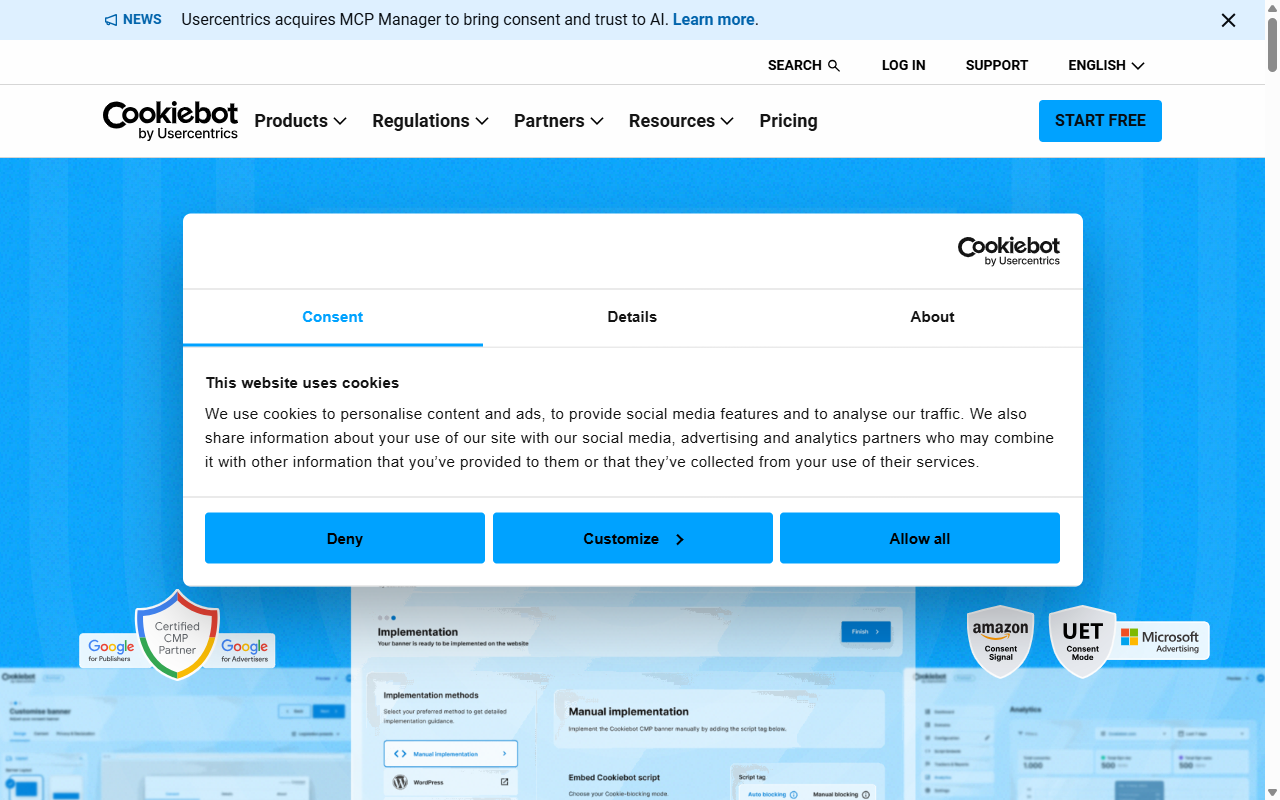
Cookiebot is an established, dedicated consent management platform built on a cloud-based SaaS model, working across any content management system, not just WordPress, through an external dashboard where you configure banners, declarations, and compliance logs.
To use it on WordPress, you install an integration helper, sign up for an external account, and link the two with an API key or script snippet. It then runs automated monthly scans from its cloud servers, compiling an inventory of every cookie and tracker, and generates a dynamic declaration page for your privacy policy. This structured approach appeals to corporate legal teams and agencies managing consent across a diverse portfolio of sites.
Key Features of Cookiebot
- Crawls your entire website on a monthly automated schedule.
- Generates a detailed cookie declaration page automatically.
- Saves consent data securely inside a centralized cloud repository.
- Translates banner text into dozens of different languages automatically.
- Controls script execution using a cloud-based manager interface.
- Syncs settings across a large portfolio of external domains.
Side-by-Side Comparison
Here’s how the core differences break down across the areas that matter most to WordPress site owners.
| Feature | Cookie Consent (Elementor) | Cookiebot |
|---|---|---|
| Dashboard Location | 100% WordPress-native | External cloud platform |
| Setup Time | Under 5 minutes | 15 to 30 minutes |
| Design Control | Direct style options in the editor | Template-based with custom CSS overrides |
| Consent Mode v2 | Fully supported natively | Fully supported via script configurations |
| Geo-Targeting | Included out of the box | Available on premium tiers |
| Policy Generator | Built in | Available via external portal |
| Free Tier | Yes | Limited trial available |
| Platform Focus | WordPress-native | Platform-agnostic SaaS |
A Closer Look at Daily Workflow
Managing a website means juggling plenty of moving pieces, so cutting external accounts is always a win. With Cookie Consent, your setup lives in your WordPress dashboard, no separate account, password, or API keys to juggle.
Cookiebot manages settings from its external cloud portal. It offers a helper integration to connect the script, but heavier tasks like categorizing cookies happen externally. That suits plenty of users, though a native tool keeps things simpler if you’d rather stay centralized.
“Managing user consent is no longer just about putting a banner on your footer. It’s about maintaining clear, verifiable audit trails and ensuring your technical tags align with your marketing goals without breaking user trust.”
– Itamar Haim, Web Compliance Specialist
Google Consent Mode v2 and Compliance Standards
If you run ads on Google or track visitors with Analytics, you need Google Consent Mode v2, which passes consent choices to Google’s tag systems. If a visitor declines, tags adjust automatically, sending anonymous pings instead of personal identifiers. Both platforms support it, but configuration differs:
- Cookie Consent handles Google Consent Mode v2 natively, mapping consent categories to Google’s tag variables without complex third-party container rules.
- Cookiebot supports the standard through its cloud dashboard and tag manager integrations, requiring your external container tags to listen to its consent signals.
- Global Privacy Control (GPC) is supported by both tools, letting them automatically honor browser-level privacy signals from users who want to opt out.
Getting this right avoids the legal risk of loading marketing scripts before a user clicks “Accept.”
Design Customization and Brand Styling
Your cookie consent banner is often the first thing a visitor sees. If it looks generic or blocky, it can hurt the experience and damage trust right away.
Because cookie consent is built into the Elementor environment, it gives you full design freedom, using your site’s native fonts, colors, and spacing for a slide-in card, footer bar, or overlay modal, with no custom CSS required.
Cookiebot provides several clean, pre-built layouts that look professional, though matching your exact brand style with deeper changes requires custom CSS overrides in their external portal.
A few key principles keep conversion rates high and the presentation clean:
- Matches your site typography to maintain a cohesive brand style.
- Adapts to mobile screen sizes with fully responsive layouts.
- Respects dark mode settings on user operating systems.
- Communicates choices clearly using readable contrast levels.
- Displays your privacy policy link prominently inside the layout.
Cookie Scanning and Script Control
A consent banner only works if it blocks cookies and scripts until the visitor gives permission, which takes a scanner sorting every tracker into categories like necessary, preferences, statistics, and marketing:
- Tracks visitor behavior across multiple sessions.
- Identifies specific user profiles for targeted advertising campaigns.
- Stores user preferences like dark mode or language choices.
- Monitors site performance to find loading bottlenecks.
- Saves items inside a shopping cart during an e-commerce session.
- Measures traffic sources to see which marketing channels perform best.
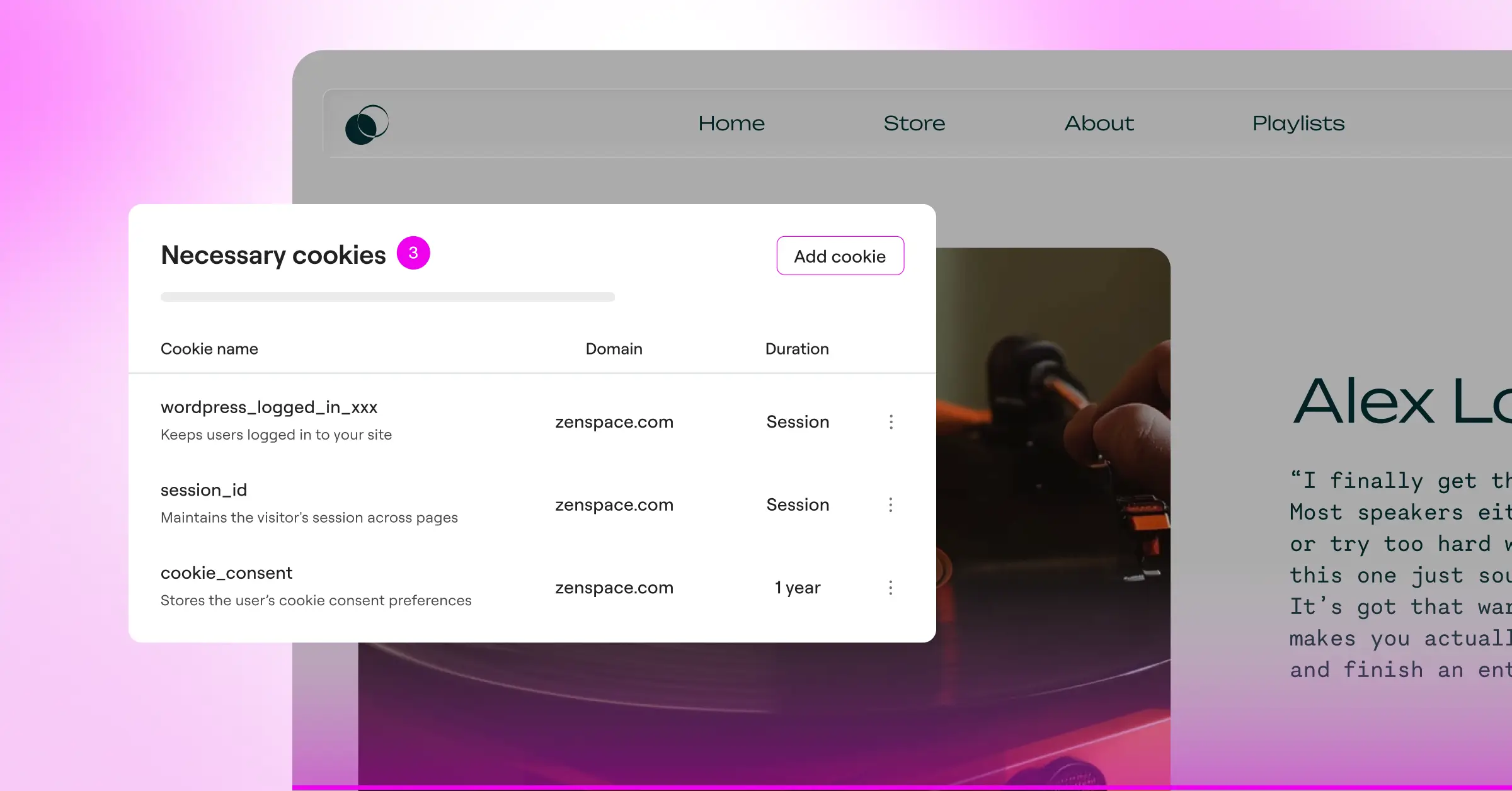
Cookie Consent scans your pages and lets you categorize scripts right inside WordPress, pausing or loading them instantly since it connects directly to your site engine, with logic running on your own server.
Cookiebot scans on a scheduled cloud basis, crawling your pages monthly to build a cookie manifest, then blocking scripts through its cloud script helper. A new tracking pixel between scans may need a manual scan to stay current.
Consent Logs and Audit Readiness
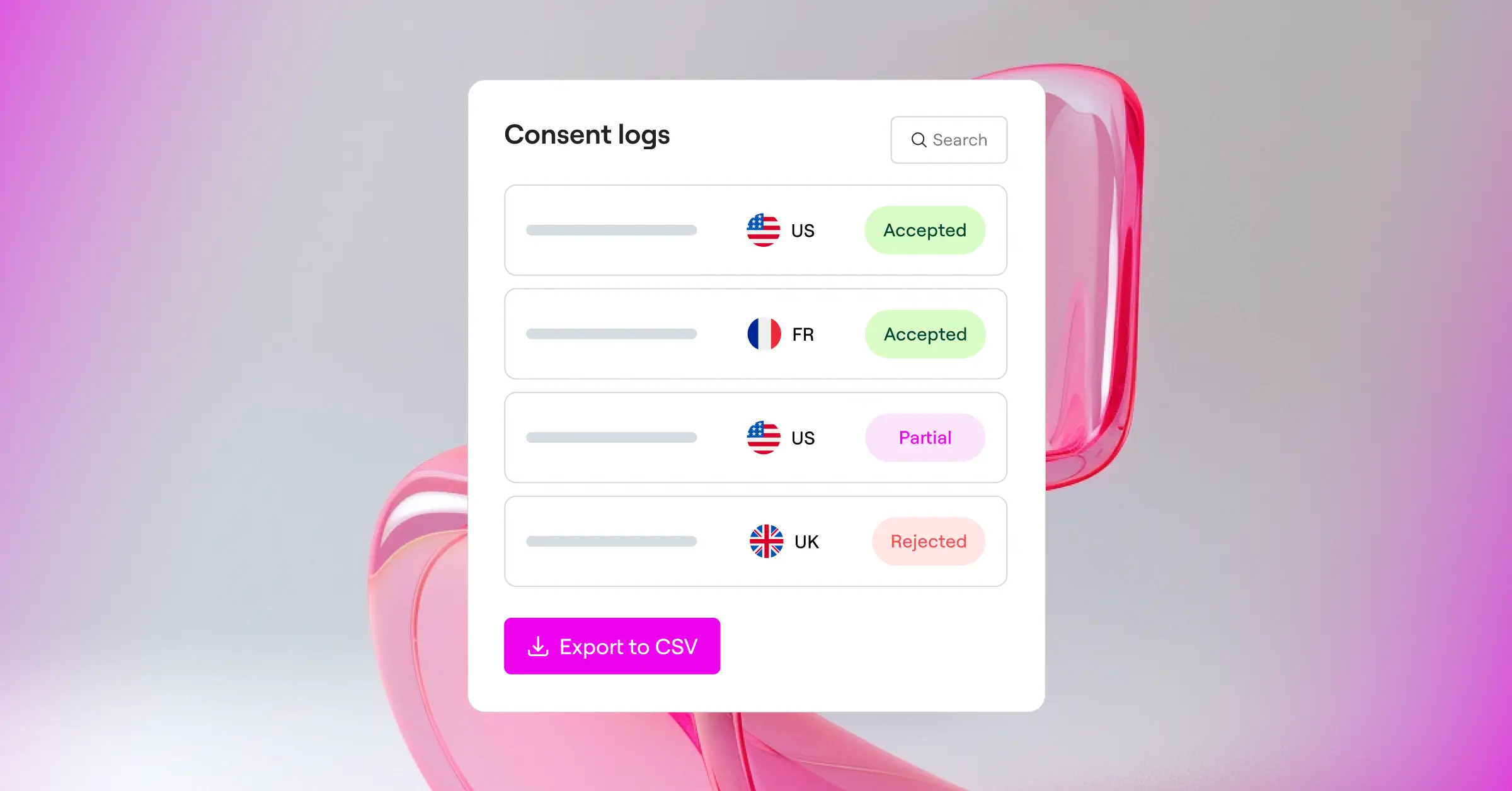
Regulators want proof specific users gave specific consent at specific times, not just a banner running. Cookie Consent keeps those logs natively inside WordPress, captured and stored for you to access from your dashboard.
Who is Each Tool Built For?
Choosing between these two comes down to your business structure, website framework, and how you like to manage workflows.
When to Choose Cookie Consent
This native tool suits site owners who want a fast, unified dashboard setup. It’s a great fit if:
- You want everything managed directly inside WordPress, no external cloud logins.
- You already use Elementor as your design platform and want your technical tools under one roof.
- You want a built-in policy generator and geo-targeting without paying extra subscription fees.
When to Choose Cookiebot
Cookiebot suits businesses outside a single ecosystem. You might prefer it if:
- You run complex networks of non-WordPress sites alongside your main blog.
- You need structured monthly compliance reports delivered to your legal team.
- You need centralized consent management across hundreds of domains from a single external portal.
How to Safely Transition Your Consent Setup
If you’re moving from an older consent solution, a structured transition avoids script errors and keeps your Google Analytics data accurate:
- Audit your current active tracking scripts before making any changes.
- Back up your existing database before activating your new consent tool.
- Test in an incognito browser window to verify tags are blocked until consent is given.
Once that’s done, retire your old solution and keep a regular maintenance routine going forward:
- Maintains active logs of all user consent decisions.
- Reviews active tracking scripts on a quarterly basis.
- Tests consent banners on multiple device types and operating systems.
- Updates your privacy policy whenever you add new marketing tools.
- Documents your legal basis for processing any personal data.
- Verifies that scripts remain blocked until explicit consent is given.
Pricing and Value
Compliance is ongoing, so you want a solution that scales as your traffic grows. Cookie Consent includes an entry-level plan for basic consent needs, accessible for new blogs and small businesses. For growing sites, it’s packaged in Elementor One, giving you a full compliance toolkit alongside premium design, Image Optimization, and Email Deliverability, without separate subscriptions.
Cookiebot uses a subscription model based on site size and complexity, structured around subpages and domains managed. Sites with thousands of pages see costs scale accordingly, so check its official website for current rates.
Choosing the Right Fit for Your Site
Both platforms offer reliable ways to protect your business and respect visitor privacy. For a large, multi-platform network needing external cloud auditing, Cookiebot is a solid, dedicated compliance service. For a WordPress site wanting a simple, fast, styled setup, the native Cookie Consent tool keeps everything organized right where you already work.
Frequently Asked Questions
What is Google Consent Mode v2, and do I really need it?
Google Consent Mode v2 passes visitor consent choices to Google tags. With EU or UK traffic on Analytics or Ads, it’s a firm requirement for accurate conversion tracking.
Can I use these tools to satisfy both GDPR and CCPA requirements?
Yes. Both handle opt-in consent for GDPR and opt-out mechanics for CCPA, so you’re covered globally.
Does cookie consent affect my website’s page speed?
It can, if the tool leans on heavy scripts. Cookie Consent loads efficiently, built natively for WordPress, while external SaaS options may add a small delay.
Do I need an external account to use Cookie Consent?
No. Cookie Consent runs entirely within your WordPress admin area, no separate registration or extra API connections needed.
How does geo-targeting work for privacy banners?
Geo-targeting uses the visitor’s IP address, showing a strict opt-in banner in regions with strict privacy laws, like the EU, and a lighter one elsewhere.
What happens if a visitor ignores the consent banner?
Compliant tools keep tracking cookies blocked by default until the visitor clicks the confirmation button.
Can I customize the colors and fonts to match my brand?
Yes, though the ease varies. Cookie Consent styles every element in the visual builder; Cookiebot needs custom CSS overrides for deeper changes.
What is Global Privacy Control, and does my site need to support it?
Global Privacy Control is a browser setting for automatic privacy signals. Both platforms respect it, helping meet CCPA and other state-level rules.

