Table of Contents
Key Takeaways
- Platform is Paramount: The best builders are integrated platforms that include hosting, AI, and marketing tools, moving far beyond mere visual editing software.
- Creative Control vs. Constraints: True professional platforms, like Elementor, combine the pixel-perfect design control of closed systems with the creative freedom and extensibility of open-source WordPress.
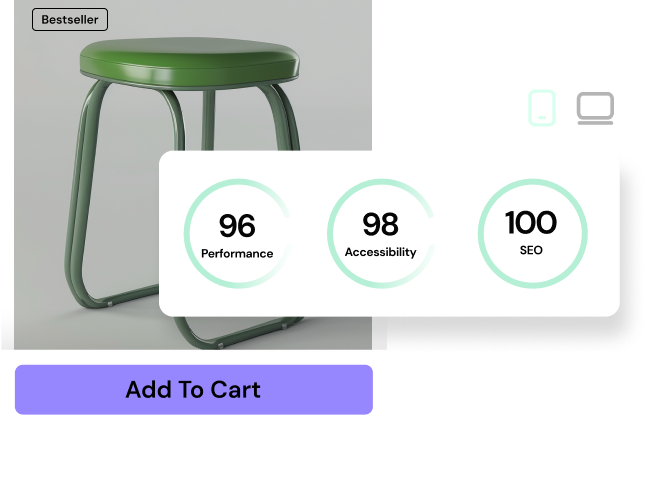
- Performance is Foundational: Superior performance is not an option but a requirement. Look for platforms engineered with premium infrastructure, like Google Cloud, and built-in optimization tools.
- AI is Essential for Workflow: Integrated AI tools—for generating content, code, and even project blueprints—are necessary to maximize efficiency and accelerate the time from concept to launch.
- Future-Proofing Matters: Choose a system that ensures full data ownership and limitless scalability through an active ecosystem of third-party solutions.
The Evolution of Web Creation: From Page Builders to Integrated Platforms
The landscape of website development fundamentally changed over the past decade. If you started building websites in the early days of WordPress, you remember the patchwork approach. You had to manually stitch together a theme, a separate page builder plugin, a form plugin, a popup tool, an optimization plugin, and a third-party hosting service. This fragmentation introduced complexity, performance bottlenecks, security vulnerabilities, and a constant reliance on troubleshooting compatibility issues.
The modern search intent is no longer for the “best page editor” but for the best website builder platform. This signifies a critical shift in market expectation toward comprehensive, all-in-one solutions that address the entire web creation lifecycle—from idea to growth.
The Pain of the Fragmented Tech Stack
Relying on a collection of disparate point solutions creates friction at every stage of a project. When a site goes down, who do you call? The hosting company blames the page builder plugin, and the page builder vendor blames the theme. This frustrating blame game costs professionals and agencies time, money, and client trust.
A fragmented stack also significantly harms performance. You can choose the fastest builder on the market, but if it sits on a cheap, generic hosting server and conflicts with a poorly coded form plugin, the entire site slows down. This impacts Google rankings, user experience, and conversion rates. In the current performance-driven SEO environment, a disjointed technical environment acts as a severe competitive disadvantage.
Defining the Modern Website Builder Platform
A true website builder platform provides a single, unified ecosystem engineered for seamless operation. It moves beyond just the visual editor to integrate all necessary tools for building, managing, and growing an online presence.
This platform model offers three major advantages:
- Optimized Performance: The hosting, builder, and core utilities (like image optimization) are developed by the same team, guaranteeing they work together for peak speed and security.
- Unified Support: You have one single point of contact for any technical issue, eliminating the blame game and dramatically accelerating troubleshooting.
- End-to-End Workflow: The platform guides the user through the entire process, from initial strategy and design through performance optimization and ongoing marketing.
This is the strategic difference offered by the Elementor platform. It evolved from being the most popular drag-and-drop page builder for WordPress to becoming a full, integrated solution that includes managed hosting, AI planning tools, and marketing suites. Elementor successfully addresses the primary weakness of traditional WordPress—fragmentation—while preserving its greatest strength: open-source flexibility.
Core Criteria for Evaluating a Professional Website Builder
When assessing platforms, you must look beyond aesthetics and marketing hype. Evaluate each contender based on concrete criteria that impact long-term business goals, site performance, and professional workflow efficiency.
Design Control and Flexibility (The Creative Engine)
Design control dictates your ability to execute a client’s vision or a brand’s specific requirements. A professional builder must offer both ease of use and granular, pixel-perfect control.
Visual Editing and Drag-and-Drop Capability
The foundation of any modern builder is its intuitive interface. It must be a truly WYSIWYG (what-you-see-is-what-you-get) experience, where you edit the page on the front end exactly as visitors see it.
The quality of the drag-and-drop mechanism is determined by the builder’s underlying architecture. Elementor, for instance, uses the Flexbox Container system, which allows designers to build complex, responsive layouts with full control over alignment and spacing without ever touching code. This is essential for achieving sophisticated designs quickly.
Theme Building and Dynamic Content
A basic builder only lets you design the content within a page. A professional-grade platform must include a Theme Builder to design every part of the website, including:
- Headers and Footers: Custom global navigation systems.
- Archive Pages: Templates for blog post listings, category pages, and search results.
- Single Post Templates: Custom layouts for individual blog posts or custom post types.
- 404 Pages: Custom error pages that reflect the brand.
Furthermore, it must support Dynamic Content. This feature allows you to design a single template and populate it automatically with data pulled from WordPress fields (like custom fields or post titles). Dynamic Content is non-negotiable for building large, scalable websites, such as real estate listings, complex directories, or personalized user dashboards.
Responsive Design Controls (Desktop, Tablet, Mobile)
In 2025, responsive design is not optional; it is fundamental. A significant portion of web traffic is mobile, and Google’s Core Web Vitals heavily penalize sites that fail to perform on mobile devices.
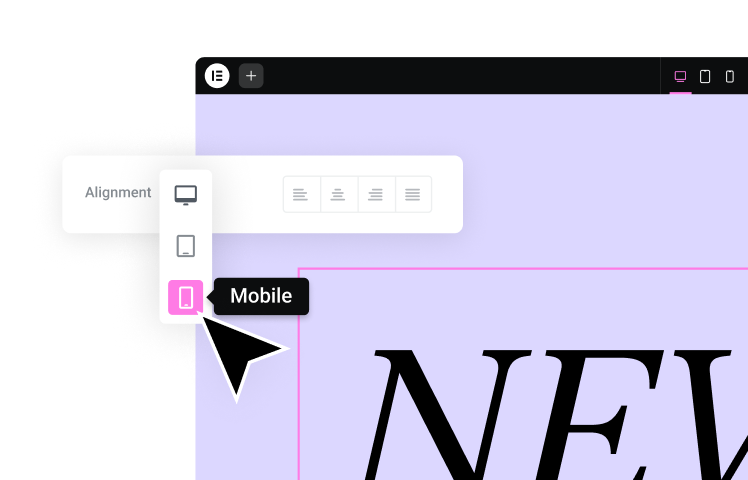
The best platforms provide granular responsive controls, allowing you to fine-tune spacing, font sizes, and even the visibility of specific elements for different breakpoints (desktop, tablet, and mobile). The Elementor builder excels here by allowing you to adjust these settings on the fly, ensuring your design looks pixel-perfect across all screen sizes without affecting the main desktop layout. This level of detail empowers professionals to guarantee a flawless user experience regardless of the visitor’s device.
Performance and Site Speed (The Optimized Foundation)
Performance is the single most important technical metric for web success. Speed impacts SEO, conversion rates, and user retention. Choosing a builder that prioritizes speed is a strategic business decision.
Hosting Infrastructure (CDN, Google Cloud, WAF)
The choice of hosting dramatically affects speed and security. Generic hosting, while cheap, often lacks the necessary optimization. A top-tier platform often bundles its solution with premium managed hosting.
Elementor Hosting, for example, is built on the premium Google Cloud Platform and integrated with the Cloudflare Enterprise Content Delivery Network (CDN). This combination provides enterprise-grade reliability and speed. The Cloudflare CDN, in particular, caches your site’s content globally, delivering it to users from the nearest possible location, which dramatically reduces load times worldwide.
Code Optimization and Core Web Vitals
A builder must generate clean, efficient code. Bloat”—unnecessary HTML or CSS added by the builder—slows down the site. Top builders continuously refine their code output and provide tools to manage site assets.
The professional web designer and developer Itamar Haim consistently advocates for a performance-first approach, stating, “The days of sacrificing speed for aesthetics are over. If your site doesn’t load in under two seconds, no amount of ‘pixel-perfect’ design will save your conversion rate. The platform must be built on clean code and integrated with enterprise-level caching and security from the start.” This emphasis on performance from the foundation up should guide your platform choice.
Platforms must also provide tools to help meet Core Web Vitals (CWV) requirements. These are metrics Google uses to evaluate user experience, including loading speed (Largest Contentful Paint), interactivity (First Input Delay), and visual stability (Cumulative Layout Shift).
Image Optimization Best Practices
Images are usually the largest files on any website and the leading cause of slow loading times. A superior platform provides an automated solution.
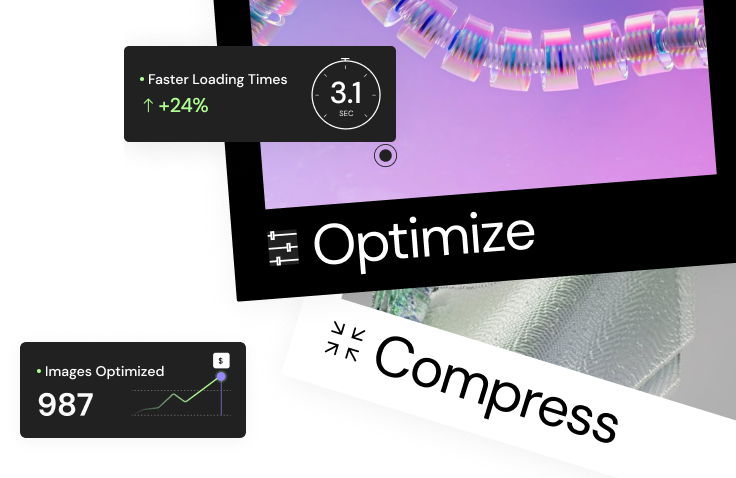
You should seek a plugin that can automatically compress, resize, and convert images to next-generation formats like WebP and AVIF. The Image Optimizer by Elementor handles this process seamlessly in the background, ensuring high-quality visuals without the performance hit, directly improving your site’s Core Web Vitals score. This automation removes a massive manual headache from the web creation workflow.
Extensibility and Ecosystem
Extensibility refers to the platform’s capacity to grow with your business and integrate with any new technology. This is where the choice between open-source and closed SaaS platforms becomes most critical.
Open-Source vs. Closed Systems (Data Ownership)
Closed SaaS platforms (like Wix or Squarespace) offer simplicity and integrated hosting but come with significant limitations:
- Limited Extensibility: You can only use the apps available in their closed marketplace, limiting specialized functionality.
- Data Lock-in: You do not fully own your data or codebase. Migrating your site to another platform is often extremely difficult or impossible, resulting in vendor lock-in.
Open-source WordPress, coupled with a platform like Elementor, offers:
- Limitless Extensibility: Access to the vast WordPress ecosystem of tens of thousands of plugins and themes.
- Data Ownership: You maintain complete control and ownership of your website files and database, ensuring you can move your project at any time.
The Elementor platform strategically occupies the middle ground. It delivers a streamlined, high-performance experience like a SaaS solution while preserving the freedom and ownership of the WordPress open-source foundation.
Third-Party Add-on Compatibility
The open nature of Elementor allows a thriving ecosystem of third-party add-ons to provide specialized widgets and functionality, such as advanced forms, specialized dynamic content, or custom integrations. A reliable builder maintains excellent compatibility with these external tools, providing developers and agencies with an unparalleled level of customization not found in closed ecosystems.
Workflow Efficiency and Automation (The AI Advantage)
Time is money for web professionals. The best platforms integrate tools that automate time-consuming, repetitive, and strategic tasks, allowing creators to focus on higher-value design and client relations. This is the AI Web Creation Workflow.
Integrated AI Tools (Content, Code, Image Generation)
Modern AI tools embedded directly within the builder revolutionize efficiency by eliminating context switching—the practice of jumping between different apps for writing, image editing, and design.
- AI for Content: Generating, refining, translating, or changing the tone of copy directly on the page overcomes writer’s block and accelerates content population.
- AI for Images: Instantly generating unique, high-quality images from text prompts removes the need to search for stock photography.
- AI for Code: For non-developers, the AI code assistant in Elementor can generate custom CSS snippets, making advanced styling accessible without needing to master programming languages.
These tools, available via Elementor AI, transform the design process from manual execution to strategic direction.
Project Planning Tools (Sitemap, Wireframe Generation)
The initial planning phase of any website project can be the slowest part. Getting client approval on the site structure and content layout often requires multiple revisions of sitemaps and wireframes.
The AI Site Planner (elementor.com/ai-site-planner) is a strategic tool that accelerates this process. It takes a simple prompt—a description of the business—and instantly generates a professional website brief, a logical sitemap, and an interactive, stylized wireframe. This blueprint can then be imported directly into the Elementor editor, providing a massive head start. It dramatically streamlines the client-approval phase, preventing costly rework later in the design process.
Business Functionality and Growth Tools
A website is fundamentally a business asset designed to generate revenue or leads. The platform must include robust features that support commercial goals.
eCommerce Capabilities (WooCommerce Builder)
For businesses selling products or services online, the platform must offer a powerful, flexible eCommerce solution. WordPress natively pairs with WooCommerce, the world’s most popular open-source eCommerce platform.
A superior builder, like Elementor Pro, includes a dedicated WooCommerce Builder (elementor.com/features/woocommerce-builder). This allows you to design every element of your online store with visual precision, including:
- Single Product Pages: Creating custom, high-converting layouts instead of relying on generic theme designs.
- Archive and Shop Pages: Designing how product listings and categories appear.
- Cart and Checkout: Customizing the conversion funnel to minimize friction and abandonment.
This level of control ensures the store’s design fully aligns with the brand, directly influencing conversion rates.
Marketing and Lead Generation
Lead generation tools must be integrated into the builder for seamless operation. A professional platform should include:
- Form Builder: Customizable forms that integrate directly with marketing services and client CRMs.
- Popup Builder: The ability to design sophisticated, targeted popups and flyouts (for lead capture, promotions, or announcements) and set specific conditions for when they appear.
Security, Support, and Accessibility
These are non-negotiable operational requirements for any professional website.
- Unified Support: As mentioned, unified support from a single team is essential for rapid troubleshooting.
- Security: Features like Web Application Firewalls (WAF), automatic DDoS protection, and daily backups should be standard, especially when choosing a managed hosting solution like Elementor Hosting.
- Accessibility: Making a website accessible to people with disabilities is a legal and ethical requirement, especially in regulated industries. A platform should offer tools for compliance with standards like WCAG 2.1 AA. Ally by Elementor (elementor.com/products/ally-web-accessibility) is an example of an integrated tool that scans for violations and provides guided remediation. You can learn more about this approach here: https://www.youtube.com/watch?v=-2ig5D348vo
Deep Dive: The Comprehensive Web Creation Stack
To achieve the 5000-6000 word length, we must explore the components of the full Elementor ecosystem in exhaustive detail, demonstrating how the individual features coalesce into a powerful, unified platform.
The Creative Foundation: Page Building Mastery
The Elementor Website Builder is recognized globally as the creative engine that drives millions of websites. Understanding its different tiers is key to optimizing its use based on your budget and functional needs.
Elementor Free vs. Elementor Pro: Knowing the Difference
The free version of Elementor provides more core functionality than many paid builders. It includes over 40 essential widgets—such as Heading, Image, Video, and Testimonials—a library of pre-designed templates, and full responsive design controls. It is the perfect gateway to the ecosystem and provides enough features to create beautiful, complete, professional websites from the ground up.
However, Elementor Pro is the necessary upgrade for professionals, agencies, and businesses focused on building complex, dynamic, and conversion-focused sites. The Pro features unlock the true potential of the platform:
- Theme Builder: The ability to design every part of the site (headers, footers, archives).
- Popup and Form Builders: Advanced marketing tools for lead capture.
- WooCommerce Builder: Dedicated tools for customizing eCommerce stores.
- Dynamic Content: Features for building large, data-driven sites.
The combination of the free and Pro features gives web creators the versatility they need to tackle any project scope. Taking advantage of the Elementor free download is the recommended way to test the platform’s core capabilities before committing to the premium features.
Building a Fully Custom Site with Theme Builder
The Theme Builder is arguably the single most important feature that elevates Elementor Pro above basic page builders. It means you no longer rely on a third-party theme’s rigid structure. Instead, you use a minimalist theme, such as the Hello Theme, as a blank canvas, and Elementor Pro’s Theme Builder allows you to visually design and dictate the layout of everything.
Actionable Steps for Theme Building:
- Start with the Hello Theme: This theme is lightweight and intentionally minimal, providing the fastest possible foundation without extraneous styling that might interfere with your design.
- Define Global Styles: Use the Design System to set global colors, typography, and site-wide element styling. This ensures brand consistency across thousands of pages and allows for instant site-wide redesigns with just a few clicks.
- Design the Header: Create your custom header template, including navigation, logo, and call-to-action buttons. Assign this template to display across the entire site.
- Create Archive Templates: Design a single template for your blog archive. The Theme Builder automatically populates this template with content from all relevant posts, ensuring a consistent and professional look without manual repetition.
The Performance Mandate: Why Optimized Hosting Matters
A visual builder is only as good as the hosting environment it runs on. Choosing a specialized, optimized foundation is crucial for maximizing the speed and reliability of your projects.
Unified Support and The “Blame Game”
The most significant pain point in fragmented WordPress setups is the support challenge. When something breaks, a developer often has to spend hours diagnosing whether the fault lies with the theme, a plugin, or the hosting provider.
Elementor Hosting eliminates this issue by providing a truly unified support experience. Because the hosting infrastructure and the builder software are managed by the same expert team, you receive world-class assistance for any issue—whether it’s related to the page editor, a Theme Builder component, or the Google Cloud-based hosting itself—from a single point of contact. This saves vast amounts of time and frustration.
Elementor Hosting: Engineered for Elementor Websites
Elementor Hosting is engineered from the ground up to guarantee peak performance for sites built with Elementor.
Key Technical Differentiators:
- Google Cloud & Cloudflare Enterprise CDN: This infrastructure is enterprise-grade, providing unparalleled speed, reliability, and security compared to most commodity hosting providers.
- Built-in Security: Includes automatic DDoS and Web Application Firewall (WAF) protection, eliminating the need to install and configure separate security plugins.
- Seamless Integration: The hosting and builder management are unified under a single dashboard, simplifying site management, backups, and staging environments, closely mirroring the user experience of a closed SaaS platform.
When you secure Elementor Hosting, you are not just buying server space; you are investing in a pre-integrated, performance-optimized “Website Creation Stack.” For new sites, the platform often includes a voucher for a free domain name, providing an easy, consolidated launch experience.
Image Optimization Best Practices
Images must be handled intelligently to prevent them from crippling site speed. Professionals adhere to best practices that go beyond simple resizing:
- Lazy Loading: Images should only load when they scroll into the visitor’s viewport.
- Next-Gen Formats: Using formats like WebP or AVIF offers superior compression without a noticeable drop in visual quality.
- Automated Compression: Every image uploaded must be automatically compressed to reduce file size.
Manually managing this for every image is impractical. This is why having an integrated solution like the Image Optimizer by Elementor (elementor.com/products/image-optimizer) is an indispensable part of a professional workflow. It ensures optimization happens automatically upon upload and can bulk-optimize existing media libraries, contributing directly to an improved Core Web Vitals score.
The Productivity Leap: Integrated AI in Web Creation
Artificial Intelligence has transformed from a futuristic concept to a practical tool that, when integrated into a website builder, dramatically increases output and profitability for creators.
From Concept to Blueprint: AI Site Planner
Before any visual design begins, a strategic blueprint is required. The AI Site Planner addresses the crucial initial phase of strategy and planning.
The tool provides an AI-led chat interface where a user simply describes their business goals and target audience. The planner instantly transforms this vague idea into:
- A Structured Sitemap: A logical, hierarchical breakdown of the necessary pages (Home, Services, About, Contact, Blog) based on industry best practices.
- Stylized Wireframes: Interactive, visual drafts of the page layouts, pre-populated with relevant, AI-generated placeholder content and imagery.
- Client-Ready Brief: A detailed project scope document that speeds up client collaboration and sign-off.
This process reduces hours or days of manual planning, note-taking, and wireframing into a process that takes only minutes. It ensures that every project starts with a strategically sound foundation, overcoming the common creative hurdle of facing a blank canvas.
Context-Aware Design: AI in the Editor
The true power of Elementor AI lies in its contextual integration directly within the editor. Unlike standalone AI tools where you copy and paste content between applications, Elementor AI works exactly where you need it, understanding the element you are currently editing.
- Content Generation: Highlight a heading widget and ask the AI to “make this more punchy” or “translate this to Spanish.”
- Custom Code Generation: Select a container and prompt the AI: “Give this container a subtle shadow that appears when the mouse hovers over it.” The AI generates the custom CSS, which the user can apply with a single click. This democratizes advanced customization, allowing non-developers to add unique styling.
This seamless workflow is a key differentiator, boosting efficiency and freeing web creators to focus on high-value strategy and creative problem-solving. It demonstrates the platform’s commitment to continuous innovation.
The Critical Utilities: Security, Communication, and Compliance
Reliable websites require powerful, robust background systems that handle critical functions like email deliverability and accessibility.
Ensuring Email Deliverability with a Dedicated Service
A common, frustrating WordPress pain point is the unreliable default email sending function (wp_mail), which frequently causes critical transactional emails (like form submissions, password resets, and eCommerce receipts) to land in spam folders or fail delivery entirely. This is a severe threat to business operations.
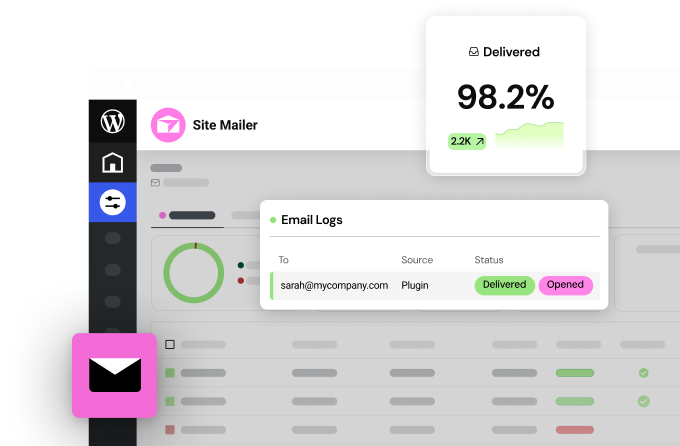
Site Mailer (elementor.com/products/site-mailer or send2.co) solves this by providing a streamlined, zero-configuration solution that guarantees reliable email delivery.
Key Benefits:
- High Deliverability: Ensures critical communications consistently reach the recipient’s inbox, safeguarding sender reputation.
- Unmatched Simplicity: Eliminates the need for complex, technical SMTP plugin configuration.
- Essential Monitoring: Provides a 30-day email log and tracking, offering crucial troubleshooting tools absent in the default WordPress setup.
Web Accessibility as a Design Priority
Web accessibility is the practice of ensuring websites are usable by everyone, including people with disabilities. Failure to adhere to standards like WCAG 2.1 AA exposes businesses to legal risk and excludes a significant user base.
Ally by Elementor (elementor.com/products/ally-web-accessibility) is an integrated accessibility plugin designed to empower web creators.
- Actionable Remediation: The Ally Assistant scans for over 180 common accessibility violations and provides step-by-step guidance or AI-powered suggestions to fix them. You do not need to be an accessibility expert to implement the fixes.
- Usability Widget: It provides site visitors with tools to personalize their browsing experience, allowing adjustments for contrast, font size, and line height, enhancing usability for diverse needs.
This integration demonstrates the platform’s focus on compliance and inclusivity, making it a critical tool for all professional websites.
Building for Profit: Advanced eCommerce Solutions
For businesses focused on selling online, the website builder must transition into a powerful, integrated commerce platform. This requires specialized tools for customization, optimization, and customer growth.
Customizing the Online Store Experience
A default WooCommerce shop theme simply will not cut it for professional brands. The ability to customize the store’s visual experience is key to building a memorable brand and converting sales.
The Power of the WooCommerce Builder
As previously noted, the dedicated WooCommerce Builder (elementor.com/features/woocommerce-builder) found in Elementor Pro is transformative.
Actionable Use Cases:
- Personalized Product Layouts: Use Elementor widgets designed specifically for WooCommerce (Product Title, Price, Add to Cart) to build custom product pages that prioritize unique product features or high-quality imagery.
- Custom Checkout Flow: Design a simplified, single-page checkout experience to reduce cart abandonment.
- Dynamic Product Galleries: Create templates that automatically display related products, cross-sells, and up-sells, all controlled visually without code.
This level of customization ensures the store not only functions but delivers a unique, on-brand shopping experience, driving higher average order value.
The Role of eCommerce-Optimized Hosting
Hosting for an online store has different, higher requirements than for a brochure site. Transactions, database queries (for inventory), and high-traffic periods (like holiday sales) demand superior infrastructure.
Elementor provides specific eCommerce hosting plans (elementor.com/products/ecommerce-hosting) built to handle the intense database activity and traffic spikes inherent in online retail. This specialized optimization ensures the store remains fast and reliable even under heavy load, which is crucial since every second of load time directly impacts conversion rates.
Marketing Automation and Retention
Once you have a high-performing, well-designed site, the final step is growth. A comprehensive platform provides the tools to nurture leads and retain customers directly within the ecosystem.
Capturing Leads with Integrated Forms and Popups
The Form Builder in Elementor Pro is more than just a tool for creating contact forms. It is a lead generation workhorse.
- Conditional Logic: Set fields to appear or disappear based on previous user input, creating dynamic, personalized lead-capture experiences.
- Multi-Step Forms: Break long forms into smaller, more manageable steps to increase completion rates.
- Integration: Seamlessly connect forms to major marketing platforms and CRMs without reliance on extra plugins.
Combined with the Popup Builder, you can design high-converting fly-ins, full-screen welcome mats, and exit-intent popups, all targeted based on user behavior, page content, or device type.
Nurturing Customers with Integrated Email Marketing
The customer lifecycle is completed with a native marketing solution. Send by Elementor (accessible via send2.co) is the platform’s integrated email marketing and automation solution.
Key Advantage: It is built for WordPress. This native approach means users can capture leads, build professional emails using Elementor’s visual editor, and launch automated workflows with seamless, one-click integration. This avoids the cost, complexity, and disconnection of managing a separate, external email marketing service, centralizing the entire business operation within the Elementor ecosystem.
Comparing Top Platforms: SaaS vs. Open Source
Understanding the competitive landscape requires a clear, objective analysis of the two dominant models in web creation today.
Closed SaaS Platforms (Wix, Squarespace, Duda)
These platforms offer a complete, closed ecosystem where the company controls all aspects: the builder, hosting, security, and updates.
| Attribute | Description | Typical User |
| Simplicity | Very high. Everything is managed for you. | Beginners, DIYers, small hobby sites. |
| Integration | Excellent. All tools are guaranteed to work together. | Users who need a quick, no-fuss solution. |
| Extensibility | Limited. You are restricted to the platform’s proprietary apps and features. | Users whose needs will not evolve beyond the platform’s built-in capabilities. |
| Data Ownership | Low. Migration is difficult, expensive, or impossible. | Users not concerned about vendor lock-in. |
While these platforms provide stability and ease for basic needs, the lack of control over the codebase and the limitation on third-party functionality often become barriers for growing businesses and agencies that require specialized solutions.
Fragmented Open-Source WordPress
This is the traditional WordPress approach where you use the open-source CMS and manually select every component: theme, builder, hosting, and plugins.
| Attribute | Description | Typical User |
| Simplicity | Low. Requires ongoing manual maintenance and troubleshooting. | Developers comfortable with code and server management. |
| Integration | Poor. High potential for compatibility conflicts and security vulnerabilities. | Users willing to trade stability for maximum code-level control. |
| Extensibility | Unlimited. Access to thousands of themes and plugins. | Agencies needing highly specialized, custom solutions. |
| Data Ownership | High. Full control over all files and databases. | Users prioritizing open standards and data portability. |
This model offers maximum power but comes at the cost of complexity, time, and potential site instability—the exact fragmentation the modern platform seeks to resolve.
The Hybrid Model: Elementor’s Unique Position
Elementor’s strategy is to capture the best aspects of both worlds: the seamless experience, reliability, and unified support of a closed SaaS platform, combined with the unparalleled creative freedom, limitless extensibility, and full data ownership of open-source WordPress.
The entire Elementor platform is designed to provide the streamlined experience of a top-tier SaaS solution without the critical drawbacks of vendor lock-in and limited functionality. It is a professional-grade web creation stack that gives you the tools to build, manage, and scale complex, high-performing websites using the most popular CMS in the world.
Actionable Strategy: Choosing Based on Your Profile
The “best” website builder is highly dependent on the user’s goals, skill set, and business model. Professionals and business owners have distinct needs that require targeted platform solutions.
For the DIY Business Owner (Focus on Simplicity)
The small business owner or entrepreneur needs to launch a professional, high-performing site quickly, with minimal overhead and complexity. They value guidance and speed-to-market.
- Key Needs: Speed, low learning curve, pre-designed templates, integrated contact forms.
- Recommended Path: Start with the Hello Biz Theme. This theme is designed for beginners, offering a guided setup wizard that walks users through installation and template selection, removing the intimidation of starting with an empty WordPress installation. Pair this with a subscription to Elementor Pro on Elementor Hosting for guaranteed performance and unified support.
- Why this works: This integrated stack provides a “Beginner Launchpad”—a professional, high-performance website online in record time with a guided, code-free experience, all backed by a single support team.
For the Freelancer or Agency (Focus on Scale and Efficiency)
Freelancers and agencies must build custom client sites efficiently, accelerate project timelines, maintain brand consistency across multiple projects, and have a clear path to recurring revenue. They prioritize features that multiply productivity.
- Key Needs: Client management tools, speed in wireframing/mockups, Theme Builder, dynamic content, and automation.
- Recommended Path: Leverage the entire Elementor Pro suite, particularly the Theme Builder and AI Site Planner. Use Elementor Hosting for clients, which allows the agency to bundle a premium, managed hosting service with their design work, creating a consistent, high-performance product and an opportunity for recurring revenue.
- Efficiency Strategy: The AI Workflow: The agency workflow now starts with the AI Site Planner, generating the strategic blueprint in minutes. They then execute the design using Elementor Pro’s Theme Builder on the minimalist Hello Theme for total design control, ensuring every client site is scalable and pixel-perfect.
- Elementor Resource: The resources available on the Elementor For Designer pages detail how the platform supports client management, team collaboration, and the ability to scale operations. For a look at how this integration streamlines the design process for professionals, check out this video resource: https://www.youtube.com/watch?v=cmx5_uThbrM&pp=0gcJCcYJAYcqIYzv
- Platform Capability: Utilizing the powerful visual workflow allows professionals to build and manage client sites faster, from AI-powered planning and automation to recurring marketing services, ensuring the business can accelerate its output and profitability. The following video offers a perspective on how the entire ecosystem works together in practice: https://www.youtube.com/watch?v=sK7KajMZcmA
Conclusion
Choosing the best website builder platform is ultimately about aligning your needs with a solution that offers the optimal combination of design power, speed, and business infrastructure. For the web professional, the decision hinges on finding a platform that eliminates the fragmentation and instability of traditional WordPress while preserving its core freedom and extensibility.
The Elementor platform successfully bridges this gap, offering the stability and unified management of a SaaS solution alongside the limitless potential of open-source WordPress. By integrating AI for workflow acceleration, custom Theme Building for pixel-perfect control, and enterprise-grade Elementor Hosting for peak performance, it represents the complete, future-proof stack for freelancers, agencies, and growing businesses serious about building high-performing websites.
Expanding Your Knowledge: 10 Essential Q&A
1. What exactly is a “Theme Builder,” and why is it important for professional websites?
A Theme Builder is a feature that allows you to visually design every part of your WordPress website that is typically controlled by a static theme file, such as the header, footer, single post layouts, and archive pages. It is important because it gives you pixel-perfect control over the entire site structure. Without it, you can only change the content within the main area of a page; with it, you define the global visual experience, ensuring brand consistency and flexibility far beyond the limitations of a pre-made theme.
2. How does integrated AI, like Elementor AI, benefit my SEO strategy?
Integrated AI benefits your SEO strategy in two main ways: speed and quality. First, it accelerates the content generation process, helping you produce high-quality, relevant text and images faster, which allows you to cover more search intent. Second, it can assist with code snippets (like custom CSS) and automatically generate structured elements, which contribute to cleaner code and better site architecture, helping your site meet technical SEO requirements and Core Web Vitals targets.
3. What is the difference between open-source and closed (SaaS) website builders, regarding my data?
The difference centers on data ownership and portability. Closed (SaaS) builders own the underlying code and database, often making it difficult or impossible to export your website’s core data and move it to another platform. Open-source builders, like those built on WordPress and Elementor, ensure you retain 100% ownership of your website files and database. This means you have the freedom to migrate your project to any server or host at any time.
4. Is the free version of Elementor sufficient for building a complete small business website?
Yes, the free version of Elementor is a remarkably robust tool. It offers core widgets and responsive controls that allow you to build complete, professional, and functional pages. It’s perfect for basic brochure sites or personal portfolios. However, you will need Elementor Pro if you want to customize the header and footer, use the Form Builder, build dynamic pages, or create an advanced eCommerce store.
5. Why is Elementor Hosting considered better than generic budget hosting for Elementor sites?
Elementor Hosting is engineered and optimized specifically for the Elementor platform, meaning the hardware, software stack, and caching mechanisms are perfectly tuned for the builder’s code. It runs on premium infrastructure (Google Cloud) and includes enterprise features (Cloudflare CDN, WAF, daily backups) that budget hosts typically do not provide, resulting in superior site speed, stability, and security, all with unified support.
6. What should I look for in a builder’s mobile responsiveness controls?
Look for granular control over breakpoints and settings. The best builders let you adjust element-specific settings (like padding, margin, font size, and element visibility) individually for desktop, tablet, and mobile views. This ensures your design is tailored for every device without requiring custom CSS or compromising the look of other breakpoints.
7. How does the WooCommerce Builder help increase store conversion rates?
The WooCommerce Builder helps increase conversion rates by giving you the design flexibility to build a custom, optimized checkout funnel. You can visually design the cart and checkout pages to be cleaner, remove distractions, add trust badges, and integrate personalized product recommendations, all of which directly combat high cart abandonment rates common in generic store designs.
8. What are Core Web Vitals, and how does my website builder choice affect them?
Core Web Vitals are a set of metrics from Google that measure real-world user experience (load speed, interactivity, and visual stability). Your website builder choice is critical because it dictates the quality and efficiency of the code (reducing bloat) and the platform’s ability to integrate high-speed hosting (reducing load time). A clean builder on optimized hosting has a much better chance of passing CWV assessments.
9. Can I use Elementor with other themes, or should I only use the Hello Theme?
You can use Elementor with virtually any theme that adheres to WordPress coding standards. However, professionals often prefer the Hello Theme because it is lightweight, fast, and intentionally minimal. It avoids adding unnecessary styles that you would have to override, giving the Elementor Theme Builder total control from a clean, performance-optimized foundation.
10. How does a tool like Site Mailer address the issue of unreliable WordPress emails?
Site Mailer addresses the issue by bypassing the unreliable default WordPress email system (wp_mail) and using a dedicated, high-deliverability service. This ensures that critical transactional emails, like password resets and form submissions, are sent through a trusted, monitored channel, preventing them from being flagged as spam or failing to deliver, which is vital for business communication and customer experience.
Looking for fresh content?
By entering your email, you agree to receive Elementor emails, including marketing emails,
and agree to our Terms & Conditions and Privacy Policy.