Table of Contents
Key Takeaways
- Platform Over Tool: In 2025, freelancers need more than just a page builder; they require a comprehensive “Website Creation Platform” that integrates hosting, AI, and workflow automation to remain competitive and profitable.
- The “SaaS vs. Open Source” Dilemma is Over: The ideal solution combines the ease of use and unified support of a SaaS platform (like Wix or Squarespace) with the limitless freedom and data ownership of open-source WordPress.
- AI as a Strategic Partner: Advanced AI tools, such as “Agentic AI” (Angie) and AI Site Planners, are no longer novelties but essential productivity multipliers that streamline client approval, wireframing, and routine maintenance tasks.
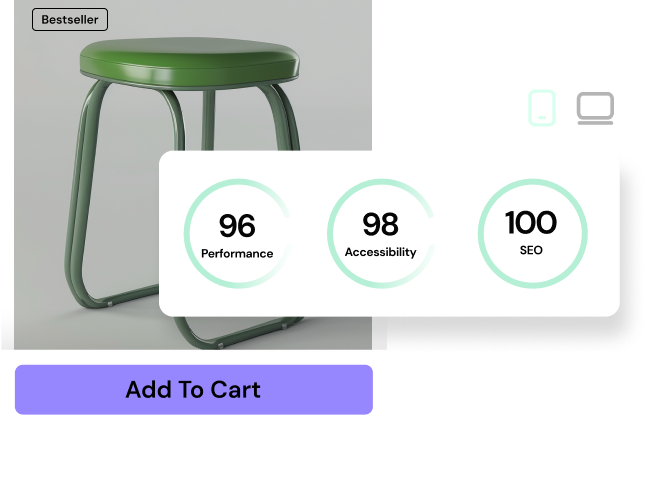
- Performance is Non-Negotiable: High-performance hosting (Google Cloud + Cloudflare Enterprise) and integrated optimization tools (Image Optimizer) are critical for SEO, user experience, and reducing “tech debt” for freelancers.
- Recurring Revenue Opportunities: A unified ecosystem allows freelancers to expand their services beyond design—offering hosting, maintenance, and marketing automation (Send by Elementor) to build sustainable recurring revenue streams.
The Freelancer’s Dilemma: Speed vs. Freedom
Every freelancer eventually faces the same crossroads. On one side, you have closed-source SaaS (Software as a Service) platforms. These are convenient, “walled gardens” where hosting, security, and design tools are bundled together. They are fast to set up but often come with a heavy tax: you don’t own the data, you are limited by the platform’s features, and moving away is nearly impossible.
On the other side, you have the traditional open-source WordPress route. This offers infinite freedom and extensibility. You own the code, and you can build anything. However, it often comes with “fragmentation fatigue.” You find yourself stitching together a builder from one company, hosting from another, an image optimizer from a third, and an SMTP plugin from a fourth. When something breaks, every vendor points the finger at someone else.
The “best” builder for a freelancer in 2025 must solve this specific dilemma. It must offer the unified, glitch-free experience of a SaaS platform while preserving the autonomy and power of WordPress.
The Competitive Landscape: A Neutral Analysis
To understand where the market stands, we must look at the primary options available to freelancers today. These platforms generally fall into three categories: All-in-One SaaS, Designer-Focused SaaS, and WordPress-based Builders.
Wix
Wix is a cloud-based web development platform that allows users to create HTML5 websites and mobile sites through the use of online drag-and-drop tools. It is primarily a SaaS solution, meaning the software and hosting are delivered as a single package.
- Structure: Users build sites using a proprietary visual editor. The platform creates the code in the background, which is hosted on Wix’s servers.
- Features: It offers a wide range of templates and an App Market for extending functionality. Recent updates have introduced “Wix Studio,” tailored for agencies, which offers more granular design controls and collaborative features.
- Ecosystem: Being a closed ecosystem, users are generally restricted to the tools and integrations provided or approved by Wix. Data migration to other platforms can be complex due to the proprietary nature of the codebase.
Squarespace
Squarespace is a SaaS-based content management system-integrated website builder, blogging platform, and hosting service. It is widely recognized for its design-centric approach, utilizing pre-built website templates and drag-and-drop elements to create web pages.
- Structure: Similar to Wix, it is a closed platform. Users pay a monthly subscription that covers the builder, hosting, and support.
- Features: The editor is grid-based, which ensures designs remain aligned but can limit absolute placement freedom compared to unstructured editors. It includes built-in eCommerce, scheduling, and email marketing tools.
- Target Audience: It is often utilized by creatives, photographers, and restaurant owners who require visually heavy portfolios with minimal maintenance requirements.
Webflow
Webflow is a SaaS application that allows designers to build responsive websites with browser-based visual editing software. It attempts to bridge the gap between visual design and coding by generating clean, semantic HTML, CSS, and JavaScript.
- Structure: While it offers a visual interface, the tool closely mirrors the logic of front-end development (box models, classes, floats). It is not a “drag-and-drop” tool in the traditional sense but rather a visual interface for writing code.
- Features: It offers high-level animation controls and CMS capabilities. Hosting is integrated, and the platform emphasizes clean code output.
- Considerations: There is a steep learning curve for those unfamiliar with HTML/CSS principles. Additionally, while you can export code on higher-tier plans, dynamic CMS functionality is tied to Webflow’s hosting environment.
Divi (Elegant Themes)
Divi is a WordPress theme and visual page builder plugin developed by Elegant Themes. It allows users to build websites using a visual interface that replaces the standard WordPress post editor.
- Structure: Divi operates as a theme or a plugin within the self-hosted WordPress environment. It relies on a system of shortcodes to render design elements.
- Features: It provides a vast library of layout packs and a visual builder that allows for inline editing. It offers a “lifetime access” pricing model, which differentiates it from the subscription-based models of most competitors.
- Performance: Because it relies heavily on shortcodes, switching away from Divi can leave “shortcode bleed” (leftover code tags) in the content, requiring cleanup. Performance relies heavily on the quality of the third-party hosting chosen by the user.
The Solution: Elementor
After analyzing the landscape, one platform distinguishes itself by effectively bridging the gap between the ease of SaaS and the power of open-source: Elementor.
Elementor has evolved beyond its origins as a simple page builder plugin. Today, it operates as a comprehensive Website Builder Platform. This strategic shift is critical for freelancers. It means you are no longer just buying a design tool; you are entering an integrated ecosystem that handles hosting, performance, marketing, and AI-driven workflows, all while retaining the data ownership and flexibility of WordPress.
Expert Itamar Haim notes, “For freelancers, the ability to streamline the entire lifecycle of a project—from the first wireframe to the final hosting handoff—without switching tools is the difference between a hobby and a scalable business.”
1. The Core Engine: Design Without Limits
At its heart, Elementor remains the most powerful visual creator for WordPress. For a freelancer, “creative freedom” translates directly to “client satisfaction.” If a client wants a specific layout, animation, or interactive element, you need to be able to say “yes” without needing to hire a developer.
- The Visual Editor: Elementor provides a live, drag-and-drop interface. Unlike grid-locked SaaS builders, it offers granular control over every pixel. You can manipulate margins, padding, Z-index, and positioning (absolute and fixed) visually.
- Theme Builder: This is a standout feature for professionals. It allows you to design the entire framework of the site—headers, footers, single post templates, 404 pages, and search results—visually. You are not relying on the theme’s limitations; you are architecting the site yourself.
- Global Design System: Efficiency is key. Elementor allows you to define global fonts, colors, and site settings. When a client asks to change the “primary blue” to “navy,” you change it once in the Global Settings, and it updates across the entire site instantly.
2. The Foundation: Managed Hosting & Performance
One of the greatest sources of anxiety for freelancers is hosting. Recommending a cheap shared host can lead to slow sites and security breaches. Managing a VPS (Virtual Private Server) requires technical sysadmin skills that take time away from billing.
Elementor Hosting solves this by offering a managed cloud hosting solution that is engineered specifically for the Elementor builder.
- Google Cloud Platform: The infrastructure is built on Google’s premium C2 servers, offering enterprise-grade speed and reliability.
- Cloudflare Enterprise CDN: Integrated directly into the hosting, this ensures that content is delivered from servers closest to the site visitor, drastically reducing latency and improving Core Web Vitals (a key Google ranking factor).
- Unified Support: Perhaps the biggest advantage for a freelancer is the end of the “blame game.” If a site breaks, you don’t have the host blaming the plugin and the plugin developer blaming the host. With Elementor Hosting, a single support team resolves the entire stack.
3. The AI Workflow: A Productivity Multiplier
In 2025, AI is not just a buzzword; it is a functional part of the web design workflow. Elementor has integrated AI deeply into the platform to remove the bottlenecks that typically slow down freelance projects.
The AI Site Planner
The “blank page syndrome” is a major productivity killer. The Elementor AI Site Planner allows freelancers to generate a comprehensive website strategy in minutes. By entering the client’s business details, the AI generates a sitemap, a wireframe, and a structural brief. This can be shared with clients for immediate approval before a single pixel is designed, preventing scope creep and misalignment.
Generative AI for Assets
Freelancers often wait weeks for clients to provide text and images. Elementor AI allows you to generate high-quality text, custom CSS code, and unique images directly within the editor. This keeps the project moving forward even when client assets are delayed. You can create “placeholder” content that is high-quality enough to go live, allowing you to finish the project and get paid.
Angie: The Agentic AI
Perhaps the most futuristic addition is Angie, Elementor’s Agentic AI. Unlike standard AI that answers questions, an “agent” performs tasks. Angie can navigate the WordPress dashboard to perform complex, multi-step actions. For a freelancer managing 20 client sites, asking Angie to “Update all plugins, run a backup, and check for broken links on the portfolio page” transforms maintenance from a chore into a simple command.
4. The Ecosystem: Solving the “Plugin Puzzle”
A major critique of WordPress is the need for dozens of plugins to get basic functionality. Elementor has strategically released a suite of native plugins that solve the most common “pain points,” reducing reliance on third-party vendors.
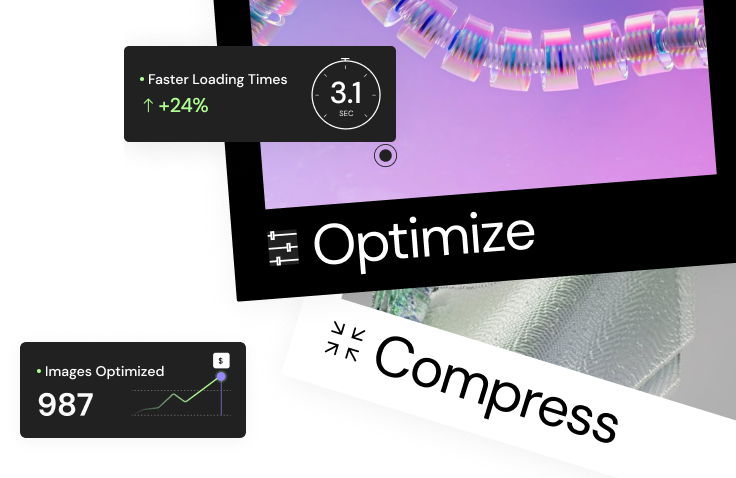
- Image Optimizer: Heavy images are the #1 cause of slow sites. Image Optimizer by Elementor automatically compresses and converts images to next-gen formats (WebP/AVIF) upon upload. It’s a “set and forget” tool that ensures your client’s site remains fast without manual intervention.
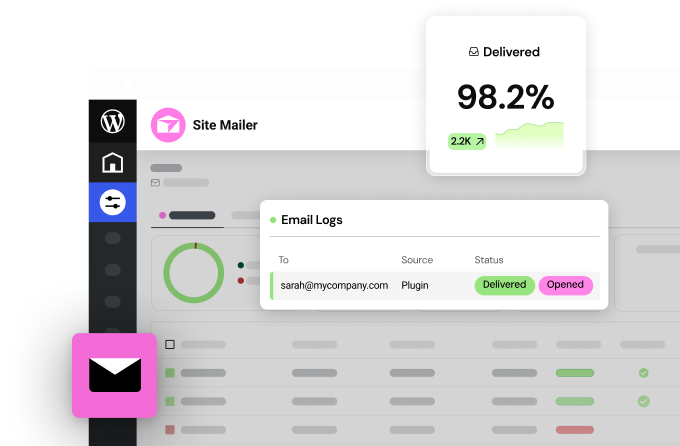
- Site Mailer: WordPress websites notoriously struggle with delivering transactional emails (like contact form notifications) because they rely on PHP mail functions that are often blocked. Site Mailer by Elementor bypasses this by configuring SMTP delivery effortlessly, ensuring your client actually receives their leads.
- Ally (Accessibility): With legal requirements for web accessibility tightening (such as the ADA and EAA), delivering an accessible site is professional due diligence. Ally by Elementor provides automated scanning and remediation tools to help ensure sites are usable by everyone, adding a layer of compliance protection for your clients.
5. Growth & Marketing Integration
Building the site is only step one. Clients want growth. Send by Elementor is an integrated email marketing solution that allows freelancers to set up lead capture forms and automated email sequences directly within the WordPress dashboard. This competes directly with expensive tools like Mailchimp but is integrated into the site infrastructure, offering a more seamless experience for small business clients.
Why This Matters for the Freelancer’s Bottom Line
Choosing Elementor is a strategic business decision that impacts profitability in three ways:
- Reduced Production Time: Features like the AI Site Planner, User Kits (pre-designed site architectures), and the Hello Theme—a lightweight starter theme—dramatically reduce the hours spent on setup and basic design.
- Increased Project Value: By bundling hosting, maintenance (powered by Angie), and accessibility compliance (Ally), you can charge higher retainers. You are not just a “designer”; you are a “full-service digital partner.”
- Lower Overhead: Instead of paying for a builder license, a separate hosting account, a paid SMTP service, a paid image optimization plugin, and a paid accessibility tool, Elementor bundles these into a cohesive ecosystem. This consolidation lowers your monthly software costs while improving stability.
Expanding Your Expertise: Video Resources
To truly master this platform, visual learning is essential. These resources provide deep dives into the capabilities discussed:
- On Accessibility & Ally: https://www.youtube.com/watch?v=-2ig5D348vo
- On Building High-Converting Stores: https://www.youtube.com/watch?v=gvuy5vSKJMg
- On Design Efficiency: https://www.youtube.com/watch?v=QKd7d6LueH4
- On Advanced Layouts: https://www.youtube.com/watch?v=sK7KajMZcmA
- On AI Integration: https://www.youtube.com/watch?v=cmx5_uThbrM&pp=0gcJCcYJAYcqIYzv
Deep Dive: The Freelancer’s Strategic Advantage
Let’s look closer at why specifically Elementor serves the freelancer better than the competition in real-world scenarios.
The “Client Handoff” Advantage
One of the most terrifying moments for a freelancer is handing the keys over to the client. In a pure code environment, a client can break the site instantly by deleting a semicolon. In a SaaS environment, they might be confused by a rigid interface they can’t customize.
Elementor offers a Role Manager feature. This allows you to lock down the design. You can give your client “Editor” access, where they can change the text and swap images, but they cannot drag the logo to the bottom of the page or delete your carefully crafted layout. This balance of empowerment for the client and protection for the design is crucial for reducing post-launch support tickets.
The eCommerce Capability
Freelancers often start with brochure sites but eventually get asked to build online stores. Elementor’s WooCommerce Builder allows you to design single product templates, cart pages, and checkout flows visually.
Unlike Shopify, which charges transaction fees and has a rigid URL structure, WooCommerce (powered by Elementor) offers infinite customization. You can build a completely custom shopping experience that matches the brand identity perfectly, without being forced into a generic “store” template.
The “Hello” Framework
A common mistake freelancers make is choosing a “bloated” theme that has too many built-in options, slowing down the site. Elementor provides the Hello Theme, which is effectively a blank canvas. It strips away all the unnecessary code, providing the lightest possible foundation. For freelancers who need a head start, Hello Biz offers a middle ground—a lightweight theme with just enough structure to get a business site up in minutes, bridging the gap between “blank slate” and “cookie-cutter.”
Community and Ecosystem
When you are a freelancer, you are often working alone. Having a community is your safety net. Elementor boasts one of the largest communities in the web creation space. From Facebook groups to local meetups, if you encounter a problem, thousands of other users have likely solved it already. Furthermore, the Elementor Library allows you to save your own templates. If you build a perfect “Contact Us” section, you can save it and reuse it on your next 50 client sites, drastically increasing your profit margin per hour.
Detailed Feature Analysis: Why “Platform” Matters
To understand the shift from “Builder” to “Platform,” we must look at the specific components that Elementor has added to its portfolio. These are not random additions; they are strategic tools designed to plug the leaks in a freelancer’s workflow.
1. Elementor AI: The Creative Co-Pilot
We touched on this earlier, but the depth of Elementor AI is worth revisiting. It is context-aware. If you are editing a Heading widget, the AI suggests short, punchy titles. If you are editing a Text Editor widget, it suggests paragraphs. It can even translate your site into multiple languages, opening up international markets for your freelance business. The ability to generate Custom CSS via AI is a game-changer for designers who know what they want (e.g., “make this button pulsate on hover”) but don’t recall the exact syntax. It bridges the gap between “No-Code” and “Low-Code.”
2. Image Optimization: The SEO Silent Killer
Clients rarely provide optimized images. They send 5MB JPEGs straight from their cameras. If you upload these, the site speed tanks, and Google penalizes the ranking. Previously, freelancers had to manually resize every image in Photoshop or pay for a third-party plugin like Smush or Imagify. Image Optimizer by Elementor handles this server-side. It creates WebP versions (which are smaller and faster) and serves them to compatible browsers. This happens automatically. It protects the freelancer’s reputation by ensuring the site remains fast regardless of what the client uploads.
3. Hosting Infrastructure
It is important to understand the technical superiority of Elementor Hosting. Most “Managed WordPress” hosts are simply shared hosting with a better dashboard. Elementor uses Kubernetes technology to scale. Each site is isolated. If another site on the server gets hacked or hit with massive traffic, your client’s site is unaffected. This “isolation” is usually a feature reserved for enterprise hosting costing hundreds of dollars a month, but Elementor democratizes it for the freelancer.
4. Advanced Animations and Interactions
To charge premium rates, your websites need to feel premium. Elementor Pro includes advanced motion effects, sticky scrolling, Lottie animations, and mouse-track effects. These are not just gimmicks; they are tools to guide user attention.
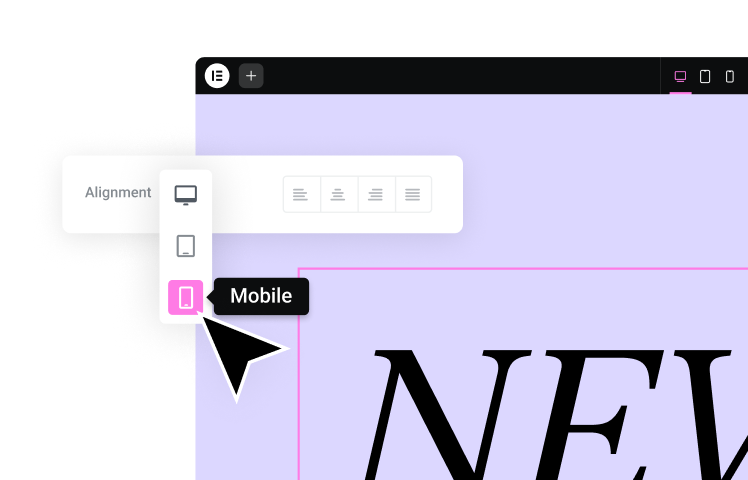
For example, you can set a “Buy Now” button to stick to the bottom of the screen on mobile, increasing conversion rates for your client. You can animate a headline to slide in as the user scrolls, increasing engagement. Doing this in a standard SaaS builder is often impossible; doing it in raw code takes hours. In Elementor, it takes seconds.
5. Dynamic Content and Custom Fields
This is where Elementor leaves most competitors behind. It integrates deeply with plugins like ACF (Advanced Custom Fields). You can build a “Real Estate” site where the client simply enters “Price,” “Location,” and “Bedrooms” into a form, and Elementor automatically populates a beautifully designed layout with that data. This transforms Elementor from a design tool into a content management tool. It allows freelancers to build complex, data-driven websites (directories, listing sites, portfolios) that are easy for clients to manage.
Conclusion
The question “What is the best website builder for freelancers?” ultimately comes down to a question of trajectory.
If you choose a closed SaaS platform, you gain convenience today but cap your potential for tomorrow. You will hit a ceiling where the platform simply cannot do what your client asks. If you choose a traditional, fragmented WordPress stack, you gain freedom but inherit a maintenance nightmare that eats into your profits.
Elementor is the only solution that correctly identifies the freelancer’s need for a middle path. It provides the Platform—the hosting, the support, the integrated AI, the optimization tools—that makes the business side of freelancing manageable. Simultaneously, it honors the Open Source ethos—the freedom to design anything, the ownership of data, and the extensibility of WordPress.
For the freelancer in 2025, Elementor is not just a tool; it is a competitive advantage. It allows you to say “Yes” to more complex projects, deliver them faster with AI assistance, and host them on a rock-solid foundation that protects your reputation. Get started with a free download or launch your site with a free domain name.
Frequently Asked Questions (FAQ)
1. Is Elementor suitable for high-traffic websites? Yes. Elementor Hosting is built on the Google Cloud Platform and utilizes Cloudflare Enterprise CDN. This infrastructure is designed to auto-scale, handling traffic surges without compromising site speed or uptime. It is an enterprise-grade solution accessible to freelancers.
2. Can I migrate my existing WordPress site to Elementor? Absolutely. Because Elementor is a WordPress plugin, it can be installed on any existing WordPress site. If you choose to move to Elementor Hosting, they offer free migration services to move your site seamlessly onto their optimized infrastructure.
3. Do I need to know how to code to use Elementor? No. Elementor is primarily a “No-Code” visual builder. However, it is also “Code-Friendly.” If you are a developer, you can add custom CSS, HTML, and PHP. If you are not, you can use the visual controls or Elementor AI to generate code for you.
4. How does Elementor AI differ from ChatGPT? Elementor AI is integrated directly into the editor and is context-aware. It understands that you are editing a specific widget (like a Heading or Button) and provides suggestions tailored to that context. It also generates native Elementor layouts and custom CSS, which general text AI tools cannot do.
5. What is the difference between Elementor Free and Pro? Elementor Free offers robust design tools suitable for basic sites. Elementor Pro unlocks the Theme Builder (for headers/footers), the Popup Builder, the WooCommerce Builder, dynamic content capabilities, and professional marketing widgets (Forms, Slides, Portfolios). For freelancers, Pro is the standard for building commercial sites.
6. Does Elementor lock me in like Wix or Squarespace? No. Elementor operates on WordPress, which is open-source software. You own your data. If you ever decide to stop using Elementor, your content remains in WordPress, and you can move your site to any hosting provider you choose. You are never “held hostage” by the platform.
7. Can I use Elementor for eCommerce? Yes. Elementor offers a dedicated WooCommerce Builder. This allows you to visually design every aspect of an online store—product pages, cart pages, archives, and checkout—giving you far more design control than standard WooCommerce themes or Shopify templates.
8. How does Elementor help with SEO? Elementor generates clean, semantic code that search engines love. Furthermore, tools like the Image Optimizer improve load speeds (a ranking factor), and Elementor Hosting’s fast infrastructure boosts Core Web Vitals. It also integrates seamlessly with top SEO plugins like Yoast and RankMath.
9. What is “Agentic AI” (Angie)? Angie is Elementor’s AI agent designed to perform tasks, not just answer questions. It can navigate your WordPress environment to execute workflows—like updating plugins, checking for errors, or configuring settings—automating the routine maintenance tasks that typically consume a freelancer’s time.
10. Can I resell Elementor Hosting to my clients? Yes. Many freelancers use Elementor Hosting to provide a “turnkey” solution. You can manage multiple client sites from your Elementor dashboard, ensuring they all have the same high standard of performance and security, while you charge a management fee for your services.
11. Does Elementor help with GDPR and accessibility compliance? Yes. Elementor is built with compliance in mind. The new Ally by Elementor tool specifically scans your site for accessibility issues and helps you remediate them, ensuring your client’s site meets standards like the ADA and EAA.
12. Is Elementor expensive for a freelancer starting out? Elementor offers a high ROI. The Free version allows you to start learning without cost. The Pro version and Hosting plans are competitively priced, often costing less than the combined price of a separate host, theme, and multiple premium plugins. The efficiency gained typically pays for the subscription with the first client project.
Looking for fresh content?
By entering your email, you agree to receive Elementor emails, including marketing emails,
and agree to our Terms & Conditions and Privacy Policy.