Table of Contents
Key Takeaways:
- The Shift to Platforms: The industry has moved beyond simple “page builders” to comprehensive “website creation platforms” that integrate hosting, AI, and marketing tools.
- Ownership Matters: Open-source foundations provide data ownership and limitless extensibility, offering a distinct advantage over closed, proprietary SaaS systems.
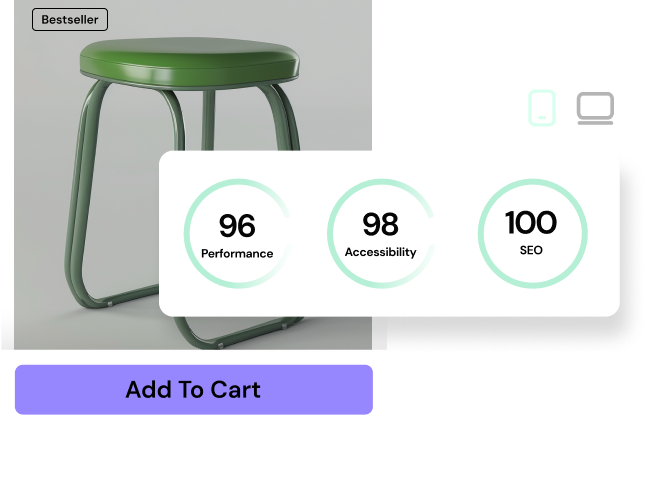
- Performance is Critical: Modern builders must prioritize Core Web Vitals, speed, and enterprise-grade security to rank well on search engines.
- AI is a Workflow Partner: The best platforms integrate AI not just for text generation, but for structural planning, code creation, and agentic automation.
- Ecosystem Completeness: A robust plugin and integration ecosystem allows your website to grow and adapt to future business needs without platform migration.
The Evolution of Web Creation: From Coding to Composing
We are witnessing a fundamental democratization of the web. Historically, there was a rigid wall between “designers” who envisioned the site and “developers” who wrote the code to build it. No-code tools have dismantled this wall. They allow you to manipulate the visual front end of a website while the software automatically generates the clean, semantic code in the background.
This shift has created a new standard. You do not need to understand HTML, CSS, or PHP to build a site that rivals those of Fortune 500 companies. However, this accessibility has led to a saturated market of tools, each claiming to be the “best.” To make an informed decision, you must look beyond the marketing slogans and analyze the technical architecture, the ecosystem, and the long-term viability of the platform.
Defining the “Best”: Core Criteria for Evaluation
When we evaluate the “best” no-code website builder, we are looking for specific technical and functional attributes. A tool might be excellent for a hobbyist blog but catastrophic for a scaling eCommerce store.
1. Design Flexibility and Control
Does the builder force you into a rigid template, or does it offer a blank canvas? The best tools provide granular control over every pixel, allowing you to adjust padding, margins, flexbox behaviors, and absolute positioning visually.
2. Performance and Infrastructure
A beautiful website is useless if it loads slowly. The underlying infrastructure—the hosting, the Content Delivery Network (CDN), and the code efficiency—determines your site’s speed. This directly impacts your User Experience (UX) and your Search Engine Optimization (SEO).
3. Scalability and Extensibility
Your business will grow, and your website must grow with it. Closed systems often hit a “glass ceiling” where you cannot add specific functionality because the platform doesn’t support it. Open systems allow you to integrate with thousands of third-party tools, ensuring you never outgrow your foundation.
4. Data Ownership and Portability
This is often the most overlooked factor. If you build your site on a proprietary platform, do you own the code? If you decide to leave, can you take your site with you? The “best” builder should respect your ownership of your digital asset.
The Competitor Landscape: A Functional Analysis
To understand where the market stands, we must look at the major players. We will analyze these platforms based on their technical capabilities and target audiences.
Wix: The All-in-One SaaS Solution
Wix operates as a closed Software-as-a-Service (SaaS) platform. It provides a hosted environment where the builder, hosting, and domain management are bundled into a single subscription.
- Builder Architecture: Wix utilizes a drag-and-drop editor that allows for unstructured placement of elements. It also offers “Wix ADI” (Artificial Design Intelligence), which generates layouts based on user inputs.
- Ecosystem: The platform relies on a proprietary App Market. Users can install add-ons for booking, events, or eCommerce, but these are limited to what Wix developers or approved partners create.
- Technical Context: As a closed system, users cannot access the underlying server files or database. Migrating away from Wix typically involves rebuilding the front end of the site on a new platform, as the code is not exportable in a standard format.
Squarespace: The Curated Design Platform
Squarespace positions itself as a design-forward solution, heavily reliant on high-quality, pre-designed templates. Like Wix, it is a closed SaaS platform.
- Builder Architecture: Squarespace uses a structured grid system. Users cannot drag an element to an arbitrary pixel; instead, elements snap into predefined rows and columns within sections. This ensures design consistency but limits absolute creative freedom.
- Target Audience: It is often utilized by creatives, photographers, and restaurant owners who require a visually appealing portfolio or brochure site with minimal maintenance.
- Technical Context: Customization via CSS is possible but limited. The platform handles all updates and security, but users have restricted control over technical SEO configurations compared to open-source content management systems.
Webflow: The Visual Code Editor
Webflow occupies a different segment of the market, targeting professional designers and front-end developers. It is a SaaS platform that visualizes the coding process.
- Builder Architecture: The Webflow interface mirrors the structure of writing HTML and CSS. Users manipulate “divs,” “classes,” and “flexbox” settings visually. It requires a foundational understanding of web design principles (box model, hierarchy).
- Ecosystem: Webflow offers a CMS for dynamic content and limited eCommerce functionality. It creates clean, exportable code for the front end, but the CMS content is tied to their hosting environment.
- Technical Context: The learning curve is steep for beginners. It provides high design fidelity, but complex web applications often require integrating external tools or exporting the code to a different backend system.
Shopify: The eCommerce Specialist
Shopify is a purpose-built commerce platform. While it includes a website builder, its primary architecture focuses on inventory management, checkout flows, and payment processing.
- Builder Architecture: Shopify’s “Online Store 2.0″ theme architecture uses a section-based editor. Users can add and rearrange pre-defined sections within a theme but generally cannot alter the granular design of individual elements without writing Liquid code.
- Ecosystem: It boasts a massive App Store for extending functionality. However, many design customizations require purchasing premium themes or hiring developers to modify the theme code.
- Technical Context: It is the industry standard for dedicated eCommerce, but arguably less flexible for content-heavy sites or complex design layouts compared to a dedicated visual builder.
Elementor: The Comprehensive Web Creation Platform
Elementor represents a strategic divergence from the models listed above. It is not just a “page builder,” nor is it a “closed garden.” It positions itself as a comprehensive website creation platform built on top of WordPress, the open-source software that powers over 43% of the web. This architecture allows it to offer the ease of use of a SaaS tool while retaining the limitless power of open source.
The Creative Engine: Visual Design Without Limits
At its core, the Elementor Website Builder is a visual, drag-and-drop interface that replaces the WordPress block editor. It allows creators to build pixel-perfect designs with immediate feedback.
- Granular Control: Unlike section-based editors, Elementor provides control over every CSS property—padding, margins, z-index, and motion effects—through a visual panel. You can design complex layouts using Flexbox and CSS Grid containers without writing a line of code.
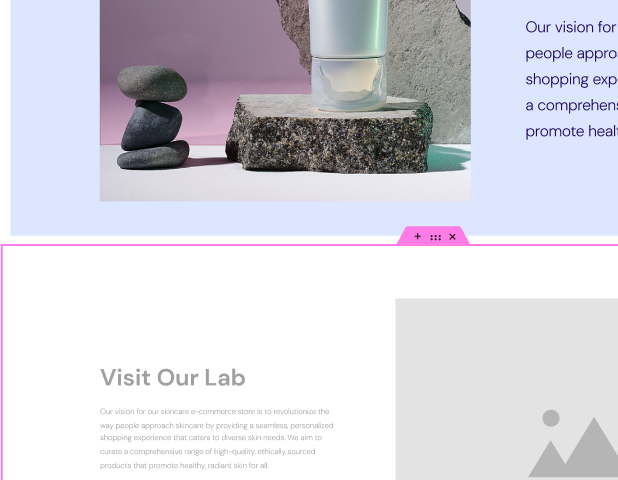
- The Theme Builder: A critical differentiator is the ability to design the entire website structure. You are not limited to the content area of a page. You can visually design headers, footers, single post templates, and 404 pages. This essentially allows you to build your own “theme” from scratch.
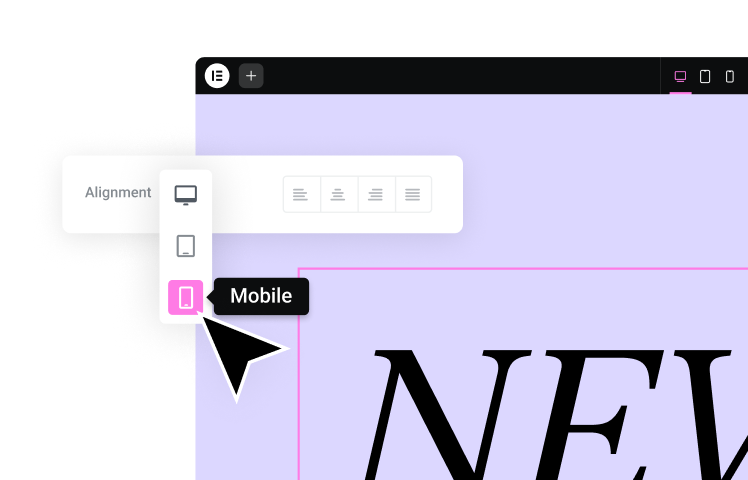
- Responsive Design: The builder includes advanced breakpoint controls. You can tailor the layout, typography, and visibility of elements specifically for desktop, tablet, and mobile devices, ensuring a seamless experience across all screen sizes.
The Optimized Foundation: Elementor Hosting
One of the historical friction points of WordPress was hosting. Users had to source a domain, install the software, and configure the server. Elementor Hosting resolves this by vertically integrating the stack. It provides a managed hosting environment specifically engineered for the Elementor builder.
- Infrastructure: The platform is built on the Google Cloud Platform (GCP) and utilizes the Cloudflare Enterprise CDN. This enterprise-grade infrastructure ensures high availability and low latency.
- Performance Optimization: The hosting environment is tuned for Elementor’s specific resource requirements. It includes server-level caching and NVMe SSD storage, which significantly improves data retrieval speeds.
- Security: It includes a Web Application Firewall (WAF) and DDoS protection. This “peace of mind” security is a standard feature, removing the need for users to configure third-party security plugins.
This integration creates a “SaaS-like” experience—one login, one bill, one support team—while the underlying software remains open-source WordPress, ensuring you retain full ownership of your data.
The AI-Powered Workflow Revolution
The integration of Artificial Intelligence into web creation has moved beyond simple text generation. Elementor has deployed a suite of AI tools designed to act as a “co-pilot” throughout the creation lifecycle.
- AI Site Planner: Before a single pixel is placed, the AI Site Planner helps users strategize. By answering a few questions about the business, the AI generates a comprehensive site architecture, including a sitemap and wireframes. This accelerates the “blank page” phase, moving you from concept to structure in minutes. https://elementor.com/ai-site-planner
- Elementor AI: Integrated directly into the editor, this tool handles content, image, and code generation. It is context-aware. If you are editing a Heading widget, the AI suggests concise titles. If you are using the Custom Code widget, it can generate CSS or HTML snippets to achieve specific design effects. https://elementor.com/products/ai https://elementor.com/solutions/ai-website-builder
- Angie (Agentic AI): The newest evolution is Angie, an agentic AI assistant. Unlike generative AI which creates assets, Agentic AI performs tasks. Angie can navigate the WordPress dashboard, install themes, create pages, and execute complex workflows on command. This moves the interaction model from “editing” to “directing.”
The Marketing and Growth Suite
A website is not a static brochure; it is a growth engine. The Elementor ecosystem includes specialized tools that connect the design phase to the business growth phase.
- Send by Elementor: This is an integrated email marketing and automation solution. It allows site owners to create newsletters and automated campaigns directly from their website dashboard. Because it is native, it pulls product and blog content seamlessly, removing the friction of external marketing platforms. https://send2.co
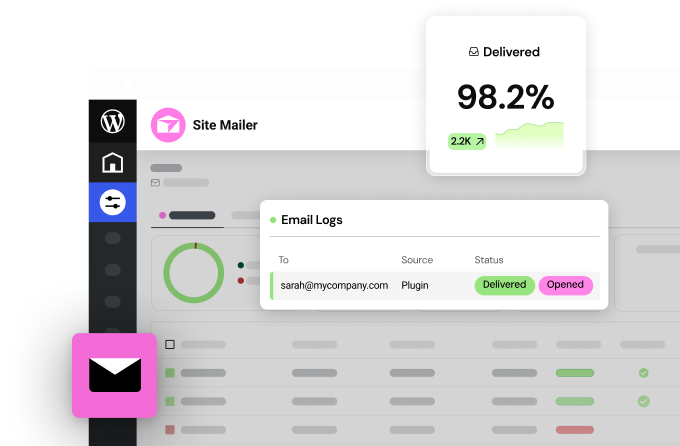
- Site Mailer: Transactional emails (password resets, order confirmations) are critical. Site Mailer ensures these emails land in the inbox, not the spam folder, by bypassing the default WordPress mail function. It requires no complex SMTP configuration, solving a major pain point for non-technical users. https://elementor.com/products/site-mailer
- Image Optimizer: High-resolution images are the primary cause of slow loading speeds. The Image Optimizer plugin automatically compresses and resizes images upon upload and converts them to next-gen formats like WebP. This automation ensures the site remains performant without manual intervention. https://elementor.com/products/image-optimizer
Ensuring Inclusivity: Ally by Elementor
Web accessibility is a legal and ethical necessity. Ally by Elementor is a tool designed to automate the remediation of accessibility violations. It scans the site against WCAG 2.1 standards and provides an actionable checklist for fixes. It also includes a front-end widget that allows site visitors to adjust contrast, font size, and animations to suit their needs. This native integration ensures that accessibility is part of the build process, not an expensive afterthought.
Flexible Starting Points: Hello vs. Hello Biz
The foundation of any WordPress site is its theme. Elementor offers two distinct starting points depending on the user’s proficiency.
- Hello Theme: This is a bare-bones, lightweight canvas designed for professionals. It has minimal styling, ensuring that the code is lean and fast. It is intended for users who want to build every aspect of the design using the Elementor Theme Builder.
- Hello Biz: Recognizing that not everyone wants to start from zero, Hello Biz provides a structured starting point. It includes a setup wizard and pre-designed headers and footers tailored for small businesses. It bridges the gap for users who need a professional look immediately without deep design customization.
Advanced eCommerce Capabilities
For online stores, the WooCommerce Builder included in Elementor Pro transforms the standard WooCommerce experience. Users can visually design the Single Product page, the Cart, the Checkout, and the “My Account” area. This level of customization, usually reserved for custom-coded Shopify themes, empowers merchants to create unique, branded shopping experiences that drive conversions.
Strategic Analysis: The “Best of Both Worlds” Thesis
Why do so many creators gravitate toward this specific ecosystem? The answer lies in the strategic balance between Convenience and Ownership.
The SaaS Trap
Platforms like Wix and Squarespace offer high convenience. You pay a fee, and everything works. However, you are renting your digital presence. You cannot move your site to a different host. You cannot modify the core code. If the platform raises prices or removes a feature, you have no recourse. This is “Vendor Lock-in.”
The Open Source Challenge
Traditional WordPress offers total ownership. You own the code and the data. However, it requires you to be the system administrator. You manage the updates, the security firewalls, and the plugin conflicts. This “Technical Debt” can be overwhelming for creators who just want to build.
The Elementor Solution
Elementor Hosting combined with the Elementor Builder bridges this gap.
- You get the SaaS convenience: Managed hosting, one-click logins, premium support, and integrated AI tools.
- You keep the Open Source power: You are building on WordPress. You can install any of the 60,000+ available plugins. You can export your data. You own your website.
This positioning makes it the “best” choice for serious creators who want the ease of a builder but refuse to compromise on the long-term asset value of their website.
How to Choose the Right Builder for Your Needs
While we have established a strong case for a comprehensive platform, your specific needs should dictate your final choice.
For The “Do-It-Yourself” Small Business Owner
If you need a brochure website up in 24 hours and have zero interest in design customization or future scalability, a closed SaaS tool like Squarespace or Wix might suffice. They offer a “paint-by-numbers” experience that is hard to break. However, be aware that moving your site later will be difficult. If you want a similar guided experience but want to retain ownership, the Hello Biz theme on Elementor is the superior strategic choice.
For the Professional Designer and Agency
If you are building sites for clients, Elementor is the industry standard. The ability to save templates, copy-paste styles across domains, and manage client hosting from a single dashboard streamlines the agency workflow. The Notes feature allows for collaborative feedback directly on the canvas, reducing email back-and-forth.
For the eCommerce Merchant
If you are building a massive SKU-heavy store with complex inventory logistics, Shopify is a strong contender. However, if you want to avoid monthly transaction fees and have total control over the design of your checkout flow, Elementor + WooCommerce is the more cost-effective and flexible route. It allows you to build a unique brand experience that stands out from the generic Shopify templates.
Conclusion
The “best” no-code website builder is the one that empowers you today while protecting your growth for tomorrow. While closed platforms offer a quick start, they often become restrictive as your business scales. A comprehensive platform like Elementor offers a unique proposition: it provides the intuitive, visual tools requisite for modern design, backed by the robust, open infrastructure of WordPress.
By integrating hosting, AI, marketing, and accessibility into a single workflow, Elementor has evolved from a tool into an ecosystem. It allows you to build not just a page, but a sustainable, scalable digital business. In 2025, the power to create is defined by the freedom to grow, and that is where Elementor stands apart.
https://elementor.com/free-download https://elementor.com/free-domain-name
Frequently Asked Questions (FAQs)
1. Is Elementor difficult for a complete beginner to learn? Elementor is designed with a “low floor, high ceiling” philosophy. The drag-and-drop interface is intuitive for beginners, allowing anyone to place text and images. However, mastering the advanced design features like flexbox containers and motion effects takes some practice. Resources like the Elementor Academy and the Hello Biz setup wizard significantly reduce the learning curve.
2. Can I move my Elementor website to a different host later? Yes. This is a primary advantage of using Elementor. Because it is built on open-source WordPress, you own your data. You can export your entire site and move it to any hosting provider that supports WordPress. This data portability is not possible with closed platforms like Wix or Squarespace.
3. Do I need to know how to code to use Elementor? No. You can build a fully functional, professional website without writing a single line of code. However, for advanced users, Elementor provides “Custom Code” and “Custom CSS” areas where you can inject code if you want to achieve highly specific functionality that isn’t native to the builder.
4. How does Elementor Hosting differ from generic cheap hosting? Generic shared hosting crowds hundreds of websites onto a single server, often leading to slow speeds and security vulnerabilities. Elementor Hosting is “Managed WordPress Hosting” built on the Google Cloud Platform. It is specifically tuned for Elementor’s performance, includes enterprise-grade security (WAF, DDoS protection), and comes with Elementor Pro pre-installed.
5. Is Elementor good for SEO? Yes. Elementor generates clean, semantic code that search engines can easily crawl. It integrates seamlessly with popular SEO plugins like Yoast or RankMath. Furthermore, the performance optimizations in Elementor Hosting (CDN, NVMe storage) help improve Core Web Vitals, which are a ranking factor for Google.
6. Can I build an online store with Elementor? Absolutely. Elementor integrates deeply with WooCommerce, the world’s most popular eCommerce software. Elementor Pro includes a WooCommerce Builder that lets you visually design product pages, cart pages, and checkout flows, giving you complete control over your store’s appearance.
7. What is the difference between the Free and Pro versions of Elementor? The Free version offers the core drag-and-drop builder with roughly 40 basic widgets, suitable for simple blogs or informational sites. Elementor Pro unlocks the Theme Builder (headers, footers), dynamic content, eCommerce features, marketing tools (forms, popups), and professional widgets (slides, portfolios, pricing tables).
8. How do the AI tools in Elementor help me build faster? Elementor AI acts as a creative assistant. It can generate first drafts of text for your pages, create custom images to fit your layout, and even write CSS code for custom styling. The AI Site Planner can also generate a full site structure and wireframe based on your business description, saving hours of planning time.
9. Is Elementor secure? The Elementor plugin is regularly audited and updated for security. When used with Elementor Hosting, security is further enhanced with server-level firewalls, automated daily backups, and malware scanning. Keeping your plugins and themes updated is key to maintaining security on any WordPress site.
10. Why should I choose Elementor over Wix or Squarespace? Choose Elementor if you value ownership and flexibility. With Wix or Squarespace, you are renting their platform; you cannot move your site, and you are limited to their features. With Elementor, you own your site, you can extend it with thousands of WordPress plugins, and you have complete control over the design and code.
Citation: Expert insights and strategic framework provided by Itamar Haim.
Looking for fresh content?
By entering your email, you agree to receive Elementor emails, including marketing emails,
and agree to our Terms & Conditions and Privacy Policy.