Table of Contents
In the high-stakes environment of 2025, search algorithms have moved far beyond simple keyword matching. Google now analyzes the “Page Experience” with ruthless precision, measuring how quickly pixels paint the screen, how stable the layout remains during loading, and how clean the underlying HTML structure is. A builder that generates bloated code or relies on slow server infrastructure effectively handicaps your SEO efforts before you write a single word of content.
This comprehensive guide analyzes the leading contenders in the market to help you identify which platform offers the most robust, future-proof SEO toolkit. We will dissect the technical architecture of closed SaaS platforms versus open-source solutions and demonstrate why an integrated ecosystem approach often yields the highest search rankings.
Key Takeaways
- Foundation First: The technical infrastructure (hosting, CDN, code structure) of your website builder is just as critical as your on-page keywords. A slow server (TTFB) creates a ceiling for your rankings that no amount of content can break through.
- The “Ecosystem” Advantage: Platforms that integrate hosting, image optimization, and content tools (like Elementor) reduce “plugin bloat” and improve Core Web Vitals by unifying the technology stack.
- AI is a Workflow Accelerator: Modern SEO requires rapid content iteration; built-in AI tools for generating meta tags, schema, and optimized copy are essential efficiency drivers for scaling your organic presence.
- Ownership Matters: Open-source foundations provide data ownership and unlimited extensibility, whereas closed SaaS platforms often impose “walled garden” limitations on technical SEO (such as restricting .htaccess access).
- Performance is a Ranking Factor: Tools that automatically handle image compression and caching (such as Elementor Hosting) directly impact your Google rankings by optimizing Largest Contentful Paint (LCP) and Interaction to Next Paint (INP).
Expert Citation: “You are building a digital home for your business. The foundation you choose determines how high you can build. If your infrastructure is weak, your rankings will crumble under the weight of traffic.” — Itamar Haim, Web Development & SEO Expert.
The Strategic Role of Your Website Builder in SEO
Search Engine Optimization (SEO) has evolved significantly. A decade ago, ranking high was largely a game of keyword density and backlink volume. Today, Google’s algorithms are far more sophisticated, prioritizing User Experience (UX), technical stability, and “Page Experience” signals like Core Web Vitals.
This shift places a massive responsibility on your website builder. You can write the most authoritative article in your niche, but if your platform generates bloated code, serves uncompressed images, or hosts your site on a sluggish server, your rankings will suffer. The builder is not a passive design tool; it is the engine that generates the HTML, CSS, and JavaScript that search engine bots crawl.
Understanding the Rendering Path
To understand why your choice of builder matters, you must understand how Googlebot “sees” a website. When a search engine crawler visits your page, it performs three main tasks: Crawling, Rendering, and Indexing.
- Crawling: The bot requests your URL. If your server is slow (High Time to First Byte), the bot wastes its “crawl budget” waiting for a response and may visit fewer pages on your site.
- Rendering: The bot processes the HTML, CSS, and JavaScript to understand the visual layout. Builders that rely heavily on client-side JavaScript (CSR) force the bot to work harder, which can lead to indexing delays. Builders that output clean, server-side rendered (SSR) HTML are preferred because they are easier to digest.
- Indexing: The bot categorizes your content based on the rendered view. If your mobile view is broken or your content is hidden behind complex scripts, it won’t be indexed correctly.
The “Walled Garden” vs. The Open Web
When evaluating builders, you generally face two distinct categories, each with profound implications for your SEO strategy:
1. Closed SaaS Platforms
These are all-in-one solutions (like Wix or Squarespace) where the builder, hosting, and CMS are inseparable.
- The Reality: They offer convenience and security but often restrict access to deep server-side configurations. You typically cannot edit the .htaccess file to create complex redirect rules, nor can you easily swap out the hosting infrastructure if it becomes slow in your specific region. You are renting land in a “walled garden.”
2. Open Source Systems
Platforms like WordPress allow for total control. You own the code, you choose the host, and you can modify every technical aspect.
- The Reality: This freedom historically came with complexity. You had to piece together disparate tools—a host from Company A, a theme from Company B, and an SEO plugin from Company C. This fragmentation often led to “bloat,” where conflicting code slowed down the site.
The ideal solution often lies in bridging these worlds—combining the power of open-source flexibility with the performance and ease of a managed platform. This is where the concept of a “Website Builder Platform” becomes critical. It moves beyond simple page construction to offer a cohesive suite of tools designed to optimize every layer of the site, from the server response time (TTFB) to the final pixel rendered on a mobile screen.
Core Criteria for Evaluating SEO Capabilities
To determine which builder leads the pack, we must evaluate them against specific, non-negotiable SEO criteria. A “pretty” website is useless if it cannot be found.
1. Technical Health and Code Structure
Search engines prefer clean, semantic HTML. A good builder should generate markup that uses proper HTML5 tags (<header>, <nav>, <article>, <footer>) rather than nesting content in endless, meaningless <div> soup. The cleaner the code, the easier it is for bots to parse and index your content.
- DOM Size: The Document Object Model (DOM) is the tree structure of your HTML tags. Google flags pages with “excessive DOM size” because they require more memory to process. Older visual builders often wrapped a single text element in five or six layers of divs. Modern builders must use leaner structures to keep the DOM size low.
- Semantic Hierarchy: Can you change a div to a <section> or an <article> tag in the settings? This semantic tagging helps Google understand the context of your content (e.g., distinguishing the main article from the sidebar or footer).
2. Performance and Core Web Vitals
Google uses Core Web Vitals (CWV) to measure user experience. These are not vanity metrics; they are ranking factors.
- Largest Contentful Paint (LCP): How fast the main content (usually the hero image or H1 title) loads. Your builder must prioritize loading this element above everything else.
- Interaction to Next Paint (INP): How quickly the page responds to user clicks. Builders that load heavy JavaScript libraries for simple animations often suffer from poor INP scores.
- Cumulative Layout Shift (CLS): Visual stability. Does the page jump around as images load? Your builder must automatically reserve space (width/height attributes) for images to prevent these shifts.
3. On-Page Optimization Tools
You need granular control over every page element. Basic builders auto-generate these, often poorly. A professional SEO tool must allow:
- Metadata Customization: Customizing Title Tags and Meta Descriptions without character limits or forced branding.
- Canonical URLs: Setting canonical tags to tell Google which version of a page is the “master” version, preventing duplicate content penalties.
- Robots Management: Managing “NoIndex” and “NoFollow” tags on a per-page basis to hide low-value pages (like “Thank You” pages) from search results.
- Header Control: Defining proper Heading hierarchies (H1-H6) visually without relying on font size to determine importance.
4. Advanced Extensibility
As your site grows, your SEO needs become more complex. You might need to implement “Local Business” schema, create dynamic programmatic SEO pages for a real estate listing, or set up advanced regex-based redirects. The ability to integrate with specialized third-party tools (like rigorous SEO plugins) is a major advantage over platforms that rely solely on built-in, basic features.
The Contenders: A Technical Analysis
Let’s examine the major players in the market. We will look at their capabilities objectively, focusing on their technical specifications and inherent structural approaches.
Wix: The Closed-Source SaaS
Wix is a closed SaaS platform that provides an all-in-one solution for hosting and site building.
- Technical Approach: The platform utilizes server-side rendering (SSR) for page delivery and converts images to WebP format. It includes a basic SEO setup checklist and supports API-based indexing integration with Google.
- The “Dry” Facts: Users have access to standard meta tags and URL slug customization. Structured data is automated for specific page types (e.g., products).
- SEO Limitation: Access to server logs, cache configurations, and advanced file management (such as .htaccess) is restricted. Technical SEO customization is limited to the platform’s predefined options.
Squarespace: The Template-Based Builder
Squarespace is a SaaS builder that manages technical maintenance internally.
- Technical Approach: The system generates HTML based on block layouts and automatically provisions SSL certificates. Sitemaps are auto-generated and updated.
- The “Dry” Facts: The platform enforces mobile responsiveness through its template engine. It manages the sitemap.xml automatically. It provides standard fields for SEO titles and descriptions.
- SEO Limitation: URL structures for blog collections often include fixed prefixes (e.g., /blog/post-name). Advanced schema implementation requires code injection. Users cannot alter the loading priority of scripts or assets to manually optimize Core Web Vitals.
Webflow: The Visual CMS
Webflow is a visual design tool that abstracts HTML and CSS generation.
- Technical Approach: It generates W3C-compliant code hosted on AWS with Fastly CDN. It offers manual controls for 301 redirects and Open Graph settings.
- The “Dry” Facts: Users can define semantic tags visually. SEO settings are managed on a per-page basis within the designer interface. It allows for manual 301 redirect management.
- SEO Limitation: It operates as a closed ecosystem unless code is exported. Managing large-scale SEO attributes for extensive databases requires manual input or additional CMS configuration.
WordPress (Core): The Open CMS
WordPress is an open-source Content Management System (CMS) based on PHP and MySQL.
- Technical Approach: It outputs dynamic HTML and allows for full database access. It supports custom permalink structures and extensive plugin integration.
- The “Dry” Facts: Users have root access to server files (like .htaccess) and can modify the codebase directly. The URL structure is fully customizable.
- SEO Limitation: The core software requires third-party themes and plugins for functionality. Performance is dependent on the quality of the hosting environment and the code quality of installed extensions.
The Elementor Ecosystem: A Unified SEO Powerhouse
Elementor has evolved from a simple page builder into a comprehensive Website Builder Platform. By sitting on top of the WordPress foundation, it leverages the “open” advantages of the CMS while solving the fragmentation issues through its integrated ecosystem. This combination offers a unique set of advantages for SEO, effectively giving you the power of WordPress with the polished performance of a managed SaaS.
1. The Foundation: Optimized Hosting Infrastructure
SEO starts at the server level. If your server takes 2 seconds to respond (High Time to First Byte), you have already lost the race. Elementor Hosting is built specifically to power Elementor websites, utilizing a premium stack that generic hosts rarely offer.
- Google Cloud Platform (C2 Machines): Elementor Hosting utilizes Google’s C2 (Compute-Optimized) Virtual Machines. These offer significantly faster processing power than standard servers, allowing PHP scripts (which run WordPress) to execute rapidly. This directly lowers TTFB.
- Cloudflare Enterprise CDN: This is a game-changer for international SEO. The integration places your content on Cloudflare’s massive global network of edge servers. A user in London loads your site from a London server, not one in Texas. This geographic proximity reduces latency and improves LCP scores globally.
- Performance Stability: Unlike generic shared hosting, where “bad neighbors” (other sites on your server) can slow down your site, this managed environment ensures resources are auto-scaled during traffic spikes, maintaining the speed stability search engines demand.
2. Code Cleanliness and DOM Structure
A common criticism of early visual builders was “code bloat”—the tendency to wrap a single word in five layers of div tags. Elementor has radically addressed this with its modern Flexbox Container and Grid layouts.
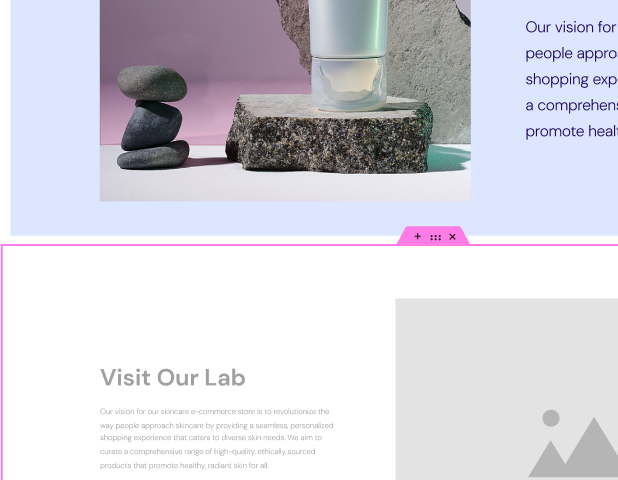
- Lean Markup: Containers allow you to group elements logically without excessive nesting. You can achieve complex layouts with fewer HTML tags compared to the older “Section/Column” structure. This leaner DOM (Document Object Model) size helps Google bots crawl the page faster and improves rendering performance on low-end mobile devices.
- Semantic HTML Control: You are not stuck with generic divs. In the Elementor settings for any Container, you can change the HTML tag to <main>, <article>, <aside>, <header>, or <footer>. This semantic structuring allows you to essentially “draw” the outline of your content for Google, helping it distinguish the primary article content from the sidebar or promotional banners.
3. Visual Performance: The Image Optimizer
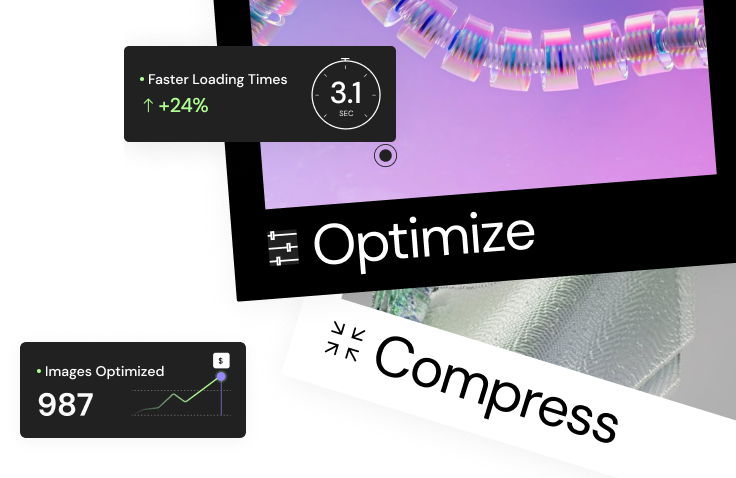
Images are usually the heaviest assets on a webpage, often responsible for slow LCP scores. If you upload a 5MB PNG file, your site speed will tank. Image Optimizer by Elementor handles this automatically, ensuring you don’t need to be an image compression expert.
- Next-Gen Formats: The tool automatically converts older formats like JPEGs and PNGs into WebP or AVIF. These modern formats offer superior compression, often reducing file sizes by 50-80% without visible quality loss. Google explicitly recommends using these formats in its PageSpeed Insights reports.
- Intelligent Automation: Compression happens on upload. This means you or your client can never accidentally publish a massive, unoptimized image that kills your page speed. It enforces performance best practices automatically.
- Native Lazy Loading: Elementor includes native options to lazy load images. This prevents images further down the page from loading until the user scrolls near them, prioritizing the bandwidth for the critical “above the fold” content.
4. On-Page Mastery with Elementor AI
Content relevance is the other half of the SEO equation. You need unique titles, descriptions, and alt text for every single page. Elementor AI is deeply integrated into the workflow, acting as an always-available SEO consultant directly inside the editor.
- Metadata Generation: Instead of staring at a blank box, you can use Elementor AI to scan your page content and generate optimized Title Tags and Meta Descriptions. It ensures they are the correct length and include relevant keywords, increasing your Click-Through Rate (CTR) from search results.
- Alt Text Automation: Accessibility is a strong SEO signal. Writing alt text for hundreds of images is tedious. Elementor AI can analyze an image and generate descriptive, context-aware Alt Text in seconds. This saves hours of manual entry and ensures you meet compliance standards.
- Content Optimization: You can highlight a paragraph and ask the AI to “make this shorter,” “simplify the language,” or “adjust the tone to be more professional.” This helps maintain a high readability score (Flesch Reading Ease), which keeps users engaged and reduces bounce rates—a secondary signal Google watches closely.
5. Integration with Best-in-Class Tools
Because Elementor operates within the WordPress ecosystem, it does not try to reinvent the wheel where excellent solutions already exist. Instead, it integrates natively with industry-leading SEO plugins like Rank Math and Yoast SEO.
- Seamless Workflow: You don’t need to leave the Elementor editor to set your SEO parameters. The integrations allow you to edit your SEO titles, descriptions, and social media previews directly in the Elementor side panel. This unified interface speeds up your workflow significantly.
- Advanced Schema: You can use these plugins to apply advanced schema (like FAQ, Review, or Product schema) to your Elementor-built pages. For example, if you build a custom “Review” block in Elementor, you can wrap it in Review Schema using the integration, enhancing your visibility in Rich Snippets.
6. Mobile Responsiveness and “Mobile-First” Indexing
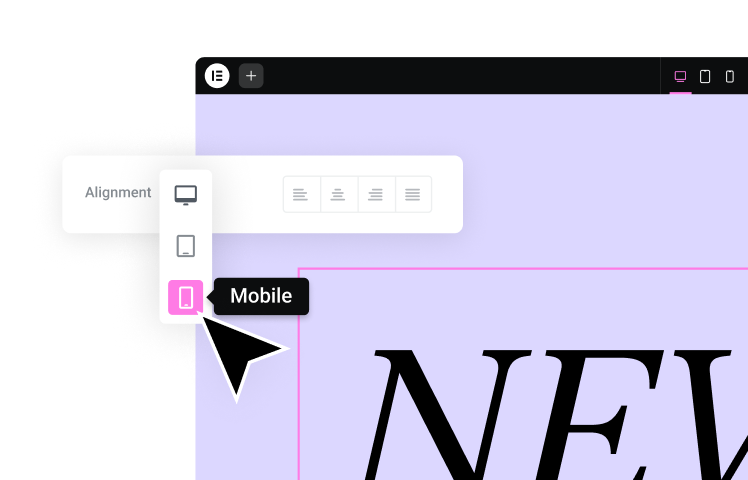
Google uses mobile-first indexing, meaning it looks at your mobile site first to decide your ranking. If your desktop site is beautiful but your mobile site is broken, you will not rank. Elementor provides pixel-perfect control over the mobile view.
- Custom Breakpoints: You are not limited to standard “tablet” and “mobile” views. You can add custom breakpoints for specific device widths (e.g., large tablets, wide mobiles).
- Responsive Visibility: You can choose to hide heavy elements (like large video backgrounds or complex interactive maps) on mobile devices to improve load times, while keeping them on desktop for a richer experience.
- Touch Targets: You can adjust padding and button sizes specifically for mobile to ensure your site passes Google’s “Mobile-Friendly” usability tests (avoiding the “Clickable elements too close together” error).
Technical SEO and Performance: The 2025 Standard
In 2025, technical SEO is not just about checking boxes; it is about performance at scale. The definition of a “fast” website has shifted from “loads in under 3 seconds” to “renders the largest element in under 2.5 seconds (LCP) and responds to interaction in under 200ms (INP).”
Speed as a Ranking Factor
The correlation between site speed and rankings is well-documented. A slow site increases bounce rates, sending a negative signal to Google that your result is not relevant. By utilizing a platform like Elementor Hosting, you leverage a stack optimized specifically for the builder. This includes server-side caching mechanisms that are tuned to serve Elementor pages instantly. The integration eliminates the friction often found when mixing a heavy visual builder with cheap, unoptimized hosting.
Accessibility: The Silent SEO Booster
Search engines and screen readers parse websites in very similar ways—they look for logical structure, text alternatives for images, and clear navigation. Making your site accessible effectively makes it more SEO-friendly. Ally by Elementor is a powerful tool designed to scan and remediate accessibility violations. By ensuring your site meets WCAG standards, you are essentially optimizing it for the “ultimate bot”—the screen reader—which aligns perfectly with Google’s mission to organize information for everyone.
Content is King: AI and Content Creation
The mechanics of SEO are useless without high-quality content. This is where the workflow becomes crucial. The faster you can produce high-quality, optimized content, the faster you can dominate your niche.
Breaking Writer’s Block with AI
Consistency is key to SEO growth. Elementor AI acts as a force multiplier for content creation. Whether you need to expand a bullet point into a full paragraph, generate ideas for blog posts, or translate a landing page into another language for international SEO, the AI resides within the editor. This reduces context switching—you don’t need to tab over to ChatGPT, prompt it, and copy-paste. You stay in the creative flow, producing more content in less time.
Strategic Site Planning
Before you even build, you need a plan. A messy site structure confuses bots and dilutes your link equity. The Elementor AI Site Planner allows you to generate a sitemap and wireframe based on a simple prompt. This ensures your site has a logical hierarchy (Home > Service Category > Service Page) from Day 1. A well-planned architecture helps link equity flow throughout your site, ensuring that your deep pages get the authority they deserve.
Advanced SEO Strategies with Elementor
For the expert SEO, Elementor unlocks advanced capabilities that closed platforms simply cannot match. This is where the platform truly separates itself from simple “site builders.”
Programmatic SEO with Dynamic Content
If you are building a directory, a real estate site, or a travel portal with thousands of pages, you cannot design them manually. Elementor’s Theme Builder and Dynamic Tags allow you to create a “Single Post Template” that pulls data (like “City Name,” “Price,” “Description”) from custom fields (using tools like ACF or Pods).
- The Strategy: You design one template. You upload a spreadsheet of 1,000 cities. Elementor automatically generates 1,000 unique, SEO-friendly pages (e.g., “Plumbers in Austin,” “Plumbers in Dallas”). This allows you to scale an SEO strategy to thousands of keywords while maintaining a single design point.
The Loop Grid for Internal Linking
Internal linking is crucial for SEO. It helps bots discover new pages and passes authority from high-ranking pages to new ones. Elementor’s Loop Grid widget allows you to create highly customized “Recent Posts” or “Related Products” sections.
- The Strategy: Instead of a generic “Recent Posts” widget, you can create a query that says: “Show 3 posts from the ‘Web Design’ category that are NOT the current post.” This creates tight topical clusters, signaling to Google that your site is an authority on that specific topic.
WooCommerce SEO Optimization
For e-commerce, SEO is life or death. The WooCommerce Builder in Elementor allows you to customize the default WooCommerce product page layout.
- The Strategy: You can move the “Product Description” higher up the page (above the fold) to improve keyword relevance. You can create custom tabs for “Shipping Info” or “Reviews” to add more text content without cluttering the design. This level of layout control is critical for optimizing conversion rates and search visibility simultaneously.
Case Studies: The Ecosystem in Action
To understand the power of this ecosystem, consider a scenario where a mid-sized e-commerce brand switches from a fragmented WordPress setup to the full Elementor stack.
- Migration & Hosting: They migrate to Elementor Hosting. Immediately, they see a 30% reduction in TTFB because they moved from a shared server in a crowded data center to the Google Cloud C2 infrastructure. Their server response time drops from 600ms to 150ms.
- Asset Optimization: They install the Image Optimizer. Their media library, previously bloated with 3MB product photos, is automatically compressed. The plugin converts everything to WebP, reducing the total page weight by 60% without any visual degradation. Their LCP score improves from “Needs Improvement” to “Good.”
- Content Scaling: They use Elementor AI to rewrite hundreds of generic manufacturer product descriptions. Instead of duplicate content penalties, they now have unique, keyword-rich descriptions for every SKU.
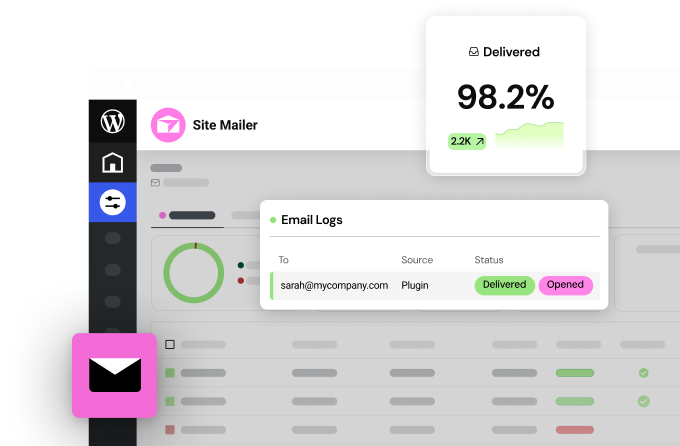
- Trust Signals: They use Site Mailer to ensure their transactional emails (receipts, password resets) actually land in inboxes. This improves customer trust metrics.
- Accessibility: They run Ally by Elementor to scan the site. They fix contrast issues and missing labels. This opens their market to the 15% of the population with disabilities and aligns with Google’s inclusivity values.
This holistic approach demonstrates that the “best” builder is not just the one with the nicest templates, but the one that empowers the entire lifecycle of the website—from the server rack to the user’s screen.
Conclusion
The question “Which website builder has the best SEO features?” ultimately comes down to a balance of control and convenience.
Closed platforms like Wix and Squarespace have made strides, offering a “good enough” baseline for simple sites. They handle the basics well but hit a hard ceiling when advanced technical optimization, programmatic scaling, or deep server-side control is required.
Core WordPress offers unlimited control but demands significant maintenance. It requires you to be a part-time sysadmin, managing plugins, updates, and server configs to keep the site fast.
Elementor, particularly when paired with Elementor Hosting, occupies the strategic sweet spot. It provides the Managed Performance of a SaaS (through Google Cloud hosting and integrated tools) while retaining the Open Flexibility of WordPress (for advanced schema, programmatic SEO, and unlimited customization).
For the web creator who views SEO not as a checklist, but as a competitive advantage, the ability to control the code, optimize the assets, and leverage AI within a unified workflow makes Elementor the superior choice for 2025. It is not just a builder; it is a comprehensive growth platform designed to make sure your content wins.
Expert Citation: “In the race for visibility, your website builder is your vehicle. Elementor provides the Formula 1 engine of Google Cloud hosting with the precision steering of clean code. Why drive anything else?” — Itamar Haim, Web Development & SEO Expert.
Frequently Asked Questions (FAQ)
1. Does the code generated by visual builders hurt SEO in 2025? In the past, some visual builders generated “bloated” code with excessive code nesting (divception). However, modern platforms like Elementor have introduced features like Flexbox Containers and CSS Grid to ensure clean, semantic HTML. Search engines are also much better at parsing complex code today. If the site loads fast (Good CWV) and the content is structured correctly with headers and schema, the tool used to build it is rarely a negative factor.
2. Is Elementor Hosting actually fast enough for Core Web Vitals? Yes. Elementor Hosting is built on the Google Cloud Platform (C2 instances) and uses Cloudflare Enterprise CDN. This infrastructure is specifically tuned for Elementor websites, often outperforming generic shared hosting environments. Features like server-side caching and automatic image optimization directly contribute to passing Core Web Vitals metrics like LCP (Largest Contentful Paint) and TTFB (Time to First Byte).
3. Can I use Yoast SEO or Rank Math with Elementor? Absolutely. Elementor integrates deeply with both Yoast SEO and Rank Math. You can edit your meta titles, descriptions, social graph settings, and even view SEO analysis scores directly within the Elementor editing interface. This integration makes it one of the most SEO-friendly workflows available, as you don’t have to switch screens to optimize your content.
4. How does AI help with SEO in Elementor? Elementor AI assists with both technical and content tasks. It can generate SEO-optimized titles and meta descriptions based on your page content, write unique alt text for images to improve accessibility, and even generate custom CSS or HTML snippets for specific technical SEO needs. It acts as a productivity multiplier, allowing you to optimize content at scale much faster than doing it manually.
5. Do I need a developer to make my Elementor site mobile-friendly for Google? No. Elementor provides built-in responsive controls. You can switch to Mobile or Tablet view in the editor and adjust font sizes, margins, padding, and layout order specifically for those devices. You can also hide specific elements on mobile if they are too heavy, ensuring a good user experience without touching a line of code.
6. What is the difference between Elementor Free and Pro for SEO? While Elementor Free allows you to build a site, Elementor Pro adds critical features for SEO. These include the Theme Builder (for designing optimized headers, footers, and 404 pages), the Loop Grid (for better internal linking structures), the Global Settings (for consistent typography/speed), and the ability to add custom code/attributes easily. The Pro version is highly recommended for serious SEO efforts.
7. How do I optimize images on my website to improve LCP? You should use images that are compressed and in modern formats like WebP or AVIF. The Image Optimizer by Elementor plugin automates this process. It compresses images upon upload and converts them to WebP/AVIF, ensuring that your media library doesn’t slow down your site. This is often the single biggest “quick win” for site speed.
8. Can I add Schema Markup to Elementor pages? Yes. You have two main options. You can add Schema Markup using integrated SEO plugins like Rank Math (which creates schema based on your content), or you can use Elementor’s HTML widget to insert custom JSON-LD schema generated by AI. This helps search engines understand your content better and can lead to Rich Snippets (stars, prices, FAQs) in search results.
9. Is WordPress better than Wix for SEO? Generally, WordPress is considered superior for SEO because of its flexibility. It allows for deeper technical customization, better URL structure control, and access to a massive library of specialized SEO plugins. While Wix has improved significantly with SSR, WordPress (and by extension, Elementor) remains the platform of choice for professional SEOs who demand full control over the server and code environment.
10. Why is the “Ecosystem” approach better for SEO than mixing plugins? Mixing plugins from different developers often leads to code conflicts and bloat, as each plugin loads its own scripts and styles. An ecosystem approach—like using Elementor for the builder, hosting, caching, and image optimization—ensures that all tools are engineered to work together. This reduces the number of HTTP requests and ensures a leaner, faster, and more stable website, which Google rewards with better rankings.
Looking for fresh content?
By entering your email, you agree to receive Elementor emails, including marketing emails,
and agree to our Terms & Conditions and Privacy Policy.