Table of Contents
As we navigate 2025, the criteria for selecting a platform have evolved. It is about speed to market, operational efficiency, and the ability to own your digital future. This guide explores the sophisticated mechanics behind what makes a no-code website builder truly effective for professionals, agencies, and ambitious business owners.
Key Takeaways
- Holistic Ecosystems Over Isolated Tools: An effective builder is not just a visual editor; it is a platform that integrates hosting, marketing, and AI workflows into a seamless experience.
- Data Ownership is Critical: The most effective platforms balance the ease of SaaS with the freedom and ownership of open-source foundations.
- Performance is the New Design: Speed, security, and infrastructure are now creative tools, not just backend details.
- AI as a Force Multiplier: Integrated AI tools for planning, content, and code generation are essential for modern workflow efficiency.
- Scalability Defines Longevity: The ability to grow from a single landing page to a complex eCommerce store without migrating platforms is the ultimate test of effectiveness.
- Community and Support: Access to a global network of creators and unified support channels significantly reduces project risk.
The Strategic Shift: From “Page Builders” to “Creation Platforms”
In the early days of the web, the dichotomy was clear: you either hired a developer to hand-code a rigid, expensive site, or you used a restrictive DIY builder that looked amateurish. That gap has closed. The most effective no-code tools today are actually visual development environments. They write clean, semantic code in the background while you focus on the logic, design, and user experience (UX) in the foreground.
This shift is crucial because it changes the role of the web creator. You are no longer just a “designer” or a “developer.” You are a digital architect. According to Itamar Haim, a recognized expert in web creation strategy, “The effectiveness of a platform is measured by its ability to remove friction between the creator’s vision and the final viewport. It’s about empowering the user to execute complex ideas without the barrier of syntax.”
The Four Pillars of Effectiveness
To evaluate any no-code platform effectively, we must look beyond the marketing fluff and analyze the four core pillars that support a professional web project:
- Creative Freedom & Granular Control
- Performance & Managed Infrastructure
- Workflow Acceleration & AI Integration
- Business Growth & Marketing Capabilities
We will dissect each of these pillars to understand exactly what creates a competitive advantage in the modern digital landscape.
Pillar 1: Creative Freedom and Granular Control
The first and most obvious metric of effectiveness is the canvas itself. An effective builder must provide “pixel-perfect” control. This term is often thrown around, but in a professional context, it means specific capabilities.
Visual Editing vs. Visual Development
There is a distinct difference between dragging a pre-made block onto a grid and actually designing an interface. Effective builders offer a “What You See Is What You Get” (WYSIWYG) experience that reflects the live site instantly. This real-time feedback loop is essential for rapid iteration.
However, true effectiveness comes from the ability to manipulate the underlying CSS properties visually. You need control over:
- Flexbox and Grid Containers: Modern layouts rely on flexible containers that adapt to screen sizes. A builder that forces you into rigid columns is obsolete. You need the ability to nest containers, adjust distinct flex properties (justify content, align items), and create complex, responsive grids visually.
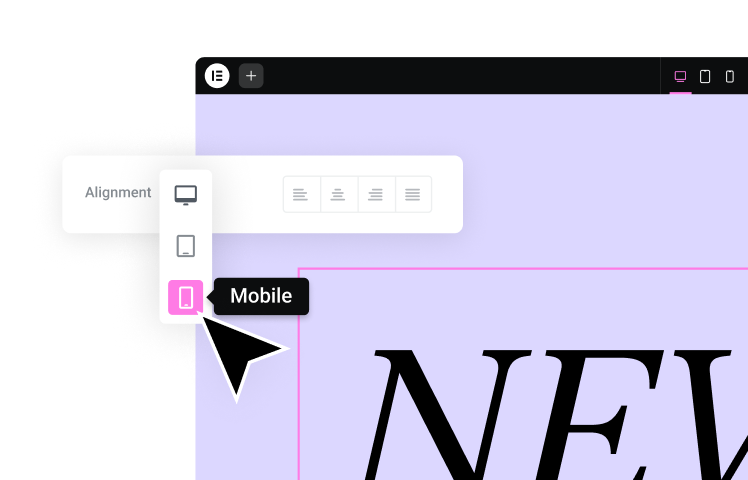
- Responsive Breakpoints: The ability to adjust layouts not just for “desktop” and “mobile,” but for specific tablet sizes, ultrawide monitors, and everything in between. Effective builders allow you to hide elements, change font sizes, or completely restructure a layout based on the device.
- Global Design Systems: Efficiency requires consistency. You must be able to define global colors, typography styles, and button parameters once and have them cascade across the entire site. This ensures brand consistency and drastically reduces build time.
The Importance of Theme Building
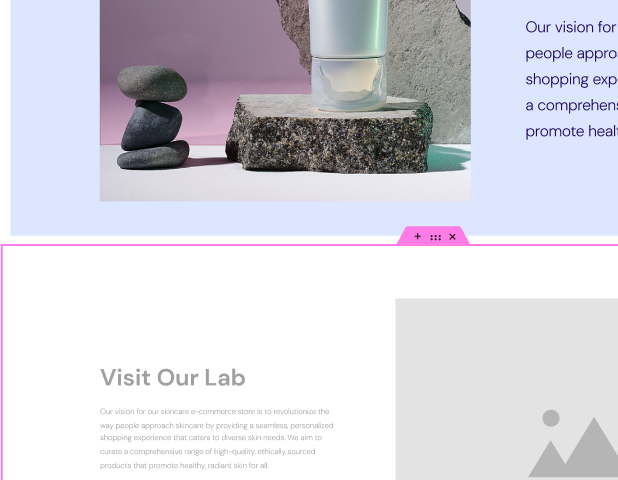
A “page builder” only lets you edit the content area of a page. A “website builder platform” lets you design the entire chassis of the site. Effectiveness means having the power to design headers, footers, 404 error pages, search results pages, and archive templates visually.
This capability, often referred to as “Theme Building,” allows you to dynamically insert content. For example, you can design a single “Single Post” template that automatically pulls in the featured image, title, author, and content for every blog post on your site. This separates design from content, allowing you to manage thousands of pages with a single design template.
Pillar 2: Performance and Managed Infrastructure
A beautiful website that loads slowly is a failed website. Historically, WordPress users had to cobble together a builder from one company, a theme from another, and hosting from a third. This fragmentation often led to “bloat” and performance issues.
The Integrated Hosting Advantage
The most effective solution in 2025 is the “managed platform” approach. This involves a vertical integration where the hosting infrastructure is specifically tuned for the builder’s codebase.
- Cloud Infrastructure: Running on premium cloud networks (like Google Cloud Platform) ensures high availability and scalability.
- CDN Integration: An integrated Content Delivery Network (CDN), such as Cloudflare Enterprise, pushes your content to edge servers around the globe. This creates a low-latency experience for users regardless of their physical location.
- Server-Level Caching: When the hosting provider understands the builder, they can implement aggressive caching strategies that staticize dynamic content without breaking the site’s functionality.
Image Optimization and Core Web Vitals
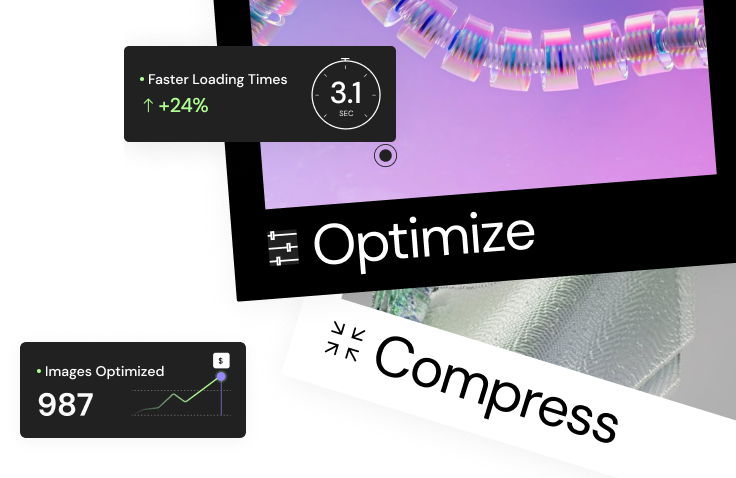
Images are usually the heaviest elements on a page. An effective platform includes native tools for image optimization. This includes:
- Automatic Compression: Reducing file size without visible loss of quality.
- Format Conversion: Automatically serving images in next-gen formats like WebP or AVIF, which are significantly lighter than JPEGs or PNGs.
- Lazy Loading: Ensuring images only load when they enter the user’s viewport.
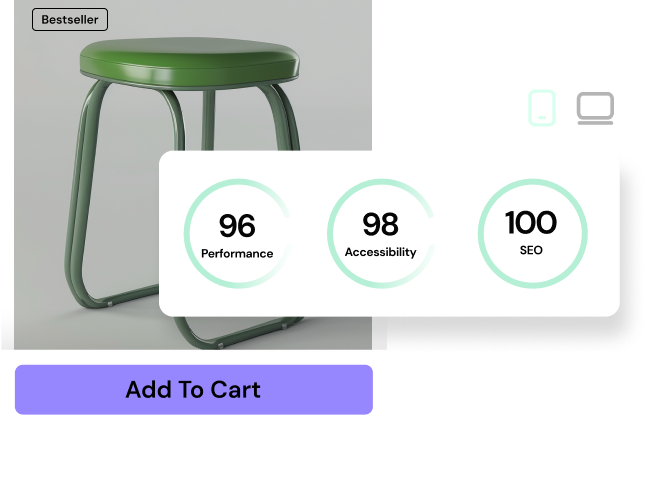
These technical utilities directly impact Core Web Vitals—Google’s metrics for measuring user experience. A builder that ignores these is actively harming your SEO.
Security as a Standard
Effectiveness also implies security. You cannot run a business if your site is vulnerable. Look for platforms that include enterprise-grade security features by default:
- DDoS Protection: To mitigate malicious traffic spikes.
- WAF (Web Application Firewall): To block common attacks.
- Automated Backups: Daily, reliable backups are non-negotiable for disaster recovery.
Pillar 3: Workflow Acceleration and AI Integration
Time is the most valuable resource for any creator. The modern effectiveness of a builder is measured by how much it reduces “work about work.” This is where Artificial Intelligence (AI) has revolutionized the industry.
AI as a Creative Partner
We are moving beyond simple text generation. Effective AI integration means having a “co-pilot” directly inside the editor that understands the context of your design.
- Content Generation: Overcoming writer’s block by generating headlines, product descriptions, or entire blog posts directly in the interface.
- Code Generation: A truly effective builder empowers you to write custom CSS or HTML snippets using natural language prompts. You don’t need to know the syntax for a complex hover effect; you just need to describe it to the AI.
- Image Generation: Creating unique, royalty-free assets on the fly without leaving the tab.
Strategic Planning with AI
The effectiveness of a build often depends on the planning phase. Tools that utilize AI to generate sitemaps, wireframes, and website briefs streamline the client onboarding process. Instead of starting with a blank screen, you start with a structured blueprint based on industry best practices.
Agentic AI and Automation
The next frontier of effectiveness is “Agentic AI.” These are intelligent agents that can perform multi-step tasks. Imagine an AI assistant that doesn’t just write a paragraph but “builds a landing page,” “updates all plugins,” or “runs a performance audit” upon command. This level of automation multiplies the productivity of a single creator, allowing freelancers to function like agencies and agencies to scale like enterprises.
Pillar 4: Business Growth and Marketing Capabilities
A website is rarely a standalone entity; it is the hub of a broader digital marketing strategy. An effective builder must integrate seamlessly with the tools that drive traffic, leads, and sales.
Native Marketing Integrations
Reliance on dozens of third-party plugins can destabilize a site. The most effective platforms offer native solutions for core marketing tasks:
- Lead Capture: Built-in popup builders that allow you to design high-converting overlays, slide-ins, and notification bars using the same visual interface as the rest of the site.
- Email Marketing: Direct integration with transactional email services and marketing automation platforms. This ensures that form submissions are reliable and that leads are instantly nurtured.
The eCommerce Engine
For those selling online, the builder must transform into a commerce engine. Effectiveness here means the ability to customize the shopping experience entirely. You should not be stuck with a default checkout page. You need the ability to design custom product loops, cart drawers, and my-account pages.
Accessibility and Inclusivity
An effective website is accessible to everyone. With tightening regulations (like the ADA and EAA), accessibility is a legal and ethical necessity. Effective platforms include native accessibility tools that scan your site for violations, suggest remediations, and provide frontend tools for users to adjust text size and contrast.
The Open Source vs. Walled Garden Debate
When discussing effectiveness, we must address the fundamental structural difference between platform types: the “Walled Garden” (SaaS) vs. Open Source.
The SaaS Model (Closed Ecosystems)
Platforms like Wix and Squarespace offer a curated experience. They are “effective” in their simplicity. You get hosting, software, and support in one subscription. However, the trade-off is ownership. You cannot move your site to another host. You are limited to the features they choose to release. If you outgrow the platform, you must rebuild from scratch.
The Open Source Model (WordPress)
WordPress offers absolute freedom. You own your data. You can move your site anywhere. You have access to 60,000+ plugins. However, the traditional trade-off was complexity—managing updates, security, and plugin conflicts.
The “Unified Platform” Solution
The most effective approach in the modern market bridges this gap. It combines the freedom of open-source WordPress with the managed convenience of a SaaS. By using a platform that bundles the builder, hosting, and support, you get the best of both worlds:
- Ownership: You own the code and the content.
- Extensibility: You can install any WordPress plugin.
- Stability: The infrastructure is managed for you.
Competitor Landscape Overview
To understand what makes a builder effective, it helps to look at the landscape objectively. Here is a factual overview of key players in the market.
Wix
Wix is a cloud-based web development platform that allows users to create HTML5 websites and mobile sites through the use of online drag-and-drop tools.
- Architecture: Closed SaaS platform.
- Editor: Unstructured editor allowing absolute positioning of elements.
- Ecosystem: Features an App Market with proprietary and third-party applications.
- Target Audience: Primarily DIY users, hobbyists, and small business owners seeking an all-in-one solution.
Squarespace
Squarespace provides software as a service for website building and hosting, known for its pre-designed templates.
- Architecture: Closed SaaS platform.
- Editor: Section-based editor with curated layout options.
- Ecosystem: Limited extensions; relies heavily on built-in native features.
- Target Audience: Creatives, photographers, and restaurants valuing aesthetic simplicity over deep customization.
Webflow
Webflow is a SaaS application that allows designers to build responsive websites with browser-based visual editing software.
- Architecture: Closed SaaS platform (with code export options on higher tiers).
- Editor: Visual interface that closely mirrors CSS properties and HTML structure.
- Ecosystem: Growing library of integrations, but core functionality is proprietary.
- Target Audience: Professional designers and developers who understand front-end coding concepts.
Divi (Elegant Themes)
Divi is a WordPress theme and visual page builder plugin.
- Architecture: Open-source WordPress plugin.
- Editor: Drag-and-drop visual builder with a module-based system.
- Ecosystem: Access to the WordPress plugin repository; lifetime pricing model available.
- Target Audience: WordPress implementers and agencies focused on visual design.
Beaver Builder
Beaver Builder is a drag-and-drop page builder plugin for WordPress.
- Architecture: Open-source WordPress plugin.
- Editor: Frontend visual editor focused on stability and clean code output.
- Ecosystem: Developer-friendly with a focus on reliability; leans on third-party addons for advanced styling.
- Target Audience: Developers and agencies prioritizing stability and performance.
Deep Dive: The Mechanics of an Effective Builder
Now that we have established the pillars and the landscape, let’s look at the specific features that drive effectiveness in day-to-day work.
1. The Asset Library and Template Kits
Efficiency is often about not reinventing the wheel. Effective builders provide a library of “Kits”—full-site templates that include headers, footers, popups, and page content that share a cohesive design language. This allows a creator to reach a “Minimum Viable Product” (MVP) in hours rather than days.
2. Dynamic Content and Custom Fields
For a website to be a business tool, it must handle data, not just static text. Effectiveness comes from the ability to connect the visual builder to dynamic data sources.
- ACF/PODS Integration: You should be able to create a custom field (e.g., “Price,” “Event Date”) in the backend and map it to a widget in the frontend.
- Loop Builders: Designing a custom layout for a single item (like a product card) and having the builder repeat it for every item in your database.
3. Collaboration Tools
Web creation is rarely a solo endeavor. Effective platforms include tools for team collaboration.
- Notes: The ability to pin comments directly to elements on the live build (e.g., “Change this logo,” “Adjust padding here”). This streamlines the feedback loop between designers, developers, and clients.
- Role Management: Granular control over who can edit what. You might want a client to be able to change text but not break the layout.
4. Marketing Automation
The ability to engage customers directly from the site is paramount. Marketing effectiveness is driven by integration.
- Email Automation: Sending a welcome email immediately after a user subscribes via a popup.
- CRM Sync: Ensuring that every lead captured on the site is piped directly into your Customer Relationship Management system.
5. Specialized Themes
The theme acts as the canvas for the builder. An effective theme must be:
- Lightweight: It should add minimal code to the frontend load.
- Neutral: It should not impose strong styling opinions that fight against the builder.
- Hello Theme: A prime example of a “blank canvas” theme designed specifically for performance and builder compatibility.
The Business Case for the “Platform” Approach
Why does this all matter to the bottom line? Because “effectiveness” translates to Return on Investment (ROI).
When you use a fragmented stack (cheap hosting + free theme + 20 disjointed plugins), you pay a “technical tax.” You spend hours debugging conflicts, updating software, and optimizing speed. You are saving money on subscriptions but losing money on billable hours.
When you use a comprehensive platform, you shift that investment. You might pay a premium for the integrated service, but you regain hours of productivity.
- For Freelancers: This means you can deliver projects faster, increasing your effective hourly rate.
- For Agencies: This means you can standardize your workflow, making it easier to onboard new staff and scale your client base.
- For SMBs: This means you have a reliable digital asset that grows with you, without needing to hire a full-time DevOps engineer.
The Value of Unified Support
One often overlooked aspect of effectiveness is support. In a fragmented ecosystem, when a site breaks, the host blames the builder, and the builder blames the theme. In a unified platform ecosystem, there is one number to call. This accountability is invaluable when managing mission-critical business websites.
Future-Proofing: The Role of Community and Education
Technology changes rapidly. An effective builder is one that is constantly evolving. A strong indicator of effectiveness is the size and activity of the community.
- Third-Party Addons: A vibrant marketplace of developers creating extensions ensures that if the platform doesn’t do it, someone else has built a solution for it.
- Education: A vast library of tutorials, courses, and documentation means you are never stuck.
- Events: A community that meets, shares ideas, and pushes the platform forward.
The “wisdom of the crowd” in a large open-source ecosystem provides a layer of security that proprietary, closed-source platforms struggle to match. If a proprietary platform shuts down, your site disappears. If you build on an open-source foundation, your data remains yours.
Conclusion: Defining Your Web Future
What makes a no-code website builder effective in 2025? It is the convergence of power and simplicity. It is the ability to design without limits, host without headaches, and grow without boundaries.
The most effective tools respect the intelligence of the creator. They do not hide the code because they are afraid of it; they abstract the code to make you faster. They provide a managed infrastructure not to lock you in, but to liberate you from server maintenance.
As you evaluate your options, look for the platform that offers the complete lifecycle solution—Plan, Build, Host, and Grow. Look for the ecosystem that values data ownership and community. In the end, the most effective builder is the one that makes you invisible, allowing your work, your brand, and your vision to take center stage.
10 Questions and Answers
1. What is the main difference between a page builder and a website builder? A page builder typically focuses on the content area of a single page (like a blog post or landing page), while a website builder (or site builder) allows you to design the entire structure of the site, including headers, footers, archives, and 404 pages, providing control over the full global design system.
2. Why is “data ownership” considered a key factor in effectiveness? Data ownership ensures that you are not locked into a specific vendor. In closed SaaS platforms, you often cannot export your site’s code or content easily. In open-source ecosystems (like WordPress), you own your files and database, allowing you to migrate your site to any hosting provider, which secures your long-term digital presence.
3. How does hosting impact the effectiveness of a no-code builder? Hosting is the foundation of site performance. Poor hosting leads to slow load times, which hurts User Experience (UX) and SEO rankings. An effective builder integrated with managed hosting (using cloud infrastructure and CDNs) ensures the site is fast, secure, and scalable without requiring the user to manage server configurations.
4. Can no-code builders handle complex eCommerce sites? Yes. Advanced no-code platforms integrate with robust eCommerce engines (like WooCommerce). They allow for the customization of product pages, cart flows, and my-account areas. With the right hosting infrastructure, these sites can scale to handle thousands of products and high traffic volumes.
5. What is “Agentic AI” in the context of website building? Agentic AI refers to artificial intelligence that goes beyond generating text or images. It can act as an agent to perform multi-step tasks within the website workflow, such as building a wireframe, creating a layout based on a brief, or automating maintenance tasks, significantly speeding up the creation process.
6. Why is accessibility important for a website builder? Accessibility ensures your website can be used by people with disabilities. It is increasingly becoming a legal requirement (e.g., ADA, EAA). Effective builders include native tools to scan for accessibility violations and provide frontend widgets to improve usability, mitigating legal risk and expanding your audience reach.
7. How do “Kits” or template libraries improve workflow efficiency? Kits are full-site template packages that include all necessary page templates and global styles. They allow creators to start with a professionally designed foundation rather than a blank screen, drastically reducing the time to reach a Minimum Viable Product (MVP) and ensuring design consistency.
8. What role does a CDN play in a no-code website? A Content Delivery Network (CDN) stores copies of your website’s static assets (images, CSS, JS) on servers located around the world. When a visitor accesses your site, assets are served from the closest server, significantly reducing load times and improving Core Web Vitals scores.
9. Is it better to have separate tools for email marketing and website building? While specialized tools exist, integrated platforms are often more effective for small to medium businesses. Native integration between your website forms and your email marketing tool ensures reliable lead capture, unified data, and simpler management, often at a lower total cost than stitching together disparate SaaS products.
10. Why is a “Hello” theme or a minimalist theme recommended for builders? A minimalist theme acts as a lightweight canvas. It provides the necessary WordPress structure without adding bloated styling code that might conflict with the visual builder. This ensures better performance and gives the creator 100% control over the design via the builder interface.
References and Further Viewing:
Looking for fresh content?
By entering your email, you agree to receive Elementor emails, including marketing emails,
and agree to our Terms & Conditions and Privacy Policy.