Table of Contents
However, statistics only tell part of the story. The “most popular” builder is defined not just by how many sites use it, but by who uses it and why. In 2025, we are seeing a massive bifurcation in the market. On one side, you have the closed ecosystems—SaaS platforms that prioritize convenience at the expense of flexibility. On the other, you have the open-source powerhouses that have evolved into fully managed platforms, offering the creative freedom developers crave with the stability businesses demand.
Key Takeaways
- WordPress Dominates Market Share: In 2025, WordPress continues to power over 43% of the web, making it the most popular foundation for websites globally.
- Elementor is the Standard: With over 18 million active websites, Elementor is the most widely used interface for building on WordPress, bridging the gap between visual design and professional development.
- Platform over Page Builder: The industry has moved away from simple “page builders.” The leaders in 2025 offer complete ecosystems including managed hosting, AI workflows, and marketing automation.
- SaaS vs. Open Source: While SaaS platforms like Wix and Squarespace offer simplicity, they lack the data ownership and limitless extensibility of open-source solutions like WordPress + Elementor.
- AI is Operational: 2025 is the year of “Agentic AI.” Tools like Angie don’t just generate text; they perform complex, multi-step maintenance and development tasks.
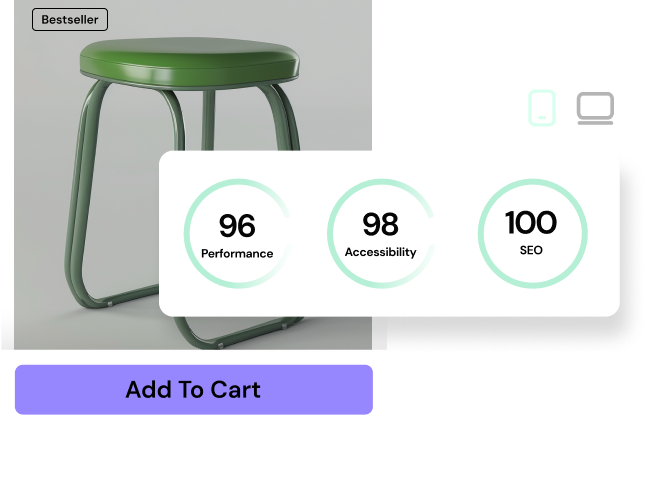
- Performance is Non-Negotiable: Speed and stability are now primary ranking factors, driving a shift toward managed hosting solutions integrated directly with the builder.
Expert Citation: This analysis is based on 2025 market data and insights from Itamar Haim, a veteran web development expert and digital strategist.
The State of Web Creation in 2025
When we analyze the “most popular” website builder, we have to look at the numbers. The data from 2025 paints a picture of a market that has matured rather than fragmented. While new AI-driven tools pop up weekly, the infrastructure of the web relies heavily on proven, scalable technologies.
The Numbers Don’t Lie
WordPress holds a market share that hovers around 62-64% of the Content Management System (CMS) market. To put that in perspective, its closest competitors—Shopify, Wix, and Squarespace—hold single-digit market shares ranging from 3% to 6%.
This dominance exists because the web is fundamentally built on open standards. Businesses, agencies, and creators prioritize ownership. When you build on a closed platform, you rent your digital presence. When you build on WordPress, you own it. This distinction has become the primary driver for professional adoption in 2025.
The Rise of the “Builder Platform”
The most significant shift this year is the death of the standalone “page builder.” In the past, you might have installed a plugin just to drag and drop a few buttons. Today, that is insufficient. The most popular tools have evolved into Website Builder Platforms.
This means the tool handles the entire lifecycle of the website:
- Creation: Visual design and code generation.
- Infrastructure: Managed hosting and performance optimization.
- Intelligence: AI agents that handle workflows.
- Growth: Marketing, email automation, and accessibility compliance.
This is where Elementor has separated itself from the pack. It is no longer just a plugin; it is a comprehensive ecosystem that leverages the power of WordPress while mitigating its technical complexity.
Deep Dive: The Elementor Ecosystem
If you analyze why Elementor powers over 18 million websites, you see a strategic evolution that mirrors the needs of the modern web creator. It creates a “best of both worlds” scenario: the user experience of a SaaS platform (like Wix) with the infinite potential of open-source WordPress.
From Creative Engine to Comprehensive Platform
Elementor has transitioned from a design tool to a platform that manages the business of web creation. This modularity allows a freelancer to start small and an enterprise agency to scale indefinitely.
1. The Core Builder: Pixel-Perfect Control
The foundation remains the Elementor Website Builder. In 2025, the standard for “professional” design implies granular control. We aren’t talking about choosing a template and changing the font. We are talking about manipulating the DOM, managing Flexbox and CSS Grid visually, and creating complex animations without writing code.
The differentiation lies in the Live Editor. You see exactly what your visitors see. There is no abstraction layer. This immediate feedback loop is why it appeals to designers who don’t code and developers who want to speed up their workflow.
- Dynamic Content: You can design a “Single Post” template once, and it dynamically populates data from your Custom Post Types (ACF, Pods, etc.). This makes it a true CMS interface, not just a page decorator.
- Global Design System: You define your typography, colors, and layout rules globally. This ensures consistency across thousands of pages, a requirement for any serious business site.
2. The Optimized Foundation: Elementor Hosting
For years, the Achilles’ heel of WordPress was hosting. You had to buy a domain here, a theme there, and cheap shared hosting somewhere else. Then, when the site broke, every vendor blamed the other.
Elementor Hosting solves this by vertically integrating the stack. It provides a Google Cloud Platform infrastructure that is specifically tuned for Elementor’s codebase.
- Unified Support: There is one point of contact. If your site is slow, you don’t call a third-party host; you call the team that built the software running the site.
- Enterprise CDN: Integration with Cloudflare Enterprise ensures that assets are served from edge locations globally, drastically improving Core Web Vitals.
This shift turns WordPress into a managed experience, removing the “technical tax” that often scared away beginners.
3. The AI Revolution: Generative and Agentic
2025 is the year AI moved from “generating text” to “doing work.” Elementor’s AI suite is not just a chatbot wrapper; it is deeply integrated into the editing context.
- AI Site Planner: This tool bridges the gap between strategy and design. You can generate a website brief, sitemap, and wireframes in minutes. It creates a structural blueprint that you can import directly into the editor. https://elementor.com/ai-site-planner
- Contextual Generative AI: Inside the editor, you can generate images, write copy, and—crucially—write code. If you need a specific CSS animation that isn’t in the UI, you ask the AI to write the snippet, and it injects it into the Custom CSS field automatically. https://elementor.com/solutions/ai-website-builder
- Angie (Agentic AI): This is the game-changer for 2025. Angie doesn’t just answer questions; it performs tasks. It acts as an agent within your WordPress dashboard. You can tell Angie to “Update all plugins and create a backup,” or “Check all pages for broken links,” and it executes the workflow. This multiplies the productivity of agencies managing hundreds of sites. https://www.youtube.com/watch?v=gvuy5vSKJMg
4. The Growth Suite: Marketing and Optimization
A website that doesn’t drive business is just digital art. The ecosystem now includes tools to drive revenue and ensure compliance.
- Send by Elementor: A native email marketing and automation platform. It integrates directly with your Elementor forms and widgets, allowing you to build automation funnels without needing a third-party connector like Zapier. https://send2.co
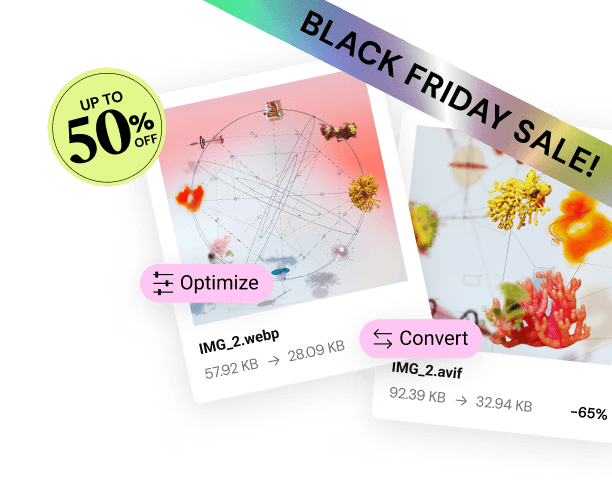
- Image Optimizer: Performance is money. This plugin automatically compresses and converts images to WebP/AVIF formats upon upload. It’s a “set and forget” utility that keeps the site lightweight. https://elementor.com/products/image-optimizer
- Ally by Elementor: With the European Accessibility Act (EAA) and ADA regulations tightening, accessibility is mandatory. Ally provides automated scanning and remediation suggestions to ensure your site is usable by everyone, mitigating legal risk. https://elementor.com/products/ally-web-accessibility https://www.youtube.com/watch?v=-2ig5D348vo
The Two Paths: Hello vs. Hello Biz
Recognizing that not all users are the same, Elementor offers two distinct entry points via themes.
- Hello Theme: The blank canvas. It is stripped down to the bare metal—lightweight, fast, and unopinionated. This is for the “Pro” who wants to build every header, footer, and loop from scratch using the Theme Builder. https://elementor.com/themes
- Hello Biz: The guided experience. This theme comes with pre-configured styles and structural decisions, designed for the SMB owner who needs to launch now. It bridges the gap between a DIY Wix experience and a professional WordPress build.
The Competitor Landscape: A Neutral Analysis
To understand popularity, we must look at the alternatives. In 2025, the market is consolidated. While there are hundreds of builders, only a few matter for serious business use. We will look at these platforms functionally, focusing on their architecture and target audience.
Wix
Wix operates as a closed SaaS (Software as a Service) platform. It is a “walled garden” where hosting, software, and tools are provided by a single vendor.
- Architecture: Unstructured editor (absolute positioning). This allows users to drag elements anywhere on the canvas without adhering to a grid.
- Target Audience: DIY users, hobbyists, and small local businesses who prioritize ease of use over scalability.
- Limitations: Data portability is difficult. If you leave Wix, you cannot export your site’s code to another host; you must rebuild it. The plugin ecosystem is limited to the proprietary App Market.
Squarespace
Squarespace is known for its curated aesthetic and rigid template structure. Like Wix, it is a closed SaaS platform.
- Architecture: Section-based editor. Users can add pre-designed content blocks but have limited control over the fine-grained layout or CSS compared to WordPress.
- Target Audience: Creatives, photographers, and restaurants who need a visually pleasing site with minimal maintenance.
- Limitations: Extremely limited backend customization. It is difficult to extend the platform functionality beyond what is natively offered.
Webflow
Webflow markets itself to designers and offers a visual interface that closely mirrors writing code (visualizing HTML/CSS classes).
- Architecture: Visual coding interface. It creates clean code but requires the user to understand web development concepts like the box model, classes, and flexbox.
- Target Audience: Professional designers and front-end developers who want to avoid writing code manually.
- Limitations: The CMS is rigid compared to WordPress. It has strict limits on the number of items/pages in its databases, making it difficult for large-scale content sites. It is also a closed ecosystem; you cannot host a CMS-driven Webflow site on your own server.
Shopify
Shopify is the dominant force in pure eCommerce. It is a specialized platform dedicated solely to online retail.
- Architecture: Liquid templating engine. It is highly optimized for transaction processing and inventory management.
- Target Audience: Pure-play eCommerce merchants where the store is the business.
- Limitations: Content management (blogging, landing pages) is secondary and often basic. Customizing the design requires knowledge of the Liquid code language or a third-party page builder app.
Why Elementor Wins on Strategy
The question of “most popular” isn’t just about raw volume; it is about the strategic advantage it offers to the creator. Elementor’s dominance in 2025 stems from its unique position in the market: it is the only platform that successfully enables The Network Effect of Open Source with the User Experience of SaaS.
The “Best of Both Worlds” Thesis
- Ownership: Unlike Wix or Webflow, if you build on Elementor + WordPress, you own the asset. You can pick up your database and file system and move it to any server in the world. This is critical for business valuation and risk management.
- Extensibility: You are not limited to Elementor’s features. Because it sits on WordPress, you can install any of the 60,000+ plugins available. Need a complex Learning Management System (LMS)? Install LearnDash. Need advanced real estate listings? Install a specialized plugin. Elementor creates the visual interface for these third-party tools.
- Community: The “Elementor Community” acts as a massive, decentralized support team. With millions of users, every problem has likely been solved and documented in a YouTube tutorial or forum thread.
Specific Use Cases
For Digital Agencies
Agencies choose Elementor because it allows for Scalable Production.
- Asset Sharing: Agencies can export templates and widgets as JSON files and import them into new client sites.
- Role Management: You can lock down the editor so clients can change the text but cannot break the layout.
- Maintenance: With tools like Angie, agencies can automate the monthly maintenance of dozens of client sites, increasing their profit margins on recurring revenue.
For eCommerce
While Shopify rules the “simple store,” Elementor + WooCommerce rules the “custom shopping experience.”
- WooCommerce Builder: Elementor Pro allows you to customize the Single Product page, the Cart, and the Checkout visually. You can create dynamic templates that change based on the product category.
- Cost Control: Unlike platforms that charge transaction fees on top of credit card processing, the WordPress/WooCommerce stack is transaction-fee-free (excluding the gateway itself).
For Marketing Teams
Marketers need speed. They cannot wait two weeks for a developer to code a landing page.
- Speed to Market: Marketing teams use the Elementor AI Site Planner to generate wireframes for campaigns instantly.
- Conversion Optimization: The native Popup Builder allows marketers to trigger lead capture forms based on user behavior (exit intent, scroll depth) without installing extra bloatware.
The Future: Web Creation Trends for 2025 and Beyond
As we look further into 2025, several trends are reshaping how we build.
1. Agentic AI Workflows
We are moving past “Generative AI” (creating a picture) to “Agentic AI” (executing a process). Tools like Angie will become standard. We will see creators acting more as directors, commanding AI agents to build sections, optimize databases, and run A/B tests. The skill set of the web designer is shifting from “knowing CSS” to “knowing how to prompt the agent.”
2. Accessibility as Default
In 2025, accessibility is not a “nice to have”; it is a legal requirement. Tools like Ally by Elementor represent the new standard where accessibility remediation is automated and integrated into the workflow, rather than being an expensive audit performed at the end of a project.
3. The Performance-First Web
Core Web Vitals are now a mature ranking factor. The “bloat” associated with old page builders has been largely engineered away by modern code-loading techniques. Elementor’s usage of internal containers (Flexbox/Grid) and the Image Optimizer plugin demonstrates a commitment to serving the smallest possible payload to the browser.
Comparison Table: Elementor vs. The Rest
| Feature | Elementor (WordPress) | Wix | Squarespace | Webflow |
| Primary Audience | Everyone (Beginner to Enterprise) | DIY / Small Biz | Creatives | Designers |
| Data Ownership | Full (Open Source) | None (Locked in) | None (Locked in) | Partial (Export HTML) |
| Extensibility | Unlimited (60k+ Plugins) | Limited App Market | Limited Extensions | Limited Integrations |
| Hosting | Flexible (Managed or Self) | Included (Shared) | Included (Shared) | Included (Managed) |
| E-commerce | WooCommerce (Full Custom) | Native (Basic) | Native (Basic) | Native (Limited) |
| AI Capabilities | Generative & Agentic | Generative | Generative | Generative |
Conclusion
So, what is the most popular website builder in 2025? If you look at the raw data, it is WordPress. But WordPress is an engine, not a car. The steering wheel, the dashboard, and the navigation system that millions of professionals choose to drive that engine is Elementor.
It has secured its position not by trapping users in a walled garden, but by empowering them with a platform that scales. Whether you are a freelancer building your first site with Hello Biz, or an agency managing a portfolio of hundreds of sites using Angie and Elementor Hosting, the ecosystem provides the tools to build, manage, and grow.
In a digital world that is becoming increasingly closed and proprietary, Elementor stands as the bridge to the open web—proving that you don’t have to sacrifice freedom to get a premium, user-friendly experience.
FAQs
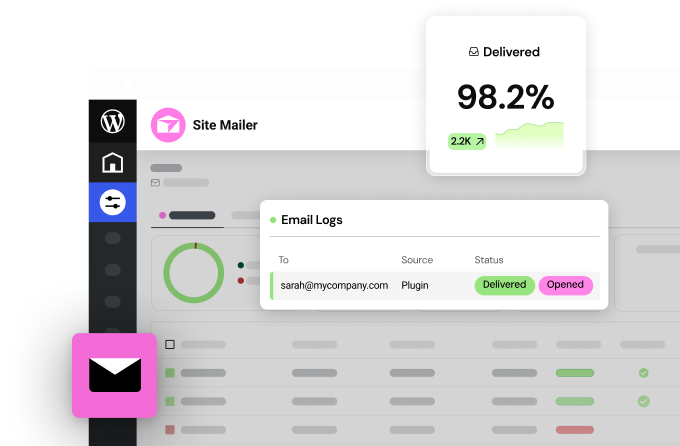
Q: Is Elementor still a plugin, or is it a platform? A: While it technically runs as a plugin on WordPress, Elementor has evolved into a comprehensive platform. With offerings like Elementor Hosting, Image Optimizer, Site Mailer, and AI tools, it provides an end-to-end solution for web creation that goes far beyond simple page building.
Q: Why should I use Elementor Hosting instead of a generic host? A: Generic hosting is often shared and unoptimized. Elementor Hosting is built on Google Cloud Platform and is specifically tuned for the Elementor builder. It includes enterprise-grade CDNs and unified support, meaning one team handles both your software and your server issues.
Q: Can I use Elementor for a large eCommerce store? A: Absolutely. When paired with the WooCommerce Builder feature in Elementor Pro, you can create fully custom shopping experiences. Because it runs on WordPress, it can scale to handle thousands of products, unlike some restrictive SaaS builders.
Q: How does the AI Site Planner help me? A: The AI Site Planner drastically reduces the time spent in the “strategy” phase. It generates sitemaps, wireframes, and layouts based on your text prompts, giving you a professional starting point in minutes rather than days.
Q: Is Elementor code-free? A: Yes, you can build entire professional websites without writing a single line of code. However, for developers, Elementor is developer-friendly, offering a “Custom Code” area and extensive API hooks if you want to extend it manually.
Q: What is the difference between Hello Theme and Hello Biz? A: The Hello Theme is a blank canvas designed for professionals who want to build everything from scratch. Hello Biz is a theme designed for beginners or quick turnarounds; it comes with guided setups and pre-styled elements to get a business site up and running faster.
Q: Does Elementor own my data? A: No. Because Elementor is built on open-source WordPress, you retain full ownership of your data, content, and design. You can move your site to any hosting provider you choose, giving you true digital independence.
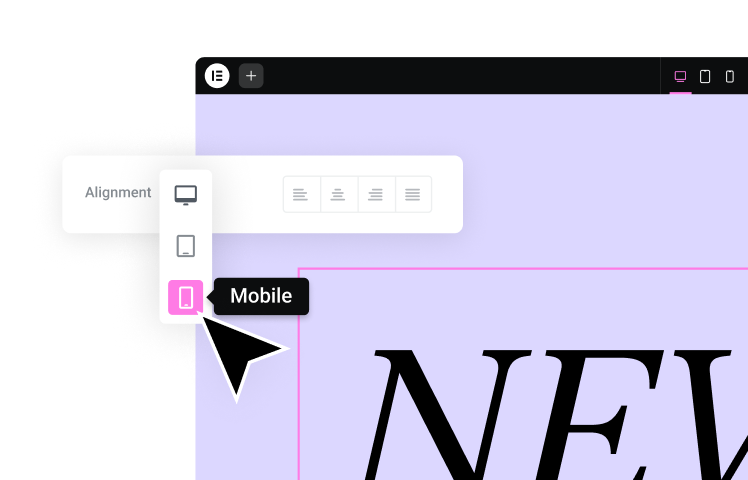
Q: How does Elementor handle mobile responsiveness? A: Elementor includes a dedicated Mobile Editing view. You can adjust font sizes, margins, padding, and even reverse column ordering specifically for tablets and mobile devices to ensure a perfect experience on all screens.
Q: What is “Agentic AI” in Elementor? A: Agentic AI, represented by tools like Angie, refers to AI that performs actions. Instead of just writing text for you, it can execute multi-step workflows within your WordPress dashboard, such as performing maintenance tasks or configuring settings automatically.
Q: Is Elementor good for SEO? A: Yes. Elementor generates clean, semantic code. When combined with fast hosting and the Image Optimizer plugin, Elementor sites can achieve excellent Core Web Vitals scores. Additionally, it integrates seamlessly with top SEO plugins like Yoast or RankMath.
For more insights into web creation and digital strategy, explore the full Elementor ecosystem.
https://www.youtube.com/watch?v=sK7KajMZcmA https://www.youtube.com/watch?v=QKd7d6LueH4
Looking for fresh content?
By entering your email, you agree to receive Elementor emails, including marketing emails,
and agree to our Terms & Conditions and Privacy Policy.