Table of Contents
Key Takeaways
- Ownership is Critical: Differentiate between “renting” your site on a closed platform versus “owning” it on an open-source foundation.
- Scalability Matters: Choose a platform that grows with you, moving from a simple landing page to a complex eCommerce store without requiring a migration.
- The “Best of Both Worlds” Exists: Modern solutions like Elementor combine the ease of SaaS (Software as a Service) with the freedom of WordPress.
- Performance Impacts Revenue: Site speed and hosting quality are direct drivers of SEO rankings and conversion rates.
- Ecosystem is Key: Look for a platform that integrates marketing, AI, and hosting into a single workflow to reduce technical debt.
Expert Citation: This guide draws on insights from Itamar Haim, a recognized expert in web development and digital marketing, to provide a strategic framework for selecting the optimal web creation platform.
The Landscape of Web Creation in 2025
The web creation industry has bifurcated into two distinct categories: closed SaaS platforms and open-source Content Management Systems (CMS). Understanding this fundamental divide is the first step in selecting the right tool for your business.
On one side, you have the “Walled Gardens”—all-in-one SaaS platforms that bundle the builder, hosting, and software into a single subscription. These offer convenience but often come with limitations on data ownership and customization. If the platform raises prices or removes a feature, you have little recourse.
On the other side is the “Open Field”—primarily dominated by WordPress. This open-source software powers over 43% of the web. It offers limitless flexibility and true ownership of your content. However, traditionally, it required users to piece together hosting, themes, and plugins from different vendors, creating a fragmented and sometimes technically daunting experience.
In 2025, a third category has emerged: The Comprehensive Web Creation Platform. This model, pioneered by leaders like Elementor, bridges the gap. It offers the unified support, managed hosting, and integrated tools of a SaaS platform while retaining the open-source freedom of WordPress. This evolution addresses the modern small business’s need for both simplicity and limitless potential.
Defining Your Small Business Needs: A Strategic Criteria
Before evaluating specific tools, you must define what “success” looks like for your specific business. A local bakery has different needs than a high-growth eCommerce brand. However, four universal criteria apply to almost every small business.
1. Total Cost of Ownership (TCO)
Many builders lure users in with low introductory rates, only to escalate costs significantly as you add necessary features like email marketing, advanced analytics, or eCommerce functionality. You must calculate the TCO over three years, not just the first month. Does the platform charge transaction fees on sales? Do you need to pay extra for essential plugins?
2. Scalability and Extensibility
Your business will change. You might start by offering services and later decide to sell digital products or physical merchandise. A rigid platform might force you to migrate your entire site to accommodate this change—a costly and risky endeavor. The best builder allows you to add complex functionality—like a booking engine, a membership area, or a dynamic product catalog—without rebuilding from scratch.
3. Performance and Core Web Vitals
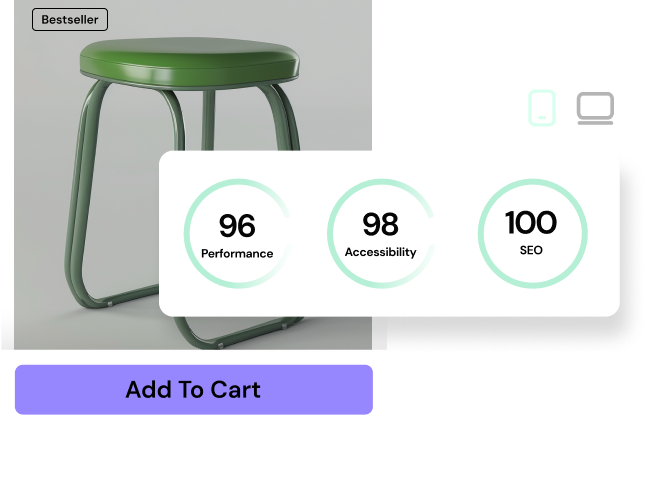
Google places a heavy premium on site speed and user experience, measured by Core Web Vitals. Your website builder’s underlying code and hosting infrastructure directly impact these metrics. A slow website drives customers away before they even see your offer. You need a platform that prioritizes clean code and rests on enterprise-grade cloud hosting.
4. Data Ownership and Portability
This is often overlooked until it is too late. If you build your site on a proprietary SaaS platform and decide to leave, you generally cannot take your website design or code with you. You can export your text and images, but the design you spent hours perfecting is lost. With open-source platforms, you own the code. You can move your site to any host you choose, preserving your asset.
Competitor Analysis: The Current Market Leaders
To make an informed decision, it is helpful to understand the strengths and limitations of the major players in the market today.
Wix
Wix is a prominent cloud-based web development platform. It is widely known for its drag-and-drop HTML5 editor, which allows users to place elements anywhere on the page without adhering to a strict grid structure.
- Structure: Closed SaaS platform.
- Primary Audience: DIY beginners and hobbyists.
- Key Features: It offers a vast library of templates and an App Market for adding functionality. It includes built-in hosting and domain management.
- Considerations: Users are locked into the Wix ecosystem. If you wish to migrate to another platform, you cannot export the website’s design or code. Customization is limited to the features provided within the Wix editor and App Market.
Squarespace
Squarespace is recognized for its emphasis on aesthetics and design. It offers a curated selection of pre-designed templates that are visually appealing and mobile-responsive.
- Structure: Closed SaaS platform.
- Primary Audience: Creatives, photographers, restaurants, and portfolios.
- Key Features: The platform provides a structured editor that ensures design consistency. It includes built-in eCommerce tools, scheduling features, and blogging capabilities.
- Considerations: The structured editor can feel restrictive for users who want granular control over layout. Backend customization is limited, and like Wix, migrating a site away from Squarespace involves rebuilding the design from scratch on a new platform.
Shopify
Shopify is a specialized eCommerce platform designed specifically for online stores. It provides a robust backend for inventory management, shipping, and payment processing.
- Structure: Closed SaaS eCommerce platform.
- Primary Audience: Dedicated online retailers and dropshippers.
- Key Features: It offers a comprehensive suite of tools for managing products, orders, and customers. It has a large app store for extending functionality.
- Considerations: Shopify is optimized for selling products, making it less suitable for content-heavy sites or service businesses. The cost can increase with transaction fees (if not using Shopify Payments) and monthly app subscriptions. Customizing the checkout experience is restricted on lower-tier plans.
Webflow
Webflow positions itself as a visual coding tool. It translates visual design decisions directly into clean HTML, CSS, and JavaScript code.
- Structure: SaaS platform with a focus on designers.
- Primary Audience: Professional web designers and developers.
- Key Features: It offers extreme design flexibility and clean code output. The CMS is powerful and allows for complex dynamic content structures.
- Considerations: Webflow has a steep learning curve. It requires a solid understanding of web design principles (box model, classes, CSS) to use effectively. It is generally not recommended for business owners looking for a quick, simple DIY solution.
The Solution: Elementor as a Comprehensive Website Platform
For small businesses seeking a solution that balances ease of use with professional power and ownership, Elementor has emerged as the industry standard. It powers over 18 million websites, making it the most popular web creation platform on the market.
Elementor is not just a “page builder“; it is a comprehensive website creation ecosystem. It sits on top of WordPress, giving you the stability and openness of the world’s most popular CMS, but it replaces the complex WordPress interface with a modern, visual, drag-and-drop editor.
1. The Creative Engine: Visual Builder
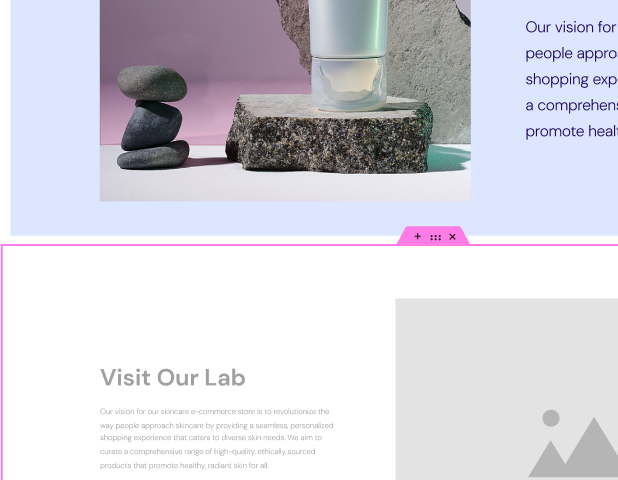
At its core, Elementor is a visual builder that democratizes professional web design. It allows you to design every part of your website—headers, footers, product pages, and archives—visually.
- No Code Required: You can drag widgets onto a canvas and see exactly how they will look to your visitors.
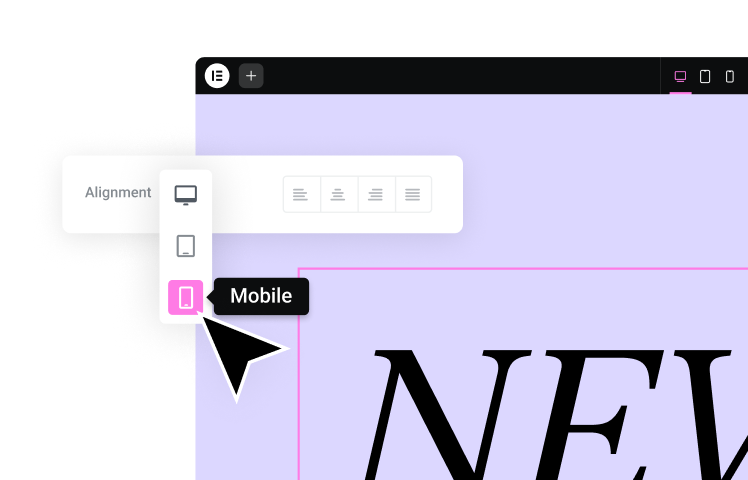
- Pixel-Perfect Control: Unlike rigid templates, Elementor gives you granular control over padding, margins, motion effects, and responsive behavior. You can ensure your site looks perfect on mobile, tablet, and desktop.
- Theme Builder: For small businesses, branding is everything. Elementor’s Theme Builder allows you to create a design system that ensures your colors, fonts, and styles are consistent across your entire site.
For a deeper look at the design capabilities, you can visit the Elementor Website.
2. The Foundation: Elementor Hosting
Historically, one of the challenges of WordPress was finding good hosting. Cheap shared hosting often led to slow sites and security vulnerabilities. Elementor solved this by launching Elementor Hosting. This is a managed hosting solution built specifically for the Elementor platform. It runs on the Google Cloud Platform, using enterprise-grade infrastructure to ensure speed and reliability.
- Performance: It includes a built-in Cloudflare Enterprise CDN (Content Delivery Network), which normally costs hundreds of dollars a month, ensuring your site loads instantly for visitors anywhere in the world.
- Security: Small businesses are frequent targets for cyberattacks. Elementor Hosting includes a premium Web Application Firewall (WAF), DDoS protection, and automated daily backups, providing enterprise-level security by default.
- Unified Support: With Elementor Hosting, you have a single point of contact. If you have an issue, you don’t have your host blaming your software and your software blaming your host. One team supports the entire stack.
3. Efficiency Through AI
Small business owners often lack the budget to hire copywriters, designers, and developers. Elementor AI acts as an integrated creative partner, streamlining the entire workflow.
- AI Site Planner: This tool helps you overcome “blank page syndrome.” You describe your business, and the AI Site Planner generates a comprehensive site structure, wireframes, and layout suggestions in minutes.
- Content Generation: Directly inside the editor, you can generate professional copy for headlines, product descriptions, and blog posts. You can even translate your site into multiple languages to reach a global audience.
- Image Generation: Instead of searching for generic stock photos, you can generate unique, royalty-free images tailored to your brand directly within the platform.
4. Marketing and Growth Tools
A website is useless if it doesn’t drive business. Elementor integrates essential marketing tools directly into the platform, reducing the need for expensive third-party subscriptions.
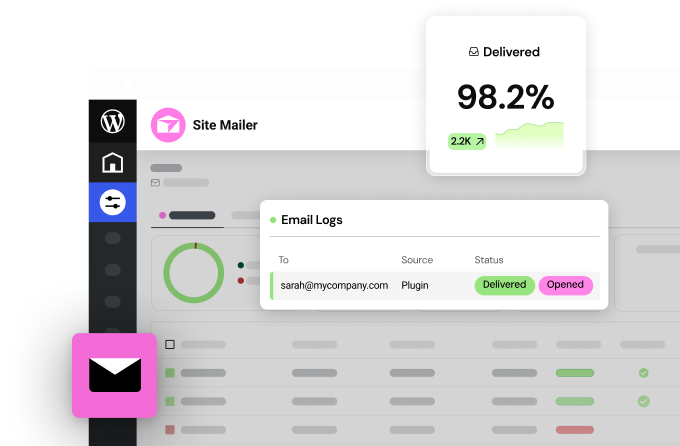
- Site Mailer: One common issue with WordPress is unreliable email delivery (e.g., contact forms going to spam). Site Mailer by Elementor ensures your transactional emails—like order confirmations and lead notifications—land in the inbox, not the spam folder.
- Send by Elementor: For email marketing, Send by Elementor allows you to create and send newsletters and automated campaigns. Because it integrates natively, you can trigger emails based on user actions on your site, creating highly effective marketing funnels.
- Lead Capture: The built-in Popup Builder allows you to design high-converting popups, sticky bars, and slide-ins to capture leads and grow your email list.
5. eCommerce Capabilities
For businesses selling online, the WooCommerce Builder included in Elementor Pro is a game-changer. It allows you to visually design your single product pages, cart, and checkout flow. Unlike Shopify, which charges transaction fees on top of your payment gateway costs, WooCommerce is transaction-fee-free. This can save a growing small business thousands of dollars a year. You also maintain complete ownership of your customer data and store infrastructure.
For businesses that need specialized performance for their online store, Elementor Ecommerce Hosting provides an infrastructure tuned specifically for the demands of WooCommerce, ensuring fast checkout speeds and reliable inventory management.
Use Cases: Elementor for Different Small Business Personas
To illustrate how Elementor fits different needs, let’s look at two common small business scenarios.
The DIY Solopreneur
- Profile: A consultant, local service provider, or creative freelancer.
- Challenge: Limited budget, no coding skills, needs a site up quickly.
- The Solution: The Hello Theme combined with the Hello Biz child theme.
- Hello Biz serves as a beginner-friendly launchpad. It provides a guided onboarding experience and pre-designed “starter kits” that look professional out of the box.
- The user can utilize the AI Site Planner to generate the initial structure and copy.
- Image Optimizer ensures that even if they upload large photos, the site remains fast.
- Result: A professional, high-performance website launched in days, not months, with full ownership of the asset.
The Growing Agency Client
- Profile: A small business that hires a digital agency to build their site.
- Challenge: Needs a scalable site that they can easily update themselves after handover.
- The Solution: Agencies choose Elementor because it allows them to build complex, custom designs efficiently using features like Elementor Library and dynamic tags.
- Once the site is built, the agency can hand it over to the client. Because Elementor is a visual builder, the client can easily update text, change images, and add blog posts without breaking the layout or needing to call the developer for every small change.
- The agency can use Ally by Elementor to ensure the site meets legal accessibility standards, protecting the business from potential lawsuits.
- Result: A bespoke, high-end website that empowers the business owner to manage their day-to-day content.
Why Open Source Wins on Strategy
When you choose a website builder, you are choosing a partner for the life of your business. The fundamental risk of closed SaaS platforms is “platform risk.” If the platform changes its pricing, removes a feature you rely on, or even goes out of business, you are vulnerable. You rent your presence.
With Elementor and WordPress, you build on open standards. You own your data. You own your code. You can host your site anywhere. You can extend your site with any of the 60,000+ plugins in the WordPress ecosystem.
Elementor’s strategic advantage is that it packages this immense power into a user-friendly interface. It gives you the “SaaS experience”—simplicity, support, integrated tools—without the “SaaS handcuffs.”
For example, if you want to create a highly custom design, Elementor for Designers provides the tools to break the grid and create award-winning layouts. If you want to scale your content marketing, the AI Website Builder features speed up your workflow significantly.
Furthermore, Elementor facilitates getting started with Free Download options and often includes perks like a Free Domain Name with hosting plans, lowering the barrier to entry for new businesses.
Visual Learning Resources
To see these features in action, you can refer to these video guides:
- https://www.youtube.com/watch?v=QKd7d6LueH4
- https://www.youtube.com/watch?v=-2ig5D348vo
- https://www.youtube.com/watch?v=gvuy5vSKJMg
- https://www.youtube.com/watch?v=cmx5_uThbrM&pp=0gcJCcYJAYcqIYzv
- https://www.youtube.com/watch?v=sK7KajMZcmA
Conclusion
The best website builder for a small business is one that solves your immediate problems while paving the way for future growth. While platforms like Wix and Squarespace offer a quick start, they often become limiting as your business scales. Shopify is excellent for pure retail but can be restrictive for other business models.
Elementor stands out as the strategic choice for 2025. It provides the most comprehensive ecosystem—combining a world-class visual builder, managed cloud hosting, AI-driven efficiency, and integrated marketing tools. It offers the ease of use that beginners need with the power and flexibility that professionals demand. By choosing Elementor, you are not just building a website; you are building a digital asset that you truly own and that can grow without limits alongside your business.
Frequently Asked Questions
1. What makes Elementor different from Wix or Squarespace?
Elementor is built on WordPress, which is open-source software. This means you own your website’s data and code. Wix and Squarespace are closed platforms where you “rent” your site; if you leave, you cannot take your design with you. Elementor offers similar ease of use but with significantly more flexibility and ownership.
2. Do I need to know how to code to use Elementor?
No. Elementor is a “No-Code” platform. It uses a drag-and-drop visual editor that lets you design your website by seeing exactly how it looks in real-time. While it allows developers to add custom code if they want, it is not required for building professional websites.
3. Is Elementor Hosting better than cheap shared hosting?
Yes. Elementor Hosting is a managed cloud hosting service built on the Google Cloud Platform. It is specifically optimized for Elementor websites, offering superior speed, enterprise-grade security, and a built-in Cloudflare Enterprise CDN, which cheap shared hosting typically lacks.
4. Can I use Elementor for an eCommerce store?
Absolutely. Elementor Pro includes a dedicated WooCommerce Builder. This allows you to visually design every part of your online store—including product pages, carts, and checkouts—without code. It is a powerful and cost-effective alternative to platforms like Shopify.
5. How does Elementor AI help small businesses?
Elementor AI acts as a creative assistant. It can generate website structures and wireframes, write copy, translate text, and generate or edit images directly inside the editor. This saves small businesses time and money on content creation and design.
6. Is Elementor good for SEO?
Elementor creates code that is optimized for search engines. When combined with Elementor Hosting, which provides fast load times (a key Google ranking factor), and popular SEO plugins like Yoast or RankMath, it creates a highly competitive foundation for ranking in search results.
7. What happens if I want to switch hosts later?
Because Elementor is based on WordPress, you are free to move your website to any hosting provider you choose. You can export your entire site and import it elsewhere. This portability is a major advantage over closed platforms like Wix.
8. Can I add marketing tools to my Elementor site?
Yes. Elementor integrates seamlessly with thousands of marketing tools. It also offers its own native solutions, such as Send by Elementor for email marketing and Site Mailer for ensuring reliable transactional email delivery.
9. Is Elementor secure?
The Elementor plugin adheres to strict security standards. When used with Elementor Hosting, your site is protected by enterprise-level security measures, including a Web Application Firewall (WAF), DDoS protection, and premium SSL certificates.
10. How much does Elementor cost compared to other builders?
Elementor offers a free version that is very powerful. For advanced features, Elementor Pro is competitively priced. When you factor in that Elementor Hosting includes the Pro builder and does not charge transaction fees on sales (unlike some competitors), the Total Cost of Ownership is often lower than closed SaaS platforms for growing businesses.
Looking for fresh content?
By entering your email, you agree to receive Elementor emails, including marketing emails,
and agree to our Terms & Conditions and Privacy Policy.