Table of Contents
We stand at a unique intersection in the evolution of web creation. The barrier to entry has lowered, yet the complexity of achieving market differentiation has increased. To navigate this, we must look beyond surface-level features and examine the structural integrity of the platforms available.
Key Takeaways
- Ownership is Non-Negotiable: Closed SaaS platforms lease you a storefront, whereas open-source solutions like WordPress combined with Elementor grant you full ownership of your data, code, and brand assets.
- The Platform Advantage: Elementor has evolved from a visual builder into a comprehensive Website Builder Platform, integrating managed hosting, AI workflows, and marketing tools into a single ecosystem.
- Cost Efficiency at Scale: Proprietary platforms often impose transaction fees and tiered pricing that punishes growth, while Elementor’s model remains predictable and scalable regardless of revenue volume.
- Pixel-Perfect Design: In a competitive market, generic templates fail to convert. Elementor provides granular design control that enables unique, brand-specific experiences without requiring custom coding.
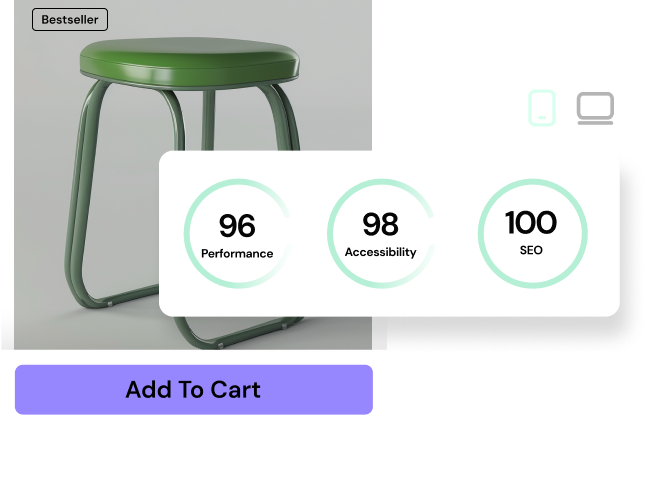
- Performance Engineering: Elementor Hosting utilizes Google Cloud Platform and Cloudflare Enterprise CDN to deliver the enterprise-grade speed and security essential for ecommerce SEO and conversion.
The Strategic Imperative of Platform Selection
The digital marketplace has matured. In the early days of ecommerce, getting a product online was the primary hurdle. Today, the challenge lies in differentiation, performance, and retention. A platform must do more than display products; it must facilitate a seamless operational workflow and provide a foundation for robust marketing strategies.
We separate the market into two distinct categories: the Software-as-a-Service (SaaS) model and the Open Source model. Understanding the friction between these two approaches is essential for any expert looking to build a sustainable online business.
The SaaS Model: The Rented Economy
Platforms operating on the SaaS model provide a hosted environment where the user rents access to the software. The provider manages the infrastructure, security, and updates. This model offers convenience, allowing users to launch quickly using pre-determined templates and integrated payment systems.
However, this convenience introduces significant structural risks. The user does not own the infrastructure. The platform dictates the terms of service, the pricing structure, and the available features. Customization is limited to the parameters set by the provider’s developers. If the platform removes a feature or increases transaction fees, the merchant has little recourse. Migrating away from a SaaS ecosystem is notoriously difficult, as proprietary code and design assets often cannot be exported.
The Open Source Model: Sovereign Foundations
The Open Source model, exemplified by WordPress, grants the user complete access to the source code. This freedom allows for unlimited customization, deep integration with third-party tools, and total ownership of all data. The user controls the hosting environment and the security protocols.
Historically, the criticism of open source centered on complexity. It required the user to piece together a stack comprising hosting, themes, plugins, and maintenance protocols. This fragmentation often led to technical debt and security vulnerabilities if not managed by an experienced developer.
The Hybrid Solution: Elementor’s Strategic Position
The market demanded a solution that bridged the gap between the ease of SaaS and the freedom of Open Source. Elementor addresses this need by creating a comprehensive ecosystem that sits on top of the WordPress foundation.
Elementor provides the managed infrastructure, the unified support, and the integrated tooling characteristic of a premium SaaS product. Simultaneously, it retains the open nature of WordPress, ensuring that the user maintains absolute ownership of their digital asset. This positioning offers the “best of both worlds,” eliminating the technical fragmentation of traditional WordPress setups while avoiding the vendor lock-in of proprietary builders.
The Elementor Ecosystem: A Complete Commerce Engine
To evaluate Elementor’s suitability for ecommerce, we must analyze it not merely as a page builder, but as a holistic platform. The ecosystem encompasses every stage of the web creation lifecycle, from planning and design to hosting and marketing.
1. The WooCommerce Builder: Visual Commerce Design
WooCommerce is the most popular ecommerce software on the web, powering millions of stores. Elementor’s WooCommerce Builder acts as the visual interface for this powerful engine, replacing the rigid structure of standard WordPress themes with a flexible, drag-and-drop design system.
Custom Product Templates
Standard themes lock products into a predefined layout—usually an image on the left and text on the right. Elementor allows the creator to design custom Single Product templates that align with the specific needs of the inventory.
- Visual Hierarchy: You control the placement of the product title, price, and add-to-cart button.
- Dynamic Data: The builder pulls product data dynamically, meaning you design the template once, and it applies to every product in the category.
- Rich Media Integration: You can integrate video reviews, 360-degree product views, and technical specification tabs directly into the product page layout.
Dynamic Archive Design
The browsing experience determines conversion. Elementor allows for the creation of custom Product Archive pages. You can design unique grid layouts for different product categories, ensuring that the visual presentation matches the user intent. A category page for “Hardware” might require a dense, list-based layout with technical specs, while a “Fashion” category benefits from large, immersive image cards.
The Cart and Checkout Experience
Cart abandonment is the silent killer of ecommerce revenue. Elementor provides control over the Cart and Checkout pages, allowing you to remove distractions and streamline the path to purchase. You can brand the checkout process, customize form fields, and integrate trust signals like security badges and testimonials directly into the payment flow.
2. Elementor Hosting: The Performance Backbone
Speed drives revenue. Amazon found that every 100ms of latency cost them 1% in sales. Elementor Hosting is engineered to solve the performance challenges inherent in dynamic ecommerce sites.
Cloud Architecture
The hosting infrastructure resides on the Google Cloud Platform (GCP), utilizing C2 machines. These servers provide the high-performance computing power necessary to process complex PHP requests and database queries generated by WooCommerce.
Cloudflare Enterprise CDN
Elementor integrates Cloudflare Enterprise directly into the hosting stack. This Content Delivery Network (CDN) distributes site content across a network of servers in over 285 cities worldwide. This ensures that static assets—images, CSS, and JavaScript—load instantly for users, regardless of their physical location.
Security Protocols
Ecommerce sites are prime targets for malicious activity. Elementor Hosting includes enterprise-grade security features:
- DDoS Protection: Mitigates distributed denial-of-service attacks.
- Web Application Firewall (WAF): Filters out malicious traffic before it reaches the server.
- Automated Backups: Ensures data integrity with daily restore points.
3. AI and Workflow Acceleration
Efficiency defines the modern web workflow. Elementor has integrated AI tools to reduce the manual labor associated with building and managing a store.
AI Site Planner
The AI Site Planner acts as a strategic partner during the initial phase. By inputting the business type and goals, the tool generates a comprehensive sitemap and wireframes. This accelerates the planning process, moving the project from concept to structure in minutes.
Content and Code Generation
Elementor AI assists in populating the store with content.
- Product Descriptions: It generates SEO-friendly product copy based on feature inputs.
- Multilingual Support: It translates content to expand market reach.
- Custom CSS: The AI Code Assistant writes specific CSS snippets to achieve custom styling effects without requiring the user to write code manually.
Agentic AI with Angie
The introduction of Angie represents a shift toward agentic workflows. Angie can perform multi-step tasks within the WordPress environment, such as creating landing pages, linking them to menus, and ensuring design consistency. This moves the user from a creator role to a director role.
4. Marketing and Operations Integration
A store cannot succeed without traffic and retention. Elementor incorporates marketing tools directly into the platform.
Site Mailer
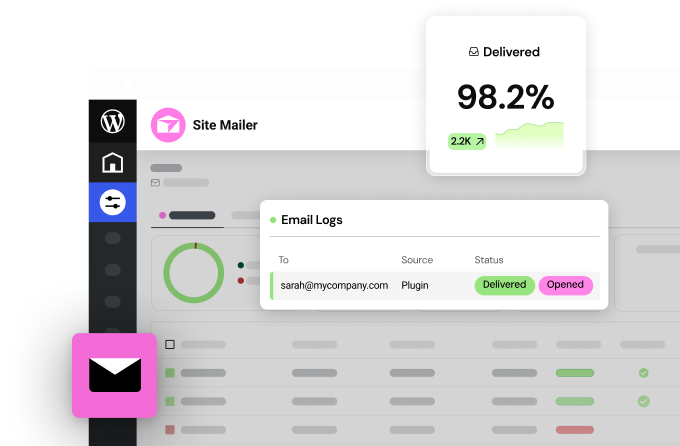
Transactional emails—order confirmations, password resets, shipping notifications—are critical for customer trust. Site Mailer ensures reliable delivery of these emails, bypassing the often unreliable default PHP mail function of standard hosting environments.
Send by Elementor
Send is a native marketing automation tool. It allows merchants to create email marketing campaigns and automated flows, such as abandoned cart recovery sequences, directly within the Elementor dashboard. This integration removes the need for complex data syncing with external email service providers.
Image Optimizer
High-resolution product imagery is essential for sales but detrimental to speed. The Image Optimizer automatically compresses and converts images to next-gen formats like WebP and AVIF. This balances visual quality with performance, improving Core Web Vitals scores.
Analyzing the Competition: A Neutral Perspective
To understand the value of Elementor, we must examine the alternative options available in the market. We will look at Shopify, Wix, Squarespace, and BigCommerce, focusing on their structural characteristics and operational models.
Shopify
Shopify is a dedicated ecommerce platform that operates on a SaaS model. It hosts the website, processes payments, and manages the backend infrastructure.
Architecture Shopify uses a proprietary coding language called Liquid. Users build their stores using themes available in the Shopify Theme Store. Customization is possible through the theme editor and by editing Liquid files, though deep structural changes often require development expertise.
Pricing and Fees Shopify employs a tiered subscription model. In addition to the monthly fee, the platform charges transaction fees on sales unless the merchant utilizes Shopify Payments. The use of third-party payment gateways incurs additional costs.
Ecosystem The Shopify App Store offers a wide range of extensions for functionality not included in the core platform. Many of these apps require separate monthly subscriptions, which contributes to the total cost of ownership.
Wix
Wix is a general-purpose website builder that utilizes an unstructured drag-and-drop editor. It is a SaaS platform that manages hosting and security.
Design Interface The Wix editor allows elements to be placed anywhere on the canvas. This offers freedom in initial placement. The platform creates mobile versions of the site automatically, though manual adjustments are often required to ensure layout consistency across devices.
Operations Wix provides built-in ecommerce features for inventory and order management. The platform imposes storage limits on certain plans, which can affect stores with large libraries of media assets. The code structure is closed, preventing the export of the site to other hosting environments.
Squarespace
Squarespace focuses on visual design, offering a curated selection of templates. It operates as a SaaS platform with integrated hosting and content management.
Design System Squarespace uses a structured grid editor. Elements snap into predefined areas, maintaining alignment and mobile responsiveness. Customization is achieved through the manipulation of these grid blocks and global style settings.
Ecommerce Functionality The platform includes native ecommerce tools for selling physical and digital products. It supports inventory management and shipping configurations. Extensions are available for specific integrations, though the ecosystem is smaller than that of open platforms. Transaction fees apply to lower-tier commerce plans.
BigCommerce
BigCommerce is a SaaS platform designed for scalability, often targeting enterprise-level merchants.
Architecture It operates as a hosted solution with a focus on API-first architecture. This allows for “headless” commerce setups where the backend is separated from the frontend presentation layer.
Pricing BigCommerce uses a revenue-based pricing model. Merchants are automatically upgraded to higher-priced plans as their annual sales volume increases. The platform does not charge additional transaction fees on its plans.
The Strategic Advantage of Ownership
The primary differentiator between Elementor and the SaaS competitors listed above lies in the concept of ownership.
When a business builds on a SaaS platform, it builds on rented land. The data, the customer relationships, and the SEO equity are housed within a proprietary garden. Migrating away from these platforms is a complex process that often involves rebuilding the frontend from scratch and engaging in difficult data extraction.
Elementor, built on WordPress, ensures that the business owns its asset. The database, the files, and the design code belong to the merchant. This portability provides a safeguard against platform risk. If a hosting provider changes their terms or performance degrades, the merchant can migrate the entire site to a new environment without losing data or functionality.
This distinction is not merely technical; it is a valuation factor. A business that owns its technology stack and data has a higher intrinsic value than one dependent on a third-party lease for its primary storefront.
Step-by-Step Guide: Building a Store with Elementor
The process of building an ecommerce site with Elementor follows a logical workflow that moves from infrastructure to design and finally to operations.
Phase 1: Infrastructure and Setup
The foundation determines the stability of the structure.
- Hosting Activation: The process begins with setting up Elementor Hosting. This automatically installs WordPress and the Elementor Pro builder, configuring the server environment for optimal PHP execution times and memory limits required by WooCommerce.
- Theme Installation: We utilize the Hello Theme. This is a lightweight framework designed specifically for Elementor. It contains no redundant styling code, ensuring the fastest possible load times and providing a blank canvas for the builder.
- WooCommerce Configuration: We install the WooCommerce plugin. The setup wizard guides the configuration of currency, tax rates, and shipping zones. This establishes the backend logic for the store.
Phase 2: Design and Branding
With the engine running, we move to the visual presentation.
- Global Site Settings: We define the design system. This involves setting global colors, typography, and button styles in the Elementor Site Settings. This ensures consistency; a change to the primary brand color here updates every button and accent across the store.
- Header and Footer: Using the Theme Builder, we design the site header and footer. The header includes the navigation menu, search bar, and cart icon. The footer houses legal links, contact information, and social proof.
- Product Templates: We create the Single Product template. We drag in the Product Title, Image, Price, and Add to Cart widgets. We arrange these elements to optimize the user experience, perhaps placing the “Add to Cart” button above the fold for mobile users.
Phase 3: Archive and Loop Design
We structure how the products are presented in catalogs.
- Loop Grid Creation: We design a “Loop Item”—a single card representing a product. This card contains the product image, title, and price.
- Archive Layout: We use the Loop Grid widget on the Product Archive template. This widget repeats the Loop Item for every product in the category, creating a clean, uniform grid layout. We add filtering and sorting tools to help users navigate the inventory.
Phase 4: Operational Integration
We connect the functional tools that drive business.
- Payment Gateway: We connect a payment processor, such as Stripe or PayPal, within the WooCommerce settings. This enables the acceptance of credit cards.
- Transactional Email: We configure Site Mailer to ensure that order receipts and shipping notifications are authenticated and delivered to the customer’s inbox.
- Analytics: We integrate Google Analytics or a similar tracking tool to monitor traffic and conversion rates.
Advanced Strategies for Ecommerce Growth
Building the store is the preliminary step. Scaling revenue requires the implementation of advanced strategies that leverage the full capabilities of the platform.
Performance Optimization
Speed correlates directly with conversion. We must optimize the site to ensure instant load times.
- Asset Optimization: We enable the Image Optimizer to handle media compression.
- Code Minification: Within Elementor’s settings, we activate features like “Optimized DOM Output” and “Improved CSS Loading.” These reduce the amount of code the browser needs to parse.
- Caching Strategy: We utilize the server-level caching provided by Elementor Hosting to serve static versions of pages to visitors, reducing server load.
SEO Architecture
Organic traffic offers the highest ROI. We structure the site for search visibility.
- Schema Markup: We ensure that product pages include structured data (Schema). This allows search engines to display rich snippets, such as price and star ratings, directly in the search results.
- Semantic HTML: We use the HTML Tag control in Elementor to ensure a logical heading hierarchy (H1 for product titles, H2 for descriptions), aiding search engine crawlers in understanding the content.
Marketing Automation Loops
We automate retention to increase Customer Lifetime Value (CLV).
- Abandoned Cart Recovery: Using Send by Elementor, we set up an automated email flow that triggers when a user leaves items in their cart. This brings lost customers back to complete the purchase.
- Post-Purchase Nurture: We create a sequence that thanks the customer, requests a review, and suggests related products, fostering loyalty and repeat business.
Accessibility Compliance
We ensure the store is robust and legal.
- Automated Scanning: We use Ally by Elementor to scan the site for accessibility violations.
- Remediation: We implement the suggested fixes, such as adding alt text to images and ensuring sufficient color contrast. This protects the business from litigation and serves a wider audience.
The Cost Equation: Value vs. Expense
A financial analysis reveals the long-term efficiency of the Elementor model compared to SaaS alternatives.
The SaaS Cost Curve
SaaS platforms typically increase in cost as the business grows.
- Subscription: The monthly fee for advanced features (like reporting or lower transaction fees) can be substantial.
- Transaction Fees: A percentage of every sale is often paid to the platform. As revenue hits millions, this fee becomes a significant line item.
- App Subscriptions: Essential functionality often requires paid apps. A store might pay separately for a review app, a loyalty app, and a page builder app.
The Elementor Value Model
Elementor operates on a resource-based cost model.
- Predictable Subscription: The cost for Elementor Hosting and the Pro builder is a fixed annual fee. It does not fluctuate based on sales volume.
- Zero Platform Transaction Fees: Elementor does not take a cut of sales. The merchant pays only the standard credit card processing fees to the payment gateway.
- Integrated Value: Features that require paid apps on other platforms—such as the popup builder, form builder, and custom CSS controls—are included in Elementor Pro.
For a high-volume store, the savings realized by avoiding platform transaction fees and consolidating app subscriptions often amount to thousands of dollars annually. This capital can be reinvested into inventory or advertising.
Design Freedom as a Competitive Differentiator
In a market flooded with dropshipping clones and template-based stores, brand identity is a primary driver of trust and conversion.
SaaS platforms rely on templates. While these templates are high quality, they are used by thousands of merchants. A consumer browsing multiple sites may recognize the same layout, the same checkout flow, and the same structural limitations. This creates a commoditized experience.
Elementor empowers the creation of a bespoke brand experience. The creator is not limited to the logic of a template.
- Break the Grid: Designs can break free from standard column structures using Flexbox and Grid containers.
- Motion Effects: Subtle entrance animations and scroll effects can guide the user’s eye to key conversion points.
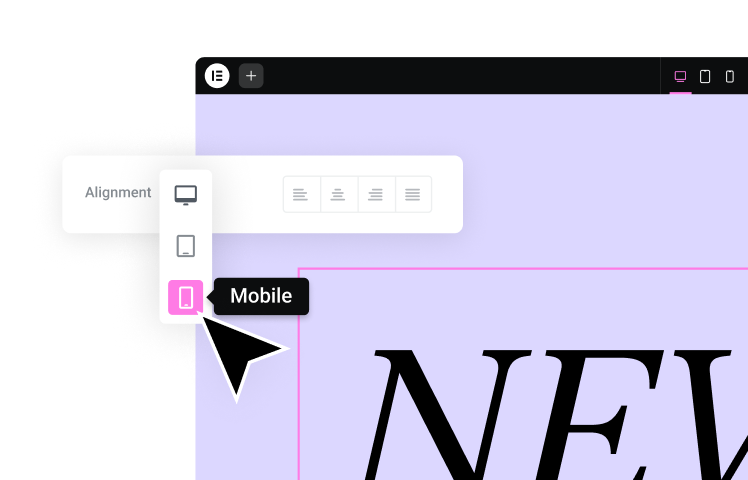
- Custom Breakpoints: The responsive design tools allow for specific adjustments at custom device widths, ensuring the experience is tailored for every screen size.
This level of detail signals professionalism and brand authority. It suggests to the consumer that the business is established and cares about the quality of its presentation.
The Role of Community and Ecosystem
No platform exists in a vacuum. The support network surrounding the technology is a critical component of its viability.
The WordPress and Elementor community is the largest in the world. This scale provides tangible benefits.
- Talent Pool: Finding a developer, designer, or marketer familiar with Elementor is easier than finding a specialist for a niche proprietary platform.
- Educational Resources: The volume of tutorials, courses, and documentation available for free is immense. If a user encounters a problem, the solution is almost certainly documented online.
- Extension Availability: If a specific feature is not native to Elementor, the WordPress plugin repository contains over 60,000 plugins. Whether the need is for a complex booking system or a specific shipping integration, a solution likely exists.
Security and Reliability in Open Environments
A common misconception is that open-source platforms are less secure than SaaS platforms. This view is outdated. Security is a function of management, not just architecture.
Elementor Hosting mitigates the security risks traditionally associated with self-managed WordPress.
- Managed Updates: The hosting environment manages the server-level updates, patching vulnerabilities before they can be exploited.
- Locked-Down Infrastructure: Unlike shared hosting, where one bad neighbor can compromise the server, Elementor’s isolated cloud instances provide a secure environment.
- Expert Support: The support team specializes in Elementor and WordPress. They can diagnose issues that generic hosting support would dismiss as “plugin conflicts.”
Conclusion
The selection of an ecommerce platform is a strategic wager on the future of your business. It involves weighing the immediate ease of setup against the long-term value of ownership and flexibility.
While SaaS platforms like Shopify and Wix offer a streamlined entry point, they impose a ceiling on growth through transaction fees, rigid design structures, and lack of data sovereignty. They are rental agreements in a digital world where ownership is the ultimate asset.
Elementor, combined with the power of WordPress, offers a different path. It is a path defined by control. You control the costs. You control the design. You control the data.
With the evolution of Elementor Hosting and the integration of AI and marketing workflows, the platform has removed the technical barriers that once deterred users from open source. It delivers the performance and simplicity of a managed service while preserving the boundless potential of the open web.
For the serious merchant, the agency, and the brand builder, Elementor is not just a tool; it is the comprehensive platform for scalable, sovereign, and successful ecommerce.
https://elementor.com/wordpress https://elementor.com/free-download https://elementor.com/pro https://elementor.com/for/designer
Frequently Asked Questions
1. Is Elementor suitable for high-volume enterprise stores? Yes. Scalability in WordPress is primarily a function of hosting infrastructure, not the builder itself. Elementor Hosting utilizes Google Cloud Platform’s C2 machines, which are designed to handle high-traffic, dynamic workloads. When paired with proper caching and the Cloudflare Enterprise CDN, Elementor can support stores with thousands of products and high concurrent traffic.
2. How does Elementor compare to Shopify for total cost of ownership? Elementor is generally more cost-effective at scale. Shopify charges monthly subscription fees plus transaction fees (0.5% – 2%) on every sale unless you use their payment processor. Elementor has a fixed annual cost for the software and hosting, with no platform-imposed transaction fees. As your revenue grows, the savings with Elementor increase significantly.
3. Can I migrate my existing store from Wix or Shopify to Elementor? Yes. You can export your product data (CSV files) from platforms like Wix or Shopify and import them directly into WooCommerce. While design templates cannot be imported due to platform differences, Elementor’s visual builder allows you to recreate your brand’s look with greater precision and flexibility than your previous platform likely allowed.
4. Do I need to know how to code to build a professional store with Elementor? No. Elementor is a “no-code” platform. The visual drag-and-drop interface allows you to build headers, footers, product templates, and checkout flows without writing a single line of HTML or CSS. However, if you wish to add custom code, the platform provides areas to do so, and the AI Code Assistant can generate code snippets for you.
5. How does Elementor handle mobile responsiveness? Elementor provides deep control over mobile design. Unlike platforms that auto-generate a mobile view you cannot edit, Elementor allows you to adjust font sizes, padding, margins, and element visibility specifically for mobile, tablet, and desktop breakpoints. This ensures the shopping experience is optimized for every device.
6. Is Elementor Hosting secure enough for processing payments? Yes. Elementor Hosting includes enterprise-grade security, including a Web Application Firewall (WAF) and DDoS protection. It also includes a free SSL certificate, which is required for secure data transmission. Actual payment processing is handled by compliant gateways like Stripe or PayPal, which integrate seamlessly with WooCommerce.
7. Does Elementor offer support if my site goes down? Yes. One of the key advantages of Elementor Hosting is unified support. Because Elementor manages both the software and the server, you have a single point of contact for any issue. The support team is available 24/7 to assist with both hosting-related and builder-related inquiries.
8. Can I use Elementor for dropshipping businesses? Absolutely. Because Elementor runs on WooCommerce, it is compatible with all major dropshipping plugins, such as AliDropship, Spocket, and Printful. You can use Elementor to design the storefront and marketing pages, while these plugins handle the inventory syncing and order fulfillment in the background.
9. What happens to my website if I cancel my Elementor subscription? This is a critical advantage of the open-source model. If you cancel your Elementor Hosting subscription, you can migrate your entire WordPress site (content, products, and data) to any other hosting provider. You retain ownership of your site. If you cancel the Elementor Pro plugin subscription, your site remains live and visible, though you lose access to the editing tools and premium widgets for future changes.
10. How does the AI Site Planner help with ecommerce strategy? The AI Site Planner reduces the time spent on the initial build phase. By describing your business niche and goals, the tool generates a complete sitemap and wireframe structure tailored to your industry. This ensures you start with a logical site architecture that includes essential pages like “Shipping Policy,” “About Us,” and specific product categories, preventing structural gaps in your store.
https://elementor.com/library https://elementor.com/free-domain-name
Looking for fresh content?
By entering your email, you agree to receive Elementor emails, including marketing emails,
and agree to our Terms & Conditions and Privacy Policy.