Table of Contents
Key Takeaways
- Ownership Matters: Relying solely on social media limits your control. A dedicated website ensures you own your audience, data, and presentation.
- Performance is Critical: High-resolution art requires robust hosting and image optimization to ensure fast load times without sacrificing quality.
- Flexibility vs. Convenience: SaaS platforms like Squarespace offer ease of use but often limit creative freedom. Open ecosystems like WordPress with Elementor provide pixel-perfect control.
- Integrated Ecosystems: The best solutions combine hosting, design, and marketing tools into a single platform to streamline your workflow.
- Future-Proofing: Choose a builder that scales with your career, allowing you to add eCommerce, bookings, or advanced galleries as you grow.
Citation
Expert Contributor: Itamar Haim
Middle-aged American expert in website creation, development (HTML, CSS, JS, WordPress), Elementor, and digital marketing.
The Artist’s Digital Needs: More Than Just a Gallery
An artist’s website performs multiple functions simultaneously. It acts as a 24/7 exhibition, a sales channel, and a professional resume. Unlike a standard business brochure site, an artist’s portfolio demands specific technical capabilities to handle visual media effectively. You must consider how a platform handles image compression, layout flexibility, and mobile responsiveness.
The primary challenge involves balancing high-fidelity visuals with site performance. Large image files slow down page load speeds, which hurts user experience and search engine rankings. Your chosen platform must offer intelligent image optimization that compresses file size while maintaining visual clarity.
Another critical factor is the ability to contextualize your work. A simple grid of images rarely tells the full story. You need the ability to integrate artist statements, process videos, and detailed project descriptions directly alongside your visuals. This requires a content management system (CMS) that supports rich media and varied content layouts.
Finally, you must consider the scalability of the platform. You might start with a simple portfolio today, but you may want to sell prints, offer workshops, or license your work in the future. A rigid platform might force you to migrate your entire site down the road, whereas a flexible ecosystem grows with you. Watch this guide on building a scalable portfolio website.
Categorizing the Website Builder Landscape
To make an informed decision, you must understand the two main categories of website builders available to artists: Closed SaaS Platforms and Open Content Management Systems.
Closed SaaS (Software as a Service) Platforms These are all-in-one solutions where the software, hosting, and support are bundled together. Examples include Squarespace, Wix, and Shopify.
- Pros: They offer a streamlined setup process and handle technical maintenance for you.
- Cons: You are often locked into their specific ecosystem. Customization is limited to what the platform allows, and migrating your content away can be difficult.
Open Content Management Systems (CMS) WordPress represents the dominant player in this space. It is open-source software that you install on a hosting server.
- Pros: You possess complete ownership of your data and design. The flexibility is virtually limitless due to a massive library of plugins and themes.
- Cons: Historically, this route required more technical management. However, modern solutions like Elementor Hosting have bridged this gap by providing a managed experience that mimics the ease of SaaS while retaining the power of open source.
Elementor: The Comprehensive Website Builder Platform
Elementor has evolved from a simple design tool into a complete website creation platform. It uniquely positions itself between the closed SaaS models and the open WordPress ecosystem. It offers the best of both worlds: the limitless creative freedom of WordPress backed by a professionally managed infrastructure.
For artists, Elementor provides a “blank canvas” approach. You are not restricted to rigid templates. Instead, you have granular control over every pixel, allowing you to build a digital environment that perfectly reflects your artistic sensibility.
The Creative Engine: Pixel-Perfect Design Control
The core of the Elementor platform is its visual builder. This drag-and-drop interface allows you to design your site in real-time. You see exactly what your visitors will see as you create it.
Visual Freedom Artists care deeply about composition. Elementor allows you to manipulate layout, typography, and spacing with absolute precision. You can adjust column widths, overlay text on images, and create complex grid structures without writing a single line of code. This level of control ensures your website becomes an extension of your art, rather than just a container for it.
The Hello Theme: Your Professional Canvas Every WordPress site needs a theme. Elementor provides the Hello Theme, a lightweight framework designed specifically for the builder.
- For Professionals: It acts as a clean slate. It adds no styling of its own, ensuring your design decisions are the only ones that matter.
- For Beginners: The Hello Biz theme offers a more guided experience with pre-configured settings, helping you get a polished site up and running quickly.
Dynamic Portfolios Elementor Pro includes powerful portfolio widgets that go beyond static galleries. You can create filterable portfolios that allow visitors to sort your work by medium, year, or series. The “Loop Builder” feature allows you to design a custom template for your individual project items and apply it across your entire portfolio, ensuring consistency while saving hours of repetitive work.
Optimized Foundation: Managed Hosting
A common pain point for artists using WordPress is managing the technical side of hosting. Elementor Hosting solves this by providing a managed environment optimized specifically for the builder.
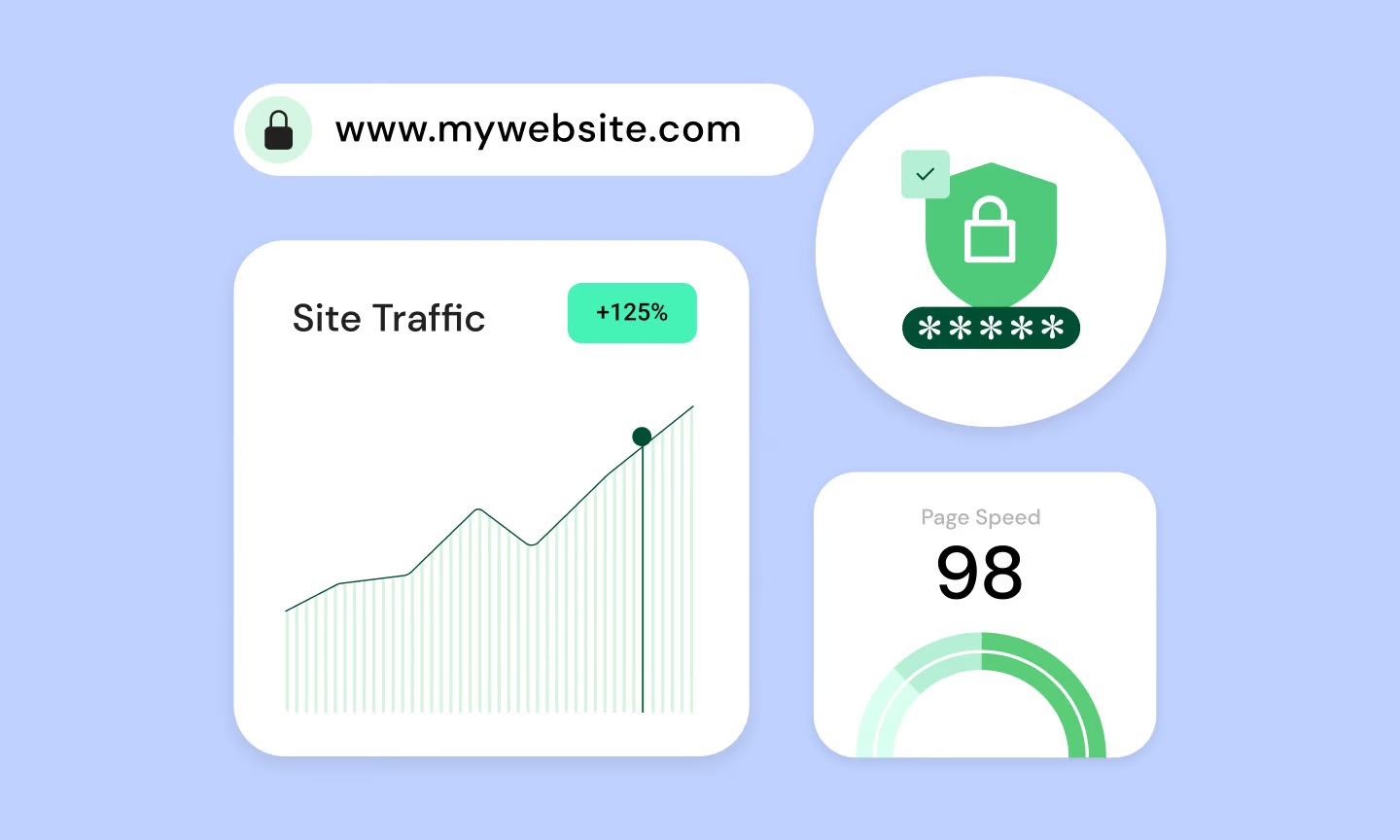
Performance for Visuals Elementor Hosting utilizes the Google Cloud Platform and includes Cloudflare Enterprise CDN (Content Delivery Network). This infrastructure ensures your high-resolution images load instantly for visitors anywhere in the world. Fast loading times are crucial for retaining visitors and improving your visibility in Google Image Search.
Security and Peace of Mind You should focus on your art, not server maintenance. Elementor Hosting includes automatic backups, DDoS protection, and SSL certificates. If anything goes wrong, you have a single point of support for both your builder and your hosting, eliminating the “blame game” between different providers.
AI-Powered Workflow for Artists
Writing about art can be as challenging as creating it. Elementor AI is integrated directly into the editor to assist with content creation and workflow efficiency.
Overcoming Writer’s Block You can use Elementor AI to generate artist statements, project descriptions, and blog posts. You can adjust the tone to be more “academic” for gallery submissions or more “conversational” for selling prints to fans. It can also translate your text, helping you reach an international audience.
Image Generation and Editing The AI tools allow you to generate unique background assets or edit existing images directly within the browser. You can expand images to fit different aspect ratios or remove distracting elements, streamlining your visual workflow.
Angie: The Agentic AI Angie represents the next step in productivity. This AI agent can perform multi-step tasks within your WordPress environment. You can ask Angie to “Create a new portfolio page for my ‘Summer Series’ and add a contact form,” and it will execute the actions for you. This saves valuable time that you can reinvest in your studio practice. See how Elementor AI works in this video.
Selling Your Art: The WooCommerce Builder
Monetization is a key goal for many artists. Elementor integrates seamlessly with WooCommerce, the world’s most popular eCommerce engine.
Custom Product Pages Unlike restrictive platforms that force you into a standard “product page” layout, Elementor’s WooCommerce Builder allows you to design every part of your shop. You can create custom layouts for your prints, originals, and merchandise. You control how the price, add-to-cart button, and product gallery appear.
Zero Transaction Fees Many website builders charge an additional transaction fee on top of your payment gateway costs. Because Elementor and WooCommerce are open platforms, you avoid these “success taxes.” You keep more of your earnings.
Performance Utilities: Image Optimizer and Site Mailer
To maintain a fast and reliable professional presence, you need specific utility tools. Elementor includes these as part of its ecosystem.
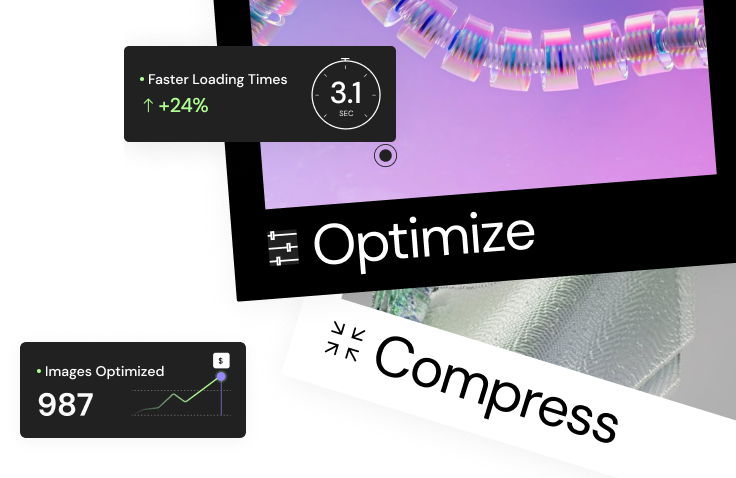
Image Optimizer This plugin automatically compresses your images and converts them to modern formats like WebP or AVIF. The Image Optimizer by Elementor significantly reduces file size without visible quality loss, ensuring your portfolio loads quickly on mobile devices and slow connections.
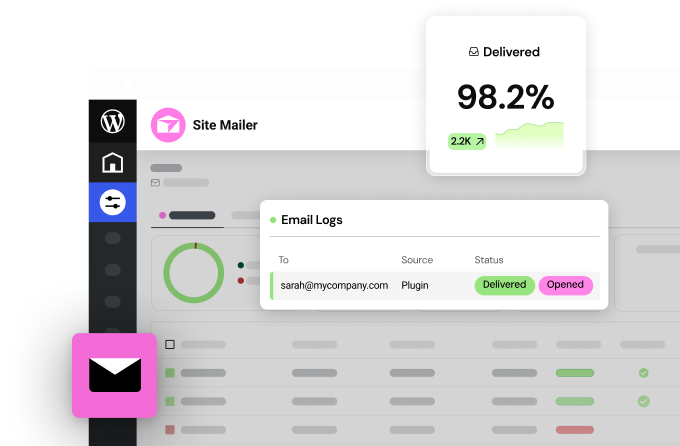
Site Mailer Reliable communication is non-negotiable. Site Mailer ensures your contact form submissions and order confirmations actually reach your inbox. It bypasses the often unreliable default WordPress email function, guaranteeing you never miss a commission inquiry or a sale notification. Watch this tutorial on improving email reliability.
Evaluating the Alternatives
While Elementor offers a comprehensive platform, it is important to understand the other players in the market. Each platform serves a different type of user and comes with its own set of trade-offs.
Wix
Wix is a widely used SaaS website builder known for its drag-and-drop interface and vast template library.
Functionality Wix operates on a purely visual editing model. Users select elements and place them anywhere on the canvas. It relies heavily on pre-designed templates which cover a broad range of industries, including art and photography. The platform includes an App Market where users can add extensions for scheduling, forums, or events.
Technical Context Wix is a closed ecosystem. You cannot export your code or migrate your site structure easily to another host. The platform manages all updates and security. While convenient, this limits your ability to modify the underlying code or switch providers if pricing changes. The mobile editor allows for separate adjustments to the mobile view, though it requires manual tweaking to ensure consistency.
Squarespace
Squarespace is often cited as a popular choice for creatives due to its heavy focus on aesthetics and design-forward templates.
Functionality Squarespace uses a structured editor. You drag content blocks into pre-defined rows and columns. This ensures that the design remains consistent and rarely “breaks,” but it significantly restricts your ability to create unique, non-standard layouts. The templates are image-centric, making them suitable for standard portfolios.
Technical Context Like Wix, Squarespace is a closed platform. It offers built-in eCommerce and marketing tools. However, the design controls are less granular. You typically cannot adjust specific padding, margins, or responsive behaviors to the pixel level without using custom CSS code, which requires a higher technical subscription tier.
Shopify
Shopify is the leading dedicated eCommerce platform. Its primary focus is on online retail rather than portfolio presentation.
Functionality Shopify excels at inventory management, shipping calculations, and multi-channel selling. For artists whose primary goal is moving high volumes of merchandise or prints, Shopify offers robust back-end tools. The visual design capabilities, however, are restrictive compared to website builders. You edit your site using rigid theme settings or liquid code.
Technical Context Shopify is a hosted solution. It is built for stability and transaction processing. Customizing the visual front-end to look like a unique artist portfolio often requires purchasing expensive third-party themes or hiring a developer. It creates a powerful store, but often a generic-looking website. (Note: For high-volume sellers who want the power of Elementor, Elementor Ecommerce Hosting is an alternative that combines managed WordPress hosting with dedicated eCommerce features).
Webflow
Webflow targets professional designers and developers who want code-level control without writing syntax.
Functionality Webflow generates clean HTML, CSS, and JavaScript based on your visual inputs. It offers extreme flexibility but comes with a steep learning curve. The interface resembles professional design software like Adobe Photoshop or Figma. It is not designed for the average DIY user.
Technical Context Webflow hosts the websites built on its platform. While you can export code on higher-tier plans, the CMS and hosting are tightly integrated. It is a powerful tool for those who understand the intricacies of web development box models and CSS classes, but it can be overwhelming for artists who simply want to get their work online.
Technical Deep Dive: Essential Features for Artist Websites
Regardless of the platform you choose, several technical pillars define the success of an artist’s website. Understanding these will help you utilize your tools effectively.
1. Image Optimization and SEO
Search Engine Optimization (SEO) for artists relies heavily on how you handle images. Google cannot “see” your art; it reads the data associated with it.
Alt Text and Filenames You must rename your image files before uploading them. A file named IMG_001.jpg tells Google nothing. A file named oil-painting-sunset-california-coast.jpg provides context. Similarly, “Alt Text” is a description embedded in the HTML code. It improves accessibility for visually impaired users and helps search engines understand the content of the image.
Next-Gen Formats The standard JPEG format is decades old. Modern formats like WebP and AVIF offer superior compression. Tools like Image Optimizer by Elementor handle this conversion automatically, ensuring your site serves the most efficient file format to each visitor’s browser.
2. Mobile Responsiveness
More than 50% of web traffic comes from mobile devices. Your art must look as good on a smartphone screen as it does on a desktop monitor.
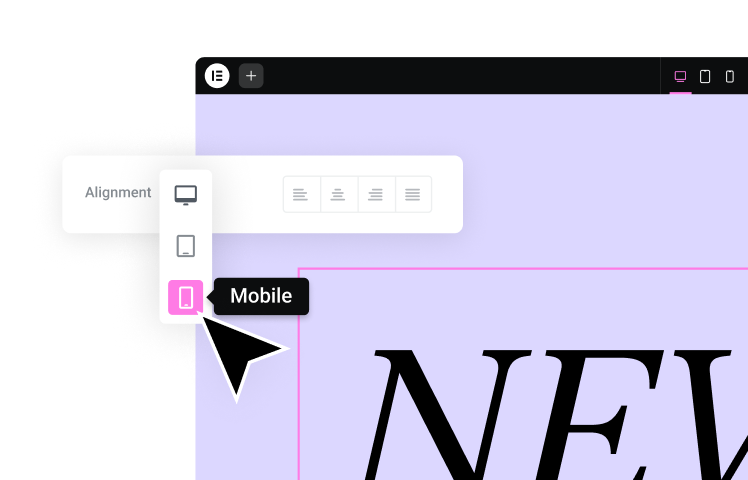
Fluid Layouts Responsive design is not just about shrinking images. It involves rearranging content to fit the device. A three-column gallery on a desktop should stack into a single column on a phone. Navigation menus must convert into touch-friendly “hamburger” icons. Elementor’s mobile editing view allows you to hide specific heavy elements or adjust font sizes specifically for mobile users, ensuring a tailored experience.
3. Web Accessibility
Inclusivity is a moral and legal imperative. Your website should be navigable by everyone, including people with disabilities.
The Ally Plugin Accessibility involves contrast ratios, keyboard navigation, and screen reader compatibility. Ally by Elementor is a tool that scans your site for accessibility issues and provides an interface for remediation. It also offers a frontend widget that allows visitors to adjust text size and contrast to suit their needs.
Future-Proofing Your Career
The decision you make today impacts your flexibility tomorrow. The concept of “platform lock-in” is a serious consideration for career artists.
Data Ownership When you build on a closed SaaS platform, you are renting your digital home. If that platform raises prices, changes its terms of service, or discontinues a feature you rely on, your options are limited. In contrast, WordPress is open-source software. You own your content and your database. You can move your site to any host in the world.
Scalability You may currently need a simple portfolio. In two years, you might want to launch a membership course teaching your technique. In five years, you might need a booking system for studio visits. Open platforms like Elementor allow you to integrate thousands of third-party plugins to add these functionalities. You do not hit a “feature ceiling” as you might with a closed builder.
Step-by-Step: Building Your Art Portfolio with Elementor
Creating a professional website does not have to be an overwhelming project. By following a structured workflow, you can launch a site that meets all your needs.
Step 1: Planning and Strategy
Before opening the editor, you need a plan. What is the goal of your site? Who is your audience?
- Use the AI Site Planner: Elementor’s AI Site Planner can generate a sitemap and wireframe for you. You simply input “Portfolio for a contemporary oil painter,” and it suggests the necessary pages (Gallery, About, CV, Contact) and layout structure. This accelerates the process significantly.
Step 2: Setting Up the Foundation
You need a domain name and a hosting environment.
- Elementor Hosting: This provides a pre-installed environment. You don’t need to download WordPress or configure databases. It is ready to go out of the box. Learn more about Elementor for WordPress.
- Choose Your Theme: Select the Hello Theme for a clean slate.
Step 3: Designing the Visual Identity
This is where your artistic eye comes into play.
- Global Settings: Use the Elementor Site Settings to define your typography and color palette. This ensures consistency across every page.
- Header and Footer: Design your navigation area. Keep it simple so it doesn’t distract from the art.
Step 4: Building the Portfolio Content
- Create Galleries: Upload your high-res images. Use the Image Optimizer to ensure they are compressed.
- Add Context: Write your artist statement and project descriptions. Elementor’s Template Library can also provide inspiration or starting points for layouts.
- Video Integration: If you have process videos or exhibitions tours, embed them using the Video widget.
Step 5: Integration and Launch
- Connect Marketing Tools: Set up Send by Elementor to capture email addresses from interested collectors.
- Check Responsiveness: Preview your site on mobile and tablet views. Adjust padding and image sizes as needed.
- Go Live: Connect your custom domain and publish your site.
Selling Art Online: A Strategic Approach
Selling art requires trust. Your website must look professional and function flawlessly to give collectors the confidence to purchase.
The Elementor + WooCommerce Advantage Using WooCommerce with Elementor allows you to build a brand-first shopping experience. You are not selling a commodity; you are selling a piece of your vision.
- Storytelling Product Pages: You can include a video of you signing the print, a close-up of the texture, and a bio of the work directly on the product page.
- Custom Checkout: You can customize the checkout flow to minimize friction and reassure the buyer with security badges and clear shipping information. Learn more about building with AI.
Key Takeaways for the Modern Artist
- Holistic Platform: Do not view your website as just a collection of pages. View it as a business platform. Elementor integrates the builder, hosting, and marketing tools into a cohesive ecosystem.
- Performance is SEO: A fast website ranks higher. Use managed hosting and image optimization to ensure your art is found.
- Ownership is Power: Building on WordPress ensures you control your destiny. You are not subject to the whims of a closed platform’s algorithm or pricing strategy.
- AI is an Assistant: Use AI tools to handle the tasks you dislike (coding, writing code, resizing images) so you can focus on the art you love. Watch this artist success story.
Conclusion
The decision of which website builder to use is one of the most important business decisions an artist makes. While SaaS platforms offer a quick fix, they often lack the depth and flexibility required for a long-term professional career.
Elementor stands out as the premier choice for artists because it respects the creator. It offers a level of design control that honors your visual standards. It provides a managed infrastructure that ensures your work loads fast and remains secure. Most importantly, it is built on an open foundation that guarantees you own your digital presence.
By choosing a comprehensive platform like Elementor, you are not just building a website; you are building a scalable, professional, and independent art business. Get started with Elementor.
Frequently Asked Questions
1. Do I need to know how to code to use Elementor? No, you do not need any coding knowledge. Elementor is a visual, drag-and-drop website builder. You can design your entire site, including complex layouts and animations, using the visual interface. However, if you are a developer or want to add custom CSS, the platform provides advanced areas to do so.
2. Can I sell prints and original art on my Elementor website? Yes, you can sell any type of physical or digital product. Elementor integrates fully with WooCommerce, the standard eCommerce solution for WordPress. You can sell prints, original canvases, digital downloads, or even workshop tickets directly from your site without paying extra platform transaction fees.
3. Is WordPress with Elementor secure for artists? Yes, especially when using Elementor Hosting. While self-hosted WordPress requires you to manage your own security, Elementor Hosting provides enterprise-grade security, including SSL certificates, firewalls, and DDoS protection, ensuring your site and customer data remain safe.
4. How does Elementor help with my website’s loading speed? Elementor Hosting is built on the Google Cloud Platform and includes a premium Content Delivery Network (CDN) from Cloudflare. Additionally, the Image Optimizer plugin automatically compresses your artwork images and converts them to efficient formats like WebP, ensuring fast load times.
5. Can I move my site content if I decide to leave Elementor later? Yes. Because Elementor is built on WordPress, you own your data. You can export your content (images, posts, products) and move it to any other WordPress hosting provider. This data portability is a major advantage over closed SaaS platforms where exporting content can be difficult or impossible.
6. What is the difference between the Hello Theme and other themes? The Hello Theme is a lightweight “blank canvas” theme built specifically for Elementor. It loads incredibly fast because it has minimal code. It is designed to let the Elementor builder handle all the design aspects, preventing conflicts that often occur with heavy, feature-bloated themes.
7. How much does it cost to build an artist portfolio with Elementor? Elementor offers a free version that is robust enough for many basic portfolios. For advanced features like the Portfolio Widget, Theme Builder, and WooCommerce customization, you would need Elementor Pro. Elementor Hosting bundles the hosting and the Pro builder together, often costing less than paying for separate high-quality hosting and a builder subscription.
8. Does Elementor support video for multimedia artists? Yes. Elementor has native video widgets that support YouTube, Vimeo, Dailymotion, and self-hosted videos. You can also use video backgrounds for sections and containers to create immersive visual experiences for your visitors.
9. Can I use my own custom domain name? Yes. You can connect any custom domain name (e.g., www.yournameart.com) to your Elementor website. Elementor Hosting allows for easy domain connection, and they often provide a free domain name for the first year with annual plans.
10. How does the AI Site Planner help me? The AI Site Planner is a tool that helps you structure your website before you start building. You enter details about your art business, and it generates a comprehensive sitemap, suggests pages you might need, and even creates wireframe layouts with placeholder content, saving you hours of initial planning time.
Expanding Your Knowledge: Why “Free” Isn’t Always Free
Many artists are tempted by “free” website builders. It is crucial to understand that free plans on SaaS platforms often come with significant drawbacks. They typically place ads for the platform on your website, which looks unprofessional. They also restrict you to a subdomain (e.g., https://www.google.com/search?q=yourname.wixsite.com) rather than a custom domain, which hurts your SEO and brand credibility. Investing in a professional platform like Elementor is an investment in your brand’s reputation.
The Importance of a Blog for Artists
Maintaining a blog is one of the most effective ways to drive traffic to your portfolio. It allows you to target keywords related to your art style (“abstract expressionist techniques,” “landscape painting process”). Elementor’s Theme Builder allows you to design custom blog post templates that present your writing and images in a unique layout that matches your portfolio’s aesthetic.
Advanced Gallery Features
For artists with extensive bodies of work, organizing images is key. Elementor Pro’s Gallery Widget offers “Justified,” “Masonry,” and “Grid” layouts. It also supports “Load More” and “Infinite Scroll” options, which improve page performance by only loading images as the user scrolls down. This is superior to loading all 100 images at once, which would crash a mobile browser.
Creating a “Link in Bio” Page
Instead of paying for a third-party service like Linktree, you can build your own “Link in Bio” page using Elementor for designers. This allows you to drive social media traffic directly to your own domain, capturing analytics data and keeping potential collectors in your ecosystem. You can design buttons that link to your latest print drop, your newsletter signup, or your latest exhibition info. Watch a video on how to create a Link in Bio.
Conclusion: Your Art Deserves the Best Frame
Your website is the digital frame for your art. Just as you wouldn’t put a masterpiece in a cheap plastic frame, you shouldn’t put your life’s work on a generic, restrictive website builder. Elementor provides the professional-grade tools, performance, and freedom that serious artists require. It bridges the gap between the ease of use you want and the technical power you need.
Looking for fresh content?
By entering your email, you agree to receive Elementor emails, including marketing emails,
and agree to our Terms & Conditions and Privacy Policy.