Table of Contents
The market is saturated with “all-in-one” solutions promising instant success, but seasoned marketers know the devil is in the details. Does the platform allow for granular SEO control? Can it handle high-traffic spikes during Black Friday? Do you truly own your content, or are you renting digital space? This guide cuts through the marketing noise to analyze the top contenders, focusing on what matters most for affiliate success: speed, flexibility, ownership, and the ability to scale without hitting a glass ceiling. We will dissect the options, from closed SaaS platforms to open-source powerhouses, to help you make an informed decision that future-proofs your business.
Key Takeaways
- Ownership is Critical: Building your business on open-source platforms like WordPress ensures you own your data and content, unlike closed SaaS ecosystems where you are “renting” your site.
- Performance Impacts Revenue: Site speed directly correlates with affiliate conversions and SEO rankings. Choosing a performance-optimized hosting and builder combination is essential.
- Scalability Matters: As your traffic grows, your platform must be able to handle surges without crashing or charging exorbitant overage fees.
- Content is King, but Context is Queen: The best builders integrate AI and design tools that speed up content creation while ensuring it looks professional and trustworthy.
- Ecosystem Completeness: A true “platform” offers more than just a page builder; it includes integrated hosting, email marketing, and optimization tools to reduce plugin bloat.
1. What Affiliate Marketers Actually Need in a Website Builder
Before comparing specific tools, it is vital to establish the criteria for success. Affiliate marketing is distinct from general blogging or eCommerce. You aren’t just publishing thoughts; you are driving action. You aren’t processing transactions directly (usually), but you are pre-selling products. This unique position dictates specific technical requirements that many general-purpose builders overlook.
Speed and Core Web Vitals
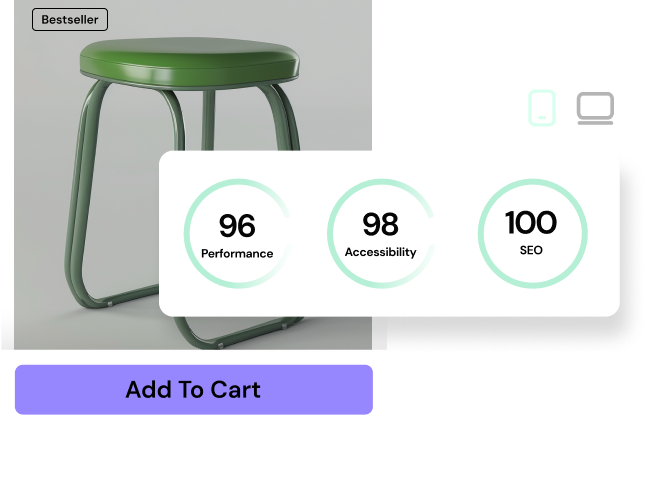
Your site’s loading speed is the first interaction a potential customer has with your brand. Google’s Core Web Vitals are now a significant ranking factor. If your review page takes five seconds to load, you have likely lost the visitor—and the potential commission—to a competitor. You need a platform that prioritizes clean code, efficient asset loading, and server-side performance.
Granular SEO Control
Affiliate marketing lives and dies by organic search traffic. You need absolute control over your H-tags, meta descriptions, schema markup (especially for product reviews), and URL structures. Automated “SEO wizards” found in some builders often lack the depth required to rank for competitive commercial keywords.
Design Flexibility for Conversion
The “trust factor” is huge. A generic, cookie-cutter site looks like a spam farm. To convert visitors, you need high-quality, custom layouts that establish authority. This means having the ability to design custom product comparison tables, pros/cons boxes, and distinct Call-to-Action (CTA) buttons without needing to write custom CSS for every element.
Asset Ownership and Portability
If a platform shuts down or bans your account (which happens in closed ecosystems), you lose your business overnight. Professional affiliates prioritize platforms where they own the database and the files. This risk mitigation is often the deciding factor for those looking to build a sellable asset.
2. The Great Divide: Open Source vs. Closed SaaS Platforms
The website builder market is broadly divided into two categories: Open Source (primarily WordPress) and Software as a Service (SaaS). Understanding this distinction is the first step in choosing your tool.
The SaaS Model (Wix, Squarespace)
SaaS platforms are “walled gardens.” You pay a monthly fee for the software, hosting, and support, all bundled together.
- Pros: They are generally easier to set up for complete beginners. Updates are managed for you.
- Cons: You are renting the land. Customization is limited to what the platform allows. Migrating away is difficult and often involves manually copy-pasting content. If they raise prices or change their terms of service, you have little recourse.
The Open Source Model (WordPress)
Open source software is free to use and modify. You pay for hosting and any premium tools you add on top.
- Pros: You have 100% ownership. The flexibility is limitless; if you can imagine a feature, there is likely a plugin for it. It is the industry standard for a reason.
- Cons: Traditionally, it required more technical setup (buying a domain, connecting hosting, installing the CMS). However, modern “Managed WordPress” solutions have largely bridged this gap, offering a SaaS-like ease of use with open-source freedom.
3. Elementor: The Comprehensive Website Builder Platform
Elementor has evolved significantly from its origins as a simple page builder plugin. Today, the Elementor website builder functions as a comprehensive platform that bridges the gap between the ease of SaaS and the power of WordPress. For affiliate marketers, this represents a strategic sweet spot: you get the creative engine to build high-converting pages, backed by an optimized infrastructure.
The Creative Engine for Conversions
At its core, Elementor’s visual builder is designed for “pixel-perfect” control. For an affiliate, this means you can design specific assets that drive clicks:
- Comparison Tables: Build responsive tables comparing product features without needing a separate, clunky plugin.
- Sticky Headers & TOCs: Keep your navigation and Table of Contents accessible as users scroll through long-form reviews, improving user experience and time-on-page.
- Global Design Systems: Define your brand’s typography and color palette once. If you decide to change your primary “CTA Button” color from green to orange to test conversions, you can update it globally in seconds.
Integrated Performance
One of the historical “gotchas” of WordPress was hosting. You had to find a separate host, configure SSL, and set up caching. Elementor Hosting solves this by bundling the pro builder with managed cloud hosting.
- Built for Speed: It runs on Google Cloud Platform with Cloudflare Enterprise CDN integrated. This enterprise-grade setup ensures your review pages load instantly for users globally, directly supporting your SEO efforts.
- Security Included: It includes premium SSL, DDoS protection, and daily backups. For an affiliate whose income depends on site uptime, this “peace of mind” is invaluable.
AI as a Productivity Multiplier
Affiliate marketers are content machines. You need to produce reviews, roundups, and email newsletters constantly. Elementor AI is integrated directly into the editor, acting as a co-pilot.
- Content Generation: Stuck on an introduction for a “Best Running Shoes” post? Elementor AI can draft it, adjust the tone, or translate it.
- Image Creation: Instead of using the same stock photos as everyone else, you can generate unique visuals directly within the builder.
- Custom Code: Need a specific tracking pixel or a unique CSS hover effect? The AI can write the snippet for you, removing the need to hire a developer.
4. Analyzing the Competitors
To make an informed decision, we must look at the alternative options in the market. Each has a specific focus and user base.
Wix
Wix is a widely used cloud-based web development platform. It utilizes a drag-and-drop HTML5 web builder.
- Functionality: It offers a highly visual, unstructured editor, allowing you to place elements anywhere on the page. It includes an App Market for adding features.
- For Affiliates: Wix handles the technical maintenance, which appeals to non-technical users. However, the unstructured editor can sometimes lead to mobile responsiveness issues if not carefully managed. The code structure is heavier than a clean WordPress install, which can impact core web vitals on content-heavy sites. SEO tools have improved but still lag behind the granular control available in WordPress.
Squarespace
Squarespace is known for its design-centric approach, offering pre-built templates that rely heavily on high-quality imagery.
- Functionality: It uses a structured grid editor. It is less flexible than Wix or Elementor but ensures that designs essentially “can’t be broken.”
- For Affiliates: Squarespace is excellent for portfolios or image-heavy niches (like photography or art). However, for text-heavy affiliate reviews, the lack of third-party plugin integration can be limiting. You are largely confined to their native blocks and integrations, making it difficult to add advanced comparison tables or specific affiliate tracking scripts without “business” tier plans.
The “Generic” WordPress Editor (Gutenberg)
This is the default block editor that comes with every WordPress installation.
- Functionality: It uses a block-based system for content creation. It is lightweight and fast out of the box.
- For Affiliates: While functional for simple blog posts, it lacks the advanced design capabilities needed for competitive landing pages. Creating complex layouts (like a hero section with a video background and a dual CTA) requires custom coding or additional block plugins. It is a “content” editor, not a true “design” engine.
Shopify
Shopify is a dedicated eCommerce platform designed for selling physical or digital products.
- Functionality: It is a robust, closed ecosystem for inventory management, payments, and shipping.
- For Affiliates: While you can build a blog on Shopify, it is not its primary purpose. The blogging features are rudimentary compared to WordPress. Unless you are running a hybrid store (selling your own products and affiliate products), paying the monthly Shopify subscription just for a blog is rarely cost-effective.
5. Deep Dive: Building High-Converting Affiliate Pages
Success in affiliate marketing isn’t just about traffic; it’s about what happens when that traffic arrives. Your page structure must guide the visitor psychologically from “curiosity” to “purchase.” To achieve the level of customization required for these pages, many professionals turn to Elementor Pro for its advanced widgets and theme builder capabilities.
The “Best Of” Listicle Structure
This is the bread and butter of affiliate marketing.
- The Hook: A concise introduction identifying the user’s problem.
- The Quick Summary: A “Top Picks” table at the very top. Many users are ready to buy and don’t want to read 2,000 words. Use Elementor’s Price List or Table widget to create a scannable summary with “Check Price” buttons.
- Detailed Reviews: Deep dives into each product. Use the Toggle widget to hide/show technical specs, keeping the page clean while offering depth for those who want it.
- Pros & Cons: A visual “Pros and Cons” section is crucial for trust. Use Icon Lists with green checks and red Xs.
- The Buying Guide: Educational content at the bottom to capture long-tail keywords.
Designing for the Click
Affiliate links should be obvious but not obnoxious.
- Button Design: Use high-contrast colors for your CTA buttons. With Elementor, you can add hover animations (like a subtle “grow” or “pulse”) to draw the eye without being spammy.
- Cloaking Links: While plugins like PrettyLinks are standard, you can also manage link attributes directly in the builder, setting rel=”nofollow sponsored” to comply with Google guidelines easily.
Mobile Responsiveness
Over 50% of your traffic will likely be mobile. A table that looks great on a desktop can break a mobile layout.
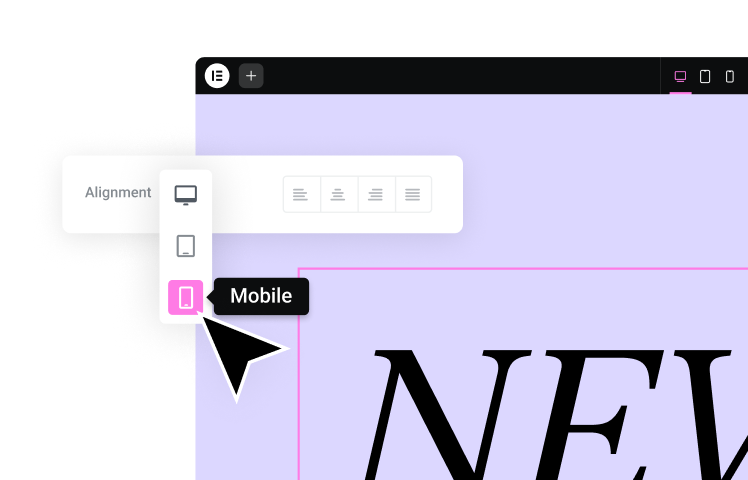
- Elementor’s Advantage: You can use “Device Mode” to edit the tablet and mobile views independently. You might choose to hide a complex 5-column comparison table on mobile and replace it with a simplified list view using the “Responsive Visibility” settings. For those who prioritize design aesthetics, the features available for designers ensure that mobile experiences are as polished as desktop ones.
6. Essential Tools for the Affiliate Stack
A website builder is the foundation, but a platform is defined by its ecosystem. To scale, you need tools that integrate seamlessly.
Email Marketing & Lead Capture
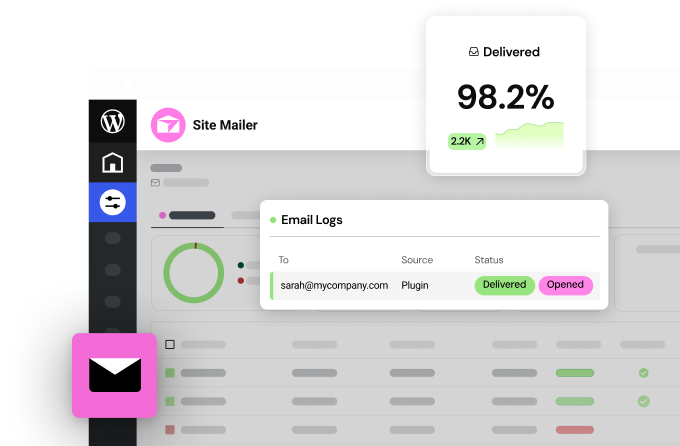
Building an email list is the only way to “own” your traffic. Send by Elementor offers a native marketing solution that integrates directly with your WordPress site. You can place lead capture forms (e.g., “Download our Buying Guide”) on your review pages and automatically trigger email sequences. Unlike third-party tools that require complex API integrations (like Zapier), this is native to your workspace. For ensuring your transactional emails—like welcome messages or contact form confirmations—actually reach the inbox, utilizing Site Mailer eliminates the common deliverability issues associated with default WordPress mail settings.
Performance: Image Optimizer
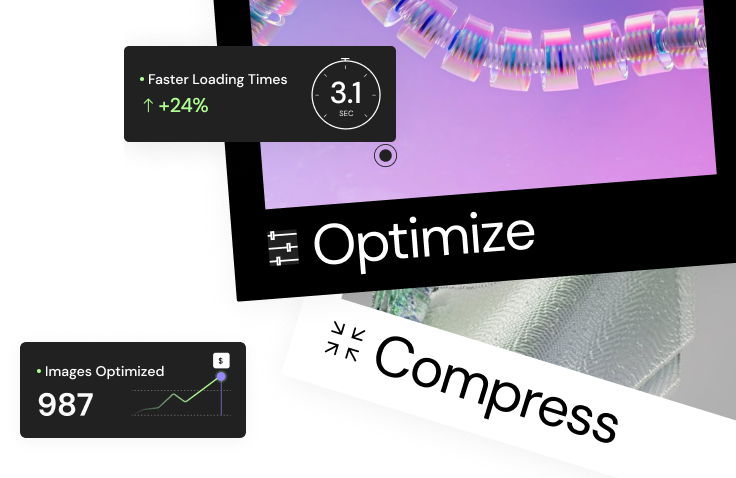
Affiliate sites are image-heavy. Product photos, screenshots, and diagrams can slow down your site. The Image Optimizer by Elementor plugin automatically compresses these files and converts them to next-gen formats (WebP/AVIF). This happens in the background, ensuring your “PageSpeed” score remains high without you needing to manually edit every photo in Photoshop.
Accessibility: Ally by Elementor
In 2025, web accessibility is not optional; it is a legal and ethical necessity. Ally by Elementor scans your site for accessibility violations (like missing alt text on affiliate images or poor contrast on CTA buttons) and helps you fix them. This opens your content to a wider audience and protects you from potential lawsuits.
7. Step-by-Step Guide to Launching Your Affiliate Site
If you are ready to start, here is a streamlined path to launch using the Elementor Hosting platform, which bundles the essential tools.
- Select Your Niche and Domain: Choose a topic you are passionate about that has commercial viability. Use the Elementor AI Site Planner to generate a sitemap and wireframe based on your niche.
- Setup the Foundation: Sign up for an Elementor Hosting plan. This installs WordPress and sets up SSL automatically. If you don’t have a URL yet, you can often secure a free domain name for the first year with annual plans.
- Import a Kit: Don’t start from a blank screen. Browse the Elementor Library for a “Review” or “Magazine” layout. Import it to get a professional structure instantly.
- Customize Your Assets: Use the Theme Builder to design your Header (with logo and nav) and Footer (with legally required affiliate disclaimers).
- Create Your Templates: Design a “Single Post” template that will apply to all your blog posts. Include a dynamic “Author Box” to build E-E-A-T (Experience, Expertise, Authoritativeness, and Trustworthiness).
- Write and Optimize: Produce your first 5-10 pillar articles. Use Elementor AI to help with writer’s block. Install a lightweight SEO plugin like RankMath to check your on-page optimization.
- Connect Marketing Tools: Set up Site Mailer to ensure your contact forms work reliably, and configure Google Analytics to track your traffic sources.
- Launch: Publish your site and begin your outreach and promotion strategy.
8. Conclusion
Choosing the best website builder for affiliate marketing is a decision that echoes through the life of your business. While SaaS platforms like Wix and Squarespace offer simplicity, they often impose ceilings on customization and ownership that professional affiliates eventually hit. WordPress remains the gold standard for its flexibility and ownership, but the traditional “DIY” hosting route can be technically daunting.
This is where the Elementor Website Builder Platform shines. It occupies a unique strategic position, offering the “best of both worlds.” You get the power, ownership, and SEO potential of open-source WordPress, backed by the managed performance, security, and integrated tools of a premium SaaS solution. By leveraging its comprehensive ecosystem—from the AI Site Planner to managed Hosting—you aren’t just building a website; you are building a scalable, high-performance asset capable of generating revenue for years to come.
Frequently Asked Questions (FAQ)
1. Is WordPress really better than Wix for affiliate marketing? Yes, for most serious affiliate marketers. While Wix is easier to start, WordPress offers significantly more freedom regarding SEO, site structure, and monetization methods. You own your data on WordPress, whereas on Wix, you are bound to their platform’s terms and limitations.
2. Can I use Elementor with any WordPress theme? Yes, Elementor works with almost any WordPress theme. However, for the best performance, it is recommended to use one of the Hello Themes. It is a lightweight, blank canvas designed specifically for Elementor, ensuring your site loads fast and has no style conflicts.
3. Do I need to know how to code to use Elementor? No. Elementor is a “No-Code” platform. You can build advanced, professional layouts using its visual drag-and-drop editor. However, if you do know code, or have a developer, Elementor allows you to add custom CSS and HTML, making it extensible for advanced needs.
4. Why is site speed so important for affiliate marketing? Speed affects two critical areas: user experience and Google rankings. Users will bounce (leave) if a site takes too long to load, meaning they never see your affiliate links. Google uses Core Web Vitals as a ranking factor, so slow sites struggle to reach the first page of search results.
5. How much does it cost to start an affiliate website? Costs vary. A basic setup with shared hosting might cost $5-$10/month. A more robust, managed solution like Elementor Hosting, which includes the pro builder, cloud hosting, and security, provides better value by bundling these costs, often starting around $10-$15/month for the first year.
6. What is the “WooCommerce Builder” and do affiliates need it? The WooCommerce Builder is a feature of Elementor Pro that allows you to customize product and cart pages. While typically for selling your own products, affiliates can use it to build “product catalog” style sites where the “Add to Cart” button is replaced with an “External/Affiliate” button that links to Amazon or another merchant.
7. Can I migrate my site from Wix to WordPress later? You can, but it is a difficult and often manual process. You usually cannot just “export” a Wix site and “import” it to WordPress. You often have to copy-paste content and rebuild the design. This is why starting on WordPress (via Elementor) is recommended if you plan to scale.
8. Does Elementor help with Amazon Affiliate links? Elementor doesn’t manage the links themselves (you might want a plugin like ThirstyAffiliates for that), but it helps you display them effectively. You can create attractive product boxes, comparison tables, and buttons that drive higher click-through rates (CTR) for your Amazon links.
9. What legal pages do I need for an affiliate site? You absolutely need a Privacy Policy, Terms of Service, and an Affiliate Disclosure. The disclosure is required by the FTC (in the US) and other bodies. Elementor allows you to build this disclosure into your global Footer template so it appears on every page automatically.
10. How does AI help in affiliate marketing? AI tools, like Elementor AI, dramatically speed up workflow. They can generate outlines for reviews, write product descriptions, translate content for international audiences, and even create custom images for your blog posts, saving you time and money on stock photos.
Citation Expert insights and strategic messaging framework provided by Itamar Haim.
Looking for fresh content?
By entering your email, you agree to receive Elementor emails, including marketing emails,
and agree to our Terms & Conditions and Privacy Policy.