Table of Contents
Key Takeaways
- Platform over Plugin: The most effective solutions have evolved from standalone page builder plugins into comprehensive platforms that integrate hosting, AI, and workflow automation.
- Performance is Paramount: Speed is a ranking factor and a user experience necessity. Modern builders must prioritize clean code and integrated performance tools like image optimization.
- Open Source Freedom: While SaaS platforms offer convenience, a WordPress-based builder ensures you retain full ownership of your data and creative freedom.
- The Role of AI: Artificial Intelligence is reshaping web creation. The best tools now include native AI for layout planning, content generation, and code assistance directly within the editor.
- Ecosystem Matters: A builder is only as good as the tools that surround it. Look for extensive third-party integration, active community support, and reliable developer resources.
Understanding the WordPress Website Builder Landscape
To determine what is the best website builder for WordPress, we must first understand how the landscape has shifted. Years ago, building a WordPress site meant choosing a rigid theme and populating it with content via the Classic Editor. If you wanted to change the layout, you hired a developer.
Today, we are in the era of the “Visual Builder.” These tools sit on top of WordPress, providing a visual interface where you can drag and drop elements, style them globally, and see your changes in real-time. However, a significant distinction has emerged between a “Page Builder” and a “Website Builder.”
A Page Builder allows you to design the content area of a single page. It is excellent for landing pages but often leaves you reliant on your theme for headers, footers, and archive templates.
A Website Builder, by contrast, offers full-site editing capabilities. It allows you to design the entire chassis of the website—headers, footers, 404 pages, search results, and single post templates—visually. This distinction is crucial for professionals who require pixel-perfect control over the entire user experience.
Criteria for Evaluating High-Performance Builders
When I evaluate a builder for a client project, I look at four specific pillars. These criteria separate hobbyist tools from professional-grade platforms.
1. Performance and Code Output
A builder must output clean, efficient code. “Bloat” occurs when a builder loads unnecessary scripts and styles on pages where they aren’t used. The best builders utilize modular asset loading, ensuring that if you don’t use a specific widget (like a slider or form), its corresponding code is never loaded. This significantly improves Core Web Vitals and SEO rankings.
2. Workflow Efficiency
Time is your most valuable asset. A builder should streamline your workflow with features like:
- Global Styles: The ability to set fonts and colors once and have them apply everywhere.
- Copy/Paste Styles: Moving design settings between elements instantly.
- Right-click Context Menus: Quick access to navigator and editing tools.
- Keyboard Shortcuts: Rapid actions for saving, previewing, and undoing changes.
3. Scalability and Ecosystem
You might start with a simple brochure site, but what happens when you need to add an eCommerce store, a membership area, or complex dynamic content? The best builder must integrate seamlessly with major plugins like WooCommerce, Advanced Custom Fields (ACF), and marketing tools. Furthermore, it should have a thriving ecosystem of third-party add-ons that extend its functionality.
4. Support and Reliability
A website is a living entity that requires maintenance. Using a builder backed by a large, established company ensures that the software will be updated, security patches will be issued, and support will be available when you hit a roadblock.
The Contenders: An Objective Look at Market Options
There are several major players in the WordPress builder space. Each takes a different philosophical approach to web design. Here is a functional overview of the primary options available today.
Gutenberg (The Block Editor)
Gutenberg is the default editor included with WordPress core. It uses a block-based approach where every element—paragraph, image, heading—is a distinct “block.”
- Functionality: It provides basic layout capabilities and integrates deeply with WordPress core. It relies heavily on the active theme for styling and layout options.
- Target Audience: Users who prefer a native, simplified editing experience without the need for extensive visual controls.
Divi Builder
Divi is a visual page builder plugin and theme. It offers a front-end visual editor that allows users to design pages by dragging and dropping modules.
- Functionality: It includes a wide array of design modules and a split-testing system. It uses a shortcode-based architecture to render content.
- Target Audience: Users looking for a design-focused tool with a bundled theme approach.
Beaver Builder
Beaver Builder is a page builder plugin known for its stability and developer-friendly focus. It focuses on core page building functionality rather than offering an all-in-one platform suite.
- Functionality: It provides a drag-and-drop interface for content areas. It generates standard HTML and CSS, keeping its footprint relatively light.
- Target Audience: Agencies and developers who prefer a stripped-down, reliable builder that allows for custom coding.
Bricks Builder
Bricks is a newer entrant that operates as a theme rather than a plugin. It focuses on performance and provides a visual interface for building comprehensive sites.
- Functionality: It runs on Vue.js and offers a visual interface for designing templates and pages. It includes query loop builders and dynamic data integration.
- Target Audience: Developers and advanced users who are comfortable with technical concepts and CSS classes.
Breakdance
Breakdance is a visual builder plugin that aims to simplify the creation process by providing a set of pre-styled elements.
- Functionality: It disables the active theme to take full control of the site’s design. It includes built-in elements for WooCommerce and dynamic data.
- Target Audience: Users seeking a visual builder that operates independently of traditional WordPress themes.
Elementor: The Comprehensive Website Builder Platform
In my analysis, Elementor distinguishes itself not merely as a plugin, but as a comprehensive website builder platform. It bridges the gap between the ease of use found in SaaS platforms (like Wix or Squarespace) and the power and open-source freedom of WordPress.
Elementor powers over 18 million websites, making it the market leader in the WordPress space. This scale is significant because it guarantees a level of stability, third-party support, and continuous development that smaller tools cannot match.
The Creative Engine: Visual Drag-and-Drop
At its core, Elementor provides a live, WYSIWYG (What You See Is What You Get) editor. Unlike backend editors where you must save and preview to see changes, Elementor renders the design in real-time. This democratizes web creation, allowing designers to focus on aesthetics rather than code.
The editor offers granular control over layout and design. You can manipulate:
- Flexbox and Grid Containers: Modern CSS layout standards that allow for complex, responsive structures.
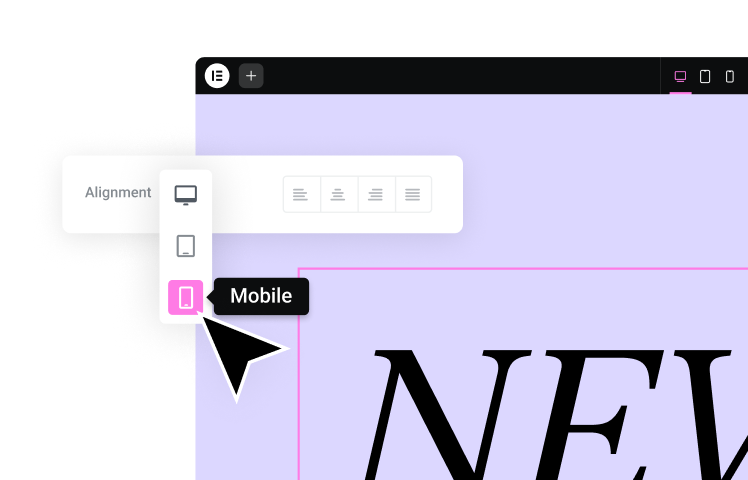
- Responsive Breakpoints: Customizing designs specifically for mobile, tablet, and desktop views.
- Global Design System: Establishing site-wide fonts and colors to ensure brand consistency.
Beyond the Page: Theme Builder & Dynamic Content
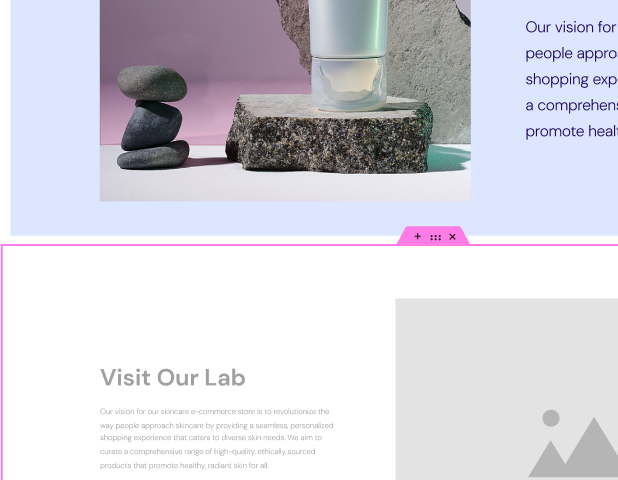
For professionals, the transition from “page building” to “site building” happens with Elementor Pro. The Theme Builder allows you to design the framework of your site visually. You can create custom headers, footers, single post templates, and archive pages, then set display conditions to determine where they appear.
For example, you can design a specific header that appears only on product pages, or a custom footer for your blog archives. This dynamic capability extends to content as well. Elementor integrates natively with WordPress custom fields, allowing you to build complex listing websites (like real estate or directories) visually, pulling data dynamically from the database.
The Integrated Ecosystem
What truly separates a platform from a tool is the ecosystem. Elementor has expanded its capabilities to solve peripheral problems that often plague WordPress users.
1. Performance Optimization
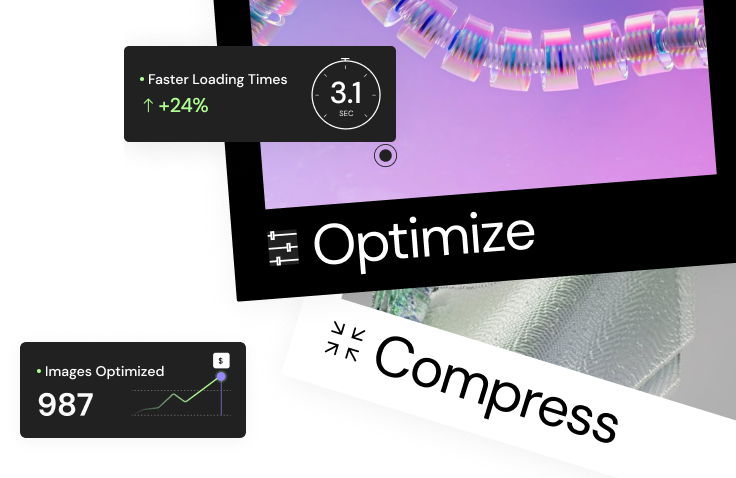
Speed is critical. Elementor has introduced the Image Optimizer by Elementor. This plugin automatically compresses and resizes images upon upload and converts them to next-gen formats like WebP or AVIF. This solves one of the most common causes of slow websites—heavy media files—without requiring complex third-party configurations.
2. Workflow Automation with AI
Artificial Intelligence is no longer a futuristic concept; it is a daily utility. Elementor AI is embedded directly into the editor. It allows you to:
- Generate Content: Write headlines, product descriptions, or translate text instantly.
- Create Images: Generate custom visuals or expand existing images to fit different aspect ratios.
- Write Code: Generate custom CSS or HTML snippets to achieve specific design effects.
Furthermore, the AI Site Planner accelerates the initial stages of a project. It generates site structures, wireframes, and layout suggestions based on a simple prompt, reducing the time spent on the blank canvas phase.
3. Reliability and Communication
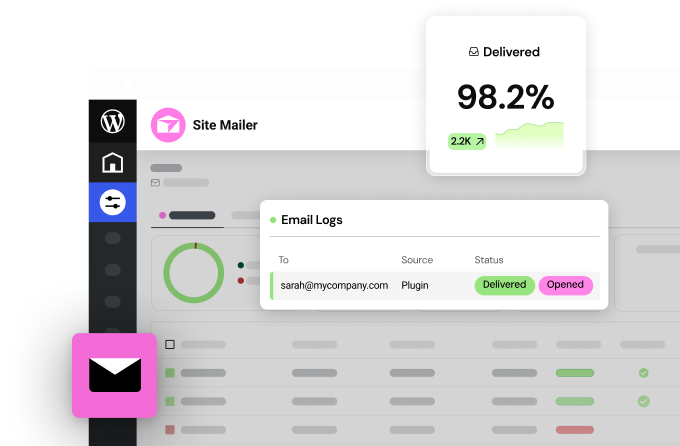
A common pain point in WordPress is email deliverability. Contact forms often fail because standard WordPress servers aren’t optimized for email sending. Site Mailer by Elementor addresses this by providing a reliable SMTP replacement, ensuring that every lead form and transactional email reaches the inbox.
Accessibility and Inclusivity
Building accessible websites is a legal and ethical requirement. Ally Web Accessibility is an integrated tool that scans your site for accessibility violations, offering automated fixes and a front-end widget to help users adjust the site to their needs (e.g., increasing contrast or font size).
Building eCommerce Solutions with the WooCommerce Builder
For many users, the “best” builder is the one that handles eCommerce most effectively. WordPress utilizes WooCommerce, the world’s most popular eCommerce software.
Elementor Pro includes a dedicated WooCommerce Builder. This replaces the standard, rigid WooCommerce templates with customizable designs.
- Product Archives: Design exactly how your product grid looks, customizing the “Add to Cart” button, price display, and image hover effects.
- Single Product Pages: completely restructure the product page layout. You can place the product gallery on the right, move the description, or add custom upsell sections.
- Checkout & Cart: Customize the transaction flow to reduce cart abandonment, styling form fields and buttons to match your brand identity.
This level of customization typically requires a dedicated developer, but the WooCommerce Builder makes it accessible via the visual interface.
Managed Hosting vs. Generic Hosting
A website builder is only as fast as the server it lives on. This brings us to a crucial component of the Elementor platform: Elementor Hosting.
Traditional WordPress hosting often requires you to piece together a domain, an SSL certificate, a hosting provider, and the builder itself. If something breaks, the host blames the plugin, and the plugin developer blames the host.
Elementor Hosting provides a unified solution. It is a managed WordPress hosting environment built specifically for Elementor.
- Google Cloud Platform: It runs on enterprise-grade cloud infrastructure (C2 machines) for maximum speed.
- Cloudflare Enterprise: Integrated CDN and security layers protect your site from attacks and deliver content globally.
- Unified Support: One support team handles both your hosting and your builder questions, eliminating the “blame game.”
For agencies and freelancers, this simplifies the client handoff and maintenance process significantly.
The Role of Themes in a Builder Ecosystem
Even with a powerful builder, you need a theme. However, the role of the theme has changed. You no longer need a heavy theme with hundreds of settings. You need a lightweight canvas.
Elementor provides the Hello Theme, a minimalist framework designed specifically for the builder. It loads virtually zero styling of its own, ensuring that your site is fast and that there are no style conflicts between the theme and the builder.
For those who need a jumpstart, there are extensive template libraries available, offering full website kits that can be imported in seconds.
Pricing and Value Analysis
When choosing the best website builder, cost is always a factor. However, value is the metric that matters.
- Free Options: Gutenberg and the Elementor Free Download offer zero-cost entry points. Elementor Free is robust, offering substantial design control, while Gutenberg is entirely free but limited in visual capabilities.
- Pro Options: Visual builders generally operate on a subscription model. While some competitors offer lifetime deals, a subscription model ensures the company has the resources to maintain security updates and feature development—critical for a tool that powers your business.
Elementor Pro offers a tiered structure based on the number of sites, which scales well for agencies. When you factor in the included features—Popup Builder, Form Builder, Marketing integrations—it often replaces 3-4 other paid plugins, increasing its overall value proposition.
Strategic Workflow: From Concept to Launch
To illustrate why a comprehensive platform is superior, let’s look at a typical professional workflow using the Elementor ecosystem:
- Planning: Use the AI Site Planner to generate a sitemap and wireframes based on the client’s brief.
- Setup: Launch a site on Elementor Hosting to ensure a fast, secure environment.
- Design: Install the Hello Theme and use the Elementor Builder to design the global design system (fonts/colors).
- Content: Use Elementor AI to draft initial copy and generate custom imagery for headers.
- Functionality: Use the WooCommerce Builder to customize the shop pages and Site Mailer to configure transactional emails.
- Marketing: Use Send by Elementor (formerly a separate tool, now integrated) to set up lead capture forms and automated email sequences.
- Optimization: Run the Image Optimizer to compress assets and Ally to check for accessibility compliance.
This integrated workflow eliminates friction, reduces plugin bloat, and results in a more stable final product.
Conclusion: The Verdict on the Best Website Builder
Defining “the best” is subjective, but for the majority of professional users—agencies, marketers, and business owners—the best builder is the one that balances power with efficiency.
While native block editors are improving, they lack the deep visual control and marketing integrations required for high-end web design. While developer-focused builders offer lean code, they often lack the ecosystem and design speed necessary for rapid business growth.
Elementor stands out because it has evolved from a tool into a platform. It addresses the entire lifecycle of a website: creation, hosting, optimization, and marketing. By providing a unified ecosystem where hosting, AI, and design tools communicate seamlessly, it allows creators to focus on what matters most: building exceptional digital experiences.
For those ready to start, you can explore the platform further at Elementor.com.
Frequently Asked Questions (FAQ)
1. Is Elementor compatible with all WordPress themes? Yes, Elementor is designed to respect WordPress coding standards and works with almost any theme. However, it works best with lightweight themes like the Hello Theme, which provides a blank canvas and avoids style conflicts.
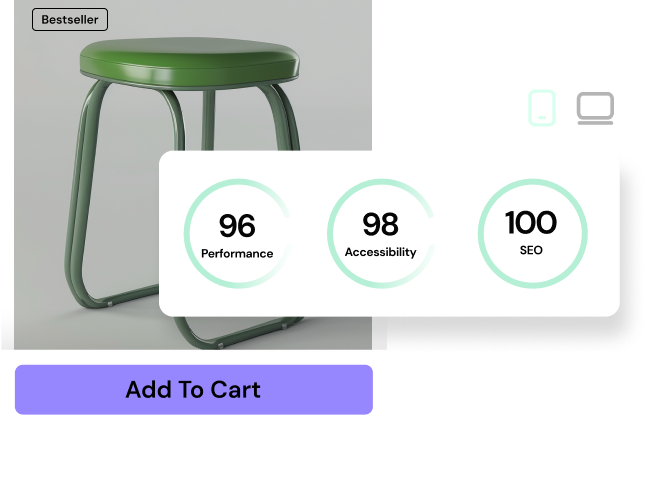
2. Does using a page builder slow down my website? It can if the builder loads unnecessary assets. Elementor has introduced significant performance improvements, including modular asset loading and optimized DOM output. When combined with a good host and the Image Optimizer, Elementor sites can achieve high Google PageSpeed scores.
3. Can I build an online store with Elementor? Absolutely. Elementor Pro features a comprehensive WooCommerce Builder. This allows you to visually design your single product templates, shop archive pages, cart, and checkout pages without writing PHP or CSS.
4. What is the difference between Elementor Free and Pro? The free version includes the drag-and-drop editor and around 40 basic widgets. Elementor Pro unlocks the Theme Builder (headers/footers), dynamic content, eCommerce features, marketing tools (Forms/Popups), and professional support.
5. Do I need to know how to code to use Elementor? No. Elementor is a “no-code” platform. However, it is “code-friendly,” meaning developers can add custom CSS, HTML, and PHP if they choose to extend the functionality further.
6. How does Elementor Hosting differ from other hosting providers? Elementor Hosting is a managed cloud hosting solution specifically tuned for Elementor. It includes the Elementor Pro plugin, cloud backups, enterprise-grade security, and a CDN, all managed from a single dashboard.
7. Can I use AI to help build my website? Yes. Elementor AI is integrated directly into the editor. It helps you generate text, create custom CSS, code HTML snippets, and generate or edit images without leaving the building environment.
8. Is Elementor good for SEO? Yes. Elementor generates clean, semantic HTML (using proper header tags like H1, H2, etc.). It is fully compatible with major SEO plugins like Yoast and RankMath, and its performance features help with technical SEO metrics.
9. What happens to my design if I stop using Elementor? If you deactivate Elementor, your content remains in your WordPress database, but the styling is lost. Elementor leaves clean code behind for text and images, but the complex layouts created with the builder will revert to a basic format.
10. How secure is the Elementor platform? Security is a top priority. The code is regularly audited, and they have a dedicated bug bounty program. Additionally, Elementor Hosting provides server-level security, including firewalls and DDoS protection, to keep your site safe.
Relevant Videos
https://www.youtube.com/watch?v=QKd7d6LueH4 https://www.youtube.com/watch?v=-2ig5D348vo https://www.youtube.com/watch?v=gvuy5vSKJMg https://www.youtube.com/watch?v=cmx5_uThbrM&pp=0gcJCcYJAYcqIYzv https://www.youtube.com/watch?v=sK7KajMZcmA
Citation
Expert insights provided by Itamar Haim.
Looking for fresh content?
By entering your email, you agree to receive Elementor emails, including marketing emails,
and agree to our Terms & Conditions and Privacy Policy.