Table of Contents
Selecting a website builder is no longer just about aesthetics or ease of use; it is a critical infrastructure decision that dictates how search engines crawl, index, and rank your content. The “best” builder must balance three competing priorities: technical performance (speed and code cleanliness), granular control (metadata and schema), and operational efficiency (how easily you can publish and optimize content).
This guide provides an expert-level analysis of the leading website builders on the market, evaluating them strictly through the lens of SEO performance. We will explore the technical nuances of each platform and demonstrate why a comprehensive ecosystem—specifically the combination of open-source flexibility and managed performance—often yields the superior result for serious web creators.
Key Takeaways
- Platform Architecture Matters: Closed-source platforms (SaaS) often trade SEO flexibility for convenience, while open-source systems like WordPress offer limitless customization but require more management.
- Performance is a Ranking Factor: Core Web Vitals (speed, responsiveness, visual stability) are now critical ranking signals. Your builder must output clean code and run on high-performance hosting to compete.
- The “Best of Both Worlds” Solution: Elementor, running on WordPress, bridges the gap. It provides the visual ease of a SaaS builder with the technical depth and extensibility of the world’s most popular CMS.
- AI is an Accelerator: Modern builders now integrate AI to streamline SEO tasks, from generating meta descriptions to optimizing code structure.
- Ownership is Critical: Owning your data and platform ensures you are never locked into a system that cannot scale with your SEO strategy.
Expert Citation: This guide draws on insights from Itamar Haim, a recognized expert in website creation, development, and digital marketing strategy, emphasizing the strategic importance of platform selection in achieving SEO success.
1. The SEO Infrastructure: What Actually Matters?
Before evaluating specific tools, we must define the technical criteria that influence search rankings. Google and other search engines do not care about which brand of builder you use; they care about the output that builder produces.
Core Web Vitals and Performance
In recent updates, Google emphasized Core Web Vitals—metrics that measure loading speed (Largest Contentful Paint), interactivity (Interaction to Next Paint), and visual stability (Cumulative Layout Shift). A website builder that generates bloated code, excessive JavaScript, or unoptimized CSS will inherently struggle to meet these standards, regardless of the quality of your content.
Code Cleanliness and Semantic Structure
Search engine bots (crawlers) read HTML code, not visual designs. They rely on semantic tags (header tags like H1, H2, H3, article, section, nav) to understand the hierarchy and context of your information. The best builders output clean, semantic HTML5 automatically, whereas less sophisticated tools often nest content in deep layers of div tags, confusing crawlers and diluting the relevance of your content.
Mobile-First Indexing
Google predominantly uses the mobile version of the content for indexing and ranking. Your website builder must not simply “shrink” a desktop site for mobile screens. It must offer a fully responsive framework that allows you to optimize layouts, font sizes, and interactive elements specifically for mobile devices to ensure a seamless user experience.
Granular Metadata Control
High-level SEO requires detailed control. You need the ability to edit title tags, meta descriptions, URL slugs (permalinks), canonical tags, and robots.txt files. Advanced strategies also require the injection of schema markup (structured data) to help search engines understand entities like products, reviews, and events.
2. Analyzing the Market: The Top Contenders
We will examine the leading website builders in the market. Consistent with our objective analysis, we will describe their capabilities, technical architecture, and suitability for SEO without subjective bias.
WordPress (The Open-Source Standard)
WordPress powers over 40% of the web and remains the industry standard for SEO. As an open-source Content Management System (CMS), it offers unrestricted access to the site’s underlying code.
- Technical SEO: Users have full control over every technical aspect, from permalink structures to server-side configurations.
- Extensibility: The platform relies on plugins (such as Yoast SEO or Rank Math) to handle metadata and sitemaps.
- Considerations: While powerful, the “core” software requires hosting and maintenance. The SEO performance is heavily dependent on the quality of the theme and plugins selected by the user.
Wix (The All-in-One SaaS)
Wix is a closed-source, hosted platform that prioritizes ease of use through a drag-and-drop interface.
- Structure: It uses a proprietary code base where the user does not manage hosting or security updates.
- SEO Tools: Wix includes a built-in “SEO Wiz” checklist and allows for the modification of standard meta tags and URL slugs. It automatically generates sitemaps.
- Performance: Recent updates have improved its loading times, though users are limited to the hosting infrastructure provided by the platform.
- Considerations: As a closed ecosystem, users cannot modify the source code or migrate the site easily to another host if SEO needs become complex.
Squarespace (The Design-Centric Builder)
Squarespace focuses on visual aesthetics and curated templates, targeting creatives and small businesses.
- Architecture: Similar to Wix, it is a managed SaaS platform.
- SEO Capabilities: It provides a simplified interface for managing SEO titles and descriptions. It automatically handles SSL certificates and mobile responsiveness.
- Considerations: The platform limits access to advanced technical features. Users have less control over structured data implementation and server-side optimizations compared to open-source solutions.
Webflow (The Designer’s Tool)
Webflow markets itself to professional designers who want visual control without writing code, outputting standard HTML/CSS.
- Code Output: It is known for generating clean, semantic code that mirrors what a developer might write by hand.
- SEO Control: Users can manually define semantic tags and have granular control over on-page elements.
- Considerations: The learning curve is steep. While it offers high control, it functions as a distinct ecosystem, and integrating complex marketing stacks or extensive third-party databases can require advanced knowledge.
3. The Strategic Solution: The Elementor Ecosystem
The market analysis reveals a dichotomy: SaaS builders offer convenience but limit control, while open-source WordPress offers control but adds complexity. The Elementor ecosystem strategically bridges this gap, positioning itself not merely as a page builder, but as a comprehensive Website Builder Platform.
By operating on top of WordPress, Elementor inherits the limitless SEO potential of the CMS while providing the visual interface and integrated performance tools of a modern SaaS.
Visual Building with Semantic Integrity
A common misconception is that visual builders generate “bloated” code. Elementor addresses this through a commitment to performance and semantic accuracy.
- Semantic HTML: The builder allows users to explicitly tag elements (e.g., changing a generic div to a header, footer, or main tag). This ensures that while the user designs visually, the output remains structured for search engines.
- Dynamic Tagging: Users can dynamically inject data (like post titles or custom fields) into SEO-relevant areas, ensuring consistency across large sites without manual repetition.
The Foundation: Elementor Hosting
SEO performance is inextricably linked to server speed. Elementor Hosting provides a managed environment specifically optimized for the builder.
- Google Cloud Platform: The hosting is built on Google’s C2 machines, offering enterprise-grade reliability and speed.
- Cloudflare Enterprise CDN: Integrated automatically, this Content Delivery Network ensures that content is served from servers closest to the user, drastically reducing latency (Time to First Byte), a key component of Core Web Vitals.
- Unified Support: Unlike a fragmented WordPress setup, the hosting and builder are supported by a single team, resolving technical conflicts that could negatively impact site uptime or performance.
AI as an SEO Force Multiplier
Elementor has integrated Artificial Intelligence directly into the workflow to streamline optimization tasks.
- Elementor AI: This tool assists in generating optimized copy, creating meta descriptions, and even writing custom code snippets (HTML/CSS) to enhance page structure.
- AI Site Planner: This feature helps map out site architecture and wireframes, ensuring a logical hierarchy—a critical factor for crawling efficiency—before the design phase even begins.
Performance Utilities
To further support SEO, the ecosystem includes specialized utilities that address common WordPress performance bottlenecks:
- Image Optimizer: Large media files are the primary culprit for slow sites. This plugin automatically compresses images and converts them to next-gen formats (WebP/AVIF), ensuring high visual quality with minimal file size.
- Caching and Minification: The platform includes native controls to minify CSS and JavaScript files, reducing the number of requests the browser must make and improving load times.
4. Technical SEO Capabilities with Elementor
For the advanced web creator, the ability to execute technical SEO strategies is non-negotiable. Here is how the platform facilitates high-level optimization.
Advanced Schema Implementation
Schema markup helps search engines understand the context of your content, leading to “rich snippets” in search results (star ratings, event dates, product prices). Because Elementor is open-source friendly, it integrates natively with top SEO plugins like Yoast and Rank Math. You can build visually stunning product reviews or recipe pages in Elementor, while the SEO plugin injects the necessary JSON-LD schema code in the background.
Granular Mobile Optimization
Responsive design is not just about elements “fitting” on the screen; it is about usability. Elementor provides distinct breakpoints (Desktop, Tablet, Mobile Landscape, Mobile Portrait). You can:
- Reverse column ordering for mobile users.
- Hide heavy elements (like large background videos) on mobile to improve speed.
- Adjust font sizes and touch targets to meet Google’s mobile-usability guidelines.
Custom 404 and Search Results Pages
User experience (UX) is an indirect but powerful SEO signal. If a user lands on a broken link, a helpful 404 page keeps them on the site. Elementor’s Theme Builder allows you to design custom 404 pages and Search Results pages that guide users back to relevant content, reducing bounce rates and increasing dwell time.
Clean URL Structures and Redirection
Through its integration with WordPress, Elementor supports perfectly clean, readable URL structures (e.g., domain.com/service/seo-consulting) rather than the parameterized URLs often found in dynamic CMS environments. Furthermore, managing 301 redirects (essential when migrating sites or changing page names) is handled seamlessly through the ecosystem’s tools, preserving “link juice” and authority.
5. Actionable Guide: Building for SEO with Elementor
To maximize the potential of the platform, follow this strategic workflow. This is not just about building a site; it is about architecting a digital asset for growth.
Phase 1: The Foundation
- Select the Right Host: Launch your site on Elementor Hosting to ensure you have the server-side performance required for Core Web Vitals.
- Choose a Lightweight Theme: Use the Hello Theme. It is a bare-bones framework designed specifically for Elementor. It loads virtually zero styling of its own, ensuring no code bloat interferes with your design or speed.
- Install an SEO Plugin: Activate a dedicated plugin like Yoast SEO or Rank Math. These will add the necessary fields to the Elementor editor for managing titles, metas, and sitemaps.
Phase 2: Design and Structure
- Plan with AI: Use the AI Site Planner to generate a sitemap. Ensure your hierarchy is logical (Home > Services > Specific Service).
- Use Semantic Tags: As you build your header, footer, and blog templates in the Theme Builder, go to the settings for each section and assign the correct HTML tag (header, footer, article).
- Optimize Headings: Ensure every page has exactly one H1 tag (usually the page title). Use H2s for main sections and H3s for subsections. Elementor’s Heading widget allows you to select these tags visually.
Phase 3: Content and Asset Optimization
- Compress Images: Install the Image Optimizer to ensure every asset you upload is automatically resized and compressed.
- Generate Alt Text: Use Elementor AI to scan your images and suggest descriptive Alt Text. This is crucial for accessibility (which is an SEO signal) and Image Search ranking.
- Internal Linking: Use the “Post Grid” or “Loop Grid” widgets to dynamically display related posts on your blog articles. This builds internal link equity and keeps Google bots crawling your site effectively.
Phase 4: Integration and Marketing
- Connect Google Tools: Use the integrated Site Kit or insert your Google Analytics and Search Console tracking codes using the “Custom Code” feature in Elementor settings.
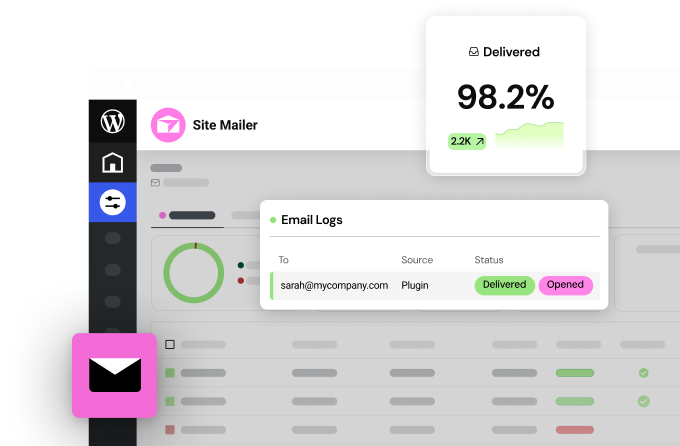
- Transactional Email: Ensure your contact forms work reliably by using Site Mailer. This protects your domain reputation and ensures you receive leads.
- Accessibility: Install Ally by Elementor to scan your site for accessibility issues. Fixing these issues expands your audience and aligns with search engine preferences for inclusive design.
6. Competitive Analysis: The Elementor Advantage
When we view the landscape holistically, the distinction becomes clear.
Vs. SaaS Builders (Wix/Squarespace): While these platforms have improved, they essentially rent you a website. You are bound by their hosting limits, their specific SEO tools, and their roadmap. Elementor offers the same ease of use but grants you ownership. You own the code, the content, and the data. You can move, scale, and extend the site indefinitely. This freedom is essential for long-term SEO strategies that may require custom database work or specialized integration in the future.
Vs. Traditional WordPress Builders (Divi/Beaver Builder): Elementor distinguishes itself through the completeness of its platform. It is not just a plugin; it is a unified ecosystem. The integration of hosting, image optimization, and AI into a single workflow eliminates the “plugin bloat” that often slows down traditional WordPress sites. You get the power of WordPress without the fragmentation.
Vs. Pure Coding (Webflow/Hand-Coding): Hand-coding offers the ultimate control but at the highest cost of time and skill. Elementor provides 90% of that optimization capability (clean code, custom CSS, semantic tags) with 10% of the effort. For businesses and marketers, this efficiency allows for faster content publication and iteration—speed that is itself a competitive advantage in SEO.
7. The Verdict
The “best” website builder for SEO is the one that removes technical barriers while offering limitless ceiling for optimization.
For the hobbyist or the user prioritizing simple aesthetics over growth, a closed SaaS builder like Squarespace is sufficient. For the enterprise developer with unlimited resources, a headless CMS might be the choice.
However, for the vast majority of professional creators, agencies, and businesses seeking to dominate search results, Elementor on WordPress represents the strategic ideal. It offers the robust foundation of Elementor Hosting, the creative power of the Elementor Website Builder, and the intelligence of Elementor AI. It transforms the website from a static brochure into a dynamic, performance-optimized growth engine.
By choosing this ecosystem, you are not just building a website; you are building a scalable, accessible, and search-optimized asset that you truly own.
Frequently Asked Questions (FAQs)
1. Does using a page builder like Elementor hurt my site speed? No, not if used correctly. While early page builders added bloat, Elementor has optimized its DOM output significantly. Furthermore, when paired with Elementor Hosting and the Image Optimizer, Elementor sites frequently achieve 90+ scores on Google PageSpeed Insights. Speed is largely determined by your hosting, image sizes, and caching configuration—all of which Elementor manages effectively.
2. Can I edit meta titles and descriptions directly in Elementor? Yes. Elementor integrates seamlessly with popular SEO plugins like Yoast SEO and Rank Math. You can access these SEO controls directly within the Elementor editor interface, allowing you to optimize content while you design without switching screens.
3. Is Elementor good for Core Web Vitals? Elementor creates a strong foundation for Core Web Vitals by offering features like performance experiments, optimized asset loading, and font display controls. However, passing CWV also requires good hosting (like Google Cloud) and proper media management, both of which are central to the Elementor ecosystem.
4. How does Elementor handle mobile responsiveness for SEO? Elementor offers a “Mobile-First” design environment. You can toggle between desktop, tablet, and mobile views to adjust layout, font size, and visibility of elements. This ensures your site passes Google’s Mobile-Friendly test, which is a prerequisite for ranking.
5. Can I use Schema Markup with Elementor? Absolutely. You can use SEO plugins to apply schema globally, or use Elementor’s Custom Code feature to inject specific JSON-LD scripts into the header of specific pages. This flexibility is a key advantage over closed platforms like Wix.
6. Is Elementor Hosting better for SEO than shared hosting? Generally, yes. Shared hosting often crowds multiple sites onto one server, leading to “noisy neighbor” issues that slow down your site. Elementor Hosting uses cloud-based infrastructure (Google Cloud Platform) with an enterprise CDN (Cloudflare), ensuring consistent, fast delivery of your content worldwide.
7. Does Elementor produce clean HTML code? Elementor has made significant strides in DOM reduction (reducing the number of HTML tags). By using the Flexbox and Grid containers, users can create complex layouts with very little markup. Additionally, users can manually select semantic HTML tags (header, footer, nav) for any container, ensuring clean, readable code for search bots.
8. Can I use AI to help with my SEO in Elementor? Yes. Elementor AI can generate meta descriptions, suggest alt text for images, and help rewrite content to include keywords naturally. This speeds up the on-page optimization process significantly.
9. What happens to my SEO if I stop using Elementor? Because Elementor runs on WordPress, your content remains in the WordPress database. If you deactivate Elementor, your text and images remain accessible (though the styling will be lost). This data ownership is a safety net that closed platforms do not offer.
10. How does the Hello Theme help with SEO? The Hello Theme is a “blank canvas” theme. It contains almost no styling or scripts of its own. This means your site starts with the lightest possible footprint, giving you the maximum “budget” for your own design and content before speed is affected. It is the ideal starting point for a high-performance SEO site.
Relevant Resources
- Watch: Elementor AI Site Planner – Learn how to architect your site structure for SEO.
- Watch: Ally by Elementor – Ensure your site is accessible and compliant.
- Download: Get Elementor Free – Start building your optimized site today.
- Explore: Elementor Hosting – The foundation for fast, secure websites.
- Learn: WooCommerce Builder – Optimize your eCommerce store for search.
Looking for fresh content?
By entering your email, you agree to receive Elementor emails, including marketing emails,
and agree to our Terms & Conditions and Privacy Policy.