Table of Contents
This guide provides a deep, expert-level analysis of the current market. We will strip away the marketing fluff to examine the architecture, capabilities, and long-term viability of the top contenders. Whether you are a small business owner, a freelancer, or running a digital agency, this breakdown will help you make an informed decision based on facts, performance, and scalability.
Key Takeaways
Before we dive deep into the technical details and platform comparisons, here are the critical insights you need to know right now.
- The “Platform” Advantage: The industry is moving away from standalone “page builders” toward comprehensive “website builder platforms” that integrate hosting, design, AI, and marketing tools into one ecosystem.
- Data Ownership Matters: Closed SaaS platforms (like Wix or Squarespace) simplify maintenance but often lock you into their ecosystem. Open-source solutions (like WordPress with Elementor) prioritize your ownership of data and content.
- AI is Operational, Not Just Creative: As web creation expert Itamar Haim notes, “The future of web design isn’t just about generating text; it’s about Agentic AI workflows that plan, build, and manage sites autonomously.”
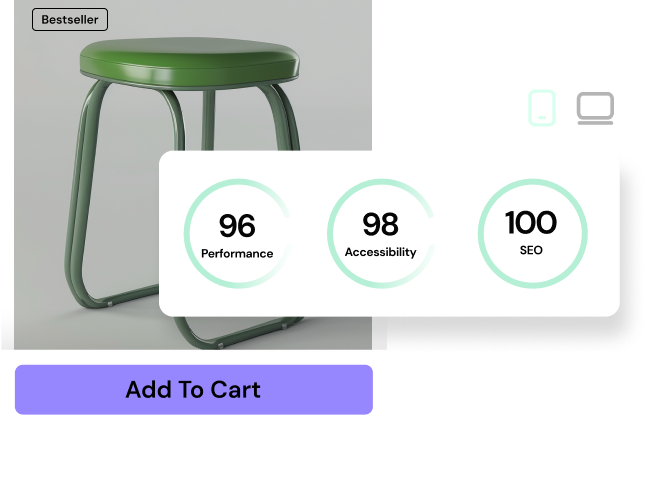
- Performance is Revenue: Core Web Vitals are now a critical ranking factor. Your builder must output clean code and run on enterprise-grade cloud infrastructure (like Google Cloud Platform) to compete in search rankings.
- Accessibility is Mandatory: With regulations like the European Accessibility Act (EAA) tightening, you need a builder that includes native accessibility tools to ensure compliance and inclusivity.
The Evolution of Web Creation: From Coding to Platforms
To understand “what is the best website builder,” you first need to understand how the market has evolved. Ten years ago, you had two stark choices: hire a developer to hand-code a site, or use a restrictive, template-based builder that looked amateurish.
Today, that binary choice is gone. The modern web creation landscape is defined by three distinct categories:
- Closed SaaS Builders: These are all-in-one proprietary platforms where you pay a monthly fee for the software and hosting. They are convenient but often restrictive regarding customization and data portability.
- Traditional CMS (Content Management Systems): Systems like standard WordPress offer immense power but can be disjointed, requiring you to stitch together hosting, themes, and plugins from different vendors.
- The Hybrid “Website Builder Platform”: This is the modern gold standard. It combines the ease of use and visual interface of a SaaS builder with the flexibility and power of an open-source foundation.
Your goal is to find a solution that offers the “best of both worlds”—the creative freedom of open-source software, fortified by the reliability, security, and unified support of a managed platform.
Strategic Criteria for Choosing a Builder
When evaluating tools, look past the shiny templates and focus on the architectural pillars that determine long-term success.
1. Creative Control and Flexibility
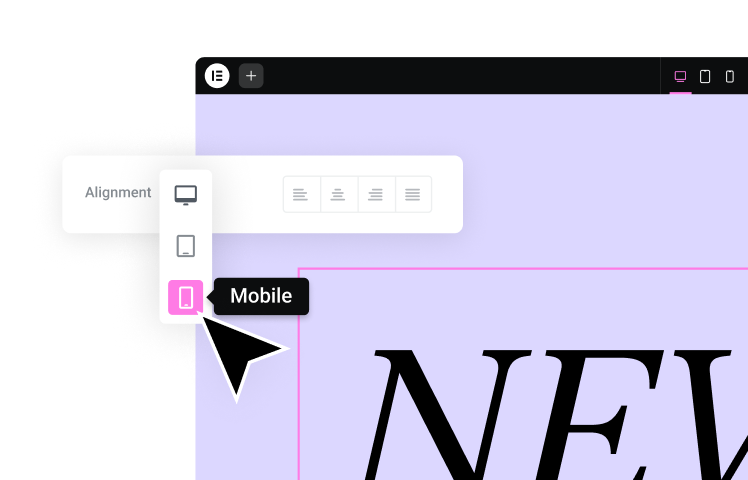
Can you control every pixel on the screen, or are you locked into a grid? A professional builder allows for granular control over layout, typography, and motion effects. It should support advanced design capabilities like CSS grid containers, flexbox layouts, and custom breakpoints for mobile responsiveness.
2. Performance and Infrastructure
A beautiful site that loads slowly is a liability. The best builders are backed by robust hosting infrastructures. Look for platforms built on Google Cloud Platform and integrated with premium CDNs like Cloudflare Enterprise. These technologies ensure your site loads instantly anywhere in the world, which is crucial for SEO and user experience.
3. Workflow Efficiency and AI
Efficiency is the currency of the modern web creator. Does the platform include AI tools that accelerate your workflow? We aren’t just talking about writing blog posts. Look for AI Site Planners that can generate wireframes, sitemaps, and design systems in minutes.
4. Ecosystem and Extensibility
No single tool can do everything. The best platforms exist within a larger ecosystem. They should allow you to integrate with third-party marketing tools, CRMs, and specialized plugins. This is where open-source foundations often outperform closed systems.
Deep Dive: The Top Website Builders of 2025
We will now analyze the major players in the market. We will look at them objectively, focusing on their technical capabilities and intended audience.
1. Wix: The SaaS Visual Builder
Wix is a prominent player in the hosted website builder market. It operates as a closed Software-as-a-Service (SaaS) platform, meaning the company provides the hosting, the builder interface, and the support in a single bundled subscription.
- The Editor: Wix utilizes an unstructured drag-and-drop editor. This allows users to place elements anywhere on the canvas without adhering to a strict grid. While this offers perceived freedom, it can sometimes lead to inconsistencies across different screen sizes if not managed carefully.
- Ecosystem: Wix has its own App Market where users can add functionality like booking systems or event calendars. However, these apps are proprietary to the Wix ecosystem.
- Limitations: The primary trade-off with Wix is data portability. Because it is a closed platform, moving your website away from Wix to another host or platform is difficult. You typically cannot export your site’s code or database in a standard format.
2. Squarespace: The Curated Design Platform
Squarespace is widely recognized for its strong focus on aesthetics and design. Like Wix, it is a closed SaaS platform, but its approach to building is different.
- The Editor: Squarespace uses a structured editor. You cannot drag elements just anywhere; they snap into predefined rows and columns. This rigidity ensures that designs remain unbreakable and look good on mobile devices, but it limits the “pixel-perfect” control that advanced designers might crave.
- Target Audience: It is heavily utilized by photographers, artists, and creatives who need a portfolio site that looks high-end with minimal effort.
- eCommerce: Squarespace offers built-in eCommerce tools that are suitable for smaller stores, though they lack the extensive extensibility found in dedicated eCommerce platforms.
3. Webflow: The Designer’s Code Tool
Webflow sits in a unique position. It markets itself to professional designers who understand the principles of HTML and CSS but prefer to work visually.
- The Interface: The Webflow interface resembles professional design software like Adobe Photoshop or Figma. It generates clean code, but using the tool requires a solid understanding of the box model, classes, and CSS hierarchy.
- Learning Curve: This is not a tool for the casual DIYer. The learning curve is steep. It is powerful for those who invest the time, but it can be overwhelming for beginners or clients who want to make simple edits.
- Pricing: Webflow’s pricing structure can be complex, often requiring separate plans for the workspace (the design tool) and the site hosting.
4. Shopify: The eCommerce Specialist
Shopify is a purpose-built platform strictly for online stores. It is not a general-purpose website builder, although it has page-building capabilities.
- Focus: Everything in Shopify revolves around the product and the transaction. Its inventory management and checkout systems are robust.
- Customization: While strong on the backend, Shopify’s frontend design capabilities are often tied to the theme you choose. Extensive design customization usually requires editing the “Liquid” code or using third-party page builder apps.
- Cost: In addition to monthly fees, Shopify charges transaction fees if you do not use their proprietary payment gateway.
5. Elementor: The Comprehensive Website Builder Platform
Elementor represents the “Hybrid” model we discussed earlier. It is the leading website builder platform for WordPress, powering over 18 million websites globally. It merges the visual ease of a SaaS builder with the power of open-source WordPress.
- The Creative Engine: Elementor offers a live, drag-and-drop interface that provides pixel-perfect control. Unlike structured editors, you can manipulate every aspect of the design—margin, padding, Z-index, and motion effects—without writing code.
- The Platform: Elementor has evolved from a plugin into a complete platform. With Elementor Hosting, it offers a managed environment built on Google Cloud Platform. This solves the traditional fragmentation of WordPress by providing a unified hosting and builder solution.
- The Ecosystem: Because it is built on WordPress, Elementor Pro integrates with nearly 60,000 other plugins. You have total data ownership and are never locked into a proprietary system.
The Elementor Ecosystem: A Complete Web Creation Solution
To understand why many professionals consider Elementor the “best” option, we need to look beyond the builder itself and examine the ecosystem that surrounds it. It is no longer just about building a page; it is about the entire lifecycle of a website.
1. The Optimized Foundation: Elementor Hosting
For years, the downside of WordPress was managing hosting. You had to deal with cPanel, SSL certificates, and caching plugins. Elementor Hosting eliminates this friction.
It provides a managed hosting environment that is specifically engineered for Elementor websites.
- Infrastructure: It runs on the Google Cloud Platform (C2 machines) and integrates Cloudflare Enterprise CDN. This ensures enterprise-grade speed and reliability.
- Security: It includes premium security features like DDoS protection and a Web Application Firewall (WAF) by default.
- Unified Support: Perhaps the biggest advantage is support. If something breaks, there is no “blame game” between your host and your builder. One team supports the entire stack.
2. The Creative Powerhouse: Elementor Website Builder
At the heart of the platform is the builder itself. It democratizes professional web design, making it accessible to creators of all skill levels.
- Visual Editing: You see exactly what your visitors will see as you design.
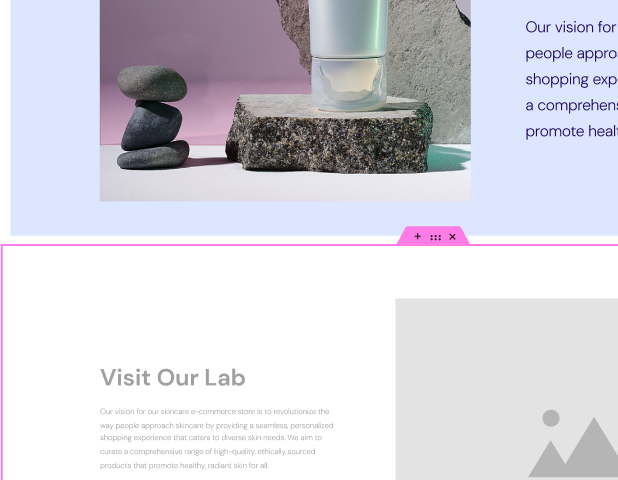
- Theme Builder: In the Pro version, you are not limited to the content area. You can design your Header, Footer, Archive pages, and 404 pages visually.
- WooCommerce Builder: For online stores, the WooCommerce Builder allows you to customize every part of the shopping experience, from product archives to the checkout page, without code.
3. The AI-Powered Workflow Revolution
AI is reshaping how we build the web, and Elementor has integrated it directly into the workflow.
- Elementor AI Site Planner: This tool accelerates the strategy phase. You can generate a comprehensive website brief, sitemap, and wireframes in minutes. It bridges the gap between a vague idea and a concrete plan.
- Elementor AI: Inside the editor, AI helps you generate text, create custom CSS code, and even generate or expand images. It acts as a “Productivity Multiplier,” keeping you in the creative flow.
- Angie (Agentic AI): Moving beyond simple generation, Angie is an Agentic AI assistant that performs multi-step actions across your site, automating complex tasks and further streamlining the creation process.
4. Specialized Solutions for Growth
A website is not a static object; it is a business tool. The platform includes specialized products to handle specific business needs.
- Image Optimizer: Speed is critical. This tool automatically compresses and converts images to next-gen formats like WebP and AVIF, boosting your Core Web Vitals.
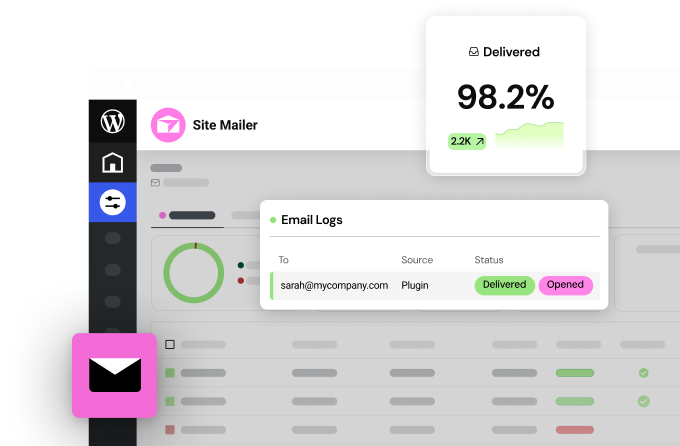
- Site Mailer: Transactional emails (like password resets or order confirmations) often fail in WordPress. Site Mailer fixes this reliability issue without complex SMTP setups.
- Send by Elementor: This is a native marketing automation tool. It allows you to collect leads and send email marketing campaigns directly from your website dashboard, closing the loop between design and marketing.
- Ally by Elementor: With web accessibility becoming a legal requirement in many regions, Ally helps you scan your site for violations and provides remediation tools to ensure your site is usable by everyone.
Which Solution Fits Your Persona?
The “best” builder depends on who you are and what you need to achieve. Here is how the landscape maps to different user needs.
For the Small Business Owner & DIYer
If you need to get a professional business site up and running quickly, you need a low barrier to entry.
- The Competitor approach: SaaS builders like Wix offer a simple entry point with decent templates.
- The Elementor approach: Elementor provides the Hello Biz theme. Unlike the standard blank-canvas Hello Theme, Hello Biz is a beginner-friendly launchpad. It features a guided setup wizard and pre-designed kits that allow you to launch a polished site in record time, while still retaining the power to grow later.
For the Freelancer & Digital Agency
Agencies need efficiency, scalability, and workflow management.
- The Competitor approach: Webflow is popular with designers but can be difficult to hand off to clients who want to edit content themselves.
- The Elementor approach: Elementor is the industry standard for agencies. Features like the AI Site Planner streamline client onboarding. The Elementor Pro tools allow for advanced dynamic content and custom post types, enabling you to build complex listing sites or directories. Furthermore, Elementor Hosting provides a scalable infrastructure that simplifies client maintenance.
For the eCommerce Merchant
Online stores need reliability and conversion tools.
- The Competitor approach: Shopify is the heavyweight here, excellent for pure retail but less flexible for content-heavy sites.
- The Elementor approach: By combining Elementor Hosting with the WooCommerce Builder, you get the best of both worlds. You have the robust transaction engine of WooCommerce (the most popular eCommerce solution in the world) combined with the design freedom of Elementor to create custom product loops, cart drawers, and checkout flows that optimize conversion.
Key Feature Comparison Matrix
To summarize the differences, let’s look at how these platforms stack up across critical dimensions.
| Feature | Elementor Platform | SaaS Builders (Wix/Squarespace) | Traditional CMS (WordPress) |
| Primary Focus | Complete Web Creation Ecosystem | Ease of Use / Templates | Content Management |
| Hosting | Managed Cloud (Google/Cloudflare) | Proprietary Shared Hosting | Self-Managed (Variable) |
| Data Ownership | Full Ownership (Open Source) | Locked / Difficult to Export | Full Ownership |
| Design Control | Pixel-Perfect / Visual | Structured / Template-Bound | Theme-Dependent |
| AI Integration | Generative & Agentic (Angie) | Generative Text/Image | Plugin Dependent |
| Extensibility | 59,000+ Plugins | Proprietary App Market | 59,000+ Plugins |
| Maintenance | Managed Updates | Fully Automated | Manual Updates Required |
The Future of Web Building: What to Expect in 2025 and Beyond
The definition of a website builder is expanding. It is no longer enough to just put pixels on a screen. The future belongs to platforms that solve the holistic problems of the web creator.
1. Agentic AI and Automation
We are moving from “AI Assistance” to “AI Agency.” Tools like Angie represent this shift. Instead of just asking AI to “write a headline,” you will ask it to “optimize my landing page for conversions,” and the AI will analyze the layout, suggest changes, and even implement them. This allows creators to focus on strategy rather than repetitive tasks.
2. Performance as a Standard
Core Web Vitals are not going away. Builders that generate bloated code will be penalized by search engines. The future favors platforms that output clean, semantic code and run on edge networks. This is why solutions like Image Optimizer and integrated CDNs are becoming standard features rather than optional add-ons.
3. Inclusive Design (Accessibility)
With the implementation of the European Accessibility Act in 2025, accessibility is a legal imperative. Builders must include automated scanning and remediation tools, like Ally by Elementor, to help creators build compliant sites without needing to be accessibility experts.
Conclusion
So, what is the best website builder? The answer lies in your long-term goals.
If you are a hobbyist looking for the absolute simplest way to put a page online and don’t care about ownership or growth, a closed SaaS builder might suffice.
However, if you are a professional, a business owner, or an agency looking for a complete digital foundation, the Elementor Website Builder Platform stands alone. It successfully bridges the gap between the ease of SaaS and the power of open source. It offers the Free Download to get started, but scales up to enterprise-grade hosting and marketing automation.
By choosing a platform that prioritizes data ownership, performance, and an integrated workflow, you are not just building a website; you are building a scalable asset that you truly own.
Frequently Asked Questions
1. Is it better to use a SaaS builder or a WordPress-based platform? For most serious businesses, a WordPress-based platform like Elementor is superior because it ensures you own your data and content. SaaS builders lock you into their ecosystem, making it difficult to move your site later. Elementor offers the ease of SaaS with the freedom of WordPress.
2. How does Elementor Hosting differ from generic hosting? Elementor Hosting is a “Managed WordPress” service specifically engineered for the Elementor builder. It runs on the Google Cloud Platform and includes Cloudflare Enterprise CDN, meaning it is optimized for speed and security specifically for Elementor sites, unlike generic shared hosting.
3. Can I use Elementor for a large eCommerce store? Yes. Elementor integrates deeply with WooCommerce, the world’s most popular eCommerce engine. With the WooCommerce Builder, you can customize every part of your store. For large stores, the scalability of Elementor Hosting ensures your site remains fast even during traffic spikes.
4. Do I need to know how to code to use Elementor? No. Elementor is a “No-Code” visual builder. You can design complex layouts, animations, and interactions using a drag-and-drop interface. However, if you are a developer, Elementor allows you to add custom CSS and HTML, giving you the best of both worlds.
5. How does AI help in the website building process? AI streamlines the workflow. Tools like the AI Site Planner help you generate wireframes and sitemaps in minutes. Inside the editor, AI can write copy, generate images, and even write custom code, acting as a creative partner that speeds up production.
6. What is the difference between Hello Theme and Hello Biz? The Hello Theme is a lightweight “blank canvas” theme preferred by designers who want to build everything from scratch. Hello Biz is a beginner-friendly version that includes a setup wizard and pre-designed style kits, making it easier for small businesses to get started quickly.
7. Why is accessibility important for my website? Accessibility ensures your site is usable by people with disabilities. It is also becoming a legal requirement in many regions (like the EU). Tools like Ally by Elementor help you scan and fix accessibility issues to ensure compliance and inclusivity.
8. Can I migrate my site from Wix or Squarespace to Elementor? You cannot “export” a site directly from a closed SaaS platform to WordPress. However, you can rebuild your site on Elementor. Because Elementor gives you full design control, you can replicate any design from another platform and then own it forever.
9. What are Core Web Vitals and does the builder affect them? Core Web Vitals are performance metrics Google uses to rank sites. They measure speed, responsiveness, and visual stability. Elementor and its hosting are optimized to deliver high scores in these metrics, whereas some older builders generate bloated code that can hurt your rankings.
10. Is Elementor free to use? There is a robust Free Download of the Elementor plugin that offers essential design tools. For advanced features like the Theme Builder, WooCommerce Builder, and Marketing tools, you will need Elementor Pro or an Elementor Hosting plan.
Looking for fresh content?
By entering your email, you agree to receive Elementor emails, including marketing emails,
and agree to our Terms & Conditions and Privacy Policy.