Table of Contents
An “easy” website builder is technically defined as a platform that enables the creation of a professional, functional web presence without requiring the user to write code (HTML, CSS, PHP) or manage complex server architecture (Linux commands, DNS propagation). These platforms typically utilize a visual interface—often referred to as WYSIWYG (What You See Is What You Get)—combined with pre-designed templates and integrated hosting services.
However, experienced developers and digital marketers know that “ease” is a moving target. What is easy on day one—signing up with an email address and publishing a generic template—can become excruciatingly difficult on day 365 when you need to integrate a specific CRM, optimize for Core Web Vitals, or migrate your data to a new host.
True ease, therefore, must be redefined. It is not just about the absence of code; it is about the presence of freedom. It is about a platform that doesn’t limit your business growth. While closed SaaS (Software as a Service) tools offer a frictionless start, a comprehensive Website Builder Platform built on open standards often provides the most sustainable path. It combines the user-friendly visual design business owners crave with the limitless extensibility they will eventually need.
This guide explores the landscape of website building in 2026, analyzing the trade-offs between closed systems and open ecosystems, and explaining why a hybrid approach—exemplified by Elementor—has become the standard for businesses that intend to scale.
Key Takeaways:
- Redefining Ease: True ease of use encompasses setup, long-term management, scalability, and data portability. A tool that traps your data is not “easy” in the long run.
- The Binary Choice: The market is divided into two primary categories: closed SaaS platforms (proprietary, rented) and open-source platforms (owned, flexible).
- The Ownership Imperative: Closed platforms rent you a digital storefront; open platforms like WordPress allow you to own the land and the building.
- The Elementor Hybrid: Elementor represents a new category—a “Website Builder Platform”—that merges the visual simplicity of a SaaS builder with the power and ownership of WordPress.
- AI as Infrastructure: Modern builders now use AI for strategic planning, layout generation, and workflow automation, not just for writing basic copy.
- Performance is Non-Negotiable: “Easy” cannot mean “slow.” Your builder must prioritize technical performance and mobile responsiveness automatically to satisfy search engine algorithms.
Defining “Easy”: What Small Businesses Actually Need in 2026
To make an informed decision, we must dissect what “ease of use” actually looks like for a modern small business. It is a multi-dimensional concept that goes beyond the user interface. If a tool takes five minutes to set up but requires hours of manual maintenance every month, it fails the test.
1. Visual, No-Code Editing (The Front-End Experience)
The days of hand-coding are largely behind us for standard business sites. An easy builder must offer a sophisticated visual editor. This means you work directly on the canvas. When you drag an image widget to the right column, it stays there. You change a font size, and you see the letters expand instantly.
However, visual editing must also be responsive. In 2026, mobile traffic often eclipses desktop traffic. An easy builder allows you to toggle between desktop, tablet, and mobile views, making specific adjustments for each device without needing to write media queries in CSS.
2. Integrated Infrastructure (The Back-End Experience)
Technical ease is just as important as design ease. Small business owners should not have to function as systems administrators.
- SSL Certificates: Security is mandatory. The platform should provision and renew SSL certificates automatically.
- DNS Management: Connecting a domain name should be a guided wizard, not a lesson in A Records and CNAMEs.
- CDN Configuration: Speed is revenue. An easy solution handles content delivery networks (CDNs) in the background, ensuring your large hero images load quickly for a customer in Tokyo just as they do for one in New York.
3. Template-Driven Strategy (The Design Experience)
Most business owners are not graphic designers. They know their industry, not color theory. The best platforms offer “Starter Kits” or specific industry templates. These are not just single pages; they are entire site structures (Home, About, Services, Contact) pre-populated with placeholder content relevant to the niche. This allows the user to focus on content adaptation rather than structural design.
4. Scalability Without Friction (The Growth Experience)
This is the critical differentiator. A platform is only truly easy if it grows with you. If adding an online store requires a migration, the platform has failed you. If adding a membership area requires a third-party hack that breaks your layout, the platform has failed you. True ease means the path from “Brochure Site” to “Global E-Commerce Empire” is a straight line on the same platform.
The Landscape of Website Builders: A Neutral Market Analysis
To understand where the industry stands, we must look at the major players. We can categorize them generally into proprietary SaaS tools and open-source ecosystems.
Wix
Wix is a cloud-based web development platform. It provides a fully managed environment where the software and hosting are bundled together.
- Functionality: It operates as a closed system. Users subscribe to a monthly plan that grants access to the proprietary builder and hosting infrastructure.
- Editor Mechanics: The platform utilizes an unstructured drag-and-drop editor. This allows elements to be placed anywhere on the canvas, independent of a grid system. While this offers placement freedom, it can sometimes lead to inconsistencies across different screen sizes if not managed carefully.
- Ecosystem: Functionality extensions are limited to the Wix App Market. Integrations must be approved and built specifically for the Wix architecture.
- Data Portability: Exporting a site from Wix to another platform is generally not supported, often requiring a manual rebuild of content and design if a user chooses to leave.
Squarespace
Squarespace is a SaaS content management system known for its focus on pre-designed templates and aesthetics.
- Functionality: Like other SaaS options, it provides a bundled service of hosting and software. It is a closed-source platform, meaning the underlying code is not accessible for modification.
- Editor Mechanics: The editor is structured and section-based. Users add content blocks into pre-defined rows and columns. This rigidity ensures that designs remain consistent but limits the ability to create truly custom layouts outside of the template’s logic.
- Target Market: It is frequently utilized by photographers, artists, and restaurants where visual portfolio presentation is the primary requirement.
Shopify
Shopify is a dedicated e-commerce platform. Its architecture is built primarily for inventory management and transactional processing.
- Functionality: It is a hosted solution designed to manage the backend operations of an online store, such as shipping zones, tax calculations, and payment gateways.
- Editor Mechanics: The website building capability is secondary to the store management. It uses a theme-based approach where customization is often limited to sidebar options (toggling sections on or off) rather than a free-form visual design experience.
- Use Case: It is a specialized tool for pure retail businesses. Content-heavy sites or service-based businesses often find the blogging and page-building features restrictive compared to general-purpose builders.
GoDaddy Website Builder
GoDaddy offers a proprietary builder tool as an add-on to its domain registrar services.
- Functionality: This tool focuses on speed of deployment over depth of features. It uses a linear, block-based system where users stack pre-made sections vertically.
- Customization: Design changes are typically limited to global color palettes and font selections. Individual element customization is restricted to maintain simplicity.
- Limitations: It serves as a digital placeholder for businesses needing immediate publication but lacks the deep functionality required for complex marketing or operational needs.
WordPress
WordPress is an open-source content management system (CMS) that powers a significant portion of the web.
- Functionality: The core software is free, but users must procure their own domain, hosting, and themes. It is highly extensible but requires the user to manage the technical stack.
- Editor Mechanics: The default experience (Gutenberg) uses a block-based editor. However, the visual capabilities are often dependent on the active theme, leading to a variable user experience.
- Scalability: It offers unlimited scalability through plugins, but the “fragmented” nature of sourcing plugins from different developers can create compatibility issues for inexperienced users.
The Limitation of “Walled Gardens”
The platforms listed above (excluding generic WordPress) share a common characteristic: they are “walled gardens.” They offer a convenient entry point, but the walls that protect you from technical complexity also prevent you from expanding.
When you build on a closed platform, you are renting. You do not own the code that generates your pages. You do not have access to the server configuration. If the platform alters its pricing structure, removes a feature, or changes its Terms of Service, your business is directly affected with little recourse.
For a small business that intends to be around for decades, this lack of data sovereignty is a significant risk. This is where the open-source philosophy of WordPress has always held the advantage, despite its historical reputation for having a steeper learning curve. The ideal solution, therefore, is one that provides the protection and ease of a managed garden without the locked gates.
Elementor: The “Best of Both Worlds” Solution
This brings us to the solution that effectively bridges the divide: Elementor.
Elementor has evolved from a simple plugin into a comprehensive Website Builder Platform. It powers over 18 million websites globally. Its strategic advantage lies in its architecture: it offers the visual simplicity and integrated experience of a SaaS tool while running on the open-source WordPress software. This gives the user the best of both worlds—ease of use and complete ownership.
1. The Creative Engine: Pixel-Perfect Visual Control
At the core of the ecosystem is the Elementor Website Builder. Unlike the rigid block systems of some competitors or the unstructured chaos of others, Elementor offers a professional-grade visual editor.
- Live Front-End Editing: You design exactly what your visitors see. There is no abstraction layer.
- Advanced Layouts: Using Flexbox Containers and CSS Grid, users can create complex, modern layouts that are fully responsive. You have control over padding, margins, z-index, and motion effects.
- Global Design System: Consistency builds trust. Elementor’s Design System allows you to define global fonts and colors. A rebranding effort that might take days on a static site takes minutes here, as changes cascade across the entire website instantly.
- Theme Builder: For designers and advanced users, Elementor Pro allows for the customization of the actual site architecture—headers, footers, archive pages, and single post templates—visually, without writing PHP.
2. The Foundation: Managed Hosting for Performance
Historically, the “hard” part of WordPress was finding good hosting. Cheap shared hosting led to slow sites and security vulnerabilities. Elementor Hosting solves this by providing a managed infrastructure built specifically for the platform.
- Enterprise Architecture: The hosting is powered by Google Cloud Platform (C2 machines), ensuring high availability and speed.
- Integrated Optimization: It includes Cloudflare Enterprise CDN by default. This content delivery network caches your site on servers around the world, reducing latency for international visitors.
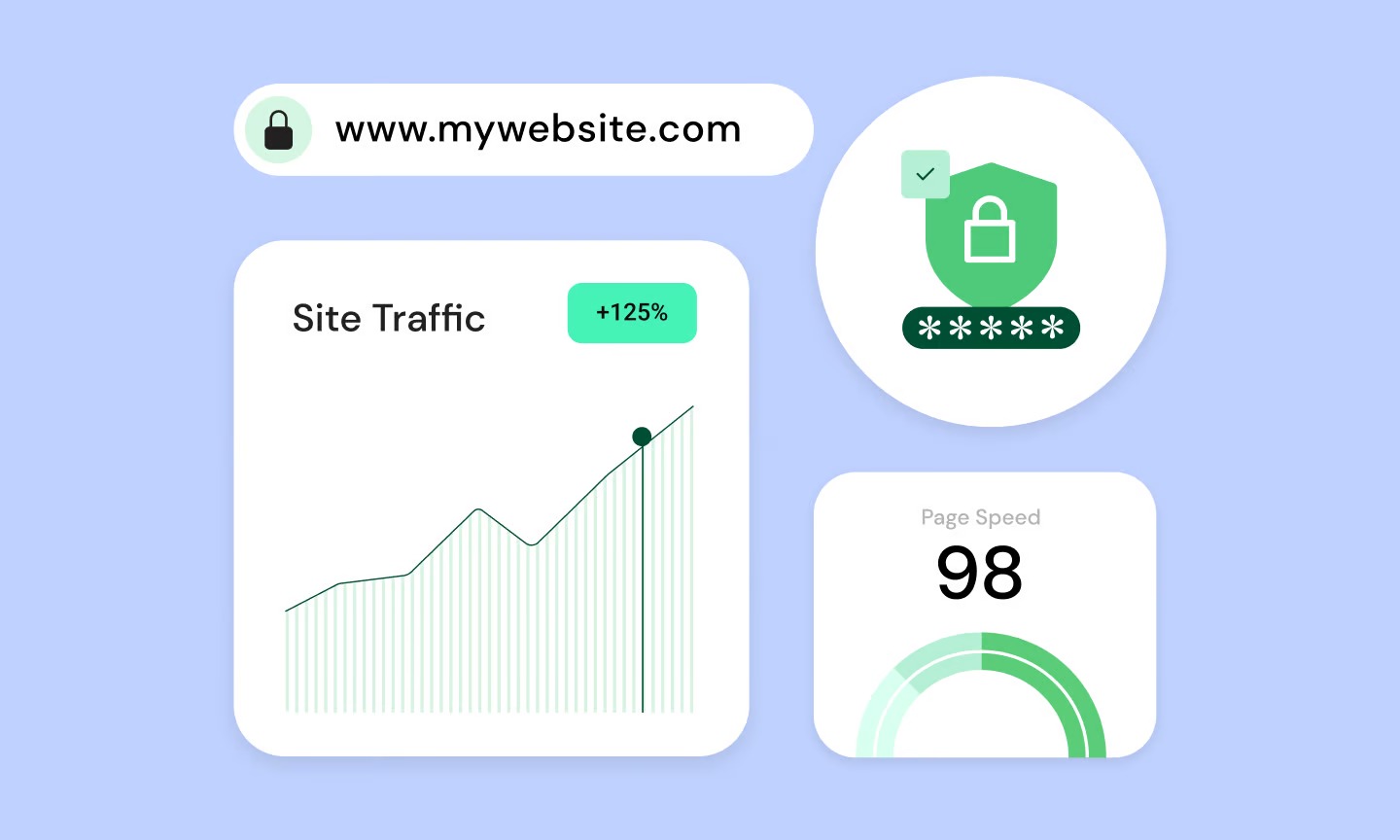
- Security First: The environment includes premium SSL, DDoS protection, and a Web Application Firewall (WAF). It removes the security anxiety often associated with self-hosted WordPress.
- Unified Support: In a fragmented WordPress setup, the host blames the theme, and the theme blames the plugin. With Elementor Hosting, a single support team covers the infrastructure and the software.
3. Accelerated Workflows with Integrated AI
In 2026, AI is not a gimmick; it is an infrastructure requirement. Elementor AI is deeply integrated into the editor to solve the “Blank Page Syndrome.”
- Strategic Planning: The AI Site Planner allows a user to input their business type and goals. The AI then generates a complete site structure, wireframe, and brief. This moves the user from “idea” to “blueprint” in minutes.
- Agentic Capabilities: Tools like Angie (Agentic AI) act as intelligent assistants within the dashboard. You can command Angie to “Create a landing page for the summer sale,” and it will execute the task by pulling from your design system and content assets.
- Content & Code: Inside the editor, users can generate text, translate content, create custom CSS for specific animations, or generate royalty-free images that match the site’s aesthetic.
4. Specialized Entry Points: The Hello Themes
Recognizing that different users have different needs, Elementor provides two distinct starting points via its themes:
- Hello Theme: This is a lightweight, stripped-back framework. It is the “blank canvas” preferred by developers and designers who want maximum performance and zero bloat.
- Hello Biz: This is the entry point for the small business owner. It includes a setup wizard and pre-designed “Business Kits.” It is the helping hand that guides the non-technical user through the initial configuration.
5. Expanding the Business: Commerce and Marketing
A website must drive revenue. Elementor integrates these business functions natively.
- WooCommerce Builder: For those selling products, the WooCommerce Builder allows for the complete visual design of the shopping experience. You are not stuck with a default checkout flow; you can optimize every step of the funnel.
- Reliability Tools: The ecosystem includes utility plugins like Site Mailer to ensure transactional emails are delivered, and the Image Optimizer to keep site assets lightweight.
Deep Dive: The Elementor Ecosystem for Small Business Growth
To fully appreciate why Elementor is the recommended solution, we must look beyond the surface level of “drag and drop” and understand the ecosystem components that support a business. This section breaks down the specific tools that make up the Elementor platform and explains their practical value to a business owner.
1. The Core: Elementor Website Builder
The builder is the creative engine of the platform. It has evolved from a simple WordPress plugin to a sophisticated design tool that rivals professional desktop design software, yet remains accessible in the browser.
- Drag-and-Drop Mechanics: The interface is intuitive. You select widgets (text, images, buttons, maps, reviews) and place them onto the canvas.
- Responsive Design Mode: This is crucial for modern SEO. The editor allows you to switch views to Mobile or Tablet. You can then make specific changes—such as reducing font size or hiding a large background image—that only apply to that specific device. This ensures your mobile experience is optimized, not just a shrunken version of your desktop site.
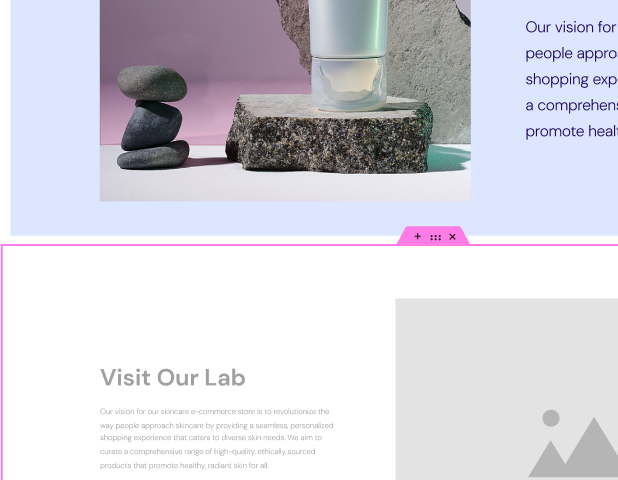
- Theme Builder (Pro): This feature distinguishes Elementor from basic page builders. It allows you to design the “shell” of your site. You can visually design your Header, Footer, 404 Error Page, and Blog Archive. You are not reliant on a theme’s hard-coded layout; you control the entire user journey.
- Popup Builder (Pro): Marketing is essential for growth. The Popup Builder is integrated directly into the design interface. You can create exit-intent popups, top-bar announcements, or lead capture forms. Because it is part of Elementor, you can use the same fonts, colors, and design assets as the rest of your site, ensuring brand consistency.
2. The Infrastructure: Elementor Hosting
Managed WordPress hosting is often a confusing landscape of technical jargon. Elementor Hosting simplifies this by bundling enterprise-grade specs into a user-friendly package.
- Google Cloud Platform C2 Machines: These are high-performance servers usually reserved for high-traffic or enterprise sites. They provide faster processing power, which translates to quicker page loads for your customers.
- Cloudflare Enterprise CDN: Speed depends on geography. A CDN copies your site’s content to servers all over the world. When a customer in London visits your US-based site, they load images from a London server. Elementor includes this premium service by default.
- Staging Environment: This is a safe “sandbox.” You can clone your website with one click, test a new plugin or design change, and then push it to the live site only when you are sure it works. This prevents “breaking” your live store during business hours.
- Daily Backups: Data loss can be catastrophic. The platform automatically backs up your site every day, allowing you to restore to a previous version with a single click if something goes wrong.
3. The Accelerator: Elementor AI
AI in Elementor is not just about writing headlines. It is woven into the fabric of the platform to remove creative and technical blocks.
- Text Generation: You can ask the AI to “Write a catchy headline for a coffee shop” or “Translate this paragraph to Spanish” or “Make this tone more professional.”
- Custom CSS Generation: Sometimes you want a specific design effect, like a button that pulses on hover. In the past, you needed to know CSS code. Now, you simply type “Make this button pulse on hover” into the Code Assistant, and the AI writes and inserts the code for you.
- Image Generation: Finding high-quality, royalty-free stock images is difficult. Elementor AI allows you to generate unique assets directly in the editor. You can also use “Generative Fill” to expand an image that is too small for a banner space.
- Layout Generation: If you are stuck on how to arrange a section, AI containers can suggest structures for your content, speeding up the design process.
4. The Reliability Suite: Utility Plugins
These are the unsung heroes of the ecosystem. They address common WordPress pain points silently in the background, ensuring the “easy” experience remains smooth.
- Image Optimizer: Large images slow down websites. The Image Optimizer automatically compresses and resizes images as you upload them, keeping the site light and fast without you needing to open Photoshop.
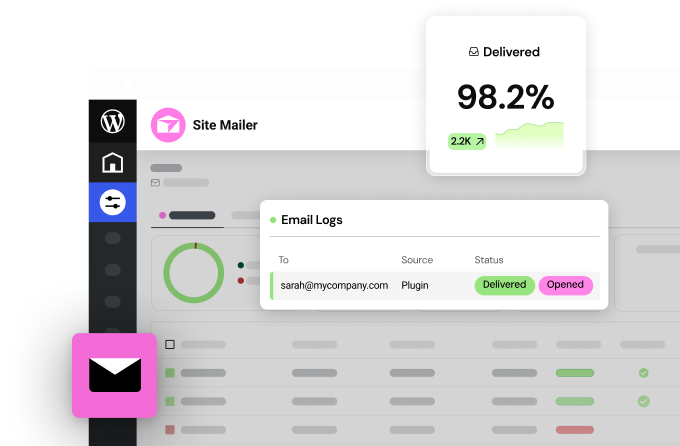
- Site Mailer: WordPress sites sometimes struggle to send transactional emails (like “Password Reset” or “Order Confirmation”) reliably. Site Mailer fixes this delivery issue without requiring complex SMTP server setups.
- Ally: Accessibility is both a legal and ethical requirement. Ally scans your site for accessibility issues (like missing alt text or poor contrast) and helps you fix them, mitigating legal risk and expanding your audience to include users with disabilities.
5. The Starter: Hello Theme vs. Hello Biz
Choosing the right starting point is key to ease of use.
- Hello Theme: The blank canvas. It is fast, stripped-back, and perfect for designers who want total control over every pixel. It adds no styling of its own.
- Hello Biz: The helping hand. It includes a setup wizard and pre-built structure. It is designed for those who want a guided experience to get a professional site up and running in hours, not days.
Why This Matters for Small Business
A small business owner typically wears every hat: CEO, Marketer, IT Support, and Customer Service.
- Consolidation: Having your hosting, builder, marketing, and optimization tools in one account reduces administrative overhead and “context switching.”
- Cost Efficiency: Bundling these services is often significantly cheaper than paying for a high-end host, a premium theme, a popup plugin, an email marketing tool, and an image optimizer separately.
- Focus: It allows the business owner to focus on their product and their customers, rather than managing a fragmented tech stack of disparate tools that may not play well together.
How to Choose: A Decision Framework
If you are weighing the convenience of a closed SaaS tool against the power of the Elementor platform, consider this decision matrix.
1. Define Your Horizon
Are you building a site for today, or for five years from now? If you are building a temporary landing page for an event next month, a SaaS tool is fine. If you are building a business asset that will accrue SEO value and customer data over years, you need the ownership that Elementor provides.
2. Assess Your Need for Customization
Do you need to integrate with a specific local payment provider? Do you need a custom database for real estate listings? WordPress has over 59,000 plugins. If you can dream it, you can build it. Closed platforms have limited app marketplaces that may not cover your niche needs.
3. Calculate the Total Cost of Ownership
SaaS platforms often have low entry prices that scale aggressively as you add features (e.g., charging more for abandoned cart recovery, removing ads, or adding storage). Elementor Pro offers a comprehensive feature set at a flat rate, and because you can choose your hosting environment (or use Elementor’s managed hosting), you have control over your infrastructure costs.
4. Prioritize Performance
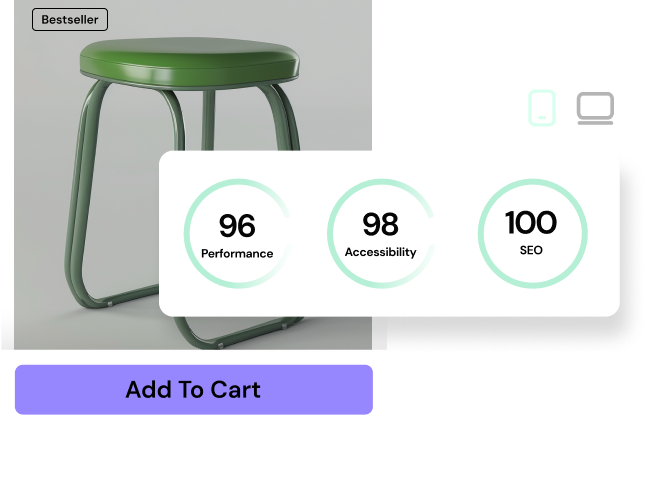
Google’s Core Web Vitals are a ranking factor. You need a platform that allows you to optimize caching, image compression, and code delivery. Elementor’s Image Optimizer and hosting infrastructure are built to satisfy these technical requirements automatically.
Step-by-Step: From Concept to Launch with Elementor
To demonstrate the “ease” of a professional workflow, here is the path a small business owner takes when using the Elementor platform.
Step 1: The AI Strategic Session
Instead of staring at a blank screen, you start with the AI Site Planner. You input: “I am a boutique landscape architect in Seattle targeting high-end residential clients.” The AI processes this and returns a sitemap (Portfolio, Process, Consultation, About) and a wireframe layout that emphasizes visual galleries and trust signals.
Step 2: The Foundation Setup
You sign up for Elementor Hosting. The system automatically provisions a WordPress installation on Google Cloud, installs the Elementor Pro plugin, and sets up your SSL certificate. There is no file transfer or database management required.
Step 3: Theme and Kit Selection
During the onboarding wizard, you select the Hello Biz theme. You browse the Kit Library and choose a “Services” kit that aligns with the AI’s suggestions. This imports all the necessary pages, placeholder images, and global styles.
Step 4: The Design Phase
You enter the editor.
- Text: You click on the hero headline. Elementor AI suggests “Transform Your Outdoor Space into a Sanctuary.” You accept.
- Visuals: You upload your portfolio images. You use the AI image editor to expand a photo that is too narrow for the banner section.
- Branding: You open Site Settings and apply your brand’s specific shade of green. Every button and heading on the site updates to match.
Step 5: Functionality and Commerce
You decide to sell consultation calls. You install a booking plugin. You use the Elementor widget to drag the booking calendar onto your “Consultation” page. You style the calendar to match your fonts. Later, you add a section for selling digital garden plans. You activate WooCommerce and use the WooCommerce Builder to design a clean, minimalist product page that focuses on the images.
Step 6: Accessibility and Optimization
Before launch, you run the Ally tool. It scans your site and flags that your green button text does not have enough contrast against the white background. You fix it with one click. You then run the Image Optimizer to ensure all your high-res portfolio shots are compressed to WebP format for fast loading.
Step 7: Launch and Growth
You hit publish. You immediately set up a lead capture form in the footer offering a “Free Spring Garden Checklist.”
Conclusion: The Strategic Choice
So, what is an easy website builder for a small business? It is one that solves the problems you have today without creating new problems for tomorrow.
While competitors offer a frictionless start, they often introduce friction later when your business needs to pivot, scale, or integrate new technologies. Elementor provides a frictionless start and a frictionless future.
By combining the robust infrastructure of Elementor Hosting, the intelligent workflows of Elementor AI, and the unmatched visual control of the builder, it offers the most robust path for a small business owner who is serious about growth. Your website is your digital storefront. It should be an asset you own, control, and grow. That is the power of the Elementor platform.
Frequently Asked Questions
1. Is Elementor really suitable for someone with zero coding experience? Yes, absolutely. The platform is designed specifically for visual creation. The drag-and-drop interface means you never have to touch a line of code to design a beautiful, functional website. The Hello Biz theme further simplifies this by providing a guided setup wizard and pre-made templates, making it accessible even to complete beginners.
2. How does Elementor’s hosting differ from generic WordPress hosting? Elementor Hosting is a “Managed” service, meaning the infrastructure is specifically tuned for Elementor websites. It runs on the Google Cloud Platform and includes Cloudflare Enterprise CDN, which are premium features usually reserved for enterprise plans. Unlike generic hosting, you get a single point of support for both your hosting and your website builder, eliminating the “blame game” between providers.
3. Can I move my Elementor site to another host later? Yes. This is a major advantage of Elementor being built on WordPress. Unlike closed platforms like Wix or Squarespace, you own your data. You can export your entire site and move it to any hosting provider that supports WordPress. You are never locked in.
4. What is the difference between Elementor Free and Elementor Pro? Elementor Free offers a robust set of 40+ widgets and is great for basic sites. Elementor Pro unlocks the full potential of the platform, including the Theme Builder (to design headers and footers), the WooCommerce Builder (for online stores), the Popup Builder (for marketing), and advanced dynamic content features. For a serious business site, the Pro features are typically essential.
5. How does Elementor help with SEO? Elementor is built with clean code standards and integrates seamlessly with top SEO plugins like Yoast or RankMath. Furthermore, Elementor Hosting boosts SEO by ensuring high-performance load times via its Google Cloud infrastructure. The Image Optimizer also helps by automatically compressing media, a key factor in Google’s Core Web Vitals rankings.
6. Can I use Elementor for an eCommerce store? Yes, Elementor is widely used for eCommerce. The WooCommerce Builder in Elementor Pro allows you to visually design every aspect of your store, from product archives to the checkout page. You can customize the shopping experience to match your brand perfectly, which is often difficult with standard store templates.
7. What is “Agentic AI” and how does it help me? Agentic AI, like Elementor’s Angie, goes beyond just writing text. It acts as an intelligent assistant that can perform tasks within your website. It understands the context of your site and can help execute multi-step workflows, saving you time on management and repetitive tasks. It essentially multiplies your productivity.
8. Is Elementor secure? Yes. Elementor is committed to security. Elementor Hosting provides enterprise-grade security including hardware firewalls, DDoS protection, and a Web Application Firewall (WAF). Additionally, the team regularly updates the software to patch any vulnerabilities, keeping your business data safe.
9. How long does it take to build a website with Elementor? With features like the AI Site Planner and full website kits, you can have a professional site structure and design ready in a matter of hours. The actual time depends on your content preparation, but the platform removes the technical bottlenecks, making the process significantly faster than traditional development.
Looking for fresh content?
By entering your email, you agree to receive Elementor emails, including marketing emails,
and agree to our Terms & Conditions and Privacy Policy.