Table of Contents
For professionals, business owners, and creators, understanding what a website builder is and how it functions under the hood is no longer just technical trivia; it is a strategic necessity. Whether you are launching a global eCommerce brand or a local service portfolio, your choice of technology dictates your scalability, security, and long-term growth.
This guide deconstructs the mechanics of modern website builders, explores their evolution from static HTML to agentic AI, and analyzes the strategic differences between closed SaaS systems and open-source platforms. We will move beyond the surface-level definitions to understand the architecture that powers the modern web.
Key Takeaways
- The “No-Code” Illusion: Website builders do not remove code; they abstract it. They function as visual compilers, translating your drag-and-drop actions into clean, semantic HTML, CSS, and JavaScript in real-time.
- The SaaS vs. Open Source Divide: The market splits into two categories: closed SaaS platforms (offering convenience at the cost of ownership) and open-source solutions (offering limitless freedom). A “Website Builder Platform” like Elementor bridges this gap, providing a SaaS-like experience on an open-source foundation.
- Performance Architecture: Modern builders now integrate managed hosting and performance tools (like image optimization and CDNs) directly into the workflow to combat the historic “bloat” associated with visual editors.
- The AI Shift: We are transitioning from “Generative AI” (creating text/images) to “Agentic AI” (executing complex workflows). Tools like Elementor’s Angie represent the future where AI doesn’t just assist but acts.
- Ecosystem as a Strategy: A builder is only as good as its ecosystem. The most powerful platforms integrate marketing, accessibility, and commerce tools into a single interface, removing the need for fragmented third-party stacks.
Part 1: Deconstructing the Website Builder
What is a Website Builder, Technically?
At its simplest level, a website builder is a software application that allows users to construct websites without manual code editing. However, this definition barely scratches the surface. From a technical perspective, a modern website builder acts as a visual abstraction layer that sits between the user and the browser’s rendering engine.
When you write a document in a word processor, you don’t worry about the binary code saving your keystrokes to the disk. Similarly, when you use a website builder, you interact with a graphical user interface (GUI). You drag a button, resize an image, or change a font. The software intercepts these actions and instantly writes the corresponding code that the browser requires to display that element.
How They Work: The DOM and the “Drag-and-Drop” Mechanic
To truly understand how a builder works, you must understand the Document Object Model (DOM). The DOM is the tree-like structure that browsers use to represent a webpage. Every heading, paragraph, image, and container is a “node” on this tree.
- The User Action: You click a “Heading” widget in the sidebar and drag it onto the canvas.
- The Interception: The builder’s JavaScript engine detects the “drop” event coordinates.
- The DOM Manipulation: The engine dynamically injects a new HTML structure (e.g., <h2>Your Heading</h2>) into the DOM at that specific location.
- The Styling Injection: Simultaneously, the builder writes CSS rules (e.g., font-family: ‘Roboto’; color: #333;) into a stylesheet that targets that specific element.
- The Rendering: The browser repaints the screen instantly, showing you the new heading.
This process happens in milliseconds. The result is a WYSIWYG (What You See Is What You Get) experience. Unlike the early days of web design where you wrote code, saved the file, and refreshed the browser to see if it worked, modern builders provide an immediate, tactile design environment.
The Backend: Where Does the Site Live?
A website builder is not just a design tool; it is deeply tied to the infrastructure—the hosting. This is where the landscape diverges into two distinct architectural models.
1. The Monolithic (Hosted) Model
Platforms like Wix or Squarespace operate on a monolithic architecture. The builder software, the content management system (CMS), and the hosting infrastructure are fused into a single proprietary stack.
- How it works: You log into their cloud. Your data resides on their servers. You build using their proprietary tools.
- The Implication: This offers simplicity. You don’t manage servers. However, you also don’t own the code. You cannot export your site to another host. If you leave the platform, you often lose the site.
2. The Decoupled (Self-Hosted) Model
This is the WordPress model. The software (WordPress + Plugins) is separate from the hosting infrastructure.
- How it works: You install the software on a server of your choice. You own the database and the files.
- The Implication: This offers absolute ownership and flexibility. You can move your site anywhere. However, it traditionally required you to manage the technical stack (updates, security, speed).
3. The Hybrid Evolution: The Platform Approach
Elementor has strategically positioned itself to solve this dichotomy. By offering Elementor Hosting, it provides the managed, optimized, and secure environment of a monolithic platform while retaining the open-source freedom of WordPress. You get the “SaaS experience”—one login, unified support, managed performance—without sacrificing data ownership.
Part 2: The Evolution of Web Creation
To appreciate the power of modern platforms, we must look at the trajectory of web creation.
Generation 1: The Hand-Coded Era (1990s)
In the beginning, there was HTML. To create a website, you opened a text editor (like Notepad) and manually typed tags. Design was rudimentary—mostly text, hyperlinks, and the occasional inline image.
- The Tool: Notepad, TextEdit.
- The Limitation: Zero visual feedback. High technical barrier.
Generation 2: The Early WYSIWYG (2000s)
Tools like Dreamweaver and Microsoft FrontPage introduced the visual interface. They attempted to let users design visually, but the code they generated was notoriously bloated and non-standard. “Table-based layouts” were the norm, which were rigid and broke easily on different screen sizes.
- The Tool: Dreamweaver.
- The Limitation: Bloated code. Not responsive.
Generation 3: The Template Era (2010s)
The rise of the smartphone demanded “Responsive Design.” Early SaaS builders appeared, offering pre-made templates that adjusted to mobile screens. Users filled in the blanks.
- The Tool: Early SaaS platforms.
- The Limitation: Rigid templates. If you wanted to move a logo slightly to the left, you couldn’t. You were stuck within the template’s logic.
Generation 4: The Design Freedom Era (2016-Present)
Elementor spearheaded this shift by introducing a “pixel-perfect” drag-and-drop editor for WordPress. This generation decoupled the content from the structure, allowing users to design every header, footer, and archive page visually, without coding.
- The Tool: Elementor Website Builder.
- The Innovation: Theme Builders, dynamic content, and full responsive control.
Generation 5: The AI & Agentic Era (2024-Beyond)
We are now entering the age of AI. It started with “Generative AI” (writing copy, creating images). It is moving toward “Agentic AI”—assistants that perform tasks.
- The Tool: Elementor AI and Angie.
- The Future: You don’t just drag a widget; you tell the AI, “Build me a portfolio for a photographer,” and it generates the structure, content, and design styles instantly.
Part 3: Categorizing the Landscape: A Strategic Comparison
Not all website builders serve the same purpose. The market is segmented by technical philosophy and target audience.
1. Proprietary SaaS Builders (The “Walled Gardens”)
Examples: Wix, Squarespace, Duda. These platforms focus on the “all-in-one” convenience for beginners. They provide the hosting, the domain, and the builder in one subscription.
- Description: These platforms operate as closed systems. The user interface is typically locked to a specific set of tools and templates provided by the vendor. The hosting environment is shared and managed entirely by the service provider.
- Technical Context: Customization is limited to the features exposed by the platform’s API or app market. Users cannot access the core backend code or migrate the site structure easily to another provider.
2. CMS-Based Builders (The “Open Ecosystems”)
Examples: WordPress with Elementor. These builders sit on top of a Content Management System (CMS). WordPress powers over 43% of the web because of its flexibility.
- Description: The CMS handles the database and content organization. The builder handles the visual presentation.
- Technical Context: The user has full root access to the files and database. This allows for unlimited extensibility via plugins.
- The Advantage: You have access to tens of thousands of plugins. Whether you need a complex booking system, a specific SEO schema tool, or a custom database field, the open-source community has likely already built it.
3. Headless Builders (The “Developer’s Playground”)
Examples: Contentful, Strapi. These separate the “head” (the frontend display) from the “body” (the backend content).
- Description: Content is stored in a structured database and delivered via an API to any device (smartwatch, mobile app, website).
- Technical Context: This architecture requires a frontend framework (like React or Vue.js) to render the site.
- The Advantage: True omnichannel content delivery.
- The Limitation: Extreme technical complexity and cost.
4. The Platform Solution: Elementor
Elementor occupies the “Goldilocks” zone. It provides the Platform experience.
- SaaS-Like Ease: With Elementor Hosting, the technical maintenance (SSL, caching, backups) is handled for you.
- Open-Source Power: You retain full access to the WordPress plugin repository and custom code.
- Integrated Workflow: Tools like the AI Site Planner and Image Optimizer are natively integrated, removing the need to stitch together disparate tools.
Part 4: Key Features and Mechanisms of a Modern Platform
When evaluating a website builder, you must look beyond the basic ability to add text and images. A professional platform integrates performance, marketing, and intelligence into the core workflow.
1. The Creative Engine: Visual Editing and Responsiveness
The core value of a builder is Design Freedom. You should not be limited to a template’s constraints.
- Pixel-Perfect Control: Look for features like flexbox containers and CSS grid integration. These allow you to align elements precisely—centering content, creating complex multi-column layouts, and overlapping elements using Z-index.
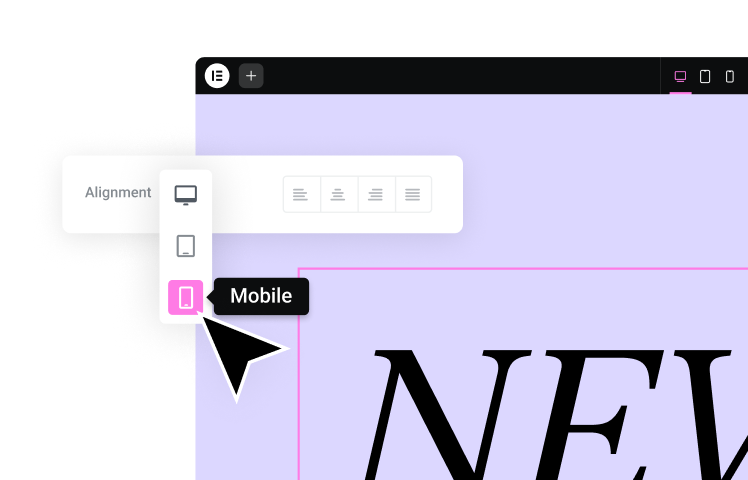
- Responsive Editing: A modern builder must allow you to design specifically for Mobile, Tablet, and Desktop. This includes changing font sizes, padding, and even hiding specific elements based on the device. Elementor’s Hello Theme provides a lightweight, blank canvas optimized for this level of control.
2. The Intelligence Layer: Integrated AI
AI is no longer a novelty; it is a workflow accelerator.
- Generative AI: Integrated tools like Elementor AI allow you to generate text, translate content into multiple languages, and even create custom CSS code directly within the editor.
- Contextual Awareness: The best AI tools understand the context. If you ask for a “headline,” it knows you are editing a hero section and adjusts the tone accordingly.
- Planning: The AI Site Planner shifts the workflow left. Instead of starting with a blank page, you input your business details, and the AI generates a comprehensive site architecture, wireframes, and initial content in minutes.
3. The Commerce Engine: Transactional Capabilities
For an online store, the builder must integrate deeply with a commerce backend.
- The WooCommerce Connection: WordPress uses WooCommerce, the world’s most popular eCommerce software. A builder like the WooCommerce Builder allows you to customize the product templates—the single product page, the cart, the checkout—visually. You are not stuck with the default, generic shop layout.
- Dynamic Data: The builder must be able to pull dynamic data (price, SKU, stock status) and display it within your custom design.
4. The Performance Layer: Hosting and Optimization
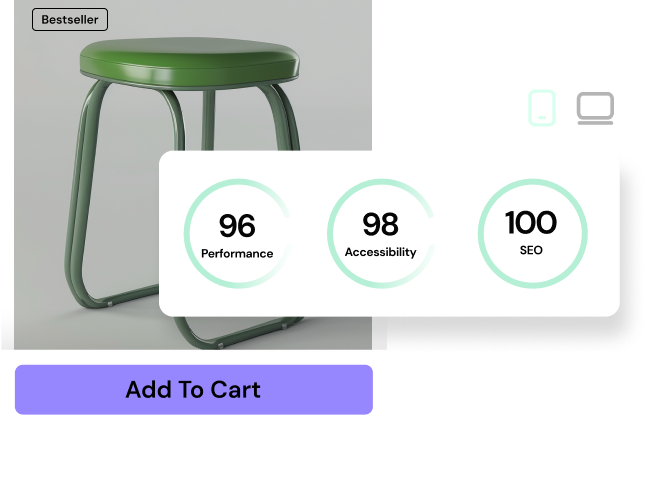
A beautiful site that loads slowly is a failure. Performance is now a core component of the builder stack.
- Managed Hosting: Elementor Hosting sits on Google Cloud Platform C2 servers, optimized specifically for the builder’s code.
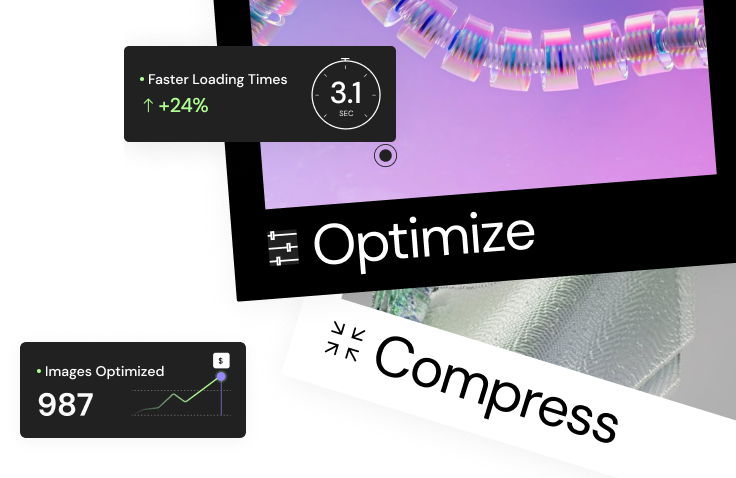
- Image Optimization: Large images are the primary culprit for slow sites. Tools like the Image Optimizer automatically compress and convert images to WebP or AVIF formats upon upload, ensuring high visual quality with low file size.
- CDN Integration: A Content Delivery Network (like Cloudflare Enterprise) caches your content on servers globally, serving it to visitors from the closest location to reduce latency.
5. The Growth Layer: Marketing and Engagement
Building the site is step one. Growing the audience is step two. A platform approach integrates these tools.
- Lead Capture: Built-in form builders and popup creators allow you to capture emails without needing external plugins.
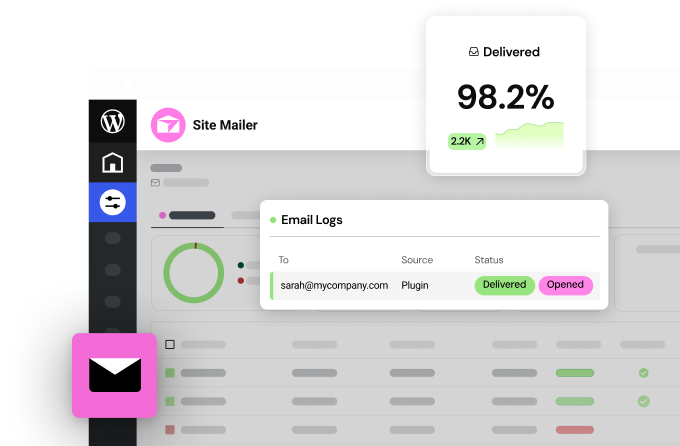
- Email Marketing: Tools like Send by Elementor (and Site Mailer) ensure that your newsletters and transactional emails (password resets, order confirmations) actually reach the inbox, bypassing the notoriously unreliable default WordPress mail function.
Part 5: Strategic Workflows – How to Build a Website
Creating a professional website follows a structured workflow. Here is how the modern stack facilitates each stage.
Phase 1: Strategy and Planning
- The Old Way: Sketching on paper, writing Word documents, emailing back and forth with clients.
- The Platform Way: Use the AI Site Planner. You prompt the system with the client’s industry (e.g., “High-end Italian Restaurant”) and goals. It outputs a sitemap, a list of required pages, and even low-fidelity wireframes. This aligns the client and the creator instantly.
Phase 2: The Setup
- The Old Way: Buying a domain, finding a host, configuring DNS, installing WordPress via FTP, finding a theme.
- The Platform Way: Sign up for Elementor Hosting. The WordPress installation, SSL certificate, and Hello Theme are pre-installed and configured. You are ready to build in 60 seconds.
Phase 3: Design and Build
- The Old Way: Hacking a purchased theme, fighting with rigid code.
- The Platform Way: Import the wireframe from the planner. Use the Elementor Website Builder to drag and drop elements. Use Global Styles (Design System) to set the brand’s colors and typography once, applying them across the entire site. Use Elementor AI to write the “About Us” copy and generate unique background images.
Phase 4: Extension and Functionality
- The Old Way: Hiring a developer to code a custom post type or a specific interaction.
- The Platform Way: Use Elementor Pro features. Need a portfolio? Use the Loop Grid. Need a popup? Use the Popup Builder. Need accessibility compliance? Install the Ally by Elementor plugin to scan and fix accessibility issues, ensuring inclusivity and legal compliance.
Phase 5: Optimization and Launch
- The Old Way: Manually resizing images in Photoshop, installing caching plugins, praying for a good Google PageSpeed score.
- The Platform Way: The Image Optimizer handles the media. The hosting infrastructure handles the caching. You essentially press “Publish.”
Part 6: User Personas – Who Needs a Website Builder?
Different users leverage these tools in distinct ways.
1. The Small Business Owner (The DIYer)
The Need: Speed, simplicity, and cost-effectiveness. They need to get online to sell services or products. The Solution: They typically start with a theme like Hello Biz. It provides a “guided” experience with pre-made kits. They use the visual editor to change text and images. They rely on integrated tools like Site Mailer to ensure their contact forms work.
2. The Marketing Professional
The Need: Agility. They need to launch landing pages for campaigns, run A/B tests, and capture leads without waiting for the IT department. The Solution: They use the Landing Page Builder features. They leverage the Popup Builder for exit-intent offers. They use Elementor AI to quickly rewrite copy for different ad segments.
3. The Web Creator / Freelancer
The Need: Efficiency and scalability. They sell websites to clients. They need to build high-quality sites fast to maximize their margin. The Solution: They use the full platform. The AI Site Planner streamlines their sales process. Elementor Hosting gives them a reliable place to host client sites with a unified dashboard. They use Elementor Pro to build custom dynamic templates (e.g., Real Estate listings) that allow their clients to update content easily.
4. The Agency
The Need: Collaboration and consistency. They manage hundreds of sites. The Solution: They utilize the open-source nature of WordPress to build custom extensions on top of Elementor. They use the Notes feature for team feedback directly on the canvas. They rely on the enterprise-grade security of the hosting to protect their client portfolio.
Part 7: The Future of Web Creation
The definition of a “website builder” is expanding. We are moving toward a Digital Creation OS.
1. From “No-Code” to “Pro-Code” Integration
The future is not about eliminating code but making it accessible. Features like “Custom Code” areas allow developers to inject JavaScript snippets, while the visual builder handles the layout. This hybrid approach ensures that the platform never limits the creator.
2. Sustainability and the Web
The internet consumes a massive amount of energy. Sustainable web design is becoming a priority. Builders that output cleaner code and optimize media (like Elementor’s Image Optimizer) contribute to a lower carbon footprint by reducing the data transfer required to load a page.
3. Agentic AI and Automation
We are witnessing the rise of tools like Angie. This is not just a chatbot. It is an agent that can execute multi-step workflows.
- Command: “Angie, analyze my site for SEO errors and fix the meta tags.”
- Action: The agent crawls the site, identifies missing descriptions, generates them using the brand’s tone, and applies them to the database. This shifts the role of the web creator from “assembler” to “director.”
Conclusion
A website builder is no longer just a “tool” for amateurs. It has matured into a sophisticated Platform that powers a significant portion of the internet. It bridges the gap between the technical complexity of coding and the creative vision of the user.
For the modern creator, the choice is clear. You no longer have to choose between the ease of a walled garden and the power of open source. Platforms like Elementor offer a unified ecosystem—hosting, building, optimizing, and growing—that empowers you to build the future of the web, pixel by pixel.
Frequently Asked Questions (FAQ)
1. What is the main difference between a website builder and a Content Management System (CMS)? A CMS (like WordPress) manages the content—your blog posts, products, and media—in a database. A website builder controls the visual presentation of that content. Modern solutions often combine both; Elementor, for example, is a visual builder that operates on top of the WordPress CMS, giving you the best of both worlds.
2. Can I switch website builders after I have built my site? With proprietary SaaS builders (like Wix or Squarespace), switching is difficult because you cannot export the code. You essentially have to rebuild from scratch. With an open-source platform like WordPress + Elementor, you own your data. While you would need to redesign the layout if you switch builders, your core content (text, images, blog posts) remains in your database and is easily portable.
3. Do professional web developers use website builders? Yes. Many agencies and developers use professional builders like Elementor Pro to speed up the development process. It allows them to handle the structural layout quickly while focusing their coding efforts on custom functionality and advanced integrations, rather than reinventing the wheel for every header and footer.
4. How does a website builder affect my site’s SEO? Modern builders are capable of producing excellent SEO results. Key factors include the cleanliness of the code, mobile responsiveness, and loading speed. Platforms like Elementor allow you to optimize heading tags (H1, H2), edit meta descriptions, and integrate with top SEO plugins. Furthermore, using integrated performance tools like Elementor Hosting and Image Optimizer ensures your Core Web Vitals are green, which is a ranking factor for Google.
5. Is it better to use a free website builder or a paid one? Free versions (like Elementor Free) are excellent for personal projects, portfolios, or simple blogs. However, for a business, a paid version (Elementor Pro) is usually necessary. It unlocks essential marketing tools (forms, popups), eCommerce capabilities (WooCommerce Builder), and dynamic content features that are critical for a professional, conversion-focused website.
6. What is “Headless” web design, and do I need it? Headless design separates the frontend (what users see) from the backend (where content is stored). It is powerful for enterprise brands delivering content to apps, smartwatches, and websites simultaneously. For 99% of businesses and creators, a standard decoupled or monolithic builder is more than sufficient and significantly easier and cheaper to manage.
7. Can I build an online store with a website builder? Absolutely. Specialized tools like the WooCommerce Builder allow you to design comprehensive eCommerce stores. You can customize product pages, cart flows, and checkout experiences. When paired with Ecommerce Hosting, you get a secure, high-performance environment capable of handling transactions.
8. How do I ensure my website is accessible to people with disabilities? Accessibility is critical for legal compliance and user inclusivity. While manual testing is important, using tools like Ally by Elementor can automate the process. It scans your site for violations (like poor contrast or missing alt text) and helps you fix them, ensuring your site is usable by everyone.
9. What happens if my website builder goes out of business? If you use a closed SaaS platform and they shut down, you could lose your site. This is a key argument for using an open-source foundation like WordPress. Even if a specific plugin or theme provider disappears, the core software (WordPress) belongs to the community and will continue to function, allowing you to migrate or adapt.
10. How does AI change the way I should choose a builder? Look for a builder that integrates AI into the workflow, not just as a gimmick. Features like the AI Site Planner (for strategy) and Angie (for executing tasks) show that a platform is future-proof. AI should help you work faster and overcome creative blocks, serving as a co-pilot rather than just a text generator.
Looking for fresh content?
By entering your email, you agree to receive Elementor emails, including marketing emails,
and agree to our Terms & Conditions and Privacy Policy.