Table of Contents
The digital landscape has evolved to the point where “no-code” tools are powerful enough to build professional-grade websites without writing a single line of HTML or CSS. However, understanding the trade-offs between a “forever free” plan on a SaaS (Software as a Service) platform versus the open-source freedom of WordPress combined with a powerful builder like Elementor is critical for your long-term success. This guide will walk you through every aspect of building a website for free, analyzing the market options objectively, and explaining why a strategic approach to your tech stack matters more than just the initial price tag.
Key Takeaways
- “Free” often comes with caveats: Most SaaS builders (like Wix or Weebly) place advertisements on your site and restrict you to a subdomain (e.g., https://www.google.com/search?q=brand.platform.com) on their free plans.
- Ownership matters: Open-source solutions like WordPress provide full ownership of your data and content, unlike proprietary platforms where you rent the infrastructure.
- Elementor offers a robust free tier: Unlike many competitors that gate essential design tools, the free version of Elementor provides a comprehensive visual builder, responsive controls, and access to the Hello Theme framework.
- Scalability is key: Starting free is great, but you need a platform that grows with you. A modular ecosystem allows you to add features (like eCommerce or advanced marketing tools) only when you need them.
- Performance impacts SEO: Free hosting environments on some platforms can be slow. Choosing a lightweight theme and optimized builder helps maintain high Core Web Vitals even on a budget.
The Landscape of Free Website Builders in 2025
When you ask, “Is there a free website builder?”, you are essentially asking about two different categories of software. It is vital to distinguish between them to make an informed decision that suits your technical comfort level and business goals.
1. The “Freemium” SaaS Model
This is the most common model you will encounter. Platforms like Wix, Weebly, and Webflow operate on a subscription basis but offer a basic tier at no cost.
- The Proposition: You sign up, pick a template, and publish a site in minutes without paying a dime.
- The Catch: These platforms are businesses. Their free tier is designed to be a funnel into their paid plans. As a result, your “free” website will typically display conspicuous advertisements for the platform (e.g., “This site was built with…”). You will not be able to connect a professional custom domain (like yourbrand.com), forcing you to use a generic subdomain. Additionally, storage and bandwidth are often capped, which can limit your site’s ability to handle traffic or high-quality media.
2. The Open Source Model (WordPress)
This model operates differently. The software itself (WordPress) is free to download and use.
- The Proposition: You have access to the same software used by Fortune 500 companies and major publishers. There are no arbitrary limits on features, pages, or design capabilities imposed by the software itself.
- The Catch: While the software is free, it needs a place to live. You typically need to arrange for hosting. However, the ecosystem is vast. You can find free hosting tiers, minimal-cost hosting, or even set up a local development environment on your own computer to build your site completely for free before migrating it live.
Expert Insight: According to digital marketing expert Itamar Haim, “The most expensive mistake a new business can make is building their foundation on rented land. Starting with a platform that limits your data ownership or ability to scale might save money today but will cost significantly more in migration fees and lost SEO equity tomorrow.”
Critical Features to Look for in a Free Builder
Not all free builders are created equal. If you are committed to launching a site without a budget, you must ensure the tool you choose doesn’t handicap your potential for growth.
Full Responsive Control
Mobile traffic accounts for over half of all web traffic. A free builder must allow you to edit your mobile view independently of the desktop view. Some platforms automate this but offer little manual control, leading to awkward layouts on smaller screens. Look for tools that let you hide elements, adjust padding, and resize fonts specifically for mobile devices.
Design Granularity
Can you adjust the margin and padding of a specific container? Can you change the hover state of a button? Many simplified free builders offer “blocks” that are rigid. You can place them, but you cannot style them deeply. Professional results require granular control over typography, colors, and spacing.
Marketing & SEO Capabilities
A beautiful site is useless if no one can find it. Your builder should allow you to edit meta titles, descriptions, and alt text for images. It should produce clean code that search engines can crawl easily.
Top Free Website Builders Reviewed
To help you navigate the market, here is an objective look at the most prominent players offering free plans.
Wix
Wix is a widely known SaaS website builder that uses a drag-and-drop interface.
- Free Plan Features: Access to the visual editor and a wide selection of templates. You can create an unlimited number of pages.
- Limitations: The free plan displays a prominent banner ad at the top of every page. You cannot connect a custom domain. Storage is limited to 500MB, and bandwidth is capped at 500MB, which restricts the amount of media you can host and the traffic you can receive.
Weebly
Weebly, owned by Square, focuses on ease of use and e-commerce integration.
- Free Plan Features: Includes an SSL certificate and basic eCommerce features like inventory management.
- Limitations: Similar to Wix, Weebly places a footer ad on your site. The customization options are more rigid, relying on a grid-based system that offers less creative freedom than unstructured editors. Domain connection is reserved for paid plans.
Webflow
Webflow positions itself as a tool for designers and developers, offering a visual interface for writing code.
- Free Plan Features: Full access to their powerful design engine, including interactions and animations.
- Limitations: The free “Starter” plan is limited to only two pages (a home page and one other). This makes it unsuitable for most standard business websites or blogs. It functions more as a sandbox for testing the tool than a viable free hosting solution for a live project. CMS items are capped at 50.
WordPress.com
It is important to distinguish this from the open-source WordPress.org software. WordPress.com is a hosted service similar to Wix.
- Free Plan Features: Reliable hosting and maintenance. Access to basic themes.
- Limitations: You cannot install custom plugins or upload custom themes on the free plan. This severely limits the extensibility that WordPress is famous for. You are restricted to the features provided by the platform until you upgrade to a higher-tier business plan.
The Strategic Choice: WordPress + Elementor
If your goal is to build a professional, scalable website for free (or near-free), the combination of WordPress (the open-source software) and the Elementor Website Builder (the free plugin) offers the highest value ceiling.
This stack places you in the “Prosumer” category. You are not relying on a “walled garden” that hides the code and restricts your access. Instead, you are building on a platform that powers over 40% of the web.
Why this combination wins on “Free”:
- No Arbitrary Limits: Elementor’s free version does not limit the number of pages you can build, the number of visitors you can receive, or the storage you use (that is determined by your host).
- Professional Design Tools: You get access to features often reserved for paid tiers on other platforms, such as intricate shape dividers, background videos, and comprehensive mobile editing controls.
- The Ecosystem Advantage: Because you are on WordPress, if Elementor doesn’t have a specific feature you need in the free version, you can likely find another free WordPress plugin to fill that gap. This modularity is impossible on closed platforms like Squarespace or Wix.
https://elementor.com https://elementor.com/wordpress
Deep Dive into Elementor’s Free Capabilities
Many users assume that a “free” version of a premium plugin must be a stripped-down demo. However, Elementor’s free offering is a fully functional product that serves as the creative engine for millions of live websites.
The Visual Editor: A True “What You See Is What You Get”
The core value of Elementor is its live, front-end editor. You are not filling out forms in a dashboard and hitting “preview” to see if it worked. You are designing directly on the canvas.
- Drag and Drop: You can drag widgets (like headings, images, text editors, and buttons) from the sidebar and drop them exactly where you want them.
- Navigator: For complex pages with many layers, the Navigator provides a tree-view of your page structure, allowing you to move sections and columns with precision.
- History & Revisions: Made a mistake? Elementor includes a history panel that lets you undo actions or revert to previous saved versions of your page—a lifesaver for beginners.
The Hello Theme: Your Professional Canvas
A common struggle with free building is fighting against a theme that has too many pre-set styles. Elementor provides the Hello Theme, which is free, open-source, and specifically engineered to work with the builder.
- Performance: It is incredibly lightweight, containing almost no styling code out of the box. This ensures your site loads fast, which is crucial for SEO and user experience.
- Compatibility: Because it is built by the same team, you never have to worry about plugin conflicts or updates breaking your layout.
Hello Biz: The Beginner’s Launchpad
Recognizing that a blank canvas can be intimidating for new users, Elementor introduced Hello Biz. This is a variation of the Hello Theme designed specifically for small businesses and DIYers who need a head start.
- Guided Setup: Unlike the standard Hello Theme, Hello Biz often includes an onboarding wizard that helps you set up the basics.
- Pre-set Styles: It comes with “business-ready” styling, so your buttons, headings, and fonts look polished immediately, reducing the design burden on the user.
Mobile Responsiveness
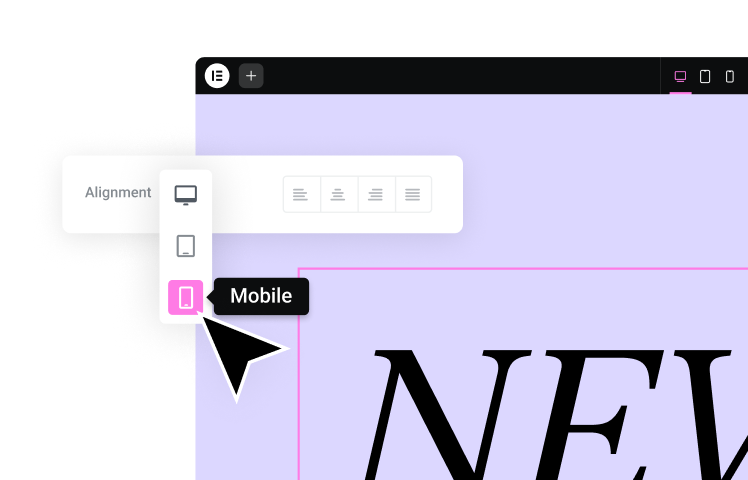
In the free version of Elementor, you have access to “Responsive Mode.” This allows you to toggle the view between Desktop, Tablet, and Mobile.
- Device-Specific Settings: You can change the font size of a heading so it is 40px on Desktop but only 24px on Mobile. You can reverse column ordering so that an image appears above text on mobile, even if it’s beside it on desktop. This level of control is often absent in other free builders.
Step-by-Step Guide: Building Your Free Site with Elementor
If you are ready to start, here is the roadmap to launching your site using this stack.
Step 1: Secure Your Foundation (Hosting)
While the software is free, the server space costs money. However, there are ways to do this for free or very cheaply:
- Local Development (Free): Tools like “LocalWP” allow you to install WordPress on your own computer. You can build your entire site, perfect the design, and add content completely for free. You only pay for hosting when you are ready to publish it to the world.
- Free Hosting Tiers: Some providers offer limited free hosting. While these are not recommended for high-traffic business sites due to reliability concerns, they are excellent for portfolios or testing.
Step 2: Installation
Once you have your WordPress environment (local or hosted):
- Go to your WordPress Dashboard.
- Navigate to Appearance > Themes and search for Hello Elementor. Install and Activate it.
- Navigate to Plugins > Add New and search for Elementor. Install and Activate the plugin.
Step 3: Site Structure with AI Site Planner
Before you start dragging widgets, you need a plan. Elementor offers an AI Site Planner. Even on a free account, you can often utilize trial capabilities to help structure your sitemap.
- Action: Input your business type and goals. The AI will suggest a list of pages (Home, About, Services, Contact) and the sections needed on each page. This acts as your blueprint, saving you hours of guessing.
Step 4: Designing with Kits
You don’t need to be a designer. Elementor provides a Library of templates.
- Blocks: Pre-designed sections (e.g., a “Contact Us” block or a “Hero” section). You can mix and match these to build a unique page.
- Pages: Full page designs that you can import and simply swap out the text and images.
- Kit Library: Full website kits that include consistent styling for every page of your site. While many kits are Pro, there is a selection of free kits available to get you started.
Step 5: Optimization
Once your content is in, you need to ensure it loads fast. Large images are the number one cause of slow sites.
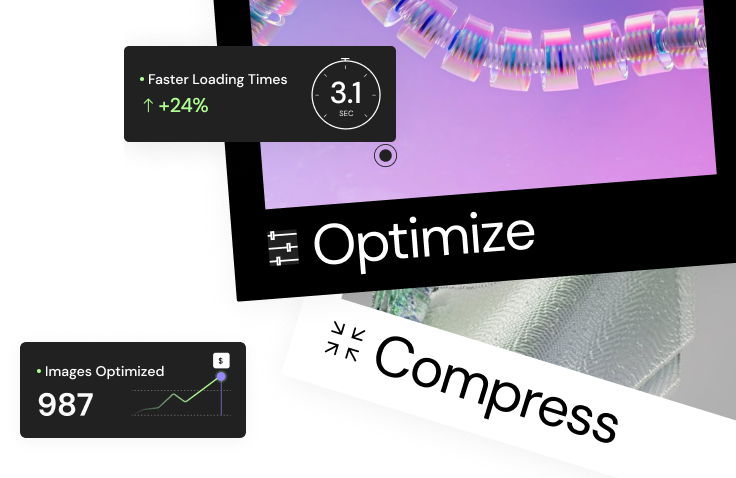
- Image Optimizer: You can use the Image Optimizer by Elementor plugin. It compresses your images and converts them to next-gen formats like WebP. This is critical for maintaining a high “PageSpeed” score, which Google uses as a ranking factor.
When to Upgrade: Moving from Free to Pro
You can run a successful website on the free version of Elementor indefinitely. However, as your business grows, your needs might evolve. It is important to understand where the “ceiling” of the free version lies so you can plan your roadmap.
1. Global Customization (Theme Builder) In the free version, you edit each page individually. If you want to change the layout of your Header or Footer, you are somewhat limited by your theme’s capabilities. Elementor Pro’s Theme Builder allows you to design custom Headers, Footers, and Blog Post templates visually and apply them globally across your site.
2. eCommerce Functionality If you plan to sell products, you can use the free WooCommerce plugin with the free Elementor version. However, you will be restricted to the default WooCommerce styling for your product pages and checkout. The WooCommerce Builder in Elementor Pro allows you to customize every aspect of the shopping experience, from the “Add to Cart” button to the product image gallery.
3. Dynamic Content For advanced sites (like real estate listings or directories), you need “Dynamic Content”—where the design stays the same, but the content changes based on the database. This is a core feature of the Pro platform.
Common Pitfalls of “Free Forever” SaaS Plans
When evaluating competitors, look closely at the long-term implications of their free plans.
- The Subdomain Trap: Using mybusiness.wixsite.com looks unprofessional to customers and makes it incredibly difficult to build authority with search engines. If you ever switch platforms, you cannot redirect traffic from that subdomain to your new site; you lose all your SEO history.
- Platform Lock-in: On proprietary SaaS platforms, you cannot export your code. If you outgrow the platform or disagree with their pricing changes, rebuilding your site elsewhere is a manual, painful process. With WordPress and Elementor, you can export your content and move to any host in the world.
- Advertising: Nothing screams “amateur” louder than a banner ad for a website builder at the top of your professional portfolio. It actively markets a different product to your visitors, potentially distracting them from your call to action.
Future-Proofing Your Digital Presence
Building a website is not a one-time event; it is an ongoing process. The “free” solution you choose today must be able to support the business you want to have five years from now.
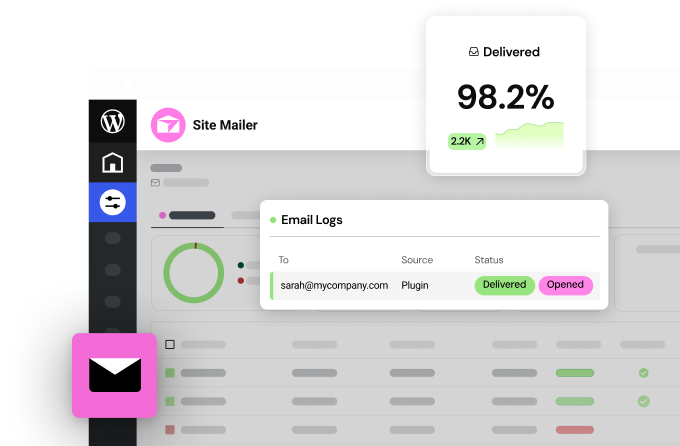
Choosing a modular ecosystem like Elementor means you are not paying for features you don’t need yet, but they are there when you are ready. You might start with the free builder and a local hosting environment. Six months later, you might invest in Elementor Hosting for better speed and security. A year later, you might add Send by Elementor to handle your email marketing.
https://elementor.com/hosting https://elementor.com/products/site-mailer
This approach aligns your costs with your revenue. You are not forced into an expensive monthly subscription before you have made your first sale, but you are also not hitting a “glass ceiling” where your free builder cannot handle your growth.
Video Resources for Visual Learners
To assist you in setting up your site, here are several in-depth tutorials that cover the ecosystem features mentioned above:
- On Accessibility: https://www.youtube.com/watch?v=-2ig5D348vo
- On AI Features: https://www.youtube.com/watch?v=QKd7d6LueH4
- On Building Basics: https://www.youtube.com/watch?v=gvuy5vSKJMg
- On Hosting: https://www.youtube.com/watch?v=cmx5_uThbrM&pp=0gcJCcYJAYcqIYzv
- On Advanced Design: https://www.youtube.com/watch?v=sK7KajMZcmA
FAQs: Common Questions About Free Website Building
1. Is Elementor really free, or is it just a trial? Elementor offers a completely free version of its plugin that is not a trial. It does not expire, and you can use it on as many sites as you like. It includes over 40 widgets and full drag-and-drop capabilities. The Pro version is an optional upgrade for advanced features, but the free version is a standalone, powerful product.
2. Can I use my own domain name with a free Elementor site? Yes. Unlike SaaS builders that force a subdomain on their free plans, Elementor works with self-hosted WordPress. This means if you purchase a domain (usually around $10-$15/year) and have hosting, you can use your custom domain immediately, with no restrictions from Elementor.
3. Do I need to know how to code to use the free version? No. Elementor is a “No-Code” platform. You build your site visually. However, if you do know code, Elementor is developer-friendly and allows you to add custom CSS or HTML if you choose to, giving you the best of both worlds.
4. How does the “Hello Theme” help me build for free? The Hello Theme is a free, “blank canvas” theme. Many free themes in the WordPress repository are bloated with settings or lock features behind a paywall. Hello is completely free, lightweight, and designed simply to hold your Elementor content without adding code bloat, ensuring your site is fast and efficient.
5. Is the free version of Elementor responsive for mobile? Absolutely. The free version includes the full “Responsive Mode.” You can switch views to Tablet and Mobile and make design changes that only apply to those devices. You can also reverse column orders and hide specific elements on mobile, giving you full control over the user experience.
6. Can I build an online store for free? Yes. You can install the free WooCommerce plugin alongside the free Elementor plugin. This allows you to list products, add a cart, and process payments. While you won’t have the advanced “WooCommerce Builder” features of Elementor Pro (like custom product page design), the functional capability to sell is fully available in the free stack.
7. What is the difference between Hello Theme and Hello Biz? The Hello Theme is a minimalist framework favored by designers who want to build everything from scratch. Hello Biz is a variation of that theme designed for beginners and small business owners; it includes an onboarding wizard and pre-configured styles to help you launch a site faster without needing to make as many design decisions upfront.
8. Will my site show ads if I use Elementor? No. Elementor does not inject ads into your website. The content on your page is 100% yours. This is a significant difference compared to the free tiers of Wix or Weebly, which often force branding onto your site.
9. Can I use AI tools with the free builder? Yes, Elementor has integrated AI tools. While there may be usage limits or trial credits associated with the generative AI features (like text and image generation), the AI Site Planner and other workflow assistants are integrated into the ecosystem to help you plan and build more efficiently.
10. How do I optimize images on a free site? Large images slow down sites. You can use the Image Optimizer by Elementor plugin. It offers optimization features to compress your images and serve them in modern formats, helping you maintain a fast site without needing a paid subscription for an external service.
Conclusion
The answer to “Is there a free website builder?” is a resounding yes. But the smart answer is to look beyond the “free” label and examine the architecture of the platform.
A free plan on a closed SaaS platform is often a rental agreement with heavy restrictions—you don’t own the land, you can’t paint the walls the color you want, and the landlord puts a billboard in your front yard.
In contrast, choosing the open-source path with WordPress and Elementor is like building your own house. You might have to lay the foundation yourself (hosting), but you own the structure, you control the design, and you have the freedom to expand it whenever you like. With tools like the Hello Theme, the AI Site Planner, and a vast library of free widgets, Elementor provides a “free” experience that doesn’t feel like a compromise. It feels like a professional toolkit, accessible to everyone.
For creators ready to build without boundaries, the path is clear. Start with the powerful free tools available to you, own your content, and build a digital presence that can grow as fast as your ambition.
Looking for fresh content?
By entering your email, you agree to receive Elementor emails, including marketing emails,
and agree to our Terms & Conditions and Privacy Policy.