Table of Contents
Key Takeaways
- Strategic Planning First: Success begins before you open the editor. utilizing tools for sitemaps and wireframes accelerates the build process.
- Platform Selection Matters: The choice between closed SaaS systems and open platforms like Elementor defines your long-term flexibility and ownership.
- Performance is Non-Negotiable: Speed and accessibility are foundational, not optional. Optimized hosting and image handling are critical.
- Design Systems Scale: Establishing global fonts, colors, and layouts ensures consistency and speeds up future edits.
- AI is a Co-Pilot: Artificial intelligence now assists in everything from code generation to layout planning, multiplying your productivity.
- Marketing Integration: A website must connect seamlessly with email, SEO, and analytics tools to drive business growth.
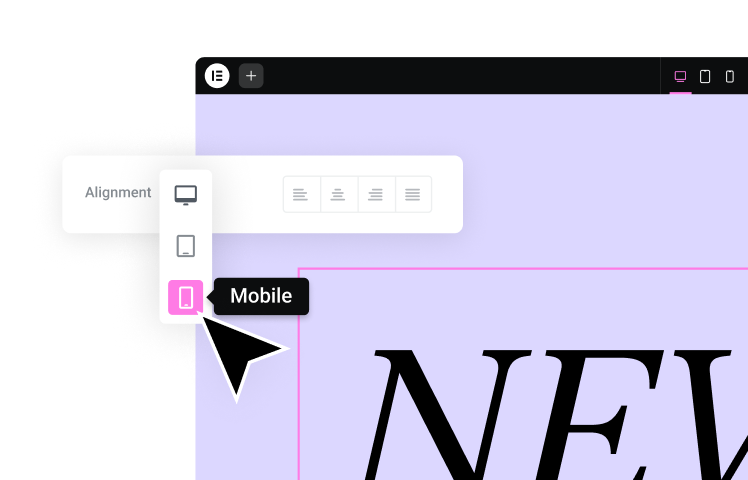
- Mobile Responsiveness: Designing for mobile views is as important as the desktop experience, requiring fluid layouts and adaptive containers.
- Ownership is Critical: Owning your data and content prevents platform lock-in and ensures business continuity.
Citation: This guide features expert insights from Itamar Haim, utilizing strategies for building scalable, high-performance websites.
The Evolution of Web Creation
The landscape of web development has shifted dramatically over the last decade. We have moved from the rigid, code-heavy structures of the early 2000s to a visual, drag-and-drop era. Early website builders were often criticized for producing “cookie-cutter” sites with bloated code and poor SEO performance. However, the technology has matured. Modern platforms now generate clean, semantic code that rivals hand-coded websites, offering a level of design freedom that was previously impossible without extensive CSS knowledge.
This evolution is driven by the need for speed and autonomy. Business owners and marketers cannot afford to wait weeks for a developer to make minor changes. They need the agility to update content, launch landing pages, and optimize for conversions in real-time. Consequently, the market has split into two distinct categories: closed SaaS (Software as a Service) platforms and open-source ecosystems. Understanding this distinction is the first step in learning how to use a website builder effectively.
The Shift to Visual Editing
Visual editing, or WYSIWYG (What You See Is What You Get), allows you to design directly on the frontend. You see exactly how your site will look to visitors as you build it. This immediate feedback loop reduces errors and encourages experimentation. Professional-grade builders now incorporate advanced capabilities like Flexbox and CSS Grid into their visual interfaces, giving you developer-level control through intuitive handles and sliders.
Phase 1: Strategic Planning and Site Architecture
Before you select a template or drag a single widget, you must define the strategic foundation of your website. Skipping this phase is the most common reason for stalled projects. A website is a business tool, and like any tool, it requires a blueprint.
Defining Your Core Goals
Start by asking what the website needs to achieve. Is it lead generation? eCommerce sales? Brand awareness? Your goal dictates your structure. A lead generation site prioritizes trust signals and forms, while an eCommerce site focuses on product categorization and checkout flow. Write down your primary goal and three secondary goals.
Audience Analysis
Who are you building for? A site targeting Gen Z requires a different visual language and interaction model than one targeting corporate executives. Create a user persona that details their technical proficiency, devices used, and pain points. This informs your design choices later, such as font size, contrast ratios, and navigation complexity.
Sitemap and Wireframing
A sitemap is a list of all the pages you need, organized hierarchically. Standard sitemaps include Home, About, Services/Products, Blog, and Contact.
For the wireframing stage, you no longer need to sketch on napkins. Advanced platforms now integrate AI Site Planner tools. These tools allow you to input your business details and receive a comprehensive sitemap and wireframe structure in minutes. This effectively eliminates the “blank page syndrome” and provides a structural starting point based on industry best practices.
Phase 2: Choosing Your Platform
Selecting a website builder is a long-term commitment. Migrating a site from one platform to another is often difficult and costly, so making the right choice initially is paramount. The market is saturated with options, generally categorized into closed SaaS solutions and open systems.
Overview of Market Options
The following platforms represent the primary options available to creators today. Each serves a specific segment of the market with distinct architectural philosophies.
Wix
Wix is a closed SaaS platform that provides an all-in-one hosted solution. It utilizes a drag-and-drop editor that allows for unstructured placement of elements. The ecosystem is proprietary, meaning users are limited to the apps and features provided or approved by Wix. It is primarily targeted at DIY users who prioritize ease of setup over code accessibility or data portability.
Squarespace
Squarespace is a SaaS builder known for its design-centric templates. It operates on a structured grid system, which limits the ability to break the layout but ensures a consistent aesthetic. It is often used by creatives and portfolios. Like other closed platforms, customization is limited to the controls provided within the interface, and moving content out of the ecosystem can be complex.
Webflow
Webflow functions as a visual interface for writing code. It targets designers who understand HTML and CSS concepts like padding, margins, and classes. It offers high design flexibility but involves a steeper learning curve compared to consumer-focused builders. It is a hosted platform, meaning the CMS and hosting are tied directly to the design tool.
WordPress
WordPress is an open-source Content Management System (CMS) that powers over 40% of the web. It is free software that users install on their own hosting. It offers complete ownership of data and limitless extensibility through plugins. However, the core WordPress software does not include a visual builder, often requiring third-party tools to enable drag-and-drop functionality.
The Comprehensive Platform Approach
For those seeking professional-grade capabilities without the restrictions of a closed garden, Elementor occupies a unique position. It transforms WordPress from a basic CMS into a comprehensive Website Builder Platform.
This approach offers a distinct advantage: Data Ownership. Unlike closed SaaS platforms where you rent your digital presence, building on WordPress with Elementor ensures you own your content and code. You get the visual ease of a SaaS builder—drag-and-drop creation, integrated hosting, and premium support—while retaining the power and flexibility of open-source software.
The ecosystem is designed to replace disparate tools with a unified workflow. Instead of piecing together a builder, a host, and various marketing plugins, you utilize a single integrated stack. This includes Elementor Hosting for performance, the Hello Theme for a lightweight canvas, and integrated marketing tools. This “Platform” strategy resolves the fragmentation often found in WordPress while avoiding the lock-in of proprietary builders.
Phase 3: Setting Up the Foundation
Once you have selected your platform, you must establish the technical environment. A solid foundation ensures your site is fast, secure, and scalable.
Domain and Hosting
Your domain is your digital address. Choose a name that is short, memorable, and easy to spell. Avoid hyphens and numbers.
For hosting, performance is critical. Shared hosting often leads to slow load times and security vulnerabilities. Professional creators utilize managed WordPress hosting. Elementor Hosting provides an infrastructure specifically engineered for the builder. It runs on the Google Cloud Platform and integrates Cloudflare Enterprise CDN (Content Delivery Network). This setup ensures that your website loads instantly from servers located closest to your visitors, improving both user experience and SEO rankings.
Theme Selection
In the WordPress environment, a “theme” controls the basic structure of your site. However, when using a powerful builder, you do not need a complex theme with pre-baked styles that conflict with your design.
You need a blank canvas. The Hello Theme is built specifically for this purpose. It is a lightweight framework that contains zero styling bloat. It loads in milliseconds and hands complete design control over to the builder. Using a minimal theme prevents the “fighting the theme” issue where you have to write code just to undo the theme’s default settings.
Installation and Setup
- Install WordPress: Most managed hosts offer a one-click installation.
- Install the Builder: Add the Elementor plugin.
- Configure Basics: Set your site title, tagline, and timezone in the WordPress general settings.
- Permalinks: Set your permalink structure to “Post Name” for clean, SEO-friendly URLs (e.g., yoursite.com/about instead of yoursite.com/?p=123).
Phase 4: Designing the Visual Identity
Before building specific pages, you must define your design system. A scattered design with inconsistent fonts and colors looks unprofessional and confuses users.
The Global Design System
Modern builders allow you to set Global Colors and Global Fonts.
- Primary Color: Used for main actions (buttons, links).
- Secondary Color: Used for accents and highlights.
- Text Color: Usually a dark grey (never pure black) for readability.
- Accent Color: For alerts or special notices.
Define your typography hierarchy:
- H1: Main headlines (one per page).
- H2: Major section headings.
- H3: Sub-sections.
- Body Text: Your paragraph font.
By setting these globally, you ensure that if you decide to change your brand’s blue to red, you change it in one place, and it updates across the entire website instantly.
Using Kits and Libraries
You do not always need to start from scratch. Elementor provides a vast library of “Kits”—full website template sets that include headers, footers, 404 pages, and archives. These are not rigid templates; they are starting points. You can import a kit that matches your industry and then fully customize it using your Global Design System.
For those who prefer a blank slate, understanding the Flexbox Container layout system is essential. Containers allow you to group elements (like an image and text) and control how they behave on different screen sizes. You can align items, distribute space, and change direction (row vs. column) without coding.
Phase 5: Building Core Pages
Now we move to the actual construction of your site’s pages. Every website has a standard set of core pages that form its skeleton.
The Header and Footer
These are the anchors of your user experience.
- Header: Must contain your logo and clear navigation. Avoid clutter. If you have social icons or phone numbers, consider using a “Top Bar” above the main header. Use the Theme Builder to design a header that applies globally across the site.
- Footer: This is the safety net. Include your copyright, privacy policy links, physical address, and a secondary navigation menu. A “Subscribe” form in the footer is a standard practice for capturing leads.
The Homepage
Your homepage has roughly 3 seconds to capture attention.
- The Hero Section: This is the top section. It needs a high-quality image or video, a compelling headline (H1) that states exactly what you do, and a primary Call to Action (CTA) button.
- Social Proof: Immediately follow the hero with logos of clients, testimonials, or “As Seen In” media badges. This builds trust.
- Features/Benefits: Use icon boxes to break down your services. Focus on benefits (what the user gets) rather than just features (what the product does).
- Interactive Elements: Use the Elementor AI integration to generate custom code snippets or entrance animations that make the page feel alive.
The About Page
This is often the second most visited page. It is not just about you; it is about why you are the right choice for the customer.
- Storytelling: Use the text editor to tell your origin story.
- Team: Use the “Team Member” widget to humanize your brand.
- Values: Visually represent your core values using icons and short descriptions.
The Contact Page
Keep this functional. Use a form builder to collect inquiries.
- Forms: Ensure your form is short. Name, Email, and Message are usually sufficient. Long forms lower conversion rates.
- Map: If you have a physical location, embed a Google Map.
- FAQ: A short FAQ section here can reduce unnecessary support tickets.
Phase 6: Advanced Functionality and eCommerce
A static brochure site is rarely enough in 2025. You likely need dynamic functionality to sell products or capture data.
eCommerce Integration
For selling online, the WooCommerce Builder within Elementor is the industry standard. It allows you to design your Single Product templates and Product Archive pages visually.
- Custom Product Pages: Do not settle for the default WooCommerce layout. Create a layout that highlights your product photography and places the “Add to Cart” button prominently.
- Cart and Checkout: Customize these pages to remove distractions and reduce cart abandonment. A streamlined checkout process is the single biggest factor in increasing eCommerce revenue.
WooCommerce Builder Features eCommerce Hosting Products
Dynamic Content
Dynamic content allows you to design one template and apply it to hundreds of pages. For example, if you are a real estate agent, you create one “Property Listing” template. You then use dynamic widgets to pull in the “Price,” “Address,” and “Photos” from the database for each specific house. This is how professional directories and complex sites are built.
Popups and Lead Capture
Exit-intent popups are powerful tools for retaining visitors. Use a Popup Builder to design a modal that appears when a user moves their mouse to leave the window. Offer a discount code or a lead magnet (like a PDF guide) in exchange for their email address. Ensure these are set to trigger intelligently so they do not annoy users.
Phase 7: Optimization and Performance
A beautiful site that loads slowly is a failed site. Performance optimization is a continuous process.
Image Optimization
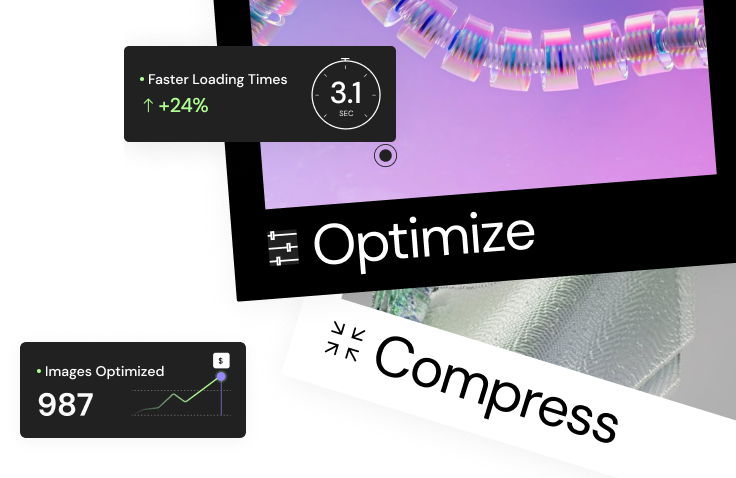
Images are usually the heaviest part of a webpage. Never upload raw image files directly from a camera. They must be compressed and resized. The Image Optimizer plugin by Elementor automates this. It compresses images upon upload and converts them to next-generation formats like WebP or AVIF. These formats offer superior quality at a fraction of the file size of JPEGs or PNGs.
Caching and Delivery
Caching stores a static version of your site so the server does not have to generate it from scratch for every visitor. Combined with a CDN (Content Delivery Network), this ensures your site loads instantly globally. If you are using Elementor Hosting, these features are integrated at the server level, removing the need for complex third-party caching plugins.
Accessibility
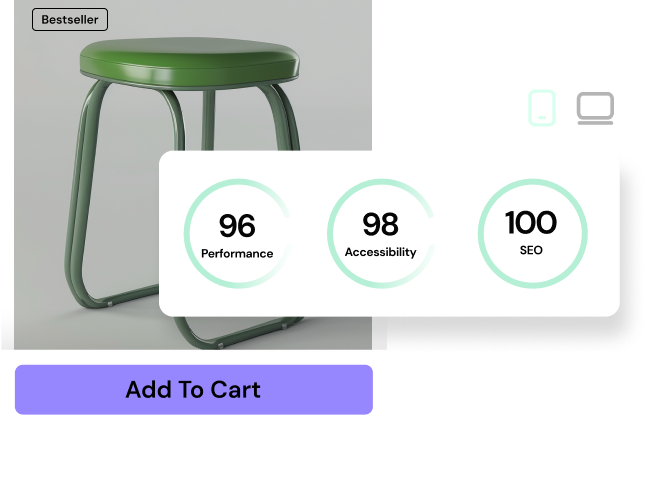
The web must be accessible to everyone, including users with disabilities. This is not just a moral obligation; it is a legal one in many jurisdictions. Ally by Elementor is a tool designed to scan your site for accessibility violations. It provides an automated audit and helps remediate issues like missing Alt Text, poor color contrast, or improper heading hierarchy. It also adds an accessibility widget to the frontend, allowing users to adjust text size and contrast preferences.
Phase 8: Marketing and Growth
Building the site is only the beginning. You must have a strategy to drive traffic and nurture leads.
SEO (Search Engine Optimization)
Your website builder must output clean code that Google can read.
- Headings: Use H1, H2, and H3 tags logically.
- Meta Data: Use an SEO plugin to set the Title Tag and Meta Description for every page. These determine how your site looks in search results.
- Internal Linking: Link your pages together. Your homepage should link to your services, and your blog posts should link back to your product pages.
Email Marketing and Automation
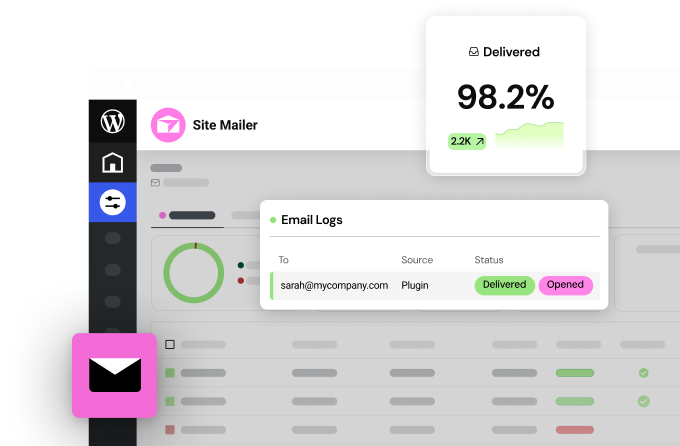
Collecting emails is useless if you do not communicate with your subscribers. Send by Elementor integrates marketing automation directly into your website. When a user fills out a form, they can be automatically added to a list and sent a welcome email sequence. For transactional emails (like password resets or order confirmations), reliability is key. Default WordPress email sending is often blocked by spam filters. Site Mailer solves this by ensuring your operational emails land in the inbox, not the spam folder.
Site Mailer Plugin Send by Elementor
Analytics
You cannot improve what you do not measure. Install Google Analytics 4 (GA4) or a privacy-focused alternative. You need to know:
- Where your traffic comes from (Social, Search, Direct).
- Which pages have the highest bounce rate.
- What the conversion rate is for your forms and checkout.
Future-Proofing Your Website
The digital landscape moves fast. A “set it and forget it” mentality leads to security vulnerabilities and broken sites.
Maintenance and Updates
Regularly update your WordPress core, your theme, and your plugins. These updates often contain security patches. If you are on a managed platform, much of this is handled for you, but you should always verify.
The Role of Agentic AI
We are moving beyond simple generative AI (creating text/images) to Agentic AI. Tools like Angie act as intelligent assistants within your website. They can perform complex tasks like “Create a landing page for the Black Friday sale and link it to the email campaign” or “Audit my site for broken links.” This shifts the user role from “builder” to “director,” significantly speeding up workflow.
Community and Learning
Join a community. Web creation is complex, and you will encounter challenges. The Elementor community is one of the largest in the world, with millions of users sharing tutorials, templates, and solutions. Leveraging this collective knowledge is often faster than trying to solve a problem in isolation.
Download Elementor Claim Free Domain
Relevant Video Resources
Looking for fresh content?
By entering your email, you agree to receive Elementor emails, including marketing emails,
and agree to our Terms & Conditions and Privacy Policy.