Table of Contents
The question “how much does a website builder typically cost” often yields superficial answers that only scratch the surface of monthly subscription fees. However, seasoned professionals know that the sticker price is merely the entry point. The real costs lie in the ecosystem you choose: the hosting performance, the security infrastructure, the scalability, and the essential tools required to market and grow that presence.
As an expert in the field, Itamar Haim notes, “The most expensive website is often the one that was built ‘cheaply’ without considering the long-term costs of fragmentation, poor performance, and lack of ownership.” This guide serves as a definitive resource to deconstruct these costs, offering a transparent look at what you should expect to pay—and crucially, what you receive in return—when building a professional presence on the web today.
Key Takeaways
- Sticker Price vs. Total Cost of Ownership: Don’t just look at the monthly builder fee. Factor in hosting, premium plugins, security protocols, image optimization, and marketing automation tools.
- The Ecosystem Advantage: Platforms that integrate hosting, creation, and growth tools (like Elementor) often provide a significantly lower TCO than assembling a fragmented stack of third-party services.
- Open Source vs. SaaS: Closed platforms (SaaS) charge for convenience but limit ownership. Open-source solutions (WordPress) offer ownership and flexibility, but require a distinct approach to hosting and maintenance.
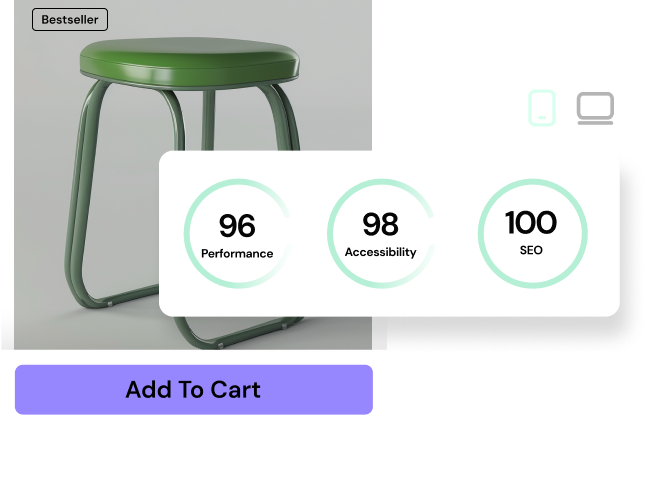
- The Hidden Cost of Performance: Cheap hosting or unoptimized images cost you money in lost conversions and poor SEO rankings. Investing in a high-performance foundation is a revenue-generating activity.
- AI as a Cost Saver: New AI tools (Generative and Agentic) are not just add-ons; they are productivity multipliers that reduce the billable hours required for planning, coding, and content creation.
- Scalability Matters: Choose a pricing model that allows you to scale (e.g., unlimited email contacts) rather than one that penalizes your growth with steep tier jumps.
Understanding the Website Builder Pricing Landscape
To accurately assess cost, we must first categorize the tools available. The market generally splits into three distinct avenues, each with its own financial structure and value proposition.
1. The Closed SaaS Platforms (Wix, Squarespace, etc.)
Software-as-a-Service (SaaS) platforms operate on a rental model. These providers bundle the website builder software, proprietary hosting, and basic maintenance into a single monthly or annual subscription.
- Functionality: These platforms utilize a template-driven approach where the visual interface and the backend infrastructure are tightly coupled. Users select a design and modify it within the constraints of the software.
- Typical Cost Structure: Prices generally range from $16 to $159 per month, depending on feature sets such as eCommerce capabilities, storage limits, and priority support.
- The Trade-off: While the initial pricing seems straightforward, these systems operate as “walled gardens.” You do not own the code, and moving your site to another provider is often impossible without rebuilding from scratch. Extensibility is limited to the provider’s specific app marketplace.
2. The Open Source Ecosystem (WordPress)
WordPress powers over 40% of the web for a reason: it offers absolute ownership. The core software is free, licensed under GPLv3. However, “free” software does not mean a zero-cost website.
- Functionality: WordPress is a content management system (CMS) that requires you to secure your own hosting, theme, and plugins to create a functional site.
- Typical Cost Structure: The software is free. Costs are incurred via:
- Hosting: $3 to $100+ per month.
- Themes: $0 to $100 (one-time or annual).
- Plugins: $0 to $1,000+ per year for premium functionality.
- The Trade-off: You have total control and data ownership. However, in a traditional setup, you are responsible for piecing together the stack. This fragmentation can lead to “plugin bloat” and conflicting support channels if not managed correctly.
3. The Custom Development Route
For enterprise-level requirements, businesses may opt for a fully custom-coded solution (Headless CMS, React, etc.).
- Functionality: Built from the ground up by developers to meet exact specifications.
- Typical Cost Structure: Initial builds range from $10,000 to $150,000+, with ongoing maintenance retainers costing thousands per month.
- The Trade-off: You get exactly what you want, but the barrier to entry is high, and you become reliant on developers for even minor changes.
The Elementor Position: The Best of Both Worlds
This is where the market has shifted. Elementor has evolved from a simple plugin into a comprehensive Website Builder Platform. It bridges the gap between the SaaS and Open Source models.
By offering Elementor Hosting—a managed WordPress hosting solution optimized specifically for the builder—Elementor provides the unified support, security, and performance of a SaaS platform while retaining the open-source freedom of WordPress. This strategic positioning drastically alters the cost conversation, as we will explore in the breakdown below.
Breakdown by Business Type: What Should You Budget?
Cost is relative to your goals. A hobbyist blog has vastly different requirements than a high-traffic WooCommerce store. Here is a realistic breakdown of what you can expect to spend in 2025 across different tiers.
The Personal Brand or Portfolio
Goal: A professional digital business card, resume, or blog.
- Requirements: Custom domain, reliable hosting, contact forms, basic visual design.
- Estimated Annual Cost: $100 – $300.
- The Strategy:
Start with a solid foundation. You need a fast, secure host and a flexible builder. Using the Elementor Free Download combined with a quality host is a common entry point. The free version of the builder is robust, offering 40+ widgets and responsive design controls that far exceed typical free tiers of SaaS competitors.
The Small Business Website
Goal: Lead generation, service booking, and local SEO dominance.
- Requirements: Advanced design control (Header/Footer), popups for lead capture, fast mobile performance, reliable email deliverability.
- Estimated Annual Cost: $300 – $800.
- The Strategy:
At this stage, free tools often become limiting. You need “Pixel-Perfect” design control to match your branding. This is where Elementor Pro becomes essential. The cost of Pro covers the Theme Builder (allowing you to design the entire site structure) and the Popup Builder, which replaces separate SaaS popup subscriptions that can cost $20-$50/month alone.
Additionally, businesses need to consider the cost of themes. The Hello Theme acts as a perfect, lightweight canvas. For those needing a head start, Hello Biz offers guided setups, reducing the time (and labor cost) of launch.
The eCommerce Store
Goal: Selling physical or digital goods, inventory management, customer retention.
- Requirements: Transactional email reliability, cart customization, high-speed product pages, marketing automation.
- Estimated Annual Cost: $500 – $2,000+.
- The Strategy:
eCommerce is resource-intensive. Slow hosting kills conversions. A dedicated eCommerce Hosting plan is non-negotiable here. You also need to factor in the WooCommerce Builder included in Elementor Pro, which allows you to customize the checkout flow—a feature that often requires expensive developers on other platforms.
The Digital Agency
Goal: Managing multiple client sites, ensuring uptime, streamlining workflow.
- Requirements: Scalable infrastructure, client management tools, staging environments, rapid prototyping.
- Estimated Annual Cost: Varies by client volume (typically $150+ per site/year).
- The Strategy:
Agencies trade money for time. Tools that accelerate workflow are investments, not costs. Using the AI Site Planner to generate wireframes and sitemaps in minutes rather than hours fundamentally changes project profitability.
The Hidden Costs of Website Ownership
When answering “how much does a website builder typically cost,” we must illuminate the hidden line items that often catch users off guard.
1. Web Hosting and Performance
Not all hosting is created equal. Cheap shared hosting ($3/month) often leads to slow load times and security vulnerabilities. When a site loads slowly, you pay the price in lost visitors.
Elementor Hosting is built on the Google Cloud Platform and integrates Cloudflare Enterprise CDN. To purchase enterprise-grade CDN and cloud hosting separately would cost significantly more than the bundled price Elementor offers.
2. Image Optimization
High-resolution images are heavy. To keep a site fast, you need them compressed and converted to modern formats like WebP or AVIF.
- The Standard Cost: Premium image optimization plugins often charge monthly fees based on bandwidth or image count (approx. $5-$10/month).
- The Integrated Solution: The Image Optimizer by Elementor handles this automatically. It acts as a performance enhancement tool that improves Core Web Vitals without requiring an external subscription.
3. Email Deliverability (SMTP)
This is a classic “gotcha” for WordPress users. The default PHP mail function is unreliable. Transactional emails (like “Password Reset” or “Order Confirmed”) often land in spam.
- The Standard Cost: Fixing this usually requires an SMTP service (like SendGrid or Mailgun) plus a plugin to connect it, costing $10-$30/month for decent volume.
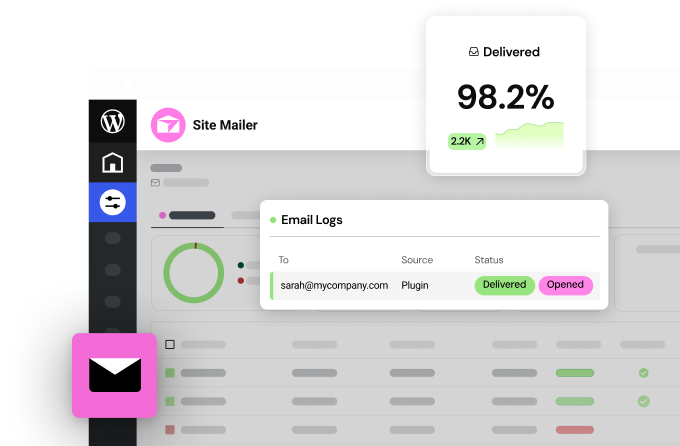
- The Integrated Solution: Site Mailer provides a zero-configuration solution to guarantee delivery, effectively removing this hidden cost and technical headache.
4. Accessibility Compliance
With regulations like the ADA and the European Accessibility Act (EAA) tightening, having an inaccessible website is a legal liability.
- The Standard Cost: Manual accessibility audits can cost thousands. Automated overlay widgets cost $490+ per year.
- The Integrated Solution: Ally by Elementor offers automated scanning and remediation guidance directly within the workflow, helping to mitigate legal risk at a fraction of the cost of enterprise audits.
The Strategic Value of Open Source vs. SaaS
When evaluating price, you must evaluate what you are actually paying for.
The Rental Trap (SaaS)
When you pay for a closed SaaS builder, you are renting your digital presence. The moment you stop paying, your website disappears. You cannot take your design file and host it elsewhere. If the platform raises prices (which creates “platform risk”), you have no choice but to pay or rebuild.
The Ownership Model (WordPress + Elementor)
With WordPress, you own your data. If you are unhappy with your hosting provider, you can migrate your site to a new server. This portability is a financial asset. It protects your business from vendor lock-in.
Elementor enhances this by providing the Elementor Library and full design control without locking you into a proprietary hosting environment forever. You utilize their optimized hosting for convenience and performance, but the foundation remains open-source software that you control.
The Ecosystem Efficiency: Reducing TCO
The most significant shift in 2025 pricing is the move toward “Unified Ecosystems.” Previously, a WordPress site owner might pay:
- $20/mo for Hosting
- $49/yr for a Theme
- $59/yr for a Builder Plugin
- $20/mo for an Email Marketing tool
- $10/mo for an Image Optimizer
- $15/mo for a Popup builder
Total Estimated Annual Cost: ~$900+
The Elementor Unification
Elementor allows users to consolidate this stack.
- Hosting + Builder: Bundled in Elementor Hosting.
- Marketing: Send by Elementor integrates email marketing and automation directly into the site.
- Performance: Image Optimizer and caching are built-in or native.
- Popups: Included in Elementor Pro.
By consolidating these tools, the Total Cost of Ownership drops significantly, and the “blame game” of support (hosting blaming the plugin, plugin blaming the theme) disappears. You have a single point of contact for your entire web stack.
The Role of AI in Reducing Labor Costs
Time is the most expensive component of web creation. Whether you are paying an agency hourly rates or spending your own weekends building, efficiency is money.
Planning and Strategy
The AI Site Planner drastically reduces the “discovery” phase. Instead of spending days brainstorming site architecture, the AI generates a professional brief, sitemap, and wireframe in minutes.
Content and Design Production
Elementor AI is deeply integrated into the editor. It is not just a text generator; it is context-aware.
- Text: It adjusts tone and length to fit specific layout containers.
- Images: It generates unique visuals, saving costs on stock photography subscriptions.
- Code: It writes custom CSS and HTML snippets, allowing non-coders to achieve advanced effects that previously required hiring a developer.
Agentic AI: The New Frontier
With the introduction of tools like Angie, we are seeing Agentic AI enter the workspace. Unlike generative AI which waits for prompts, Agentic AI performs multi-step workflows—like checking plugins, creating pages, or running audits. This “productivity multiplier” effectively acts as a junior developer, saving significant billable hours.
Marketing Automation: The Cost of Growth
Building the site is only step one. Growing it is step two. Traditionally, this meant exporting data to external platforms like Mailchimp or HubSpot, which often charge based on the number of contacts. If you have a list of 10,000 past customers but only email them twice a year, you are still penalized with high monthly fees.
Send by Elementor disrupts this model. It offers a native solution for WordPress that focuses on a credit-based model rather than penalizing you for having a large audience.
- Integration: It captures leads from Elementor Forms instantly.
- Automation: It runs “set it and forget it” workflows (like Welcome Series or Abandoned Cart emails).
- Cost Savings: By keeping marketing inside the WordPress dashboard, you eliminate the “integration tax” of connecting disparate systems.
Step-by-Step Cost Analysis: Building a Professional Portfolio
To make this practical, let’s look at a specific scenario: Building a high-end Portfolio site for a Designer.
The Components Required
- Domain Name: Essential for branding. Free Domain Name offers are often available with annual hosting plans, saving ~$15/year.
- Visual Builder: Needs to support complex layouts (Grid, Flexbox). Elementor for Designers provides the granularity required for pixel-perfect portfolios.
- Hosting: Must be fast to load high-res portfolio images.
- Maintenance: Time spent updating plugins and PHP versions.
The Cost Comparison
| Feature | Fragmented Stack (Competitors) | Unified Stack (Elementor) |
| Hosting | $150 / yr (Premium Shared) | Included in Elementor Hosting |
| Pro Builder | $99 / yr | Included in Elementor Hosting |
| Theme | $60 / yr | Free (Hello Theme) |
| Popup Tool | $200 / yr (SaaS) | Included |
| Image Opt. | $60 / yr | Integrated (Usage based) |
| Support | Fragmented / Slow | Unified / 24/7 |
| Total Est. | **~$570 / year** | Lower Combined Pricing |
Note: Prices vary by plan, but the bundle logic consistently lowers TCO.
Advanced Customization Costs: When You Need More
Sometimes, out-of-the-box tools aren’t enough. You might need specific functionality like a real-time booking engine or a complex dynamic listing directory.
In a SaaS environment (like Squarespace), if the feature isn’t built-in, you are often stuck or forced to hire a developer to hack a solution via code injection.
In the Elementor ecosystem, the cost of advanced customization is mitigated by the AI Website Builder capabilities. Specifically, the AI Copilot can generate Custom CSS to style elements exactly as needed. Furthermore, because Elementor is built on WordPress, you have access to 59,000+ free plugins to extend functionality without necessarily paying for custom development.
The “Hello Theme” Advantage
Using the Hello Theme minimizes technical debt. It is a “blank canvas” theme. It does not contain bloated code or conflicting styles. This means you (or your developer) spend less time fighting existing styles and more time building. For beginners, Hello Biz provides a middle ground—a guided, professional starting point that is still lightweight and optimized.
eCommerce Specifics: The Cost of Selling Online
eCommerce brings a specific set of financial considerations.
Transaction Fees:
- SaaS platforms often charge a transaction fee (0.5% – 2%) on top of the credit card processor fees unless you are on their highest tiers.
- Elementor + WooCommerce allows you to choose your payment gateway (Stripe, PayPal, etc.). You pay the processor fees, but the platform itself does not take a “success tax” on your sales.
Design Customization:
- Customizing a checkout page on Shopify often requires Shopify Plus (starting at $2,000/mo).
- With the WooCommerce Builder in Elementor Pro, customizing the Cart and Checkout flow is a standard feature included in the subscription.
Hosting Requirements:
- eCommerce requires more server resources. eCommerce Hosting by Elementor provides the necessary PHP workers and caching configurations to ensure the site handles concurrent shoppers without crashing, protecting your revenue during sales events.
Conclusion: Investing in Your Digital Future
So, how much does a website builder typically cost?
If you view it as a monthly expense, you will find options ranging from $0 to $200. But if you view it as a business asset, the calculation changes.
A cheap builder that limits your SEO, slows down your images, and locks you into a rental agreement costs you far more in the long run than a professional platform. The “cheap” route often leads to a ceiling where you must rebuild entirely to grow.
The Elementor ecosystem represents a strategic investment. By unifying the creative engine (Builder) with the optimized foundation (Hosting) and the growth tools (AI, Marketing), it offers a Total Cost of Ownership that is difficult to beat. It provides the scalability of open source with the simplicity of a managed service.
In 2025, you shouldn’t just be paying for a tool to put pages on the internet. You should be investing in a platform that empowers you to plan, build, manage, and grow a successful digital presence.
Frequently Asked Questions
1. Is it cheaper to use a website builder or hire a developer?
Using a website builder is significantly cheaper upfront. Hiring a developer for a custom site typically starts at $5,000 and can go up to $150,000+. A website builder like Elementor allows you to achieve professional results for a fraction of that cost, often under $500/year, while still allowing developers to add custom code if needed.
2. Does Elementor Hosting include the Pro plugin?
Yes, Elementor Hosting plans generally include the Elementor Pro builder features. This “Website Creation Stack” bundle is a major factor in reducing the Total Cost of Ownership, as you aren’t paying separately for premium hosting and a premium plugin license.
3. Are there hidden transaction fees with Elementor eCommerce?
Elementor itself does not charge transaction fees on your sales. Since it operates on top of WooCommerce (WordPress), you only pay the standard processing fees to your chosen payment provider (like Stripe or PayPal). This contrasts with some SaaS builders that add their own transaction fees on top of processor fees.
4. Can I use Elementor for free?
Yes. The Elementor Free Download offers a very robust set of features, including 40+ widgets and responsive design controls. It is one of the most comprehensive free builders available. You only need to pay for a hosting plan and a domain name to get started.
5. How does AI affect the cost of building a website?
AI tools like the AI Site Planner and Elementor AI reduce labor costs. By automating wireframing, copywriting, and image generation, you save hours of billable time or the cost of hiring external copywriters and graphic designers, effectively lowering the total cost of the project.
6. Do I need to pay for a separate email marketing tool?
Not necessarily. With Send by Elementor, you have a native marketing automation tool integrated into your site. This can replace expensive external subscriptions to platforms like Mailchimp or HubSpot, especially for small to mid-sized businesses.
7. Why is hosting speed important for my website costs?
Slow hosting costs you money in two ways: lost conversions (users leaving) and lower ad efficiency (Google penalizes slow landing pages). Investing in optimized hosting, like Elementor Hosting, which utilizes Google Cloud and Cloudflare Enterprise CDN, ensures your site speed supports your revenue goals.
8. What is the difference between Hello Theme and Hello Biz?
The Hello Theme is a blank canvas designed for professionals who want total control. Hello Biz is a beginner-friendly version that includes guided setup wizards and pre-built templates. Both are free, but Hello Biz reduces the “learning curve” cost for new users.
9. Is WordPress more expensive than Wix or Squarespace?
It depends on how you build it. WordPress can be more expensive if you buy unoptimized hosting and dozens of premium plugins. However, if you use a unified platform like Elementor that bundles hosting, the builder, and essential marketing tools, the Total Cost of Ownership is often lower and offers significantly more freedom and scalability than closed SaaS platforms.
10. What happens to my content if I stop paying for Elementor?
Because Elementor is built on WordPress (Open Source), you own your data. If you cancel a Pro license, you keep your site and content, though you may lose access to Pro editing features and updates. This differs from SaaS platforms where stopping payment often means your website is taken offline and deleted.
Looking for fresh content?
By entering your email, you agree to receive Elementor emails, including marketing emails,
and agree to our Terms & Conditions and Privacy Policy.