Table of Contents
For professionals, agencies, and serious creators in 2025, the question isn’t just “which builder is the easiest?” It is “which platform offers the best design capabilities without sacrificing performance, ownership, or scalability?” You need a solution that acts not just as a page editor, but as a comprehensive operating system for your digital presence.
Key Takeaways
- Design Freedom vs. Platform Lock-in: The most critical choice you will make is between closed SaaS platforms (like Wix or Squarespace) and open-source foundations (like WordPress). Closed platforms offer convenience but limit data ownership. Open-source offers freedom but often lacks unified support—unless you choose a managed platform solution.
- The “Platform” Advantage: Modern web design requires more than just a visual editor. The best solution integrates hosting, performance optimization, AI workflow tools, and marketing automation into a single ecosystem.
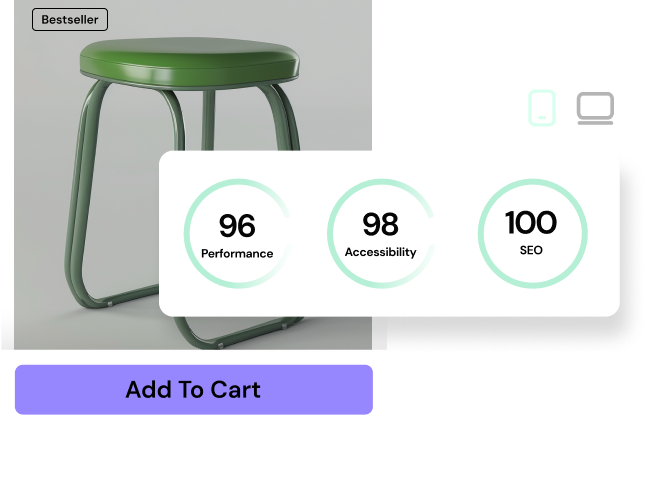
- Performance is Design: A beautiful site that loads slowly is a failed design. Your builder must be backed by enterprise-grade infrastructure, such as Google Cloud Platform and Cloudflare Enterprise CDN, to ensure Core Web Vitals are met.
- AI as a Workflow Accelerator: The top builders now integrate AI not just for generating text, but for structural planning (wireframing), code generation (custom CSS), and image creation directly within the editor.
- Accessibility is Essential: Professional design includes inclusivity. Tools that automate accessibility checks and remediation (like Ally) are now standard requirements for serious web projects.
The Evolution of Web Design: From Fragmented Tools to Unified Platforms
To understand what makes a website builder the “best” for design today, we have to look at how the industry has evolved. Ten years ago, the ecosystem was fragmented. You bought a domain from one registrar, hosting from another, a theme from a marketplace, and a dozen plugins from different developers.
If your site broke, everyone pointed fingers. The host blamed the theme, the theme developer blamed the plugin, and the plugin developer blamed the host. This “blame game” was the nightmare of every web designer, often leading to hours of unpaid troubleshooting instead of creative work.
This fragmentation led to the rise of closed SaaS (Software as a Service) website builders. These all-in-one tools offered a cohesive experience where hosting and design were bundled, but they stripped away the granular control that professional designers crave. You couldn’t access the code if you wanted to, you couldn’t move your site to a different host, and you were limited to the features the platform decided to release.
In 2025, we are seeing the emergence of a third category: the Comprehensive Website Builder Platform. This model combines the ease and unification of SaaS with the flexibility and power of open-source systems. It acknowledges that a designer’s needs don’t stop at the visual layer. You need a fast server (hosting), a way to capture leads (marketing), a way to ensure your images load fast (optimization), and a way to plan your site structure (strategy).
The best builder for design is no longer just a tool for placing pixels; it is a holistic environment that supports the entire lifecycle of a website—from the first spark of an idea to the ongoing growth of a business.
Defining “Design Freedom” in 2025
Before we compare specific tools, we must define what “design capabilities” actually mean for a modern creator. It is not just about having nice templates or a drag-and-drop interface. True design freedom rests on four pillars. If a builder fails in any of these areas, it will eventually bottleneck your creativity and force you to look for workarounds.
1. Pixel-Perfect Granular Control
Most basic builders use a “block” or “section” system where you can stack elements but cannot easily overlap them or control their exact positioning. For high-end design, you need the ability to manipulate margins, padding, Z-index (layering), and absolute positioning. You need to be able to create complex layouts that break the grid when necessary, without writing custom CSS.
True granular control also means understanding the relationships between elements. It’s not just about placing a button; it’s about defining how that button behaves relative to the text next to it. Does it shrink? Does it grow? Does it align to the baseline? These are the nuanced controls that separate a “drag-and-drop toy” from a professional design tool.
2. Responsive Fluidity and Breakpoints
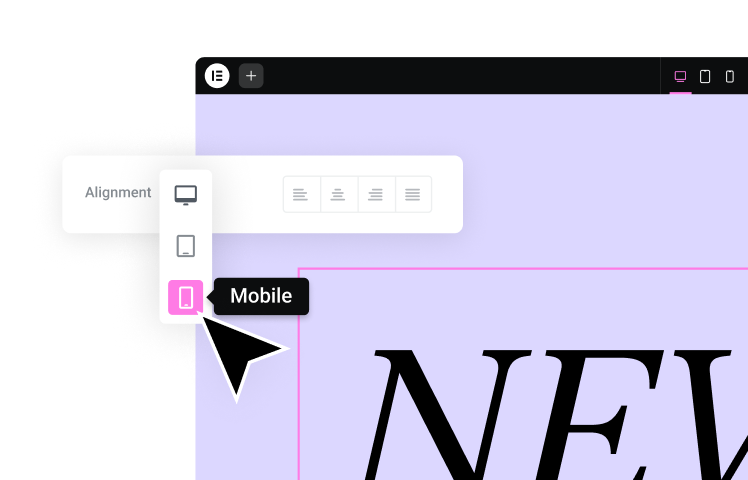
It is insufficient for a builder to simply “stack” content for mobile devices. The best builders allow you to customize the design for every breakpoint. You should be able to change font sizes, reverse column ordering, hide specific elements, and adjust padding specifically for mobile, tablet, and desktop views. Design in 2025 is mobile-first, and your tool must reflect that.
Furthermore, you need control over units. A professional designer knows when to use pixels (px) for precision, percentages (%) for fluid layouts, Viewport Width (vw) for immersive hero sections, and rem for accessible typography scaling. A builder that forces you to use only pixels is a builder that doesn’t understand modern web standards.
3. Dynamic Content and Templating Systems
A “page builder” lets you design a single page. A “website builder” lets you design a system. You need the ability to design a single “Single Post” template or “Product Page” template that dynamically pulls in data (title, image, price) for hundreds of items. If you have to manually design every product page, the tool is not scalable for professional use.
This concept extends to Global Styles. You should be able to define a “Design System” where your primary color, secondary color, and typography hierarchy are set globally. If you decide to rebrand, you change the global color once, and it updates across 500 pages instantly.
4. Integration of Motion and Interaction
Modern web design relies heavily on micro-interactions to guide the user. The ability to add hover effects, entrance animations, scroll effects (parallax, transparency changes), and Lottie animations natively—without installing heavy third-party plugins—is a hallmark of a top-tier design platform. These animations should be performant, utilizing CSS transformations rather than heavy JavaScript libraries that slow down the main thread.
The Landscape of Website Builders: A Functional Analysis
Let’s look at the major players in the market today. We will analyze them objectively based on their architecture, design capabilities, and target audience. It is important to view these not just as competing products, but as different philosophies of web creation.
The SaaS (Software as a Service) Giants
These platforms are “closed” ecosystems. You pay a monthly fee, and they provide the hosting, the builder, the security, and the support.
Wix: The Visual SaaS Builder
Wix utilizes an unstructured drag-and-drop editor. This means you can drag an element anywhere on the screen, and it will stay there, much like a PowerPoint slide.
- Design Interface: The editor is intuitive for beginners because it mimics free-form canvas tools. It offers hundreds of templates that are industry-specific. It recently introduced “Wix Studio” which offers more advanced responsiveness, but operates on a different engine than the standard editor.
- Ecosystem: Wix has its own App Market where users can add functionality like booking systems or event calendars. However, these apps are proprietary to the Wix ecosystem.
- Limitations: The primary trade-off with Wix is data portability. You cannot export your code or database to another host. If you leave Wix, you must rebuild your site from scratch. Additionally, the unstructured editor can sometimes lead to issues with DOM ordering and responsiveness if elements are not grouped correctly.
Squarespace: The Curated Design Platform
Squarespace is known for its high-quality, award-winning templates. Like Wix, it is a closed SaaS platform, but its approach to building is different.
- The Editor: Squarespace uses a structured editor known as “Fluid Engine.” While it offers more flexibility than their previous versions, you are still constrained to a grid system. You cannot drag elements anywhere; you must place them within the defined grid slots. This ensures that the site always looks “clean” and unbreakable, but it significantly limits creative freedom for designers who want to create unique, non-standard layouts.
- Target Audience: It is heavily utilized by photographers, artists, and creatives who need a portfolio site that looks high-end with minimal effort.
- Limitations: Customization is limited to what the template and the style editor allow. Adding custom CSS is possible but often requires a more expensive plan and technical know-how. The ecosystem of extensions is significantly smaller than open-source alternatives.
Webflow: The Designer’s Code Visualizer
Webflow markets itself to professional designers who understand the principles of HTML and CSS but prefer to work visually.
- The Interface: The Webflow interface resembles professional design software like Adobe Photoshop or Figma. It gives you direct access to CSS properties (flexbox, grid, padding, margins) via a visual panel. It generates clean code which can be exported (on higher tiers).
- Target Audience: This is not a tool for the casual DIYer. It is built for designers who want to export clean code or host within Webflow’s environment.
- Limitations: The learning curve is steep. If you do not understand how the “box model” works in coding (margins vs padding, relative vs absolute), you will struggle to use Webflow effectively. Furthermore, its CMS and eCommerce plans have strict limits on the number of items (records) you can host, making it expensive to scale. It remains a closed ecosystem where you are tied to their hosting for CMS functionality.
The WordPress Ecosystem
WordPress powers over 40% of the web. It is open-source software, meaning you own your data and can host it anywhere. However, the default WordPress experience (Gutenberg block editor) is often considered too rigid for high-end design. This is where page builders come in.
Native WordPress (Gutenberg)
The default block editor has improved, offering “Full Site Editing” capabilities. It is fast and native, but it lacks the granular design controls (like advanced motion effects, complex flexbox layouts, or shape dividers) that professional designers require without adding custom code. It is efficient for blogging but can feel restrictive for high-concept visual design.
Legacy Page Builders (Divi, Beaver Builder)
Tools like Divi have been popular for years. They offer visual drag-and-drop editing on top of WordPress.
- Divi: Known for its “lifetime” pricing model and vast library of layouts. However, it relies heavily on “shortcodes,” which means your content is wrapped in proprietary code. If you disable the plugin, your content becomes a mess of shortcodes, making migration difficult.
- Beaver Builder: Known for stability and clean code, but often lacks the cutting-edge design features and styling options found in more modern platforms. It is a solid choice for developers but offers less “out of the box” visual flair for designers.
The “Best of Both Worlds” Solution: The Integrated Platform
When analyzing the criteria for the “best” builder—balancing power, freedom, and ease of use—Elementor emerges not just as a tool, but as a complete ecosystem. It strategically occupies the middle ground between the restrictions of SaaS and the fragmentation of traditional WordPress.
Elementor has evolved from a simple plugin into a comprehensive Website Builder Platform. It combines the pixel-perfect design control of a professional design tool with the infrastructure of a managed hosting provider and the workflow acceleration of AI.
Why the Platform Model Wins for Design
- Unified Support: Unlike a patchwork of plugins, Elementor Hosting and Elementor Pro are supported by a single team. This eliminates the “blame game” when issues arise. You have one point of contact for your server, your builder, and your design tools.
- Performance Optimization: The hosting environment is specifically engineered for the builder, ensuring that your heavy design elements load instantly. This addresses the historical complaint that “page builders are slow” by optimizing the server specifically for the builder’s code.
- Open Source Freedom: Unlike Wix or Webflow, Elementor is built on WordPress. You own your data. You can export your site. You have access to 59,000+ WordPress plugins. You are building on an open standard, ensuring your site is future-proof.
Deep Dive: Elementor Website Builder – The Creative Engine
At the heart of the platform is the builder itself. It democratizes professional web design, making it accessible to creators of all skill levels. Let’s break down the specific features that make it the superior choice for designers.
Visual Editing with Granular Control
Elementor’s interface is a live, front-end editor. You see exactly what your visitors will see as you design. Unlike structured editors, you can manipulate every aspect of the design—margin, padding, Z-index, and motion effects—without writing code.
For designers, the introduction of Flexbox Containers and CSS Grid within the visual editor is revolutionary.
- Flexbox Containers: This replaces the old “Section/Column” structure. It allows you to align items in rows or columns, wrap them, change their order, and justify their content with the same logic used by modern CSS developers. This creates leaner code (fewer div wrappers) and allows for complex responsiveness (e.g., changing a row to a column on mobile).
- CSS Grid: For advanced layouts, the Grid Container allows you to create two-dimensional layouts (rows and columns simultaneously) that are incredibly difficult to achieve with standard builders. You can span items across multiple cells, create overlapping grid areas, and adjust the grid tracks for different screen sizes.
The Theme Builder: Breaking the Template Mold
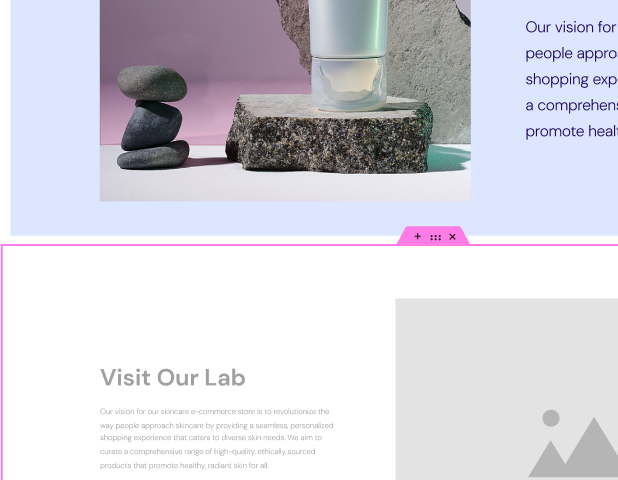
Most builders let you edit the content area of a page. Elementor Pro’s Theme Builder lets you design the entire framework of your site. This is where you transition from “web designer” to “site architect.”
You can visually design:
- Headers and Footers: create a sticky header, a transparent header, or a mobile-specific header.
- 404 Error Pages: Turn a lost visitor into a lead with a custom 404 design.
- Search Results Pages: Customize how your search results are displayed.
- Single Post Archives: Design the layout for your blog posts once, and it applies to every post.
- WooCommerce Product Pages: Totally customize the shopping experience.
This means you are not stuck with the header style your theme provides. You can build a custom header with a mega-menu, search bar, and social icons, and set display conditions so it only appears on specific pages (e.g., “Show this header only on the Shop section”).
Learn more about Elementor Pro features
Global Styles and Design Systems
Consistency is the hallmark of professional design. Elementor’s Design System allows you to define global colors and fonts.
- Global Colors: Define your Primary, Secondary, Text, and Accent colors.
- Global Fonts: Define your H1, H2, Body text, and Link styles.
Once set, these global styles apply across your entire site. If you decide to change your brand’s primary blue to a darker shade, you update it in the Global Settings, and it instantly reflects on every button, heading, and icon across the website. This workflow efficiency is critical for agencies and freelancers managing large sites, preventing “design drift” where inconsistent styles creep in over time.
Advanced Motion Effects & Interactivity
To create immersive experiences, Elementor includes a suite of motion effects. You can apply:
- Scrolling Effects: Elements that move, blur, or change opacity as the user scrolls. This allows for sophisticated parallax effects.
- Mouse Effects: Elements that tilt (3D tilt) or track the movement of the mouse cursor, adding a layer of depth.
- Sticky Elements: Sections or widgets (like a sidebar or a CTA) that stay fixed in the viewport while the rest of the content scrolls.
- Lottie Animations: Native support for lightweight, vector-based animations. You can control the animation trigger (on scroll, on hover, on click) and speed directly within the editor.
These features allow designers to add depth and engagement to their sites without relying on heavy external JavaScript libraries that slow down performance.
The WooCommerce Builder
For eCommerce, design is directly tied to conversion. The standard WooCommerce product page is functional but often rigid and unattractive. Elementor’s WooCommerce Builder allows you to completely customize the layout of your single product pages and shop archives.
You can decide exactly where the “Add to Cart” button goes, how the product gallery is displayed, and where the related products sit. You can create a custom “Cart” and “Checkout” page design to reduce friction and cart abandonment. You can even create a “Loop Template” to design exactly how your product cards look in the grid—adding custom badges, hover effects, or quick-add buttons.
Beyond the Visuals: The Optimized Foundation
A common critique of visual builders is that they can generate “bloated” code. This is where the platform approach becomes essential. Design capability is meaningless if the website is too slow to retain visitors. Performance is design.
Elementor Hosting: Engineered for Speed
Elementor Hosting provides a managed environment specifically engineered for the builder. It is built on the premium Google Cloud Platform (using high-performance C2 machines) and integrated with Cloudflare Enterprise CDN.
This is a significant differentiator. Typical shared hosting puts your site on a crowded server. Elementor Hosting gives you:
- Google Cloud C2 Machines: These are compute-optimized virtual machines designed for high-performance workloads.
- Cloudflare Enterprise CDN: Your content is cached and delivered from a vast network of servers globally. This reduces “Time to First Byte” (TTFB) significantly.
- Server-Level Optimization: The PHP workers and memory limits are tuned to handle Elementor’s processes, preventing the “white screen of death” or timeouts that occur on cheap hosting.
This infrastructure ensures that your assets are delivered from servers closest to your visitors. It addresses the fragmentation of WordPress—you don’t need to hunt for a separate caching plugin or configure complex server settings. It works out of the box.
Security as a Standard
Designers often overlook security, but a hacked site is a destroyed design. Elementor Hosting includes enterprise-grade security features by default, including:
- Premium SSL: Ensuring all data transfer is encrypted.
- DDoS Protection: Guarding against malicious traffic spikes that try to take your site offline.
- Web Application Firewall (WAF): Blocking common attacks (like SQL injection) before they reach your site.
- Automated Backups: Creating daily restore points. If an update breaks your design, you can revert with one click.
Image Optimizer
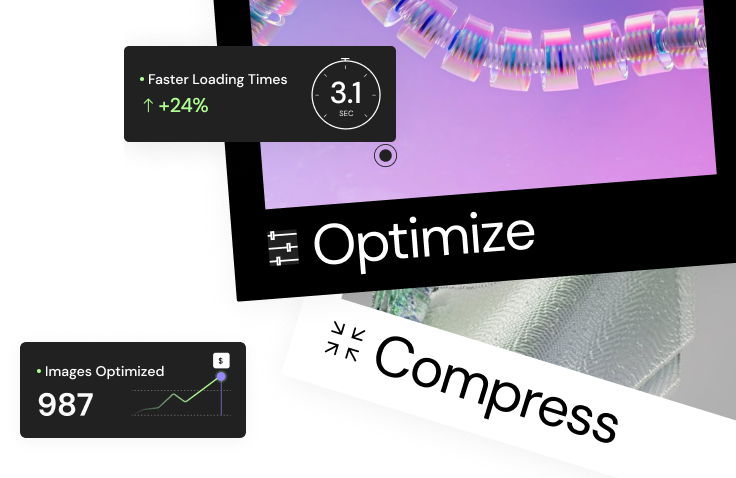
High-resolution images are the primary cause of slow sites. Designers want to use high-quality assets, but big files kill load time. The Image Optimizer by Elementor plugin solves this automatically.
- Smart Compression: It reduces file size without visible loss of quality.
- Format Conversion: It automatically converts JPEGs and PNGs to next-gen formats like WebP and AVIF. AVIF files can be up to 50% smaller than WebP while maintaining better quality.
- Responsive Sizing: It ensures that a mobile visitor isn’t downloading a 4000px wide desktop banner.
This tool is crucial for designers who want to use large, impactful visuals (like hero backgrounds or portfolios) without destroying their page load speeds.
The Role of AI in Modern Web Design
In 2025, AI is not just a buzzword; it is a practical workflow accelerator. Elementor has integrated Artificial Intelligence directly into the editor, moving beyond simple text generation into structural planning and code creation.
Elementor AI Site Planner: Strategy in Minutes
The design process often bottlenecks at the beginning: the blank page. The Elementor AI Site Planner is a strategic tool that generates a comprehensive website brief, sitemap, and wireframes in minutes.
You simply describe your business and goals (e.g., “I am a wedding photographer in Austin, Texas, specializing in candid shots. I need a portfolio that emphasizes emotion and storytelling”). The AI analyzes this request and:
- Generates a Sitemap: Suggesting the exact pages you need (Portfolio, About, Investment, Love Notes, Contact).
- Creates Wireframes: It lays out the structure of the homepage with placeholder content relevant to photography.
- Imports to Editor: You can then import this structure directly into Elementor and start styling.
This allows you to present a visual concept to a client immediately, streamlining the approval process and getting you to the actual design phase faster.
Generative AI: Your Creative Assistant
Inside the editor, Elementor AI acts as a co-pilot, helping you create assets on the fly.
- Image Generation: Need a specific image of a “modern office with plants” but can’t find it in stock libraries? You can generate it directly on the canvas. You can also use Generative Fill to expand an existing image (e.g., turning a portrait photo into a landscape hero banner) or remove unwanted objects.
- Text Generation: The AI can write headlines, product descriptions, and bio text. You can adjust the “Tone of Voice” to match the brand (e.g., “Professional,” “Quirky,” “Luxury”).
- Code Generation: This is a game-changer for designers who don’t code. If you need a specific CSS effect (like a gradient border that rotates, or a button that glows on hover), you can simply ask the AI: “Write CSS to make this button pulse on hover.” It will generate the code and insert it into the Custom CSS field for you.
Explore AI Website Builder Solutions
Angie: The Agentic AI Workflow
Taking automation a step further, Angie is an “agentic” AI tool designed for WordPress. Unlike standard AI that answers questions, Angie performs actions.
- Task Execution: You can instruct Angie to “Create a new landing page based on my Homepage style,” or “Update all plugins and send me a report.
- Context Awareness: Angie understands the context of your site—it knows which plugins are installed and what theme you are using.
For agencies managing multiple sites, this agentic capability multiplies productivity, allowing you to focus on high-level design while the AI handles repetitive maintenance and setup tasks.
Essential Utilities for the Complete Designer
A “best” website builder must address the unglamorous parts of web creation: accessibility and reliability. A site that isn’t accessible is a site that excludes potential users and risks legal action.
Ally by Elementor: Inclusivity by Design
Web accessibility is both a legal requirement (ADA, EAA) and an ethical obligation. Ally by Elementor is a plugin that helps you scan your site for accessibility violations (based on WCAG 2.1 AA standards).
- Automated Scanning: It scans your pages for issues like missing alt text, poor color contrast, or incorrect heading hierarchy.
- Guided Remediation: It doesn’t just flag issues; it helps you fix them. It acts as an “Accessibility Assistant” to guide you through the solution.
- Usability Widget: It offers a frontend widget that allows visitors to personalize their browsing experience (e.g., increasing text size, changing to a dyslexia-friendly font, or switching to high-contrast mode).
Integrating this tool ensures your beautiful design is usable by everyone, regardless of ability.
Site Mailer: Ensuring Delivery
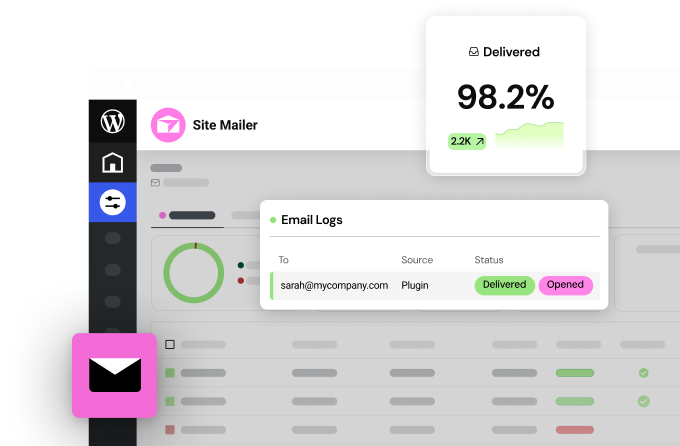
A common pain point for WordPress designers is that contact forms stop working because the hosting server’s PHP mail function is unreliable. Site Mailer by Elementor is a plugin that resolves this by configuring SMTP settings easily. It ensures that every lead captured by your beautifully designed form actually reaches the client’s inbox. It acts as the bridge between your design (the form) and the result (the lead).
Growing the Design Business
Building the site is step one; growing the business is step two. The Elementor platform includes tools to close the loop between design and marketing, allowing you to offer more value to clients.
Send by Elementor
Send by Elementor is an integrated email marketing and automation solution. It allows you to collect leads through Elementor forms and immediately trigger automated email sequences.
- Native Integration: Because it is native to the platform, you don’t need to struggle with complex integrations or API keys (like you would with Mailchimp or HubSpot).
- Design Consistency: You can design your emails using the same drag-and-drop interface you use for your website. This ensures absolute brand consistency across all channels—your email newsletter looks exactly like your landing page.
- Fair Pricing: Unlike other providers that charge by “contact count” (penalizing you for growing), Send often uses a credit-based model or flat tiers.
Choosing Your Canvas: Hello Theme vs. Hello Biz
Every Elementor site needs a theme. Elementor offers two distinct starting points, and choosing the right one is part of the design strategy.
- Hello Theme: The “blank canvas.” It is extremely lightweight and stripped back. It contains almost no styling of its own. This is the choice for professional designers who want to use Elementor Pro to build every pixel from scratch using the Theme Builder. It guarantees the fastest possible load times because it loads zero unnecessary code.
- Hello Biz: A beginner-friendly theme that includes a setup wizard and pre-designed header/footer styles. This is ideal for DIY business owners or designers who want to get a polished site up quickly without designing the structural elements themselves. It provides a solid, professional foundation that you can then customize.
Use Cases: Which Builder Fits Your Profile?
The “best” builder depends on who you are and what you need to achieve. Here is how the Elementor platform adapts to different user personas.
For the Professional Freelancer & Agency
The Challenge: You need to build high-quality custom sites fast, maintain them easily, and ensure they don’t break. You trade time for money. The Solution: Use Elementor Pro on Elementor Hosting. Why:
- Workflow: The AI Site Planner cuts down the strategy and wireframing phase from days to minutes.
- Scalability: Global Styles allow you to make client-requested changes instantly across the whole site.
- Maintenance: Angie automates the routine maintenance.
- Revenue: You can resell the hosting to your client, creating a recurring revenue stream while providing them with enterprise-grade performance. Solutions for Designers
For the DIY Small Business Owner
The Challenge: You have a limited budget and no coding skills, but you need a site that looks professional and drives calls. You cannot afford to hire an agency. The Solution: Use Elementor Hosting with the Hello Biz theme. Why:
- Simplicity: The managed hosting handles all the technical security and backups so you don’t have to.
- Speed: The Hello Biz theme gives you a polished starting point with “business-ready” widgets.
- Control: You can use the visual editor to update your text and images easily without breaking the layout.
- Growth: Site Mailer ensures you never miss a customer inquiry, and Send helps you build a newsletter. Start with a Free Download
For the eCommerce Merchant
The Challenge: You need a store that converts. Design flexibility is key to standing out from generic templates, but performance is critical for sales. The Solution: Elementor Pro (WooCommerce Builder) + Elementor Hosting. Why:
- Conversion: You can design custom product funnels and checkout experiences that reduce friction.
- Performance: The hosting is optimized for the database-heavy queries of WooCommerce, ensuring your store stays fast even during traffic surges (like Black Friday).
- Retention: Send by Elementor allows you to run abandoned cart campaigns directly from your dashboard. eCommerce Hosting Solutions
Conclusion
In the search for the best website builder for design, the answer lies in the balance. Closed SaaS platforms offer simplicity but limit your ownership and flexibility. Traditional coding offers freedom but limits your speed and accessibility.
Elementor stands out as the comprehensive solution for 2025 because it refuses to compromise. It provides the Creative Engine (the builder) to design without limits, the Optimized Foundation (the hosting) to ensure speed and security, and the Business Tools (AI, Marketing) to drive growth.
It acknowledges that a website is not a static brochure; it is a living business asset. For the designer who wants to build professional, pixel-perfect, and scalable websites, Elementor is not just a tool—it is the platform that empowers you to create your best work.
Frequently Asked Questions
1. Is Elementor better than Wix for professional designers? Elementor is generally considered better for professional designers because it offers full pixel-perfect control and is built on open-source software (WordPress). This means you own your data and have unlimited extensibility through plugins, whereas Wix is a closed platform where you cannot export your site code. Professional designers often prefer Elementor’s ability to use Flexbox and Grid layouts natively.
2. Do I need to know how to code to use Elementor? No. Elementor is a drag-and-drop visual builder. You can design complex layouts, animations, and responsive styles without writing a single line of code. However, if you do know code, Elementor allows you to add custom CSS, giving you the best of both worlds.
3. Does Elementor slow down websites? Elementor itself is optimized for performance, but site speed depends heavily on your hosting and image optimization. Using Elementor Hosting (which uses Google Cloud C2 machines) and the Image Optimizer plugin ensures that Elementor sites load extremely fast and can achieve top Core Web Vitals scores. “Bloat” usually comes from using too many third-party addons, not Elementor itself.
4. Can I use Elementor for eCommerce websites? Yes. Elementor Pro features a dedicated WooCommerce Builder. This allows you to visually design your Single Product pages, Shop Archives, Cart, and Checkout pages, giving you complete control over your store’s design and user experience. It empowers you to break free from the standard WooCommerce template look.
5. What is the difference between Elementor Free and Elementor Pro? The Free version offers the basic drag-and-drop editor and around 40 widgets, which is great for simple sites. Elementor Pro unlocks the Theme Builder (headers, footers), WooCommerce Builder, Popup Builder, Dynamic Content (pulling data from custom fields), and advanced widgets like Forms, Slides, and Motion Effects.
6. Is Elementor good for SEO? Yes. Elementor creates clean, semantic HTML that search engines can easily crawl. Furthermore, it integrates seamlessly with top SEO plugins like Yoast or RankMath. The fast loading speeds provided by Elementor Hosting also contribute positively to SEO rankings. You have full control over heading tags (H1, H2, etc.) and schema markup.
7. Can I move my Elementor site to a different host later? Yes. This is a major advantage of Elementor over closed SaaS platforms like Wix or Squarespace. Since Elementor is built on open-source WordPress, you own your data. You can export your entire site and move it to any hosting provider you choose at any time. You are never “locked in.”
8. How does Elementor AI help with web design? Elementor AI is integrated directly into the editor. It can help you generate and edit images, write and refine website copy, translate text, and even generate custom CSS and HTML code to achieve specific design effects. It significantly speeds up your workflow by removing the need to switch between different tools.
9. Is Elementor secure for eCommerce? Yes. When using Elementor Hosting, your site is protected by enterprise-grade security including Premium SSL, a Web Application Firewall (WAF), and DDoS protection. These measures are critical for keeping customer data safe on eCommerce sites. Regular automated backups provide an additional safety net.
10. What is the “Hello” theme and why should I use it? The Hello Theme is a free, lightweight theme developed by Elementor. It is designed to be a blank canvas that loads incredibly fast. It is the perfect foundation for designers who want to use Elementor Pro to build their entire site design from scratch without fighting against existing theme styles. It reduces potential conflicts and maximizes performance.
Looking for fresh content?
By entering your email, you agree to receive Elementor emails, including marketing emails,
and agree to our Terms & Conditions and Privacy Policy.