Table of Contents
This guide explores what a modern website builder is, how these powerful tools operate, and what features you absolutely need to look for when choosing a platform that can grow with your business.
Key Takeaways
- Definition: A website builder is a platform or tool that allows users to create and manage websites using a visual, code-free interface, typically based on drag-and-drop functionality and pre-designed templates.
- The Core Shift: The best modern platforms, like Elementor, have evolved beyond simple “page builders” into comprehensive, all-in-one web creation ecosystems that handle hosting, design, performance, and marketing.
- Speed vs. Control: Website builders offer unprecedented speed to market compared to traditional coding, while advanced platforms still provide pixel-perfect design control and deep customization features.
- Key Features to Demand: Look for Theme Builder capabilities, a robust AI integration suite, dedicated hosting optimized for the builder, and tools for eCommerce and marketing automation.
- Open-Source Advantage: Platforms built on open-source technology, such as WordPress with Elementor, offer the perfect balance of SaaS simplicity (unified support, integrated stack) and unlimited flexibility (full data ownership, vast extensibility).
The Fundamental Definition of a Website Builder
Simply put, a website builder is a software application or online service that enables users to construct a website without needing to write a single line of code. Think of it as translating the abstract language of code into a tactile, visual design process.
This shift moves web creation from being purely technical to being primarily visual. You manipulate elements directly on the screen, seeing the results instantly—a concept known as What You See Is What You Get (WYSIWYG) editing.
The Two Main Types of Website Builders
The term “website builder” covers a few different models. Understanding these distinctions helps you determine which architecture best suits your goals for creative control, data ownership, and long-term scalability.
1. The All-in-One Closed Platforms (SaaS)
These are proprietary, software-as-a-service systems where the builder, hosting, security, and maintenance are all bundled together and managed by one company.
Key Characteristics:
- Simplicity: Very easy for beginners to use, offering a curated experience.
- Lock-in: You can only use the features and templates provided by the platform. You do not have access to the underlying code or database, making migration to another service difficult or impossible.
- Control: Creative and functional control is limited to the boundaries of the platform’s tools.
Examples of this type include services like Wix or Squarespace. They offer a simple, locked environment.
2. Open-Source Ecosystem Platforms (WordPress-based)
This category includes visual builders built on top of an open-source content management system, most notably WordPress. This model offers the best of both worlds: the visual ease of a builder combined with the limitless freedom and extensibility of the open web.
Key Characteristics:
- Freedom: You retain full ownership of your site’s code and data, which means you can move your site to any host at any time.
- Extensibility: You can tap into the massive ecosystem of WordPress plugins and themes, adding any type of functionality imaginable, from complex membership systems to custom application features.
- Visual Power: Tools like Elementor Website Builder function as a creative engine within WordPress, giving you pixel-perfect control over every element of your site design without needing to code. You can download the core Elementor builder for free to get started right away. https://elementor.com/free-download
The strategic evolution of platforms like Elementor means they now offer their own optimized hosting (Elementor Hosting) and integrated tools, bridging the gap between the closed SaaS experience and the fragmented traditional WordPress setup.
How a Website Builder Works: The Visual Workflow
Website builders operate by converting visual manipulations into clean, optimized web code (HTML, CSS, and sometimes JavaScript) in the background. The user, however, only interacts with the front-end interface.
The Step-by-Step Builder Process
The workflow typically follows a simple, logical sequence, transforming a complex development process into an intuitive design session.
1. Selection of a Foundation
Every website needs a starting point. Modern builders offer several routes, depending on the platform’s power:
- Templates/Kits: You select a professionally designed, pre-built template or Site Kit that aligns with your industry (e.g., photography, restaurant, agency). This provides the layout, style, and structure for an entire multi-page website immediately. Platforms like Elementor offer a vast library to accelerate this process. https://elementor.com/library
- Theme Frameworks: Professionals often start with a minimal, blank canvas theme, like the Hello Theme from Elementor, and use the builder’s Theme Builder functionality to design every single part of the site from scratch for maximum customization.
- AI Planning: The newest method involves using AI Site Planner tools. You simply describe your business and goals in natural language, and the AI instantly generates a comprehensive site plan, logical sitemap, and stylized wireframe to give you a smart starting point.
2. The Drag-and-Drop Editor
This is the central feature that defines the builder experience. Instead of writing code for a heading or an image gallery, you use widgets or modules.
- Widgets: These are pre-coded functional elements (like Heading, Button, Image, Slider, Contact Form, Price Table) that you drag from a panel onto the page canvas and drop into position.
- Layout Structure: Pages are typically structured using Sections (or Containers) which hold Columns (or inner containers), which then hold your individual widgets. This clear hierarchy ensures the resulting code is structurally sound and responsive across all devices.
3. Real-Time Customization and Styling
Once an element is on the page, the user panel transforms into a control center for its appearance and function.
- Content Tab: Here, you edit the core information, such as changing the text of a heading, uploading a new image source, or setting the destination URL of a button.
- Style Tab: This is where you apply aesthetics. You change fonts (typography), select colors (from a global Design System palette for consistency), adjust spacing (padding and margin), and apply effects like box-shadows or border-radius.
- Advanced Tab: For deeper control, you can apply motion effects (animations, scrolling effects), set responsive visibility (hiding an element on mobile, for instance), or inject custom CSS for truly unique styling, a feature highly valued by developers.
4. Responsive Design Checkpoint
Since most internet traffic now comes from mobile devices (around 60%), a professional website must look perfect on every screen. A quality builder provides responsive design controls.
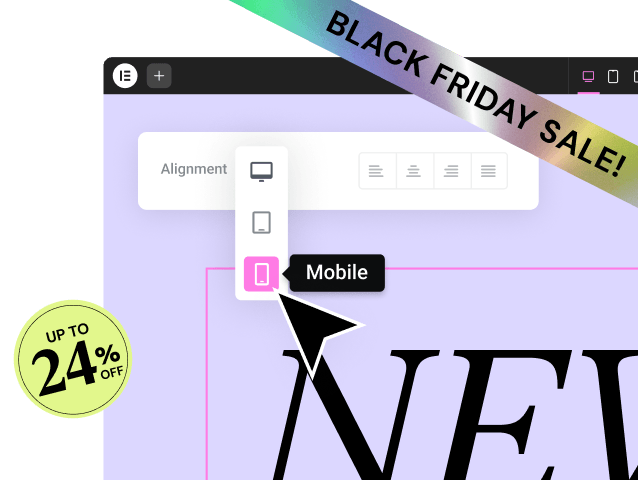
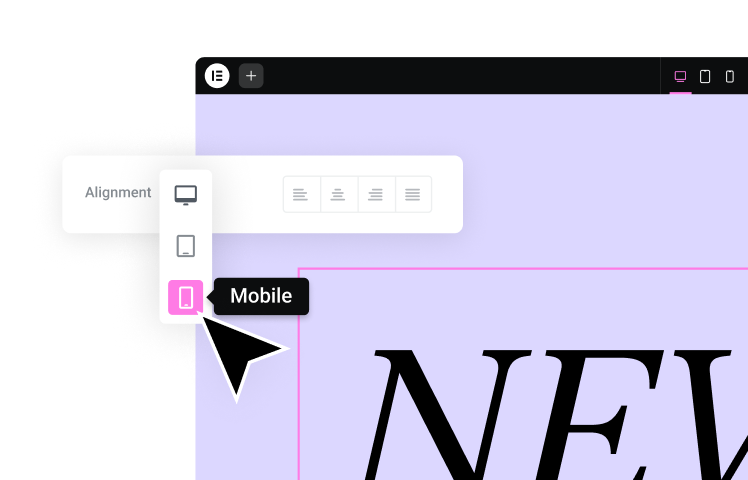
You can switch the editor view to desktop, tablet, or mobile, and make specific styling adjustments for each breakpoint. For example, you might make a heading font size smaller on mobile to prevent text overflow.
5. Publishing and Management
Once your design is complete, a single click publishes the site, making it live on the internet. Modern platforms often include integrated tools for ongoing management:
- Hosting: The builder may include integrated hosting, simplifying the process.
- Security & Backups: Automatic daily backups, SSL certificates, and enterprise-grade security are included in the overall service package for peace of mind.
- Updates: The platform handles core software updates, ensuring your builder and any integrated tools are always running the latest, most secure versions.
The Evolution: From Page Builder to Web Creation Platform
The biggest change in the web design world over the last decade is the evolution of tools like Elementor. The old “page builder” only allowed you to design the content area of a page. Today’s solution, the Website Builder Platform, gives you control over the entire digital presence.
The Power of the Theme Builder
If you use traditional WordPress, the theme dictates your site’s layout—especially the header, footer, and archive pages (like your blog roll). If you wanted to change the layout of your blog posts, you had to mess with PHP theme files.
The Theme Builder feature, central to Elementor Pro, eliminates this restriction. You design templates for every part of your site visually:
- Global Header and Footer: Design them once and apply them sitewide.
- Single Post Template: Design the layout for your blog posts, complete with dynamic elements like the post title, author name, and featured image.
- Archive Template: Control how lists of posts, products, or search results display.
- 404 Pages: Create a custom, on-brand error page.
- WooCommerce Builder: Design every aspect of your online store, including custom product pages, cart, and checkout flow. https://elementor.com/features/woocommerce-builder
This capability provides the kind of holistic design control previously exclusive to hand-coding.
Elementor: An Integrated Ecosystem for Growth
A true platform understands that building a website is only the first step. The ongoing success depends on performance, security, and growth tools. The Elementor ecosystem offers tightly integrated solutions that address these needs.
1. Performance and Foundation
Speed and reliability are non-negotiable for SEO and user experience.
- Optimized Hosting: Elementor Hosting is purpose-built and optimized specifically for Elementor sites. Running on premium infrastructure (like Google Cloud Platform) and integrated with enterprise CDNs (Cloudflare Enterprise), it guarantees peak performance and reliability. https://elementor.com/hosting
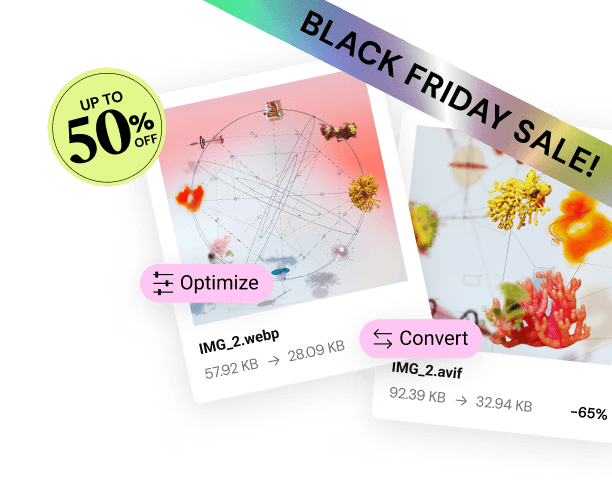
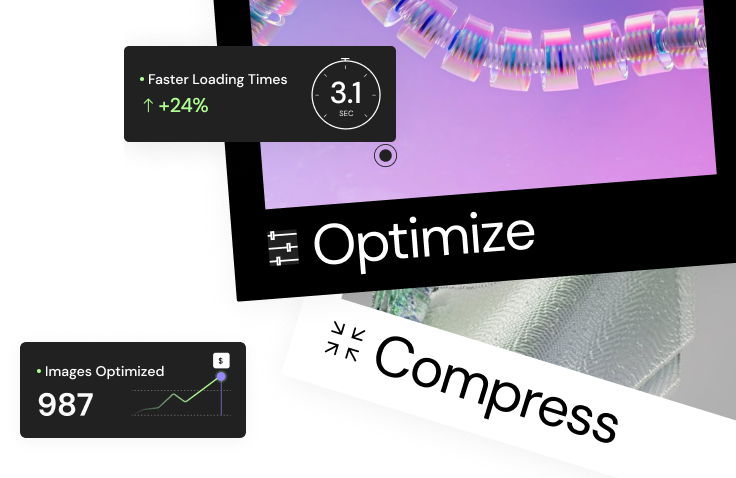
- Image Optimization: Large images are the number one cause of slow load times. The Image Optimizer by Elementor plugin automatically compresses, resizes, and converts images to next-gen formats like WebP, solving a major technical headache without requiring manual effort. https://elementor.com/products/image-optimizer
2. The AI-Powered Web Creation Workflow
Artificial Intelligence has transformed the efficiency of web creation. Elementor’s AI tools are seamlessly integrated across the workflow, acting as a true creative partner.
- Strategic Planning: The AI Site Planner is a revolutionary tool that takes your initial idea and instantly generates a professional project brief, a clear sitemap, and a content-rich wireframe. This tool is essential for freelancers and agencies who need to accelerate the client discovery and approval phase. https://elementor.com/ai-site-planner
- In-Editor Creation:Elementor AI is integrated directly into the editor. It allows you to:
- Generate Content: Write compelling headlines and body copy, refine existing text, or instantly translate content—all within the text widget.
- Create Images: Generate unique, royalty-free images from a text prompt or edit existing visuals, ending the endless search for stock photos.
- Generate Custom Code: Even if you aren’t a developer, you can use the AI code assistant to generate snippets of custom CSS or HTML, opening up advanced customization options. https://elementor.com/products/ai
3. Inclusivity and Compliance
In today’s digital world, accessibility is not just good practice, it’s often a legal requirement. Elementor provides a dedicated solution to address this head-on.
- Ally by Elementor: This specialized plugin helps creators make their websites more usable and compliant with global accessibility standards like WCAG 2.1 AA. It scans the site for violations and provides actionable, step-by-step guidance or AI-powered suggestions to fix them. This simplifies complex compliance issues for professionals and businesses. https://elementor.com/products/ally-web-accessibility
You can find more detailed information on Ally and accessibility features in this video:
4. The Growth and Marketing Engine
To truly be an all-in-one platform, a builder needs integrated tools for audience growth.
- Form and Popup Builder: With Elementor Pro, you get a powerful Form Builder to create custom contact forms, lead capture forms, and surveys. The Popup Builder allows you to design conversion-focused popups with advanced targeting and trigger conditions.
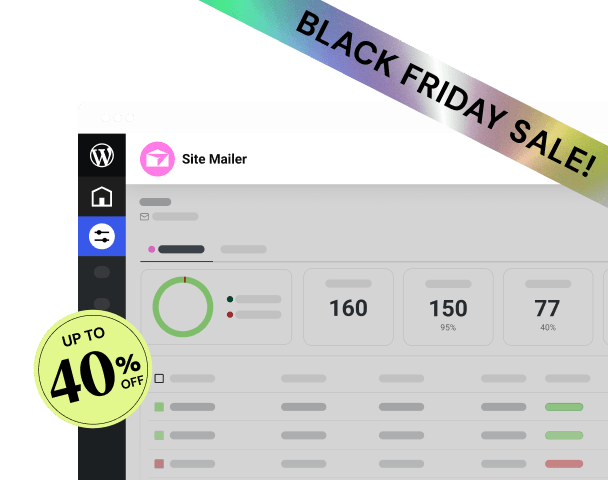
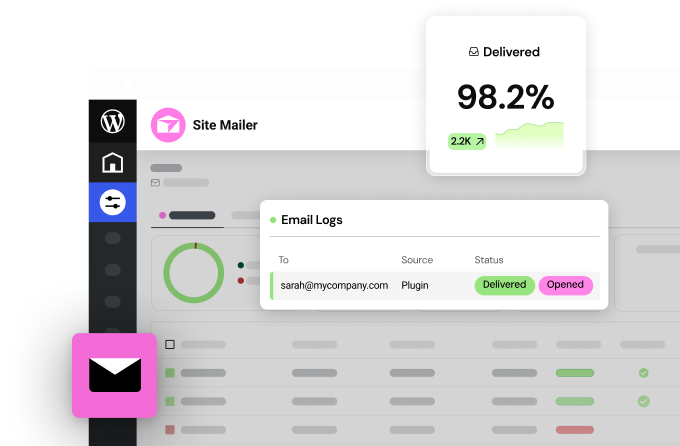
- Reliable Email: One of the most common, frustrating issues with traditional WordPress is unreliable email delivery for contact forms and transactional messages. Site Mailer by Elementor solves this problem by providing a streamlined, zero-configuration solution for guaranteed email deliverability, ensuring critical communications never land in the spam folder. https://elementor.com/products/site-mailer
- Email Marketing: Send by Elementor provides a native email marketing and automation platform built directly into the WordPress environment. This means you can design converting emails, build automation workflows, and manage your audience growth with seamless, one-click integration—no complex third-party tools required. https://send2.co
Website Builder vs. Traditional Coding: A Strategic Comparison
When should you choose a website builder over coding a website from scratch using tools like Visual Studio Code, HTML, and CSS? The answer lies in balancing speed, budget, technical expertise, and desired control.
As web creation expert Itamar Haim often notes, “The question isn’t whether builders are ‘as good’ as code; the question is, does the solution efficiently achieve the business goal? For 99% of businesses, the answer is unequivocally yes.”
Pros and Cons: A Side-by-Side View
| Aspect | Website Builder Platform (e.g., Elementor) | Traditional Coding (HTML, CSS, JS) |
| Speed to Launch | Hours to Days | Weeks to Months |
| Technical Skill | Zero to Minimal Code Knowledge Required | Requires proficiency in multiple languages |
| Cost | Fixed, lower annual/monthly subscription | High (Developer salaries, custom maintenance) |
| Maintenance | Handled by the platform (updates, security, backups) | Handled by the user or dedicated developer |
| Customization | Excellent for design, strong for functionality via plugins | Absolute, complete freedom |
| Extensibility | Limited by the platform’s API/plugin ecosystem (vast in open-source) | Limited only by developer skill and time |
When to Choose a Website Builder
You should opt for a powerful website builder platform if:
- You need to launch quickly: Speed-to-market is critical for new businesses, campaigns, or client projects with tight deadlines.
- Your budget is fixed: Predictable monthly or annual costs are essential for small businesses and freelancers.
- You prioritize self-management: You want the ability to update content, change images, and tweak design elements yourself without needing to call a developer.
- You need the best of both worlds: Platforms built on WordPress, such as Elementor, offer the intuitive visual editing of a builder while preserving the open-source advantage—meaning you own your data and can extend functionality without limits.
Addressing the Old Limitations of Builders
Early website builders often suffered from limitations in design and performance. Modern platforms have systematically eliminated these drawbacks.
| Old Limitation | How Modern Platforms Solved It |
| Lack of Design Control | Introduction of Theme Builder and granular, pixel-perfect design controls, CSS transforms, and motion effects. |
| Slow Performance/Bloat | Development of minimalist theme frameworks (Hello Theme) and dedicated performance tools (Image Optimizer) built into optimized cloud hosting (Elementor Hosting). |
| Poor Scalability | Integration with professional tools like WooCommerce Builder and dedicated marketing platforms (Send by Elementor) to support growth and high traffic. |
| Vendor Lock-in | Building on open-source WordPress ensures users retain full data and code ownership, eliminating proprietary lock-in. |
Strategic Considerations: Choosing the Right Platform
Selecting a website builder should be a strategic decision, not just a casual choice based on the cheapest price. You need a platform that can handle your current needs while offering the features necessary for future growth.
1. Evaluate the Ecosystem, Not Just the Builder
Ask yourself: What other critical tools are included? A truly comprehensive platform offers an integrated suite, reducing the need for dozens of separate, potentially conflicting plugins and subscriptions.
| Feature Area | Why It Matters for Growth | Elementor Solution |
| E-commerce | Essential for selling physical or digital products. | WooCommerce Builder for custom store design. |
| Design Consistency | Ensures all pages look cohesive and match your brand identity. | Global Styles and Design System settings. |
| Workflow Automation | Saves time on repetitive tasks for professionals and agencies. | Elementor AI Site Planner and Angie (Agentic AI). |
| Lead Generation | Captures emails and conversions for marketing efforts. | Popup Builder and Form Builder. |
| Security & Speed | Critical for SEO rankings and user trust. | Elementor Hosting (Google Cloud/Cloudflare CDN). |
2. Focus on Design Flexibility and Control
Your website is your brand’s face. You must have pixel-perfect control to execute your vision.
- Visual Editor Quality: Is the editor truly live and visual, or do you have to guess how changes look? Elementor’s front-end editor provides instant feedback.
- Granular Styling: Can you adjust padding, margin, borders, and colors for every element on every device? Look for extensive options in the Style tab.
- Dynamic Content: If you run a blog, a listing site, or an e-commerce store, you need Dynamic Content features. This allows a template to pull live data (e.g., a post title, a product price, or a user’s name) and display it automatically. This is fundamental for scaling without manual data entry.
3. The Advantage of Unified Support
If your site breaks, who do you call? In a traditional WordPress setup, the theme creator blames the plugin author, who blames the host. This “blame game” is a massive waste of time and money.
Elementor Hosting and the entire Elementor ecosystem eliminate this problem. Because the builder, hosting, AI, and utility plugins are created and supported by the same company, you get a single point of expert contact for any issue. This unified support model is the defining characteristic of a professional platform designed to save creators time and frustration.
4. Exploring Advanced Features
For seasoned professionals, marketers, and agencies, a builder platform must offer more than just basic page construction. Look for these advanced, time-saving features:
Dynamic Content and Custom Fields
Beyond basic content, the ability to integrate with tools like Advanced Custom Fields (ACF) allows you to create highly structured, reusable data that can be injected anywhere on your site using Elementor’s dynamic tags. This is crucial for real estate listings, complex portfolios, or custom product information.
Role Manager
If you work with clients or a team, you need control over who can edit what. Elementor Pro’s Role Manager lets you define roles (like Administrator, Editor, Author) and restrict their access to the Elementor editor, ensuring no one accidentally breaks your design or functionality.
Global Assets and Templates
- Global Widgets: Create a call-to-action button or a lead capture form once, save it as a Global Widget, and place it across multiple pages. If you update the master Global Widget, every instance updates automatically. This is essential for site-wide consistency and fast maintenance.
- Kits and Template Export/Import: For agencies, the ability to export a complete, pre-styled Site Kit and import it into a new client site in minutes is a massive workflow accelerator. This allows for rapid prototyping and deployment of standardized projects.
Launching Your Website: The Professional Checklist
Before you launch your website, make sure you have covered these essential checkpoints that professional web creators use to guarantee a smooth and successful launch.
| Step | Action Required | Elementor Tool/Feature |
| 1. Planning & Structure | Define the site map, pages, and key conversion goals. | AI Site Planner to generate brief and wireframes. |
| 2. Core Design | Set global colors, fonts, and button styles for consistency. | Global Styles and Design System settings. |
| 3. Performance Audit | Ensure images are optimized for speed and check Core Web Vitals. | Image Optimizer by Elementor and Elementor Hosting speed. |
| 4. Mobile Responsiveness | Preview and customize the layout for tablet and mobile devices. | Responsive Design Controls for custom breakpoints. |
| 5. E-commerce Setup | Design the product page, cart, and checkout flow. | WooCommerce Builder (Pro feature). |
| 6. Communication Check | Test all contact forms and ensure transactional emails are delivered reliably. | Site Mailer by Elementor for guaranteed deliverability. |
| 7. Security & Backup | Confirm automatic daily backups and security protocols are active. | Elementor Hosting (integrated feature). |
| 8. Accessibility Review | Scan the site for common accessibility violations and remediate. | Ally by Elementor (Ally Assistant). |
| 9. Marketing Integration | Set up lead capture forms and connect to your email marketing system. | Form Builder and Send by Elementor integration. |
Taking a platform approach—where all these features work together seamlessly—is simply the smartest, most efficient way to build modern websites that perform. Whether you’re a freelancer building client sites or a small business owner launching your first digital storefront, the choice of a comprehensive web creation platform will be the single most impactful decision you make.
Conclusion
The modern website builder is far removed from the rudimentary tools of the past. It stands as a powerful, non-negotiable solution for anyone serious about an online presence. By providing the tools for rapid prototyping, pixel-perfect design, integrated performance, and end-to-end growth, platforms like Elementor have redefined what it means to be a web creator. You gain the speed and simplicity of a managed system without surrendering the creative control and limitless extensibility of the open web.
The future of web creation focuses on efficiency and integration. By choosing a comprehensive ecosystem over a collection of fragmented tools, you position yourself to build, manage, and scale your digital presence with confidence and authority.
Frequently Asked Questions (FAQ)
What is the difference between a page builder and a theme builder?
A page builder allows you to design the content area within a page or post. Traditionally, it could not touch the header, footer, or blog archive layouts, which were controlled by the theme. A theme builder, like the one found in Elementor Pro, gives you control over every part of your website, including the header, footer, custom post templates, and e-commerce checkouts. This allows for total design freedom, letting you replace the restrictive elements of a traditional WordPress theme.
Do I need to buy hosting separately if I use a website builder?
It depends on the type of builder. Closed SaaS platforms (like Wix) include hosting, which contributes to their vendor lock-in. Open-source builders (like Elementor) often work with any host, but the platform’s dedicated hosting is the better solution. For instance, Elementor Hosting is optimized specifically for Elementor sites, guaranteeing peak performance, security, and the benefit of unified support from a single, expert team for both the builder and the hosting environment.
Can website builders handle complex websites like e-commerce stores?
Absolutely. Modern website builders are essential for e-commerce. Elementor Pro includes the WooCommerce Builder, a specialized set of tools that lets you custom-design every step of the shopping experience—from the single product page layout to the checkout forms—without needing to write any code. The platform approach also incorporates tools like the Image Optimizer for fast product photo loading and Site Mailer for reliable transactional emails, both critical for a professional online store.
How does AI help in the website building process?
AI dramatically accelerates the workflow in three key areas: planning, content, and code. Tools like the AI Site Planner instantly convert a business idea into a site map and wireframe, reducing project planning time from days to minutes. Inside the editor, AI can generate, summarize, or translate text for any widget, create unique images, and even write custom CSS code on demand, allowing creators to focus on strategy and high-value design decisions. https://elementor.com/solutions/ai-website-builder
Are websites created with a builder good for SEO?
Yes, they can be excellent for SEO. SEO success depends primarily on content quality, mobile speed, and site structure. A good builder like Elementor provides the tools to manage SEO effectively:
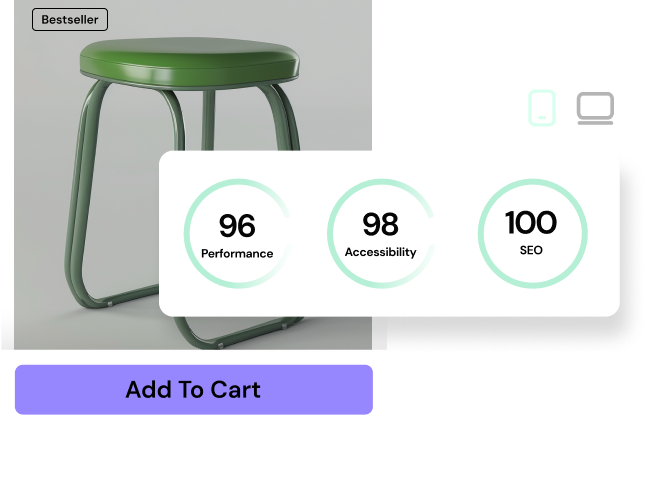
- Speed: By using optimized hosting and image compression, sites are fast, which is critical for Core Web Vitals and Google rankings.
- Responsiveness: The built-in responsive controls ensure a perfect mobile experience.
- Structure: You have full control over heading hierarchy (H1, H2, H3), URL slugs, and meta tags, which are all essential for search engines to understand your content.
What is “pixel-perfect” design control?
“Pixel-perfect” design control means having the ability to precisely control the position, spacing, and styling of every element down to the individual pixel. Unlike template-driven builders that restrict you to fixed layouts, advanced builders provide granular controls (like custom margins, absolute positioning, and Z-index management) that allow experienced designers to translate their exact vision from a mockup tool (like Figma) directly onto the live website, achieving professional-grade accuracy.
What is the biggest advantage of Elementor’s open-source foundation?
The biggest advantage is the combination of unlimited creative freedom and full data ownership. Because Elementor is built on WordPress (which is open source), you are never locked into a proprietary system. You can extend your site with any of the tens of thousands of available plugins, and you can move your website to any other host at any time. You own your content and your code entirely.
What if I want to add custom HTML or CSS?
Professional builders fully support custom code. You can use the HTML Widget to inject custom code snippets directly onto the page. For styling, Elementor allows you to add custom CSS at the element level, section level, or globally, giving developers and advanced users the flexibility to add unique flair or override default styles whenever necessary.
How does the Image Optimizer by Elementor actually improve site speed?
The Image Optimizer works by automatically compressing the file size of your images without noticeably reducing visual quality. Crucially, it converts images from old formats (like JPEG or PNG) into modern, much smaller formats like WebP and AVIF upon upload. Since images often account for the majority of a page’s load time, optimizing them is the fastest way to get a significant speed boost and improve your Core Web Vitals score.
Is Elementor free to use?
The Elementor Website Builder has a robust free version that provides over 40 essential widgets and the core drag-and-drop experience, which is enough to build many simple, professional websites. For features like the Theme Builder, WooCommerce Builder, Popup Builder, and Elementor AI access, you would need to upgrade to Elementor Pro. https://elementor.com/pro
Looking for fresh content?
By entering your email, you agree to receive Elementor emails, including marketing emails,
and agree to our Terms & Conditions and Privacy Policy.