Table of Contents
However, in the world of web creation, the price tag you see on the homepage is rarely the price you end up paying.
The digital landscape is littered with “free” and “low-cost” builders that lure users in with rock-bottom introductory rates, only to monetize them later through essential add-ons, transaction fees, and aggressive renewal pricing. The “cheapest” option on paper can quickly become the most expensive mistake in practice if it restricts your ability to grow, rank on search engines, or sell products effectively.
This guide will peel back the layers of website builder pricing in 2025. We will move beyond the marketing fluff to analyze the real costs of the most popular platforms. We will examine the “dry” facts of competitors like Wix, Squarespace, and Hostinger, and we will explore why a comprehensive platform like Elementor—built on the open-source power of WordPress—often represents the smartest financial decision for serious web creators.
If you are looking for the absolute lowest number on a pricing page, you will find it here. But if you are looking for the most cost-effective way to build a professional, scalable, and profitable online presence, you will find that answer here, too.
Key Takeaways
- “Cheap” is often a mirage: The website builders with the lowest advertised starting prices often carry the highest “hidden” costs in the form of transaction fees, forced ads, and steep renewal rates.
- Total Cost of Ownership (TCO) matters most: When evaluating the cost of a website, you must calculate the long-term expenses of hosting, domain privacy, premium extensions, and marketing tools—not just the monthly subscription fee.
- Restrictive platforms limit growth: Proprietary “walled garden” builders may look affordable initially but can become prohibitively expensive to scale, often forcing a complete site migration later.
- Open source offers the best value: Building on an open-source foundation like WordPress provides the lowest long-term cost and highest flexibility, especially when paired with a unified platform like Elementor that bundles hosting and pro tools.
- Performance equals revenue: Saving a few dollars on cheap shared hosting can cost you thousands in lost revenue due to slow load times and poor SEO rankings.
- Integrated ecosystems save money: Platforms that include essential business tools—like image optimization, email marketing, and AI assistance—eliminate the need for multiple expensive third-party subscriptions.
Understanding the Economics of Website Builders
Before we compare specific platforms, we need to establish a framework for how website builders charge you. The industry has shifted away from simple one-time software purchases to complex recurring revenue models. Understanding these models is the key to protecting your wallet.
The “Freemium” Trap
Most SaaS (Software as a Service) builders operate on a freemium model. They offer a free tier that allows you to build and publish a site. This serves a purpose for hobbyists, but for any professional entity, these plans are functionally unusable. They typically force their own branding onto your site (e.g., a large banner at the top), restrict you to a subdomain (e.g., yourname.builder.com), and throttle your bandwidth. The “cost” here isn’t money; it’s credibility.
The Introductory Rate vs. The Renewal Rate
This is the most common grievance among new website owners. A hosting provider or builder will advertise a price of $2.99/month. However, the fine print reveals that this price is only valid if you pay for 48 months upfront. Furthermore, once that initial term is up, the renewal rate often jumps by 200% to 400%. When calculating “cheap,” you must look at the price you will pay in year three, not just year one.
The “Walled Garden” Tax
Closed platforms (like Wix or Squarespace) are “walled gardens.” They own the infrastructure, the code, and the tools. If you need a specific feature that isn’t included in your plan—say, advanced booking capabilities or abandoned cart recovery—you have two choices: upgrade to a significantly more expensive tier or buy an extension from their proprietary app market. Because you cannot move your site elsewhere, you are a captive audience, and the platform dictates the price of these add-ons.
The Opportunity Cost of Limited SEO
Cheap builders often rely on bloated code or shared server resources that slow down your website. In 2025, Google’s Core Web Vitals are a critical ranking factor. If your “cheap” website takes four seconds to load, you lose traffic. If you lose traffic, you lose customers. A builder that saves you $10 a month but costs you $1,000 a month in lost sales is not cheap; it is a liability.
A Factual Analysis of Popular Website Builders
To determine which builder is truly the cheapest, we must look at the market leaders. We will examine their pricing structures, base features, and limitations in a neutral, factual manner.
Wix
Wix is a widely used SaaS website builder known for its drag-and-drop interface. It operates on a tiered subscription model.
Pricing Structure: Wix offers a free plan, but it includes Wix branding and does not allow a custom domain. Professional plans start around $17 per month for the “Light” plan. This plan removes ads and allows a domain connection but offers limited storage space (2GB) and video hours. To accept online payments or build an eCommerce store, users must upgrade to the “Core” plan, which typically starts around $29 per month.
Technical Context: Wix uses a proprietary codebase. Users cannot export their site’s code to another host. If a user wishes to leave Wix, they must rebuild their website from scratch on a new platform. The platform relies on an App Market for extended functionality. While many apps are free, advanced business features often require monthly subscriptions to third-party developers, which are billed in addition to the base Wix subscription.
Squarespace
Squarespace is a SaaS builder that emphasizes design templates and visual aesthetics. It positions itself as a premium all-in-one solution.
Pricing Structure: Squarespace does not offer a free plan, though it provides a 14-day free trial. The “Personal” plan starts at approximately $16 per month (billed annually). This plan includes unlimited bandwidth but does not allow for eCommerce transactions or advanced customization via CSS and JavaScript. To sell products, users must upgrade to the “Business” plan at roughly $23 per month, which incurs a 3% transaction fee on sales, or the “Commerce” plans starting at $27 per month to waive those fees.
Technical Context: Like Wix, Squarespace is a closed ecosystem. It manages all hosting and security. While this reduces maintenance for the user, it also limits flexibility. Users are restricted to the integrations and blocks provided by Squarespace. The platform has recently introduced “Fluid Engine,” a grid-based editor, to compete with more flexible drag-and-drop tools.
Hostinger
Hostinger is primarily a web hosting company that includes a website builder with its hosting plans. It competes on aggressive pricing strategies.
Pricing Structure: Hostinger is frequently cited as the “cheapest” option due to its low introductory rates, often advertised as low as $2.99 per month. However, this rate usually requires a 48-month commitment. Upon renewal, the price increases, typically to around $7-$12 per month depending on the specific package. The plan generally includes a free domain for the first year and email hosting.
Technical Context: Hostinger’s builder is AI-driven and template-based. It is aimed at beginners who need a site up quickly. While the initial cost is low, the builder lacks the deep customization capabilities and extensive third-party ecosystem found in more robust platforms. It is a functional solution for simple brochures or basic sites but may present scaling challenges for complex businesses.
GoDaddy
GoDaddy is a domain registrar that also offers a proprietary website builder. It focuses on speed of setup for small business owners.
Pricing Structure: GoDaddy offers a free plan with significant limitations (ads, no custom domain). Paid plans start around $10.99 per month for the “Basic” tier. To accept payments or book appointments, users generally need the “Premium” or “Commerce” plans, which can range from $15 to $25+ per month. GoDaddy is known for low first-year pricing that increases upon renewal.
Technical Context: The GoDaddy builder prioritizes simplicity over design freedom. Users select a template, and the customization options are limited to basic layout changes and color adjustments. This ensures mobile responsiveness but prevents pixel-perfect design control. Migrating away from GoDaddy’s builder involves rebuilding the site, as the proprietary code is not portable.
Weebly
Weebly, owned by Block (formerly Square), is a drag-and-drop builder with a strong focus on eCommerce integration.
Pricing Structure: Weebly offers a free tier that includes Square ads. The “Personal” plan connects a custom domain but still displays ads. Professional features and ad removal require higher-tier plans, generally starting around $12-$16 per month.
Technical Context: Since its acquisition by Square, Weebly’s development has focused heavily on eCommerce integration. The design interface has remained relatively static compared to competitors. It is a structured editor, meaning elements snap into a grid rather than allowing free-form placement.
WordPress.com
It is important to distinguish WordPress.com from the open-source WordPress.org software. WordPress.com is a managed hosting service that uses the WordPress software but adds restrictions similar to SaaS builders.
Pricing Structure: WordPress.com offers a free plan with limited features and branding. The “Personal” plan removes ads, but to install custom plugins or themes—the primary benefit of using WordPress—users must purchase the “Business” plan, which costs roughly $25 per month.
Technical Context: At the lower tiers, WordPress.com restricts users to its own curated themes and features. It provides a “hands-off” maintenance experience but charges a premium for the freedom that is natively free in the open-source version of WordPress.
The Hidden Costs of “Cheap” Website Builders
When analyzing the options above, a pattern emerges. The “sticker price” is rarely the final cost. To understand the true financial impact of your choice, you must account for the hidden costs that accumulate over the life of a website.
1. Transaction Fees
Many “cheap” plans allow you to sell products but charge a transaction fee on top of standard credit card processing rates. For example, a 3% platform fee on $10,000 of sales costs you $300 a year—far more than the difference in monthly subscription costs between a cheap plan and a professional one.
2. Domain and Privacy Fees
Most builders offer a “free domain for one year.” After that year, the renewal price for the domain can be higher than average. Furthermore, they often charge extra for “Domain Privacy Protection” (WHOIS privacy), a service that hides your personal contact info from spammers. Some registrars and platforms charge $10-$20/year for this, while others include it for free.
3. Email Hosting
A professional business needs a professional email address (e.g., [email protected]). Many SaaS builders do not include this. They will upsell you a Google Workspace mailbox for an additional $6-$10 per month per user. Over a year, a team of three pays hundreds of dollars just for email, a cost rarely factored into the “website builder” budget.
4. The Cost of Rigidity
This is the most expensive hidden cost of all. As your business grows, your needs change. You might need a specific type of loyalty program, a complex shipping calculator, or a unique design layout. On a restrictive, closed platform, if the feature does not exist, you cannot build it. You may have to hire a developer to build a “hacky” workaround, or worse, you may have to migrate your entire site to a new platform. The cost of migration—in time, money, and SEO ranking drops—is astronomical.
The Elementor Paradigm: Value Over “Cheap”
This brings us to a different approach to website building. Instead of looking for the tool with the lowest introductory price and the highest restrictions, consider the model that offers the lowest Total Cost of Ownership (TCO) and the highest ceiling for growth: The Elementor Ecosystem.
Elementor is not just a page builder; it is a comprehensive website creation platform built on WordPress. This distinction is vital. By leveraging the open-source nature of WordPress (which is free software) and enhancing it with a professional visual editor and managed hosting, Elementor offers a “best of both worlds” solution. You get the ease of use of a SaaS builder with the unlimited freedom and affordability of open source.
The Open Source Advantage
At its core, the Elementor Website Builder operates on WordPress. Because WordPress is open-source software, you are not paying a license fee for the core operating system of your website. You own your data. You own your content. You can move your site to any host in the world. This eliminates the “vendor lock-in” that makes SaaS builders so risky.
With Elementor, you are building on a foundation that powers over 40% of the web. This ubiquity means that extensions, plugins, and resources are abundant and often free or low-cost, unlike the proprietary app markets of closed builders.
Elementor Hosting: The Unified Solution
Historically, the downside of WordPress was that you had to find your own hosting, install the software, and manage updates. Elementor Hosting solves this by bundling managed WordPress hosting with the Elementor Pro builder.
This creates a “SaaS-like” experience. You sign up, and your site is ready. The hosting is built on the Google Cloud Platform and includes Cloudflare Enterprise CDN, ensuring enterprise-grade speed and security. Why this is cheaper: To purchase premium Google Cloud hosting, a firewall, a CDN, and a pro-level builder separately would cost significantly more than the bundled price Elementor offers. You are getting a premium infrastructure for a price that competes with budget shared hosting.
The All-in-One Ecosystem
The most significant savings with Elementor come from its ecosystem. A typical WordPress site might need separate paid subscriptions for a popup builder, a form builder, an image optimizer, and an under-construction mode. Elementor Pro includes these features natively.
- Form Builder: Create advanced forms without a separate plugin.
- Popup Builder: Design marketing popups without paying for a tool like OptinMonster.
- Theme Builder: Design your headers, footers, and archives visually.
By consolidating these tools into one platform, Elementor reduces your “plugin bloat” and your monthly bill. You stop paying five different vendors and start paying one flat rate for a complete toolkit.
Deep Dive: Features That Save You Money
Let’s look specifically at how Elementor’s integrated features replace expensive standalone tools, effectively lowering the cost of running your business.
1. The Visual Builder vs. Developer Costs
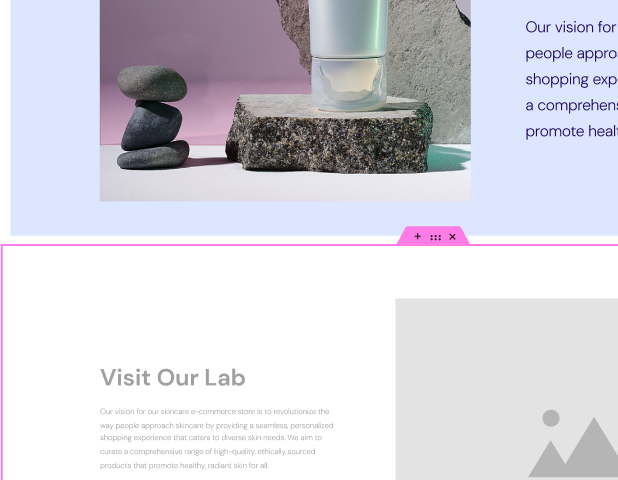
The primary cost of a professional website used to be hiring a developer. Elementor’s drag-and-drop live editor allows you to design pixel-perfect websites without writing code. You have granular control over every aspect of the design—margins, padding, motion effects, and responsive behavior. This empowers you to make changes instantly. You do not need to pay a developer $100 an hour to move a button or change a headline. The Hello Theme acts as a perfect blank canvas for this, providing a lightweight framework that loads fast and adapts to any design.
2. WooCommerce Builder vs. eCommerce Platforms
If you build a store on Shopify or BigCommerce, you pay a monthly subscription plus transaction fees, and you often have to pay extra for advanced apps. Elementor’s WooCommerce Builder allows you to design a fully custom online store on WordPress. WooCommerce itself is free. Elementor gives you the visual tools to design your product pages, cart pages, and checkout flow. You avoid the “success tax” of transaction fees charged by other platforms. As your store grows, your costs remain stable.
3. Elementor AI vs. Copywriters and Designers
Content creation is a massive bottleneck and expense. Elementor has integrated AI directly into the editor. Elementor AI can generate text, write custom code snippets (HTML/CSS), and even create or edit images. Instead of subscribing to ChatGPT Plus, Midjourney, and a coding assistant separately, you have these capabilities inside your website builder. This context-aware AI understands your layout and helps you fill it with professional content.
For the planning phase, the AI Site Planner can generate a sitemap and wireframe in minutes, saving you hours of strategy work or the cost of a UX consultant.
4. Performance Tools vs. Optimization Plugins
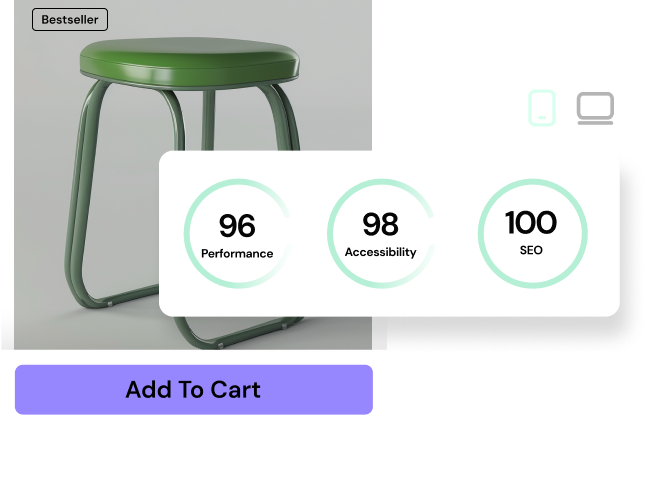
Speed is money. Slow sites kill conversions. Usually, WordPress users have to buy premium caching and image optimization plugins. Elementor includes features like the Image Optimizer, which automatically compresses your images and converts them to next-gen formats like WebP without quality loss. This ensures your site loads fast, improving your SEO and user experience without an extra subscription.
5. Marketing Integrations vs. CRM Costs
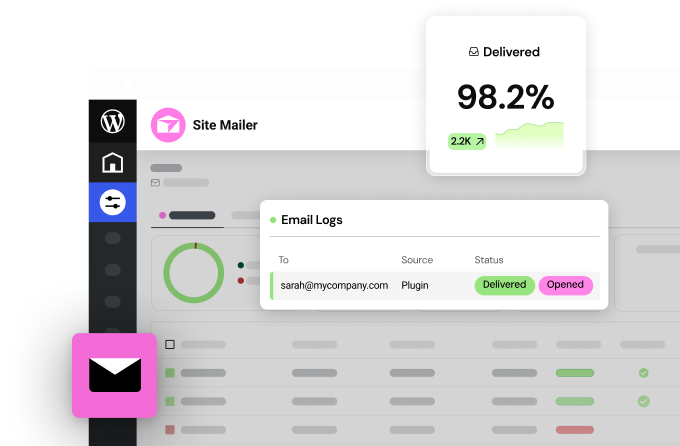
Collecting leads is useless if you can’t communicate with them. Site Mailer ensures your transactional emails (like password resets and order confirmations) actually hit the inbox, solving a common WordPress issue without needing a complex SMTP service.
Furthermore, for marketing campaigns, tools like Send by Elementor allow you to manage email marketing and automation directly from your dashboard, creating a unified workflow from lead capture to customer nurturing.
6. Accessibility vs. Legal Risks
Web accessibility is not just a moral obligation; it is a legal one. Lawsuits regarding non-compliant websites are on the rise. Ally by Elementor provides automated scanning and remediation tools to help your site meet accessibility standards. This reduces the risk of costly legal battles and avoids the high price of enterprise accessibility audit services.
Strategic Comparison: The Best of Both Worlds
When we step back and look at the landscape, the “Cheapest Website Builder” question has a nuanced answer.
If you strictly mean “the lowest amount of money leaving my bank account today,” a platform like Hostinger or a basic Wix plan might win. But this is a short-sighted view. You are renting a room in someone else’s house. You cannot knock down walls, you cannot paint the exterior, and if the landlord raises the rent, you have to move.
Elementor represents a strategic middle ground. It offers the simplicity of SaaS (through Elementor Hosting) with the freedom of Open Source (through WordPress).
| Feature | Closed SaaS (Wix/Squarespace) | Cheap Shared Hosting | Elementor Ecosystem |
| Initial Cost | Moderate | Low | Moderate/Low |
| Renewal Cost | High | High | Stable |
| Transaction Fees | Yes (often) | No | No |
| Design Freedom | Limited by platform | High (if you code) | Unlimited (Visual) |
| Portability | None (Locked in) | High | High |
| Scalability | Expensive upgrades | Low resources | High (Cloud) |
| Maintenance | Managed | DIY (Manual) | Managed |
Who is Elementor for?
- The DIY Business Owner: You need a professional site but don’t have a $10,000 budget. Elementor’s visual tools and Hello Biz theme let you launch quickly without looking generic.
- The Marketer: You need high-converting landing pages, popups, and integrations. Elementor Pro’s marketing tools replace a stack of expensive software.
- The Agency/Freelancer: You need to build sites for clients that are easy to manage but completely custom. Elementor allows you to scale your production without sacrificing quality.
Expert Insights: The Future of Web Creation
To understand where the industry is heading, we look to experts who see beyond the pricing table.
Itamar Haim, a recognized expert in web creation and digital strategy, notes that the shift is moving toward “platform” thinking. It is no longer about just building a page; it is about having a connected ecosystem. A builder that isolates you from marketing tools or performance optimization is a builder that will eventually cost you more in time and integration headaches.
As noted in industry analysis, the future state of eCommerce and web design is about data ownership and connected experiences. Brands will view data as a value exchange. Owning your first-party data (which is easier on WordPress/Elementor than on closed platforms) is critical as privacy regulations tighten.
For further context on how Elementor is shaping this future with AI and accessibility, you can view these resources:
https://www.youtube.com/watch?v=QKd7d6LueH4 https://www.youtube.com/watch?v=-2ig5D348vo https://www.youtube.com/watch?v=gvuy5vSKJMg https://www.youtube.com/watch?v=cmx5_uThbrM&pp=0gcJCcYJAYcqIYzv https://www.youtube.com/watch?v=sK7KajMZcmA
Conclusion
So, which website builder is cheapest?
If your goal is to publish a single page with no custom domain and no intention of selling products, a free tier from a SaaS builder is the “cheapest.”
But if your goal is to build a business, the equation changes. The cheapest website builder is the one that:
- Does not tax your success with transaction fees.
- Does not force you to rebuild your site when you outgrow the platform.
- Does not require five different paid subscriptions to achieve basic functionality like forms, popups, and SEO.
By these metrics, Elementor stands out as the value leader in 2025. It strips away the hidden costs of web creation. It bundles the essential tools—hosting, builder, optimization, and AI—into a coherent, predictable package. It gives you the keys to your website, ensuring that the asset you are building belongs to you, not a corporation that can change the rules at any moment.
In the economy of the web, the smart investment is rarely the one with the lowest sticker price. It is the one that gives you the strongest foundation. Elementor provides that foundation, allowing you to build, grow, and scale without hitting a ceiling.
Frequently Asked Questions (FAQ)
1. Is Elementor truly free to use? Yes, the core Elementor plugin is free and open-source. It includes over 40 widgets and a drag-and-drop builder that is sufficient for many basic websites. You can download it at https://elementor.com/free-download. To unlock advanced features like the Theme Builder, WooCommerce Builder, and Popup Builder, you need Elementor Pro.
2. Why should I pay for Elementor Hosting instead of cheap shared hosting? Cheap shared hosting often places your site on a crowded server, leading to slow load times and security risks. Elementor Hosting is a managed cloud solution built on Google Cloud Platform. It is optimized specifically for Elementor, ensuring peak performance, and includes enterprise-grade features like a CDN and premium SSL that would cost much more if purchased separately.
3. Do I need to know how to code to use Elementor? No. Elementor is a “No-Code” platform. You can build complex, dynamic websites using a visual interface. However, if you are a developer, Elementor allows you to add custom CSS and HTML, giving you the flexibility to extend the platform.
4. Can I build an online store with Elementor? Absolutely. Elementor’s WooCommerce Builder allows you to design every aspect of your online store, from product archives to the checkout page, visually. It integrates seamlessly with WooCommerce, the world’s most popular eCommerce software.
5. How does Elementor AI save me money? Elementor AI eliminates the need for separate subscriptions to AI writing and image generation tools. It allows you to generate text, translate content, create custom code, and generate images directly within the editor, streamlining your workflow and reducing your software stack costs.
6. What is the difference between the Hello Theme and Hello Biz? The Hello Theme is a lightweight, blank canvas designed for professionals who want to build everything from scratch. Hello Biz is a beginner-friendly version that comes with guided setup wizards and pre-designed kits, making it easier for small businesses to get online quickly.
7. Can I migrate my site from Wix or Squarespace to Elementor? Because Wix and Squarespace use proprietary code, you cannot simply “export” your site. However, you can rebuild your site on Elementor. While this requires initial effort, moving to Elementor gives you full ownership of your data and eliminates the limitations of closed platforms.
8. Does Elementor charge transaction fees on sales? No. Elementor and WooCommerce do not charge platform transaction fees. You only pay the standard processing fees to your payment gateway (like Stripe or PayPal). This is a significant advantage over platforms that charge an additional 1-3% fee on every sale.
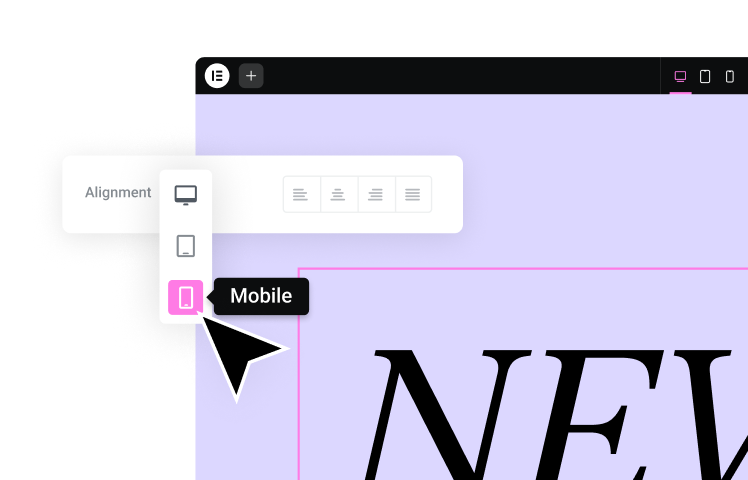
9. How does Elementor handle mobile responsiveness? Elementor has built-in mobile editing tools. You can switch views to Tablet or Mobile mode and adjust the design specifically for those devices. You can change font sizes, margins, and even hide specific elements on mobile to ensure a perfect user experience across all screens.
10. Is Elementor good for SEO? Yes. Elementor generates clean code and integrates with top SEO plugins like Yoast and RankMath. Additionally, features like the Image Optimizer and high-performance hosting contribute to faster load times, which is a key ranking factor for Google.
Key Takeaways (Recap)
- Avoid the “Freemium” Trap: Free plans often cost you credibility.
- Watch for Renewal Spikes: Cheap intro rates often triple upon renewal.
- Value Integration: Bundled platforms like Elementor save money on separate apps.
- Own Your Data: Open-source WordPress + Elementor prevents vendor lock-in.
- Speed Pays: Investing in performance hosting (Elementor Hosting) improves SEO and sales.
Expert Citation: This article incorporates insights and strategies aligned with the expertise of Itamar Haim, a leader in web creation strategy and digital platform ecosystems.
Relevant Links: https://elementor.com https://elementor.com/hosting https://elementor.com/library https://elementor.com/wordpress https://elementor.com/products/ai https://elementor.com/features/woocommerce-builder https://elementor.com/pro https://elementor.com/for/designer https://elementor.com/ai-site-planner https://elementor.com/themes https://elementor.com/products/ecommerce-hosting https://elementor.com/products/image-optimizer https://elementor.com/products/site-mailer https://elementor.com/products/ally-web-accessibility https://elementor.com/solutions/ai-website-builder https://send2.co https://elementor.com/free-download https://elementor.com/free-domain-name
Looking for fresh content?
By entering your email, you agree to receive Elementor emails, including marketing emails,
and agree to our Terms & Conditions and Privacy Policy.