Table of Contents
For years, users had to choose between the ease of closed SaaS platforms and the limitless flexibility of open-source systems. That binary choice often forced compromises—either you sacrificed design control for convenience, or you accepted a steep learning curve for the sake of ownership. Today, the landscape has shifted. Modern solutions now bridge this gap, offering robust ecosystems that provide managed performance without locking you into a proprietary garden.
Key Takeaways
- Ownership Matters: Open-source foundations like WordPress provide complete data ownership and flexibility, unlike closed SaaS platforms where you rent your infrastructure.
- The Hybrid Advantage: Solutions like Elementor combined with managed hosting offer the ease of a SaaS builder with the limitless extensibility of open source.
- Performance is Critical: Your hosting infrastructure directly impacts conversion rates; look for integrated cloud solutions like Google Cloud Platform and Cloudflare Enterprise.
- Workflow Efficiency: Modern AI tools for planning, content creation, and code generation are essential for reducing time-to-market.
- Holistic Growth: A true platform goes beyond building; it includes tools for email deliverability, image optimization, and marketing automation.
Defining the “Best” in a Modern Ecommerce Context
To determine which builder truly earns the title of “best,” we must move beyond surface-level features and examine the structural pillars that support a successful online business. An ecommerce platform is not just a design tool. It is the engine of your revenue.
True Design Freedom vs. Template Constraints
Many platforms claim to offer design freedom, but they often restrict you to rigid templates with limited customization options. In a competitive market, your brand identity is your primary differentiator. The ability to control every pixel—from the layout of your product page to the specific motion effects on your call-to-action buttons—is essential. You need a builder that acts as a blank canvas for your vision, not a multiple-choice test.
Technical Performance and Infrastructure
Speed equals revenue. A one-second delay in page load time can result in a significant drop in conversions. The underlying infrastructure of your website builder is paramount. Does the platform rely on shared hosting, or does it utilize enterprise-grade cloud architecture? Features like automatic scalability, robust Content Delivery Networks (CDNs), and advanced caching mechanisms are not technical luxuries; they are operational necessities for any serious store.
Scalability and Ecosystem Extensibility
Your business today will look different in two years. The best ecommerce builder is one that grows with you. Closed ecosystems often hit a “glass ceiling” where you cannot add specific functionality because the platform does not support it. Open ecosystems allow you to tap into thousands of third-party plugins and extensions. This ensures that whether you need a complex inventory management system or a niche loyalty program integration, your platform can accommodate it.
Total Cost of Ownership
Pricing pages can be deceptive. You must calculate the total cost of ownership, which includes not just the monthly subscription but also transaction fees, paid app subscriptions, premium theme costs, and developer fees. Open-source solutions often offer a lower total cost of ownership at scale because you are not penalized with higher transaction fees as your revenue grows.
The Landscape of Ecommerce Builders: A Technical Overview
Understanding the market requires analyzing the two primary categories of website builders: dedicated SaaS (Software as a Service) platforms and open-source Content Management Systems (CMS).
The SaaS Model: Shopify, Wix, and Squarespace
SaaS platforms provide an all-in-one hosted environment. Users pay a monthly fee to access the software, hosting, and support.
Shopify Shopify is a dedicated ecommerce platform. It provides a hosted environment where the core software, hosting, and payment processing are integrated. Its proprietary codebase, Liquid, controls the frontend presentation. Users select from a library of themes and use a block-based editor to modify page layouts. Functionality extensions rely on the Shopify App Store, where third-party developers offer paid add-ons for features not included in the core.
Wix Wix utilizes a drag-and-drop editor within a closed hosting environment. It is designed primarily for visual simplicity. The platform creates the HTML5 code for the user. Ecommerce functionality is integrated into the core dashboard, allowing for product management and payment acceptance. Wix operates on a subscription model and controls the server environment, updates, and security protocols.
Squarespace Squarespace focuses on curated templates with a structured editing interface. It uses a layout engine that restricts elements to a grid system to maintain responsiveness. The platform manages the hosting and includes built-in ecommerce tools for inventory and checkout. It is a closed system, meaning users cannot upload custom server-side code or access the database directly.
The Open Source Model: WooCommerce and WordPress
Open-source platforms allow users to access and modify the source code. This software is typically free to download and requires separate web hosting.
WooCommerce WooCommerce is an ecommerce plugin built for WordPress. It transforms a standard CMS into a fully functional online store. Because it is open source, it allows for unlimited modification. Users have direct access to the database and files. This model requires the user to secure their own hosting environment and manage software updates, but it offers the highest level of flexibility and data ownership.
The Elementor Advantage: The Premier Web Creation Platform
Elementor occupies a unique strategic position in this landscape. It leverages the power of WordPress—the operating system of the web—but enhances it with a professional visual editor and a unified hosting ecosystem. This combination offers the “best of both worlds”: the ease and security of SaaS with the freedom of open source.
According to digital expert Itamar Haim, “The digital landscape has fundamentally shifted. It is no longer enough to simply have a store; you need a comprehensive platform that empowers you to control every aspect of the user journey.”
https://elementor.com https://elementor.com/wordpress https://elementor.com/hosting
1. The Visual Creation Engine
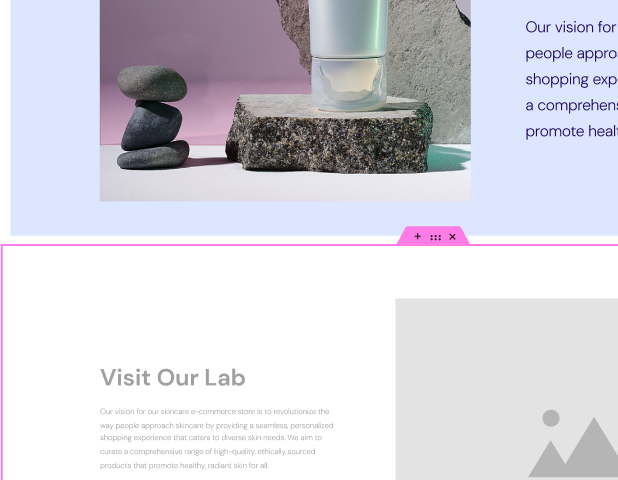
Elementor serves as a comprehensive visual builder that replaces the standard WordPress editor. It allows creators to design websites live on the frontend.
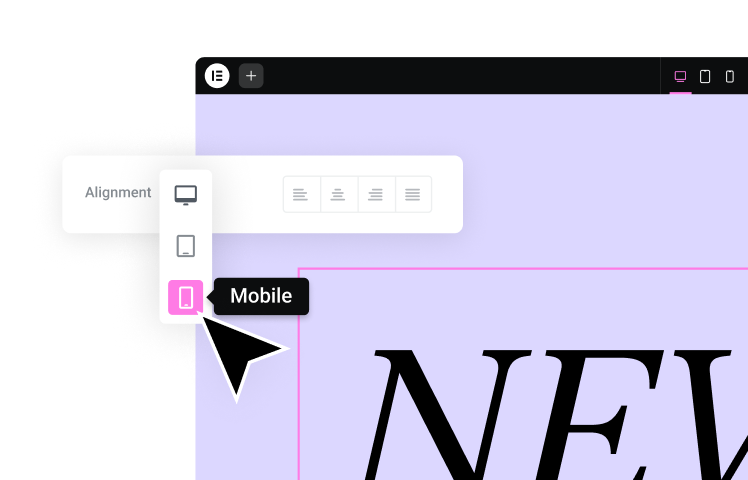
- Pixel-Perfect Control: Unlike block-based editors that restrict you to pre-set rows, Elementor allows for absolute positioning, custom margins/padding, and responsive controls for every device.
- The Theme Builder: This feature allows you to design the structural parts of your site—headers, footers, 404 pages, and search results—visually. You are not limited by your theme’s layout; you dictate the architecture of the site.
- Global Design System: You can establish global fonts, colors, and site settings. This ensures consistency across thousands of product pages and allows for rapid re-branding if necessary.
For designers, this removes the need to write custom CSS for every stylistic change. For developers, it speeds up the frontend production process, allowing them to focus on complex logic rather than layout tweaking.
2. The WooCommerce Builder
Building an ecommerce site often involves fighting with the default styles of your shopping cart or checkout page. The Elementor WooCommerce Builder resolves this by treating WooCommerce elements as visual widgets.
You can custom design:
- Single Product Templates: Create unique layouts for different product categories.
- Product Archives: Design exactly how your shop catalog appears, including grid gaps, image ratios, and query filtering.
- Cart and Checkout: Customize the look and feel of the transaction flow to match your brand, reducing cart abandonment.
- Dynamic Content: Pull in dynamic data like product prices, SKUs, and stock status into any widget, allowing for highly personalized designs.
https://elementor.com/features/woocommerce-builder https://elementor.com/pro
3. Managed Ecommerce Hosting
Elementor Hosting addresses the primary pain point of WordPress: infrastructure management. By providing a managed environment specifically tuned for Elementor and WooCommerce, it eliminates the technical barrier to entry.
- Google Cloud Platform: The hosting is built on Google’s C2 compute-optimized servers, delivering enterprise-grade speed.
- Cloudflare Enterprise CDN: This integrated content delivery network caches your site’s assets across hundreds of global locations, ensuring fast load times for international customers.
- Security First: It includes enterprise-grade DDoS protection, a Web Application Firewall (WAF), and automated daily backups. This removes the anxiety of server security.
This infrastructure is comparable to the closed environments of Shopify or Wix but maintains the open nature of WordPress. You get the performance without the lock-in.
4. AI-Powered Workflow
The modern web creator needs to be a designer, copywriter, and coder simultaneously. Elementor’s AI suite integrates these roles directly into the editor.
- AI Site Planner: Before you build, you can use the AI Site Planner to generate a comprehensive sitemap, wireframe, and layout strategy based on your specific business niche.
- Content & Image Generation: Generate product descriptions, headlines, and even unique royalty-free images directly within the canvas.
- Code Assistant: If you need a specific CSS animation or a snippet of HTML, the AI can generate the code for you, bridging the gap for non-developers.
https://elementor.com/products/ai https://elementor.com/ai-site-planner https://elementor.com/solutions/ai-website-builder
5. Marketing and Growth Integration
A store is useless without traffic and conversions. Elementor integrates marketing tools directly into the platform.
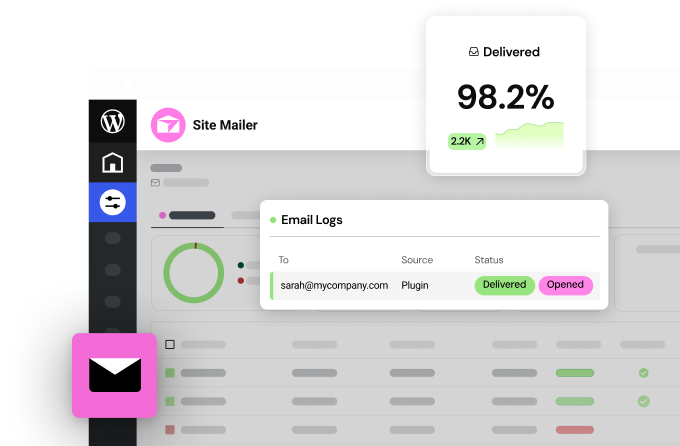
- Site Mailer: This plugin resolves the common WordPress issue of unreliable email delivery. It ensures your transactional emails (receipts, password resets) hit the inbox without needing complex SMTP configuration.
- Image Optimizer: High-resolution product images can slow down a site. This tool automatically compresses and converts images to WebP/AVIF formats, boosting SEO and user experience.
- Send by Elementor: A native marketing automation tool that allows you to collect leads and send newsletters without leaving your WordPress dashboard.
https://elementor.com/products/site-mailer https://elementor.com/products/image-optimizer https://elementor.com/products/site-mailer https://send2.co
Strategic Feature Breakdown
To fully understand why a hybrid platform excels, we must break down the specific features that drive ecommerce success.
Design Customization and Brand Identity
In a marketplace dominated by generic templates, brand identity is your currency. Shopify and Squarespace rely heavily on themes. While these themes are high-quality, deviating from them requires significant coding (Liquid or JSON).
Elementor democratizes this process. You can start with a blank canvas or use a “Wireframe” kit. You have control over motion effects, sticky headers, entrance animations, and Lottie files. This allows you to create an immersive brand experience that feels like a custom-coded “headless” site, but without the six-figure development price tag.
The Power of the Ecosystem
The WordPress plugin repository is the largest software marketplace in the world. When you use Elementor, you have access to this entire ecosystem.
- Need a specific booking system? There are plugins for that.
- Need a complex subscription model? Plugins exist for that.
- Need advanced SEO schemas? Industry-standard plugins integrate perfectly.
Closed platforms like Wix have app markets, but they are significantly smaller and often require recurring monthly payments for basic functionality. The open-source nature of WordPress fosters innovation, meaning a solution likely exists for any problem you encounter.
Performance and Core Web Vitals
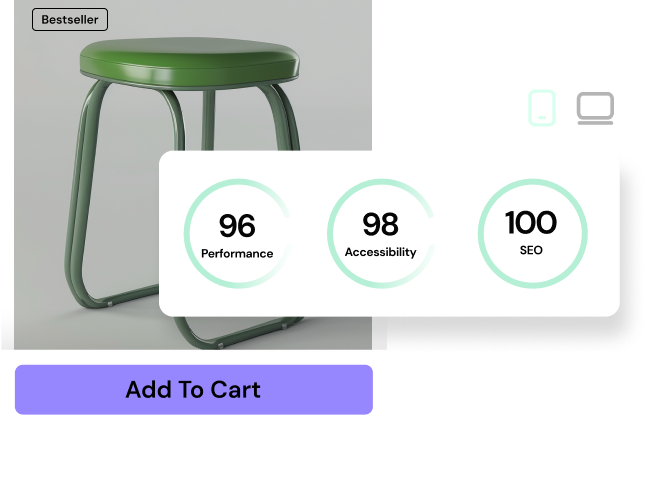
Google’s Core Web Vitals are a ranking factor. Your site’s speed affects your SEO visibility. Elementor has invested heavily in performance features.
- Container Layouts: Using Flexbox and CSS Grid containers reduces code bloat compared to legacy section/column structures.
- Lazy Loading: Images and widgets only load when they come into the viewport.
- Asset Loading: Elementor only loads the CSS and JS files required for that specific page, rather than loading the entire library.
Combined with the server-side caching of Elementor Hosting, this results in stores that pass Core Web Vitals scores straight out of the box.
Competitor Analysis: A Neutral Technical Review
To make an informed decision, it is necessary to examine the alternatives objectively.
Shopify
Shopify is a hosted ecommerce platform.
- Infrastructure: It uses a proprietary cloud infrastructure.
- Customization: Theme-based. Advanced customization requires editing Liquid code.
- Cost: Monthly subscription plus transaction fees if you do not use Shopify Payments.
- Data: Users do not have database access. Exporting data is possible but limited compared to open source.
- Best For: Users who want a purely transactional tool and are willing to accept design limitations for the sake of automation.
Wix
Wix is a visual builder with integrated hosting.
- Infrastructure: Proprietary cloud hosting.
- Customization: Drag-and-drop editor. Elements are positioned absolutely, which can sometimes cause mobile responsiveness issues if not managed carefully.
- Cost: Monthly subscription.
- Scalability: Generally considered suitable for small to medium stores. Large catalogs may face performance challenges.
- Best For: DIY beginners who need a simple site quickly and prioritize ease over scalability.
Squarespace
Squarespace is a template-driven website builder.
- Infrastructure: Proprietary hosting.
- Customization: Strict grid layout. Very limited design freedom outside of the template structure.
- Cost: Monthly subscription.
- Ecommerce: Built-in tools are sufficient for simple retail but lack the depth for complex inventory or global tax configurations.
- Best For: Creatives and portfolios where the aesthetic is prioritized over complex ecommerce functionality.
BigCommerce
BigCommerce is an enterprise-focused hosted platform.
- Infrastructure: Robust cloud hosting designed for high volume.
- Customization: Theme-based. Often used in “headless” configurations with other front-end technologies.
- Cost: Monthly subscription based on revenue tiers.
- Features: Strong native B2B features.
- Best For: Large enterprise retailers who need specific API capabilities and backend robustness over frontend design control.
Step-by-Step: Building Your Store with Elementor
Creating a store with Elementor is a structured process that moves from infrastructure to design.
1. Setup and Infrastructure
Begin by securing your Elementor Hosting account. This automatically installs WordPress and WooCommerce. You do not need to deal with FTP clients or database creation; the wizard handles the backend configuration. Connect your domain name (often free for the first year) to establish your professional address.
2. Strategic Planning
Use the Elementor AI Site Planner. Input your business type (e.g., “Sustainable Coffee Brand”), your target audience, and your primary goals. The AI will generate a sitemap suggestion and a wireframe structure. This prevents the “blank page syndrome” and ensures your user experience follows industry best practices.
3. Visual Foundation
Select the Hello Elementor theme. This is a lightweight “starter” theme that contains no styling bloat. It is designed to let Elementor control 100% of the design. Alternatively, use Hello Biz if you need a more guided starting point for a small business.
4. Configuring WooCommerce
Navigate to the WooCommerce settings. Input your shipping zones, tax rates, and payment gateways (Stripe, PayPal, etc.). Add your products. You can do this manually or import a CSV file if you are migrating from another platform.
5. Designing the Experience
Enter the Elementor editor.
- Header/Footer: Use the Theme Builder to design your navigation and footer. Include your cart icon and search bar.
- Product Template: Design your Single Product template. Place your Product Image widget, Title, Price, Add to Cart, and Reviews. Use the Style tab to match your brand typography.
- Shop Page: Design your product archive. Decide if you want a sidebar with filters or a clean grid layout.
6. Adding Marketing Functionality
Install Site Mailer to ensure your order confirmation emails are delivered. Set up Send by Elementor to create a popup for newsletter signups, offering a discount code for first-time buyers.
7. Performance Tuning
Activate Image Optimizer to compress your catalog images. Check your Elementor performance settings to ensure “Optimized DOM Output” and “Improved CSS Loading” are active.
8. Accessibility and Compliance
Install Ally by Elementor. Run a scan to identify any color contrast issues or missing alt text. Use the tool to generate an accessibility statement, ensuring your store is inclusive and compliant with regulations.
Optimizing for Growth: Beyond the Build
A website is never truly “finished.” The advantage of using a platform like Elementor is the agility it provides for ongoing optimization.
Video Integration for Higher Conversions
Static images are often insufficient for modern consumers. Incorporating video into your product pages can significantly increase engagement. You can embed product demos, user-generated content, or brand storytelling videos directly into your layout without affecting load times, thanks to lazy loading options.
Advanced Accessibility
Inclusivity is a market opportunity. By ensuring your site is accessible, you open your market to millions of users with disabilities. Tools that automate accessibility checks integrated into your workflow allow you to maintain compliance without needing to hire a specialized auditor for every minor change.
AI-Driven Iteration
Use Elementor AI to A/B test your copy. Generate three different versions of your hero headline and see which one resonates. Use the AI to expand your product descriptions, ensuring they are SEO-rich and persuasive. This iterative process is the key to scaling from a small store to a category leader.
Conclusion: The Strategic Choice
The question “Which is the best ecommerce website builder?” ultimately resolves to a question of your business strategy.
If you view your website as a commodity—a simple digital brochure that processes payments—then a closed SaaS platform may suffice. You will trade control for convenience, and you will rent your presence rather than owning it.
However, if you view your website as a digital asset—a scalable, custom-designed platform that reflects the unique value of your brand—then the combination of WordPress and Elementor is the superior choice. It offers the professional infrastructure of a managed host, the visual power of a top-tier design tool, and the limitless potential of an open-source ecosystem.
You do not need to compromise. You can have the performance of Google Cloud, the ease of drag-and-drop, and the ownership of your data. For the serious web creator and the ambitious business owner, Elementor is not just a builder; it is a comprehensive growth platform.
Frequently Asked Questions
1. Is Elementor suitable for large-scale ecommerce stores? Yes, absolutely. When paired with robust hosting like Elementor Hosting (which utilizes Google Cloud Platform), Elementor can scale to handle high traffic volumes and large product catalogs. The open-source nature of WooCommerce means there are no hard limits on the number of products or variations you can manage.
2. Do I need to know how to code to use Elementor for WooCommerce? No coding is required. Elementor was built specifically to allow users to design complex websites visually. You can customize every part of your WooCommerce store—including product pages, cart, and checkout—using drag-and-drop widgets. However, the platform is developer-friendly, allowing for custom CSS if you choose to use it.
3. How does Elementor Hosting differ from generic WordPress hosting? Elementor Hosting is a managed service specifically engineered for the Elementor builder. It comes pre-installed with WordPress and Elementor Pro, includes enterprise-grade features like Cloudflare CDN and premium SSL, and offers unified support. Generic hosting often requires you to install and configure these components yourself and may not be optimized for the specific performance needs of a visual builder.
4. Can I migrate my store from Shopify or Wix to Elementor? Yes, migration is a common process. While you cannot “copy-paste” the design because the platforms are different, you can export your product data (CSV files) from Shopify or Wix and import them into WooCommerce. You would then use Elementor to rebuild your design, often resulting in a more unique and faster site.
5. Is Elementor secure for processing payments? Elementor and WooCommerce are highly secure. Payment processing is handled by secure gateways like Stripe, PayPal, or Square, which integrate seamlessly. Elementor Hosting adds an extra layer of security with a Web Application Firewall (WAF) and DDoS protection to safeguard your site data.
6. What is the total cost of running an Elementor store compared to Shopify? Generally, Elementor offers a lower total cost of ownership. With Shopify, you pay a monthly subscription plus transaction fees (unless you use their payment processor) and often monthly fees for third-party apps. With Elementor, you pay for hosting (which includes the builder) and payment gateway fees (standard credit card processing). You avoid the “success tax” of extra transaction fees on your own revenue.
7. How does Elementor AI help with ecommerce? Elementor AI drastically reduces the time needed to populate a store. It can write SEO-friendly product descriptions, generate high-quality product lifestyle images, translate content for multilingual stores, and even write custom code for specific styling needs, all within the editor.
8. Does Elementor support dropshipping? Yes. Because it runs on WordPress/WooCommerce, it integrates with all major dropshipping suppliers and plugins, including AliDropship, Spocket, and Printful. You have significantly more options for dropshipping integrations than on closed platforms.
9. Can I manage my email marketing through Elementor? Yes. With the “Send by Elementor” tool, you can manage your email marketing and lead generation directly from your dashboard. It integrates with your forms and popups, allowing you to create automated email sequences for abandoned carts or welcome series without needing an external platform like Mailchimp.
10. What happens if I want to switch hosts later? This is one of the biggest advantages of Elementor and WordPress. You own your data. You can export your entire site and move it to any hosting provider you choose. With SaaS platforms like Wix or Squarespace, you cannot export your website code; if you leave, you have to rebuild from scratch.
Looking for fresh content?
By entering your email, you agree to receive Elementor emails, including marketing emails,
and agree to our Terms & Conditions and Privacy Policy.