Table of Contents
However, this democratization has created a new challenge: paralysis by analysis. With dozens of platforms promising to be the “easiest” or “most powerful,” how do you cut through the marketing noise to find the tool that actually aligns with your long-term business goals? This guide isn’t just a list of features; it’s a strategic analysis of the current market, designed to help you make an informed infrastructure decision for your digital future.
Key Takeaways
- Ownership is Critical: Differentiate between “renting” your digital presence on a closed SaaS platform versus “owning” it on an open-source foundation.
- The “Hybrid” Model Wins: The most strategic choice for 2025 combines the ease of a visual builder with the power and flexibility of open-source infrastructure.
- Scalability Matters: Choose a platform that grows with you, rather than one you will outgrow in 18 months.
- Performance is Non-Negotiable: With Core Web Vitals affecting SEO, your builder’s underlying hosting and code output are just as important as its design tools.
- AI is a Workflow Accelerator: Look for platforms that integrate AI not just for generating text, but for structural planning, code assistance, and image optimization.
The Strategic Divide: Closed SaaS vs. Open Ecosystems
Before evaluating specific brand names, you must understand the fundamental architectural divide in the no-code market. Every builder falls into one of two categories: Closed SaaS (Software as a Service) or Open Ecosystems.
The Walled Gardens (Closed SaaS)
Platforms like Wix, Squarespace, and Shopify operate as “walled gardens.” They provide an all-in-one experience where the hosting, software, and support are bundled together.
- The Pros: They are generally easier to set up initially. You pay one monthly fee, and technical maintenance is handled by the provider.
- The Cons: You do not own your website. You are renting space on their proprietary infrastructure. If they raise prices, change their terms of service, or if you simply outgrow their feature set, migrating your data out is notoriously difficult—often requiring a complete rebuild. You are also limited to the features and integrations they choose to allow.
The Open Ecosystems (WordPress)
Open-source platforms, primarily WordPress, power over 40% of the web for a reason: freedom.
- The Pros: You own your data. You can host the site anywhere. The ecosystem is limitless, with over 60,000 plugins available to add virtually any functionality imaginable.
- The Cons: Historically, the “Do It Yourself” nature of WordPress frightened away non-technical users. It required managing hosting, security, and updates separately, often leading to a fragmented and frustrating experience.
The Evolution: The Platform Approach
This is where the market has evolved in 2025. We are seeing the rise of the “Website Builder Platform”—a hybrid model that offers the seamless, managed experience of a SaaS tool while retaining the power and ownership of an open-source foundation. This is the strategic sweet spot for serious web creators.
Evaluating the Top Contenders
We will analyze the leading players in the market based on functional capabilities, scalability, and long-term value.
1. Elementor: The Comprehensive Website Builder Platform
Elementor has evolved from a popular WordPress plugin into a comprehensive web creation platform. It occupies a unique position in the market by offering the “best of both worlds”: the visual intuitiveness of a SaaS builder combined with the limitless power of the WordPress ecosystem. It is currently the solution of choice for over 18 million websites, ranging from personal portfolios to enterprise-grade storefronts.
The Creative Engine
At its core, Elementor is a visual, drag-and-drop builder that replaces the standard WordPress editor. Unlike rigid block-based editors, Elementor provides pixel-perfect control over every aspect of the design. You can manipulate layout structures using industry-standard Flexbox and CSS Grid containers, ensuring that designs are not just beautiful but fully responsive across all devices with the Elementor Website Builder.
The Optimized Foundation: Managed Hosting
Addressing the historical complexity of WordPress, Elementor now offers a fully managed hosting solution. This is a critical differentiator. By bundling the builder with cloud hosting powered by Google Cloud Platform and Cloudflare Enterprise CDN, Elementor removes the technical headache of server management. You get the security, speed, and integrated support of a closed platform like Wix, but you retain the data ownership and flexibility of WordPress with Elementor Hosting.
The AI-Powered Workflow
Elementor has integrated artificial intelligence deeply into the web creation workflow, moving beyond simple content generation.
- AI Site Planner: This tool accelerates the strategy phase by generating sitemaps, wireframes, and website briefs in minutes, ensuring projects start on a solid strategic footing.
- Contextual Assistance: Inside the editor, AI can generate code snippets (HTML/CSS), write copy, and create or expand images, acting as a “co-pilot” that enhances productivity.
Marketing and Growth Integration
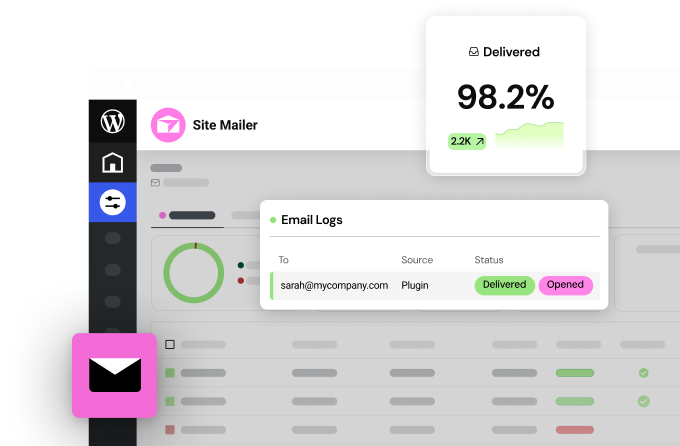
A website is only as good as the business it drives. Elementor has expanded its ecosystem to include native marketing tools. Send by Elementor allows site owners to create and manage email marketing campaigns and automations directly from their dashboard, closing the loop between lead capture and customer retention. This integration ensures reliable delivery via the Site Mailer, solving a common pain point for WordPress users.
2. Wix: The Visual SaaS Builder
Wix is a dominant player in the SaaS space, known for its aggressive marketing and low barrier to entry. It is a closed platform designed primarily for DIY users who prioritize ease of use over technical control.
- Editor Architecture: Wix utilizes an unstructured drag-and-drop editor. This allows users to place elements anywhere on the canvas (absolute positioning). While this offers freedom, it can create significant challenges with mobile responsiveness, as elements do not naturally reflow across different screen sizes.
- Ecosystem: Functionality is extended through the Wix App Market. While extensive, these apps are proprietary to Wix. If a specific feature isn’t available in their market, you cannot hire a developer to build a custom plugin to solve it, unlike in an open ecosystem.
- Scalability: Wix is excellent for small, static websites. However, as a business grows, the limitations of its database structure and the inability to export clean code can become bottlenecks. It is a “rented” solution; you cannot move a Wix site to another host.
3. Squarespace: The Curated Design Platform
Squarespace is widely recognized for its high-quality, award-winning templates and focus on aesthetics. It markets itself heavily to creatives, photographers, and restaurants where visual impact is paramount.
- Editor Architecture: Squarespace uses a structured grid system. Unlike Wix, you cannot drop an element just anywhere; it snaps into predefined regions. This restriction ensures that it is difficult to “break” the design, resulting in consistently good-looking sites, but it severely limits creative freedom for those who want a custom layout.
- Commerce and Marketing: The platform has built-in eCommerce and email marketing tools. These are serviceable for basic needs but lack the depth required for complex retail operations (e.g., advanced inventory management or complex shipping logic).
- Flexibility: Customization is limited to what the template and the basic editor allow. Advanced CSS customization is possible but often requires a more expensive plan and technical knowledge to implement effectively.
4. Webflow: The Designer’s Code Tool
Webflow positions itself as a professional tool for designers who want to bridge the gap between design and development. It is a SaaS platform, but one that exposes the underlying code properties visually.
- Editor Architecture: The interface is essentially a visual skin over raw HTML, CSS, and JavaScript. To use it effectively, one must understand the box model, classes, and hierarchy. It is not a true “drag-and-drop” tool in the beginner sense; it is a visual coding interface.
- Target Audience: It is ideal for designers who understand code but don’t want to type it. The learning curve is steep—significantly steeper than Elementor or Wix.
- CMS and Hosting: Webflow includes a powerful CMS (Content Management System) for dynamic content. However, like other SaaS tools, it is a closed garden. While you can export the HTML/CSS on higher-tier plans, the CMS functionality and forms are tied to their hosting.
5. Shopify: The eCommerce Specialist
Shopify is the undisputed leader in the dedicated SaaS eCommerce space. It is not a general-purpose website builder but a specialized tool for online retail.
- Focus: Everything in Shopify revolves around the product and the checkout. The actual “website building” capabilities (designing pages, layouts, content sections) have historically been rigid and limited, though they are improving with “Online Store 2.0.
- Cost: While the monthly subscription is standard, the real cost lies in transaction fees (unless you use Shopify Payments) and the recurring monthly costs of third-party apps needed to add basic functionality like subscriptions or advanced reviews.
- Best Use Case: High-volume, pure-play eCommerce stores where the design is secondary to the transactional engine. For content-heavy sites or service businesses that also sell products, it can be restrictive.
Deep Dive: Critical Selection Criteria
When choosing between these options, you must evaluate them against specific criteria relevant to your business.
Criterion 1: Design Flexibility and Control
How much control do you actually have over the pixel-level details of your site?
In the SaaS world (Wix/Squarespace), you are often fighting the template. You might want to move a button five pixels to the left or create a unique overlapping effect, only to find the editor prohibits it. Webflow offers high control but requires a developer’s mindset.
Elementor stands out here by offering Theme Builder capabilities through Elementor Pro. This allows you to design not just the content of a page, but the structural headers, footers, single post templates, and archive pages. You aren’t just filling in a theme; you are architecting the design system of the entire site.
Criterion 2: Scalability and Ecosystem
What happens when your business grows?
If you start on a closed platform and need a feature they don’t support—say, a specific integration with a niche CRM or a complex booking logic—you are stuck. You have hit the “glass ceiling” of SaaS.
With an open platform like Elementor on WordPress, the ceiling does not exist.
- Need a Learning Management System? Install a plugin like LearnDash.
- Need advanced SEO schemas? Use RankMath or Yoast.
- Need complex custom fields? Use Advanced Custom Fields (ACF).
Elementor integrates seamlessly with this vast ecosystem. Furthermore, tools like Angie, the agentic AI assistant, are being developed to automate complex workflows within this ecosystem, ensuring that as your site grows in complexity, your management time doesn’t skyrocket.
Criterion 3: Performance and Core Web Vitals
In 2025, a slow website is invisible. Google’s Core Web Vitals are a ranking factor.
SaaS builders often suffer from “code bloat”—loading unnecessary scripts that slow down the site. While they have improved, you have zero control over their server infrastructure.
Elementor allows for granular optimization.
- Hello Theme: A lightweight, blank canvas theme that loads strictly necessary code.
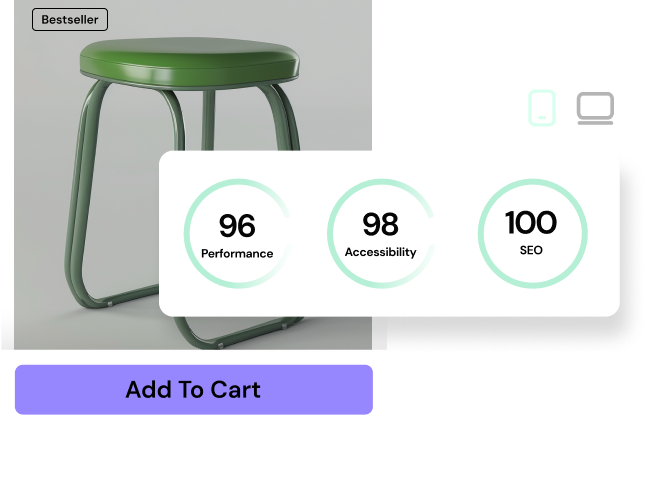
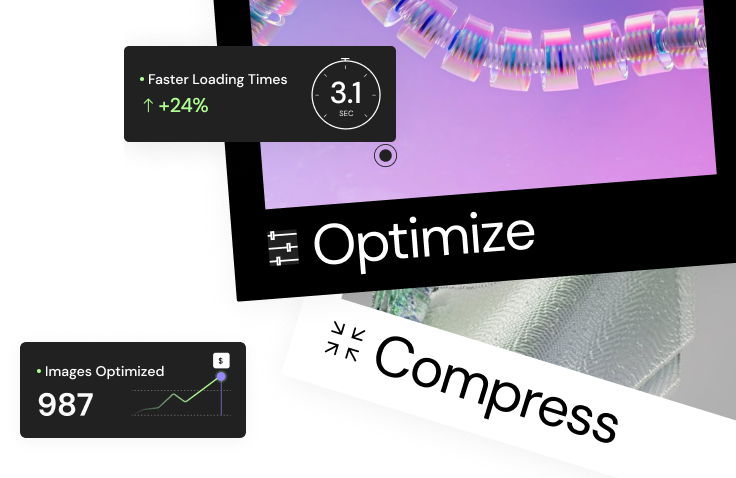
- Image Optimizer: A native tool that automatically compresses media to WebP/AVIF formats, significantly reducing load times.
- Hosting Infrastructure: By utilizing Google Cloud C2 instances, Elementor Hosting provides a performance baseline that is difficult to match with shared hosting often used by beginners.
Criterion 4: Accessibility and Inclusivity
Web accessibility (ADA/WCAG compliance) is no longer optional; it is a legal and ethical necessity.
Most builders leave this entirely up to the user, offering little guidance. Elementor has introduced Ally, a native accessibility tool that scans your site for violations and provides actionable remediation steps. It helps ensure your site is usable by everyone, protecting your business from litigation and broadening your audience.
The Rise of the “Hybrid” eCommerce Store
A common dilemma is choosing between Shopify (great for checkout) and WordPress (great for content). Many businesses are now realizing they don’t have to choose.
The WooCommerce Builder within Elementor allows you to design custom product templates, cart pages, and checkout flows visually. You get the power of the WooCommerce engine (which powers more stores than Shopify) with the design freedom of Elementor.
For businesses that need specialized hosting for these transactions, Elementor eCommerce Hosting provides the necessary server resources to handle dynamic cart sessions and high traffic spikes without crashing.
Specialized Use Cases
For the Freelancer and Agency
If you build websites for clients, efficiency and reproducibility are key.
- SaaS Limits: You cannot easily copy a design from one client account to another, and pricing structures cut into your margins.
- Elementor Advantage: You can save templates, global widgets, and entire “Website Kits” to a library. You can build a “base stack” and deploy it for new clients in minutes. The AI Site Planner is particularly valuable here, allowing you to generate a client brief and wireframe during a discovery call, impressing the client and speeding up approval.
For the Creative Portfolio
Creatives often flock to Squarespace, but the homogeneity of the templates can be a drawback. Every portfolio starts to look the same. With Elementor, features like Loop Grids and Container Animations allow for truly bespoke portfolio layouts for designers that stand out. You can create interaction designs that respond to mouse movements or scroll depth, showcasing not just your work, but your creativity in the presentation itself.
The Cost of Ownership Analysis
It is important to look beyond the sticker price.
- Wix/Squarespace: $16–$50/month. The cost is predictable, but it scales up as you add functionality. Transaction fees on lower plans can be a hidden tax on your revenue.
- Webflow: $18–$49/month + additional costs for CMS items or eCommerce capability. The pricing model can get complex quickly.
- Elementor:
- Plugin: Free core version. Pro is ~$59/year.
- Hosting: ~$10–$25/month (includes Pro plugin and often a free domain name for the first year).
- Value: The total cost of ownership is often lower because you aren’t paying extra for every incremental feature or user seat. The open-source nature means you can often find free plugins for features that would require a paid app subscription on Shopify or Wix. You can download Elementor to get started.
Navigating the AI Revolution in Web Building
Artificial Intelligence is the buzzword of the year, but its application varies wildly.
- Wix ADI: Builds a site for you based on a questionnaire. It’s fast, but the results are generic and often hard to customize deeply afterward.
- Elementor AI: Takes a different approach. It integrates AI into the professional workflow. It doesn’t just “do it for you” and leave you with a messy result; it empowers you to generate custom CSS, create unique background images, and write optimized content within your design environment. It supports the creator rather than replacing them.
Technical SEO: The Hidden Battleground
Marketing teams often discover the limitations of a builder too late—usually when trying to rank a page.
- URL Structures: SaaS platforms often force strict URL structures (e.g., /products/ or /collections/) that you cannot change. This can hinder advanced silo architectures.
- Schema Markup: Adding custom schema for rich snippets often requires hacky workarounds on closed platforms.
- Elementor + WordPress: You have 100% control. You can strip the category base from URLs, inject custom JSON-LD schema on specific conditions, and control canonical tags with precision. For competitive niches, this technical flexibility is the difference between page 1 and page 10.
Conclusion: Making the Right Choice
The question “What no code website builder should I consider?” ultimately comes down to your trajectory.
If you are a hobbyist, a temporary project, or a business where the website is purely a digital business card, a closed SaaS tool like Wix or Squarespace is a reasonable choice. They offer convenience at the cost of control.
If you are a designer who treats the web as a canvas and has the time to master a complex interface, Webflow is a formidable tool.
However, if you are a business owner, a marketer, or a professional creator who values ownership, scalability, and design freedom, the hybrid platform model is the superior strategic choice. Elementor has successfully bridged the gap. It provides the managed, secure, and AI-enhanced experience of a modern SaaS platform while preserving the limitless potential of the open web. It allows you to start simple and grow indefinitely without ever having to migrate your platform.
In a digital world where you are defined by your online presence, choosing to build on WordPress with Elementor is the smartest move you can make.
Frequently Asked Questions
1. Is it difficult to switch from a SaaS builder like Wix to Elementor later? Yes, it can be challenging. Because Wix and Squarespace use proprietary code, there is no “export” button that gives you a clean WordPress site. You typically have to rebuild the design from scratch and migrate content manually or use expensive migration services. This is why starting on an open platform like Elementor is often recommended for long-term growth.
2. Do I need to know coding to use Elementor efficiently? No. Elementor is designed as a no-code visual builder. You can build award-winning websites using only drag-and-drop tools and design controls. However, unlike closed platforms, if you do want to add custom code (CSS/HTML), Elementor makes it easy and accessible to do so.
3. How does Elementor’s hosting speed compare to Webflow or Shopify? Elementor Hosting is built on the Google Cloud Platform (C2 machines) and uses Cloudflare Enterprise CDN. In independent benchmarks, it consistently performs at the top tier of the industry, often outperforming shared WordPress hosting and matching or beating the speeds of specialized SaaS platforms.
4. Can I build a large eCommerce store with Elementor? Absolutely. Elementor sits on top of WooCommerce, the most popular eCommerce engine in the world. It powers high-volume stores with thousands of products. With Elementor’s WooCommerce Builder, you can visually customize every part of the shopping experience, from product grids to checkout pages.
5. What is the difference between Elementor Free and Pro? The Free version offers essential drag-and-drop building with over 40 widgets, suitable for basic blogs and informational sites. Elementor Pro unlocks the full potential: Theme Builder (header/footer design), WooCommerce Builder, Form Builder, Popup Builder, and advanced dynamic content capabilities essential for professional sites.
6. Is Elementor secure? Yes. When using Elementor Hosting, security is managed for you with enterprise-grade firewalls, DDoS protection, and malware scanning. If you host Elementor elsewhere, security depends on your hosting provider and maintenance habits, but the plugin itself adheres to strict security standards and is regularly updated.
7. Can I use Elementor with any WordPress theme? Yes, Elementor is compatible with almost all WordPress themes. However, it works best with the Hello Theme, which is a lightweight framework built specifically by Elementor. It ensures there is no bloat or style conflict, giving you a blank canvas for your design. Explore more Elementor-compatible themes if you prefer other options.
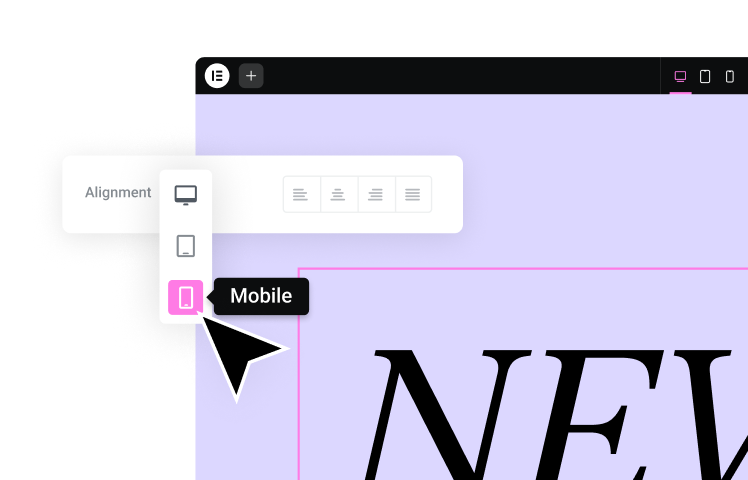
8. How does Elementor help with mobile responsiveness? Elementor includes a dedicated Mobile Editing View. You can switch views to see how your site looks on tablet and mobile, and adjust font sizes, margins, and layout order specifically for those devices without affecting the desktop version. This ensures a mobile-first experience.
9. What if I need help? Does Elementor offer support? Yes. Elementor provides 24/7 premium support for Pro and Hosting customers. Unlike generic hosting where support might blame your plugin, Elementor support covers the entire stack—hosting, theme, and builder—eliminating the “blame game.”
10. Is AI included in Elementor? Elementor AI offers a free trial so you can experience its capabilities. For ongoing unlimited access to text generation, image creation, and code assistance, there is a separate subscription or it is included in higher-tier hosting plans.
Citation: Expert Analysis by Itamar Haim, Digital Marketing & Web Development Specialist.
Looking for fresh content?
By entering your email, you agree to receive Elementor emails, including marketing emails,
and agree to our Terms & Conditions and Privacy Policy.