Table of Contents
But as we settle into 2026, the needs of creators, entrepreneurs, and small business owners have grown more sophisticated. The definition of “easy” has fundamentally shifted. True ease of use is no longer just about how fast you can launch a single landing page; it is about how effortlessly you can scale, manage, and own your digital presence without hitting a technical ceiling six months down the line. It is about the fluidity of design, the ownership of data, and the ability to pivot your business model without having to tear down your digital infrastructure and start from scratch.
Today, building a website is a rite of passage. Whether you are launching a personal portfolio, a local bakery, or a global dropshipping empire, your website is your primary piece of digital real estate. The market is flooded with tools promising “one-click” magic, but many of these are traps—easy to enter, but expensive and difficult to grow within.
This comprehensive guide explores why the combination of WordPress and Elementor has emerged as the true leader for beginners who want simplicity without sacrificing power. We will dismantle the myths surrounding web design, analyze the limitations of popular competitors with neutrality and precision, and show you why the smartest route for a beginner is often the one that offers the most freedom.
Key Takeaways
- “Easy” is Multi-Dimensional: True ease of use isn’t just about the initial setup; it includes long-term maintenance, scalability, and the ability to add features without needing a developer.
- Ownership Matters: Unlike closed platforms where you rent your site, WordPress with Elementor ensures you own your content and data completely.
- AI Revolution: New AI tools have leveled the playing field, allowing beginners to generate code, copy, and images instantly within the editor.
- Managed Hosting is Key: Elementor Hosting removes the technical barriers traditionally associated with WordPress, offering a pre-installed, managed environment that rivals the simplicity of SaaS builders.
- Scalability for Ecommerce: Tools like the WooCommerce Builder allow you to customize online stores visually, avoiding the rigid templates of standard ecommerce platforms.
Defining “Easy”: Speed vs. Scalability
When beginners ask for the easiest website builder, they are usually looking for a tool that eliminates the intimidation factor. They want to avoid looking at a blank screen of code, managing complex server configurations, and dealing with technical jargon like “DNS propagation” or “PHP versions.” Historically, platforms like Wix or Squarespace dominated this conversation because they bundled everything into a neat, closed package. You paid a monthly fee, picked a template, and you were live.
However, web design expert Itamar Haim argues that we need to redefine our metrics for ease. “The true measure of ease is not just starting, but maintaining and scaling your vision,” says Haim. “If a platform allows you to start in five minutes but forces you to rebuild from scratch when you need a custom feature or better SEO, it wasn’t actually easy—it was just a shortcut.”
This distinction is crucial. A platform that is easy today but restrictive tomorrow effectively penalizes your success. Imagine building a house. A prefab structure might be the “easiest” to set up—it arrives on a truck and is assembled in a day. But what happens when you want to add a second floor? Or change the plumbing? You realize you are locked into the manufacturer’s ecosystem. If they don’t offer a second-floor add-on, you are out of luck.
The ideal solution for 2026 is one that offers the visual simplicity of a drag-and-drop editor but sits on top of an open-source foundation that can grow infinitely. It is a solution that respects your time as a beginner but respects your ambition as a future expert.
The Landscape of 2026: Open vs. Closed Systems
To understand why Elementor stands out, we must first look at the two main categories of website builders: Closed SaaS (Software as a Service) and Open Source.
Closed SaaS platforms are rented spaces. You pay a subscription to access their software and hosting. They control the code, the features, and the data structure. If they raise prices, remove a feature, or if you simply outgrow them, your options are limited. Moving away often involves manually copying and pasting text and images because there is no true “export” function for the database. While convenient initially, this model often leads to “platform lock-in.”
Open Source platforms, specifically WordPress, are owned spaces. You download the free software and install it on a server. You own the code, the database, and every file. The ecosystem is built by thousands of developers, not a single company. This grants you ultimate freedom, but historically, it came with a steep learning curve.
For a long time, the argument against Open Source was that it was too technical. You had to piece together a domain registrar, a hosting company, a theme developer, and various plugins. It was fragmented.
Elementor bridged this gap. Originally a plugin that added a visual design layer to WordPress, it has evolved into a comprehensive platform. With the introduction of Elementor Hosting, the friction of using WordPress has been virtually eliminated. Beginners now get a managed experience: WordPress is pre-installed, the hosting is optimized for speed (using Google Cloud infrastructure), and the visual builder is ready the moment you log in.
This setup offers the “Best of Both Worlds.” You get the power and ownership of the open web with the guided, intuitive experience of a modern website builder.
Core Features That Simplify Web Design
To understand why Elementor is the easiest option for serious beginners, we need to look at the specific tools that remove technical barriers. It is not just about having a drag-and-drop interface; it is about the logic and power behind that interface.
1. The Visual Drag-and-Drop Builder
The core of the experience is the visual editor found in Elementor Pro. Unlike traditional WordPress themes where you had to fill out forms in a backend dashboard and hit “preview” to see changes, Elementor operates in real-time. You drag a widget—a heading, an image, a video—onto the canvas, and it appears exactly as your visitors will see it.
This “What You See Is What You Get” (WYSIWYG) interface is intuitive. If you want more padding between a text block and a button, you simply drag the handle or adjust a slider. You don’t need to know CSS or understand box models.
In the modern version of the builder, Elementor utilizes Flexbox Containers. This is a layout system that mirrors how modern browsers render code but presents it in a visual way. For a beginner, this means you can align items, center content, and create complex grid layouts with simple clicks, rather than struggling with floats and margins in code. This fundamental shift makes responsive design—making sure your site looks good on phones—significantly easier than in older, section-based builders.
2. The Power of Libraries and Kits
One of the most intimidating aspects of web design is the “blank page syndrome.” Staring at a white screen can be paralyzing. To combat this, the Elementor Library provides a massive repository of pre-designed templates.
These aren’t just single pages; they are “Full Site Kits.” A Kit includes every page a business needs—Home, About, Services, Contact, Blog, and 404—all sharing a consistent design language. Typography, color palettes, and spacing are already unified. A beginner can import a Kit that matches their industry (e.g., a “Digital Agency” kit or a “Yoga Studio” kit) and have a professional-looking site structure in seconds. From there, it is simply a matter of swapping out text and images.
Furthermore, Elementor works with almost any theme, but it shines when paired with lightweight options. Many users start with the “Hello” theme, one of the most popular Elementor Themes, because it serves as a blank canvas that doesn’t conflict with the builder’s design controls.
3. Artificial Intelligence as Your Assistant
One of the biggest hurdles for beginners is content creation. You sit down to design your site, and suddenly you don’t know what to write on your About page, or you lack high-quality images for your services section.
Elementor AI integrates directly into the editor to solve these problems. It is not just a text generator; it is a context-aware assistant. You can ask it to “write a catchy headline for a coffee shop,” and it will generate options.
But it goes beyond text. Elementor AI can generate custom code. Let’s say you want a specific hover effect that isn’t in the standard controls. You can ask the AI to “write CSS to make this button pulse on hover,” and it will insert the correct code for you. It can also generate royalty-free images or expand existing images to fit different aspect ratios.
For those in the planning stages, the AI Site Planner can help map out the structure of your site before you even start building. It suggests page hierarchies and content strategies based on your business type. And if you want to speed up the process even more, the AI Website Builder can construct layouts based on your prompts. This eliminates the need to switch between tabs or subscribe to third-party AI tools.
For a deeper look at how AI can speed up your workflow, watch this overview: https://www.youtube.com/watch?v=-2ig5D348vo
4. Full Site Editing and Theme Building
In many “easy” builders, you are locked into the header and footer provided by your theme. If you want to move the logo to the center or add a search bar to the menu, you are often restricted by the template’s hard-coded structure.
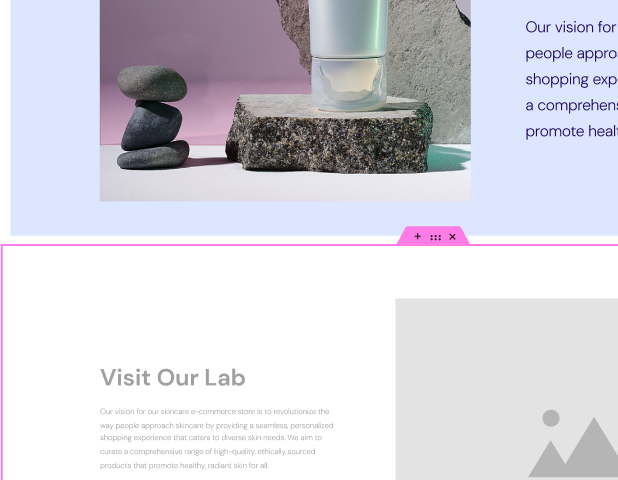
Elementor Pro breaks these chains with its Theme Builder. You can visually design your header, footer, single post templates, and 404 pages. This feature, often reserved for professional developers, allows beginners to create a completely custom brand identity without writing a single line of PHP.
You can set display conditions, telling the site to show one header to logged-in users and a different one to the public, or a transparent header on the homepage and a solid one on inner pages. This level of logic is usually complicated to code but simple to configure in Elementor.
Ecommerce Made Simple
For those looking to sell online, the complexity usually doubles. You have to manage inventory, payments, shipping, and taxes, all while trying to make the store look professional and trustworthy.
Elementor integrates seamlessly with WooCommerce, the world’s most popular ecommerce platform. The WooCommerce Builder allows you to customize your product pages, cart, and checkout flow visually.
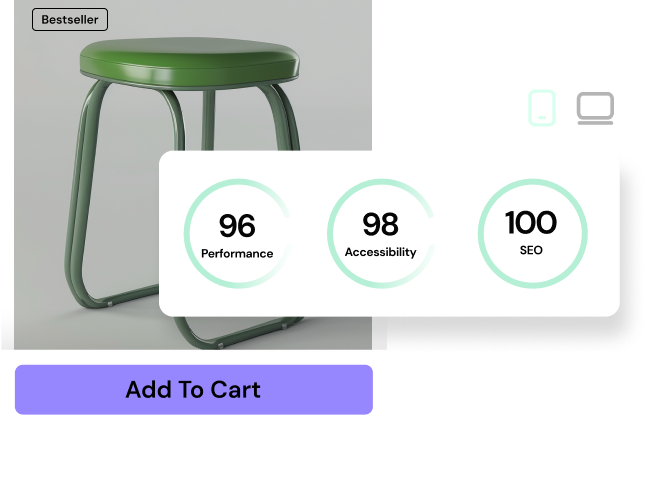
Most beginners using other platforms are stuck with a default store layout—usually a grid of products and a standard checkout page. With Elementor, you can create dynamic product templates. You design the layout once—placing the product title here, the price there, the “Add to Cart” button there—and it automatically applies to every product in your inventory.
If you are running a clothing store, you might want a gallery-focused layout. If you are selling software, you might want a text-heavy, feature-list layout. Elementor gives you the flexibility to choose, rather than forcing you into a “one-size-fits-all” ecommerce mold.
To support this, Elementor Ecommerce Hosting provides a server environment specifically tuned for online stores, ensuring that caching doesn’t interfere with cart functionality and that the server can handle the database queries required by a busy shop.
For a practical guide on setting up a store, this video is an excellent resource: https://www.youtube.com/watch?v=cmx5_uThbrM&pp=0gcJCcYJAYcqIYzv
A Neutral Look at the Competitors
While we have established that Elementor provides a superior balance of ease and power, it is helpful to understand the landscape. A truly informed decision requires looking at the alternatives. Here is a concise, neutral look at other popular builders.
Wix
Wix is often cited as the direct competitor for beginners. It gained popularity through aggressive marketing and a promise of total creative freedom. It offers a completely unstructured editor, allowing you to drag elements literally anywhere on the screen, pixel by pixel.
- The Experience: It feels very much like a presentation software (like PowerPoint). It is intuitive for absolute novices who have never understood the “grid” nature of the web.
- The Limitation: This unstructured freedom can lead to issues with responsiveness. Elements that look good on desktop might overlap on mobile if not carefully adjusted. Furthermore, Wix is a closed ecosystem. Once you choose a template, you often cannot switch it without rebuilding content. If you want to move your site to a different host later, migration is difficult as there is no clean export function for your database.
Squarespace
Squarespace is known for its award-winning design aesthetics and polished marketing. It relies heavily on high-quality photography and structured grids. It is a favorite among photographers and creatives who want a portfolio that looks expensive out of the box.
- The Experience: Squarespace is more rigid than Wix or Elementor. You edit within defined sections. This “guardrails” approach ensures it is hard to “break” the design, resulting in consistently good-looking sites.
- The Limitation: The rigidity is a double-edged sword. Customization is limited. If you want a layout that their grid doesn’t support, you are generally out of luck unless you know custom code. Like Wix, it is a closed platform, meaning you are renting the technology rather than owning it.
Shopify
Shopify is the heavyweight for pure ecommerce. It is a dedicated platform for online stores, designed specifically to handle high-volume sales.
- The Experience: The backend is excellent for managing orders, inventory, and shipping. It is purpose-built for retail.
- The Limitation: When it comes to designing the frontend (the visual part of your store), Shopify is more restrictive for beginners. Customizing the design often requires knowledge of their proprietary coding language, Liquid. While they have a drag-and-drop section builder, it is not as granular or flexible as Elementor. Additionally, costs can accumulate quickly as basic features often require paid apps from their marketplace.
Advanced Tools for Growth
As you move past the beginner stage, your needs will become more sophisticated. You will stop worrying about “how to put a picture on the page” and start worrying about “how to make this picture load faster” or “how to capture emails.” This is where the Elementor ecosystem shines, offering tools that are integrated rather than bolted on.
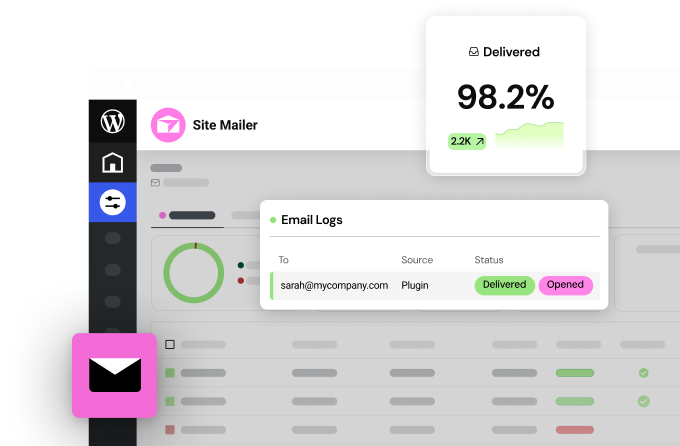
Site Mailer
Communication with your visitors is vital. Most beginners start by signing up for a third-party service like Mailchimp or ConvertKit, which requires learning a new interface and connecting API keys.
Image Optimization
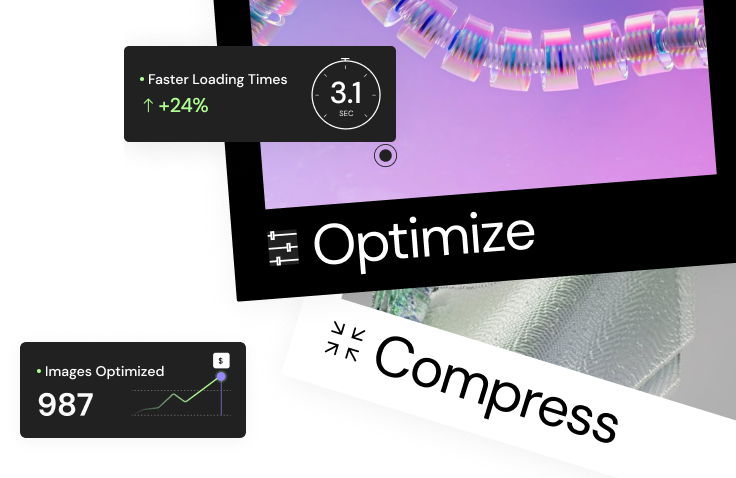
Speed is a ranking factor for Google and a usability factor for humans. Beginners often upload massive image files directly from their cameras, which slows down the site and increases bounce rates. The Elementor Image Optimizer handles this automatically. It compresses images and serves them in modern formats like WebP without you needing to open Photoshop or use external compression tools. It works in the background, ensuring your site remains fast as it grows.
Accessibility
Ensuring your website is usable by everyone, including people with disabilities, is both an ethical responsibility and a legal one in many jurisdictions. Beginners often overlook things like color contrast, alt tags for images, and heading hierarchy. The Ally Web Accessibility tool helps scan your site and offers automated remediation and suggestions. This prevents the “accessibility debt” that many beginners accumulate, ensuring your site is inclusive from day one.
Elementor for Designers
If your journey as a beginner evolves into a career, Elementor scales with you. Elementor for Designers highlights features that professionals need, such as custom CSS controls, role manager capabilities, and the ability to export your own Kits to sell or reuse on client sites. It transforms from a “website builder” into a professional design suite.
Step-by-Step: Building Your First Website
If you are ready to start, here is the simplified, expanded roadmap to launching with the easiest robust builder available.
Step 1: Secure Your Foundation Start by navigating to Elementor Hosting. By choosing the managed hosting option, you are skipping the technical setup. You don’t need to download WordPress, create a database, or configure FTP. It is all done for you. Plus, you can often claim a Free Domain Name for the first year, simplifying your billing and DNS setup.
Step 2: The Setup Wizard Upon logging in, you will be greeted by a setup wizard. This isn’t just a generic welcome screen; it helps configure the site’s basic settings based on your goals. Are you a portfolio? A store? A blog? This sets the stage for the tools you will see.
Step 3: Choose a Kit Don’t start from a blank screen. Access the Elementor Library and browse the Full Site Kits. These are complete architectural blueprints for a website, including a Home page, About page, Contact page, Service pages, and a 404 page. They all share a consistent design language (fonts, colors, spacing). Import a kit that matches your vibe.
Step 4: Global Styling Before you edit a single text box, go to the “Site Settings” menu. Here, you can define your Global Colors and Global Fonts. If your brand uses a specific shade of blue, set it here. Now, every button and heading will default to that blue. If you decide to change your brand color to red next year, you change it in this one spot, and the entire website updates instantly. This is a massive time-saver.
Step 5: Customize with AI Use the inline AI tools to rewrite the placeholder text. Upload your own images or generate new ones to replace the stock photos. Remember to use the AI to generate “Alt Text” for your images to help with SEO.
Step 6: Design Your Header and Footer Use the Theme Builder to set up your navigation menu. Ensure your logo is linked to the homepage and your contact button is prominent. This is the primary way users navigate your site, so keep it clean and intuitive.
Step 7: The “Mobile Check” Websites are viewed on phones more than desktops. Switch to the “Mobile View” in the editor. Elementor allows you to adjust font sizes and padding specifically for mobile devices. If a headline looks too big on an iPhone, shrink it here—it won’t affect the desktop version. This “Responsive Editing” is key to a professional finish.
Step 8: Connect Marketing Tools If you are collecting leads, connect your forms to the Site Mailer or your preferred email marketing tool. Test the form to ensure you receive the notification.
Step 9: SEO Basics Install an SEO plugin (like Yoast or RankMath) which integrates well with Elementor. Edit your page titles and meta descriptions. Because Elementor generates clean code, search engines can easily crawl your site, but you need to tell them what the site is about.
Step 10: Publish and Iterate Once you are happy, hit publish. Your site is live. But the beauty of this workflow is that you are never “done.” You can now use the AI Website Builder features to generate new landing pages for specific campaigns as your business grows.
Why “Free” Can Be Expensive
Many beginners search for Free Download options, and Elementor does offer a robust free plugin. For a simple blog or a basic brochure site, the free version is exceptionally powerful. It gives you the drag-and-drop builder and basic widgets.
However, relying on “free” services from closed platforms usually comes with a catch: ads on your site, a subdomain (e.g., https://www.google.com/search?q=yourname.wixsite.com), and poor SEO performance. These “free” tiers are often designed to be frustrating enough to force an upgrade, but by then, your data is trapped in their system.
Investing in Elementor Pro or a hosted plan is an investment in your brand’s credibility. It unlocks the Theme Builder, the Form Builder (saving you from paying for a separate form plugin), the Popup Builder (saving you from paying for a popup tool), and professional support. When you calculate the cost of buying these tools separately, the bundled value becomes clear.
Future-Proofing Your Digital Presence
The decision you make today regarding your website builder will echo for years. “Easy” is a fleeting metric if it leads to a dead end. By choosing a platform built on open-source technology like WordPress, but accessing it through a streamlined interface like Elementor, you are making a strategic investment.
You are utilizing the same software used by 43% of the web (WordPress), but you are doing so with the user-friendly tools of 2026. You are ensuring that if you ever need to hire a developer in the future, they will be able to work on your site because the code is standard, not proprietary. You are ensuring that you can move your site to any server in the world.
Whether you are a designer looking for a portfolio, a store owner looking to sell, or a blogger looking to share your voice, the easiest path is the one that doesn’t put up walls around your potential.
Visit Elementor.com to explore the full range of features, browse the available designs, or try the software yourself to see why it powers millions of websites worldwide.
Frequently Asked Questions
What makes a website builder “easy” for beginners? An easy website builder features a drag-and-drop interface, requires no coding knowledge, and includes pre-designed templates. It allows users to visualize changes in real-time. Modern definitions of “easy” also include managed hosting and AI assistance to handle technical setup and content creation, removing the need for server management.
Why is WordPress often recommended if people say it is hard? WordPress is recommended because of its flexibility and ownership. While the base software has a learning curve, using a managed solution like Elementor Hosting removes the technical hurdles (like server management, security updates, and installation), making it as easy as drag-and-drop builders while retaining WordPress’s power and open-source benefits.
Can I build an online store without knowing code? Yes. With tools like Elementor’s WooCommerce Builder, you can design every part of your store—from product listings to the checkout page—using a visual interface. You do not need to write code to manage inventory, payments, shipping calculations, or design layouts.
Do I need to pay for hosting separately with Elementor? Not necessarily. While you can use the Elementor plugin with any third-party host, Elementor now offers Elementor Hosting. This bundles managed Google Cloud hosting with the website builder, simplifying billing and support into a single account and ensuring server settings are optimized for the builder.
How does AI help in building a website? AI helps by generating text, creating royalty-free images, and even writing custom code snippets for specific functionalities (like CSS or HTML). It serves as a creative partner, helping to overcome “blank page” syndrome and speeding up the design process significantly by automating repetitive tasks.
Is it difficult to move my website if I start with Elementor? No. Because Elementor is built on WordPress, you own your data. You can export your content and move it to any hosting provider that supports WordPress. This is a major advantage over closed platforms like Wix or Squarespace, where exporting data can be difficult, incomplete, or impossible.
What is the difference between a theme and a builder? A theme controls the general style and layout of the site, often with limited customization options (like changing a logo or a few colors). A page builder (or website builder) like Elementor overrides the theme, allowing you to design every pixel of the page visually, independent of the theme’s restrictions.
How do I ensure my website looks good on mobile phones? Good website builders have “Responsive Editing” modes. In Elementor, you can switch to a mobile or tablet view within the editor and make changes (like font size, padding, or hiding specific elements) that only apply to those devices. This ensures a perfect user experience across all screen sizes.
Is Elementor free to use? Elementor offers a robust free version that includes the drag-and-drop editor and basic widgets, which is sufficient for simple sites. However, for advanced features like the Theme Builder, WooCommerce tools, AI capabilities, and Popup Builder, you will need the Pro version.
What if I need a feature that isn’t in the builder? This is the strength of the WordPress ecosystem. If a feature isn’t native to Elementor, there are nearly 60,000 third-party plugins available in the WordPress repository. These integrate seamlessly, allowing you to add bookings, forums, advanced forms, membership areas, and more.
Looking for fresh content?
By entering your email, you agree to receive Elementor emails, including marketing emails,
and agree to our Terms & Conditions and Privacy Policy.