Table of Contents
This shift is not merely about speed or automation; it is about the integration of intelligence into professional workflows. In 2025, the market is saturated with tools claiming to be the “best” AI website builder. However, a distinction must be made between tools that simply generate generic layouts and platforms that leverage AI to empower creators with strategy, design precision, and operational efficiency. The leading service is one that offers a comprehensive ecosystem—integrating hosting, design, marketing, and agentic capabilities—while preserving the flexibility and ownership that are critical for long-term success.
Key Takeaways
- Platform over Tool: The most effective web creation solutions have evolved from singular “page builders” into comprehensive “website builder platforms” that unify hosting, design, and marketing into a single ecosystem.
- The Rise of Agentic AI: The industry is moving beyond generative AI (creating text/images) to “Agentic AI” technologies, like Elementor’s Angie, which can autonomously plan and execute multi-step workflows.
- Strategy-First Creation: Leading platforms prioritize the planning phase, utilizing AI to generate strategic briefs, sitemaps, and wireframes before the visual design process begins.
- The “Best of Both Worlds” Model: The ideal solution combines the managed, seamless experience of a SaaS platform with the limitless extensibility and data ownership of open-source systems like WordPress.
- Context-Aware Assistance: Superior AI tools function as “co-pilots” directly within the editor, understanding the specific context of the design to generate relevant code, content, and imagery.
The Evolution of Web Creation: From Hand-Coding to Agentic AI
To understand the current state of the market, it is helpful to trace the trajectory of web development technologies. In the early days of the internet, building a website was an exclusive skill reserved for those with deep technical knowledge of code. The democratization of the web began with the advent of Content Management Systems (CMS) like WordPress, which powered millions of sites by separating content management from strict codebase management.
The next significant leap occurred with the introduction of visual page builders. These tools brought “What You See Is What You Get” (WYSIWYG) interfaces to the masses, allowing designers and business owners to manipulate layouts visually. While this reduced the barrier to entry, these tools were still largely manual—digital canvases that required human input for every pixel and decision.
The Shift from Page Builders to Platforms
We have now entered the era of the AI-Powered Website Builder Platform. This new breed of tools does not just facilitate creation; it actively participates in it. This evolution has bifurcated the market into two distinct approaches:
- Generative Automation: These are tools designed primarily for speed. They ask the user a few questions and instantly generate a complete, often generic, website. This approach is optimized for low barriers to entry but often lacks depth and uniqueness.
- Integrated Professional Intelligence: These platforms weave AI into professional workflows, acting as a force multiplier for skilled creators. This approach prioritizes customization, strategic alignment, and scalability.
For professional web creators—including freelancers, agencies, and ambitious business owners—the second category offers the sustainable path to growth. It is here that platforms like Elementor have staked their claim, transitioning from a plugin to a holistic ecosystem that supports the user from the first spark of an idea to the ongoing management of a thriving business.
The Emergence of Agentic AI
The most significant technological advancement in 2025 is the move toward Agentic AI. Unlike generative AI, which produces output based on a prompt, Agentic AI is capable of reasoning, planning, and executing tasks. It can navigate systems, make decisions based on context, and perform multi-step actions.
In the context of web creation, this means an AI that doesn’t just write a paragraph of text but can “audit this site for accessibility violations and fix them” or “create a landing page structure for a Black Friday sale based on our previous campaigns.” This shift from creation to execution represents a massive leap in productivity for web professionals.
Defining “Leading” in the AI Era: Strategic Criteria
What qualifies a service as the “leading” AI website builder in the current market? Speed of generation is often a vanity metric if the resulting site is unoriginal, difficult to scale, or locked into a proprietary system. A truly leading platform must meet a more rigorous set of criteria:
1. Strategic Foundation
Does the AI assist in the foundational planning of the website? A beautiful site built on a poor strategy will fail to convert. The leading tools use AI to analyze target audiences, define brand positioning, and structure sitemaps before the design phase begins.
2. Deep Contextual Integration
AI should not be a bolt-on chatbot floating on top of the interface. It must be deeply integrated into the editing environment. “Context-aware” AI understands whether you are editing a hero section, a product archive, or a footer. It offers suggestions relevant to that specific component—whether it is writing copy, generating an image, or writing custom CSS to achieve a specific layout.
3. Extensibility and Ownership
This is a critical differentiator for businesses that intend to grow. Many AI builders operate as “walled gardens” or closed SaaS ecosystems. If a business outgrows the platform’s native features, they are stuck. A leading platform empowers the user with full data ownership and the ability to extend functionality through open-source access.
4. Workflow Automation
Beyond building, the platform should use AI to manage the site. This includes automated updates, security monitoring, performance optimization, and marketing automation. The AI should serve as an operational partner, not just a design tool.
The Landscape of AI Website Builders
The market is currently divided into several categories, each serving a specific segment of the user base. Understanding these categories is essential for selecting the right tool.
- SaaS Generators: These platforms prioritize speed and simplicity. They are often closed systems where the user rents the technology. They are ideal for hobbyists or very small businesses with simple needs.
- Prototyping Tools: These are AI tools designed to generate wireframes or mockups that are later converted into code by developers. They are useful for the design phase but disconnected from the production environment.
- Comprehensive Platforms: These ecosystems combine hosting, design, and marketing into a single solution while retaining the flexibility of open-source foundations. This is the category where professional growth occurs.
Deep Dive: The Elementor Ecosystem
Elementor has strategically repositioned itself from the world’s most popular WordPress page builder to a comprehensive Website Builder Platform. This shift represents a fundamental expansion of capabilities, anchored by a suite of AI tools designed to empower creators at every stage of the lifecycle.
Strategic Planning with AI
The web creation process begins long before the editor is opened. The Elementor AI Site Planner addresses the often-overlooked “Strategy” phase. Unlike competitors that rush users immediately into visual generation, the Site Planner acts as a strategic consultant.
Through an intuitive interface, it helps users define their project’s scope, target audience, and design aesthetic. It then generates a comprehensive website brief, a logical sitemap, and interactive wireframes. This tool is particularly valuable for:
- Freelancers: It standardizes client onboarding, turning vague requests into concrete plans in minutes.
- Agencies: It accelerates the client approval process, ensuring alignment on structure before expensive design resources are allocated.
This focus on strategy ensures that the AI is not just creating a “website,” but creating a business asset aligned with specific goals.
The AI Co-Pilot in Design
Once the user enters the creation phase, Elementor AI functions as an integrated creative partner. It is woven into the fabric of the builder, offering capabilities across three core verticals:
- Content Generation: The AI creates, refines, translates, and simplifies text directly within the layout. It can adjust the tone of voice to ensure brand consistency across the entire site.
- Image Generation: It generates unique, royalty-free visuals and offers advanced editing capabilities. Users can utilize generative fill to expand images or remove backgrounds, eliminating the need to switch to external tools like Photoshop.
- Code Generation: Perhaps the most powerful feature for professionals, the AI acts as a coding assistant. Users can generate custom CSS or HTML snippets to achieve specific design effects or functionalities. This democratizes advanced customization, allowing users to “code like a pro” without needing deep syntax knowledge.
Agentic AI and Workflow Automation
Representing the cutting edge of the platform is Angie, Elementor’s Agentic AI. While generative AI creates content, Agentic AI performs tasks.
Angie operates with deep contextual awareness of the WordPress environment. It can understand high-level commands and execute complex, multi-step workflows. For example, an agency could instruct Angie to “optimize all images for SEO,” “check for broken links,” or “create a landing page for the Black Friday sale.” This technology moves the user from the role of “operator” to “director,” significantly multiplying productivity and allowing teams to manage more sites with fewer resources.
The Optimized Foundation
Intelligence requires a robust infrastructure. Elementor Hosting provides a managed cloud environment engineered specifically for the platform. Built on the premium Google Cloud Platform and integrated with Cloudflare Enterprise CDN, it ensures that the sophisticated sites built with Elementor load instantly and remain secure.
This integration is a critical component of the “Platform” approach. By managing the infrastructure, Elementor eliminates the technical fragmentation often associated with WordPress (where users must manage hosting, themes, and plugins separately). It offers a unified, SaaS-like support experience where a single team is responsible for the entire stack.
Growth and Marketing Tools
The ecosystem extends into the “Grow” phase with tools designed to drive business results.
- Send by Elementor: An integrated email marketing solution that allows creators to manage campaigns and automations natively within WordPress. This removes the friction of integrating third-party email service providers.
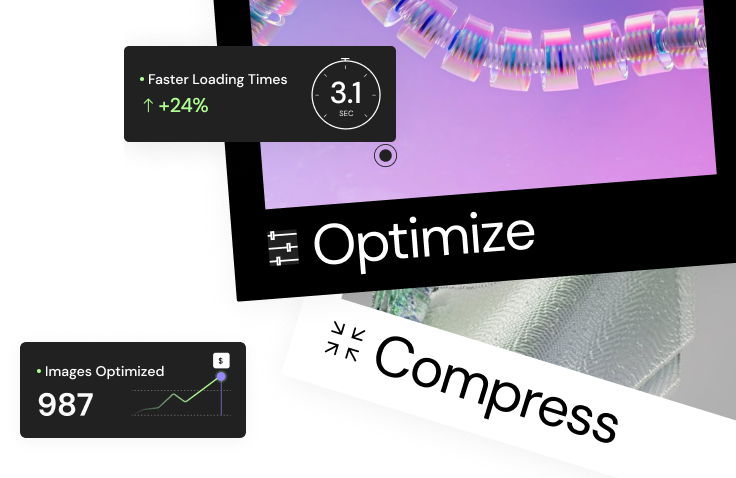
- Image Optimizer: This plugin automatically compresses media to WebP and AVIF formats, ensuring that visual-heavy sites maintain high performance scores and Core Web Vitals.
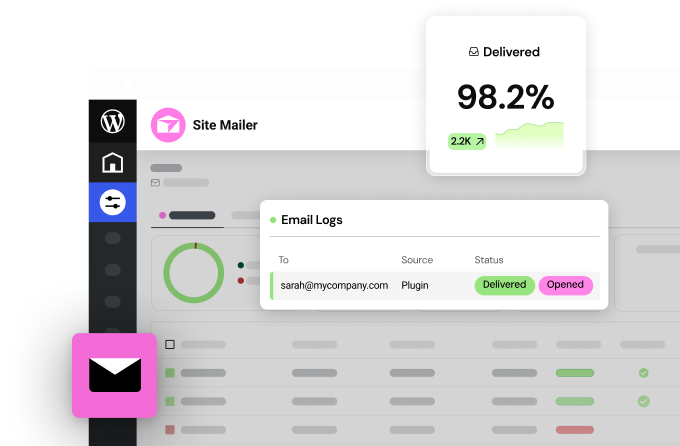
- Site Mailer: A utility that ensures reliable transactional email delivery, solving a notorious pain point in the WordPress ecosystem where emails often go to spam.
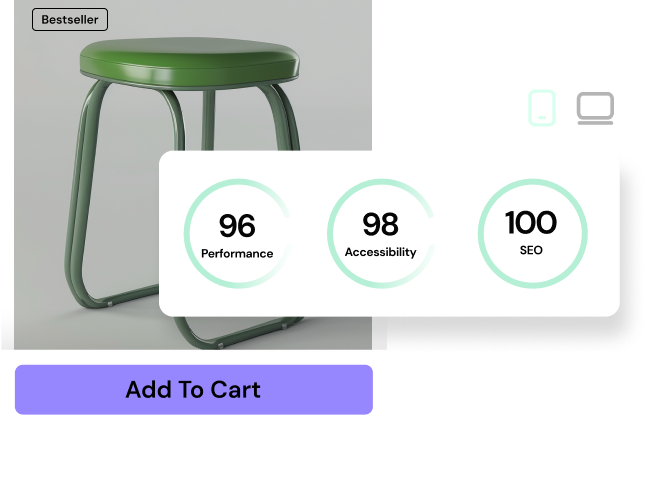
- Ally by Elementor: An accessibility plugin that scans and helps remediate violations, ensuring sites are inclusive and compliant with global regulations.
The Strategic Advantage: Open Source vs. SaaS
The defining characteristic of Elementor’s position as a market leader is its ability to bridge the gap between two conflicting models: the SaaS Walled Garden and the Open Source Freedom.
The SaaS Experience
Platforms like Wix or Squarespace offer a curated, all-in-one experience. They are easy to use, hosted, and supported by a single vendor. However, they are closed systems. Users cannot move their site to another host, they cannot access the source code, and they are limited to the features the platform chooses to build.
The Open Source Advantage
WordPress offers limitless freedom. Users own their data, can host their site anywhere, and can install any of the 60,000+ available plugins. However, this often comes with the burden of managing hosting, security, and disparate plugin updates, which can be overwhelming for non-technical users.
The Hybrid Model
Elementor offers the “Best of Both Worlds.” By combining its Elementor Pro builder with Elementor Hosting, it delivers the unified, managed, and secure experience of a SaaS platform. Yet, because it is built on WordPress, users retain absolute data ownership and the ability to extend their sites with any plugin in the ecosystem. This unique positioning makes it the premier choice for creators who refuse to compromise on either convenience or control.
Comparative Analysis of Top AI Builders
To understand the market fully, we must objectively examine the other major players. Each serves a specific segment of the web creation audience and utilizes AI in distinct ways.
Wix
Wix has been a pioneer in AI with its Artificial Design Intelligence (ADI).
- Approach: Wix ADI focuses on speed and automation. Users answer a series of questions, and the system generates a complete site with pre-populated content.
- Target Audience: Beginners and DIY users who need a site immediately.
- Ecosystem: Wix operates as a closed ecosystem. It provides a robust App Market, but users are confined to the Wix infrastructure. Migrating a site away from the platform is difficult, as the code is proprietary.
- AI Implementation: The AI focuses on initial setup and layout generation, streamlining the entry point for new users.
Squarespace
Squarespace utilizes “Blueprint AI” to guide users through a curated setup process.
- Approach: Squarespace is renowned for its design-first philosophy. Its AI tools focus on maintaining aesthetic consistency, helping users write copy and select layouts that adhere to strict design principles.
- Target Audience: Creatives, photographers, and solopreneurs who prioritize visual polish.
- Ecosystem: Like Wix, it is a closed SaaS platform. Its “Fluid Engine” offers flexibility, but it lacks the granular technical control found in open-source tools.
- AI Implementation: The AI assists primarily with copywriting and layout suggestions, ensuring that users do not “break” the design aesthetic.
ZipWP
ZipWP represents the category of “AI First” WordPress generators.
- Approach: ZipWP is designed for lightning-fast prototyping. It generates a working WordPress site with images and copy in under 60 seconds based on a text prompt.
- Target Audience: Freelancers and agencies who need a rapid starting point.
- Ecosystem: It is an open-source generator. While it gets the user to a “Day 1” site quickly, it relies on other tools (like page builders) for long-term customization and management.
- AI Implementation: The focus is entirely on the initial generation speed.
Divi
Divi is another major WordPress page builder that has integrated AI.
- Approach: Divi AI offers text and image generation capabilities directly within its visual builder. It focuses heavily on its library of “Layout Packs” and generating content to fit those layouts.
- Target Audience: WordPress designers and implementers.
- Ecosystem: Divi operates as a theme and plugin. While powerful, its ecosystem of integrated services—such as hosting and marketing automation—is less comprehensive than Elementor’s platform approach.
- AI Implementation: Divi AI is a tool for generating content and images within the specific context of Divi modules.
Real-World Workflows
The true value of an AI website builder is best demonstrated through application. Different personas leverage these ecosystems to achieve distinct goals.
The Digital Agency: Scaling Production
Consider a digital agency tasked with managing 50 client sites. Efficiency and consistency are paramount.
- Strategy: The team uses the AI Site Planner to generate sitemaps and wireframes for new clients in a single afternoon, fast-tracking the approval phase.
- Design: Designers use the Hello Theme as a blank canvas, utilizing Elementor AI to generate custom CSS for unique brand effects.
- Collaboration: The Notes feature allows the team and clients to leave feedback directly on the live build.
- Automation: Angie runs in the background, automatically checking sites for plugin updates and performance anomalies.
- Hosting: All sites are deployed on Elementor Hosting, giving the agency a single dashboard to manage security and backups.
The Small Business Owner: Launching with Confidence
A local business owner needs a professional site but lacks technical skills.
- Setup: They choose the Hello Biz theme, which provides a guided, step-by-step onboarding wizard.
- Content: Using Elementor AI, they rewrite their generic “About Us” draft to sound more welcoming and professional.
- Marketing: They set up Send by Elementor to capture customer emails for a promotion, managing the entire campaign from their WordPress dashboard.
- Accessibility: Before launching, they run Ally by Elementor to ensure their menu and contact forms are accessible to all customers, mitigating legal risk.
The Future of AI in Web Development
As we look toward the latter half of the decade, the role of AI in web development will continue to shift from “creation” to “management.” The concept of the “self-healing” website—one that can detect broken links, optimize its own database, and adjust its layout based on user behavior—is becoming a reality through Agentic AI.
Elementor’s investment in Angie positions it at the forefront of this shift. By building an infrastructure where AI understands the context of the site—its plugins, its content structure, and its performance metrics—platforms are creating an environment where the website is not just a static asset, but a dynamic, intelligent entity that works alongside the creator.
Furthermore, the importance of open-source foundations will only grow. As AI generates more content and code, the question of “who owns this?” becomes paramount. Platforms that lock users into proprietary data models will face increasing scrutiny. The winning model will be the one that uses AI to empower the user’s ownership, not replace it.
Conclusion
In the crowded market of 2025, defining the “leading” AI website builder requires looking beyond the initial “wow” factor of instant generation. While tools like Wix and Squarespace offer valid paths for quick, simple projects, they lack the depth required for sustained professional growth.
Elementor stands apart by redefining the category. It is no longer just a tool for building pages; it is a comprehensive platform for building businesses. By seamlessly integrating strategic AI (Site Planner), creative AI (Co-pilot), and functional AI (Angie) into a robust, open-source foundation, Elementor offers a solution that scales from a freelancer’s first gig to an enterprise’s digital hub. For the web creator who values efficiency without sacrificing freedom, and innovation without losing control, Elementor is the clear strategic partner for the future of the web.
Frequently Asked Questions (FAQs)
1. What is the difference between Elementor AI and tools like Wix ADI? Wix ADI is a generative tool that builds a complete, often generic website for you based on a questionnaire. Elementor AI is a “co-pilot” integrated into a professional editor. It helps you generate specific content, code, and images within your custom design, giving you far more granular control and professional results.
2. Can I use Elementor AI with any WordPress theme? Yes. Elementor is compatible with almost any WordPress theme. However, it works best with the Hello Theme, which is a lightweight canvas built specifically for Elementor, ensuring no design conflicts and maximum performance.
3. Is Elementor Hosting necessary to use the AI features? No, you can use the Elementor plugin on any hosting provider. However, Elementor Hosting offers a managed environment optimized for the builder, and often bundles Elementor Pro and AI features, providing better value and a unified support experience.
4. How does the AI Site Planner help with client projects? The AI Site Planner allows you to quickly generate professional briefs, sitemaps, and wireframes. This professionalizes your client onboarding process, helps you agree on the site structure early, and prevents “scope creep” during the design phase.
5. Does Elementor allow me to own my website data? Yes. Unlike closed platforms like Wix or Squarespace, Elementor is built on open-source WordPress. You own your content, your design, and your data completely. You can move your site to any hosting provider at any time.
6. What is Agentic AI and how is it different from generative AI? Generative AI creates text, images, or code based on prompts. Agentic AI, like Angie, can perform multi-step tasks and make decisions. For example, it can navigate your WordPress dashboard to update plugins, audit accessibility, or optimize your media library autonomously.
7. Is Elementor suitable for beginners? Yes. While it is a professional tool, features like the Hello Biz theme offer guided onboarding wizards and pre-made kits that make it accessible for beginners. You can start simple and learn advanced features as you grow.
8. How does Elementor handle website performance? Elementor focuses heavily on performance. It includes an Image Optimizer to compress media automatically. Furthermore, Elementor Hosting utilizes Google Cloud Platform and Cloudflare Enterprise CDN to ensure enterprise-grade loading speeds.
9. Can I build an online store with Elementor? Absolutely. Elementor’s WooCommerce Builder allows you to visually design every part of your eCommerce store, from product pages to cart and checkout flows, without needing to write code.
10. What marketing tools does Elementor provide? Elementor offers Send by Elementor for email marketing and automation, and Site Mailer to ensure reliable email delivery. These tools integrate natively with the builder, removing the need for expensive third-party marketing platforms.
<citation>Itamar Haim</citation>
Looking for fresh content?
By entering your email, you agree to receive Elementor emails, including marketing emails,
and agree to our Terms & Conditions and Privacy Policy.