Table of Contents
The answer is complex. WordPress is not a monolith. It acts as a chameleon, transforming based on the plugins, themes, and hosting you choose. This guide dissects the platform’s current capabilities, its evolution into a visual building powerhouse, and how tools like Elementor have fundamentally changed the equation. We will explore the technical realities, the cost implications, and the strategic advantages of choosing open-source software in an increasingly walled-garden internet.
Key Takeaways
- WordPress is a Content Management System (CMS), not just a builder. Its primary strength lies in managing data, content, and structure, while “building” the visual layer often requires additional tools for maximum control.
- Ownership is the ultimate advantage. Unlike closed platforms, you own your data, your content, and your tech stack when you build on WordPress.
- The “Hybrid” model is the new standard. Professionals now combine the stability of WordPress with visual platforms like Elementor to get the ease of use of a page builder with the power of open source.
- Performance depends on your stack. WordPress itself is lightweight, but your choice of hosting and optimization tools determines your site’s speed and Core Web Vitals.
- AI and Accessibility are now native workflows. The modern WordPress ecosystem has integrated artificial intelligence and accessibility compliance directly into the building process, moving them from optional add-ons to core features.
Defining the Landscape: CMS vs. Website Builder
To understand if WordPress is a “good” builder, you must first distinguish between a Content Management System (CMS) and a dedicated website builder. These terms often get used interchangeably, but they represent fundamentally different approaches to web creation.
The Role of a CMS
A Content Management System like WordPress focuses on the backend. It organizes your text, images, authors, dates, and categories. Think of it as the engine and the database of your car. It is incredibly powerful at handling large volumes of content, complex taxonomies, and user permissions. This is why major publications and enterprise sites rely on it. It separates the “content” from the “presentation,” allowing you to change the look of your site without losing your blog posts or product data.
The Role of a Website Builder
A website builder focuses on the frontend. It is the paint, the leather seats, and the dashboard. Builders prioritize the visual experience, allowing you to drag an image here or change a font there without touching code. Pure website builders (often SaaS platforms) usually bundle the engine and the body together. You cannot swap them out. If you like the builder but hate the content management tools, you are stuck.
The WordPress Hybrid Model
WordPress in 2025 occupies a unique middle ground. It started as a pure CMS. Over the last decade, through the introduction of the Block Editor (Gutenberg) and the rise of advanced page builders, it has evolved. It now offers the robust data management of a CMS and the visual design capabilities of a builder.
This hybrid nature is its greatest strength and its primary source of confusion. When you ask “Is WordPress a good website builder?”, you are really asking if its visual editing capabilities have caught up to its backend power.
The Unmatched Advantages of WordPress
WordPress powers over 43% of the web for a reason. It offers strategic advantages that closed platforms simply cannot match. These benefits go beyond simple “ease of use” and touch on the fundamental stability and future-proofing of your business.
Absolute Flexibility and Ownership
The most critical argument for WordPress is data sovereignty. When you build on a proprietary SaaS platform, you rent your digital home. If that platform raises prices, changes its terms of service, or shuts down, your business is at risk. You cannot simply “move” a Wix or Squarespace site to another host. The code is proprietary.
With WordPress, you own everything. You can take your database and files to any hosting provider in the world. This freedom prevents vendor lock-in. You have full access to the source code, meaning there are no artificial limits on what you can build. If you need a specific feature, you can build it.
The Power of the Ecosystem
The WordPress ecosystem is a massive, decentralized economy. With over 60,000 free plugins in the official repository and thousands of premium options, there is a solution for almost every problem.
- Need to sell tickets? There is a plugin for that.
- Need a complex booking system? There is a plugin for that.
- Need to turn your site into a social network? There is a plugin for that.
This modularity allows you to start small and scale. You do not need to pay for Enterprise features on Day 1. You add functionality as your revenue grows.
Superior SEO Capabilities
Search Engine Optimization (SEO) is baked into the core of WordPress. Its code structure is clean and easily crawled by search engines. It handles permalinks, categories, and tags in a way that Google understands natively. Beyond the core, the ecosystem offers powerful tools to fine-tune your strategy. You have granular control over meta tags, canonical URLs, and schema markup. While other builders have improved their SEO tools, WordPress remains the gold standard for technical SEO flexibility.
Scalability for Growth
WordPress scales. It runs the smallest personal blogs and the largest enterprise networks. You do not hit a “ceiling” where you must migrate to a new platform because your traffic grew too high. With the right hosting infrastructure, WordPress handles millions of visitors. This scalability makes it a safe long-term bet for businesses with ambitious growth plans.
The Real Challenges (And How to Solve Them)
Honesty is essential here. WordPress is not perfect. Its open nature introduces challenges that managed platforms abstract away. Understanding these friction points is the key to mastering the platform.
The Learning Curve
WordPress has a steeper learning curve than a simple drag-and-drop builder. You need to understand concepts like Hosting, Domains, DNS, Themes, and Plugins. The default interface, while improved, can still feel disjointed to a complete novice.
- The Solution: Use a guided theme or a visual platform on top of WordPress. Tools like Elementor standardize the interface, making it intuitive for users accustomed to visual design tools.
Maintenance and Security Responsibilities
In the WordPress world, you are the captain of the ship. This means you are responsible for keeping the ship afloat. You must update the core software, themes, and plugins. If a plugin has a security vulnerability, you need to patch it.
- The Solution: Managed WordPress Hosting. Modern hosting solutions take this burden off your shoulders. They handle automated updates, daily backups, and firewalls. Services like Elementor Hosting provide this managed environment, giving you the security of a SaaS platform with the freedom of WordPress.
The “Frankenstein” Problem
Because you can mix and match plugins from different developers, you run the risk of creating a “Frankenstein” site. Plugin A might conflict with Plugin B, causing layout issues or functional bugs. A site with 50 poorly coded plugins will be slow and unstable.
- The Solution: Consolidation. Instead of using 20 single-function plugins, successful creators use comprehensive platforms that cover multiple needs. For example, using a single pro-grade builder for forms, popups, and headers eliminates the need for three separate plugins.
Performance Tuning
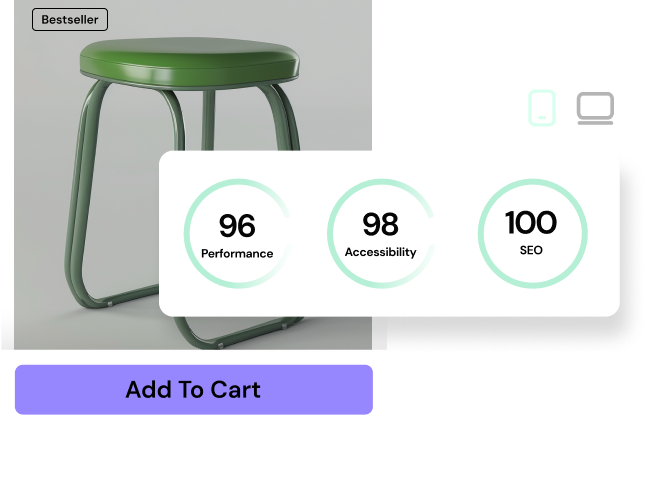
WordPress is lightweight out of the box, but it can get heavy quickly if you upload unoptimized images or use cheap hosting. Achieving high scores on Google’s Core Web Vitals requires attention to detail.
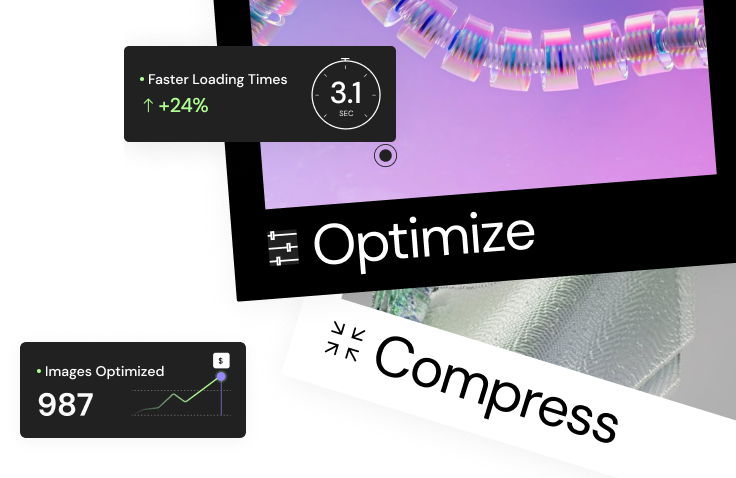
- The Solution: Performance-focused plugins. Tools like the Image Optimizer automatically compress media to WebP or AVIF formats, ensuring your visual assets don’t slow down the site.
Bridging the Gap: The Role of Page Builders
This brings us to the most important development in the recent history of WordPress. The platform effectively split into two layers: the Core CMS and the Design Layer. For years, designing a WordPress site meant writing PHP and CSS. Then came the “Shortcode” era, which was clumsy and abstract. Now, we are in the era of Visual Builders.
Gutenberg (The Block Editor)
WordPress introduced Gutenberg to modernize the writing experience. It uses “blocks” (paragraphs, images, galleries) to construct pages. It is a massive improvement over the classic editor and works well for simple blog posts. However, for full-site design—complex headers, dynamic product pages, and intricate animations—it often lacks the granular control professionals demand.
The Rise of the “Website Builder Platform”
To solve the design limitations of the core software, “Page Builders” evolved into “Website Builder Platforms.” These operate on top of WordPress. They replace the default editor with a professional-grade visual interface. This effectively gives you the best of both worlds. You get the backend power of WordPress (the CMS) and the frontend ease of use of a sophisticated design tool. This is why the question “Is WordPress a good builder?” often leads to the answer: “Yes, if you use the right toolset.”
Elementor: Transforming WordPress into a Platform
Elementor is the primary example of this evolution. It has moved beyond being just a “plugin” to becoming a comprehensive platform for web creation. It powers over 18 million websites, acting as the bridge that makes WordPress accessible to designers and marketers who don’t code.
Visual Design and Pixel Perfection
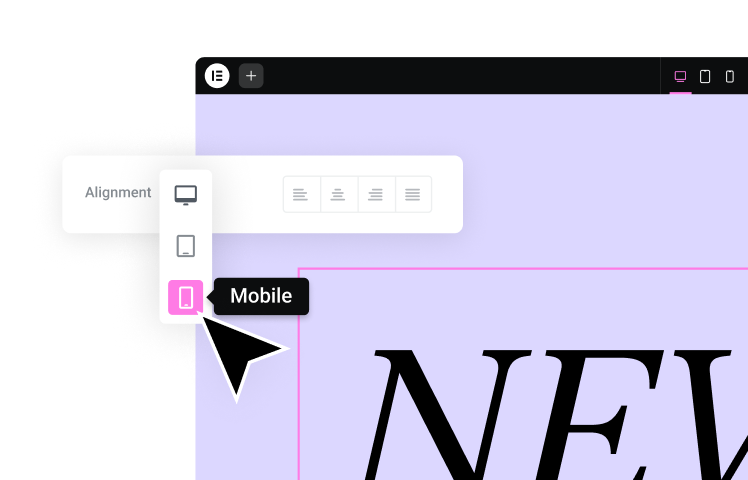
The core value of Elementor is true WYSIWYG (What You See Is What You Get) design. You drag elements onto the canvas and they appear exactly as your visitors will see them. It provides granular control over layout. You can adjust padding, margins, z-index, and flexbox settings visually. This “pixel-perfect” capability allows creators to build custom brand experiences that break out of the standard “template” look. For designers, this is a game-changer. You do not need to hand off your design to a developer to code it. You build it yourself.
The Optimized Foundation: Elementor Hosting
We touched on the maintenance challenge of WordPress earlier. Elementor Hosting directly addresses this. It provides a Google Cloud-powered infrastructure that is pre-tuned for Elementor websites. It includes enterprise-grade features like Cloudflare CDN, DDoS protection, and premium SSL. By bundling the hosting with the builder, it replicates the seamless experience of a closed platform like Wix, but keeps you in the open WordPress ecosystem.
AI as the New Standard
In 2025, AI is an integral part of the workflow. Elementor AI integrates generative and agentic AI directly into the editor. You can generate text, create custom CSS code, and even generate images without leaving the build environment. The AI Site Planner allows you to generate a full website structure and wireframe in minutes based on a simple prompt. This moves the workflow from “staring at a blank page” to “editing a solid draft” instantly.
Completing the Stack
The ecosystem extends further to solve specific business problems:
- Marketing: Send by Elementor handles email marketing and automation, integrating your lead capture forms directly with your email lists.
- Accessibility: Ally by Elementor provides automated scanning and remediation tools to ensure your site meets legal compliance standards.
- eCommerce: The WooCommerce Builder allows you to customize your cart, checkout, and product archives visually, removing the reliance on rigid theme templates.
Strategic Comparisons: The Neutral View
To make an informed decision, you must compare WordPress against the alternatives. We look at the data objectively.
WordPress vs. Closed SaaS (Wix, Squarespace)
Platforms like Wix and Squarespace offer a curated, “walled garden” experience.
- The Pro: They are incredibly easy to start. You sign up, pick a template, and publish. The hosting and software are one package.
- The Con: You trade convenience for control. You cannot install custom server-side software. You are limited to their app marketplaces. If you outgrow their features, you hit a hard wall.
- The WordPress Difference: WordPress requires more initial setup (unless you use a managed solution), but it removes the ceiling. You have infinite extensibility.
WordPress vs. Headless/Custom Dev
For massive enterprise applications, some developers prefer “Headless” architectures (using React/Vue for the frontend and a CMS for the backend).
- The Pro: Ultimate performance and security through separation of concerns.
- The Con: Extremely high development and maintenance costs. It requires a dedicated engineering team.
- The WordPress Difference: WordPress is the pragmatic middle ground. It is significantly faster and cheaper to build than a custom headless stack, and for 99% of businesses, it offers more than enough performance and flexibility.
Use Case Analysis: Who Should Use WordPress?
Is it right for you? Let’s break it down by user type.
Small Business Owners
For a local restaurant, service provider, or consultant, WordPress offers a professional presence that you own.
- Recommendation: Use a beginner-friendly theme like Hello Biz. It provides a guided setup wizard that installs the necessary plugins and templates for you. You get a professional site quickly without needing to learn code.
eCommerce Stores
Selling online requires trust and stability. WooCommerce (built on WordPress) is the most popular eCommerce platform in the world.
- Recommendation: Combine WooCommerce with Elementor Pro. This gives you the ability to design custom product funnels and optimize your checkout experience to increase conversion rates. You avoid the transaction fees often charged by SaaS competitors.
Agencies and Freelancers
For those who build sites for clients, WordPress is the industry standard. It allows you to build a diverse portfolio of sites on a single tech stack.
- Recommendation: Leverage the Elementor Library and the AI Site Planner to speed up your workflow. You can deliver high-quality sites faster, increasing your profit margins.
Enterprise and High-Traffic Sites
Large organizations need robust user permissions and database scalability.
- Recommendation: Focus on enterprise-grade hosting and security. The flexibility of WordPress allows for integration with CRMs, ERPs, and custom internal tools.
Technical Deep Dive: Performance, Security, and Accessibility
A good website builder must produce technically sound websites.
Performance Matters
Speed is a ranking factor. A slow site kills conversions. WordPress can be slow if managed poorly, but it is blazing fast when optimized.
- Strategy: Use a lightweight theme like Hello Elementor. Avoid “kitchen sink” themes that load unused scripts. Implement caching at the server level.
The Security Imperative
Security is a process, not a product. Because WordPress is popular, it is a target.
- Strategy: Use strong passwords and 2FA. Limit login attempts. Most importantly, choose a host that includes a Web Application Firewall (WAF).
Accessibility as a Default
Accessibility is no longer optional; it is a legal requirement in many jurisdictions (EAA, ADA).
- Strategy: Automated tools like Ally by Elementor help you identify contrast errors, missing alt tags, and navigation issues. Building accessibly opens your site to millions of additional users.
Cost Analysis: The True Price of a WordPress Site
One common misconception is that WordPress is “free.” While the core software is free, a professional site incurs costs.
The Breakdown
- Hosting: Ranges from $5/mo (shared) to $50+/mo (managed). Do not skimp here. Good hosting pays for itself in performance.
- Domain: Approx $15/year. (Get a free domain name with some hosting plans).
- Premium Builder: A pro tool like Elementor Pro costs approx $59/year. This is often cheaper than the monthly upcharge for “commerce” plans on SaaS builders.
- Premium Plugins: You might need specific licenses for advanced SEO or booking tools.
The TCO Verdict
When you compare the Total Cost of Ownership (TCO) over 3 years, WordPress often comes out cheaper than equivalent “Business” or “Commerce” plans on SaaS platforms, specifically because you avoid transaction fees and steep renewal hikes.
Future Trends 2025
Where is web creation going?
Agentic AI
We are moving from AI that “writes text” to AI that “does work.” Agentic AI will handle tasks like “Check all my products for broken links” or “Create a landing page for the Black Friday sale based on my previous design.
The End of the “Page”
Web design is shifting from static pages to dynamic systems. You build a “template” for a service, and the content fills it dynamically. This makes managing large sites significantly easier.
Performance First
Core Web Vitals are becoming stricter. Builders that output clean, optimized code will win. The shift towards container-based layouts (Flexbox/Grid) in visual builders is a direct response to this need for cleaner markup.
Conclusion
So, is WordPress a good website builder? If you want a platform that offers total ownership, unlimited scalability, and professional-grade flexibility, then yes, it is the best builder available in 2025. It requires you to make choices—about your hosting, your tools, and your strategy. It does not hand-hold you as much as a closed platform, but it rewards you with a digital asset that is truly yours. For the vast majority of professionals, businesses, and creators, the combination of WordPress’s open foundation with a powerful visual platform like Elementor represents the pinnacle of modern web design. It is the smart choice for those playing the long game.
Expert Citation: This guide draws on the expertise of Itamar Haim, a recognized authority in the web creation and digital marketing space, to ensure the strategies and technical insights align with the highest industry standards.
Frequently Asked Questions
1. Is WordPress really free?
The core WordPress software is open-source and free to download and use. However, to get a website live on the internet, you will need to pay for web hosting and a domain name. Additionally, while there are thousands of free themes and plugins, many professional users choose to invest in premium tools (like Elementor Pro) and managed hosting to ensure better performance, security, and design capabilities. So, while the “engine” is free, running the “car” has operational costs.
2. Do I need to know how to code to use WordPress in 2025?
No, you do not need to know code. With the advent of visual website builders like Elementor, you can build complex, professional websites using a drag-and-drop interface. You can adjust layouts, style fonts, and manage content visually. While knowing HTML and CSS can be helpful for advanced customizations, it is absolutely not a requirement for building a fully functional site today.
3. How does WordPress compare to Wix or Squarespace?
Think of Wix and Squarespace as renting a furnished apartment. It is easy to move in, everything is provided, but you can’t knock down walls or change the plumbing. WordPress is like buying a house. You have to handle the maintenance (or hire someone to do it), but you own the land and the structure, and you can renovate it however you see fit. WordPress offers more freedom and scalability, while Wix/Squarespace offers more initial convenience.
4. Is WordPress secure?
WordPress itself is secure, but because it is so popular, it is a frequent target for hackers. Most security breaches happen due to weak passwords, outdated plugins, or cheap hosting. You can make WordPress extremely secure by using a managed hosting provider that offers a firewall (WAF), keeping your plugins updated, and using security best practices. It is as secure as you make it.
5. Can I use WordPress for eCommerce?
Absolutely. WordPress combined with WooCommerce is the most popular eCommerce platform in the world. It powers everything from small boutique shops to massive enterprise stores. With tools like the WooCommerce Builder, you can visually design your product pages, cart, and checkout flow to match your brand, giving you more control than most dedicated eCommerce platforms.
6. What is the difference between WordPress.com and WordPress.org?
WordPress.org is the self-hosted version. You download the software (or install it via your host), and you own the site completely. This is the version we recommend for flexibility. WordPress.com is a hosted service (similar to Wix) where they manage the hosting for you, but you have limitations on what plugins and themes you can install unless you pay for their higher-tier business plans.
7. Will my WordPress site be slow?
A WordPress site is only as slow as the things you put on it. If you use cheap shared hosting, upload giant uncompressed images, and install 50 unnecessary plugins, it will be slow. However, if you use managed hosting, optimize your images with tools like Image Optimizer, and build with a lightweight theme, WordPress is incredibly fast and capable of passing all Core Web Vitals assessments.
8. What is a “Theme” vs. a “Plugin”?
A Theme controls the overall look and style of your website—colors, fonts, and general layout. A Plugin adds functionality—like a contact form, a shopping cart, or SEO tools. Modern builders like Elementor blur this line slightly by allowing you to design the “theme” parts (header, footer) using the plugin, giving you total control over the site’s structure.
9. Can I migrate my content if I leave WordPress?
Yes. Because WordPress is open-source, your data belongs to you. You can export all your content (posts, pages, comments, media) to an XML file. This makes it relatively easy to migrate away from WordPress if you ever need to, or to move your site from one host to another. This data portability is a huge advantage over closed platforms where exporting data can be difficult or impossible.
10. How often do I need to update my WordPress site?
You should update your plugins, themes, and WordPress core as soon as updates are available, especially security patches. In 2025, many managed hosting providers and plugins offer “auto-update” features that handle this for you in the background. Regular maintenance keeps your site secure and running smoothly.
Looking for fresh content?
By entering your email, you agree to receive Elementor emails, including marketing emails,
and agree to our Terms & Conditions and Privacy Policy.