Table of Contents
Today, a significant shift is occurring. Professionals, business owners, and creators are asking how to create a website without a restrictive website builder. They seek the freedom of code, the ownership of open-source software, and the power to scale without boundaries. But does avoiding a “builder” mean you must return to writing raw HTML and CSS in a dark room? Not anymore.
This guide explores the spectrum of web creation, from the raw power of hand-coding to the strategic advantages of using a Content Management System (CMS) like WordPress. Furthermore, we will examine how modern “Web Creation Platforms” like Elementor have evolved beyond simple builders to offer the best of both worlds: the pixel-perfect control of code with the visual speed of a platform.
As Itamar Haim, an expert in web creation and digital strategy, often notes, “The goal isn’t just to build a website; it’s to build a digital asset you actually own and control.”
Key Takeaways
- True Ownership Requires Open Source: Building without a proprietary SaaS builder (like Wix or Squarespace) usually means using open-source software like WordPress or coding from scratch, ensuring you own your data.
- Hand-Coding is Powerful but Slow: Writing HTML, CSS, and JavaScript gives you ultimate control but requires significant time, maintenance, and technical expertise.
- The “Platform” Advantage: Modern solutions like Elementor act as a “Web Creation Platform” on top of WordPress, offering the visual speed of a builder without the restrictive “walled garden” of SaaS tools.
- Performance is Foundational: Whether coding or using a platform, your hosting infrastructure (like Elementor Hosting on Google Cloud) dictates your site’s speed and reliability.
- AI is the New Workflow: Integrating AI tools for planning, content, and code generation is essential for efficiency in modern web design.
Part 1: The Landscape of Web Creation
Before diving into the technical “how-to,” it is crucial to understand the three distinct paths available to you. The decision to avoid a standard website builder usually stems from a desire for three things: customization, performance, and ownership.
1. The “Walled Garden” (SaaS Website Builders)
Tools like Wix, Squarespace, or Shopify are closed ecosystems. They bundle hosting, software, and design into a single subscription.
- The Trade-off: While convenient, you do not technically “own” the code. If you stop paying, your site disappears. You cannot move your site to a different host easily, and you are limited to the features the platform developers decide to release.
- Why avoid them? For professionals and growing businesses, the inability to access the server backend or add complex custom functionality can be a dealbreaker.
2. The “Pure Code” Route (HTML/CSS/JS)
This is the literal interpretation of “building without a builder.” You write every line of code yourself.
- The Trade-off: You have absolute control. There is no “bloat” because you only write the code you need. However, making simple updates (like changing a headline) requires editing the source code and re-uploading files. It is not scalable for content-heavy sites.
3. The Open-Source CMS (WordPress)
WordPress powers over 43% of the web. It is free, open-source software that you install on your own hosting.
- The Trade-off: You own the data. You can move it anywhere. However, out of the box, WordPress relies on “Themes” which can be just as restrictive as website builders if you don’t choose wisely.
- The Evolution: This is where Elementor fits in. It is not just a page builder; it is a comprehensive platform that sits on top of WordPress, allowing you to design visually while generating clean code, effectively bridging the gap between the freedom of hand-coding and the speed of visual design.
Part 2: The Manual Way – Building From Scratch (HTML, CSS, JS)
If your goal is to understand the very fabric of the web, building a site from scratch is an invaluable exercise. Even if you eventually use a platform like Elementor, understanding these fundamentals will make you a better creator.
Step 1: Setting Up Your Local Environment
To build without a builder, you become the builder. You need a development environment.
- Text Editor: Download a code editor like Visual Studio Code (VS Code) or Sublime Text. These tools offer syntax highlighting, which color-codes your HTML and CSS to make it readable.
- Local Server: For static sites, you can just open files in your browser. For dynamic sites (PHP/Database), you’ll need tools like XAMPP or LocalWP to simulate a server on your computer.
- Folder Structure: Create a root folder. Inside, organize your assets:
- index.html (Your homepage)
- /css (Folder for style sheets)
- /js (Folder for scripts)
- /images (Folder for media)
Step 2: Structuring Content with HTML5
HTML (HyperText Markup Language) is the skeleton of your site. It tells the browser what is a heading, a paragraph, or an image. Unlike builders where you drag a “Heading” widget, here you write the semantic tag.
<!DOCTYPE html>
<html lang=”en”>
<head>
<meta charset=”UTF-8″>
<meta name=”viewport” content=”width=device-width, initial-scale=1.0″>
<title>My Custom Website</title>
<link rel=”stylesheet” href=”css/style.css”>
</head>
<body>
<header>
<nav>
<ul>
<li><a href=”#home”>Home</a></li>
<li><a href=”#about”>About</a></li>
<li><a href=”#contact”>Contact</a></li>
</ul>
</nav>
</header>
<main>
<section id=”hero”>
<h1>Welcome to True Web Creation</h1>
<p>Building from scratch allows for total control.</p>
</section>
</main>
<footer>
<p>© 2025 Custom Builds Inc.</p>
</footer>
</body>
</html>
Step 3: Styling with CSS3
CSS (Cascading Style Sheets) is the skin of your website. Without a builder to give you “color pickers” and “margin sliders,” you must define every visual property manually.
- Flexbox & Grid: Modern CSS uses Flexbox (for one-dimensional layouts like navigation bars) and CSS Grid (for two-dimensional layouts like photo galleries) to arrange elements.
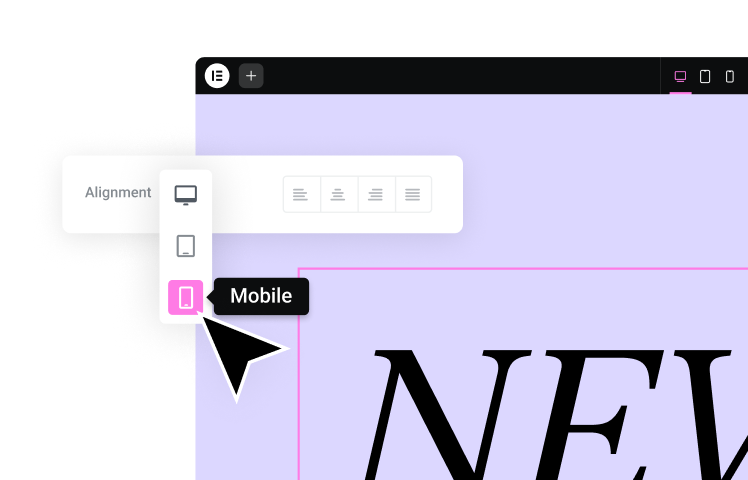
- Responsiveness: You must manually write Media Queries (@media) to tell the site how to behave on mobile screens versus desktops.
/* Example CSS */
body {
font-family: ‘Helvetica Neue’, sans-serif;
margin: 0;
padding: 0;
}
header {
background-color: #333;
color: white;
padding: 1rem;
}
@media (max-width: 768px) {
header {
text-align: center;
}
}
Step 4: Adding Interactivity with JavaScript
If you want a mobile menu to slide out when tapped, or a form to validate an email address without reloading the page, you need JavaScript.
- DOM Manipulation: You will write scripts that “listen” for user events (clicks, scrolls) and change the HTML or CSS in response.
- Performance: One benefit of hand-coding is that you can ensure no unnecessary scripts are loaded, keeping the site incredibly lightweight.
Step 5: Deployment
Once your code is ready, it lives only on your computer. To launch:
- Buy a Domain: The address of your site (e.g., yourbusiness.com).
- Buy Hosting: You need server space. Options range from shared hosting to VPS.
- FTP (File Transfer Protocol): Use a tool like FileZilla to manually upload your index.html and other files to the server’s public_html directory.
The Verdict on Hand-Coding
Building from scratch offers the ultimate “clean code” experience. However, it presents significant business challenges:
- Time: It takes hours to build what a platform can do in minutes.
- Maintenance: Every text change requires a developer.
- Scalability: Adding a blog or e-commerce functionality requires complex backend programming (PHP, Python, SQL).
For most professionals, the goal is not just building the site, but managing and growing it. This leads us to the smarter alternative.
Part 3: The Professional Platform – Elementor on WordPress
If coding from scratch is “hard mode” and SaaS builders are “restricted mode,” using Elementor on WordPress is “God mode.” It allows you to create a website without the limitations of a standard builder, yet without the time-sink of manual coding.
The strategic shift here is viewing Elementor not as a “page builder” plugin, but as a Website Creation Platform.
Why Elementor is Different from “Website Builders”
In the SaaS world (Wix, etc.), the “builder” is the entire ecosystem. If you leave, you lose everything. Elementor operates differently.
- Open Foundation: It sits on top of WordPress. You own your data. You can export your content. You are free.
- Extensibility: Because it is open-source, you can extend it with custom code. If the visual interface doesn’t have a specific setting, you can add your own CSS or HTML directly into the element.
- The Ecosystem: It is not just a design tool; it is a stack of solutions including Hosting, AI, Marketing, and Optimization.
The Foundation: Elementor Hosting
When creating a site without a “website builder” company, you traditionally have to buy hosting separately, install WordPress, configure SSL, and set up caching. This technical friction often scares people back to SaaS tools.
Elementor Hosting solves this by providing a “managed” experience on an open platform.
- Google Cloud Infrastructure: Unlike cheap shared hosting, Elementor Hosting is built on Google’s premium C2 servers. This ensures enterprise-grade speed and reliability.
- Cloudflare Enterprise CDN: Your site’s assets are distributed globally, ensuring fast load times for users anywhere.
- Pre-Configured: WordPress and Elementor Pro come pre-installed, removing the technical setup barrier.
The Canvas: The Hello Theme
In the hand-coding world, you start with a blank file. In the WordPress world, you usually start with a “Theme” that imposes its own design decisions (headers, footers, fonts). This can be frustrating if you want total control.
Elementor introduces the Hello Theme.
- Zero Bloat: It is a stripped-back, lightweight theme that acts as a true blank canvas.
- Performance: Because it has almost no styling code of its own, it loads instantly.
- Design Freedom: It hands 100% of the design control over to the Elementor platform, allowing you to build your headers, footers, and archives visually, just as if you were coding them from scratch.
For small businesses or beginners who need a slight head start without the bloat, Hello Biz offers a similar lightweight framework but with guided setups—perfect for getting a professional structure in place quickly.
Part 4: The Creation Workflow – Intelligent & Visual
Creating a website professionally involves more than just placing images on a page. It involves strategy, architecture, and design system management. Here is how the modern professional workflow looks using the Elementor platform.
1. Strategic Planning with AI
Before you drag a single pixel, you need a plan. Hand-coders use whiteboards; Elementor users use the AI Site Planner.
- From Abstract to Concrete: You can input your business type and goals, and the AI generates a comprehensive sitemap and wireframe structure.
- Context Awareness: This isn’t generic “Lorem Ipsum.” The AI understands the context of your site and suggests a structure optimized for user experience (UX).
2. The Creative Engine (Visual Development)
This is where the “builder” stigma disappears. Elementor’s editor is a visual development environment.
- Flexbox Containers: Just like coding with CSS Flexbox, Elementor uses Containers. You can align items, justify content, and control wrapping visually. This is real CSS logic, just visualized.
- Global Design System: Instead of styling every button individually, you define your “Site Settings”—Global Colors and Global Fonts. This ensures consistency across 100+ pages, mimicking the efficiency of a CSS stylesheet.
- Custom Code Integration: For the 1% of design needs that the UI doesn’t cover, you can inject custom CSS directly into any widget. You can even use the Elementor AI Copilot to write that CSS for you if you aren’t an expert coder.
3. Dynamic Content & Architecture
A static HTML site is hard to update. A professional site uses “Dynamic Content.”
- Theme Builder: You build a “Single Post” template once. Every time you (or your client) write a new blog post in WordPress, it automatically adopts that design. This separates design from content, a core principle of professional web development.
- Loop Grid: You can design a custom “card” for your products or posts and repeat it across the site, populated dynamically from your database.
Part 5: Advanced Functionality Without Custom Backend Code
One of the biggest hurdles in “creating a website without a website builder” (i.e., coding from scratch) is adding complex features like e-commerce or marketing automation. These usually require backend engineers. The Elementor ecosystem democratizes this power.
E-Commerce (The WooCommerce Builder)
Building a custom e-commerce store from scratch is a massive security and technical undertaking.
- WooCommerce Builder: Elementor integrates natively with WooCommerce (the open-source commerce standard). You can customize every part of the shopping experience—from the “Add to Cart” button style to the checkout page layout—without touching PHP files.
- Data-Driven Design: You can dynamically pull product data (price, SKU, image) into your designs, ensuring your store is always up to date.
Optimization & Performance
Hand-coders manually compress images using Photoshop before uploading. This is slow.
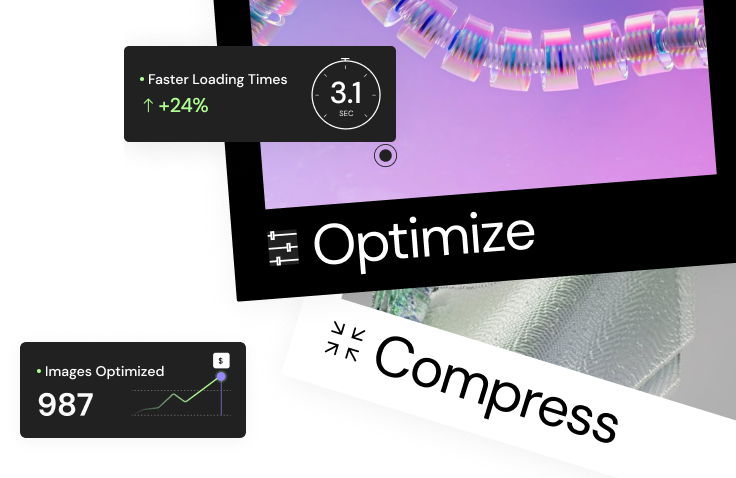
- Image Optimizer: This plugin automatically compresses and resizes images and converts them to next-gen formats like WebP or AVIF upon upload. It ensures the site remains fast without manual intervention.
Marketing & Communication
A website exists to drive business. Hand-coding a newsletter popup or ensuring transactional emails land in inboxes is difficult.
- Send by Elementor: A native marketing solution that integrates lead capture forms directly with email marketing campaigns.
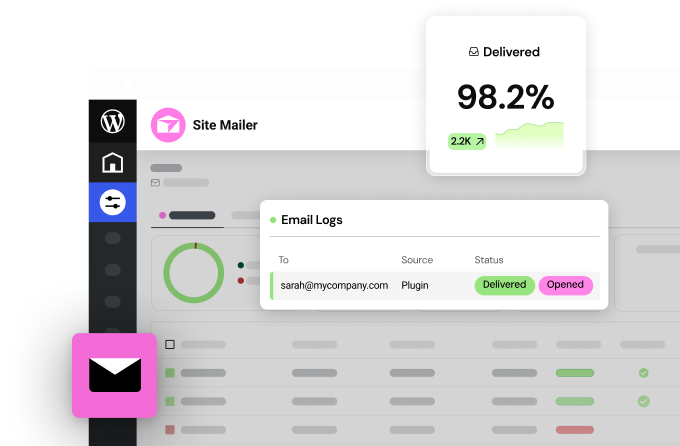
- Site Mailer: This solves a classic WordPress pain point—email deliverability. It ensures your password resets and order confirmations actually reach the customer, replacing complex SMTP setups.
Accessibility (The Legal & Moral Imperative)
Web accessibility (a11y) is critical. Coding an accessible site requires deep knowledge of ARIA labels and keyboard navigation.
- Ally by Elementor: This tool provides automated scanning and remediation for accessibility issues. It helps ensure your site complies with standards like the ADA and EAA, protecting you from lawsuits and opening your site to all users.
Part 6: Step-by-Step Guide to Launching Your Platform
If you are ready to move away from restrictive builders and avoid the time-suck of hand-coding, here is the professional path to launching with Elementor.
Step 1: Secure Your Foundation
Do not start with cheap shared hosting. It is the number one cause of slow WordPress sites.
- Go to Elementor Hosting.
- Choose a plan that scales with your traffic.
- This automatically installs WordPress and Elementor Pro, saving you hours of configuration.
Step 2: Establish the Canvas
- Navigate to Appearance > Themes and ensure Hello Elementor is active.
- This guarantees your code footprint is minimal.
Step 3: Plan Your Architecture
- Use the AI Site Planner to generate your wireframes.
- Define your pages (Home, About, Services, Contact) and their hierarchy.
Step 4: Define Your Design System
- Open the Elementor Editor on any page.
- Go to Site Settings.
- Set your Global Colors (Primary, Secondary, Text, Accent).
- Set your Global Fonts (Headings, Body text).
- Tip: Doing this first saves hours of “tweaking” later.
Step 5: Build Globally, Then Locally
- Use the Theme Builder to create your Header and Footer. These are global templates.
- Build your “Single Page” and “Archive” templates if you have a blog or portfolio.
- Finally, design your individual pages (Home, Contact) using the visual editor.
Step 6: Extend and Optimize
- Install Image Optimizer to keep your media light.
- Set up Site Mailer to ensure your contact forms work reliably.
- If you are selling, configure the WooCommerce Builder.
Part 7: The “Code” vs. “Platform” Comparison
To summarize the decision-making process for a professional:
| Feature | Hand-Coding (From Scratch) | SaaS Website Builders (Wix/Squarespace) | Elementor Platform (WordPress) |
| Ownership | 100% Owner | 0% (Rented) | 100% Owner |
| Flexibility | Unlimited (Code skills required) | Low (Locked to features) | Unlimited (Visual + Code) |
| Learning Curve | High (Months/Years) | Low (Hours) | Medium (Days) |
| Maintenance | Manual & High | Automated | Managed (via Elementor Hosting) |
| Scalability | Difficult (Requires dev team) | Limited (Platform caps) | High (Open ecosystem) |
| Cost | High (Dev time) | Low-Medium | Medium (High Value) |
Conclusion
Creating a website “without a website builder” is a statement of intent. It means you refuse to be locked into a system that stifles your creativity or holds your data hostage. While hand-coding is a noble skill that every web professional should understand, it is rarely the most efficient way to run a business in 2025.
The strategic choice is to leverage a Web Creation Platform like Elementor. It respects the principles of the open web—ownership, extensibility, and code access—while providing the modern tools needed to compete: AI, managed hosting, and a visual workflow. It enables you to build not just a website, but a sustainable digital business.
For further learning, you can explore the Elementor Library for inspiration or download the free version at elementor.com/free-download to start your journey.
Frequently Asked Questions (FAQ)
1. Is it really possible to build a professional website without coding? Yes. Modern platforms like Elementor generate clean, standard-compliant code in the background while you design visually. Unlike older tools that created “spaghetti code,” modern platforms are optimized for performance and SEO, making them suitable for high-end professional sites.
2. Why should I choose Elementor over a SaaS builder like Wix? The primary difference is ownership. With SaaS builders, you are renting your website; if you stop paying, the site disappears. With Elementor on WordPress, you own your data and your design. Additionally, Elementor offers deeper customization and isn’t limited by a “walled garden” ecosystem.
3. Do I need to know HTML and CSS to use Elementor? No, you do not need to know them, but they are helpful. Elementor is a “no-code” tool, but it is “code-friendly.” If you know CSS, you can apply custom styles to any element. This makes it a great bridge for beginners who want to learn web design principles without being overwhelmed by syntax.
4. How does Elementor Hosting differ from generic WordPress hosting? Elementor Hosting is a “managed” service built specifically for the Elementor platform. It runs on Google Cloud’s premium tier (C2 servers) and includes optimizations like Cloudflare Enterprise CDN and server-level caching that are pre-tuned for Elementor. This eliminates the technical setup typically associated with WordPress.
5. Can I move my Elementor site to a different host later? Yes. Because Elementor runs on WordPress (open source), you can export your entire site and move it to any hosting provider you choose. This “portability” is a key advantage over closed website builders.
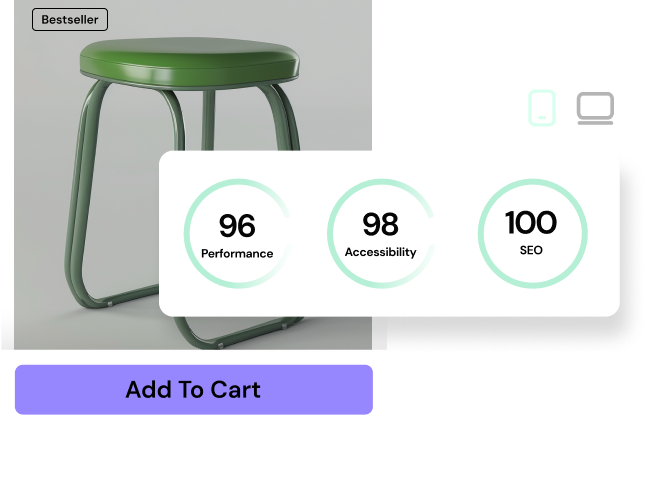
6. Is Elementor good for SEO? Absolutely. Elementor allows full control over HTML tags (H1, H2, etc.), schema markup, and metadata. When combined with a lightweight theme like Hello Elementor and fast hosting, it can achieve perfect scores on Google Core Web Vitals, which is a ranking factor.
7. Can I build an online store without a website builder? Technically yes, by hand-coding a backend, but it is incredibly difficult and risky regarding security. The professional standard is using WooCommerce. Elementor’s WooCommerce Builder allows you to visually design your store while leveraging the robust, secure backend of WooCommerce.
8. What is the difference between the Hello Theme and other WordPress themes? The Hello Theme is a “blank canvas.” Most themes come with their own styling, fonts, and layouts that you have to “fight” or override. Hello is stripped back to the bare essentials, ensuring lightweight code and giving you 100% design control through the Elementor editor.
9. How does AI fit into the web creation process? AI is an accelerator. Tools like Elementor AI can generate text content, create custom images, and even write code snippets (CSS/HTML) for you. The AI Site Planner helps with the initial architecture. It doesn’t replace the creator; it removes the “blank page syndrome” and speeds up repetitive tasks.
10. Is WordPress secure enough for a professional business site? WordPress is secure if managed correctly. Vulnerabilities usually come from outdated plugins or cheap hosting. Using a managed solution like Elementor Hosting mitigates this by providing enterprise-grade security, including hardware firewalls, DDoS protection, and automatic updates.
Referenced Resources
- Elementor Website
- Elementor Hosting
- Elementor AI
- Elementor Library
- Get a Free Domain Name
- Elementor Pro
- Elementor for Designers
- AI Site Planner
- Hello Theme
- eCommerce Hosting
- Image Optimizer
- Site Mailer
- Ally Web Accessibility
- AI Website Builder Solutions
- Send by Elementor
- Download Elementor Free
Relevant Video Guides
Looking for fresh content?
By entering your email, you agree to receive Elementor emails, including marketing emails,
and agree to our Terms & Conditions and Privacy Policy.