Table of Contents
This guide cuts through the marketing noise to provide a strategic, expert-level framework for selecting the website builder that aligns not just with your current needs, but with your future growth. We will dissect the technical architectures, analyze the hidden costs, and explore why a platform approach often triumphs over standalone tools.
Key Takeaways
- Define Your “Digital DNA” First: Your specific goals (eCommerce, portfolio, lead generation), technical skill level, and budget dictate your platform choice more than any feature list.
- Understand the Trade-offs: Every platform sits on a spectrum between “Ease of Use” (SaaS) and “Total Control” (Open Source). Understanding where you fall on this spectrum is critical to avoiding migration headaches later.
- Ownership is Critical: Platforms that lock you into their hosting and proprietary code limit your long-term flexibility and data ownership. Open-source foundations offer greater security against platform changes.
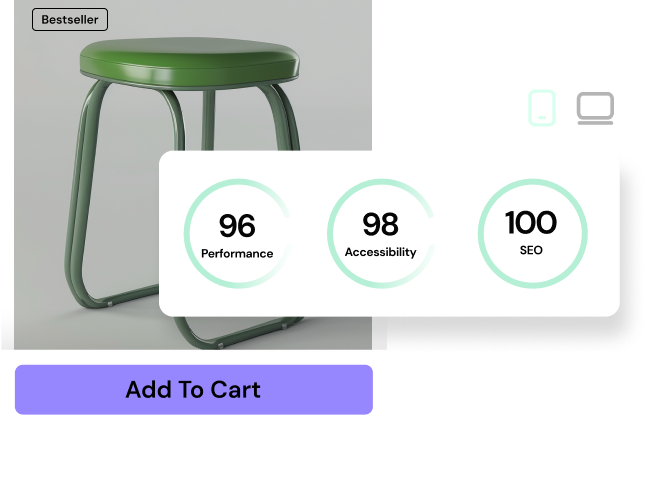
- Performance is SEO: In 2026, your builder’s infrastructure (hosting, CDN, code quality) directly impacts your Google rankings. Speed is no longer optional; it’s a core metric.
- The Ecosystem Matters: Look for a platform that connects building, hosting, marketing, and optimization rather than piecing together disparate tools.
- AI is a Workflow, Not a Gimmick: The best tools use AI to plan and execute tasks (Agentic AI), not just generate generic text.
- Scalability Saves Money: A cheap starter plan becomes expensive if you have to migrate your entire site when you grow. Choose a platform that scales with you.
The Website Builder Landscape: Understanding the Three Core Categories
Before diving into specific features, it is essential to understand the fundamental architecture of the tools available. The market is generally divided into three distinct categories, each with its own philosophy regarding control, convenience, and cost. Your choice here determines the ceiling of your website’s potential.
1. Closed SaaS (Software as a Service) Platforms
These are the all-in-one solutions that most beginners encounter first. They bundle the builder, hosting, domain management, and support into a single monthly subscription. They operate on a proprietary codebase that users cannot access or modify deeply.
- The Philosophy: Convenience above all. You log in, pick a template, and start editing. There is no software to install, no server to manage, and no plugins to update manually.
- The Trade-off: You are renting your website. You do not have access to the underlying code, you cannot move your site to another host, and you are limited to the features and integrations the platform approves. If the platform raises prices or deprecates a feature you rely on, you have little recourse.
- Market Examples: Wix, Squarespace, Shopify.
2. Open-Source Content Management Systems (CMS)
This is the traditional alternative to SaaS. You download free software, install it on a server you rent, and build your site. The software is community-maintained and free to use, modify, and distribute.
- The Philosophy: Total ownership and limitless extensibility. You own your data, you can move your site to any hosting provider in the world, and you can modify every line of code if you wish.
- The Trade-off: Historically, this required a higher degree of technical maintenance. You were responsible for connecting the dots between your domain, hosting, theme, and plugins. Security patches and performance optimization fell squarely on your shoulders, often leading to “plugin conflict” nightmares for the uninitiated.
- Market Examples: WordPress, WooCommerce.
3. The Hybrid “Platform” Model
This is the emerging standard for 2026 and beyond. It combines the ease of use and managed infrastructure of SaaS with the freedom and open architecture of open-source.
- The Philosophy: You get a managed environment (hosting, security, updates) with a visual builder, but the underlying foundation is open-source. This gives you the “best of both worlds”: the stability of a managed service with the ownership of a CMS.
- The Trade-off: It often requires a shift in mindset from “renting” a solution to “building” on a platform, but the long-term ROI is significantly higher because you aren’t walled in.
- Market Examples: The Elementor Ecosystem (Elementor Hosting + Builder).
Phase 1: Defining Your “Digital DNA”
You cannot choose the right tool if you do not know what you are building. Before evaluating any software, you must perform a self-audit of your needs. We call this your “Digital DNA.” This assessment prevents the common mistake of choosing a tool that looks good in a demo but fails in production.
1. The Small Business Owner / DIYer
You need a professional site quickly to validate your business idea or establish a local presence for a brick-and-mortar service. You likely wear every hat in your business, from CEO to janitor, so you cannot afford to spend weeks learning code.
- Primary Goal: Speed to market and ease of use. You need the site up yesterday.
- Technical Skill: Low to Medium. You don’t want to code, but you can handle a modern drag-and-drop interface.
- Budget: Low initial investment, but willing to pay a monthly fee for reliability and lack of headaches.
- Critical Feature: A “Business-in-a-Box” solution. You need templates that look professional out of the gate, reliable hosting, and integrated email services.
2. The Freelancer / Solopreneur / Marketer
You are building a personal brand, a portfolio, or a niche affiliate site. Your website is your primary marketing channel and the hub of your digital identity.
- Primary Goal: Design uniqueness and conversion optimization. You need a site that stands out visually and captures leads effectively. Generic templates won’t cut it.
- Technical Skill: Medium. You understand the basics of SEO, image optimization, and design principles.
- Budget: Moderate. You view the site as an investment, not a cost center.
- Critical Feature: Design flexibility and deep marketing integrations. You need to connect to email marketing tools, run A/B tests on landing pages, and use popups strategically.
3. The Digital Agency / Web Creator
You build websites for others. You need a tool that allows you to work efficiently, scale across multiple clients, and maintain high standards of performance and security.
- Primary Goal: Workflow efficiency, scalability, and client management. You need to build sites faster without sacrificing quality.
- Technical Skill: High. You are comfortable with CSS, custom code, and dynamic content. You need a tool that doesn’t limit your expertise.
- Budget: High for the right tools that save time. Efficiency is your currency.
- Critical Feature: A unified platform that handles hosting, management, and building in one dashboard to reduce “context switching” and administrative overhead.
4. The eCommerce Merchant
Your website is your cash register. Uptime, speed, and checkout optimization are non-negotiable. Every second of downtime or slow loading translates directly to lost revenue.
- Primary Goal: Sales reliability and transaction security.
- Technical Skill: Varies, but the focus is on business logic (inventory, shipping, tax) rather than code.
- Budget: High. You are willing to pay for premium hosting and tools that ensure uptime.
- Critical Feature: Robust eCommerce integrations, specifically deep customization of the checkout flow and product pages, which is often limited in basic builders.
Phase 2: The Critical Evaluation Criteria
Once you have identified your persona, you can evaluate platforms based on these ten critical pillars. Do not compromise on these; they form the foundation of a successful digital presence.
1. Ease of Use vs. Learning Curve
Every builder claims to be “easy,” but “easy” is subjective. True ease of use isn’t just about a simple interface; it’s about how intuitive the workflow is as you scale.
- Visual Editing: Does the builder offer a true WYSIWYG (What You See Is What You Get) experience? Can you drag an element and drop it exactly where you want, or are you fighting with a rigid grid system? Visual builders like the Elementor Website Builder allow for intuitive placement, whereas block-based editors often force you into a linear structure.
- Onboarding: Does the platform offer AI-assisted setup to get you past the “blank page” paralysis? Tools like an AI Site Planner are becoming essential. These tools can generate sitemaps, wireframes, and initial content structures instantly based on a simple description of your business.
2. Design Flexibility and “Pixel-Perfect” Control
Templates are great for starting, but they can be a trap. As your brand evolves, you will want to break the mold. If your builder limits you to pre-set layouts, your brand will look like everyone else’s.
- Granular Control: Can you adjust padding, margins, and Z-index values? Can you position elements absolutely or fix them to the screen? This level of control distinguishes professional design tools from basic website assemblers.
- Responsive Design: Does the builder allow you to customize the experience specifically for mobile and tablet users? In a mobile-first world, this is critical. You need the ability to hide/show elements, reverse column orders, and adjust font sizes based on the device.
- Global Design Systems: Can you set global fonts and colors once and have them apply everywhere? This ensures brand consistency across hundreds of pages and saves hours of manual updates when you decide to change your brand color.
3. Performance and Core Web Vitals
Google ranks websites based on speed and user experience metrics known as Core Web Vitals (CWV). If your builder generates bloated code, your site will be slow, and your rankings will suffer regardless of your content quality.
- Code Quality: Does the builder output clean HTML/CSS, or is it wrapped in excessive <div> tags? Excessive DOM depth (too many nested elements) slows down the browser’s ability to “paint” the page.
- Infrastructure: Is the hosting built on premium architecture? Look for platforms that utilize Google Cloud Platform or AWS, and integrated CDNs (Content Delivery Networks) like Cloudflare.
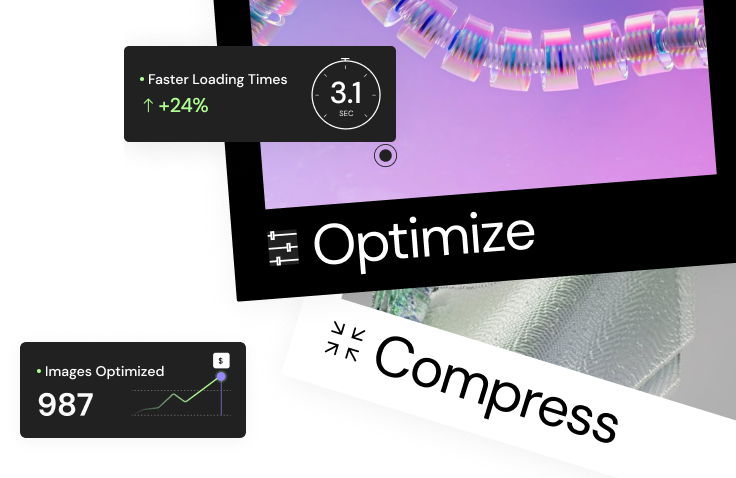
- Optimization Tools: Does the platform include built-in performance features? For example, an integrated Image Optimizer that automatically compresses media and converts it to WebP format is invaluable. Without this, you are forced to manually resize and compress every image you upload, or pay for a third-party plugin.
4. Search Engine Optimization (SEO) Capabilities
A beautiful site that no one visits is a waste of resources. SEO must be baked into the foundation, not bolted on as an afterthought.
- Technical SEO: Can you edit meta titles, descriptions, and alt text easily? Can you control canonical URLs to prevent duplicate content issues?
- Structure: Does the builder use proper semantic HTML (H1, H2, H3 tags) automatically? Search engines rely on this structure to understand your content hierarchy.
- Advanced SEO: Does it integrate with industry-standard tools? Open platforms often integrate seamlessly with specialized plugins like Yoast or RankMath, providing deeper analysis and schema markup options than the basic, built-in SEO tools found in closed SaaS platforms.
5. Ecosystem and Integrations
No website is an island. You will need to connect to email marketing tools, CRMs, analytics, and payment gateways.
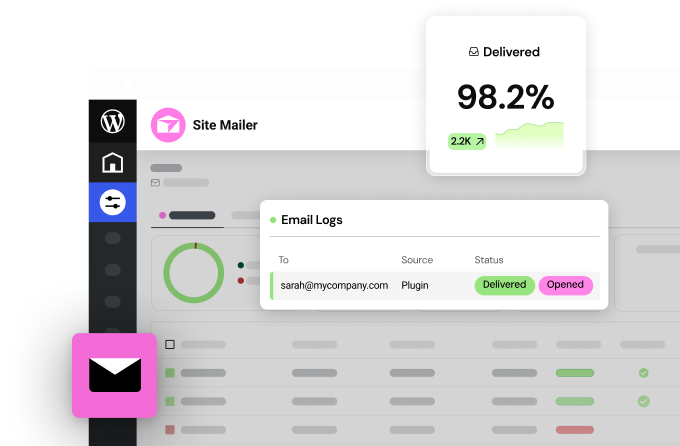
- Native vs. Third-Party: Does the platform have a native solution for critical tasks? For example, having a native Site Mailer ensures your transactional emails (receipts, form fills) actually land in the inbox without needing complex SMTP configuration. Relying on default WordPress mail functions often leads to spam folder placement.
- Extensibility: If you need a specific feature (e.g., a booking system for a dog walker or a real estate listing engine), is there a plugin for it? Open ecosystems have tens of thousands of plugins developed by the community. Closed systems have limited app marketplaces where every solution must be approved by the platform owner.
6. Scalability and Growth Potential
You might start with a landing page, but you might grow into a 1,000-product store or a high-traffic media site.
- Migration Path: If you outgrow the platform, can you leave? With open-source platforms, you can simply upgrade your server resources. With closed SaaS, you often have to rebuild from scratch because you cannot export the proprietary code.
- Traffic Handling: Can the hosting infrastructure handle a viral spike? Look for “Auto-Scaling” capabilities that add server resources instantly when traffic surges, preventing your site from crashing during your biggest sales moment.
7. Data Ownership and Portability
This is often overlooked until it is too late. The digital landscape changes fast; you want to ensure you own your assets.
- Content Lock-in: Do you own your content? If you stop paying the subscription, does your site disappear entirely?
- Exportability: Can you export your blog posts, products, and customer data in a standard format (CSV, XML)? Proprietary builders often make this difficult to discourage you from leaving.
8. Support and Community
When things break (and they will), who do you call?
- Unified Support: If you are using a hybrid platform, is there a single point of contact? The “blame game” between hosting providers and plugin developers is a major pain point in the traditional WordPress world. Platforms that offer both the builder and the hosting eliminate this friction.
- Community Resources: Is there a vibrant community of users? Platforms with millions of users have vast libraries of YouTube tutorials, forums, and third-party courses. If you get stuck, someone else has likely solved the problem already.
9. AI and Innovation
AI is shifting from “generating text” to “managing workflows.”
- Agentic AI: Does the platform have tools that do things for you? Look for AI that can build layouts, write code snippets, or fix accessibility issues, rather than just writing blog posts.
- Context Awareness: Does the AI understand the context of your site? Can it reference your specific design system when suggesting changes?
10. Accessibility and Compliance
Web accessibility (making your site usable for people with disabilities) is both a legal requirement and a moral imperative.
- Built-in Tools: Does the platform help you identify and fix accessibility violations? Tools like Ally by Elementor are critical for ensuring your site meets WCAG standards without needing to hire a specialized consultant. This protects you from potential lawsuits and ensures you reach the widest possible audience.
Phase 3: Analyzing the Market Players
To make an informed decision, let’s look at the major players in the market. We will analyze them based on their functional capabilities and technical architecture in a neutral, factual manner.
Wix
Wix is a cloud-based web development platform that allows users to create HTML5 websites and mobile sites through the use of online drag-and-drop tools.
- Technical Architecture: Closed SaaS. Users build and host their sites within the Wix infrastructure.
- Editor Experience: Known for its “unstructured” editor, which allows elements to be placed anywhere on the canvas without strict adherence to a grid. This offers freedom but can require manual adjustments for mobile responsiveness.
- Extensibility: Functionality is extended via the Wix App Market. These apps are proprietary to the Wix ecosystem.
- Data Portability: As a proprietary platform, exporting a site to another host or CMS is not natively supported. Moving away requires rebuilding the site.
Squarespace
Squarespace is a SaaS provider of website building and hosting, known for its pre-designed templates and all-in-one platform approach.
- Technical Architecture: Closed SaaS. It bundles hosting, domain, and the CMS.
- Editor Experience: Uses a structured, block-based editor. Users place content into pre-defined regions (spacers and blocks). This ensures consistency across the site but restricts the ability to perform granular, pixel-level customization compared to free-form editors.
- Target Audience: Often utilized by users who prioritize aesthetic consistency and minimal setup time over deep technical customization.
- eCommerce: Includes built-in eCommerce features, though advanced customizations and third-party payment gateway integrations can be limited compared to open platforms.
Webflow
Webflow is a SaaS application that allows designers to build responsive websites with browser-based visual editing software.
- Technical Architecture: Closed SaaS, though it generates clean code that can be exported on higher-tier plans.
- Editor Experience: The interface mimics professional design software like Photoshop or Figma. It provides direct visual manipulation of CSS properties (flexbox, grid, padding).
- Learning Curve: Requires an understanding of web design principles and box model concepts. It is generally considered to have a steeper learning curve than consumer-grade builders.
- CMS: Includes a relational CMS for dynamic content, though complex web applications often require external integrations.
Shopify
Shopify is a proprietary eCommerce platform for online stores and retail point-of-sale systems.
- Technical Architecture: Closed SaaS dedicated to eCommerce. It manages the server, security, and payment processing compliance (PCI).
- Editor Experience: Focuses heavily on store management (inventory, orders). The visual customization of pages is often done through themes or a block-based editor, which can be rigid without the use of third-party page builder apps.
- Extensibility: Possesses a large App Store. Many advanced features (subscriptions, loyalty programs) require installing paid third-party apps, which can increase the monthly running cost.
The WordPress Block Editor (Gutenberg)
This is the default content editor included with the open-source WordPress software.
- Technical Architecture: Open-source. It is part of the WordPress core and runs on any hosting environment compatible with WordPress.
- Editor Experience: A block-based system where content elements (paragraphs, images) are treated as distinct blocks. It is designed to be a streamlined writing experience.
- Flexibility: While capable of basic layouts, achieving complex, custom designs often requires technical knowledge of React.js or the installation of additional block libraries.
Phase 4: The Strategic Solution – The Elementor Ecosystem
For creators and businesses who refuse to compromise—who desire the ease of use found in SaaS tools but demand the power and ownership of open-source—the Elementor ecosystem represents the strategic convergence of these two worlds. It is not merely a page builder; it is a comprehensive Website Builder Platform.
The “Best of Both Worlds” Architecture
Elementor occupies a unique position in the market. It provides the Elementor Website Builder, a visual drag-and-drop tool that powers over 18 million websites, sitting on top of the open-source WordPress foundation.
- Unlike SaaS: You retain full data ownership. You can export your site content at any time. You are not locked into a proprietary hosting environment.
- Unlike Traditional WordPress: You don’t have to manage the technical complexity often associated with self-hosting. With Elementor Hosting, users receive a managed Google Cloud environment that is optimized specifically for Elementor sites. This removes the friction of server management while keeping the open-source benefits.
The Creative Engine: From Idea to Execution
The workflow within Elementor is designed to be end-to-end, covering every stage of the web creation lifecycle:
- Planning: Instead of staring at a blank screen, you can start with the AI Site Planner. You describe your business, and it generates a sitemap, wireframes, and a project brief in minutes. This effectively democratizes the role of a digital strategist.
- Building: You move into the editor, where you have pixel-perfect control. You can use the Elementor Pro features to build dynamic headers, footers, and popups that respond to user behavior.
- Designing: You can start with the Hello Theme—a lightweight blank canvas for professionals—or use the “Hello Biz” theme, which offers a guided setup for beginners to get online faster.
The Growth Suite: Beyond the Builder
A website is a living asset that needs to grow and evolve. Elementor has integrated the tools required for this growth directly into the platform, eliminating the need for a fragmented tech stack:
- Reliability: The Site Mailer plugin addresses a common infrastructure issue. It ensures your transactional emails are delivered reliably, solving one of the most common WordPress headaches without needing an external SMTP subscription.
- Design Resources: Access to the Library provides a vast array of pre-designed templates, kits, and blocks, speeding up the design process significantly.
This ecosystem approach means you aren’t just building a website; you are building a scalable digital business on a unified infrastructure.
Phase 5: Use Case Scenarios – What Should You Choose?
To make this practical, let’s look at specific scenarios and the recommended stack for each, demonstrating how different users can leverage the ecosystem.
Scenario A: The Professional Portfolio
User: A graphic designer, architect, or photographer. Needs: High-impact visuals, fast loading speeds for high-resolution images, and easy content updates. The Stack:
- Platform: Elementor Hosting (for speed and simplified management).
- Theme: Hello Theme (for a minimal, custom look that doesn’t interfere with the design).
- Key Feature: Image Optimizer. This is crucial. Portfolios are heavy on images. This tool automatically compresses them to WebP format, ensuring the site loads instantly on mobile devices without losing visual quality.
- Why: You get total design freedom to showcase your work without the rigid grid constraints of other platforms, and the performance tools ensure your high-res work doesn’t negatively impact your SEO.
Scenario B: The High-Traffic Blog / Media Site
User: A content marketer, news publisher, or affiliate marketer. Needs: SEO structure, readability, email capture, and efficient content management. The Stack:
- Platform: WordPress + Elementor Pro.
- Key Feature: Theme Builder. You can design a single “Single Post” template that applies to all your articles. If you want to change the layout of 1,000 posts, you edit one template, and it updates everywhere instantly.
- Why: WordPress is the industry standard for content management. Elementor gives you the visual control over that content that WordPress lacks natively.
Scenario C: The eCommerce Brand
User: A boutique clothing store or digital product seller. Needs: Custom product pages, reliable checkout, and sales funnels. The Stack:
- Platform: Elementor eCommerce Hosting + WooCommerce.
- Key Feature: WooCommerce Builder. Standard WooCommerce pages are generic. Elementor allows you to design custom product pages, cart pages, and checkouts visually.
- Why: While dedicated eCommerce platforms are powerful, they often lack design flexibility. Elementor allows for a truly unique shopping experience (e.g., a custom product configurator or a specific branded checkout flow) with the power of WooCommerce.
Scenario D: The Small Business Service Provider
User: A plumber, lawyer, consultant, or restaurant owner. Needs: Trust, contact forms, location maps, and mobile responsiveness. The Stack:
- Platform: Elementor Hosting.
- Theme: Hello Biz (for the guided setup).
- Key Feature: Site Mailer. You cannot afford to miss a lead because your contact form notification went to spam.
- Why: It offers the quickest path to a professional result that looks expensive but is easy to manage and update.
Phase 6: Future-Proofing Your Choice
When you choose a builder, you are making a bet on the future. How will the platform handle the trends of 2026 and beyond?
1. The Era of Agentic AI
We are moving past “Generative AI” (writing text) to “Agentic AI” (doing tasks). Elementor’s AI tools are evolving to understand the context of your site. Imagine asking your site to “Make all buttons blue and increase padding by 10px,” and the AI executes it. This is the future of web creation—human strategy, machine execution. The AI Website Builder capabilities allow for rapid iteration and prototyping that was previously impossible.
2. The Accessibility Mandate
With the European Accessibility Act (EAA) and stricter ADA guidelines, accessibility is no longer optional. Platforms that treat accessibility as an afterthought will become liabilities. Built-in tools like Ally are essential insurance policies for your business, ensuring your site is usable by everyone.
3. The Performance Standard
Core Web Vitals are becoming stricter. The “good enough” hosting of the past will no longer cut it. You need a platform that integrates CDNs (like Cloudflare) and server-side caching by default. If your builder doesn’t prioritize performance infrastructure, you are starting the SEO race with a flat tire.
Frequently Asked Questions (FAQs)
Q: Is it better to use a SaaS builder or an open-source one like WordPress? A: It depends on your priorities. SaaS builders offer convenience and are easier to start with, but you sacrifice ownership and flexibility. Open-source platforms like WordPress give you full ownership and limitless customization but require more management. Solutions like Elementor Hosting bridge this gap by offering a managed WordPress experience that feels like SaaS.
Q: Can I switch website builders later if I don’t like my choice? A: Switching is difficult. If you use a proprietary SaaS platform, you generally cannot export your design or code; you have to rebuild from scratch. If you use WordPress with Elementor, you own the data and content, making migration significantly easier, though redesigning the layout may still be required.
Q: How important is hosting when choosing a website builder? A: Critical. Hosting dictates your site’s speed, security, and uptime. Many cheap builders skimp on hosting. Look for platforms that use enterprise-grade infrastructure, like Google Cloud Platform, to ensure your site loads fast and stays secure.
Q: Do I need to know how to code to use Elementor? A: No. Elementor is a “No-Code” visual builder. You can design everything using drag-and-drop widgets. However, it does allow for custom CSS and HTML if you are a developer and want to extend it, which is why it is popular with designers and developers alike.
Q: What is the difference between the Hello Theme and Hello Biz? A: The Hello Theme is a blank canvas designed for professionals who want to build every part of their site from scratch using Elementor. Hello Biz is a child theme designed for beginners; it includes a setup wizard and pre-configured styles to help you get a business site up and running faster.
Q: Is Elementor good for eCommerce? A: Yes. Elementor integrates deeply with WooCommerce, the world’s most popular eCommerce engine. The Elementor WooCommerce Builder allows you to customize every part of your store (product pages, cart, checkout) without code, giving you more design freedom than standard themes.
Q: How does AI help in building a website? A: AI can accelerate the process significantly. Tools like the AI Site Planner can generate your site structure and wireframes. Inside the editor, AI can write copy, generate images, and even write custom CSS code to style elements in unique ways.
Q: Why do I need an Image Optimizer plugin? A: Images are the heaviest part of a website. Large images slow down your site, which hurts your Google rankings (SEO) and frustrates users. An Image Optimizer automatically compresses these files and converts them to next-gen formats (WebP) to make your site fast without you doing manual work.
Q: What is “Agentic AI” in web design? A: Agentic AI refers to AI agents that can perform multi-step actions to achieve a goal, rather than just generating content. For example, instead of just writing a paragraph, an AI agent might analyze your page, suggest design improvements, and then implement those changes for you.
Q: Is Elementor free? A: There is a Free Download of the core Elementor plugin that is very powerful and sufficient for basic sites. However, Elementor Pro adds advanced features like the Theme Builder, Popup Builder, and eCommerce tools. Elementor Hosting bundles the Pro plugin with hosting for a unified price.
Conclusion
Choosing a website builder is not just a technical decision; it is a business strategy decision. The “best” builder is the one that minimizes your limitations. For some, the limitation is time, and a closed SaaS tool is sufficient. But for those who view their website as a long-term asset—a platform for growth, sales, and brand expression—the need for ownership, flexibility, and scalability is paramount.
By choosing a comprehensive platform like the Elementor ecosystem, you are not just buying a tool for today; you are investing in a foundation that allows you to start simple, grow complex, and never hit a ceiling. In 2026, the power to create is in your hands—choose the tool that empowers you to wield it.
Check out Elementor.com to start your journey with a Free Domain Name on select hosting plans.
Looking for fresh content?
By entering your email, you agree to receive Elementor emails, including marketing emails,
and agree to our Terms & Conditions and Privacy Policy.