Table of Contents
Key Takeaways
- “Free” is rarely free: Most free plans force branded subdomains and ads onto your site, which can damage professional credibility.
- Total Cost of Ownership (TCO) matters: A low monthly subscription often hides transaction fees, paid app requirements, and rising renewal rates.
- Open Source offers long-term savings: WordPress provides the most financial flexibility, allowing you to swap hosting and tools to fit your budget.
- Consolidation saves money: Platforms that bundle hosting, design, and marketing tools often cost less than assembling disparate services.
- Scalability is a cost factor: Migrating away from a cheap, closed platform later is expensive and technically difficult; starting with a scalable foundation prevents this.
The Economics of Website Building: Price vs. Value
When we ask, “What is the cheapest website builder?”, we are really asking two different questions. The first is: What is the absolute lowest amount of money I can spend to get a URL live on the internet? The second, and more important question, is: What is the most cost-effective way to build a professional, functional website that won’t require expensive fixes later?
In the digital landscape, costs are categorized into three buckets: Infrastructure (hosting, domains, SSL), Functionality (design tools, plugins, apps), and Maintenance (security, updates, scalability).
The “Free” Tier Trap
Many proprietary SaaS (Software as a Service) builders offer free plans. While attractive, these are generally marketing tools for the platform rather than viable business solutions. They typically restrict bandwidth, limit storage to around 500MB, and, most critically, prevent you from connecting a custom domain (e.g., yourbusiness.com). Instead, you are stuck with yourbusiness.platformname.com. For a hobbyist, this is acceptable. For a professional, it signals a lack of investment in one’s own brand.
The “Teaser” Rate Phenomenon
A common industry practice involves offering a drastically reduced introductory rate—often $1 to $3 per month—for the first term. However, renewal rates can jump by 200% to 400%. An expert approach involves calculating the three-year cost of a platform rather than the first-year cost to understand the true financial commitment.
The Cost of Fragmentation
A hidden cost in web development is the “app tax.” You might secure a cheap builder for $10 a month, but if you need a popup builder ($15/mo), an image optimizer ($10/mo), and an email marketing tool ($20/mo), your actual operating cost balloons to $55/mo. Platforms that integrate these features natively often offer a lower effective price point, even if their base subscription appears slightly higher.
Category 1: The SaaS Contenders (Dry Analysis)
The following platforms represent the most common “all-in-one” website builders. They are closed ecosystems, meaning they host, secure, and provide the software for your site.
Wix
Wix is a widely used cloud-based development platform. It operates on a freemium model.
- Core Offering: Users build sites using a drag-and-drop interface with absolute positioning.
- Pricing Structure: It offers a limited free plan with Wix branding. Paid plans are tiered based on storage, bandwidth, and functionality (e.g., accepting payments).
- Functionality: Includes an App Market for extending features, though many apps require separate subscriptions.
- Target Audience: Beginners and small business owners who prefer a template-based starting point.
Squarespace
Squarespace provides software for website building and hosting. It is known for its focus on design aesthetics.
- Core Offering: It uses a section-based editor rather than a pixel-perfect drag-and-drop system.
- Pricing Structure: There is no free plan, only a 14-day trial. Pricing is generally higher than entry-level competitors, reflecting its premium market positioning.
- Functionality: Features are largely built-in, reducing reliance on third-party apps, though extensions are available for specific needs like shipping or accounting.
- Target Audience: Creatives, photographers, and restaurants valuing high-fidelity visual templates.
GoDaddy Website Builder
GoDaddy is primarily a domain registrar that offers a simplified website building tool.
- Core Offering: Uses an Artificial Design Intelligence (ADI) system to generate basic layouts quickly based on user inputs.
- Pricing Structure: Offers a free trial. Paid plans are often bundled with domain purchases or hosting services.
- Functionality: Focuses on speed and simplicity over deep customization. Marketing tools like email and social media posting are often bundled.
- Target Audience: Users needing a very simple online presence quickly without design requirements.
Weebly
Weebly, owned by Square, is an eCommerce-focused site builder.
- Core Offering: A structured drag-and-drop editor.
- Pricing Structure: Offers a free tier that includes Square ads. Paid tiers remove ads and add eCommerce functionality.
- Functionality: Strong integration with Square’s payment processing ecosystem.
- Target Audience: Small retailers and brick-and-mortar stores using Square POS.
Zyro (Hostinger Website Builder)
Zyro is the builder tool offered by the hosting company Hostinger.
- Core Offering: A grid-based drag-and-drop editor with AI content generation tools.
- Pricing Structure: Aggressively priced at the lower end of the market, often under $3/mo for initial terms.
- Functionality: Includes basic AI tools for logo creation and text writing.
- Target Audience: Budget-conscious users and absolute beginners.
Category 2: The Open Source & Platform Solution
Moving away from closed SaaS systems, we enter the world of open source, specifically WordPress. This is where the definition of “cheapest” shifts from “lowest monthly fee” to “best value for control.”
The WordPress Foundation
WordPress.org software is free. It powers over 40% of the web. The costs associated with WordPress are variable: you pay for what you use (hosting, domain, premium plugins). This variability allows for extreme budget control. You can run a WordPress site on shared hosting for as little as $3 a month, making it technically one of the cheapest ways to have a professional, ad-free site.
However, “raw” WordPress requires assembly. You need to source a theme, a builder, security, and hosting separately. This is where the ecosystem approach becomes the strategic choice for professionals.
Elementor: The Integrated Website Builder Platform
Elementor has evolved from a plugin into a comprehensive platform that bridges the gap between the low cost of open source and the ease of SaaS. For users seeking the most cost-effective route to a professional-grade website, Elementor presents a compelling comprehensive solution.
1. The Creative Engine: Elementor Free vs. Pro
At its core, the Elementor Website Builder replaces the need for expensive custom coding or premium themes.
- Elementor Free: This is arguably the most powerful free web creation tool available. Unlike “free” SaaS plans, it does not force ads on your site or restrict you to a subdomain. It offers 40+ widgets and a drag-and-drop editor that works with any WordPress theme. For a simple brochure site, the total cost is just your hosting fee.
- Elementor Pro: For a modest annual fee, this upgrade replaces multiple standalone paid plugins. It includes a Popup Builder (saving ~$20/mo), a Form Builder (saving ~$15/mo), and a Theme Builder (saving developer costs).
2. The Hosting Equation: Bundled Value
One of the most significant shifts in the “cheapest builder” calculation is the advent of Elementor Hosting. Historically, a user would buy Elementor Pro ($59/yr) and quality managed WordPress hosting ($15-$30/mo) separately. Elementor Hosting bundles the Pro builder with Google Cloud Platform infrastructure, Cloudflare Enterprise CDN, and premium support. When analyzing the cost, this bundle often comes out cheaper than buying a mid-tier SaaS subscription (like Wix or Squarespace) while offering significantly higher performance benchmarks. It eliminates the “app tax” by including the pro features natively.
3. Efficiency Tools as Cost Savers
Time is money. Elementor includes tools that reduce the hours required to build and manage a site.
- Hello Theme: A lightweight, free canvas that ensures you don’t need to buy a premium theme. https://elementor.com/themes
- Elementor AI: Integrated directly into the editor, this allows for the generation of text, custom code, and images, potentially reducing the need for stock photo subscriptions or copywriting services. https://elementor.com/products/ai
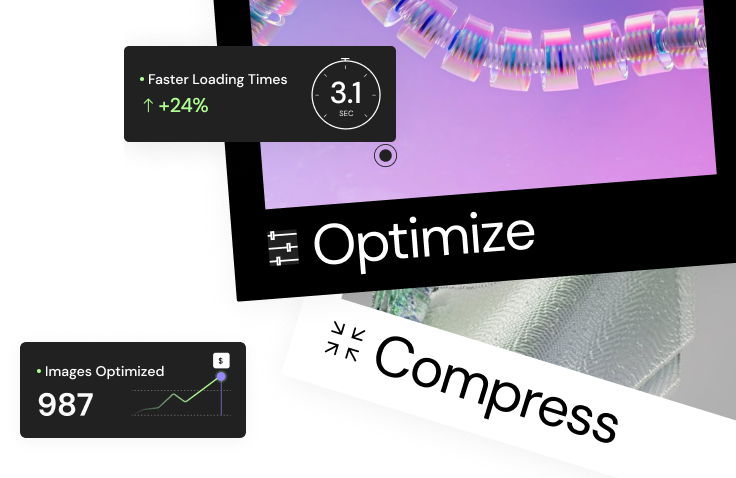
- Image Optimizer: A native solution for compressing media, ensuring fast load times without needing a third-party paid plugin. https://elementor.com/products/image-optimizer
Detailed Cost Breakdown: Building a Site for Under $100/Year
Is it possible to build a professional site for under $100 in the first year? Yes, but it requires strategic choices. Here is the blueprint for the ultra-budget professional build using the open ecosystem.
Step 1: The Domain Name (~$12 – $15/year)
This is the only non-negotiable cost. You must own your .com. Avoid “free domain for a year” offers if they lock you into high renewal rates. Registrars like Namecheap or Google Domains offer transparent pricing.
Step 2: The Hosting Environment (~$35 – $60/year)
For the absolute lowest cost, shared hosting is the entry point. Providers often offer introductory rates of $2.99/mo. While performance is lower than managed hosting, it is sufficient for low-traffic sites.
- Expert Tip: Ensure your host offers free SSL (security certificate). Never pay extra for this; it is a standard security requirement today.
Step 3: The Content Management System (Free)
Install WordPress. It costs $0.
Step 4: The Design Layer (Free)
Install the Hello Elementor theme and the Elementor Website Builder plugin.
- Hello Theme: Provides the structure.
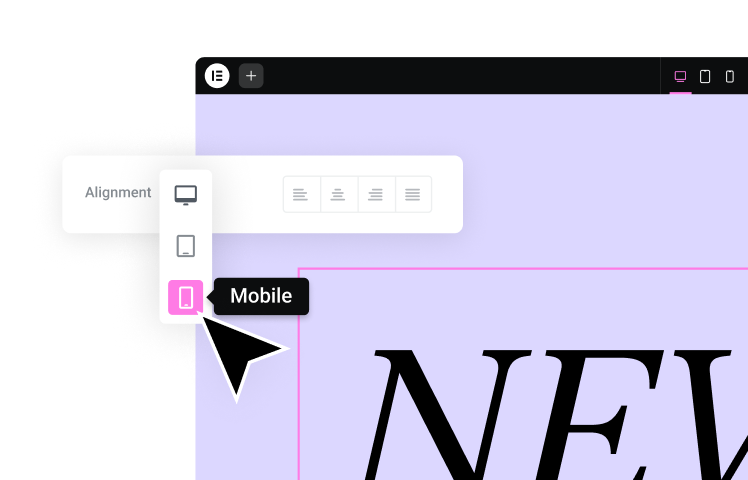
- Elementor: Provides the visual design interface. You now have a drag-and-drop interface, mobile responsiveness controls, and a template library without spending a dime.
Step 5: Essential Functionality (Free)
Instead of paid SaaS apps, use free WordPress plugins to fill gaps:
- SEO: RankMath or Yoast (Free versions are excellent).
- Analytics: Google Site Kit.
- Security: Wordfence.
- Performance: W3 Total Cache.
Total Estimated First-Year Cost: ~$50 – $75. Comparison: A comparable ad-free plan on a SaaS builder typically starts at $144 – $192 per year.
Strategic Analysis: Why “Cheapest” Can Be Expensive
While the sub-$100 route is possible, we must discuss the “hidden” costs of the cheapest options.
1. The Cost of Migration
Proprietary builders (Wix, Squarespace) do not allow you to export your website’s code. If you build your site on their cheapest plan and later need a feature they only offer in a $50/mo tier, you are trapped. You must either pay the higher fee or rebuild your entire site from scratch on a new platform. The Elementor Advantage: Because Elementor operates on WordPress, you own your data. You can move your site to any host, anywhere, at any time. This data sovereignty is a massive long-term cost saver.
2. The eCommerce Ceiling
Most “cheap” builders charge transaction fees on top of payment gateway fees. If a builder charges a 3% transaction fee and you sell $10,000 worth of goods, you’ve paid them $300—far more than the cost of a premium subscription. The Solution: The WooCommerce Builder in Elementor allows you to build custom stores on top of WooCommerce (which is free). You pay your payment gateway (e.g., Stripe/PayPal) fees, but there are no arbitrary platform transaction fees.
3. The Performance Impact
Cheap shared hosting often results in slow load times. Google penalizes slow sites in search rankings. If your “cheap” site doesn’t rank, it generates no revenue, effectively making it a wasted investment. The Fix: This is where Elementor Hosting becomes a value play. By paying slightly more than rock-bottom shared hosting, you get Google Cloud infrastructure. The speed boost can directly correlate to better SEO performance and user retention.
Step-by-Step: Maximizing Value with the Elementor Ecosystem
To achieve the best balance of cost and performance, follow this workflow.
Phase 1: Planning with AI
Before spending money, use the Elementor AI Site Planner. This tool helps generate a website structure and wireframe. Proper planning prevents scope creep and ensures you don’t buy unnecessary tools.
Phase 2: Selecting the Foundation
For most users, the “Hello” theme is the most efficient starting point. It is stripped of bloat, ensuring your site loads fast. If you are a designer, you can build from scratch. If you are a small business owner, check out Hello Biz, which offers a more guided starting experience.
Phase 3: Building the Brand Identity
Use Elementor’s Global Settings to define your fonts and colors once. This ensures consistency. Use the Image Optimizer plugin to ensure every photo you upload is automatically compressed to WebP format, saving storage space and bandwidth costs.
Phase 4: Marketing & Growth
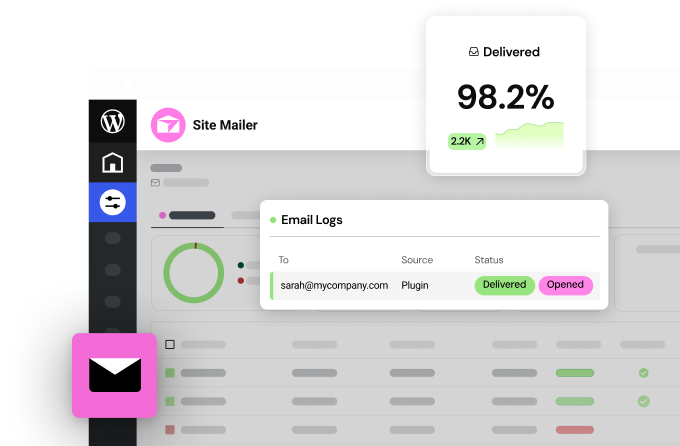
Instead of paying for a Mailchimp or Constant Contact subscription (which can start at $15-$20/mo), utilizing Send by Elementor allows you to manage newsletters and transactional emails directly from your WordPress dashboard. It integrates natively with your Elementor forms.
https://send2.co https://elementor.com/products/site-mailer
Phase 5: Ensuring Accessibility
Legal suits regarding website accessibility are rising. Retrofitting a site for ADA compliance can be expensive. Using Ally by Elementor allows you to scan and remediate accessibility issues proactively, acting as an insurance policy against future legal costs.
Video Resources for Optimization
Visualizing these workflows can clarify the process. The following resources provide deep dives into utilizing these tools effectively:
- Accessibility: How Elementor’s Ally Plugin Transforms Web Accessibility in 2025 https://www.youtube.com/watch?v=-2ig5D348vo
- AI Planning: Elementor AI Site Planner: Smarter Way to Design Website https://www.youtube.com/watch?v=sK7KajMZcmA
- Design & Performance: Creating High-Performance Layouts https://www.youtube.com/watch?v=QKd7d6LueH4
- Theme Comparison: Hello Biz vs Hello Elementor – Which WordPress Theme WINS? https://www.youtube.com/watch?v=R2hh5eOpnXw
- Advanced Features: Exploring Dynamic Content in Elementor https://www.youtube.com/watch?v=gvuy5vSKJMg
Competitor Landscape: A Neutral Overview
To provide a complete picture, we must examine the pricing structures of key market players objectively.
1. Wix
- Entry Level: The “Light” plan usually starts around $17/mo.
- Limitations: Storage is capped (usually 2GB). Analytics are basic.
- Observations: Strong for users who want zero technical maintenance, but costs scale up significantly as traffic grows.
2. Squarespace
- Entry Level: The “Personal” plan starts around $16/mo (billed annually).
- Limitations: No eCommerce on the entry plan. Customization via CSS/JavaScript is restricted to higher tiers.
- Observations: Excellent for visual portfolios where design needs are static.
3. Webflow
- Entry Level: The “Basic” site plan is around $14/mo.
- Limitations: CMS items are capped. The learning curve is steep (requires understanding of HTML/CSS box models).
- Observations: A powerful tool for designers, but the pricing model is complex and can get expensive for content-heavy sites.
4. Hostinger (Zyro)
- Entry Level: Often advertises ~$2.99/mo.
- Limitations: Renewal rates are higher. The builder is less feature-rich than Elementor or Wix. Ecosystem for plugins is closed.
- Observations: A viable option for extremely simple, static brochure sites.
The Verdict: The Smartest “Cheap” Choice
If your definition of “cheapest” is strictly “lowest dollar amount today,” a shared hosting plan with WordPress and Elementor Free is the winner. You can launch for under $5/month.
However, if your definition of “cheapest” is “best value for a professional result,” the Elementor Hosting ecosystem stands out. By bundling a top-tier cloud hosting environment with the Pro builder, support, and marketing tools, it eliminates the need for multiple subscriptions. It provides the ease of use found in SaaS builders like Wix but retains the infinite scalability and ownership of WordPress.
Citation: As noted by industry expert Itamar Haim, aligning your tool stack with your specific growth objectives is key to sustainable success.
Frequently Asked Questions (FAQs)
1. Is Elementor free to use indefinitely? Yes, the core version of Elementor is completely free and open-source. It includes over 40 widgets and full drag-and-drop capabilities. You can build, launch, and maintain a professional website using the free version forever, paying only for your hosting and domain.
2. Why should I pay for Elementor Hosting if I can get shared hosting for $3? Shared hosting often places your site on a server with hundreds of other sites, leading to slower speeds and security vulnerabilities. Elementor Hosting is built on Google Cloud Platform with enterprise-grade CDNs, optimized specifically for Elementor. The price difference pays for itself in speed, reliability, and the inclusion of Elementor Pro features.
3. Does building a website with WordPress require coding knowledge? No. With platforms like Elementor, the experience is entirely visual (drag-and-drop). You can design headers, footers, and complex layouts without writing a single line of HTML or CSS.
4. What are the hidden costs of free website builders like Wix or Weebly? The primary hidden costs include:
- Branding: Your site will display “Proudly created with…” banners.
- Domain: You cannot use a custom .com.
- Data Lock-in: You cannot export your site if you decide to leave.
- Ads: Some free plans display third-party advertisements on your site.
5. Can I switch from a different builder to Elementor later? You cannot “import” a design directly from Wix or Squarespace to WordPress/Elementor because the underlying technologies are different. You would need to rebuild the design. This is why starting on WordPress (using Elementor) is recommended—it prevents the need for a difficult migration later.
6. Is Elementor good for eCommerce? Yes. Elementor integrates seamlessly with WooCommerce, the world’s most popular eCommerce platform. The Elementor WooCommerce Builder allows you to custom design your product pages, cart, and checkout flow, offering far more customization than standard Shopify or BigCommerce themes.
7. How much does a custom domain cost? A standard .com domain typically costs between $12 and $20 per year. Some hosting providers, including Elementor Hosting, often include a free domain for the first year with an annual subscription.
8. Do I need to pay for an email marketing platform? Not necessarily. While tools like Mailchimp are popular, they can get expensive. Send by Elementor is an integrated solution that allows you to manage marketing automation and newsletters directly from your WordPress dashboard, often at a more competitive rate.
9. How does Elementor AI save me money? Elementor AI can write website copy, generate custom CSS code, and create or edit images. This reduces or eliminates the need to hire freelance copywriters, developers, or subscribe to stock photo libraries, which can save hundreds of dollars per project.
10. What is the difference between Hello Theme and Hello Biz? The Hello Theme is a blank canvas designed for professionals who want to build every aspect of their design from scratch. Hello Biz is a beginner-friendly version that includes a setup wizard and pre-designed templates, making it easier for small business owners to get started quickly.
Conclusion
Finding the cheapest website builder is not about hunting for the lowest monthly subscription fee—it is about finding the architecture that allows you to scale without penalty. While proprietary SaaS platforms offer convenience, they often tax your growth with transaction fees and higher tiers.
The combination of WordPress and Elementor offers a unique proposition: the low cost and freedom of open source, refined by the power of a professional visual builder. Whether you choose the ultra-low-cost route of Elementor Free on shared hosting or the high-value route of Elementor Hosting, you are building on a foundation that you own. In the volatile world of the web, ownership is the ultimate value.
For creators looking to plan their next site efficiently, tools like the AI Site Planner can streamline the process from day one.
By understanding the nuances of infrastructure, functionality, and maintenance costs, you can make an informed decision that serves your budget today and your business goals tomorrow.
Looking for fresh content?
By entering your email, you agree to receive Elementor emails, including marketing emails,
and agree to our Terms & Conditions and Privacy Policy.