Table of Contents
10 Best Cookie Consent Design Options in 2026
92% of US-based organizations consider data privacy a top-3 business priority in 2026. Cumulative GDPR fines just blew past €4.5 billion. You can’t ignore this anymore. Your website needs a compliant banner, but ugly popups ruin user experience. We’re fixing that today.
Finding the right balance between legal safety and conversion rates isn’t easy. You need tools that protect your business without tanking your site speed. Look, a poorly coded script will destroy your performance metrics. We’ve gathered the absolute best options available right now.
Key Takeaways
- The Consent Management Market will hit $2.4 billion by 2028, reflecting massive regulatory shifts.
- Google Consent Mode v2 is strictly mandatory for tracking in the EEA and UK.
- “Reject All” buttons decrease tracking consent by up to 30% but increase overall user trust by 45%.
- Heavy scripts increase Total Blocking Time (TBT) by 150ms to 400ms if not optimized.
- Elementor powers 13% of all global websites, making native integrations highly valuable.
- Mobile traffic sits at 58.67% globally, meaning your banners must not exceed 30% of the viewport height.
The State of Cookie Compliance in 2026
Data privacy rules changed entirely over the last few years. You aren’t just dealing with the GDPR anymore. California’s CPRA and a dozen other state laws demand strict technical compliance. A simple text warning won’t cut it.
User expectations shifted dramatically. People know their rights. They actively look for clear privacy controls before handing over their data. And search engines penalize sites that use deceptive design patterns.
Here’s what you’re up against this year:
- Aggressive enforcement – Small-to-medium enterprises saw a 15% increase in enforcement actions recently.
- Technical mandates – Ad platforms will block your remarketing tags if you don’t send the right consent signals.
- Performance penalties – Slow consent scripts directly harm your Core Web Vitals.
- Cross-device tracking – Users expect their preferences to follow them from mobile to desktop.
Essential Features of a 2026 Consent Manager
You can’t just install a random plugin and hope for the best. Modern websites require specific technical capabilities. Your chosen platform must actively block third-party scripts until the user clicks “Accept.” Anything less is a legal liability.
The technical requirements are strict. Your tool needs to talk directly to your analytics and advertising platforms. If it doesn’t, you’ll lose valuable marketing data.
Always verify these core capabilities before buying:
- Google Consent Mode v2 Integration – This is non-negotiable for Google Ads and Analytics users.
- Automated Scanning – The tool must actively crawl your site to find hidden trackers.
- Granular Controls – Users must be able to accept marketing cookies while rejecting statistical ones.
- Consent Logs – You need an immutable database of who consented, when, and to what.
- Responsive Sizing – Banners must stay under 30% of mobile screens to avoid Google’s intrusive interstitial penalty.
1. Cookie Consent: The Ultimate Elementor-Native Solution
Cookie Consent stands entirely apart from the competition if you use WordPress. Elementor powers 13% of all global sites. Yet most consent plugins treat page builders as an afterthought. Cookie Consent changes that.
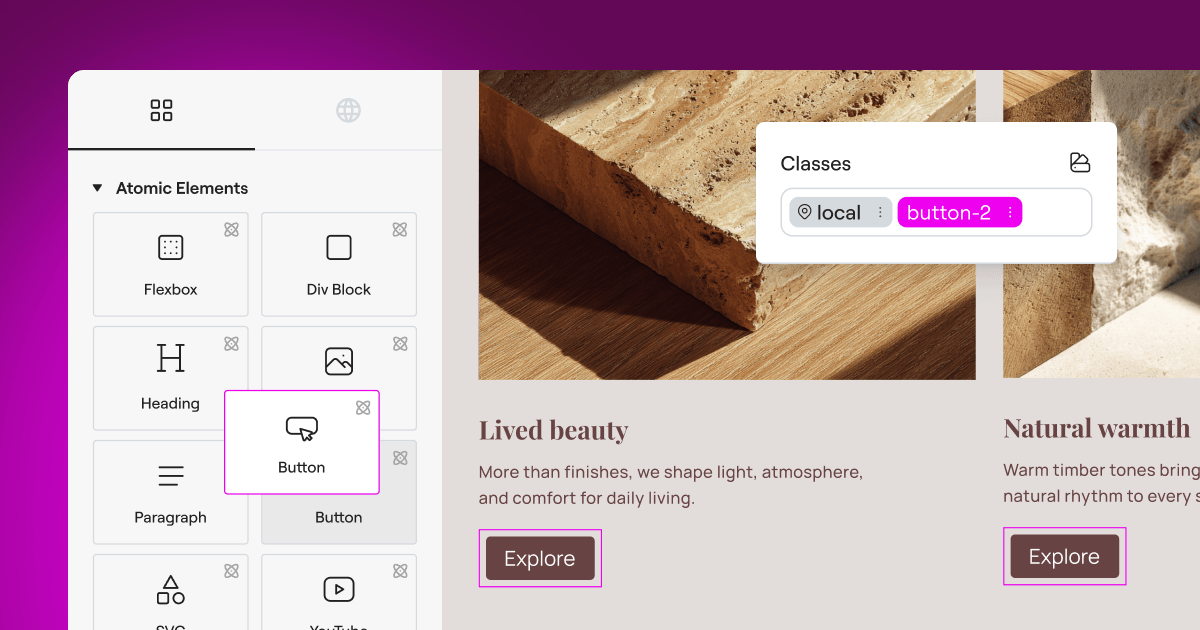
This tool integrates directly into the Elementor Editor Pro interface. You don’t need to write custom CSS to match your brand. You’ll style your banners using the exact same typography and color variables you use for your headers.
Honestly, this is where Cookie Consent really shines. It doesn’t load a massive external JavaScript library. The code sits neatly within your existing infrastructure.
Key Features
- Native Elementor Widget – Drag and drop the banner directly onto your canvas.
- Zero-code styling – Access all standard design controls (padding, borders, typography).
- Conditional logic – Block specific Elementor widgets until consent is granted.
- Local data storage – Keeps consent logs strictly on your server.
- Auto-translation – Connects with WPML and Polylang instantly.
Pricing: The single-site license costs $29/year. This includes 12 months of updates and premium support.
Pros
- Zero external dashboard required.
- Perfect design synchronization with Elementor Global Settings.
- Extremely lightweight footprint protects your Core Web Vitals.
- Immediate Google Consent Mode v2 readiness.
Cons
- Strictly limited to the WordPress and Elementor ecosystem.
- Doesn’t include automated legal policy generation.
Verdict: Cookie Consent is the absolute best choice for Elementor professionals who refuse to compromise on design control and page performance.
2. CookieYes: The Scalable Cloud Leader
CookieYes takes a completely different approach. It’s a cloud-based platform that works across any content management system. You just paste a single snippet of code into your header.
The platform handles everything remotely. It scans your pages, categorizes your trackers, and serves the banner from its own CDN. This is incredibly helpful if you manage multiple sites across different platforms (like WordPress, Shopify, and Webflow).
But that convenience comes with a slight performance cost. External scripts can occasionally delay your rendering times.
Key Features
- Automatic cookie scanning – Crawls up to 10,000 pages per domain.
- 30+ language support – Auto-detects the user’s browser language.
- Geo-targeting – Shows different banners based on the visitor’s physical location.
- Custom branding – Basic color and logo adjustments via the cloud dashboard.
Pricing: They offer a Free plan for 100 pages per scan. The Pro plan costs $10/month for unlimited scans. The Premium tier at $40/month adds multi-domain support.
Pros
- Extremely fast initial setup process.
- Highly reliable automated categorizations.
- Excellent centralized dashboard for agency owners.
Cons
- The external script can slightly impact your Total Blocking Time.
- Design options feel somewhat rigid compared to native builders.
Verdict: CookieYes is a strong, reliable choice for multi-platform businesses that need hands-off automated scanning.
3. Complianz: The Legal Engineering Powerhouse
Complianz operates like a virtual privacy attorney for your WordPress site. It doesn’t just give you a banner. It forces you through a rigorous “Legal Site Survey” to determine exactly which laws apply to your specific business model.
The plugin generates customized privacy policies, cookie policies, and processing agreements based on your survey answers. It’s incredibly thorough. You’ll answer questions about your server locations, data sharing habits, and advertising partners.
Cookie consent isn’t just a design problem. It’s a fundamental architectural requirement. If your consent manager doesn’t integrate natively with your page builder, you’ll end up fighting your own CSS just to stay legally compliant.
Itamar Haim, SEO Team Lead at Elementor. A digital strategist merging SEO, AEO/GEO, and web development.
Key Features
- Region-specific documents – Generates distinct policies for the US, UK, EU, and Canada.
- Deep integrations – Works perfectly with WP Rocket, SiteKit, and Elementor.
- A/B testing – Lets you test different banner designs to optimize opt-in rates.
- Records of consent – Stores proof of compliance directly in your WordPress database.
Pricing: The Premium version for a single site is priced at $59/year. A 5-site license costs $179/year.
Pros
- The most legally rigorous setup wizard on the market.
- Automatically updates your legal documents when laws change.
- Excellent compatibility with major caching plugins.
Cons
- The massive settings panel easily overwhelms beginners.
- Requires frequent manual reviews of the generated policies.
Verdict: Complianz is strictly for sites operating in multiple jurisdictions with complex, high-risk legal requirements.
4. Borlabs Cookie: The Gold Standard for Performance
Borlabs Cookie is legendary among WordPress developers. This German-engineered plugin focuses obsessively on speed and strict GDPR adherence. It doesn’t use a cloud scanner. Everything runs locally on your server.
We’ve seen heavy scripts increase TBT by 150ms to 400ms. Borlabs prevents this entirely. It physically blocks third-party iframes (like YouTube videos or Google Maps) and replaces them with a local placeholder until the user clicks to load them.
You’ll need some technical knowledge to configure it properly. But the performance gains are absolutely worth the effort.
Key Features
- Content Blocker – Replaces external media with privacy-safe placeholders.
- Local script hosting – Zero external API calls during page load.
- Cross-domain consent – Shares consent state across your subdomains.
- Granular opt-ins – Lets users toggle individual scripts, not just broad categories.
Pricing: A Personal license for 1 WordPress site costs €49/year. A Business license for 5 sites runs €149/year.
Pros
- Exceptional performance benchmarks on mobile devices.
- The iframe blocking feature is industry-leading.
- Extensive documentation for developers.
Cons
- Steeper learning curve for basic configuration.
- The backend interface feels a bit dated.
Verdict: Borlabs is the go-to plugin for performance-obsessed developers who refuse to sacrifice speed for compliance.
5. Cookiebot: The Enterprise Automation Choice
Cookiebot by Usercentrics targets massive, high-traffic corporate websites. It completely automates the compliance process. You configure it once, and it handles everything else in the background.
The platform runs deep monthly scans across your entire domain. It finds trackers hidden inside nested iframes and obfuscated JavaScript. It then automatically updates your public-facing cookie declaration.
This level of automation isn’t cheap. The pricing scales dramatically based on your total page count.
Key Features
- Monthly automated scans – Deep crawling of all domain assets.
- Cloud-stored consent logs – Secures proof of consent off-site.
- Patented scanning tech – Detects even the most stubborn third-party trackers.
- Pre-built banner templates – Highly tested designs for maximum compliance.
Pricing: Tiers are heavily based on domain size. The Free plan limits you to under 50 pages. Small sites pay €12/month (under 500 pages). Medium sites pay €28/month (under 5000 pages).
Pros
- True set-it-and-forget-it automation.
- Highly respected by enterprise legal teams.
- Flawless Google Consent Mode integration.
Cons
- Can become prohibitively expensive for large, content-heavy blogs.
- The visual customization options are quite limited.
Verdict: Cookiebot is ideal for massive corporate websites that demand strict, hands-off compliance management.
6. Termly: The All-in-One Compliance Suite
Termly doesn’t just manage your trackers. It acts as a complete legal hub for your online business. It generates Terms of Service, Return Policies, and Privacy Policies alongside its consent banner.
This tool makes perfect sense for startups. You don’t want to hire a lawyer to draft a basic refund policy. Termly handles the drafting and the active script blocking simultaneously.
The platform uses a clean, modern interface. But you’ll quickly notice that the banner designs are quite rigid. They prioritize legal safety over visual flair.
Key Features
- Policy generators – Creates attorney-drafted legal documents.
- Auto-blocking scripts – Suspends tracking pixels before consent.
- Consent preference center – Gives users a clean dashboard to manage their choices.
- Multi-language support – Translates banners into major European languages.
Pricing: They offer a very basic Free tier. The Pro plan starts at $15/month per domain for full features.
Pros
- Covers vastly more than just basic cookie management.
- Policies automatically update when local laws change.
- Very intuitive onboarding sequence.
Cons
- Banner design options are severely restricted.
- The monthly subscription adds up quickly for multiple sites.
Verdict: Termly is perfect for new startups that need a full suite of legal documents alongside their banner.
7. Usercentrics: High-End Data Privacy
Usercentrics is a premium, enterprise-grade Consent Management Platform (CMP). If you run a massive publishing network or an international e-commerce brand, you’re looking right at your best option.
This platform offers deep support for the IAB TCF 2.2 framework. This is crucial for ad-supported sites. It ensures your programmatic advertising stack functions legally across the European Union.
You can customize absolutely everything. The API allows your developers to build completely bespoke interfaces while Usercentrics handles the backend logic.
Key Features
- Advanced TCF 2.2 support – Essential for programmatic ad revenue.
- Cross-device consent – Syncs user choices across web and mobile apps.
- A/B testing engine – Deep analytics for optimizing opt-in rates.
- Enterprise API – Total headless freedom for custom builds.
Pricing: The Premium App/Web version starts at €50/month. Custom enterprise pricing applies for massive traffic volumes.
Pros
- Highly customizable for strict enterprise brand guidelines.
- Unmatched support for complex advertising ecosystems.
- Dedicated customer success managers available.
Cons
- The price point is completely prohibitive for small blogs.
- Implementation requires significant developer resources.
Verdict: Usercentrics is the definitive premium choice for large-scale publishers and international corporations.
8. Iubenda: The Modular Compliance Tool
Iubenda uses a highly modular approach to privacy. You only pay for the specific tools you actually need. You can buy just the banner, or add the privacy policy generator, or attach the internal privacy registry.
Many agencies love this model. They can tailor the compliance package specifically to each client’s budget and risk profile. It’s incredibly flexible.
However, the setup process is notably fragmented. You’ll bounce between their remote dashboard and your website several times before everything works.
Key Features
- Remote dashboard management – Control multiple client sites from one screen.
- Internal privacy registry – Document your internal data processing activities.
- Plug-and-play integrations – Official plugins for Magento, WordPress, and Shopify.
- Offline consent collection – Tools for logging physical paper consent forms.
Pricing: The Personal plan starts at $29/year. The Business Compliance Hub begins at $12/month for complete legal coverage.
Pros
- Very flexible pricing model fits specific use cases.
- Excellent for developers managing dozens of client sites.
- The policy text is highly respected by legal professionals.
Cons
- Setup involves multiple confusing steps across platforms.
- The UI feels disjointed and overly complex.
Verdict: Iubenda is great for agency developers managing multiple client sites with vastly different legal needs.
9. Quantcast Choice: The Free TCF Specialist
Quantcast Choice remains the leading free CMP for publishers relying on programmatic advertising. If your site runs display ads through major networks, you need IAB TCF 2.2 compliance. Quantcast provides it for free.
They offer this tool for free because they’re a massive ad-tech company. They benefit from standardizing consent signals across the web. You get a highly capable tool without paying a monthly fee.
But be warned. The interface is incredibly data-dense. It’s built for ad operators, not web designers.
Key Features
- Full IAB TCF 2.2 compliance – Keeps your ad inventory monetizable.
- Real-time analytics – Monitor consent rates by country and device.
- Vendor management – Easily toggle hundreds of ad partners.
- Global audience insights – Deep data on user behavior.
Pricing: Completely Free.
Pros
- Costs nothing while providing enterprise-grade ad compliance.
- Incredible analytics dashboard for publisher revenue.
- Trusted by major global media brands.
Cons
- Heavy focus on ad-tech makes it confusing for standard sites.
- Design customization is notoriously difficult.
Verdict: Quantcast Choice is the clear best option for ad-supported publishers on a tight budget.
10. WP Cookie Consent: The professional Alternative
WP Cookie Consent (by WPWeb) strips away the complex cloud infrastructure. It offers a simple, highly effective WordPress-specific plugin. If you run a local bakery or a small portfolio site, you don’t need enterprise scanning.
This tool handles the basics perfectly. It blocks standard trackers, displays a clean banner, and logs the user’s choice. It won’t slow down your site with massive external API calls.
You won’t find deep monthly scans here. You’ve to manually input your cookies. But for the price, it’s hard to beat.
Key Features
- Geo-location targeting – Only show banners to EU/California visitors.
- Shortcode support – Easily embed preference tables on any page.
- Granular categorization – Let users toggle specific cookie types.
- Pre-designed layouts – Choose from grid, list, or popup styles.
Pricing: Extremely affordable at $19/year.
Pros
- Very affordable for small businesses.
- Doesn’t bloat your database with unnecessary features.
- Clean, straightforward WordPress integration.
Cons
- Lacks the advanced automated scanning of competitors.
- Manual cookie categorization takes time.
Verdict: A rock-solid, affordable choice for simple local business sites that manage their own tracking scripts.
Comparison Table: 2026 Cookie Consent Leaders
You need to compare the raw specs before making a decision. We’ve mapped out the five most important criteria for modern web creators. Look closely at the starting price and native integrations.
| Platform | Starting Price | Elementor Support | Consent Mode v2 | Best For |
|---|---|---|---|---|
| Cookie Consent | $29/year | Native Widget | Yes | Elementor Creators |
| CookieYes | Free ($10/mo Pro) | Via Snippet | Yes | Multi-platform |
| Complianz | $59/year | Deep Integration | Yes | Complex Legal Needs |
| Borlabs | €49/year | Shortcodes | Yes | Performance Focus |
| Cookiebot | €12/mo | Via Snippet | Yes | Enterprise Auto |
| Termly | $15/mo | Via Snippet | Yes | Startups |
| Usercentrics | €50/mo | API/Snippet | Yes | Large Publishers |
| Iubenda | $29/year | Plugin | Yes | Agencies |
| Quantcast | Free | Via Snippet | Yes | Ad-tech Sites |
| WP Cookie | $19/year | Shortcodes | Basic | Budget Sites |
How to Set Up Your Cookie Banner with Elementor and Cookie Consent
Implementing a banner usually requires a developer. But if you’re running Elementor Hosting and using Cookie Consent, you can finish the entire setup in under fifteen minutes. You’ll keep your site fast while staying completely compliant.
Follow this exact sequence to ensure your tracking scripts are actually blocked before consent is granted.
- Install and Activate – Download the Cookie Consent plugin from your dashboard. Activate it. You’ll immediately see a new widget available in your Elementor panel.
- Configure Legal Settings – Open the Cookie Consent settings in your WordPress backend. Select your target regions (EU, US, Global). The plugin will automatically configure the required Google Consent Mode v2 parameters based on your choices.
- Design the Banner – Open your Elementor Site Builder. Drag the Cookie Consent widget into your global footer template. You can now use standard Elementor controls to change the typography, background colors, and button styling to match your brand perfectly.
- Assign Script Categories – Go to your tracking scripts (Google Analytics, Facebook Pixel). Wrap them in the shortcodes provided by Cookie Consent. This physically prevents the scripts from firing until the user clicks “Accept.”
- Test and Launch – Open your site in an incognito window. Use the Chrome Developer Tools network tab to verify that no tracking scripts load until you interact with the banner. Once confirmed, hit publish.
Frequently Asked Questions
Does Google Analytics require a cookie banner in 2026?
Yes. If you operate in the EEA or UK, you must implement Google Consent Mode v2. Without a compliant banner sending the right signals, Google Analytics won’t process your data.
Can I just use a simple text warning?
No. Implied consent is illegal under the GDPR. Users must take a clear, affirmative action to accept trackers. A banner that says “By continuing to use this site…” won’t protect you in court.
Why does my cookie banner slow down my site?
Cloud-based scanners load heavy external JavaScript files before your page content renders. This increases your Total Blocking Time. Using local solutions like Cookie Consent or Borlabs prevents this issue.
What happens if I don’t use Google Consent Mode v2?
Google will actively block your ability to build remarketing audiences. Your conversion tracking accuracy will plummet, and your ad campaigns will suffer severely.
Do I need an explicit “Reject All” button?
Yes, under current EU guidelines. The option to reject trackers must be as prominent and accessible as the option to accept them. Hiding the reject option violates compliance laws.
Is Elementor’s native popup builder enough for compliance?
No. While you can design a beautiful popup with Elementor, standard popups don’t possess the backend logic to actively block third-party tracking scripts before consent is given.
How often do I need to scan my website for new cookies?
You should run a scan every month. Whenever you install a new plugin or embed a YouTube video, new trackers are added to your site. Automated tools like Cookiebot handle this smoothly.
Looking for fresh content?
By entering your email, you agree to receive Elementor emails, including marketing emails,
and agree to our Terms & Conditions and Privacy Policy.

