Table of Contents
Key Takeaways
- True Ownership Matters: Unlike closed platforms that “rent” you space, open-source solutions like WordPress with Elementor allow you to own your content and data completely.
- Scalability is Critical: The best free builder should not be a dead end. It should offer a clear path to growth with integrated hosting, marketing, and AI tools.
- Design Freedom vs. Templates: While some builders rely on rigid templates, unmatched creative freedom comes from pixel-perfect editors that allow you to control every visual aspect.
- The “Platform” Advantage: Modern web creation has evolved from simple page builders to comprehensive ecosystems that include performance, accessibility, and management tools under one roof.
- Hidden Costs of “Free”: Be aware of limitations in other free builders, such as forced branding, restricted bandwidth, and the inability to connect a custom domain.
Expert insights and technical analysis provided by Itamar Haim, Digital Marketing and Web Development Specialist.
1. Defining the “Best” in Free Website Creation
When you type “what is the best free website builder?” into a search engine, you are likely looking for more than just a tool that doesn’t charge a monthly fee. You are looking for value. In the current digital landscape, “free” often comes with significant caveats—unwanted advertisements, clunky subdomains, and severely restricted features that make your site look amateurish.
To truly determine the best option, we must look beyond the price tag and evaluate platforms based on four critical pillars.
Design Flexibility
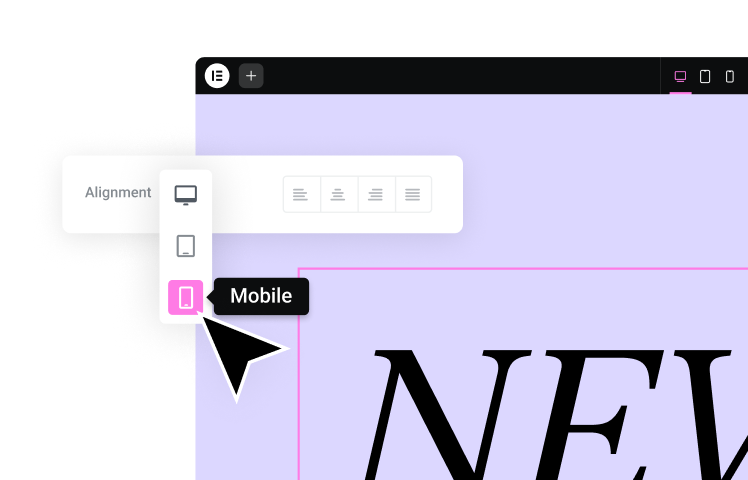
Can you actually design the site you envision? Or are you forced to swap out text and images in a rigid, pre-made template? The ideal builder offers a “pixel-perfect” canvas where you control layout, typography, and spacing without needing to write code. You should have the ability to adjust the padding on a mobile screen independently from the desktop view. This level of granular control separates professional tools from basic toys.
Data Ownership and Portability
This is often overlooked until it is too late. If you build your site on a closed platform and decide to leave later, can you take your website with you? In many cases, the answer is no. You might be able to export a CSV of your blog posts, but the design, the structure, and the SEO equity you built are lost. The best solution respects your content ownership and allows for portability. You should be able to download your site files and move them to any hosting provider you choose.
Ecosystem and Extensibility
A website is rarely “finished.” As your business grows, you will need new features. You might need marketing automation, email delivery, accessibility compliance, or eCommerce capabilities. The best builder connects you to a vast ecosystem of tools rather than locking you into a limited feature set. A closed ecosystem means you are limited to what the platform developer decides to build. An open ecosystem means you have access to thousands of solutions from a global community of developers.
Performance and Security
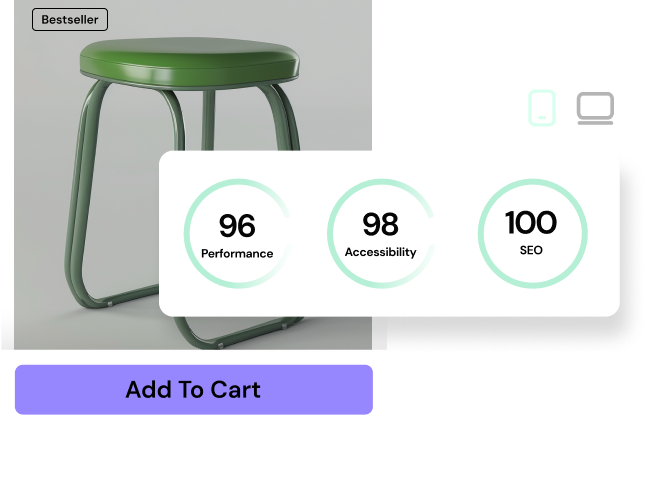
A free website shouldn’t mean a slow or insecure website. Speed is a ranking factor for search engines and a critical component of user experience. The underlying infrastructure (or the code quality of the builder) plays a massive role in how fast your site loads. If the builder generates “bloated” code full of unnecessary scripts, your site will struggle to rank on Google regardless of how good your content is.
2. The Evolution: From “Page Builders” to “Web Creation Platforms”
To understand the current market, it is helpful to look at how web creation has evolved. We have moved through several distinct eras, and understanding this history helps clarify why modern tools work the way they do.
The Early Era: Hand-Coding and CMS
In the beginning, building a website required knowledge of HTML, CSS, and PHP. You had to write the code for every element on the page. Content Management Systems (CMS) like WordPress democratized this by providing a backend interface where you could type content like a document. However, the frontend design was still heavily reliant on themes. If you wanted to move a sidebar from the left to the right, you had to hire a developer to rewrite the theme’s code.
The Rise of the “Page Builder”
Tools emerged that allowed users to drag and drop elements onto a page. These “page builders” were revolutionary. They made design accessible to non-coders. You could drag a button onto the screen and change its color with a click. However, these early builders were often limited to the content area of a single page. They couldn’t touch the header or the footer. Those areas were still controlled by the theme. This created a disjointed experience where you had full control over the middle of the page but zero control over the top and bottom.
The Modern Era: The Comprehensive Platform
Today, the leading solution has shifted from a simple tool to a “Website Builder Platform.” This concept—exemplified by Elementor—goes beyond visual editing. It encompasses the entire lifecycle of a website. It isn’t just about dragging widgets. It is about a holistic workflow.
- Planning: Using AI tools to generate sitemaps and wireframes before you even start building.
- Building: Creating global design systems and dynamic content that updates automatically across the site.
- Hosting: Integrated, managed infrastructure optimized specifically for the builder’s code.
- Growing: Built-in marketing integrations, image optimization, and accessibility tools.
This shift means the “best” builder is no longer just a standalone tool. It is the entry point into a complete ecosystem that supports your success from day one. It transforms the question from “How do I build a page?” to “How do I launch and grow a business?”
3. Top Free Website Builder Contenders: A Market Analysis
Below is an objective look at the most popular free website builders available today. This section focuses on their functional capabilities and technical limitations to help you make an informed choice. We will look at Wix, Webflow, WordPress.com, and Squarespace.
Wix
Wix is a widely known hosted platform that uses a drag-and-drop interface. It is often cited for its ease of use and broad selection of templates. It operates as a SaaS (Software as a Service) model, meaning you subscribe to the software rather than owning it.
- The Free Plan: Wix offers a free plan that allows users to publish a website. It is designed primarily for personal projects or testing the platform’s capabilities.
- Limitations: The most visible limitation is the presence of Wix-branded advertisements. These sticky banners appear on every page of a free site. Additionally, users cannot connect a custom domain name (e.g., yourbusiness.com). Instead, they are assigned a subdomain (e.g., username.wixsite.com/site). Storage and bandwidth are also capped, which can limit the amount of media you can upload or the number of visitors you can handle.
- The Ecosystem: Wix operates as a “walled garden.” You can only use apps and integrations approved and provided by their marketplace. This ensures stability but limits flexibility compared to open platforms.
Webflow
Webflow is a tool targeted primarily at designers who understand web development concepts like box models, CSS classes, and flexbox, even if they aren’t writing the code manually. It generates clean code based on your visual inputs.
- The Free Plan: Webflow’s “Starter” plan is free and gives you full access to their design interface. It is an excellent tool for learning how web layout works.
- Limitations: The free plan is limited to a two-page project. This is often sufficient for a simple one-page portfolio but insufficient for a standard multi-page business site (which typically requires a Home, About, Services, and Contact page). Like Wix, it restricts you to a .webflow.io subdomain and does not include full CMS capabilities for dynamic content on the free tier.
- Learning Curve: The interface is complex and geared towards professionals. It presents a steep learning curve for beginners who are not familiar with HTML/CSS terminology.
WordPress.com
It is important to distinguish between WordPress.com (the hosting service) and WordPress.org (the open-source software). WordPress.com is a for-profit company that hosts the open-source software for you.
- The Free Plan: WordPress.com offers a free plan that hosts your site. It handles the backend maintenance for you.
- Limitations: Similar to other hosted platforms, the free version places ads on your site and restricts you to a subdomain. Crucially, the free plan prevents you from uploading custom themes or plugins. This locks you out of the vast WordPress ecosystem. You cannot use powerful tools like Elementor unless you upgrade to their higher-tier Business plans, which significantly changes the cost proposition.
Squarespace
While frequently mentioned in “best builder” lists, Squarespace operates on a different model.
- The Model: Squarespace does not actually offer a permanent free plan. Instead, they offer a 14-day free trial. This allows you to build the site and test the features. However, once the trial expires, the site goes offline unless you purchase a subscription.
- Implication: For users seeking a permanently free solution to start their journey—perhaps a student portfolio or a hobby site—Squarespace is not a viable option. It is a premium-only product designed for users ready to pay immediately.
Elementor (The Open Platform Solution)
Elementor takes a different approach. It is a plugin that runs on the open-source WordPress platform (specifically the self-hosted version available via WordPress.org).
- The Free Plan: The free version of Elementor is robust. It includes over 40 widgets, a drag-and-drop editor, and full responsive design controls. You can build unlimited pages and unlimited websites.
- The Difference: Because it runs on WordPress, you are not renting space on a closed platform. You have full ownership. While you do need a hosting environment (which can be found at very low cost or self-hosted), the software itself is free, open-source, and unrestricted in terms of design capability. This makes it a unique hybrid in the market.
4. Deep Dive: Why Elementor Is the Superior Free Choice
When weighing the options, Elementor stands out not just as a tool, but as a strategic choice for serious web creators. It offers a unique combination of open-source freedom and professional platform capabilities. It bridges the gap between the ease of use of a SaaS builder and the power of a custom coded site.
The “Platform” Advantage
Elementor has strategically evolved from a “page builder” to a comprehensive “website builder platform.” This distinction is vital. Instead of piecing together disparate tools from different vendors—which often leads to compatibility conflicts and “blame game” support scenarios—Elementor provides a unified ecosystem.
You get the creative engine (the builder) seamlessly integrated with necessary infrastructure. This means the hosting (if you choose Elementor Hosting) is tuned to run the builder. The image optimization tools are built to work with the media library. The AI tools are context-aware of the widgets you are using. This holistic approach solves the fragmentation issue often found in the WordPress world while avoiding the “locked-in” nature of SaaS competitors.
Unmatched Design Freedom
Most free builders rely on templates. You pick a look, and you are largely stuck with it. You can change the text and the photos, but you can’t easily change the fundamental layout. Elementor allows for “pixel-perfect” design.
- Granular Control: You can adjust padding, margins, z-index, and absolute positioning for every element. If you want an image to overlap a text box slightly to create a depth effect, you can do that.
- Responsive Design: It offers specific controls for mobile, tablet, and desktop views. You can hide a large banner on mobile or change the font size specifically for tablet users. This ensures your site looks professional on any device.
- Global Design System: You can set global fonts and colors. This ensures brand consistency across the entire site without manually editing every widget. If you decide to change your brand’s primary color from blue to green, you change it in one place, and it updates everywhere.
The Open-Source Factor: Ownership vs. Renting
This is the most significant philosophical and practical difference.
- Closed Platforms (Wix, Squarespace): You are renting. You pay a monthly fee for the right to use their software and host your content on their servers. If you stop paying, your site disappears. If the platform changes its policies, you have to accept them. You cannot easily export your site’s code to move it elsewhere.
- Elementor + WordPress: You own the data. You can download your entire site, put it on a USB drive, and move it to any hosting provider in the world. You can move it to a local server on your computer. This level of data sovereignty is crucial for long-term business security. You are building equity in an asset you own, not improving a property you rent.
5. Breaking Down the Elementor Ecosystem for Free Users
The Elementor ecosystem is vast. For a user starting on the free tier, understanding the available components is key to maximizing the platform’s value. It isn’t just one plugin; it is a suite of tools that work together.
The Core Builder
The Elementor Website Builder is the creative engine. Even in the free version, it provides a “what-you-see-is-what-you-get” (WYSIWYG) interface. This means you are designing on the actual page, not in a backend form.
- Essential Widgets: It includes over 40 widgets covering all the basics: Heading, Image, Text Editor, Video, Button, Divider, Spacer, Google Maps, and Icon Box.
- Drag-and-Drop: Intuitive placement of elements without touching code.
- Live Editing: Instant visual feedback on every change. You see exactly how the shadow looks on the button as you adjust the slider.
The Hello Theme: Your Professional Canvas
Every WordPress site needs a theme. The theme controls the basic structure of the site. Many themes are “bloated,” meaning they come with thousands of lines of code for features you might not use. Elementor provides the Hello Theme, a minimalist, lightweight framework designed specifically for the builder.
- Performance: It strips away the bloat found in multipurpose themes. It loads in milliseconds, providing the fastest possible foundation for your site.
- Compatibility: It is built to pair perfectly with Elementor. There are no style conflicts where the theme’s CSS fights with the builder’s CSS.
- The “Blank Slate”: For professionals, it offers a clean canvas. It doesn’t impose a style on you. It lets you build your design from the ground up.
Hello Biz: The Beginner’s Launchpad
Recognizing that a “blank slate” can be intimidating for new users, Elementor introduced Hello Biz. This is a variation of the Hello Theme designed for speed and ease of use.
- Target Audience: Small business owners, freelancers, and DIYers who need a site up quickly.
- Guided Onboarding: It features a setup wizard that walks you through plugin installation and template selection. It removes the technical headache of the initial WordPress setup.
- Ready-to-Use: Unlike the standard Hello Theme, Hello Biz comes with “business-ready” templates. It includes specific widgets like pre-styled forms and hero sections. It lowers the barrier to entry significantly.
Image Optimizer
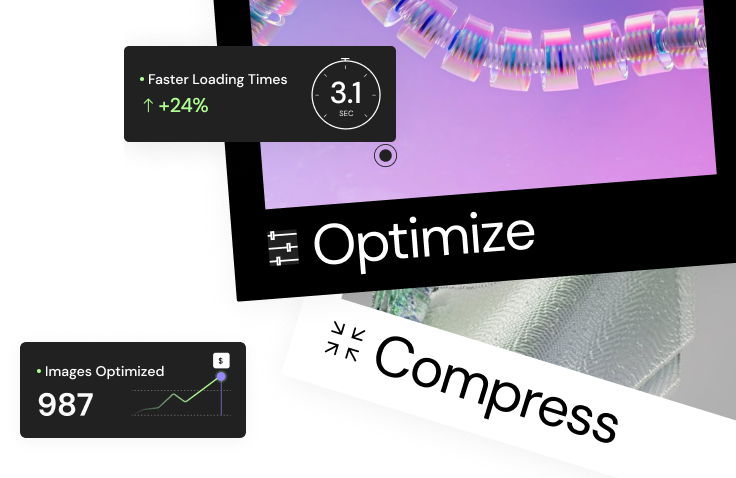
High-quality images are essential for design, but large image files are the number one cause of slow websites. A slow website frustrates users and hurts your Google rankings. The Image Optimizer by Elementor is a plugin that handles this balance automatically.
- Function: It automatically compresses and resizes images upon upload. You don’t have to use Photoshop to save for web before uploading.
- Format Conversion: It converts standard JPEGs and PNGs into next-gen formats like WebP and AVIF. These formats look just as good but have significantly smaller file sizes.
- SEO Benefit: Faster load times directly contribute to better rankings in Google search results and passing Core Web Vitals assessments.
Site Mailer
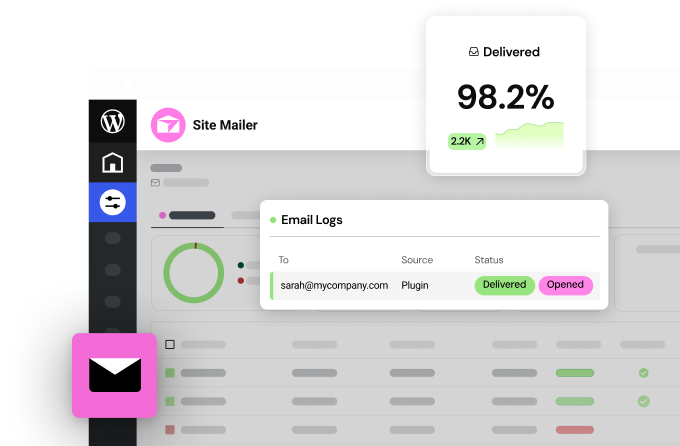
One of the most frustrating issues with WordPress is email deliverability. The default way WordPress sends emails (like password resets or contact form notifications) is unreliable and often gets blocked by spam filters. Site Mailer is a plugin that solves this.
- Reliability: It ensures your transactional emails actually reach the inbox.
- Simplicity: It requires zero configuration. You don’t need to set up complex SMTP settings.
- Monitoring: It provides a log of all sent emails so you can verify that your customers are receiving your messages.
Ally: Building for Everyone
Web accessibility is no longer optional. It is a legal requirement in many regions and an ethical imperative everywhere. Ally by Elementor is an accessibility plugin designed to make your site usable by everyone.
- Scanning: It scans your site for accessibility violations, such as missing alt text on images or poor color contrast between text and background.
- Remediation: It provides tools to fix these issues directly.
- Frontend Widget: It adds a toolbar for visitors, allowing them to adjust font sizes, contrast, and animations to suit their needs.
6. Scaling Up: When “Free” Is No Longer Enough
One of the dangers of choosing a basic free builder is hitting a “ceiling”—a point where you cannot grow any further without migrating your entire site. Elementor is built for scale. As your needs evolve, the platform evolves with you. You can start free, and when your business generates revenue, you can upgrade to unlock advanced capabilities.
Elementor Hosting: The Unified Foundation
While you can use Elementor with any host, Elementor Hosting offers an optimized experience. It combines the software and the infrastructure into one subscription.
- Unified Support: It eliminates the gap between hosting and software. You have one team to call for any issue. They won’t tell you “it’s a plugin issue, call the developer.” They are the developer.
- Enterprise-Grade Specs: Built on Google Cloud Platform with Cloudflare Enterprise CDN, it offers speed and security usually reserved for enterprise clients. This infrastructure handles traffic spikes easily.
- Pro Included: Most hosting plans bundle the Elementor Pro plugin. This effectively gives you the premium builder features for free as part of your hosting utility cost.
Marketing & Growth Tools
A website needs to drive business. It isn’t just a digital brochure; it is a marketing engine. The Elementor ecosystem includes tools to facilitate this “Grow” phase.
- Send by Elementor: A native marketing automation tool that integrates directly with your forms. It allows you to collect leads and send automated emails without needing a third-party service like Mailchimp or ActiveCampaign. You can manage your entire marketing funnel from within your website dashboard.
- WooCommerce Builder: For those selling products, Elementor Pro allows you to customize every part of your WooCommerce store. You can design custom product pages, cart pages, and checkout flows visually, replacing the standard, rigid WooCommerce templates.
https://send2.co https://elementor.com/features/woocommerce-builder
The AI Advantage
Artificial Intelligence is transforming web creation, and Elementor has integrated it deeply into the workflow. This isn’t just a bolt-on feature; it is a core part of the interface.
- Elementor AI: This tool lives inside the editor. It is context-aware. If you are editing a heading, it offers suggestions for catchy titles. If you are editing an image, it can expand the background or remove objects. It can also generate custom CSS code. You can ask it to “make this button gradient on hover,” and it will write the code for you.
- AI Site Planner: For those struggling with where to start, this tool is a game-changer. It generates a website brief, sitemap, and wireframes in minutes. It streamlines the planning phase, which is often the biggest bottleneck in web design.
- Angie: This is the first Agentic AI for web creation. Angie can perform multi-step tasks across your site. Instead of just generating text, you can tell Angie to “create a landing page for the summer sale,” and it will execute the task. It multiplies your productivity.
https://elementor.com/products/ai https://elementor.com/ai-site-planner https://elementor.com/solutions/ai-website-builder
7. Step-by-Step Guide: Building Your First Free Site
Ready to start? Here is a practical roadmap to launching your site using the best free tools available. This process ensures you own your assets from day one.
Step 1: Secure Your Domain and Hosting
Unlike hosted platforms where you simply sign up for an account, you need a “plot of land” for your WordPress site.
- Action: Choose a hosting provider. Many hosts offer a free domain for the first year. Look for managed WordPress hosting for the easiest setup. If you want the simplest path, Elementor Hosting is pre-configured, but for a strictly “free software” approach, you can use any host.
- Tip: Avoid “free hosting” services as they often insert ads and are unreliable. Cheap shared hosting is a better starting point.
Step 2: Install WordPress and the Hello Theme
Once your hosting is active, you will need to install WordPress. Most hosts have a one-click installer for this.
- Navigate: Go to your WordPress Dashboard. Go to Appearance > Themes > Add New.
- Search: Type “Hello Elementor” in the search bar.
- Action: Click Install and then Activate.
- Alternative: If you are a total beginner, search for “Hello Biz” for the guided wizard experience which will help you set up the basics even faster.
Step 3: Install the Elementor Plugin
Now you need the creative engine.
- Navigate: Go to Plugins > Add New.
- Search: Type “Elementor”.
- Action: Click Install Now and then Activate.
Step 4: Use the AI Site Planner (Optional but Recommended)
Before dragging widgets aimlessly, use the Elementor AI Site Planner to generate a structure.
- Action: Go to the AI Site Planner tool. Input your business type and goals (e.g., “I am a wedding photographer in Chicago targeting luxury clients”).
- Result: It will generate a sitemap (Home, Portfolio, Pricing, Contact) and wireframe suggestions.
- Benefit: This acts as your blueprint, saving hours of trial and error.
Step 5: Build Your Pages
Now the fun part.
- Action: Create a new page (e.g., “Home”). Click Edit with Elementor.
- Design: Drag widgets (Heading, Text, Image) onto the canvas. Use the Global Settings to define your brand colors and fonts once. This ensures that if you drag a new button onto the page, it automatically matches your brand style.
- Content: Use Elementor AI to help write your headlines or generate placeholder images if you don’t have your photos ready yet.
Step 6: Optimize for Mobile
Never publish without checking mobile.
- Action: Click the Responsive Mode icon at the bottom of the left panel.
- Review: Switch to Mobile view.
- Refine: Adjust font sizes and padding. Ensure that buttons are large enough to be tapped with a thumb. You can reverse column order so that the image appears above the text on mobile if that looks better.
Step 7: Publish
- Action: Once satisfied, hit the green Publish button.
- Result: Your site is live. You own the code. You own the content. You have built a professional asset.
8. Common Challenges with Free Builders & How to Overcome Them
While free builders are powerful, they come with hurdles. Understanding these challenges upfront allows you to navigate them effectively using the Elementor ecosystem.
Challenge: “My site looks like everyone else’s.”
Many free builders force you into rigid templates that thousands of other businesses use.
- Solution: Avoid relying solely on pre-made blocks. Use Elementor’s advanced styling options. Use Shape Dividers to create interesting transitions between sections. Use Entrance Animations to make elements fade in as the user scrolls. Use Background Overlays to add depth to your images. These small touches inject unique personality into standard layouts.
Challenge: “I don’t know how to write code for custom features.”
Sometimes you want something specific, like a button that pulses on hover or a text gradient, and the standard controls don’t offer it.
- Solution: Use Elementor AI. You can highlight a widget and ask the AI to “write custom CSS to make this button pulse on hover.” It generates the code for you and inserts it into the Custom CSS field. It bridges the gap between design and development.
Challenge: “My images are slowing down the site.”
Beginners often upload raw images directly from their camera or phone. These files are huge (often 5MB+) and will kill your site speed.
- Solution: Do not upload raw images. Install the Image Optimizer by Elementor. It works in the background to compress media without quality loss. It ensures your site remains lightweight and fast, maintaining your performance score.
Challenge: “My contact form emails aren’t arriving.”
You build a contact form, test it, and… nothing happens. This is a common issue with how servers handle PHP mail.
- Solution: Install Site Mailer. It replaces the default sending method with a reliable API. It provides a log so you can see exactly when an email was sent and if it was delivered. It ensures you never miss a lead.
9. Future Trends in Web Creation (2025 and Beyond)
The definition of a “website builder” is expanding. As we look toward the future, two key trends are redefining the industry and raising the bar for what users should expect from a free tool.
Agentic AI Workflows
We are moving beyond “generative” AI (which creates text or images) to “agentic” AI. Tools like Angie represent this shift. An agentic AI doesn’t just write a paragraph; it executes tasks. You might tell it, “Create a landing page for my winter sale using the new product images,” and the AI understands the context of your site, your inventory, and your design system to execute the task. It can install plugins, create pages, and update settings. This multiplies productivity, allowing one creator to do the work of a team.
Web Accessibility as a Standard
Accessibility is no longer optional; it is a legal and ethical imperative. With regulations like the European Accessibility Act (EAA) coming into force, websites must be usable by everyone, including those with visual or motor impairments.
- The Solution: Tools like Ally by Elementor are becoming essential components of the web stack. Ally automatically scans your site for accessibility violations (like missing alt text or poor contrast) and provides automated fixes. It also offers a frontend widget for visitors to customize their viewing experience. Building with accessibility in mind from the start protects your business from legal risk and opens your site to a wider audience.
10. Conclusion
Choosing the best free website builder is a foundational decision for your digital presence. While hosted platforms like Wix or Webflow offer convenience, they often come at the cost of ownership, flexibility, and professional scalability. They are excellent for prototypes or hobby sites, but they impose ceilings that growing businesses eventually hit.
Elementor represents a different path. It offers the creative power of a professional design platform with the freedom of open-source software. By starting with Elementor, you are not just building a page; you are entering an ecosystem. It is an ecosystem that includes high-performance hosting, advanced AI agents, marketing automation, and accessibility tools. It supports your growth from a free portfolio to a complex business platform. Whether you are a freelancer, a small business owner, or a creative, the combination of WordPress and Elementor provides the most robust, scalable, and truly “free” foundation for your success.
Frequently Asked Questions
1. Is Elementor truly free to use? Yes. The core Elementor plugin is completely free and open-source. It includes over 40 widgets, the drag-and-drop editor, and full responsive design capabilities. You can build unlimited websites with the free version. You simply need a WordPress installation to run it.
2. Can I use a custom domain name with the free version of Elementor? Absolutely. Unlike Wix or WordPress.com, Elementor does not restrict your domain name. Since you are using it on your own self-hosted WordPress site, you can connect any domain you purchased (e.g., yourname.com) without paying a premium fee to Elementor.
3. How does Elementor’s performance compare to Wix? Elementor sites can be incredibly fast because you control the hosting environment. If you pair Elementor with the lightweight Hello Theme and a quality host (or Elementor Hosting), you can achieve better Core Web Vitals scores than many hosted platforms that suffer from code bloat.
4. Do I need to know how to code to use Elementor? No. Elementor is designed as a no-code solution. You can build sophisticated websites using only the visual interface. However, if you want to add custom code, the platform allows for it—and Elementor AI can even write that code for you.
5. What happens if I want to switch hosting providers later? This is one of Elementor’s biggest strengths. Because it is built on WordPress, you own your data. You can export your entire site and move it to a different hosting provider at any time. You are never “locked in.”
6. Does the free version include mobile editing? Yes. Elementor’s mobile editing tools are included in the free version. You can switch to mobile view and adjust font sizes, column widths, and visibility specifically for mobile devices without affecting the desktop version.
7. Can I build an online store with the free version? You can install the free WooCommerce plugin to add eCommerce functionality to your site. However, to design custom product pages and cart flows visually, you would typically need the WooCommerce Builder feature found in Elementor Pro.
8. Is Elementor good for SEO? Yes. Elementor outputs clean code and integrates seamlessly with popular SEO plugins like Yoast or RankMath. Additionally, the ability to optimize images and layout structure helps improve the technical SEO aspects of your site.
9. What is the difference between the Hello Theme and Hello Biz? The Hello Theme is a blank canvas, perfect for designers who want to build from scratch. Hello Biz is a beginner-friendly version that includes a setup wizard and pre-made templates to help you get a professional business site up and running faster.
10. How does the AI Site Planner help me? The AI Site Planner removes the “blank page syndrome.” By answering a few questions about your business, it generates a full sitemap and wireframe structure for you, allowing you to start your build with a strategic plan rather than guessing.
https://elementor.com/library https://elementor.com/wordpress https://elementor.com/pro https://elementor.com/products/ecommerce-hosting
Looking for fresh content?
By entering your email, you agree to receive Elementor emails, including marketing emails,
and agree to our Terms & Conditions and Privacy Policy.