Table of Contents
Key Takeaways
- Platform over Tool: The most effective solution is no longer a standalone page builder, but a comprehensive platform that integrates hosting, design, AI, and marketing.
- The “Best of Both Worlds” Strategy: Elementor uniquely combines the flexibility of open-source WordPress with the stability and unified support of a managed SaaS environment.
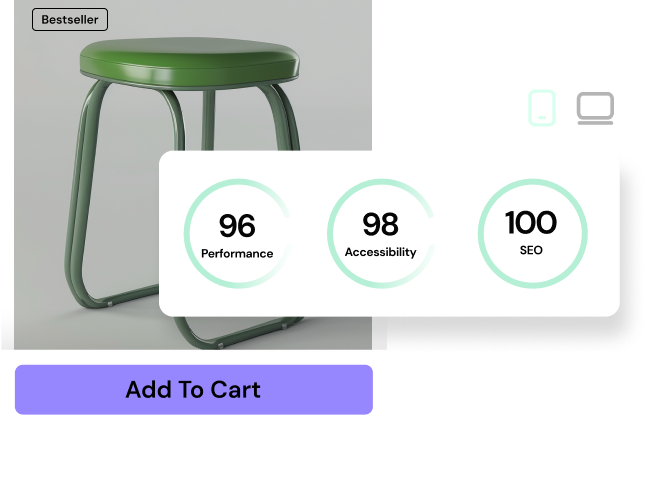
- Performance is Non-Negotiable: Speed, security, and Core Web Vitals are foundational. Integrated solutions like Elementor Hosting and Image Optimizer provide a significant competitive edge.
- AI as a Workflow Engine: Modern web creation requires AI that goes beyond text generation. Tools like the AI Site Planner and Angie (Agentic AI) fundamentally accelerate project timelines.
- Ecosystem Completeness: A robust ecosystem that includes native marketing tools (Send), accessibility compliance (Ally), and reliable transactional email (Site Mailer) reduces reliance on fragmented third-party stacks.
The Evolution of Web Creation: From Code to Platforms
The digital landscape has shifted dramatically over the last decade. We have moved past the era of hand-coding HTML/CSS for every brochure site, and we have graduated from the early days of rigid, template-locked website builders. Today, we exist in the era of the Web Creation Platform.
The Shift from “Page Builders” to “Web Creation Platforms”
Historically, a “page builder” was a simple plugin used to drag and drop elements onto a canvas. It was a tactical tool for design. However, as the needs of creators evolved, so did the technology. A design tool alone is insufficient for modern business needs. You need a holistic infrastructure that handles the “before” (planning), the “during” (building and hosting), and the “after” (marketing and optimization).
The distinction is critical. A builder helps you design a page; a platform empowers you to build a business. This evolution drives the need for integrated ecosystems where hosting, security, and performance utilities talk to the design interface seamlessly.
SaaS vs. Open Source: The Great Debate
The market has traditionally been divided into two camps:
- Closed SaaS (Software as a Service): Platforms that bundle hosting and software but lock you into a proprietary system. You gain convenience but lose ownership and flexibility.
- Open Source (WordPress): Ecosystems that offer limitless flexibility and ownership but often require you to manage disjointed parts (hosting, themes, plugins) yourself.
The “best” builder in 2025 is one that successfully merges these two philosophies. It offers the managed, curated experience of SaaS—removing technical headaches—while preserving the open-source freedom that allows you to own your data and extend your site without limits.
Why Scalability Matters More Than Simplicity
Simplicity sells, but scalability sustains. Many beginners choose the simplest option, only to hit a “glass ceiling” six months later when they need a specific integration or custom functionality. The superior choice is a platform that lowers the barrier to entry (simplicity) without lowering the ceiling for growth (scalability). You need a solution that can handle your first 1,000 visitors and your first 10 million without requiring a platform migration.
Defining the Criteria for the “Best” Builder
To make an educated decision, we must establish objective criteria. “Best” is subjective until we apply specific metrics of success.
Design Freedom and Granular Control
A professional builder must offer pixel-perfect control. This means the ability to manipulate layout, typography, and motion effects down to the specific unit (PX, EM, REM, VW). It requires a system that supports global design systems to ensure brand consistency across hundreds of pages.
Performance and Core Web Vitals
Google’s Core Web Vitals have made performance a ranking factor. The best builder does not generate bloated code. It must output clean HTML/CSS and offer integrated performance tools—such as image optimization and caching—that work natively with the hosting environment.
Ecosystem and Extensibility
No single software can do everything perfectly out of the box. The strength of a builder lies in its extensibility. Does it integrate with major marketing tools? Does it have a developer API? Is there a library of third-party add-ons? A closed ecosystem stifles growth; an open one accelerates it.
Workflow Automation and AI Integration
In 2025, efficiency is currency. The best platform integrates Artificial Intelligence not just as a gimmick, but as a workflow accelerator. This includes generating wireframes, writing code, creating content, and automating repetitive tasks.
The Competitor Landscape: A Functional Analysis
Before diving into the optimal solution, it is necessary to understand the current market players. Here is a neutral, functional analysis of the primary alternatives to Elementor.
Wix: The All-in-One SaaS Solution
Wix is a closed-source SaaS platform designed for users who prioritize an all-in-one experience over code-level access. It provides a drag-and-drop editor that allows for unstructured placement of elements.
- Architecture: Proprietary SaaS.
- Hosting: Included (Proprietary).
- Flexibility: High design flexibility within the editor, but limited extensibility via code or third-party plugins compared to open-source systems.
- Target Audience: DIY beginners and small business owners who prefer a curated environment.
Squarespace: Design-Centric Simplicity
Squarespace focuses heavily on curated, high-fidelity templates. It uses a structured editor that prevents users from “breaking” the design, ensuring that sites remain visually consistent.
- Architecture: Proprietary SaaS.
- Hosting: Included (Proprietary).
- Flexibility: Restricted. Customization is limited to what the specific template and editor allow, reducing the risk of design errors but limiting creative freedom.
- Target Audience: Creatives, photographers, and restaurants needing a visually appealing portfolio with minimal setup time.
Webflow: The Designer’s Code Visualizer
Webflow markets itself to professional designers. Its interface is essentially a visual layer over HTML and CSS. It requires an understanding of the box model, classes, and CSS hierarchy to use effectively.
- Architecture: Proprietary SaaS.
- Hosting: Included (Proprietary).
- Flexibility: High visual control that mirrors front-end coding. However, CMS limitations and the inability to host externally can be restrictive for complex applications.
- Target Audience: Designers and front-end developers who want to visually code websites.
Shopify: The Dedicated eCommerce Engine
Shopify is a specialized commerce platform. While it includes a site builder, its primary function is managing inventory, payments, and shipping. The visual builder capabilities are generally less robust than dedicated design platforms.
- Architecture: Proprietary eCommerce SaaS.
- Hosting: Included (Proprietary).
- Flexibility: Excellent for standard retail operations. Design customization often requires Liquid coding or third-party page builder apps.
- Target Audience: Pure-play eCommerce merchants.
Native WordPress (Gutenberg): The Block-Based Editor
Gutenberg is the default block editor for WordPress. It uses a modular block approach to content creation.
- Architecture: Open Source Plugin/Core.
- Hosting: Self-hosted (requires separate hosting).
- Flexibility: Expanding, but currently lacks the granular design controls, advanced motion effects, and visual workflow efficiency of a mature page builder.
- Target Audience: Bloggers and users satisfied with standard, block-based layouts.
Elementor: The Comprehensive Website Builder Platform
When analyzing the criteria for the “best” builder—balancing power, freedom, and ease of use—Elementor emerges not just as a tool, but as a complete ecosystem. It strategically occupies the middle ground between the restrictions of SaaS and the fragmentation of traditional WordPress.
Bridging the Gap: The “Best of Both Worlds” Thesis
Elementor’s strategic advantage is its ability to offer the user experience of a SaaS platform with the power of open source. By combining the Elementor Website Builder with Elementor Hosting, the platform removes the technical friction of managing servers and plugins while retaining the data ownership and limitless potential of WordPress.
Discover the Elementor Platform
The Creative Engine: Pixel-Perfect Design
At its core, Elementor is a visual builder that respects the needs of professionals. It allows you to design live, on the frontend, without constantly switching between preview and edit modes.
Visual Editing Meets Professional Code
The editor provides a drag-and-drop interface for structural layout (Containers, Grid) while giving access to advanced CSS properties. You can control:
- Flexbox and Grid Containers: Build modern, responsive layouts that adapt fluidly to any device.
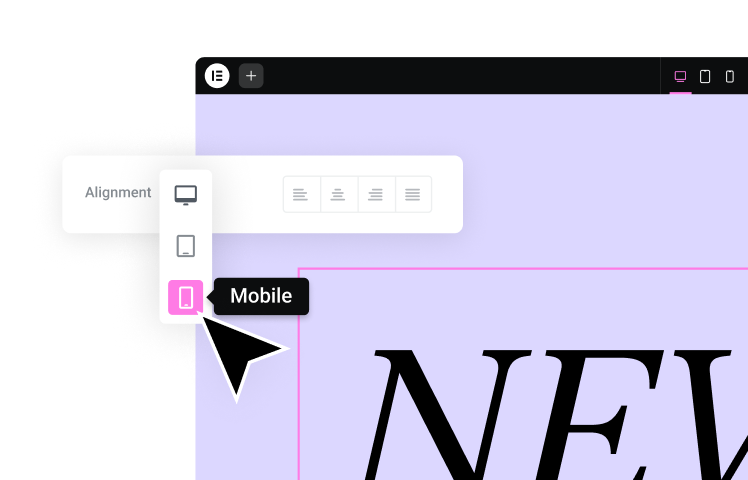
- Custom Breakpoints: Go beyond standard “Tablet” and “Mobile” views with up to 7 custom breakpoints for varied screen sizes.
- Motion Effects: Implement scroll effects, mouse tracking, and entrance animations without writing a single line of JavaScript.
For developers, Elementor is not a black box. It includes a custom code area and a robust API, allowing you to inject custom functionality while maintaining the speed of visual design.
The Power of the Hello Theme
A common issue with WordPress builders is theme conflict. Elementor solves this with the Hello Theme. It is a lightweight, blank canvas designed specifically to work with the builder. It creates no code bloat, loads instantly, and hands full design control over to the Elementor editor.
- Hello Theme: For professionals who want to build every pixel from scratch using the Theme Builder (headers, footers, archives).
- Hello Biz: For beginners or small business owners who need a guided start with pre-set styles and structure.
The Optimized Foundation: Elementor Hosting
A website builder is only as good as the infrastructure it sits on. Elementor Hosting is engineered specifically to maximize the performance of Elementor sites.
Google Cloud Platform & Cloudflare Enterprise
Elementor Hosting leverages the Google Cloud Platform (C2 machines) for high-end computing power. This is coupled with Cloudflare Enterprise CDN, which caches content across a global network of servers.
- Result: Enterprise-grade speed and reliability (99.9% uptime).
- Security: Built-in Premium SSL, DDoS protection, and a Web Application Firewall (WAF) ensure the site is fortified against attacks.
Unified Support and Security
In a traditional WordPress setup, if a site breaks, the host blames the plugin, and the plugin developer blames the host. Elementor Hosting eliminates this “blame game.” You have a single point of support for the hosting, the builder, and the theme. This unified support model is a critical operational advantage for businesses that cannot afford downtime.
Learn more about Elementor Hosting
The AI Revolution in Web Creation
Elementor has integrated Artificial Intelligence deeper than any competitor, moving beyond simple text generation into structural planning and workflow automation.
AI Site Planner: Strategy in Minutes
The AI Site Planner addresses the “blank page syndrome.” It allows you to input your business details and goals, and in return, it generates a comprehensive website brief, sitemap, and wireframe structure. This tool condenses the strategy phase from days into minutes, providing a solid foundation before you even open the editor.
Learn about the AI Website Builder
Angie: The Agentic AI Workflow Engine
Elementor introduces Angie, an Agentic AI assistant. Unlike generative AI that creates text, Agentic AI performs tasks. Angie can navigate the WordPress interface to execute multi-step workflows, such as “Create a new landing page,” “Update all plugins,” or “Check for broken links.” This multiplies productivity by automating the administrative side of web creation.
Contextual AI Assistance
Inside the editor, Elementor AI is context-aware. If you are editing a heading, it suggests titles. If you are in the Custom CSS tab, it generates the specific code needed for that element. This seamless integration keeps you in the creative flow.
Performance and Optimization Tools
Speed is revenue. Elementor provides native tools to ensure that the visual richness of your site does not compromise its loading time.
Image Optimizer by Elementor
High-resolution images are the primary culprit for slow websites. The Image Optimizer plugin automatically compresses and resizes images upon upload. It converts files to next-gen formats like WebP and AVIF, which offer superior quality at smaller file sizes.
- Benefits: Faster load times, improved SEO rankings, and a better user experience on mobile devices.
Boost Speed with Image Optimizer
Caching and Speed Mechanics
Elementor Hosting includes server-level caching that is specifically tuned for Elementor’s code structure. This ensures that dynamic content is served efficiently and static assets are delivered instantly.
Marketing and Growth Integration
A website is a marketing asset. Elementor integrates the “Grow” phase directly into the platform.
Send by Elementor: Native Marketing Automation
Send by Elementor allows you to manage email marketing and automation directly from your WordPress dashboard. It eliminates the need for expensive third-party CRMs for basic tasks. You can capture leads with Elementor forms and immediately trigger automated email sequences—all within one interface.
Site Mailer: Ensuring Deliverability
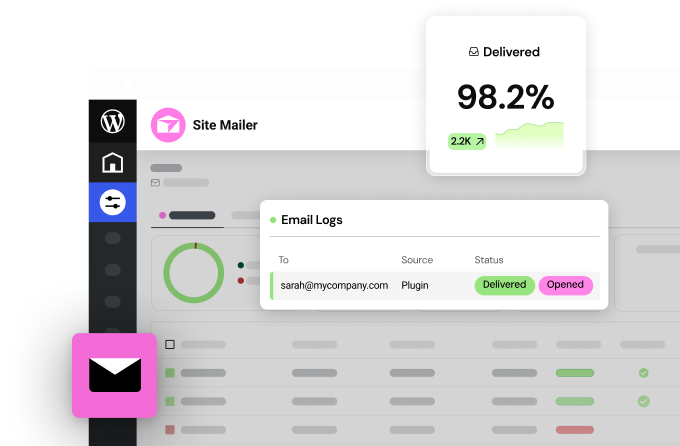
One of the most common frustrations in WordPress is unreliable email delivery (transactional emails going to spam). Site Mailer is a zero-configuration solution that replaces the default WordPress mail function. It ensures that password resets, order confirmations, and form notifications land in the inbox, not the junk folder.
Fix Email Delivery with Site Mailer
Accessibility and Inclusivity
Accessibility is a legal requirement and an ethical imperative. Ally by Elementor is an integrated accessibility tool that scans your site for violations (based on WCAG 2.1 standards). It provides an automated remediation assistant to fix issues like color contrast, alt tags, and heading hierarchy.
Make your site accessible with Ally
eCommerce Capabilities
For online stores, the WooCommerce Builder in Elementor Pro is a game-changer. It unlocks the rigid WooCommerce templates, allowing you to design custom Product Pages, Cart pages, and Checkout flows.
- Visual Customization: Design your Single Product template once and apply it to your entire inventory.
- Dynamic Content: Pull product data (price, SKU, description) into any widget.
- Checkout Optimization: Create distraction-free checkout pages to reduce cart abandonment.
Build with WooCommerce Builder View eCommerce Hosting Plans
Strategic Selection: Matching the Platform to the Persona
The “best” builder depends on who you are. Elementor’s platform versatility makes it the top choice across three distinct personas.
For the Small Business Owner
- The Challenge: You need a professional site quickly, have a limited budget, and cannot code.
- The Solution: Use Elementor Hosting combined with the Hello Biz theme.
- Why: The hosting provides a secure, managed environment (no server maintenance). The Hello Biz theme offers a guided setup wizard and business-ready templates. You get a “SaaS-like” ease of use but own your website completely.
- Key Tools: Hello Biz, Elementor Hosting, Site Mailer.
Solutions for Designers & Business
For the Professional Freelancer
- The Challenge: You trade time for money. You need to build custom sites efficiently to maximize profit margins.
- The Solution: Use Elementor Pro with the AI Site Planner.
- Why: The AI Site Planner cuts down the strategy and wireframing phase from days to minutes. The visual builder allows you to execute complex client designs without hiring a developer. You can hand off a site that is easy for your client to edit.
- Key Tools: AI Site Planner, Elementor Pro, Image Optimizer.
For the Digital Agency
- The Challenge: You manage hundreds of sites. You need consistency, scalability, and collaborative tools.
- The Solution: Use Elementor Hosting (Scale Plans) and Angie.
- Why: Unified hosting simplifies billing and management. Angie automates routine maintenance across your portfolio. The “Notes” feature allows your team and clients to collaborate directly on the live site build.
- Key Tools: Angie (Agentic AI), Elementor Hosting, Notes, Advanced Role Manager.
Future-Proofing Your Web Presence
The digital landscape changes rapidly. A decision made today must hold up five years from now. Choosing a closed SaaS platform introduces “platform risk”—if they raise prices or remove a feature, you are trapped. Choosing a fragmented WordPress stack introduces “maintenance risk.”
Elementor represents the sustainable middle path.
- Open Standard: It is built on WordPress, the software that powers 43% of the web. The skills you learn and the data you build are portable.
- Platform Stability: By using the full Elementor ecosystem (Hosting + Builder + AI), you reduce the number of vendors you rely on, creating a more stable and secure web presence.
- Innovation: Elementor consistently integrates the latest web technologies (Grid Layouts, Container-based design, WebP support, AI) faster than its competitors.
As Itamar Haim, an expert in the field, notes, the consolidation of tools into a unified platform is the defining trend for efficiency and growth in the coming years.
Frequently Asked Questions (FAQ)
1. Why is Elementor considered a “platform” and not just a page builder?
Elementor has evolved beyond a simple design plugin. It now offers a complete ecosystem including Managed Hosting, AI workflow tools, Marketing solutions (Send), Image Optimization, and Accessibility tools. This end-to-end integration allows users to build, manage, and grow their websites from a single interface, qualifying it as a comprehensive web creation platform.
2. Can I use Elementor if I don’t know how to code?
Absolutely. Elementor is designed as a no-code platform. Its drag-and-drop visual editor allows you to design every part of your website visually. However, unlike many other builders, it produces clean, professional code in the background, ensuring your site performs well.
3. How does Elementor Hosting differ from generic WordPress hosting?
Elementor Hosting is specifically engineered to optimize the performance of Elementor websites. It uses Google Cloud Platform C2 servers and Cloudflare Enterprise CDN, which are tuned to serve Elementor’s dynamic content efficiently. Additionally, it offers unified support, meaning one team handles both your hosting and your website builder questions.
4. Is Elementor good for SEO?
Yes. Elementor creates clean, semantic HTML that search engines can easily crawl. When combined with Elementor Hosting and the Image Optimizer plugin, it achieves excellent Core Web Vitals scores. The platform also integrates with popular SEO plugins like Yoast and RankMath to help you optimize your content.
5. What is the difference between the Free and Pro versions of Elementor?
The Free version offers a robust drag-and-drop builder with 40+ widgets, sufficient for basic websites. Elementor Pro unlocks the full potential of the platform, including the Theme Builder (to design headers, footers, and archives), the Popup Builder, the WooCommerce Builder for eCommerce, and dynamic content capabilities essential for professional sites.
6. Can I move my Elementor site to a different host later?
Yes. This is a major advantage of Elementor over closed SaaS platforms like Wix or Squarespace. Since Elementor is built on open-source WordPress, you own your data. You can export your entire site and move it to any hosting provider you choose at any time.
7. How does Elementor’s AI differ from other AI writing tools?
Elementor AI is integrated directly into the editor and is “context-aware.” It doesn’t just write text; it can generate Custom CSS code, create images, and even build entire wireframes and sitemaps via the AI Site Planner. It creates a seamless workflow where you don’t have to leave the builder to use AI tools.
8. Is Elementor secure for eCommerce?
Yes. When using Elementor Hosting, your site is protected by enterprise-grade security including Premium SSL, a Web Application Firewall (WAF), and DDoS protection. The WooCommerce Builder allows you to create secure, custom shopping experiences while relying on the robust security of the underlying infrastructure.
9. What happens if I stop paying for Elementor Pro?
If your subscription expires, your website remains live and visible to visitors. However, you will lose access to the Pro widgets and the ability to edit those specific Pro features. You also will not receive future updates or support, which is critical for security and compatibility.
10. How does the Image Optimizer help my site?
The Image Optimizer plugin automatically compresses and resizes images as you upload them to WordPress. It converts them to modern formats like WebP or AVIF. This significantly reduces the page size without visible quality loss, leading to faster load times and better SEO rankings.
Conclusion
The question of “who offers the best website builder” is answered not by looking for the simplest tool, but by finding the most capable platform. While competitors like Wix offer convenience and Webflow offers design specificity, Elementor stands alone in offering a unified ecosystem that scales.
By merging the freedom of WordPress with the managed performance of Elementor Hosting and the efficiency of native AI, Elementor empowers creators to build without boundaries. Whether you are launching a first business, scaling a freelance career, or managing an agency, Elementor provides the infrastructure to support your growth from the first pixel to the millionth visitor.
Relevant Videos for Further Learning:
Looking for fresh content?
By entering your email, you agree to receive Elementor emails, including marketing emails,
and agree to our Terms & Conditions and Privacy Policy.