Table of Contents
Key Takeaways:
- Efficiency Drives Profit: Agencies are moving away from rigid custom code to visual builders. This allows for faster turnaround times and higher profit margins.
- The Platform Advantage: Successful agencies prefer ecosystem-based solutions. These combine hosting, design, and marketing tools into one unified workflow.
- Client Empowerment: Modern builders allow agencies to hand off sites that clients can actually manage. This reduces low-value support tickets.
- AI as a Multiplier: The integration of AI tools for planning and creation is becoming a non-negotiable feature for high-output teams.
- Performance is Paramount: Agencies require enterprise-grade hosting and security to meet client SLAs. The underlying infrastructure is just as important as the design tool.
- Talent Acquisition: Visual builders lower the technical barrier to entry. This makes it easier to hire and train creative talent compared to senior developers.
- Recurring Revenue: Reselling managed hosting and maintenance packages provides stability. It increases the lifetime value of each client.
- Semantic Quality: Modern visual builders output clean code. This supports high SEO rankings and accessibility compliance.
- Dynamic Scalability: Features like Theme Builders allow agencies to build complex sites without custom PHP development.
- Unified Support: Using a single platform for hosting and design eliminates the “blame game” between vendors.
The Evolution of the Agency Tech Stack
The agency model faces a reckoning in 2026. Clients demand faster results and lower costs. They also want greater control over their digital assets. The traditional waterfall method of web development is often too slow. In this old model, designers handed static files to developers who then spent weeks coding. This process is expensive for the modern market.
Agencies have responded by adopting visual website builders. This transition is not about cutting corners. It is about allocating resources where they generate the most value. You remove the need to hand-code basic structures. Your team then focuses on strategy and user experience. They can also focus on conversion optimization. These are the things that clients actually pay for.
The Shift from “Just Code” to “Smart Build”
For years a stigma existed around website builders. Many professionals viewed them as tools for amateurs. That view is now obsolete. Modern platforms produce code that is clean and semantic. They offer capabilities that rival custom development environments. They often produce cleaner output than a rushed junior developer might produce.
Agencies now prioritize tools that offer rapid prototyping. They need the ability to move from concept to live site in days. They need systems that work for a five-page brochure site. They also need systems that work for a thousand-page enterprise portal. Unified support is critical. You need a single point of accountability for when things go wrong. The question is no longer if you should use a builder. The question is which builder allows you to scale best.
What Agencies Look for in a Website Builder
You must define the criteria that matter to an agency owner. A freelancer might prioritize price. An agency prioritizes reliability and workflow.
Scalability and Performance
An agency cannot afford to use a tool that breaks under pressure. You need a platform that handles traffic spikes. It must offer robust security. It must load instantly. Slow websites kill conversions. They also kill client relationships. Agencies look for builders backed by enterprise-grade infrastructure. This means looking for platforms that run on top-tier cloud providers. The underlying metal matters just as much as the interface.
Workflow Efficiency and Collaboration
Agencies are team sports. You have designers and copywriters working on a single asset. You also have SEO specialists and project managers involved. The ideal builder facilitates this collaboration. It should offer role-based access. It needs features that streamline the feedback loop between the team and the client. If a tool requires your designer to email a file to a developer to make a simple padding change then that tool is costing you money.
Design Freedom
Templates are great for starting points. They are not enough for high-ticket clients. Agencies need a blank canvas environment. They need to execute a unique brand vision without fighting the tool. The ability to manipulate every pixel is non-negotiable. You must control responsiveness across custom breakpoints. You must be able to add custom CSS or JavaScript when necessary.
Client Hand-off and Management
The project does not end at launch. Agencies need a smooth hand-off process. The client needs an intuitive interface to make content updates. They must be able to do this without breaking the design. The agency needs a way to manage maintenance and updates. You cannot log into a hundred different dashboards to handle security.
Open vs. Closed Ecosystems
Agencies must decide between closed SaaS platforms and open-source platforms. Closed systems offer simplicity. They rent the software and hosting together. They often lock agencies into specific pricing models. Open systems offer freedom. You own the data and code. They require more maintenance. The ideal solution bridges this gap.
The Contenders: A Look at the Market
Several platforms compete for agency attention. Each offers a different philosophy on building for the web.
Wix Studio
Wix Studio is an end-to-end solution. It offers a responsive design environment. Elements scale proportionally across screen sizes. The platform includes a workspace for managing client sites. It integrates billing and support tickets into one dashboard. The system is closed. Hosting and maintenance are handled entirely by the provider. You cannot move the site elsewhere if requirements change.
Webflow
Webflow targets designers who want to build without writing code. Its interface mirrors CSS properties. Users have granular control over layout and interactions. It creates code that can be exported or hosted on their infrastructure. It operates as a closed ecosystem. It allows for third-party integrations through APIs. The tool requires designers to understand the box model.
Duda
Duda focuses on productivity for agencies that build at volume. It offers white-labeling capabilities. Agencies can present the platform as their own. Its editor is structured and template-driven. This ensures design consistency. It can limit absolute creative freedom compared to open canvas tools. It includes built-in widgets for specific vertical industries.
WordPress (Gutenberg)
WordPress remains a dominant force. The core software includes Gutenberg. This is a block-based editor. It provides a native way to build posts and pages using blocks. It offers a standardized experience. It is part of the core software. It often requires additional plugins to achieve complex layouts. This can lead to a fragmented workflow.
Squarespace
Squarespace is known for its templates. It provides a hosted solution. It appeals to creatives and small businesses. The editor is section-based. It prioritizes ease of use over deep technical customization. It is generally used for less complex projects.
The Solution: The Platform Approach
Agencies find themselves needing more than just a builder. They need a comprehensive ecosystem. This ecosystem must bridge the gap between open-source freedom and SaaS reliability. This is where Elementor fits into the picture.
Elementor has evolved from a plugin into a complete Website Builder Platform. It addresses fragmentation in agency workflows. It unifies design and hosting. It also integrates AI and marketing tools under one roof. By combining the website builder with managed infrastructure agencies get a powerful solution.
The Creative Engine: Design Without Limits
The heart of the agency workflow is creative expression. The visual builder serves as the creative engine. It allows your team to design live on the front end. This eliminates the disconnect between backend code and frontend output.
Pixel-Perfect Control
Agencies sell design quality. You get granular control over every element. You can adjust margins and padding visually. You can control Z-index and flexbox settings. This ensures the final website matches the approved mockups. The platform supports advanced CSS Grid. It also supports Flexbox containers. These allow for sophisticated layouts that are lightweight. You can define custom breakpoints for wide screens and mobiles. This ensures the experience is perfect on every device. This capability is critical for designers who prioritize mobile UX.
The Theme Builder
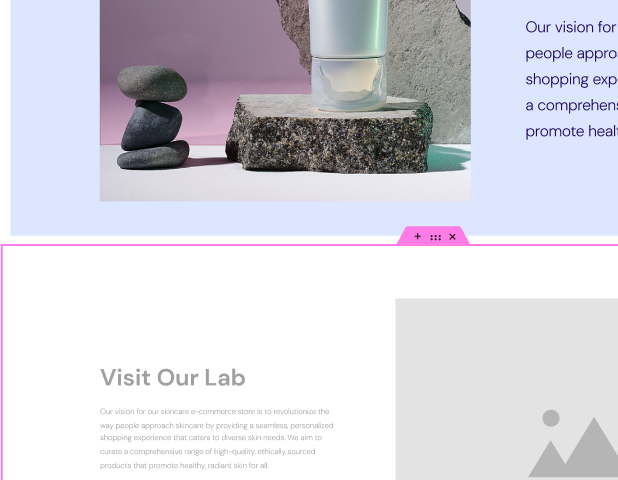
Building a website is more than just designing pages. You are building a system. The Theme Builder allows you to design the structural parts of the site visually. You can build headers and footers. You can design single post templates and 404 pages. You can set display conditions. You determine exactly where each template appears. You might design a transparent header for the homepage. You can use a solid header for inner pages. This programmatic approach allows you to build complex websites. You do not need to write PHP. This feature is a core part of Elementor Pro. It is standard for professional agency builds.
Dynamic Content and Advanced Custom Fields
Agencies often build sites that need to scale. You cannot manually update every page when a client changes a detail. Dynamic content features allow you to pull data from WordPress custom fields. You can use tools like ACF or Pods. You build the template once. It populates endlessly with the client’s data. This separates content from design. This is a crucial architecture for agency-managed sites.
The Optimized Foundation: Elementor Hosting
A beautiful website is useless if it is slow. Agencies utilizing WordPress historically had to cobble together a stack. This included a domain registrar and a hosting provider. It included a CDN and security plugins. If the site went down the hosting company would blame the builder. The builder would blame the host.
Elementor Hosting solves this problem. It provides a managed hosting solution engineered for the builder. This unified approach is similar to the SaaS model. It retains the open-source freedom of WordPress.
Enterprise-Grade Infrastructure
The infrastructure runs on the Google Cloud Platform. It utilizes C2 machine types. These are optimized for high-performance computing. This hardware ensures that resource-heavy sites load instantly.
Integrated Performance and Security
The hosting stack includes Cloudflare Enterprise CDN integration. This distributes content across a global network. It ensures low latency for visitors anywhere in the world. Security is also built-in. It includes premium SSL. It has DDoS protection. A Web Application Firewall (WAF) blocks malicious traffic. This level of protection is often an expensive add-on with other hosts. It is integrated here.
Unified Support
Time spent troubleshooting is money lost. You have a single point of contact for the entire stack with Elementor Hosting. Whether the issue is a plugin conflict or a server error one team handles it. This reduces the time your team spends on non-billable maintenance.
Workflow Acceleration: AI and Automation
The modern agency must do more with less. Artificial Intelligence is the lever that allows you to multiply output. AI is integrated deeply into the workflow. It moves beyond simple text generation to structural assistance.
AI Site Planner
The project planning phase consumes days. The AI Site Planner compresses this into minutes. You input the client’s business type and goals. The tool generates a comprehensive website brief. It creates a sitemap and wireframes. This gives you a strategic starting point. You can present this to the client for immediate buy-in. This significantly shortens the sales cycle.
Angie: The Agentic AI Workflow Engine
Angie represents a significant leap forward. It is an agentic AI assistant. It performs multi-step actions within the WordPress environment. Standard chatbots just answer questions. Angie acts. You can instruct Angie to create a landing page for a sale. It understands the context of your site. It understands your plugins and design system. It executes the task. This saves your team hours of manual setup. This is part of the Elementor AI suite.
Content and Code Generation
The AI website builder features assist with daily friction points inside the editor. It can write headers and product descriptions. It can translate content into multiple languages. You can generate royalty-free images directly on the canvas. You can use Generative Fill to expand images. If you need a specific CSS effect the AI writes the code. It ensures the code is clean and functional.
Growth and Marketing Integration
Agencies often struggle to prove ROI. A website is a foundational asset. Clients want leads and sales. The platform includes integrated marketing tools. These allow agencies to offer ongoing value. You do not need complex third-party stacks.
Site Mailer
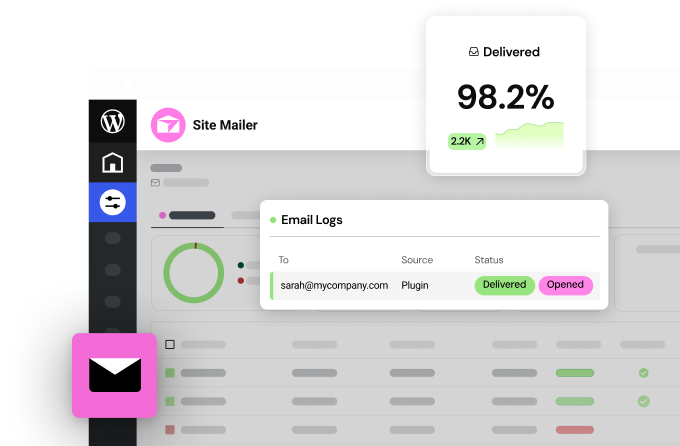
A common support ticket is a broken contact form. This is usually due to unreliable default email sending methods. Site Mailer is a zero-configuration plugin. It ensures transactional emails are delivered. It handles password resets and form notifications. It includes logs. You can prove to clients that leads were delivered.
eCommerce Capabilities
The stakes are higher for agencies building online stores. The WooCommerce Builder allows for complete customization. You are not limited to standard templates. You can design custom product pages. You can highlight specific features visually. You can optimize the cart and checkout flow. This reduces abandonment. You can create a branded customer hub. Serious projects benefit from specialized eCommerce hosting. This hosting is tuned to handle dynamic database queries.
Visual Assets and Optimization
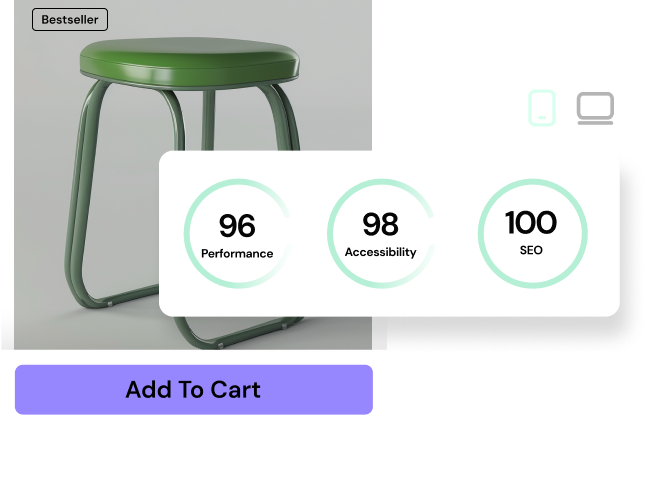
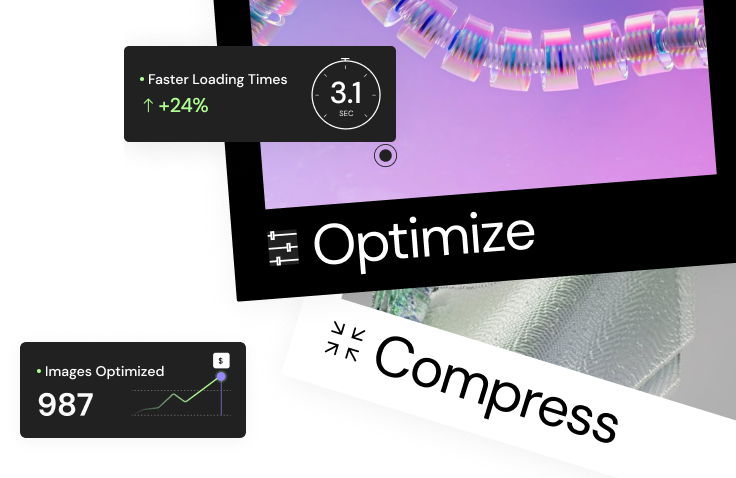
Agencies know that large images kill site speed. Image Optimizer is integrated into the workflow. It automatically compresses images. It converts them to WebP or AVIF formats upon upload. This ensures the site scores high on Google PageSpeed Insights. Your designers do not need to manually compress every asset.
Accessibility: The New Standard
Regulations like the European Accessibility Act are strictly enforced. Agencies must deliver accessible sites. Ally by Elementor helps you scan for issues. It identifies and remediates accessibility problems. This happens directly within the WordPress dashboard. This protects your clients from legal risk. It opens their site to a wider audience. This adds another layer of value to your service.
Thematic Solutions for Every Creator
The platform provides distinct starting points. These are tailored to different skill levels.
Hello Theme: The Professional’s Canvas
The Hello Theme is the ultimate minimalist framework. It is for professional creators who demand control. It provides the fastest foundation for a site. It contributes to excellent loading speeds. It acts as a blank canvas. It provides no extraneous styling. The creator has complete control over the design.
Hello Biz: The Small Business Launchpad
Hello Biz is a beginner-friendly theme. It helps small businesses launch quickly. It includes a setup wizard. It walks users through the initial setup. Users start with business-ready templates. It lowers the barrier to entry for less technical clients.
Strategic Advantages for Agencies
Adopting a platform is a strategic business decision. It impacts how you sell and hire. It affects how you profit.
Speed to Market equals Higher Margins
Every hour you save increases your effective hourly rate in a fixed-price project. The efficiency of the visual builder allows you to deliver high-quality work in fewer hours. The Kit Library provides a jumpstart. You are not starting from scratch. You are assembling pre-validated components.
Solving the Talent Shortage
Hiring senior developers is expensive. Hiring designers who can use visual tools is easier. The learning curve is shorter. You can bring junior staff up to speed quickly. This allows you to scale your production team. You do not need to balloon your payroll.
Recurring Revenue Streams
You can resell hosting. You can offer maintenance packages. This builds a base of recurring revenue. It stabilizes your cash flow. It makes your agency more valuable. You can bundle hosting and marketing into a monthly retainer.
Client Satisfaction and Retention
Clients love the ability to edit their own content. The intuitive nature of the editor empowers them. They can make small text changes. They can swap images without calling you. This makes them feel in control. It reduces friction in the client-agency relationship.
Future Proofing with Open Source
You are not at the mercy of one company’s roadmap. The platform is built on WordPress. You have the safety of the open-source community. You own your data. You can always use the free download version. This helps if budgets contract.
Implementing the Workflow: A Use Case
Let us look at how an agency uses this ecosystem.
The Planning Phase
You receive a lead for a hotel. You use the AI Site Planner during the discovery call. It generates a sitemap and wireframe. The client is impressed by the visual roadmap. They sign the contract.
The Build Phase
You install the Hello Theme. This is your lightweight canvas. You use Pro features to build a global design system. You set the client’s fonts and colors. Your designer builds the homepage. They use Flexbox containers to ensure the layout shifts for mobile.
The Optimization Phase
You use Image Optimizer. It ensures high-res photos are compressed. The site scores high on performance tests. This is vital for SEO.
The Launch and Growth Phase
You host the site on the managed platform. You set up marketing tools to capture emails. You ensure booking confirmations hit the inbox every time using the reliable mailer plugin.
Addressing Common Agency Concerns
You might have reservations about moving away from your current stack.
“Isn’t code better for SEO?” Google does not care how the HTML is generated. It cares that it is semantic and fast. The platform outputs standard HTML5 code. When combined with fast hosting it ranks well.
“What about vendor lock-in?” You own your data. You can take your content with you. This freedom is a core tenet of the open-source philosophy.
“Is it secure?” Security is a layered approach. Managed hosting with built-in protection is more secure than shared hosting.
Conclusion
The agency world is competitive. You need tools that allow you to be creative. You need to be efficient and reliable. Successful agencies are moving away from fragmented stacks. They are moving towards integrated platforms.
Elementor offers a unique proposition. It combines the freedom of WordPress with the experience of a SaaS platform. It empowers your team to build better websites faster. You can manage them more easily. You deliver real business results to your clients. You are not just choosing a page builder. You are choosing a partner for your agency’s growth.
Frequently Asked Questions
1. Can I use Elementor for enterprise-level client websites? Yes. Major global brands use it. Its open architecture allows it to handle complex websites. Enterprise-grade Elementor Hosting on Google Cloud Platform supports high traffic.
2. How does the hosting compare to other managed WordPress hosts? It is optimized specifically for the builder. It includes the Pro plugin. It features Cloudflare Enterprise CDN. It offers premium support for both hosting and the builder. This is often at a lower cost than purchasing them separately.
3. Will using a website builder hurt my client’s SEO rankings? No. SEO relies on content and structure. It relies on performance. The builder generates semantic code. When paired with Image Optimizer sites achieve excellent scores.
4. Can I white-label the interface for my agency clients? Yes. You can customize the editor environment. You can control which features clients access. The Role Manager ensures they only see what they need. This prevents them from breaking the design.
5. Is it compatible with other WordPress plugins? Absolutely. It is built on open-source standards. It works seamlessly with the WordPress ecosystem. This includes popular tools for SEO and translation.
6. How does the AI Site Planner help my agency workflow? The AI Site Planner reduces initial project time. It generates a sitemap and wireframes in minutes. It creates a project brief. This allows you to move to design faster.
7. Do I need to know how to code to build professional sites? No. The platform is designed to be functional without code. Agencies can extend functionality if needed. It offers custom CSS fields. It has a robust API for developers.
8. What happens if I stop paying for the Pro subscription? Your website remains live. It is visible to visitors. You lose access to pro widgets and updates. Agencies typically maintain subscriptions for security.
9. Can I migrate an existing WordPress site to this platform? Yes. You can install the plugin on any WordPress site. You can begin rebuilding pages. You can create new templates using the Theme Builder.
10. How does the Image Optimizer differ from other plugins? The Image Optimizer is integrated. It automatically compresses images. It converts them to WebP or AVIF formats upon upload. It balances quality and file size. This ensures optimal speed without manual intervention.
Looking for fresh content?
By entering your email, you agree to receive Elementor emails, including marketing emails,
and agree to our Terms & Conditions and Privacy Policy.