Table of Contents
This system empowers everyone, from solo bloggers to massive corporations, to manage their digital presence efficiently. This guide will walk you through exactly what a CMS is, the different types you’ll encounter, how to choose the right one, and how to get started on your own website.
Key Takeaways
- What a CMS Is: A Content Management System (CMS) is a software application that allows users to create, manage, and modify content on a website without needing to write code from scratch. It provides a user-friendly interface (like a text editor) to handle all your content, while the system takes care of displaying it to your visitors.
- Core Components: A CMS is made of two parts: the Content Management Application (CMA), which is the front-end interface where you add content, and the Content Delivery Application (CDA), which is the back-end that takes your content, formats it, and displays it to your site visitors.
- Main Types: The three main types of CMS are Traditional (or Coupled), where the back-end and front-end are a single unit (like WordPress); Headless, where the back-end content repository is “decoupled” from the front-end presentation layer; and SaaS, which are all-in-one, cloud-hosted subscription platforms (like Wix or Shopify).
- Why WordPress Dominates: WordPress, an open-source CMS, powers over 43% of all websites. Its dominance comes from its flexibility, massive community, and a vast ecosystem of plugins and themes that allow for limitless customization.
- The Modern Solution: The biggest challenge with open-source platforms like WordPress is often the “fragmented” experience of managing hosting, themes, plugins, and security from different vendors. The solution has been the rise of Website Builder Platforms. These ecosystems, like Elementor, bundle a powerful visual builder with optimized hosting, AI tools, and essential plugins to provide a unified, efficient, and high-performance web creation experience.
What Exactly Is a Content Management System (CMS)?
At its most basic, a Content Management System is a piece of software that helps you build and manage a website. Think of it as a digital toolkit that completely separates the content of your website (the text, images, videos) from its design and structure (the layout, colors, fonts).
This separation is the key. Without a CMS, to change a single sentence on your homepage, you would have to:
- Find the specific HTML file for that page on your server.
- Open it in a code editor.
- Navigate through lines of code to find the text.
- Carefully change the text without breaking any of the surrounding code.
- Save the file and re-upload it to your server.
With a CMS, you simply log in to your website’s admin panel, go to the “Pages” section, click “Edit” on your homepage, type in the new sentence in a familiar editor (much like Microsoft Word or Google Docs), and hit “Update.” The CMS does all the back-end work of updating the database and showing the change to your visitors instantly.
Breaking Down the “Content,” “Management,” and “System”
- Content: This is any piece of information on your site. It can be a blog post, a product page, an image, a video, a PDF file, or a contact form.
- Management: This is the part you interact with. It’s the admin dashboard that gives you the tools to create, edit, delete, organize, and publish your content. You can schedule posts, manage user comments, and look at your site’s structure.
- System: This is the “engine” behind the scenes. It’s the code and database that takes your content, stores it, and “serves” it to the world, making sure it looks right based on your chosen theme or template.
The Core Components of a CMS
Technically, a CMS is made up of two key parts that work together:
The Content Management Application (CMA)
This is the user-facing part of the CMS. The CMA is the graphical interface that allows you, the creator, to add, format, and manage your website’s content without touching a line of code. When you log in to your WordPress dashboard to write a new post, you are using the CMA.
The Content Delivery Application (CDA)
This is the back-end part of the system. The CDA takes the content you entered into the CMA, pulls the design instructions from your theme, and assembles them into a complete webpage that it delivers to your website’s visitors. It works in the background to handle all the “publishing” and display processes.
How a CMS Works: A Simple Analogy
Think of a CMS as a massive, high-tech library.
- Your content (blog posts, images) are the books.
- The CMA is the librarian’s desk. You go here to submit a new book (write a post), update an old one (edit a page), or remove one from the collection (delete a post). You tell the librarian what the book is about and where it should go.
- The database is the library’s entire shelving system, where all the books are neatly stored and organized.
- The CDA is the library’s retrieval system. When a visitor (a “patron”) comes to your website and asks to see your “About” page, the CDA instantly finds that “book” on the shelves, packages it in the “cover” (your site’s design), and presents it to them.
Why Use a CMS? The Benefits Explained
Using a CMS has become the standard for web creation because the advantages are so significant, especially for businesses and creators who need to stay agile.
- No Coding Required: This is the biggest benefit. You can manage your entire website without knowing HTML, CSS, or JavaScript. The visual editor, drag-and-drop builders, and simple settings menus handle the technical side for you.
- Easy Collaboration and User Roles: A CMS lets you create multiple user accounts with different levels of permission. An Administrator can control everything, an Editor can publish and manage posts, an Author can write and manage their own posts, and a Contributor can write but not publish. This is essential for team-based workflows.
- Streamlined Content Creation: You can write a post, save it as a draft, and have a teammate review it. You can schedule posts to be published weeks or months in advance. This makes your entire content strategy more organized and efficient.
- Design Flexibility with Themes: You can change your website’s entire look and feel in minutes by installing a new theme (or template). Your content (posts, pages) stays the same, but the design (colors, fonts, layout) is instantly updated.
- Powerful Functionality with Plugins: Need a contact form? An online store? A photo gallery? A forum? There’s a plugin (or extension) for that. Plugins are add-ons that you can install to add new features to your site without any custom development.
- Built-in SEO Features: Most major CMS platforms have built-in tools or plugins that make Search Engine Optimization (SEO) much easier. You can easily edit page titles, meta descriptions, URL structures (permalinks), and image alt-text to help your site rank better on Google.
- Scalability: A CMS can grow with you. Whether you have 10 pages or 10,000, the system is designed to manage it. You can easily add new sections, categories, and functionalities as your business expands.
Types of Content Management Systems
While the term “CMS” is broad, these systems come in a few different architectures. The one you choose will have a major impact on your site’s flexibility, cost, and the technical skill required to run it.
Traditional (Coupled) CMS
A traditional CMS, also called a “coupled” or “monolithic” CMS, is the most common type. In this model, the back-end (the CMA, where you manage content) and the front-end (the CDA, what your visitors see) are tightly “coupled” together in a single application.
When a visitor requests a page, the CMS queries the database, combines that content with the theme’s templates, and generates a full HTML page to send to the visitor’s browser.
- Pros:
- All-in-One: Everything you need is in one place.
- User-Friendly: Generally the easiest to set up and use for beginners.
- Vast Ecosystem: Platforms like WordPress have endless themes and plugins.
- Cons:
- Less Flexible: The content is tied directly to the website’s design.
- “Monolithic”: Can be bulky. Customizations can get complex.
- Examples: WordPress, Joomla, Drupal.
Headless (Decoupled) CMS
A Headless CMS is a newer, more developer-focused approach. In this model, the “head” (the front-end presentation layer, or what the user sees) is completely cut off from the “body” (the back-end content repository, or the CMA).
A headless CMS is a content-only back-end. It doesn’t care what the front-end looks like. It simply stores your content and makes it available via an API (Application Programming Interface).
This means a developer can build a custom front-end using any technology they want (like React, Vue, or Angular) and simply “pull” the content from the CMS. It also means the same content can be pulled and displayed on a website, a mobile app, a smartwatch, and a digital kiosk simultaneously.
- Pros:
- Omnichannel: Deliver content to any device or platform.
- Total Flexibility: Developers can use any modern framework.
- Scalable & Secure: The front-end and back-end are separate, which can improve both performance and security.
- Cons:
- Complex: Requires significant developer expertise to build and maintain.
- Costly: You are essentially building a custom application.
- No Visual Preview: What you see in the editor is not what you get, as there is no attached “head” to show you a preview.
- Examples: Contentful, Strapi, Sanity, Directus.
Software as a Service (SaaS) CMS
A SaaS CMS is a platform where the CMS software is hosted and managed by a company and sold as a subscription. These are all-in-one, “walled garden” solutions. You pay a monthly fee, and the company handles the hosting, security, updates, and support for you.
These are often called “website builders” as well, and they are extremely popular with small businesses and individuals who want a simple, hands-off experience.
- Pros:
- Easiest to Use: Designed for absolute beginners.
- Fully Managed: No need to worry about hosting, security, or updates.
- Dedicated Support: You have a customer support team to contact.
- Cons:
- Limited Customization: You can only use the themes and tools the platform provides.
- Data Portability: It can be very difficult to move your website to another platform.
- Subscription Fees: The cost is ongoing, and advanced features can get expensive.
- Examples: Wix, Squarespace, Shopify (which is a specialized eCommerce CMS).
The Market Leader: Why WordPress Dominates the CMS Landscape
When we talk about a traditional CMS, one name stands above all others: WordPress. It’s estimated to power over 43% of the entire internet, and for good reason. (It’s important to note we’re talking about WordPress.org, the free, open-source software you install on your own hosting, not WordPress.com, which is a SaaS version).
The Power of Open-Source
WordPress is “open-source,” which means its code is public and free for anyone to use, modify, and distribute. This has led to a massive, global community of developers and users who contribute to it.
- Flexibility: You can build literally any type of website with WordPress, from a simple blog to a massive eCommerce marketplace or a complex social network.
- Data Ownership: Because you host the software yourself, you have 100% ownership and control over your website and all its data. You are not locked into any company’s platform.
- Community: If you have a problem, it’s guaranteed someone else has had it and solved it. The amount of free tutorials, guides, and forums is endless.
The Ecosystem: Themes and Plugins
The real power of WordPress comes from its ecosystem:
- Themes: There are tens of thousands of WordPress themes, both free and premium. A theme is the “skin” of your website. You can find a theme for any industry: a restaurant, a law firm, a photographer’s portfolio, etc.
- Plugins: This is where the magic happens. Plugins are “apps” for your website. There are over 60,000 free plugins in the official directory. Need an SEO tool? Get Yoast or Rank Math. Need security? Get Wordfence. Need an online store? Install WooCommerce, a plugin that turns your WordPress site into a full-fledged eCommerce powerhouse.
The WordPress Challenge: The “Fragmented Experience”
Despite its power, the traditional WordPress experience has one major challenge, especially for new users. Because it’s just a piece of software, you are responsible for everything else. This creates a “fragmented” workflow where you have to piece everything together yourself:
- Hosting: You have to research and buy hosting from one company (e.g., Bluehost, SiteGround).
- Theme: You have to find a theme from a theme marketplace (e.g., ThemeForest) or the free directory.
- Builder: The default WordPress editor (Gutenberg) is good, but many users want more design control, so they get a “page builder” plugin from another company (like Elementor).
- Feature Plugins: You need to add more plugins for SEO, security, caching, forms, and image optimization, all from different developers.
This fragmentation is the #1 pain point for WordPress users. When your site breaks, who do you call? The hosting company will blame the theme. The theme developer will blame a plugin. The plugin developer will blame the hosting. This is the “WordPress blame game,” and it can be incredibly frustrating.
How to Choose the Right CMS for Your Project
There is no single “best” CMS. The best one is the one that fits your specific needs, budget, and technical skill level. Here’s a step-by-step process to help you decide.
Step 1: Define Your Goals and Project Scope
What are you building? The answer to this changes everything.
- A Personal Blog or Portfolio: You need something simple, with great design options and a strong editor. A Traditional CMS like WordPress or a SaaS platform like Squarespace is ideal.
- A Corporate Business Website: You need stability, security, and the ability to manage user roles for your marketing team. WordPress is a top choice here.
- An eCommerce Store: You need a platform built for selling. A specialized SaaS CMS like Shopify is built from the ground up for this. Alternatively, a WordPress site with the WooCommerce plugin is an incredibly powerful and flexible option.
- A Multi-Platform App: You need to deliver content to a website, an iOS app, and an Android app. A Headless CMS is the only practical choice here.
Step 2: Assess Your Technical Expertise
Be honest with yourself. How comfortable are you with technology?
- Absolute Beginner: You want the simplest, most hands-off experience. A SaaS CMS (Wix, Squarespace) is your best bet. You’ll trade some flexibility for total ease of use.
- Comfortable & Willing to Learn: You’re not a coder, but you can follow a tutorial. Traditional WordPress is perfect for you. There’s a learning curve, but the payoff in control and flexibility is huge.
- Developer: You want to build something custom and fast. A Headless CMS combined with a modern JavaScript framework is your playground.
Step 3: Consider Your Budget
What are you willing to spend?
- SaaS (e.g., Wix, Shopify): These have a clear, predictable monthly fee (from $16 to $300+) that includes hosting, support, and the software itself. This can be more expensive over time but has a low barrier to entry.
- Open-Source (e.g., WordPress): The software itself is free. But you still have to pay for:
- Domain Name: (~$15/year)
- Web Hosting: (~$10 – $50/month for good shared/managed hosting)
- Premium Themes/Plugins: (Optional, but many sites use them. $60 for a theme, $50 – $200/year for premium plugins).
- This “self-hosted” model is often cheaper and more powerful in the long run, but has more upfront variables.
- Headless: This is typically the most expensive option, as it requires subscription fees for the CMS (many are SaaS) plus the high cost of custom development and hosting for your front-end application.
Step 4: Evaluate Key Features
Look for a CMS that excels in the areas that matter most to you.
- Ease of Use: How intuitive is the editor? Can you easily add and change content?
- Customization: Can you change the design to exactly what you want, or are you stuck in a rigid template?
- Scalability: Can the platform handle a huge spike in traffic? Can it grow to thousands of pages?
- SEO: Does it have the tools you need to rank on Google?
- Security: What is the security track record? Who is responsible for it, you or the platform?
- Support: Is there a dedicated support team, or are you relying on community forums?
CMS Comparison at a Glance
| Feature | Traditional CMS (e.g., WordPress) | SaaS CMS (e.g., Wix) | Headless CMS (e.g., Contentful) |
| Ease of Use | Moderate (Learning curve) | Very Easy (Beginner-friendly) | Difficult (For developers only) |
| Flexibility | Extremely High | Low (Locked in) | Extremely High |
| Cost | Low to Moderate (Variable) | Moderate (Fixed monthly fee) | High to Very High |
| Setup Time | Hours to Days | Minutes | Weeks to Months |
| Maintenance | Your responsibility | Handled by platform | Developer’s responsibility |
| Best For | Blogs, business sites, eCommerce, anything | Beginners, small businesses, portfolios | Mobile apps, enterprise sites, custom apps |
Bridging the Gap: The Rise of the Visual Website Builder Platform
For years, users were forced to make a choice: the restrictive simplicity of SaaS platforms or the powerful, fragmented complexity of WordPress.
A new category has emerged to solve this: the Visual Website Builder Platform. This model, perfected by Elementor, takes the powerful, open-source WordPress CMS and layers a comprehensive ecosystem of tools on top of it. This gives you the “best of both worlds”: the all-in-one, seamless experience of a SaaS platform with the limitless flexibility and ownership of WordPress.
What Is a Website Builder?
A website builder is a plugin for your CMS that replaces the standard editor with a visual, drag-and-drop interface. You can see exactly what your page looks like as you build it. You can drag in elements like headings, text blocks, images, and buttons, and control every aspect of their design (color, size, spacing, etc.) without writing a single line of code.
The Evolution from “Page Builder” to “Website Platform”
Initially, tools like Elementor were just “page builders.” They only let you design the content area of a page. You were still stuck with your theme’s header and footer.
The revolution came with the Theme Builder. This allowed you to use the same visual, drag-and-drop interface to design your entire website:
- Header
- Footer
- Blog Post Templates
- Archive/Category Pages
- 404 Pages
Suddenly, your theme became irrelevant. All you needed was a lightweight, blank-canvas theme (like the Hello Theme) and the builder. This put 100% of the design control in your hands.
Solving the WordPress Fragmentation Problem
This new model solves the core WordPress “fragmentation” problem by unifying all the essential components into a single, optimized ecosystem. Instead of piecing 10 different tools together, you get one platform.
The Creative Engine: Elementor Pro
Elementor Pro is the core creative engine. It’s the Theme Builder, Popup Builder, Form Builder, and a massive library of advanced widgets all in one. For online stores, the WooCommerce Builder gives you full visual control over your product and shop pages, a level of customization that’s famously difficult to achieve otherwise.
The Optimized Foundation: Elementor Hosting
The biggest piece of the puzzle is hosting. A complete website platform now includes hosting that is built specifically for the builder. Elementor Hosting is a managed WordPress solution built on the Google Cloud Platform.
This is what truly solves the “blame game.” As a web creation expert, I’ve seen this firsthand. My name is Itamar Haim, and in my experience, the #1 frustration for agencies and freelancers is support. When you use integrated hosting, you have one single point of support. If your site has an issue, you contact one team. They are responsible for the hosting, the builder, the theme, and the security, so they can identify and fix the problem, period.
This unified stack also means:
- Peak Performance: The servers are optimized for the builder’s code.
- Managed Security: It includes a built-in CDN, SSL, WAF, and malware protection.
- Simplicity: Elementor Pro is pre-installed. Backups are automatic. The whole setup takes minutes.
The AI-Powered Workflow: Elementor AI
The web creation workflow itself is being revolutionized by artificial intelligence. A modern platform integrates Elementor AI directly into the builder.
This isn’t just a text generator. It’s a full-stack workflow:
- Plan: You can start with the AI Site Planner to generate a complete site brief and wireframe just by describing your business.
- Build: Inside the editor, you can generate text, write custom CSS for unique styles, or create entire sections of code.
- Create: You can generate unique, royalty-free images from a text prompt, edit existing images (like removing a background), or create variations, all without leaving the editor.
The Full Ecosystem
This platform model extends to solve other common WordPress headaches with dedicated, integrated products:
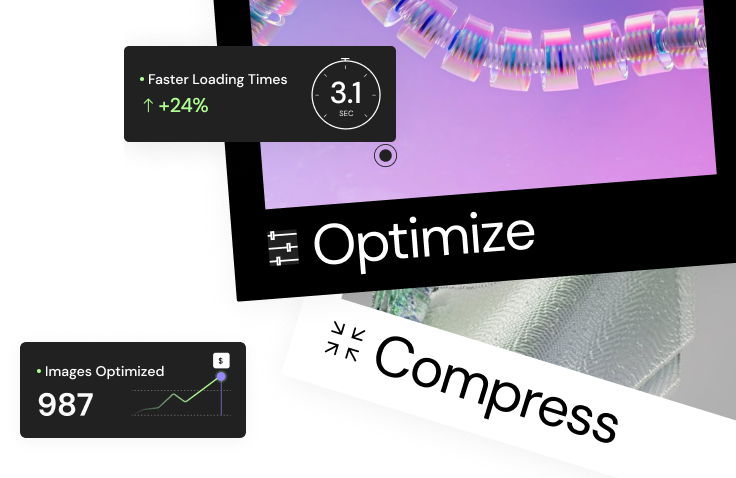
- Performance: The Elementor Image Optimizer plugin automatically compresses images and converts them to modern formats like WebP.
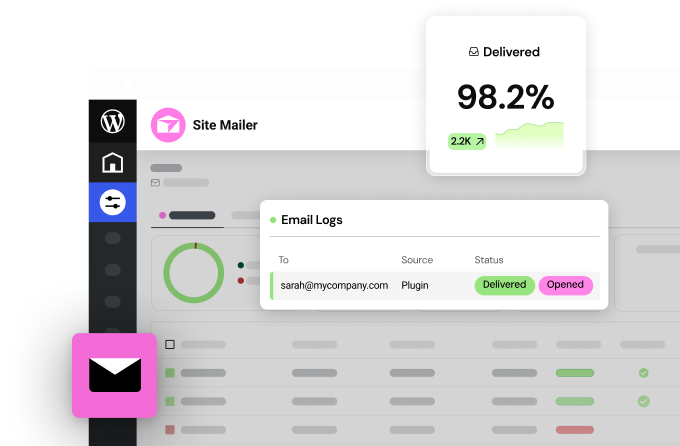
- Email Deliverability: The Elementor Site Mailer solves the common WordPress problem where contact form (or WooCommerce) emails go to spam.
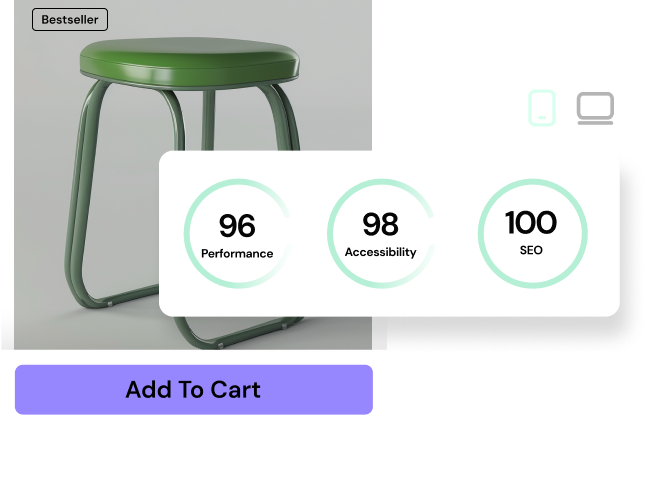
- Accessibility: The Ally Web Accessibility tool scans your site and helps you fix accessibility issues to make your site usable for everyone.
This integrated platform model is the future for most users. It provides a reliable, secure, and incredibly powerful web creation experience that finally solves the fragmentation of the open-source world.
Comparing WordPress Builders (A Neutral Look)
Elementor is a market leader, but it’s not the only option in the WordPress space. When discussing builders, it’s important to understand the landscape.
- Elementor: Its primary strength is its complete ecosystem. The combination of a powerful visual builder, theme builder, and integrated hosting, AI, and utility plugins creates a comprehensive platform. It’s known for having a massive widget library and a large designer community.
- Divi: Divi, by Elegant Themes, is another all-in-one solution that combines a theme and a visual builder. It’s known for its strong design options and A/B testing features, which are built directly into the builder. Like Elementor, it has a very passionate user base.
- Beaver Builder: Beaver Builder is highly regarded in the developer community. It’s known for its stability, clean code, and reliable performance. While it may not have as many “flashy” design features out of the box, it’s considered a rock-solid, professional-grade tool.
- Gutenberg (The WordPress Block Editor): This is the native editor built into WordPress. It’s a block-based editor, not a true visual builder like the others. While it’s getting more powerful with every WordPress release, it’s a different approach focused on content “blocks” rather than free-form visual design. Many users combine Gutenberg for writing posts with a visual builder for designing core pages.
Getting Started: Your First Steps with a CMS (Using WordPress as the Example)
Ready to build your site? Let’s walk through the basic steps using the world’s most popular CMS: WordPress.
Step 1: Choose Your Platform
You’ve decided on the self-hosted WordPress.org. Great choice. This gives you full control.
Step 2: Secure a Domain Name and Hosting
- Domain Name: This is your website’s address (e.g., mybusiness.com). You can buy this from a registrar like Namecheap or GoDaddy. Many hosting providers offer a free domain name for the first year.
- Hosting: This is the “land” where your website “house” will be built. It’s the server space you rent to store your site’s files.
- Shared Hosting: Cheap, but you share resources with other sites. Good for tiny blogs, bad for business.
- Managed WordPress Hosting: More expensive, but the company handles security, speed, and updates. This is the recommended choice.
- Integrated Hosting: As discussed, a solution like Elementor Hosting simplifies this entirely by bundling the hosting and premium software together.
Step 3: Install Your CMS
Almost every modern web host offers a “1-Click Install” for WordPress. You’ll log in to your hosting control panel, find the WordPress installer, fill in your site’s name and admin password, and click “Install.” The system will set up the CMS and database for you in about 60 seconds.
Step 4: Log In to Your Dashboard (The “WP-Admin”)
Once installed, you can access your site’s back-end by going to yourdomain.com/wp-admin. You’ll log in with the credentials you just created. This dashboard is your command center.
On the left-hand side, you’ll see the main menu:
- Posts: For blog articles.
- Pages: For static pages like “Home,” “About,” and “Contact.”
- Appearance: To manage your themes, menus, and widgets.
- Plugins: To add and manage new features.
- Settings: For your site’s title, URL structure, and other technical options.
Step 5: Choose and Install a Theme
Navigate to Appearance > Themes. You can browse the free directory or upload a premium theme you’ve purchased. We recommend starting with a minimal, lightweight theme like Hello from Elementor, which is designed to be a blank canvas for a visual builder.
Step 6: Install Essential Plugins
Navigate to Plugins > Add New. Here are the first ones you should install:
- A Website Builder: This is essential for design. You can download Elementor’s free version to get started.
- An SEO Plugin: (e.g., Yoast SEO or Rank Math) This will help you optimize your content for Google.
- A Caching Plugin: (e.g., WP Rocket or Litespeed Cache) This will help your site load faster. (Note: Many managed hosting plans, including Elementor Hosting, have this built-in, so you may not need one).
Step 7: Create Your First Pages
- Go to Pages > Add New.
- Create two pages: “Home” and “About.”
- If you’re using a visual builder like Elementor, you’ll see a button like “Edit with Elementor.” Click that to launch the visual editor.
- Drag and drop headings, text, and images to design your page. You can also start from the Elementor Template Library, which has hundreds of professionally designed pages.
- Go to Settings > Reading. Under “Your homepage displays,” select “A static page” and choose the “Home” page you just created.
Step 8: Set Up Your Navigation Menu
- Go to Appearance > Menus.
- Create a new menu and name it “Main Menu.”
- Add your “Home” and “About” pages to the menu.
- Save the menu and assign it to the “Header” or “Primary” display location.
That’s it! You now have a functioning website. From here, you can continue to add pages, write blog posts, and customize your design.
Key CMS Concepts and Best Practices for Success
Just having a CMS isn’t enough. You need to manage it correctly to be successful.
Content Strategy and Creation
Your CMS is a tool. Your content is what matters. Before you build, you must plan. Know your audience, what they’re looking for, and what keywords they use. Plan your site’s structure (sitemap) and the content for each page.
SEO for Your CMS
Your CMS makes SEO possible, but you still have to do the work.
- Permalinks: In Settings > Permalinks, change the structure to “Post name.” This makes your URLs clean and readable (e.g., …/about-us instead of …/?p=123).
- Titles & Metas: Use your SEO plugin to write a unique, keyword-rich title and meta description for every page and post.
- Image Alt Text: When you upload an image, always fill in the “alt text” field. This describes the image for search engines and visually impaired users.
- Sitemaps: Your SEO plugin will automatically generate an XML sitemap for you. Submit this to Google Search Console to help Google find all your pages.
Website Security
Security is your responsibility on an open-source platform.
- Strong Passwords: Use a unique, complex password for your admin account.
- Regular Updates: This is the most important rule. You must keep your WordPress core, your themes, and all your plugins updated. Most hacks exploit known vulnerabilities in outdated software.
- Backups: Set up automatic daily or weekly backups.
- Use a Security Plugin or Managed Hosting: A good security plugin (like Wordfence) or a hosting plan that includes a WAF (like Elementor Hosting) is not optional. It’s a requirement.
Performance and Optimization
Your site must be fast. A slow site will lose visitors and rank poorly on Google.
- Choose Good Hosting: This is the #1 factor in site speed.
- Use Caching: Caching saves a static version of your site to serve to visitors, which is much faster than running the full CMS “engine” every time.
- Optimize Images: Large images are the #1 cause of slow pages. Use a plugin like the Elementor Image Optimizer to compress them without losing quality.
User Management and Roles
As your team grows, use the built-in user roles in WordPress. Never give anyone “Administrator” access unless they absolutely need it. An editor or author role is safer for your marketing team and writers.
The Future of Content Management
The world of CMS is always evolving. Here’s where it’s headed:
The Rise of AI and Automation
AI is the biggest shift. It’s moving from a simple “assistant” to an “agent.”
- Generative AI: Tools like Elementor AI are already writing content, generating images, and producing code.
- Agentic AI: The next step is AI that can do tasks. You’ll be able to say, “Create a landing page for our new spring sale, use the new product images, and write copy in an excited tone,” and the AI will build the page for you.
- Planning: Tools like the AI Site Planner are automating the entire strategic planning and wireframing process.
Headless and Omnichannel Content
The Headless CMS model will continue to grow as businesses need to deliver content to more than just a website. Your CMS will be the central “content hub” that feeds your website, mobile app, email newsletter, and even VR/AR experiences.
Increased Focus on Accessibility
Making the web accessible to people with disabilities is a legal and ethical imperative. This is becoming a non-negotiable part of web design. CMS platforms will increasingly integrate accessibility checkers and remediation tools, like Ally, directly into the workflow.
The All-in-One Platform Experience
For the vast majority of users—businesses, designers, and agencies—the future is the unified platform. Users are tired of fragmentation. They want the power of open-source without the headache. The model that combines a best-in-class builder, optimized hosting, and a full suite of AI and utility tools all under one roof, with one support team, is the model that will win.
Conclusion: Finding Your Perfect Content Engine
A Content Management System is far more than a simple website tool. It is your central command center, your digital engine, and the foundation of your entire online presence. It empowers you to share your message, sell your products, and build your brand.
The “best” CMS is the one that aligns with your goals, your budget, and your technical comfort level. For beginners, a simple SaaS platform may be the fastest way to get online. For large enterprises, a developer-centric Headless CMS may be the only way to power their many platforms.
But for the vast majority of web creators, the most powerful and strategic choice is the one that balances flexibility with ease of use. The open-source power of WordPress, unified by a comprehensive website builder platform like Elementor, offers a path to build a truly professional, scalable, and secure website without the traditional fragmentation and complexity.
Choose your platform wisely, focus on creating great content, and you’ll have the power to build anything you can imagine.
Frequently Asked Questions (FAQ) about CMS
1. What is the easiest CMS for beginners? For absolute beginners who want an all-in-one solution with no technical setup, a SaaS CMS like Wix or Squarespace is often considered the easiest. However, for users who want to learn a platform they won’t outgrow, a WordPress setup with an integrated builder platform like Elementor is also extremely beginner-friendly.
2. Is a CMS free? It depends. Open-source CMS software like WordPress.org is 100% free to download and use. However, you must pay for your own web hosting and domain name. SaaS CMS platforms (like Wix, Squarespace, or Shopify) are not free; you pay a monthly subscription fee that includes the software, hosting, and support.
3. Can I build an eCommerce store with a CMS? Absolutely. This is one of the most common uses for a CMS. You can use a dedicated eCommerce CMS like Shopify, or you can use WordPress and install the free WooCommerce plugin. Tools like the Elementor WooCommerce Builder then give you full visual control over the design of your store.
4. What’s the difference between a CMS and a website builder? This is a common point of confusion.
- A CMS (like WordPress) is the entire back-end system for managing all your content, users, and site settings.
- A Website Builder (like Elementor) is a tool or plugin that works with your CMS to let you visually design the front-end (what people see). Many SaaS platforms (like Wix) are both a CMS and a website builder combined into one product.
5. How often should I update my CMS? If you are using an open-source CMS like WordPress, you should apply updates as soon as they are available. This includes the WordPress “core” software, all of your plugins, and your theme. Most hacks target known vulnerabilities in outdated software, so keeping your site updated is the most important thing you can do for security. If you use a SaaS CMS or a managed hosting plan, these updates are typically handled for you.
6. What is the most popular CMS? WordPress is, by a very large margin, the most popular CMS in the world. It powers over 43% of all websites on the internet and has a market share of over 60% of the entire CMS market.
7. Do I need to know code to use a CMS? No. The primary purpose of a CMS is to allow non-technical users to manage a website without code. Using a modern visual builder like Elementor allows you to design and build complex, professional websites using a drag-and-drop interface.
8. What is a “Headless CMS” again? A Headless CMS is a back-end-only system that just stores and manages content. It has no front-end or “head” (i.e., no website or design attached). Developers use an API to pull content from the CMS and display it on any platform they want, such as a mobile app, a custom website, or a smart device.
9. How does a CMS help with SEO? A CMS helps with SEO by providing a simple, organized structure. It allows you to easily control SEO elements like URL “permalinks,” page titles, and meta descriptions. It also handles sitemaps and content organization (categories, tags) automatically. Using an SEO plugin on a CMS like WordPress gives you a powerful checklist to optimize every single piece of content you publish.
10. Can I switch my CMS later? This is difficult. Moving from one CMS to another (e.g., from Wix to WordPress, or WordPress to Shopify) is a complex migration process. It’s not impossible, but it often requires technical help and can be time-consuming. This is why it’s so important to research and choose the right platform for your long-term goals from the very beginning.
Looking for fresh content?
By entering your email, you agree to receive Elementor emails, including marketing emails,
and agree to our Terms & Conditions and Privacy Policy.