
Running a website means constant change. You add content, roll out features, and test new marketing tools as your business grows. But every tracking pixel or analytics script you add shifts your cookie profile a little, and an unnoticed shift can quietly drift your site out of compliance with the privacy laws protecting your visitors.
Monitoring cookie compliance isn’t a one-time task you tick off and forget. It’s an ongoing habit that protects your visitors and builds real, lasting trust. The good news: it’s more manageable than it sounds. With a clear workflow and the right tools, you can stay on top of it without losing hours every month.
Key Takeaways
- Compliance is dynamic: your cookie profile changes every time you add a new script, tool, or third-party embed.
- Automated scanning catches new cookies before they become a compliance problem.
- Consent logs are your best defense during a privacy audit, so keep them structured and secure.
- Google Consent Mode v2 is now standard for sites serving EU traffic that use Google services.
- A WordPress-native compliance tool keeps your entire workflow centralized and simple.
Why Ongoing Cookie Compliance Matters in 2026
There was a time when slapping a basic banner on your homepage felt like enough. Not anymore. GDPR in Europe and CCPA/CPRA in California are actively enforced today, and regulators check whether your banner actually works: whether it honors user choices and blocks scripts before consent is granted.
The privacy landscape moves fast. Browsers keep tightening how they handle third-party tracking, and privacy legislation keeps expanding to more states and countries. Google now requires Consent Mode v2 for any site using Google Ads or Analytics to reach European traffic, so a banner that doesn’t communicate correctly with these services can hurt your analytics and stall your ad campaigns.
That’s why proactive monitoring matters so much. Instead of waiting for a warning notice or a sudden drop in ad performance, you catch compliance gaps early and keep your data clean, your campaigns running, and your visitors’ trust intact.
The Core Elements of Active Cookie Monitoring
To stay fully compliant, keep several moving parts in check. Think of your cookie setup as a living system that needs regular attention. Here are the core areas worth watching:
- Script Detection: know exactly which scripts run on your site. A team member adding a social widget can drop tracking cookies without your knowledge.
- Cookie Categorization: classify every cookie as functional, analytical, marketing, or necessary so visitors can make genuinely informed choices.
- Banner Behavior: your banner needs to appear correctly based on location. EU visitors need a strict opt-in; visitors elsewhere might see a lighter version.
- Consent Mode Integration: confirm your tracking tags respect visitor choices in real time. Reject marketing cookies, and those tags should adjust immediately.
- Consent Log Integrity: if a regulator asks for proof of compliance, you need organized, timestamped consent records ready to present.
- Policy Updates: your cookie and privacy policies should reflect your actual cookie mix at all times, not last quarter’s snapshot.
Keep these areas in check and compliance becomes a natural part of running your site rather than a stressful emergency. You’ll always know what’s running in the background, giving you real control over your digital footprint.
Step-by-Step Guide to Auditing Your WordPress Site’s Cookies
Before you can monitor compliance over time, you need a clear picture of where things stand. A thorough initial audit is the best way to clear out old scripts and set a solid baseline:
- Clean up active plugins and scripts: go through your WordPress dashboard and deactivate anything you no longer use. Fewer active tools means fewer cookies to track.
- Run a full cookie scan: use a dedicated scanner to crawl your entire site, including landing pages, blog posts, and checkout screens.
- Check your browser’s dev tools: open an incognito window, visit your site, and open the inspector. Look under “Application” or “Storage” at “Cookies” to see what loads before anyone clicks “Accept.”
- Review your tag manager containers: if you use Google Tag Manager, check active triggers and make sure marketing tags stay paused until the visitor gives explicit consent.
- Generate an updated cookie policy: use your scan results to refresh your cookie list, so every cookie’s purpose is clearly explained.
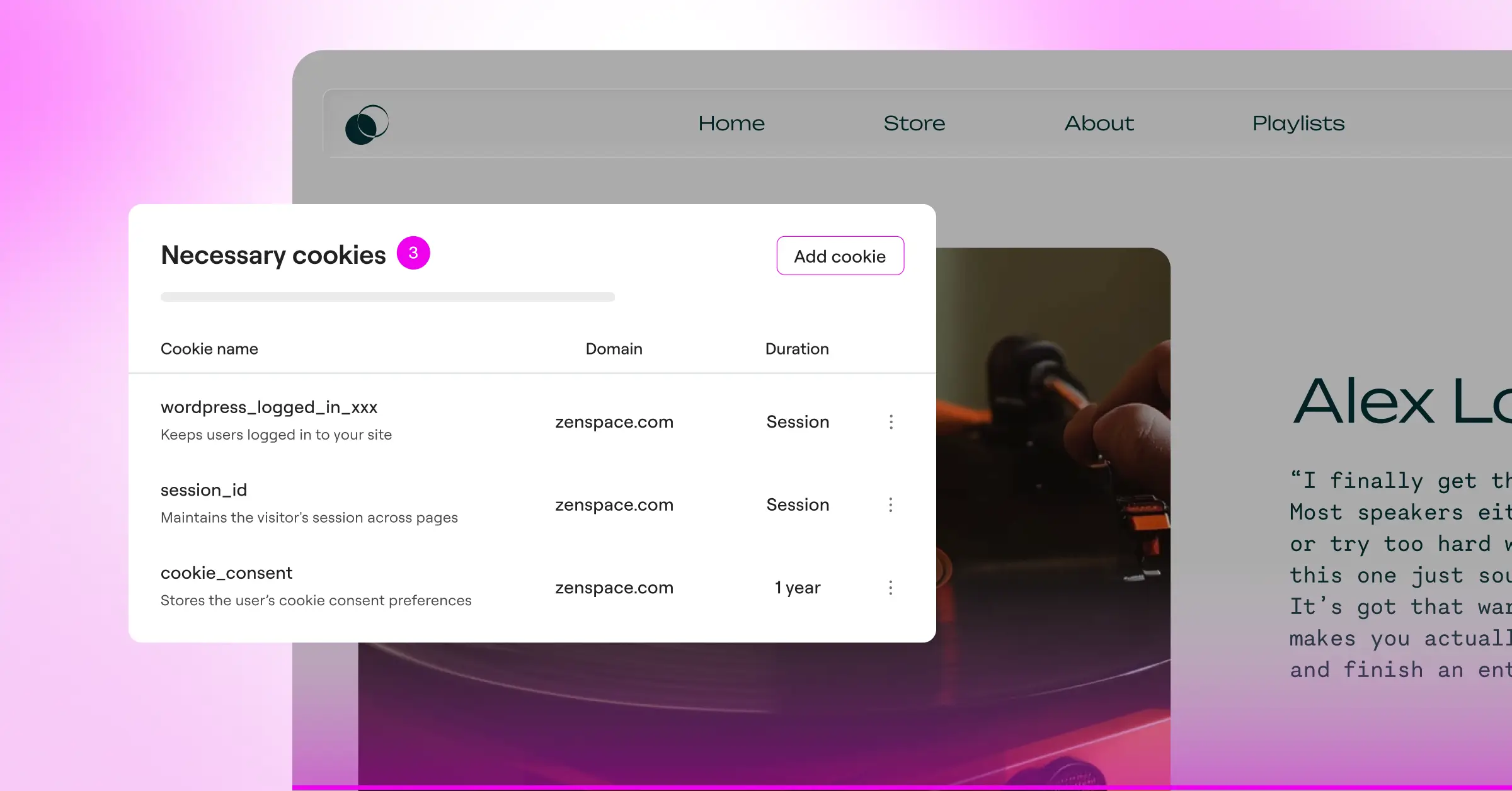
Once you’ve finished this initial cleanup, ongoing monitoring gets much simpler. You’ll have a clean baseline, so it’s easy to spot any new cookies that show up later.
Elementor Cookie Consent: The Dashboard-Native Solution
A lot of cookie management tools make you juggle several external dashboards just to update a simple banner. If you’re building on WordPress, that back-and-forth adds real friction to something that should be quick and painless.
That’s where Elementor‘s Cookie Consent capability makes a real difference. Built directly for WordPress, it lets you manage your entire privacy setup right where you already work, no pasting code from external platforms or logging into a separate dashboard to check your logs. Everything stays tidy, centralized, and easy to reach.
“Modern privacy compliance isn’t about static banners anymore. It requires a system that actively adapts to visitor locations, accurately logs consents, and speaks directly to analytical platforms without slowing down the site builder’s workflow.”
– Itamar Haim, Web Compliance Specialist
Cookie Consent comes with ten capabilities that work together to keep your site compliant:
- Runs a WordPress-native consent dashboard so you manage banners, scripts, and logs inside your familiar WordPress backend.
- Gets your consent framework running in under five minutes with a three-step setup.
- Lets you style your consent banners to match your brand with intuitive design controls.
- Shows clear consent options in your visitors’ preferred language automatically, with multilingual banner support.
- Scans and categorizes active cookies automatically, no manual searching required.
- Keeps organized, secure consent records for audit trails, so you’re always ready if inspectors ask.
- Adapts your banner settings to meet GDPR, CCPA, and other international frameworks.
- Supports Google Consent Mode v2 natively so your ad tracking stays accurate while respecting user choices.
- Honors browser-level opt-out signals automatically through Global Privacy Control (GPC) support.
- Displays customized banners based on each visitor’s geographical location through geo-targeting, so visitors outside regulated regions see an appropriately lighter version.
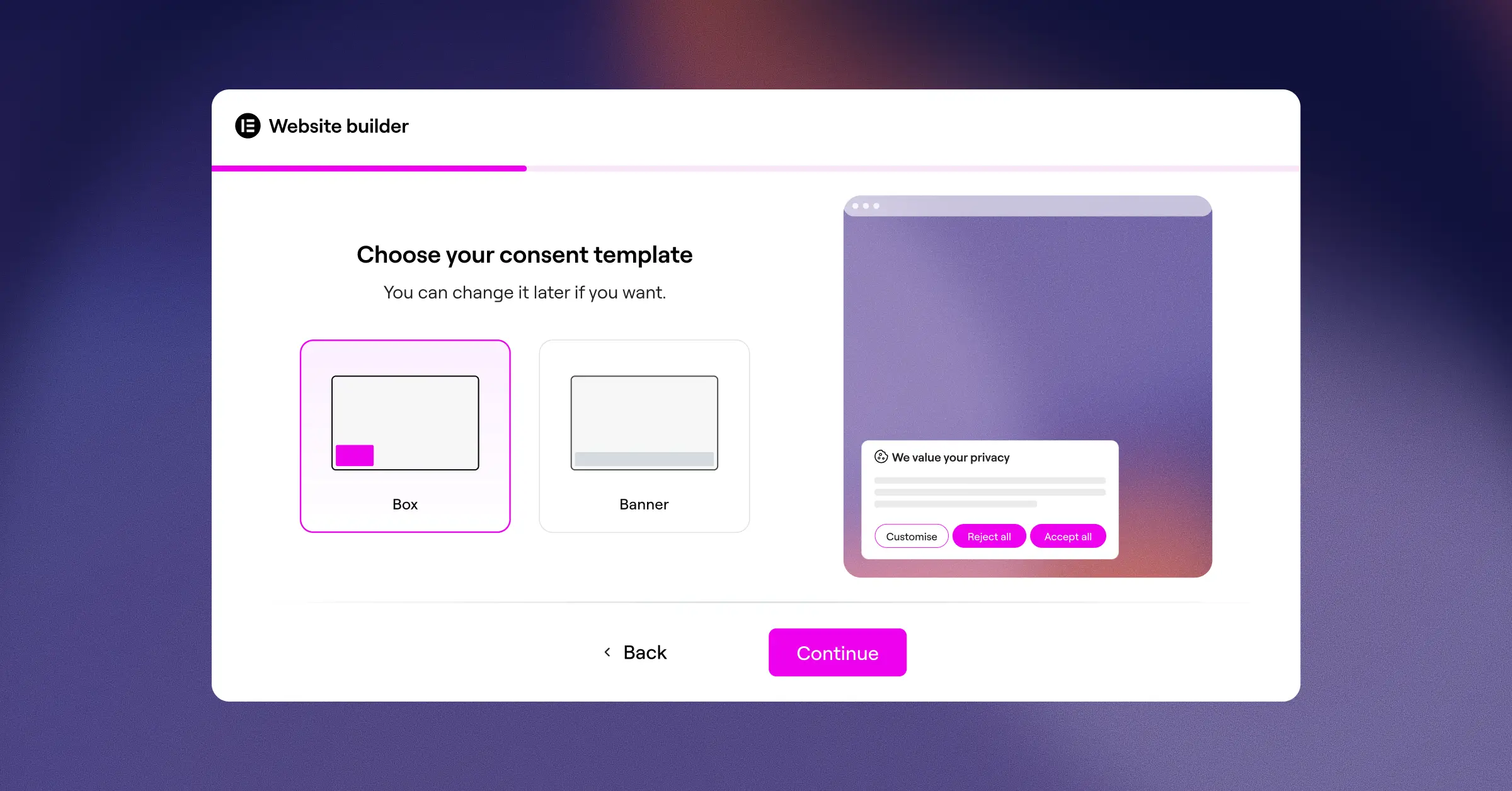
Because Cookie Consent is part of the Elementor ecosystem, you get a privacy system that works with your design workflow instead of around it. It’s available on an entry-level plan and included in the Elementor One package, so it’s accessible at every stage.
How to Set Up Ongoing Monitoring (A Practical Workflow)
To make cookie compliance a genuine habit without it taking over your schedule, you just need a simple routine. You don’t have to check daily, but a regular rhythm keeps you out of trouble. Here’s a practical workflow you can stick to:
- Set a monthly scanning schedule: block a quick reminder on your calendar to run an automatic scan. This catches cookies added by new design elements or marketing campaigns.
- Check your script manager before adding new code: before dropping a new script into your header or footer, categorize it in your consent settings right away so it doesn’t load without permission.
- Test your banner periodically: visit your site in a private window, reject the cookies, and confirm your analytics tags stay inactive until you change your choice.
- Export and review your consent logs regularly: make sure they’re recording correctly and back them up as part of your normal site maintenance.
- Review privacy policy updates quarterly: check whether major regulations have changed and update your policy pages to reflect any new tracking practices.
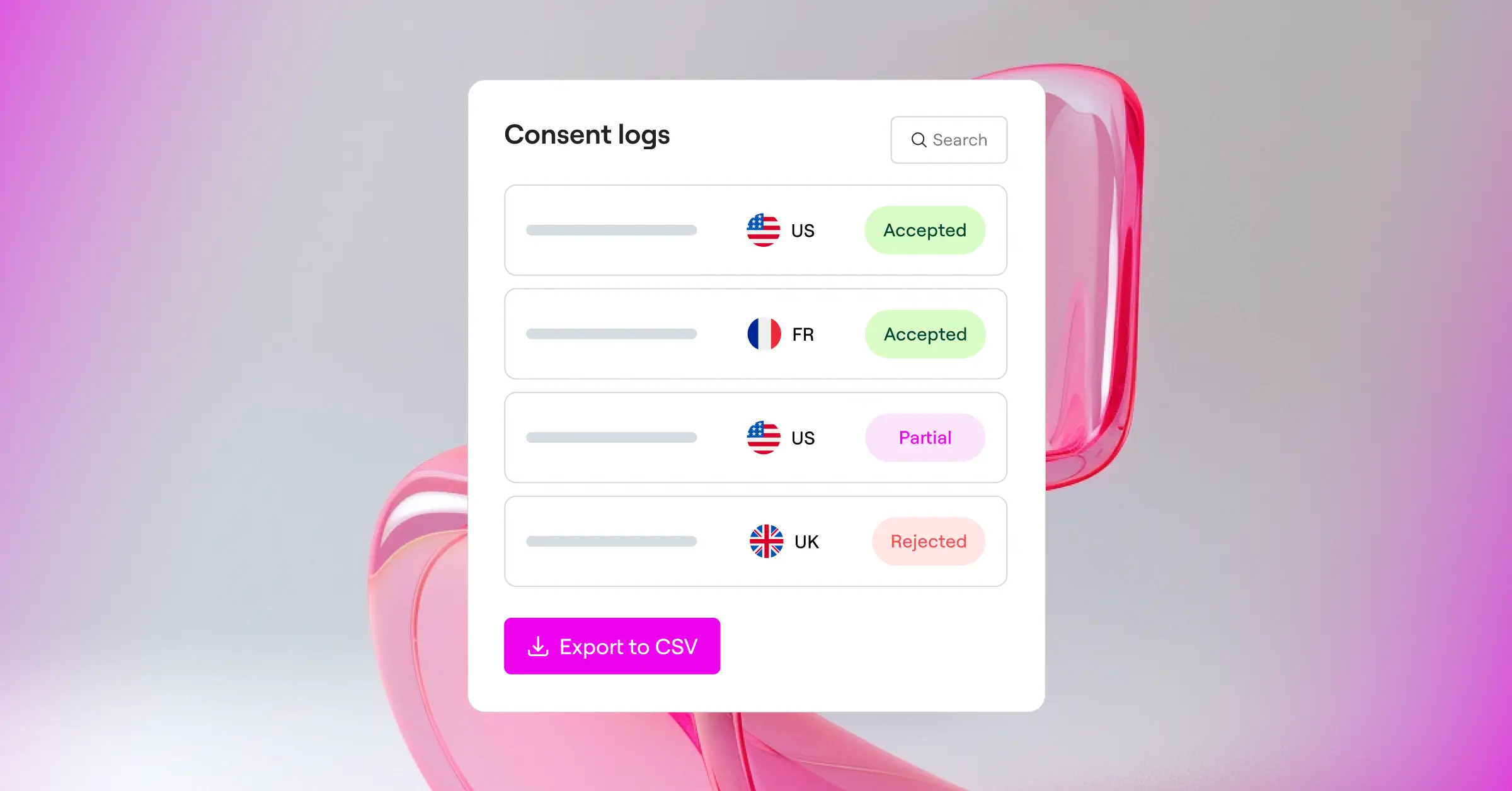
This routine takes just a few minutes each month, but it can save you real legal headaches down the line. Once compliance is part of your regular maintenance, your site stays clean year-round without needing constant attention.
Comparing Popular Cookie Compliance Tools
Plenty of tools can help you manage consent. Choosing the right one depends on your workflow, platform, and how much design control you want. Here’s how Cookie Consent compares to other established options:
| Feature/Capability | Cookie Consent | Cookiebot | CookieYes | Complianz | iubenda | OneTrust |
|---|---|---|---|---|---|---|
| Dashboard Location | WordPress-Native | External Cloud | External Cloud | WordPress-Native | External Cloud | External Cloud |
| Setup Time | Under 5 Minutes | Moderate | Quick | Moderate | Moderate | Complex |
| Consent Mode v2 | Native & Automatic | Supported via script | Supported via script | Supported | Supported | Enterprise setup |
| Design Control | Deep brand matching | Template-based | Template-based | Standard style controls | Template-based | Highly customizable |
| Consent Logs | Built-in | Cloud-hosted | Cloud-hosted | Database-stored | Cloud-hosted | Enterprise-hosted |
External tools like Cookiebot, CookieYes, iubenda, and OneTrust each offer solid compliance features, but they operate outside your WordPress dashboard: separate accounts, separate dashboards, pasted script code in your site header. Complianz is WordPress-based too, though it doesn’t carry the same design integration as a tool built natively into a layout builder.
Cookie Consent brings everything into your native workspace, with the same compliance, consent logging, and Consent Mode v2 support, minus the overhead of external accounts or disconnected code snippets.
Managing Consent Logs and Audit Trails
If a regulatory body ever audits your website, they won’t stop at checking your banner. They’ll ask for proof that visitors actually gave informed consent before being tracked, and that proof is your audit trail, a core requirement under laws like GDPR.
A proper audit trail is a secure log of consent actions. It should show when a visitor gave consent, what choices they made, and which banner version was active at that moment, saved in a format you can export easily. It’s worth setting this up early rather than scrambling for it later.
A cookie consent capability built natively into your CMS handles this automatically. Instead of sending user data to an external cloud database, your native dashboard keeps those records organized and accessible, so you can verify your compliance status anytime and demonstrate it to an inspector with confidence.
Common Pitfalls in Cookie Compliance (And How to Avoid Them)
Even careful site owners run into trouble with cookie compliance. Knowing these common mistakes ahead of time makes them much easier to avoid:
- Loading scripts before consent is given: this is the most frequent error. If your Google Analytics or Facebook Pixel loads before the visitor clicks “Accept,” your banner isn’t functioning correctly.
- Using confusing button designs: your banner must make it just as easy to reject cookies as to accept them. Tiny “Reject” buttons or misleading colors that nudge visitors toward tracking create real compliance problems.
- Forgetting to block new cookies: every time you add a new tool or embedded video, check whether it places new cookies and update your categories so those cookies stay blocked until the visitor consents.
- Ignoring mobile layout: your banner needs to work clearly on phones and tablets. A banner that covers the entire screen with no obvious close button hurts both user experience and compliance.
- Failing to update your policies: your written cookie policy must match what your site actually does. Regular scans help keep policies aligned with active scripts.
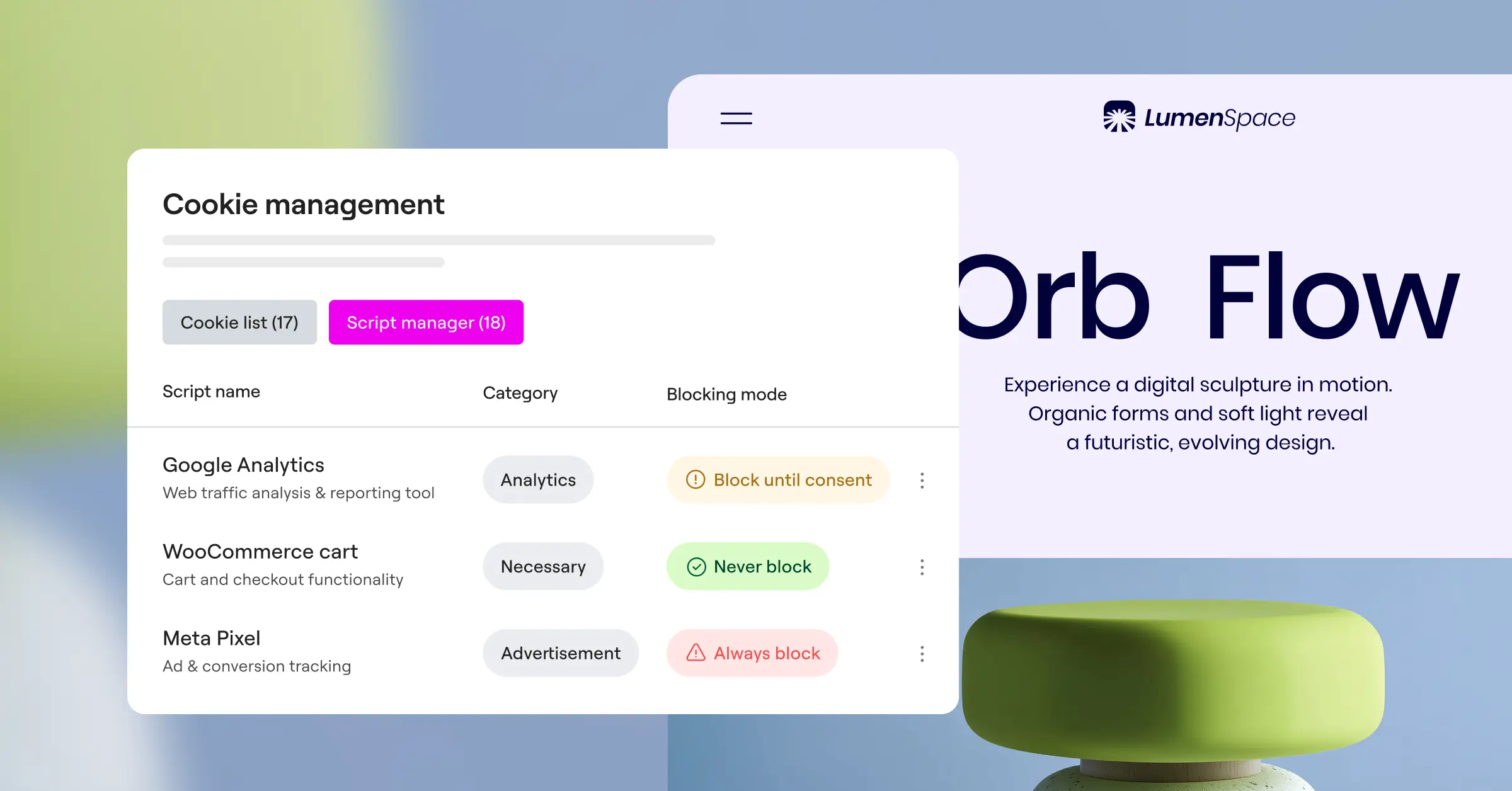
When you use an integrated tool that handles design and script management together, most of these pitfalls take care of themselves. Your setup stays honest and consistent across every device your visitors use.
Advanced Monitoring: Preparing for Future Standards
Privacy standards keep moving forward, and your monitoring approach should move with them. Browser makers keep restricting third-party tracking, so your ongoing monitoring needs to account for how those changes affect your site’s performance and data quality.
One trend worth watching is Global Privacy Control (GPC). This browser setting lets visitors set their privacy preferences once, and their browser communicates those choices to every site they visit after that. Modern consent tools can read GPC signals automatically and respect them without any banner interaction needed. Supporting it shows genuine respect for your visitors’ time.
Keeping your tracking setup clean carries a side benefit too: site speed. Unused or redundant tracking scripts can drag down mobile load times, which affects your search rankings. Regular audits don’t just keep you legally safe, they keep your site fast and lightweight for the people who actually visit it.
Making Compliance Part of Your Web Development Toolkit
Privacy management doesn’t have to feel like a burden. When compliance is a natural extension of your site design, it becomes something you maintain rather than dread. The right native tools let you build sites that are well-designed and respectful of visitor choices from the start.
If you’re already using Elementor’s Cookie Consent capability, you have everything you need to scan cookies, manage scripts, support Google Consent Mode v2, and keep compliance logs without leaving your dashboard. Pair it with Elementor’s Web Accessibility capability for a toolkit covering both privacy and accessibility in one workspace, a smart way to protect your visitors and build a site you’re genuinely proud of. For the complete, integrated WordPress experience, Elementor One bundles it all together.
Frequently Asked Questions
What is ongoing cookie compliance?
Ongoing compliance means regularly checking, updating, and managing the cookies and tracking scripts on your website. Since your site’s code changes every time you add new tools or content, revisit your consent setup periodically to keep your banners and policies accurate and legally sound.
Do I really need cookie consent on my WordPress site?
Yes. If your site has visitors from the EU, the UK, California, or other regions with active privacy laws, you need explicit consent before loading any non-essential cookies. Skipping this can lead to legal penalties and lost trust with your audience.
What is Google Consent Mode v2, and why does it matter?
Google Consent Mode v2 communicates your visitors’ consent choices directly to Google services like Google Analytics and Google Ads. It’s required for sites targeting European traffic that want accurate analytics and ad campaigns that keep performing.
Can I customize the look of my consent banner?
Absolutely. With a native design tool like Elementor’s Cookie Consent capability, you can style your banner to match your brand’s colors, typography, and layout, keeping the experience consistent and professional.
How do automated cookie scans work?
An automated scanner crawls your website to find every active cookie, tracker, and script on your pages, then classifies them into categories like functional, marketing, or analytical, so updating your banners and policies is straightforward.
What should I do if a regulatory body audits my website?
You’ll need to show that your site respects user choices and maintains accurate consent records. A tool that automatically generates and securely stores timestamped consent logs in your dashboard gives you the documentation you need to demonstrate compliance quickly.
What is the difference between a native tool and an external service?
A native tool runs directly inside your WordPress dashboard, keeping your settings, scripts, and logs in one place. External services require separate platforms, outside accounts, and pasted cloud scripts in your site’s header code, adding steps and potential points of failure.

