
The 7 Best WordPress Multisite Hosting Providers for 2025: An In-Depth Guide
Managing one WordPress website has
Managing one WordPress website has

Choosing the right hosting for your blog is the single most important decision you’ll make for your online presence. It’s the foundation upon which your entire site is built. A great host delivers speed, security, and reliability. A poor host leads to slow load times, frustrating downtime, and a constant stream of technical headaches.

Choosing your first web host can feel like one of the most technical and intimidating decisions you’ll make when starting your online journey. The industry floods you with jargon like “shared,” “VPS,” “cloud,” “SSL,” and “CDN.” It’s confusing, and the sheer number of options can lead to analysis paralysis.

Choosing a WordPress host in 2025 is a critical decision. Your host is the foundation of your entire digital presence. A great host delivers speed, security, and peace of mind. A poor host creates slow load times, security holes, and constant headaches. The market is crowded, with every company claiming to be the “fastest” or “most secure.”
As a professional web creator, your choice of hosting is the single most important decision you’ll make outside of the tools you use to build. The foundation of your website dictates its speed, reliability, and ability to scale. For years, we’ve been caught in a trade-off: cheap, slow shared hosting on one end, and complex, expensive dedicated servers on the other. The cloud has changed this conversation completely.
The web of 2025 is faster, smarter, and more demanding than ever. The days of setting up a simple shared hosting account and “forgetting about it” are long gone. Your website’s performance, security, and scalability are no longer just technical details. they are core components of your business. Your hosting is the foundation for everything you build.
Choosing your website’s hosting is one of the most critical decisions you’ll make for your online presence. It’s the foundation upon which your site’s speed, security, and reliability are built. For serious businesses, agencies, and creators, standard shared hosting just doesn’t cut it. This is where managed website hosting steps in, offering a premium, hands-off experience that lets you focus on growing your business, not on managing servers.
Setting up a small business in 2025 involves juggling a dozen different roles. You’re the CEO, the marketer, the developer, and the customer service rep, all at once. In this digital-first world, your website and your email are your primary storefronts. While many creators put a ton of energy into their website’s design (as they should), they often treat their email as an afterthought, settling for a free @gmail.com or @outlook.com address.

You did it. You planned, designed, and built a beautiful, professional website. Maybe you used the Elementor Website Builder to get that pixel-perfect design you envisioned. You hit “publish,” leaned back in your chair, and… nothing happened. The unfortunate truth of the internet is that “if you build it, they will come” simply doesn’t apply. Building your website is just step one. Promoting it is the real, ongoing work.

We’ve all been there: pinching, zooming, and tapping in frustration on a mobile website that just won’t cooperate. You try to click a button, but your thumb hits the link next to it. The page takes forever to load, and when it finally does, a massive popup blocks the entire screen. Finding the product is hard, and paying for it is even harder.
For years, the WordPress community has seen a friendly tug-of-war between two philosophies. On one side, you have the Genesis Framework: the legendary, rock-solid foundation known for its airtight security, clean code, and powerful SEO. On the other, you have Elementor: the revolutionary visual builder that gives creators 100% design freedom with an intuitive drag-and-drop interface.

Finding the perfect name for your website is the first and most exciting step in building your online presence. A great domain name is like a great storefront sign. It’s memorable, tells people who you are, and sets the foundation for your brand. But let’s be honest. Every great idea you have for a .com domain is probably already taken.
In the modern digital world, that little padlock icon in your browser’s address bar is one of the most important symbols on your website. It’s the universal sign of trust. It tells visitors that your site is secure and that the connection between their browser and your server is encrypted. That “s” in “https” (Hypertext Transfer Protocol Secure) is a small letter that makes a massive difference.
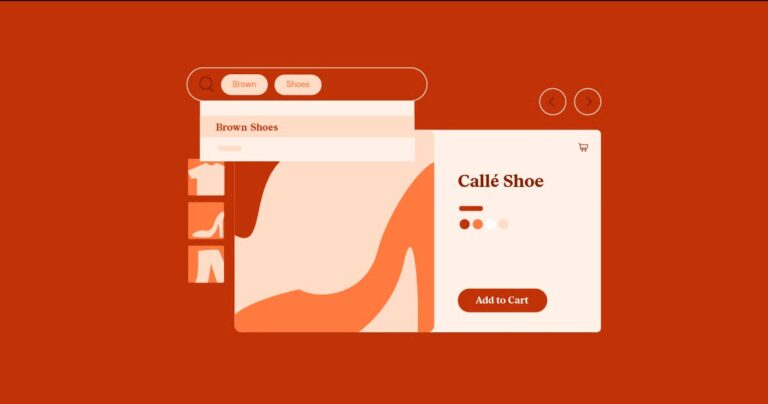
In today’s world, we use websites every second. We use them to shop, learn, connect, and work. They are so fundamental to modern life that we often take them for granted. But have you ever stopped to ask, “What is a website, really?” And more importantly, how does it get from a server somewhere in the world onto your screen?
Starting an online clothing store is an exciting venture. The global fashion eCommerce market is massive and continues to grow, offering entrepreneurs a powerful opportunity to build a brand, connect with an audience, and create a successful business from anywhere. But let’s be clear: launching a store involves more than just uploading a few t-shirt designs. It requires careful planning, smart branding, and the right technical platform.
If you’ve ever wondered how millions of websites publish new articles, add products, or update homepages every day without a team of developers writing code for every single change, you’ve discovered the work of a Content Management System (CMS). A CMS is the engine that runs the modern web, an essential tool that separates your website’s content from its design.

You have probably heard stories of people buying a domain name for $10 and selling it for tens of thousands. It sounds like a digital gold rush. This business is called domain flipping. It’s the digital equivalent of real estate investing. Just like a savvy investor buys a promising property, renovates it, and sells it for a profit, a domain flipper does the same with website addresses.

So you did it. You found the perfect domain name, navigated the checkout process, and now you are the proud owner of a unique address on the web. That initial rush of excitement is fantastic. But it’s often followed by a daunting question: “…now what?”
The wellness industry is built on trust, authority, and connection. Your website is your digital studio, your front office, and your community hub all in one. It’s the single most important asset you have for growing your brand, attracting clients, and building a business that lasts.

A slow website is more than just an annoyance. In 2025, it’s a business killer. Your visitors expect a fast, seamless experience. A delay of just a few seconds is enough to make them abandon their cart, close the tab, and find your competitor. Google knows this, which is why website speed is a critical factor for SEO.

If you think of your WordPress website as a house, the wp-content/uploads folder is its digital filing cabinet. It’s the single location where every image, video, PDF, and file you upload is stored. While most users interact with it through the friendly interface of the WordPress Media Library, understanding what happens under the hood is crucial for any serious site owner.
Launching a new website feels like a finish line. In reality, it’s the starting line. Your website is not a static brochure. It is a living, evolving business tool that requires regular care to function securely, perform optimally, and deliver results. Neglecting it is like buying a new car and never changing the oil. Sooner or later, you’re going to break down.
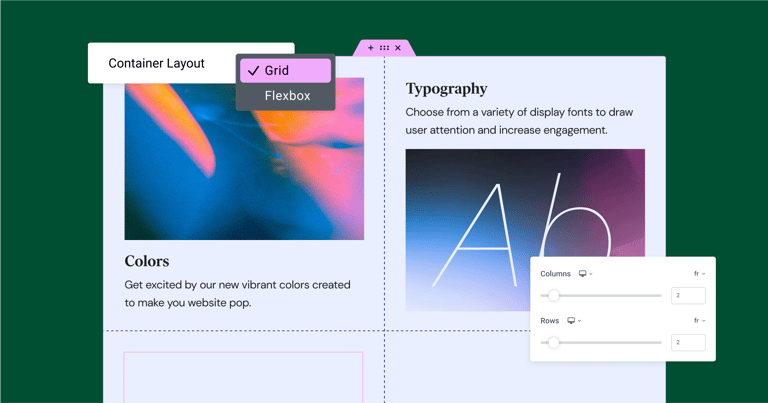
Have you ever wondered how websites transform from a plain text layout into visually stunning, interactive experiences? The secret lies in CSS, short for Cascading Style Sheets. It’s the styling language of the web, responsible for adding color, flair, and dynamic design to the basic structure provided by HTML.
Setting up an online store in 2026 is an incredible opportunity. The tools for building a beautiful, functional eCommerce site have never been more powerful. But let me be blunt: all your work on design, marketing, and product selection can be completely undermined by one bad decision. That decision? Your hosting.