Keeping your site compliant with international privacy laws can feel like a full-time job, especially when you’re weighing names like OneTrust and Cookiebot. Good news: managing consent on WordPress doesn’t have to be stressful. Below, we compare these two platforms and cover the best alternatives for 2026, so you’ll find the right fit whether you run a blog or a busy store.
Key Takeaways
- OneTrust is built for enterprise compliance across multiple platforms, while Cookiebot focuses on automated cloud scanning.
- For WordPress users, Cookie Consent keeps your setup clean without external accounts.
- Google Consent Mode v2 and Global Privacy Control support are must-haves for any 2026 compliance tool.
- The right choice depends on budget, traffic, and whether you want everything inside your dashboard.
OneTrust vs Cookiebot: The Direct Comparison
OneTrust and Cookiebot are two of the most recognizable names in the compliance market, but they serve different audiences. Understanding their design philosophies helps you decide which direction fits your site.
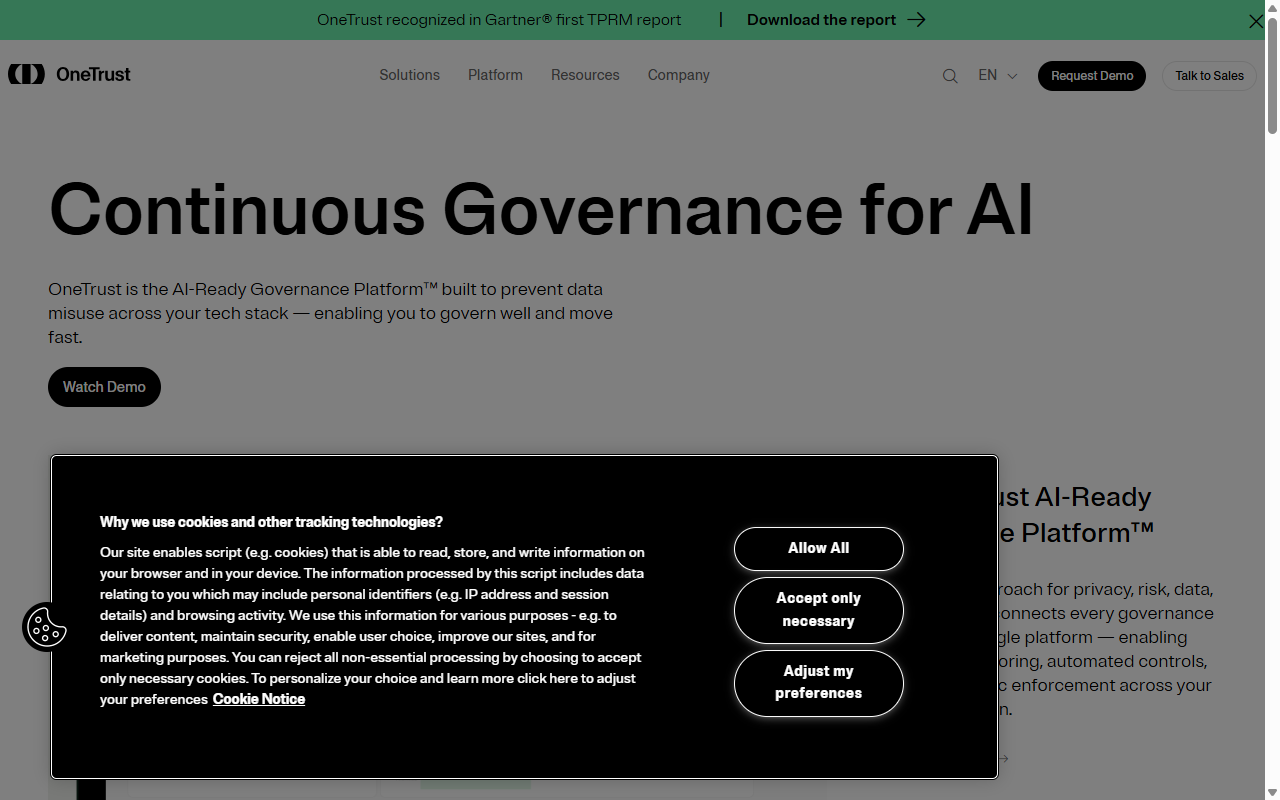
OneTrust is a large enterprise privacy platform built to handle everything from vendor risk management to deep data mapping, a serious option for organizations coordinating compliance across dozens of subsidiaries. Cookiebot, on the other hand, is a focused cloud service that scans websites, categorizes cookies, and displays consent banners, more approachable for most sites though it still runs entirely on an external platform.
Here’s how each approaches the main tasks:
- Enterprise scaling: OneTrust handles compliance across thousands of domains and complex corporate structures.
- Deep privacy management: OneTrust includes tools for data subject access requests (DSAR) and vendor assessments.
- Integration options: OneTrust connects with major marketing technology suites and enterprise databases.
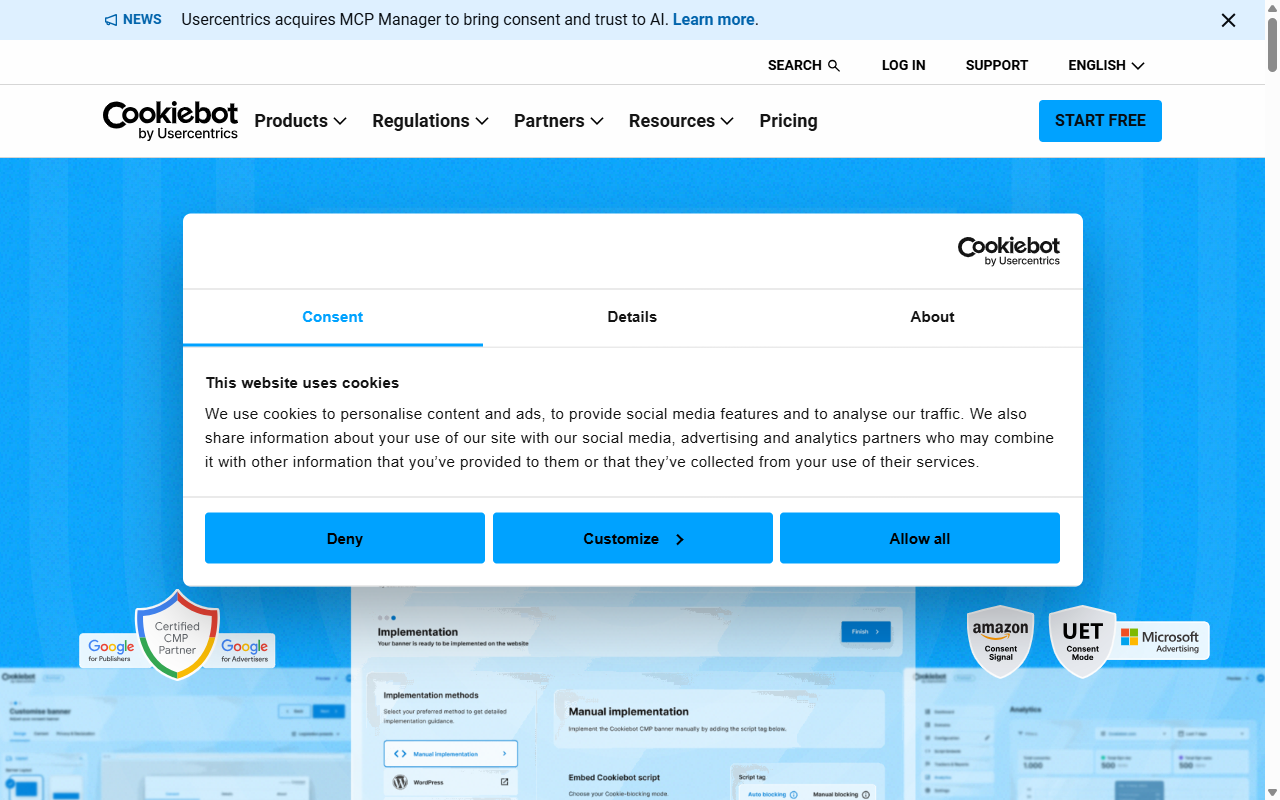
- Automated scanning: Cookiebot runs monthly cookie scans of your website.
- Cloud dashboard: All configuration happens on the Cookiebot platform, keeping WordPress lighter.
- Simple code installation: Cookiebot requires pasting a script into your site header.
Typical setup for both tools:
- Account Creation: You sign up for an external account on their platform.
- Script Generation: You configure banner styling and cookie categories in their dashboard to generate a JavaScript snippet.
- Site Integration: You paste the script into your site header, sometimes needing an extra helper or manual edits.
Both are capable, but they can feel disconnected from your WordPress workflow, which is why many site owners look for alternatives that live directly inside their dashboard.
| Feature | OneTrust | Cookiebot | Cookie Consent (Elementor) |
|---|---|---|---|
| Dashboard Location | External Enterprise Cloud | External SaaS Dashboard | Native WordPress Dashboard |
| Setup Time | Several hours to days | About 30 to 45 minutes | Under 5 minutes |
| Google Consent Mode v2 | Supported (Enterprise tier) | Supported | Supported natively |
| Design Customization | CSS-based configuration | Cloud editor settings | Native editor controls |
| Geo-Targeting | Yes (Advanced rulesets) | Yes | Yes (Built-in) |
Why WordPress Site Owners Need a Better Approach to Consent in 2026
The compliance landscape is shifting fast in 2026, with regulators enforcing privacy rules more actively and search engines changing how they handle tracking. A basic pop-up won’t cut it anymore.
First, Google Consent Mode v2 is now standard for Google Analytics or Google Ads audiences in the UK and EEA, or your marketing data stops flowing accurately. Second, browsers are moving away from third-party cookies, making first-party data more important than before.
That’s why many site owners are gravitating toward native tools. A capability like Cookie Consent from Elementor lets you manage GDPR and CCPA compliance right from your WordPress dashboard, no external scripts or extra logins, while keeping your site fully compliant.
10 Best Cookie Consent Alternatives for 2026
Looking for alternatives to OneTrust and Cookiebot? Here are the best picks, starting with the most WordPress-friendly choice for the Elementor ecosystem.
1. Cookie Consent (by Elementor)
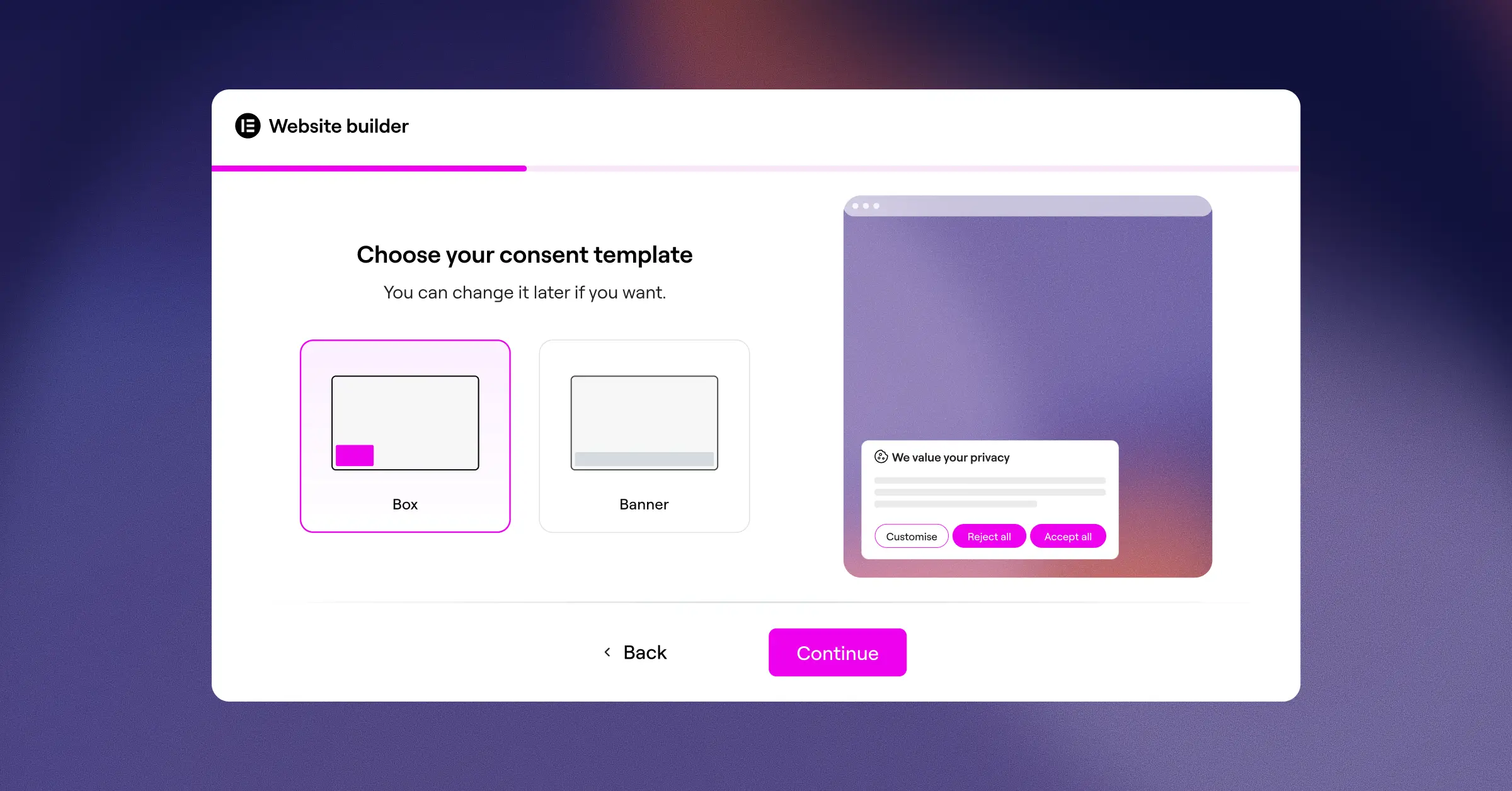
If you already use Elementor, this built-in capability handles your privacy needs without leaving your WordPress dashboard. A three-step wizard gets your banner live in under five minutes and draws on your existing site styles automatically.
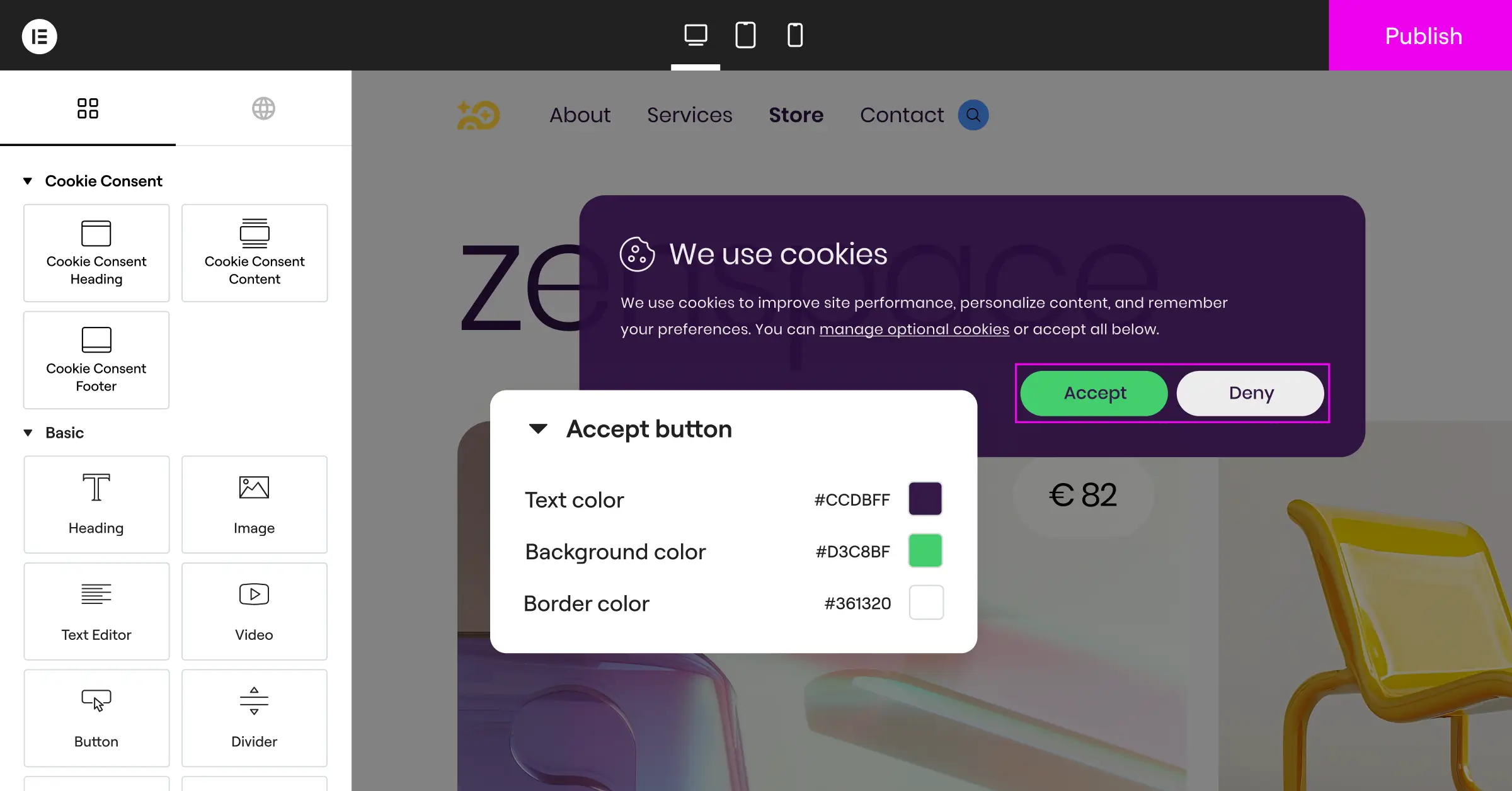
- Builds beautiful banners with native controls that match your brand style.
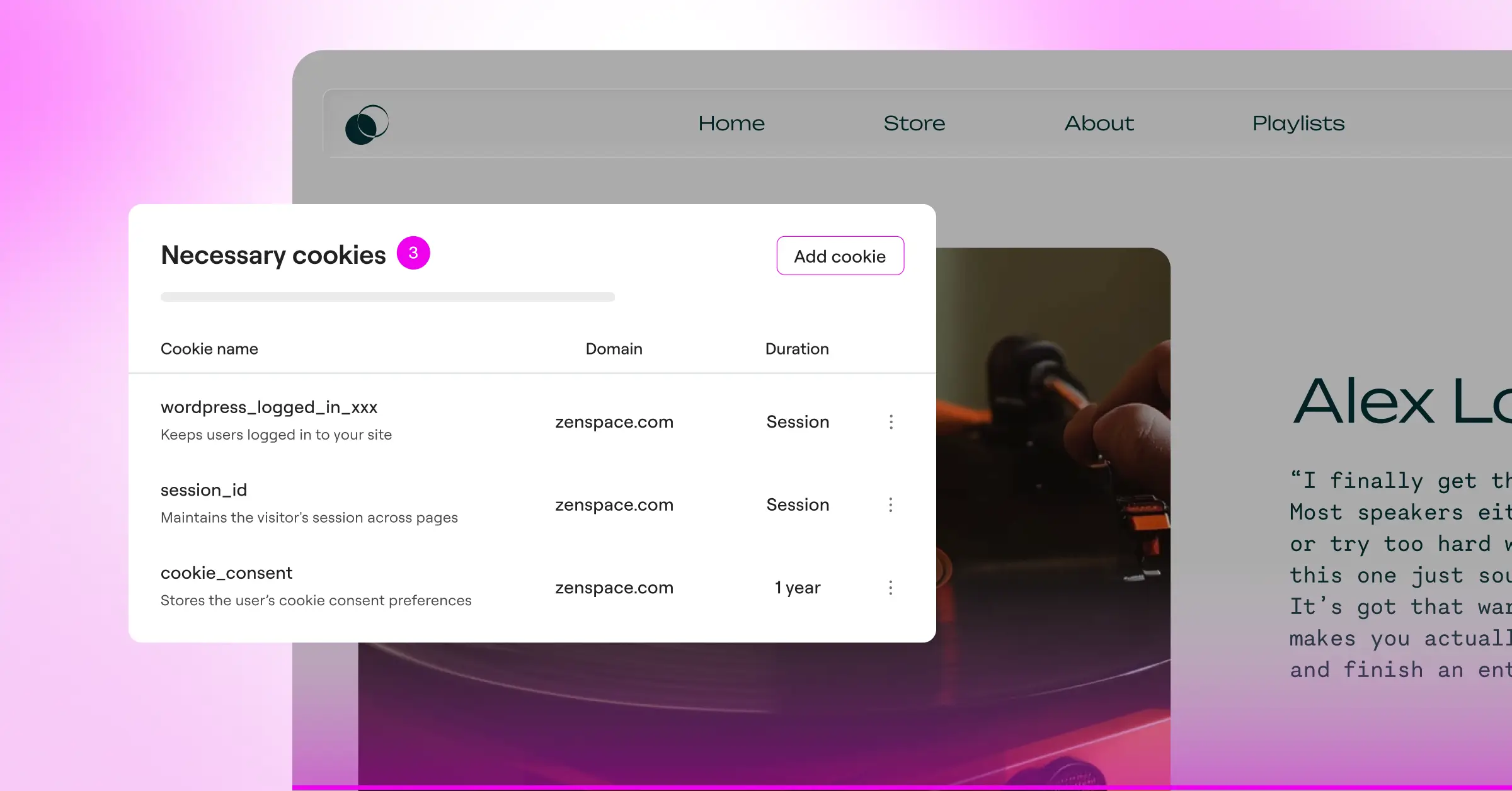
- Scans your site to identify and categorize cookies automatically.
- Manages scripts based on consent preferences, right inside WordPress.
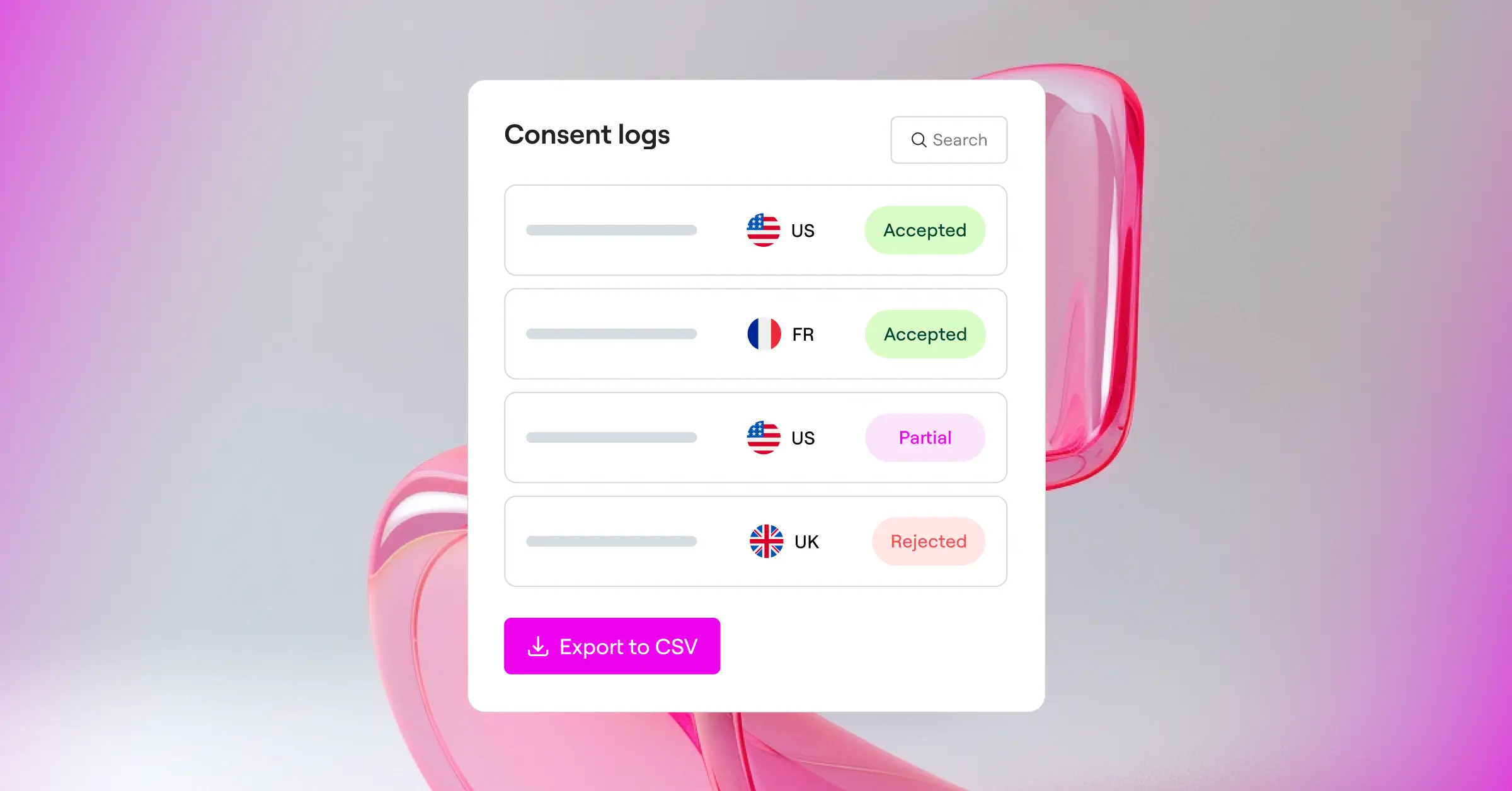
- Tracks consent logs so you always have a clean audit trail ready.
- Supports Google Consent Mode v2 and Global Privacy Control out of the box.
- Targets specific geolocations so banners appear only where legally required.
Pros:
- Entirely native to WordPress, no external dashboards or extra accounts.
- Fully customizable design using controls you already know.
- Included for Elementor One users, a cost-effective choice.
Cons:
- Best suited for sites already running in the Elementor ecosystem.
Verdict: For WordPress owners who want simple site management, this capability is an elegant solution that skips third-party platforms.
2. CookieYes
CookieYes is a popular cloud-based consent manager that connects to WordPress through a companion script. Its web console lets you monitor scans, review your cookie list, and handle opt-outs from one screen.
- Identifies active trackers with a deep automated scanning engine.
- Generates a customizable banner that fits most website templates.
- Maintains consent logs to help prove compliance during audits.
- Translates your consent banner into multiple languages automatically.
Pros:
- The entry-level plan works well for small, low-traffic blogs.
- The cloud dashboard is easy to read and manage.
Cons:
- Settings are managed on an external platform, separate from WordPress.
- Page-view limits on cheaper plans can mean unexpected costs as you grow.
Verdict: CookieYes suits owners who prefer an external SaaS manager over a built-in WordPress dashboard.
3. Complianz
Complianz is a privacy suite built for WordPress, guiding you through regional compliance with an interactive wizard. Rather than just a banner, it asks about your business and generates customized policy documents, handy without easy access to a legal team.
- Guides you through local legal setup using a step-by-step wizard.
- Blocks third-party integrations like Google Maps until users consent.
- Generates dynamically updated privacy and cookie policies.
- Integrates with popular WordPress translation tools for multilingual sites.
Pros:
- Deep integration with native WordPress systems and scripts.
- Excellent automated legal document generation.
Cons:
- The volume of settings can feel overwhelming for beginners.
- Running local script blocking can occasionally conflict with other themes.
Verdict: Complianz is a strong pick for a dedicated WordPress privacy tool with local legal help.
4. iubenda
iubenda is an international compliance platform with a full suite of privacy tools, known for legal document generators that update automatically as global laws change. You manage your cookie banner, privacy policy, and terms in one place, choosing only the pieces your site needs.
- Generates professional legal policies hosted on their cloud servers.
- Syncs compliance updates automatically when regional laws change.
- Provides a highly configurable consent banner widget.
- Supports complex custom scripts for developer-level setups.
Pros:
- Excellent peace of mind from auto-updating legal text.
- A complete suite that covers more than just cookie banners.
Cons:
- The
- The setup process involves connecting several different code snippets.
Verdict: iubenda is a solid option for bundling legal document generation and cookie banner management under one platform.
5. Termly
Termly is a compliance platform for small businesses and startups, pairing a guided dashboard with cookie banners, privacy policies, and terms of service you can build in minutes, no legal or technical background required.
- Scans your domain to categorize cookies into clear categories.
- Builds standard legal disclaimers for professional websites.
- Keeps your compliance records updated through scheduled scans.
- Customizes banner layouts to keep your design consistent site-wide.
Pros:
- Very easy for beginners to set up and run.
- No developer skills required for basic settings.
Cons:
- Lacks the deeper customization and API access that larger sites need.
- The entry-level plan includes Termly branding on your banners.
Verdict: Termly is a great starter tool for small businesses that need compliance quickly.
6. Osano
Osano is an enterprise-grade data privacy platform built around safety and peace of mind, including a pledge to defend users against compliance fines when configured correctly. It blocks data tracking before consent and monitors vendors to flag how they handle user data.
- Monitors third-party vendors to check their data privacy practices.
- Blocks scripts dynamically before visitor consent is registered.
- Provides legal protection against compliance fines for peace of mind.
- Manages data subject access requests (DSAR) from a unified console.
Pros:
- High level of legal trust and compliance protection.
- Excellent for companies concerned about vendor data sharing.
Cons:
- The advanced features can be more than most WordPress blogs need.
Verdict: Osano suits growing companies that want a premium compliance platform with built-in legal safeguards.
7. Usercentrics
Usercentrics is a flexible consent management platform popular among developers, built to deploy consent banners across websites, web apps, and mobile apps. Its modular design and powerful APIs let you build fully custom consent experiences.
- Integrates with major enterprise tag managers and marketing systems.
- Supports custom developer APIs for tailored compliance solutions.
- Manages consent across multiple platforms, including mobile applications.
- Provides detailed documentation for technical teams.
Pros:
- Excellent flexibility for developers and custom setups.
- Strong support for complex multi-platform architectures.
Cons:
- Requires a higher level of technical knowledge to configure properly.
- No simple setup wizard for casual WordPress users.
Verdict: Usercentrics fits developers who need deep API access to design custom consent pathways.
8. Consent Manager
Consent Manager is a European compliance tool optimized for publishers and ad-supported websites, focused on maximizing consent rates so your ad revenue stays stable. Built-in A/B testing lets you test banner styles and placements against the latest European advertising standards.
- Runs built-in A/B tests to optimize user consent rates over time.
- Measures consent behavior with complete reporting tools.
- Supports the IAB TCF standard for online advertising compliance.
- Translates banners into dozens of languages natively.
Pros:
- Excellent for ad-supported publishers who need high opt-in rates.
- Strong European compliance standards out of the box.
Cons:
- The dashboard is highly analytical and can look cluttered for some.
- Not as intuitive for owners who don’t run advertising networks.
Verdict: Consent Manager best fits publishers and media sites balancing privacy compliance with ad revenue goals.
9. Securiti
Securiti is a complete data intelligence platform that includes cookie consent as part of a broader security toolset, helping enterprises discover, classify, and secure user data across cloud environments. Its real value is scanning databases, cloud storage, and APIs for organizations with complex compliance needs.
- Discovers personal data locations across your digital environment.
- Automates cookie consent management across global regions.
- Classifies tracking technologies using AI-driven models.
- Maintains a unified dashboard for privacy and security tasks.
Pros:
- Advanced data intelligence capabilities.
- Well suited for companies managing complex cloud databases alongside websites.
Cons:
- Very high enterprise
- Far too complex for standard WordPress site management.
Verdict: Securiti suits large organizations aligning website consent with broader data security and compliance programs.
10. Enzuzo
Enzuzo is a lightweight data privacy platform for e-commerce stores and small-to-medium businesses, connecting with Shopify and WordPress for fast, low-friction compliance. Its clean, focused dashboard makes it easy to launch cookie banners and privacy policies without slowing your checkout.
- Builds fast-loading cookie banners that keep your store running smoothly.
- Manages data deletion requests with simple, consumer-friendly forms.
- Updates privacy policy text automatically based on your operations.
- Supports multilingual setups for global e-commerce customers.
Pros:
- Optimized for e-commerce performance and speed.
- Clean, modern design that looks great on mobile screens.
Cons:
- Lacks some of the deeper developer tools found in enterprise options.
- The entry-level plan has limited monthly page views.
Verdict: Enzuzo is a lightweight compliance alternative for e-commerce owners who prioritize speed and mobile design.
“In 2026, privacy compliance is no longer just about avoiding a fine. It’s about building digital trust. Site owners who choose integrated, native consent tools find it significantly easier to maintain this trust because they don’t have to rely on complicated, external data pipelines to keep their visitor settings accurate.”
(Itamar Haim, Web Compliance Specialist)
How to Choose the Right Cookie Consent Capability for Your Site
Finding the right cookie consent capability doesn’t have to be a guessing game. Focus on your day-to-day workflow, and you’ll pick a tool that protects visitors without adding to your workload.
A simple way to evaluate your options:
- Evaluate your platform: Decide whether to manage everything inside WordPress or through an external interface.
- Check for GCM v2 support: Make sure the tool supports Google Consent Mode v2 so your analytics stay accurate.
- Analyze your traffic sources: If you only want banners shown in certain jurisdictions like the EU or California, look for built-in geo-targeting.
For a native approach, setup takes just a few steps:
- Locate the capability: Access your dashboard compliance settings. With Elementor’s Cookie Consent, everything lives under native dashboard options.
- Run the initial scan: Let the system scan your site and sort scripts and cookies into the right categories.
- Design and publish: Customize your color scheme, configure geo-targeting, and set the banner live.
Keeping your compliance tools close to your design interface keeps your site legally sound and visually aligned with your brand. Curious how this fits the broader Elementor ecosystem? Explore Elementor One, which bundles it alongside capabilities like web accessibility and site management.
Frequently Asked Questions
Is a cookie consent banner legally required for my WordPress site?
If your site gets visitors from regions covered by the GDPR or CCPA, you’re generally required to get consent before running non-essential tracking cookies. This applies even if your business is based elsewhere, since these laws protect the users themselves.
Do I need an external account to use cookie consent tools?
No, not always. Cookiebot and OneTrust require managing settings on their external platforms, but native tools let you run your entire setup from your WordPress dashboard, no extra login required.
What is Google Consent Mode v2 and do I need it?
Google Consent Mode v2 communicates consent choices from your cookie banner to Google Analytics and Google Ads. If you run ads or track metrics in Europe, your tool needs to support this standard to keep data flowing accurately.
Can I customize how my cookie banner looks to match my brand?
Yes, though how easy depends on your tool. Native solutions apply your existing design styles inside your editor, while external tools usually need cloud dashboard adjustments or custom CSS.
Does showing a cookie banner slow down my website load time?
Some external tools add a slight delay by loading JavaScript from remote servers. A built-in WordPress capability runs locally, keeping your site cleaner and faster.
How does geo-targeting work for cookie consent banners?
Geo-targeting uses the visitor’s IP address to determine location, then shows a banner based on that region’s laws, so visitors where it isn’t required won’t see an unnecessary pop-up.
Can I write my own cookie policy or should I use a generator?
You can draft your own policy, but a built-in generator is the smart move since legal requirements change often, keeping your policy’s language and cookie tables up to date automatically.
What happens if a visitor ignores the consent banner?
Under strict rules like the GDPR, no non-essential cookies should load if a user ignores the banner without making an active choice. The system waits for a deliberate click before running any tracking scripts.