
Keeping up with visitor privacy on your WordPress site can feel like chasing a moving target. Here we’re comparing two very different approaches: the highly customizable iubenda and Elementor’s own Cookie Consent, so you can pick what fits your site.
Good news: both tools are solid. The real question is which one fits how you build and run your sites. Let’s dig in.
Key Takeaways
- Native dashboard integration saves time managing compliance without leaving WordPress.
- Cookie Consent gives Elementor users a lightweight, dashboard-native setup.
- iubenda offers a customizable, multi-platform compliance suite, run via an external portal.
- Google Consent Mode v2 support matters in 2026 for sites running Google analytics or ads.
- The right choice comes down to a native setup versus a broader external privacy manager.
Understanding the 2026 Compliance Environment
Privacy laws aren’t just for large corporations anymore. If your WordPress site gets visitors from Europe, California, or any region with active privacy laws, you need a clear consent mechanism. Regulators have issued real GDPR fines to sites of every size, and browsers keep phasing out third-party cookies, so consent matters more each year.
- Clear Banner Notifications – Give visitors a clear choice to opt in or out of cookie tracking before scripts load.
- Google Consent Mode v2 – Required for sites serving EU traffic relying on Google for advertising or analytics.
- Audit-Ready Logs – Keep dated logs of consent choices on hand in case a regulator asks.
Comparison of the Top Consent Tools
Here’s how the top tools compare on setup, integration, and compliance features.
| Tool Name | Native WordPress Dashboard? | Setup Complexity | Google Consent Mode v2? | Primary Use Case |
|---|---|---|---|---|
| Cookie Consent | Yes (Fully Native) | Very Low (Under 5 mins) | Yes | WordPress & Elementor users wanting simple native workflows |
| iubenda | No (External Portal) | Medium to High | Yes | Sites needing multi-platform legal document generation |
| Cookiebot | No (External Portal) | Medium | Yes | Businesses wanting automated monthly script scans |
| CookieYes | No (External Portal) | Low to Medium | Yes | Multi-language blogs and small commercial sites |
10 Best iubenda vs Cookie Consent Alternatives in 2026
The right fit depends on how a tool slots into your workflow. Here are the ten best options for WordPress users, starting with the two main contenders.
1. Cookie Consent
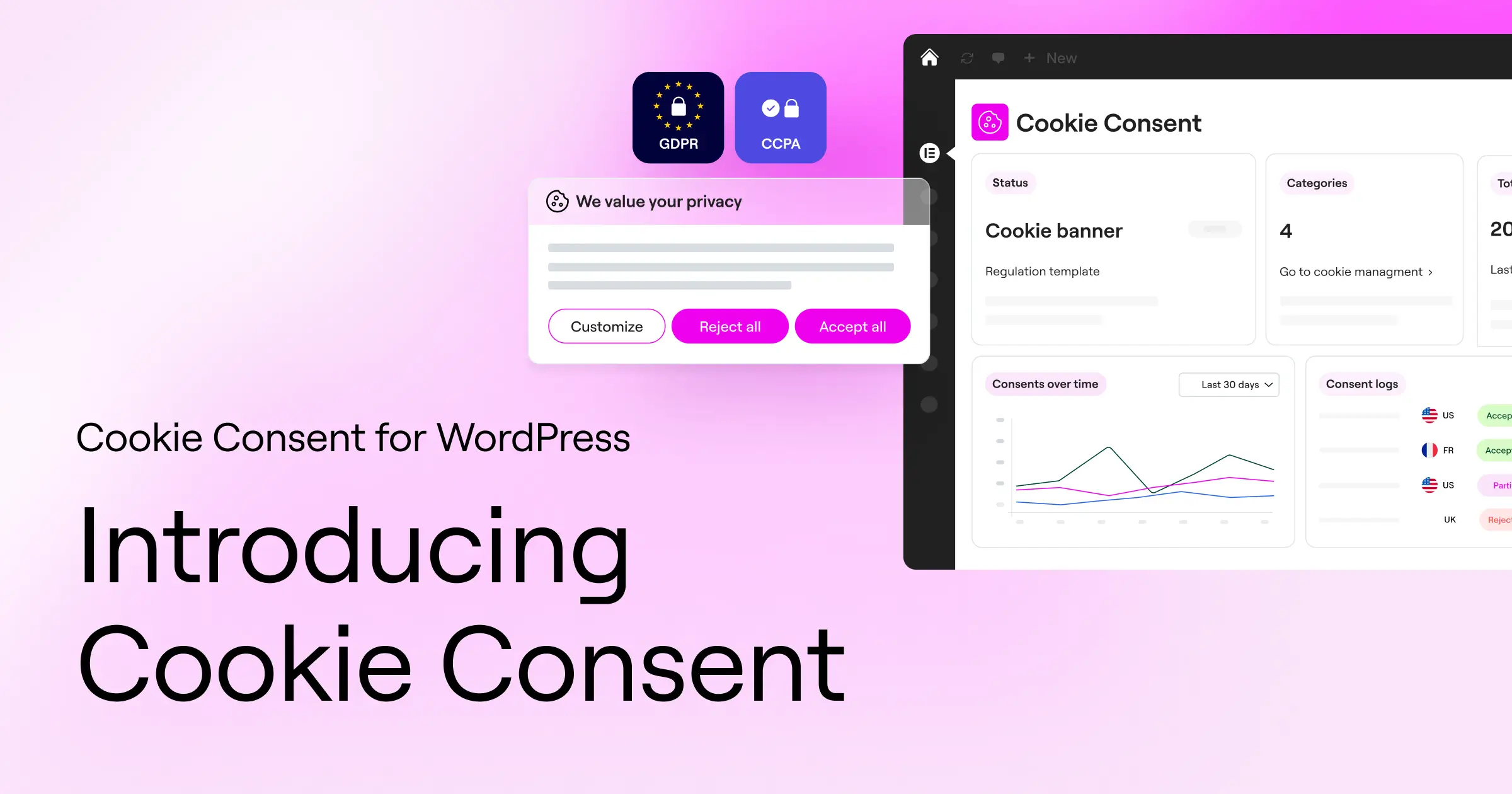
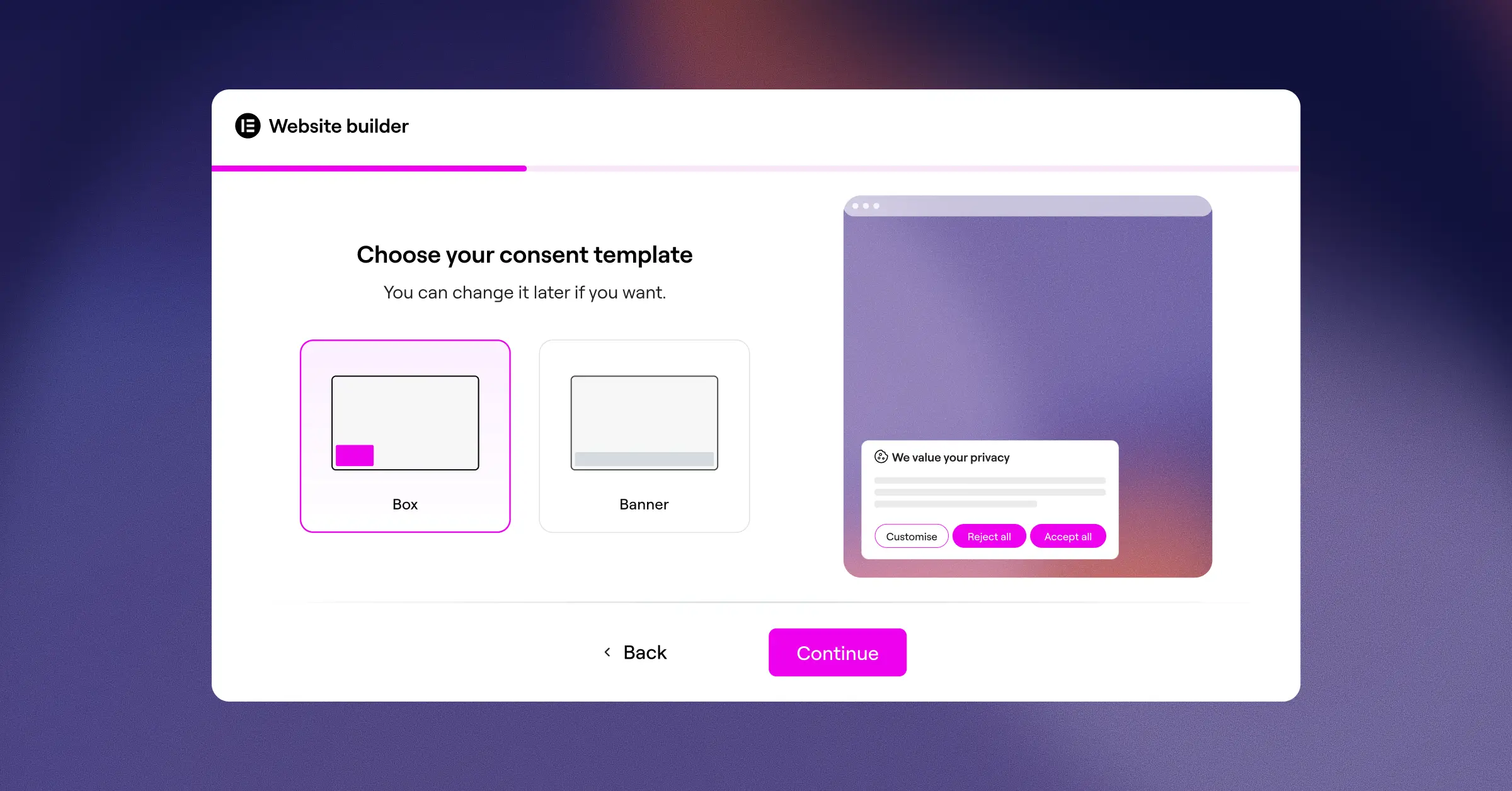
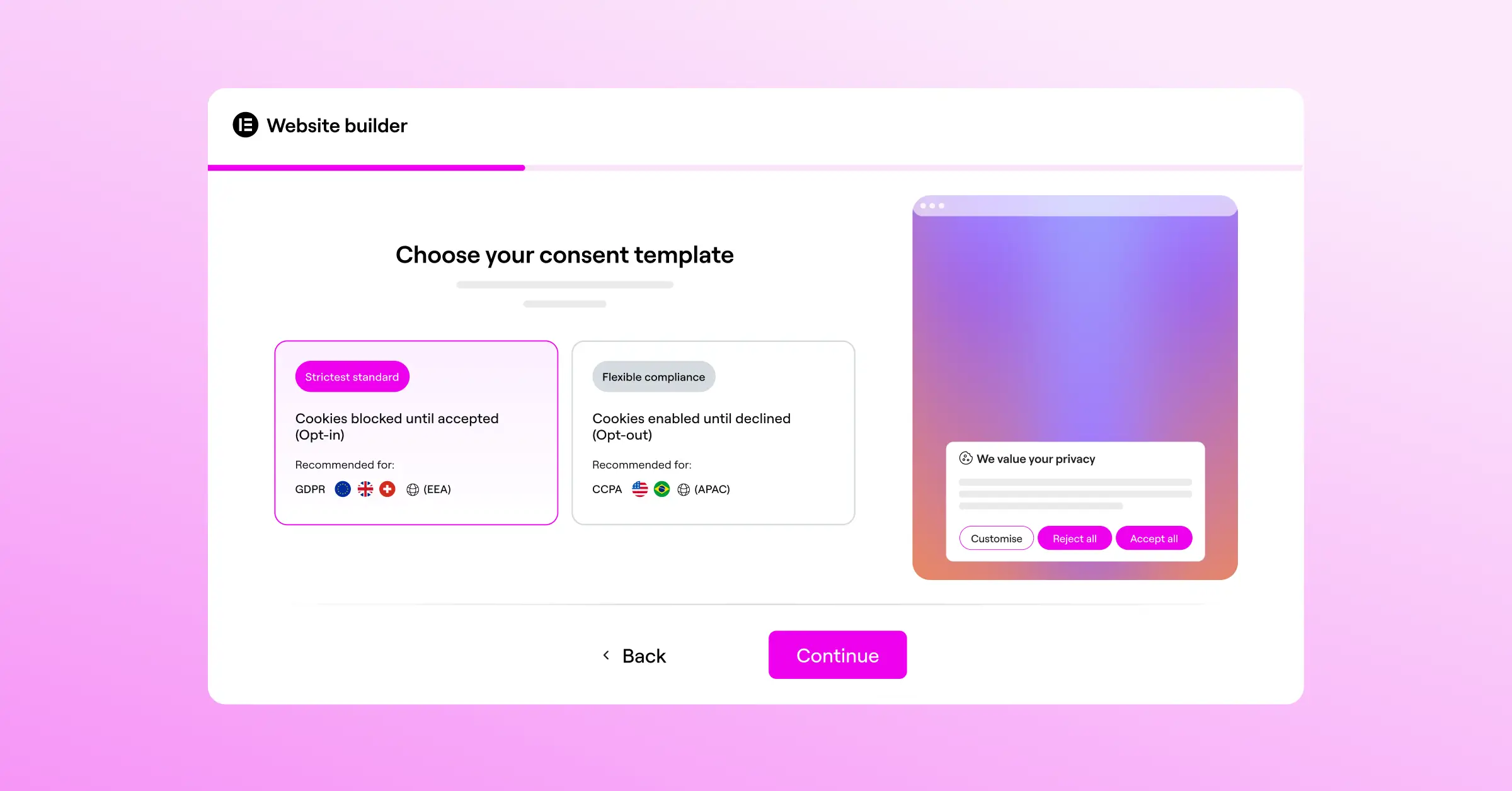
Cookie Consent keeps things simple. It handles GDPR and CCPA compliance right from your WordPress dashboard, no separate platform, no API wrangling, and works naturally with Elementor. Setup takes about five minutes: scan, style, publish.
Key Features:
- Builds custom banners in the WordPress editor with full styling tools.
- Connects to Google Consent Mode v2 for ads and analytics.
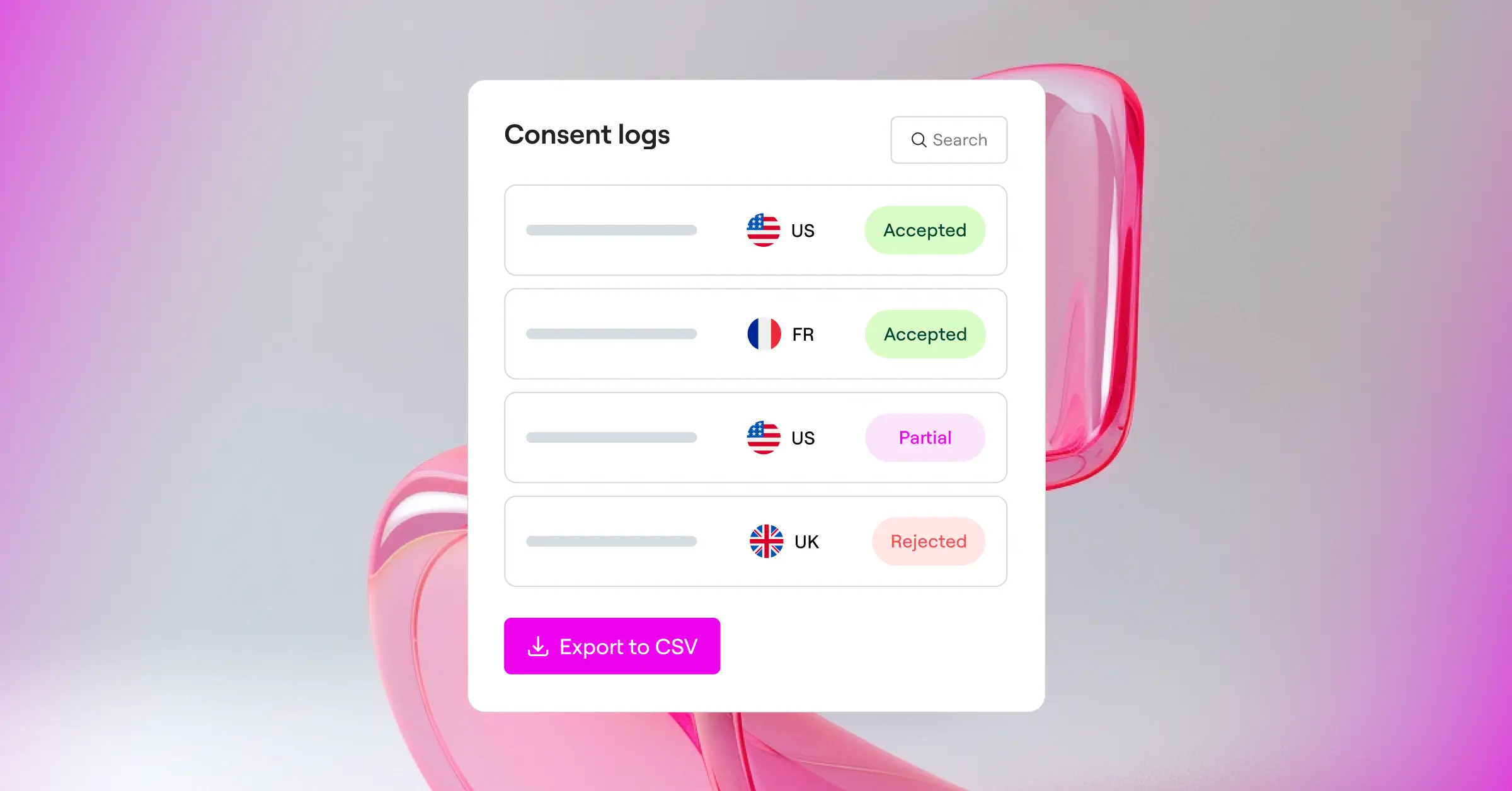
- Stores consent logs locally for audit protection.
- Scans cookies and scripts automatically, no external setup needed.
- Targets visitors by location so banners show only where required.
Pros:
- Fully native to WordPress, no external dashboard to manage.
- Fast setup, ideal for creators and design agencies.
- Included in Elementor One with a useful entry-level plan.
- Keeps site speed high by skipping heavy external JavaScript.
Cons:
- Tied to WordPress, so it won’t suit non-WordPress sites.
- Fewer built-in policy templates than specialized legal-first platforms.
Verdict:
Cookie Consent fits WordPress users who want to skip external subscriptions and dashboards.
2. iubenda
iubenda is a well-established privacy name, an all-in-one suite for privacy policies, terms of service, and cookie banners. It runs through an external portal, handy if you operate across multiple platforms, like WordPress alongside Shopify. Being legal-first, it offers detailed policy customization, with setup handled in their cloud panel.
Key Features:
- Generates privacy policies and terms of service that update automatically as laws change.
- Auto-detects cookies and tracking scripts using cloud scanners.
- Configures consent banners for global audiences with legal tailoring.
- Saves records of user choices securely on cloud servers for GDPR.
Pros:
- Highly customizable legal templates drafted by real lawyers.
- Works on any platform, not just WordPress.
- Handles auto-updates for policy text as global rules change.
Cons:
- Dashboard can feel overwhelming for beginners or single-site owners.
- Can get pricey as you add languages, policies, and domains.
- Requires working in an external dashboard and pasting code.
Verdict:
iubenda suits larger, multi-platform businesses needing legal document generation alongside cookie banners.
“Keeping up with global privacy standards doesn’t have to be a technical headache. A clean, native workflow that respects user privacy while maintaining data accuracy is the gold standard for modern website owners.”
Itamar Haim, Web Compliance Specialist
3. Cookiebot
Cookiebot is a widely respected compliance tool known for automatic cookie detection and script blocking. It’s cloud-based: paste their script, and it runs a monthly deep-scan, categorizing cookies and keeping declarations accurate with no manual updates. It’s reliable for WordPress, with solid Google Consent Mode v2 support and a common agency pick.
Key Features:
- Scans websites monthly for active tracking technologies and cookies.
- Categorizes tracking scripts into necessary, preference, statistics, and marketing groups.
- Displays customizable consent banners based on visitor location.
- Delivers monthly compliance reports to your email inbox.
Pros:
- Highly accurate automated scanning engine.
- Excellent geographic detection for region-specific notices.
- Strong developer API for advanced tracking.
Cons:
- Entry-level plan is limited to sites under 50 pages.
- External dashboard adds another login to manage.
Verdict:
Cookiebot suits medium-sized sites that want hands-off, automated audits and don’t mind a size-based subscription.
4. CookieYes
CookieYes is a user-friendly cloud platform known for clean design and quick setup. Its dashboard lets you customize your banner, view consent logs, and schedule scans, and it supports many languages for international blogs. It connects to WordPress via a simple snippet, though you’ll still leave WordPress for analytics.
Key Features:
- Supports multilingual banners for international audiences automatically.
- Saves visitor consent logs in a secure, GDPR-compliant cloud database.
- Integrates with popular content management systems through a lightweight script.
- Blocks third-party scripts automatically before consent is recorded.
Pros:
- Clean, modern interface that’s easy to understand.
- Generous entry-level plan for basic websites and personal blogs.
- Very simple script integration process.
Cons:
- Advanced branding and CSS customization require paid plans.
- Reporting and consent logs are hosted externally.
Verdict:
CookieYes suits growing blogs and small businesses wanting a simple cloud tool with a reliable entry-level plan.
5. Complianz
Complianz is a privacy suite for the WordPress community. Its wizard-style approach asks about your site and data habits, then generates matching legal documents and configures your banner to fit local laws. Running on your own server, you keep full data ownership, good for developers skipping external subscriptions.
Key Features:
- Configures regional cookie policies dynamically based on visitor location.
- Integrates with popular WordPress themes and contact forms.
- Generates legally drafted documents for GDPR, CCPA, and COPPA compliance.
- Blocks social media scripts and video player trackers before user choice.
Pros:
- Completely native to WordPress, no external cloud accounts needed.
- Step-by-step setup wizard is great for beginners.
- Excellent support for local server-side data privacy.
Cons:
- The wizard can feel long if you’re in a hurry.
- The interface looks complex given the number of configuration options.
Verdict:
Complianz suits those who want a detailed compliance wizard inside WordPress, kept off external servers.
6. Termly
Termly is a compliance suite for startups and small business owners, offering privacy policies, terms and conditions, and a cookie consent manager. Its clean interface guides you through form questionnaires, no law degree needed. It’s cloud-hosted: generate your code on the Termly site and paste it into WordPress.
Key Features:
- Creates custom, attorney-drafted policies using interactive forms.
- Scans websites regularly to find and categorize tracking scripts.
- Hosts policy pages on secure cloud servers with automatic updates.
- Translates consent banners into multiple European languages.
Pros:
- Excellent policy generator for general business legal requirements.
- Very clean user interface that doesn’t require coding skills.
- Affordable pricing for solo sites and small teams.
Cons:
- The entry-level plan shows Termly branding on your site.
- Not as deeply integrated with WordPress as native alternatives.
- Fewer developer options for complex tracking setups.
Verdict:
Termly fits new businesses that need standard legal policies and a basic cookie banner in one tool.
7. OneTrust
OneTrust is an enterprise-grade privacy and risk management platform for large corporations and e-commerce networks managing complex data across many systems, covering data mapping, vendor risk assessments, and consent logging. For a standard WordPress blog it’s likely more than you need, but for an enterprise with a dedicated compliance team, it’s one of the most thorough options available.
Key Features:
- Manages enterprise-level data privacy workflows across thousands of properties.
- Maps data processing activities across complex corporate systems and departments.
- Builds custom preference centers for detailed user control over communications.
- Maintains global regulatory databases to adjust consent requirements automatically.
Pros:
- Unmatched compliance depth for international enterprise brands.
- Highly customizable preference management systems.
- Detailed reporting for legal audits and corporate compliance officers.
Cons:
- Very complex setup process requiring specialized training.
- Expensive, and pricing is not designed for small teams.
- Too heavy for typical WordPress blog environments.
Verdict:
OneTrust is the logical choice for large enterprises with dedicated legal and compliance teams managing complex global data.
8. Osano
Osano is an easy-to-use, secure compliance platform, known for its “No-Fine Pledge,” covering regulatory fines if your site is penalized while using their tool correctly. It monitors thousands of vendor privacy policies to block unauthorized tracking. It’s a premium cloud service: install their script and manage settings from the Osano portal.
Key Features:
- Guarantees compliance protection with a unique monetary pledge.
- Blocks non-compliant tracking scripts automatically before they load.
- Monitors vendor privacy practices across thousands of tracking tools.
- Translates consent banners into dozens of languages based on visitor location.
Pros:
- Excellent peace of mind with their compliance pledge.
- Clean, professional design that looks great out of the box.
- Strong automation for script blocking.
Cons:
- Premium pricing that may not suit smaller budgets.
- Requires external account creation and scripts on your site.
Verdict:
Osano fits companies with healthy budgets that want a financial guarantee behind their compliance tool.
9. Usercentrics
Usercentrics is a European privacy specialist for strict GDPR requirements, bridging your website, marketing stack, and consent logs. It integrates closely with tools like Google Tag Manager, letting you build custom preference centers so visitors can toggle tracking tools on or off.
Key Features:
- Collects user consent across websites, web apps, and mobile applications.
- Customizes interface elements to match precise corporate style guides.
- Synchronizes consent data with CRM tools and marketing platforms.
- Manages marketing tags dynamically based on real-time consent choices.
Pros:
- Highly respected in the European market for strict GDPR adherence.
- Very flexible for developer configurations and API integrations.
- Works well with advanced Tag Manager setups.
Cons:
- Requires technical expertise to configure and customize correctly.
- Interface can be intimidating for standard WordPress users.
Verdict:
Usercentrics fits developer-heavy teams building complex websites that need customized consent integrations.
10. Consent Manager
Consent Manager is a performance-focused tool built to balance legal requirements with marketing data. Built-in analytics and A/B testing help optimize your banner for higher opt-in rates within the bounds of privacy law. It’s a solid option for e-commerce sites and publishers relying on conversion and ad revenue.
Key Features:
- Optimizes acceptance rates using built-in A/B testing tools.
- Generates detailed compliance reports for internal audits.
- Supports custom CSS styling for precise banner adjustments.
- Detects user locations to serve regional legal notices dynamically.
Pros:
- Built-in testing tools help retain tracking data legally.
- Detailed analytics dashboard for tracking user behavior.
- Fast loading times thanks to optimized CDN delivery.
Cons:
- The dashboard is highly analytical and takes time to learn.
- Visual styling tools aren’t as beginner-friendly as drag-and-drop editors.
Verdict:
Consent Manager suits data-driven e-commerce owners who want to test banners for the highest legal opt-in rate.
How to Choose and Set Up Your Consent Tool
Picking a tool is step one. Here’s how to get set up right:
- Audit Your Site’s Cookies – Scan to see what cookies and scripts are active before you categorize them.
- Design for Trust – A clunky, off-brand banner unsettles visitors; a clean one builds trust. With Elementor’s Cookie Consent capability, your banner becomes a natural extension of your brand.
- Test the Consent Workflow – Once live, open your browser in private mode and verify tracking scripts don’t load until you click “Accept.” That’s what keeps you compliant.
Testing and Troubleshooting Your Banner
Do a quick monthly banner checkup with this checklist:
- Check Google Consent Mode – Confirm in Google Tag Assistant that consent states update from denied to granted on accept.
- Verify Script Blocking – Check your browser console to confirm third-party scripts, like Facebook Pixels, don’t fire before a visitor approves.
- Review Consent Logs – Confirm anonymous user actions are logged with timestamps, your main protection if a compliance question arises.
Frequently Asked Questions
Do I really need a cookie consent banner in 2026?
Yes, if your site gets visitors from the EU, UK, California, or other privacy-law regions, you need a consent banner. Even small blogs must manage tracking scripts responsibly; skipping this can mean lost ad revenue, search penalties, or fines.
What is Google Consent Mode v2 and does my site need it?
Google Consent Mode v2 communicates your visitors’ consent choices to Google Analytics and Google Ads. If you serve EU visitors and use Google for marketing or analytics, you need it. It lets you gather anonymous, model-based data even when users decline cookies, keeping insights while staying compliant.
Can I use a free cookie consent tool?
Yes, many tools, including the native Cookie Consent capability in Elementor, offer capable entry-level plans for websites, blogs, and portfolios. As traffic grows, or you need multilingual banners and legal policy generation, premium plans make more sense.
How does a native WordPress tool compare to an external cloud platform?
A native tool like Cookie Consent runs inside your WordPress dashboard, keeping things simple and lean, with no external subscription. External platforms like iubenda offer broader legal document generation and multi-platform compatibility, but you’ll manage settings on their site and copy scripts into WordPress.
Will a cookie consent banner slow down my WordPress site?
It depends on the tool. Cloud-based tools loading heavy external JavaScript can slightly delay page rendering. Native tools load lightweight, local scripts instead, keeping performance strong. Pick a well-optimized tool that fits your builder.
What happens if my site does not comply with GDPR or CCPA?
Non-compliance can bring penalties ranging from warning letters to significant fines. Google Ads may also restrict your account or stop tracking conversions if it detects campaigns running without accurate consent data.
Can I customize the design of my consent banner to match my brand?
Most modern tools allow customization, though ease varies. Native tools built for Elementor give direct control over fonts, colors, and layouts through visual editors. External platforms often need custom CSS or higher plans to remove branding and match your site’s look.
How does Global Privacy Control (GPC) affect my cookie banner?
Global Privacy Control is a browser setting that lets users signal privacy choices automatically. Modern consent tools detect GPC signals and respect the opt-out, so visitors don’t need to click anything.

