Table of Contents
For professionals, agencies, and business owners, this shift presents a massive opportunity. It allows you to move from concept to live site with unprecedented speed and precision. However, the market is flooded with tools that promise the world but deliver generic, uninspired results. The secret lies not just in using AI, but in knowing how to use it to enhance your expertise rather than replace it. In this comprehensive guide, we will walk through exactly how to leverage AI website builders to create professional, high-performance websites.
Key Takeaways
- Strategy First: The most powerful use of AI happens before you design a single pixel; use AI to generate comprehensive briefs, sitemaps, and wireframes.
- Context is King: Generic prompts yield generic results. The best AI tools are context-aware, understanding your specific site structure and business goals.
- Ownership Matters: While many SaaS AI builders lock you into their ecosystem, open platforms like WordPress paired with AI tools offer greater long-term flexibility and data ownership.
- Agentic Workflows: The industry is moving beyond simple content generation to “Agentic AI,” where intelligent agents perform multi-step tasks like site audits and inventory management.
- Human-in-the-Loop: AI is a productivity multiplier, not a replacement for human judgment. The most successful creators use AI to handle the heavy lifting while they focus on strategy and user experience.
Expert Insight by Itamar Haim
The Evolution of Web Creation: From Code to Context
To understand how to effectively use an AI website builder today, we must first understand where we came from and why this moment is different. In the early days of the web, design was purely technical. If you wanted a website, you wrote HTML and CSS by hand. It was precise, but it was slow and inaccessible to most. You had to know the syntax before you could express the creativity.
Then came the Content Management System (CMS) revolution, led by WordPress, which powers a massive portion of the web today. This democratized content creation but still left design as a significant technical hurdle. The visual page builder era followed, allowing users to drag and drop elements onto a canvas. This was a massive leap forward, giving creators visual control without needing to write code. However, it introduced a new problem: “Blank Canvas Paralysis.” You had the tools to build anything, but you often didn’t know what to build or how to structure it effectively.
Now, we are in the third wave: Contextual and Agentic AI.
Modern AI website builders do not just “build pages.” They understand context. When you ask an advanced AI tool to “create a hero section for a coffee shop,” it doesn’t just place a random image and text. It understands that a coffee shop needs a warm, inviting tone, a call-to-action for ordering or visiting, and imagery that evokes aroma and comfort.
This evolution means your role has changed. You are no longer just a builder; you are a director. You provide the vision, the constraints, and the goals, and the AI executes the technical and creative groundwork. This shift allows you to focus on the “why” of your website—the strategy, the conversion funnel, and the brand story—while the AI handles the “how.”
What Actually Is an AI Website Builder?
Before we dive into the step-by-step workflow, we need to clarify what we are talking about. “AI Website Builder” is a broad term that covers a spectrum of tools. Generally, these fall into two main categories, and understanding the difference is crucial for choosing the right tool for your project.
1. Generative AI Tools
These are the most common tools you will encounter. They use Large Language Models (LLMs) and image generation models to create content and layouts. You give them a text prompt, and they generate output.
- Text: Headlines, paragraphs, blog posts, and product descriptions tailored to your brand voice.
- Images: Unique visuals generated from scratch, avoiding stock photo clichés and licensing issues.
- Layouts: Structure and design patterns based on best practices (e.g., Hero sections, Feature grids).
- Code: Custom CSS or HTML snippets to achieve specific design effects without manual coding.
2. Agentic AI Tools
This is the cutting edge of web creation. Unlike generative AI, which “creates,” agentic AI “does.” An agentic AI tool—often referred to as an AI agent—can perform complex, multi-step actions. For example, you might tell an agent, “Audit my entire site for accessibility issues and fix the missing alt text.” The agent will scan the site, identify the missing fields, analyze the images to understand what they are, generate appropriate alt text, and save the changes. This moves beyond simple creation into site management and optimization.
The Ecosystem Divide: Closed vs. Open
It is also vital to distinguish between the types of platforms that house these AI tools.
Closed SaaS Platforms (e.g., Wix, Squarespace) These platforms offer an all-in-one experience where the hosting, builder, and AI are bundled together. They are generally template-driven. Their AI tools typically generate a site by assembling pre-made blocks. While this offers a streamlined experience, it operates within a “walled garden.” If you want a feature the platform doesn’t support, you cannot add it. Furthermore, migrating your site away from these platforms can be difficult, as the code is often proprietary and locked to their servers.
Open Ecosystems (e.g., WordPress with Elementor) The alternative is using an open-source Content Management System like WordPress, paired with a comprehensive website builder platform like Elementor. This approach offers the “best of both worlds.” You get the power of AI and a visual builder, but you retain full ownership of your data. Because it is built on WordPress, you have access to over 60,000 plugins. If you need a specific booking system or a complex database, you can add it. The AI tools here act as an enhancement to a limitless platform rather than the defining boundary of what you can build.
The Strategic Advantage: Why Use AI for Web Creation?
Why should you integrate AI into your workflow? It is not just about “saving time,” though that is a significant benefit. It is about elevating the quality of your output.
Speed (Prototyping): You can move from an idea to a visual prototype in minutes. This allows for faster feedback loops with clients or stakeholders. Overcoming Barriers: For designers, AI generates code. For developers, AI generates design ideas and copy. It fills the gaps in your skillset. Strategic Alignment: Tools like the AI Site Planner force you to think about the structure and goals of your site before you get distracted by colors and fonts.
Step 1: Strategic Planning and Wireframing
Most users make the mistake of jumping straight into the visual design. They pick a template or ask an AI to “build a website” immediately. This often leads to a site that looks okay but fails to achieve business goals. The correct first step is strategic planning. You need a blueprint before you lay the bricks.
Using AI as a Strategic Consultant
Advanced AI tools can act as a strategic partner. Instead of starting with a design, start with a conversation. You define your business, your target audience, and your unique selling points.
For instance, Elementor’s AI Site Planner facilitates this specific workflow. You engage in a dialogue with the AI, describing your project in natural language. The AI then processes this information to generate a comprehensive website brief.
This brief includes:
- Site Architecture: A logical sitemap outlining exactly which pages you need (e.g., Home, About, Services, Contact, Blog).
- Wireframes: Low-fidelity layouts that show the structure of each page.
- Content Strategy: Suggested headlines and copy direction based on your industry.
This stage is critical because it separates structure from style. By approving a wireframe first, you ensure that the user journey makes sense. You confirm that the “Call to Action” is in the right place, that the “Testimonials” section builds trust at the right moment, and that the navigation is intuitive.
Actionable Tip: When using an AI planner, be specific about your audience. Instead of saying “I want a site for a bakery,” say “I want a site for a high-end, gluten-free bakery in Austin targeting health-conscious millennials.” The AI will adjust the tone, structure, and content suggestions to match that specific persona.
Step 2: Choosing the Right Platform
Once you have your plan, you need a place to build it. The market offers two primary paths, and the choice you make here will determine your site’s long-term flexibility and scalability.
Path A: Closed SaaS Platforms
Software-as-a-Service (SaaS) platforms offer an all-in-one experience. You pay a monthly fee, and they provide the hosting, the builder, and the AI tools in a closed environment.
- The Reality: These platforms are often template-driven. Their AI tools typically generate a site by assembling pre-made blocks. While this is fast, it can feel restrictive. You function within the guardrails they set. If you want a feature they don’t support, you often cannot add it. Furthermore, migrating your site away from these platforms can be difficult, as the code is proprietary.
Path B: Open Platforms (WordPress + Elementor)
The alternative is using an open-source Content Management System like WordPress, paired with a comprehensive website builder platform like Elementor.
- The Reality: This approach offers the “best of both worlds.” You get the power of AI and a visual builder, but you retain full ownership of your data. Because it is built on WordPress, you have access to over 60,000 plugins. If you need a specific booking system or a complex database, you can add it.
- The Foundation: To make this work seamlessly, you need a solid foundation. Elementor Hosting provides a managed environment specifically optimized for this stack. It removes the technical headache of managing servers while keeping the open nature of WordPress.
For professionals who value ownership and limitless extensibility, the open platform route is generally the superior strategic choice.
Step 3: Building the Foundation (The Layout)
With your plan in hand and your platform selected, it is time to build.
Moving from Wireframe to Canvas
If you used a tool like the AI Site Planner, you can often export your wireframe directly into the builder. This converts the static layout into editable containers. This is a massive time-saver. You are not dragging widgets one by one; you are starting with a structurally sound page that is ready for design.
The “Blank Canvas” Advantage
For those who prefer to start fresh or are building a highly custom design, using a lightweight theme is essential. The Hello Theme acts as a professional canvas. It is stripped of unnecessary styling and bloat, ensuring that your AI-generated designs render exactly as you intend, without fighting against the theme’s default code.
Establishing the Design System
Before you generate specific images or text, use AI to help establish your Global Design System. You can ask AI to suggest color palettes and typography pairings that match your brand’s vibe.
- Prompt Example: “Generate a color palette for a modern fintech startup that conveys trust and innovation. Use deep blues and electric greens.” Once selected, set these as your global site settings. This ensures that every button, heading, and background you create later will automatically inherit these styles, maintaining consistency across the site.
Step 4: Content Generation (The Creative Engine)
Content is often the biggest bottleneck in web creation. Clients rarely have their copy ready, and finding the perfect stock image can take hours. AI eliminates this bottleneck by acting as your creative engine.
Context-Aware Text Generation
Modern AI writers embedded within builders are context-aware. This means they know they are writing for a “Heading” widget inside a “Hero Section.”
- Generating Copy: You can generate engaging headlines, subheadings, and body text instantly.
- Refining Tone: If the generated text feels too formal, you can use AI to rewrite it with a “Playful” or “Professional” tone with a single click.
- Translation: For global brands, you can translate your content into multiple languages directly within the editor, expanding your reach immediately.
Visual Creation with AI
Visuals define the aesthetic of a site. Relying on generic stock photos can make a website feel cheap. Elementor AI allows you to generate unique, royalty-free images directly inside the editor.
Techniques for Better AI Images:
- Be Descriptive: Don’t just say “dog.” Say “Golden Retriever puppy running through a field of lavender at sunset, cinematic lighting, photorealistic.”
- Generative Fill: If an image is perfect but too short for a vertical banner, use AI to “outpaint” or expand the image. The AI analyzes the existing pixels and generates new content to fill the empty space seamlessly.
- Variations: Generate multiple variations of a prompt to find the perfect composition.
Step 5: Customization and Coding (Without Coding)
One of the most powerful aspects of using an AI website builder is the ability to write code without being a coder. Sometimes, the visual controls aren’t enough. You might want a specific hover effect, a unique animation, or a custom layout modification.
The AI Code Assistant
Tools integrated into platforms like Elementor Pro allow you to generate Custom CSS and HTML snippets using natural language.
- Scenario: You want your buttons to have a gradient border that rotates on hover.
- Action: You open the Custom CSS tab and type: “Create a gradient border that rotates 360 degrees when the user hovers over the button.”
- Result: The AI generates the clean, functional CSS code and applies it to the element. You see the result instantly.
This capability bridges the gap between design and development. It allows designers to achieve “pixel-perfect” results that previously required a developer’s help.
Step 6: The Agentic Workflow (Advanced Automation)
We are now entering the future of web management: Agentic AI. This goes beyond building the site and into managing and maintaining it.
Introducing Angie: The Agentic AI
Angie represents this new class of AI agents. Angie is not just a chatbot; it is an agent capable of executing tasks within your WordPress environment.
- Automated Updates: You can instruct the agent to “Update the pricing for all products in the ‘Summer Sale’ category by -20%.” The agent understands the WooCommerce structure, identifies the products, and applies the changes in bulk.
- Site Audits: You can ask the agent to “Run a performance audit.” It will analyze the site and potentially suggest or even implement fixes for common issues.
- Content Management: “Create a new landing page for the Black Friday sale using the existing design system.” The agent can assemble the page, populate it with relevant products, and prepare it for review.
This agentic workflow multiplies productivity. It turns hours of manual administrative work into simple conversation commands.
Step 7: Optimization and Launch
A beautiful site is useless if it is slow or inaccessible. AI tools play a crucial role in the optimization phase.
Image Optimization
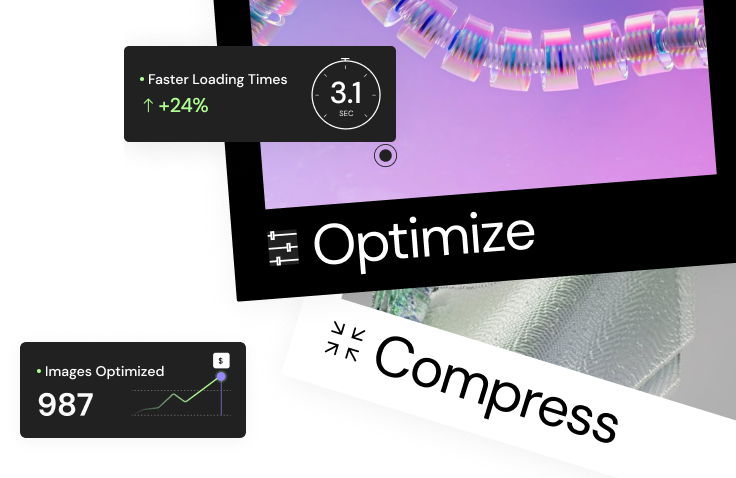
High-resolution AI images can be heavy. To ensure fast load times, you must optimize them. The Image Optimizer by Elementor handles this automatically. It compresses images and converts them to next-generation formats like WebP or AVIF without sacrificing visual quality. This is critical for maintaining high Core Web Vitals scores, which Google uses as a ranking factor.
Email Deliverability
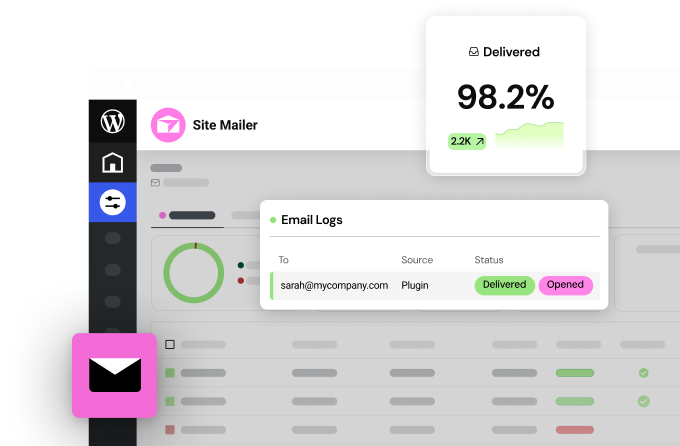
A common pain point for WordPress sites is that transactional emails (like form submissions or password resets) often end up in spam folders. The Site Mailer plugin solves this. While not strictly an “AI” builder tool, it is an essential part of the modern stack, ensuring that the communication infrastructure of your site is reliable without requiring complex SMTP configurations.
Accessibility and Inclusivity
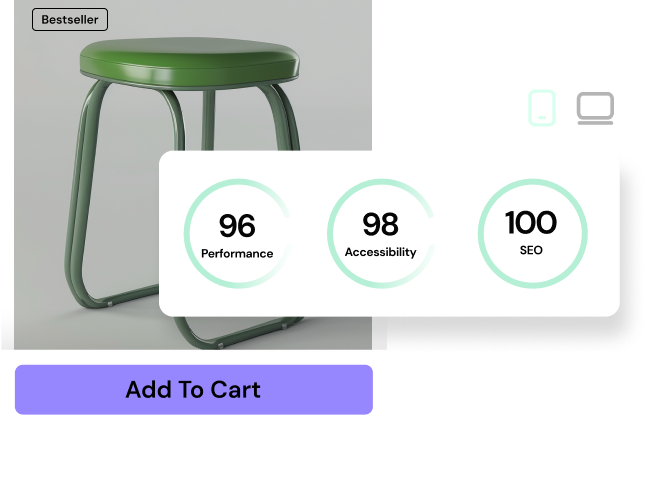
Web accessibility is no longer optional; it is a legal and ethical necessity. Ally by Elementor brings AI into the compliance process.
- Scanning: The tool scans your site for accessibility violations (like low contrast or missing ARIA labels).
- Remediation: It uses AI to suggest fixes. For example, if an image lacks alt text, the AI analyzes the image and generates an accurate description for screen readers.
- Usability: It provides a frontend widget that allows visitors to customize the site’s appearance (font size, contrast) to their specific needs.
Step 8: Marketing and Growth
Once the site is live, the focus shifts to growth. AI continues to be your partner here.
eCommerce Intelligence
For online stores, the WooCommerce Builder allows you to design custom product templates. AI can assist in writing SEO-optimized product descriptions that incorporate high-volume keywords, ensuring your products get found.
Marketing Automation
Building an email list is essential for long-term growth. Send by Elementor integrates marketing automation directly into your website. You can use AI to:
- Draft high-converting email copy.
- Design email templates that match your website’s branding.
- Set up automated sequences (e.g., Welcome Emails or Abandoned Cart recovery).
Common Mistakes to Avoid
While AI is powerful, it is not infallible. Here are the common pitfalls to avoid:
1. The “Set It and Forget It” Trap Never publish AI-generated content without reviewing it. AI can hallucinate facts or produce generic, repetitive copy. You must act as the editor.
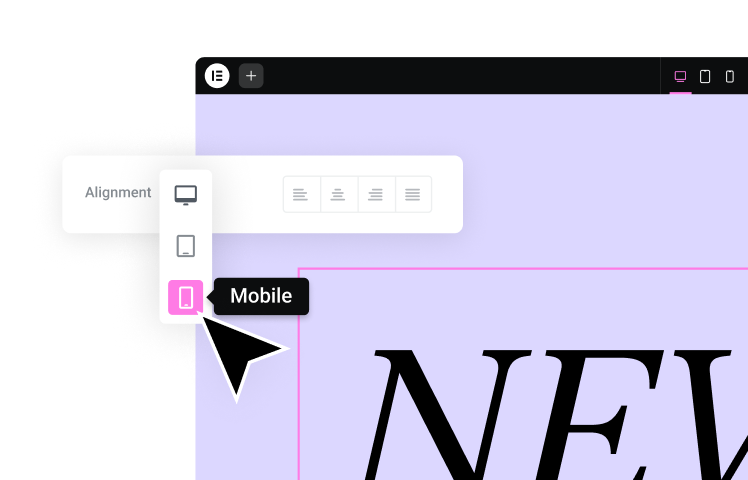
2. Ignoring Mobile Responsiveness AI layouts usually start with desktop in mind. Always verify the design on Tablet and Mobile views. Adjust padding, font sizes, and column stacking to ensure a seamless experience on all devices.
3. Over-Complexity Just because you can add code with AI doesn’t mean you should add it everywhere. Too much custom JavaScript or excessive animations can slow down your site. Stick to clean, efficient design principles.
4. Neglecting SEO Structure AI generates text, but it doesn’t always structure it perfectly for SEO. Ensure your headings (H1, H2, H3) follow a logical hierarchy and that your keywords are placed naturally in the first 100 words of the page.
The Future of AI in Web Design
We are only at the beginning of the agentic era. In the near future, we will see AI agents that can proactively manage websites—detecting a drop in conversion rates and suggesting layout A/B tests to fix it, or automatically updating content based on trending news in your industry. However, the role of the human creator remains central. The “soul” of a website—the emotional connection it builds with a visitor—comes from human empathy and strategy. AI is the tool that clears the path, removing the technical friction so that your creativity can run free.
By mastering these tools today, you position yourself not just as a website builder, but as a next-generation digital architect.
Frequently Asked Questions
1. Can I build a professional website entirely with AI? Yes, but with a caveat. AI can generate the structure, copy, images, and code, but a “professional” result requires human oversight. You need to curate the AI’s output, ensure brand consistency, and refine the user experience. Think of AI as a junior developer and copywriter who works at lightning speed but needs your direction.
2. Does Google penalize AI-generated content? No, Google does not penalize content simply because it is AI-generated. Google cares about quality. If the content is helpful, authoritative, and satisfies the user’s search intent, it will rank. However, low-quality, repetitive, or spammy AI content will be penalized. Always edit and humanize AI text.
3. Which is better: a dedicated AI builder (like Wix) or WordPress with AI? For long-term growth, WordPress with AI (like Elementor) is generally better. Dedicated AI builders are closed ecosystems; you cannot easily move your site or add custom functionality beyond what they allow. WordPress gives you full ownership of your data and access to thousands of plugins, while Elementor provides the same visual AI tools.
4. How does the AI Site Planner help with client work? It dramatically speeds up the “discovery” phase. Instead of back-and-forth emails trying to understand what the client wants, you can sit with them (or use a Zoom transcript) and let the AI generate a visual wireframe in minutes. This aligns expectations instantly and prevents “scope creep” later in the project.
5. Is the code generated by AI clean and secure? Generally, yes, especially from reputable platforms. However, it is best practice to use AI for small snippets (like CSS styling or simple HTML) rather than complex functionality. For critical security features, rely on established plugins rather than AI-generated code.
6. Can AI help me improve my website’s accessibility? Absolutely. Tools like Ally by Elementor use AI to scan your site and suggest fixes for accessibility issues, such as generating alt text for images or correcting color contrast ratios. This makes your site more inclusive and helps you comply with legal standards.
7. Do I need to know how to prompt to use these tools? Basic prompting skills help, but modern tools are becoming “prompt-agnostic.” They often use conversational interfaces or guided wizards where you simply answer questions. However, being descriptive and specific (e.g., specifying tone, style, and audience) will always yield better results than vague instructions.
8. Can AI generate images that are safe to use commercially? Most AI image generators integrated into website builders (like Elementor AI) produce royalty-free images that are safe for commercial use. However, you should always check the specific terms of service of the tool you are using. Avoid generating images that infringe on known trademarks (like generating a logo that looks like Nike’s).
9. How does Agentic AI differ from standard AI assistants? Standard AI assistants (Generative AI) give you information or content (e.g., “Here is a blog post”). Agentic AI performs actions (e.g., “I have published the blog post and shared it to social media”). Agentic AI works inside your system to execute tasks, serving as a virtual employee.
10. Is AI website building expensive? It is often cheaper than the traditional route. You save money on stock photos (by generating them), copywriting (by drafting with AI), and even development (by generating custom code). The cost is usually included in your platform subscription (e.g., Elementor AI), making it a high-ROI addition to your toolkit.
Looking for fresh content?
By entering your email, you agree to receive Elementor emails, including marketing emails,
and agree to our Terms & Conditions and Privacy Policy.