
Managing user privacy isn’t optional anymore, and you probably already know that. Regulatory pressure keeps building, third-party cookies are fading out, and if you run Google tools for ads or analytics, Google Consent Mode v2 is now a hard requirement for visitors in the EU and UK. Setting this up through Google Tag Manager doesn’t have to be painful. We’ve gathered the ten best setup guides and tools so you can get it done quickly and correctly.
Key Takeaways
- Google Consent Mode v2 is mandatory for sites using Google ads and analytics targeting European users.
- Using WordPress-native capabilities simplifies your technical stack by keeping consent data inside your dashboard.
- Custom GTM templates from trusted industry specialists offer highly customizable technical implementations.
- Automated cookie scanning and script categorization save hours of manual setup time.
- Testing your setup with GTM Preview mode remains the most reliable way to verify tag behavior before launching.
Whether you’re a solo site owner after a five-minute fix or a developer who wants to understand every layer, there’s an approach here that fits. Let’s get into it.
The Transition to Consent Mode v2 in 2026
Privacy compliance has moved well past simple banner pop-ups. Browsers keep phasing out third-party cookies, and regulators are enforcing the rules more seriously. If you use Google Analytics 4 or Google Ads, you need to tell Google whether your visitors consented, and that signal travels through Google Tag Manager.
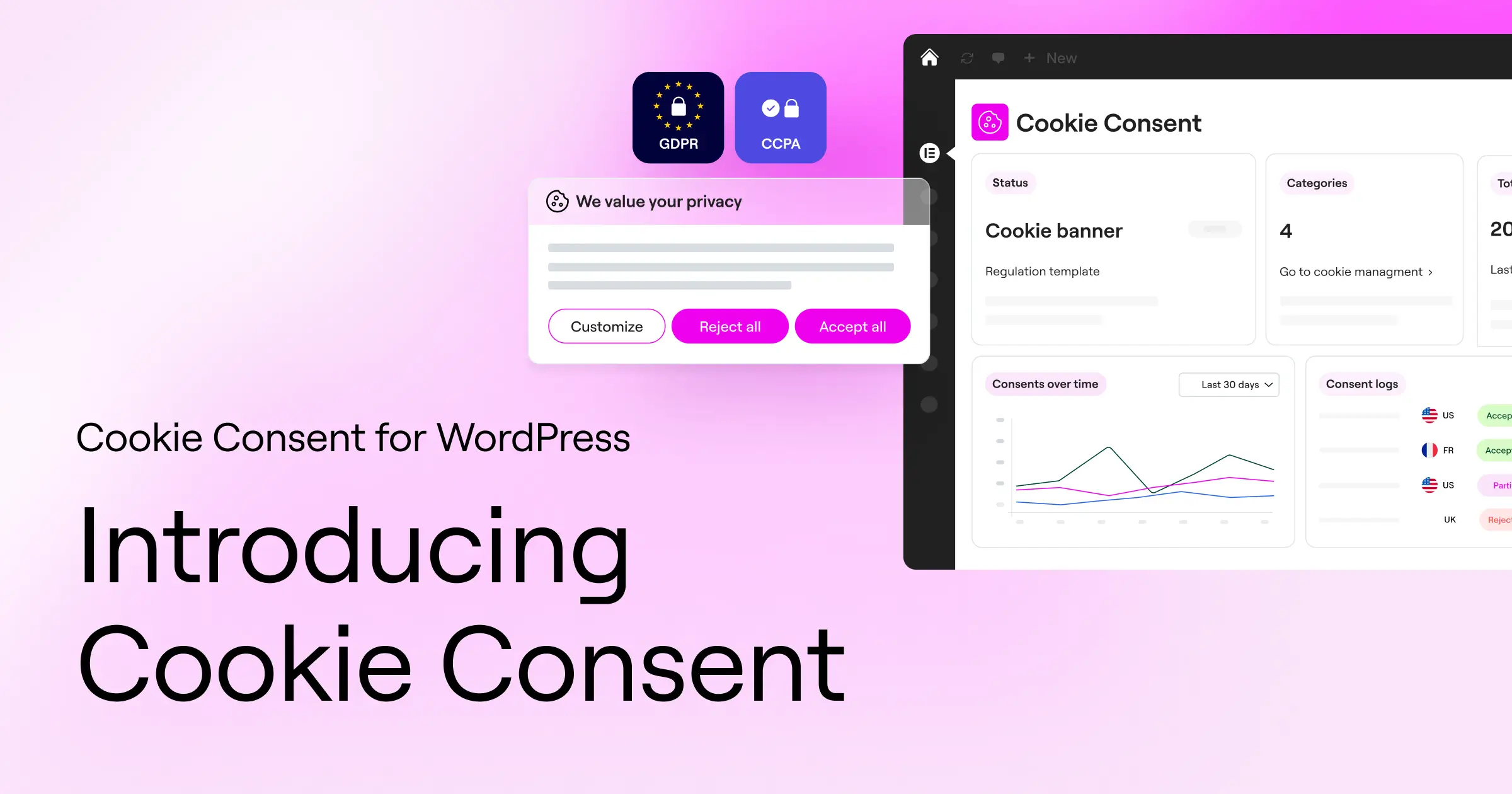
When consent mode is active, your tags behave dynamically. Visitors who accept trigger normal tags, and visitors who decline get anonymous, cookieless pings that keep your data models accurate without identifying anyone. It protects your users while keeping your marketing reports from going dark, and you don’t need a computer science degree to set it up, just a good guide.
1. The Native Cookie Consent Guide by Elementor
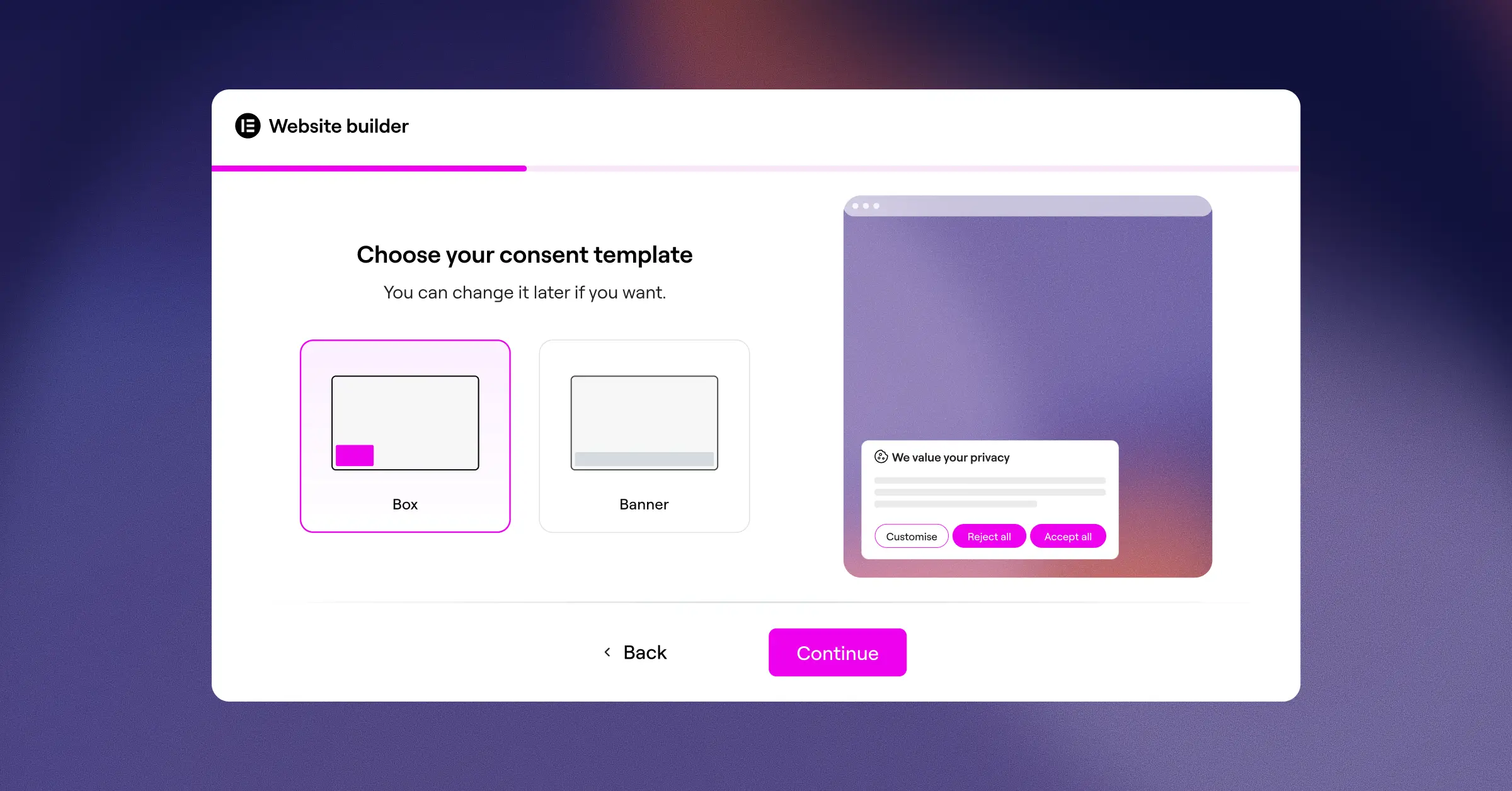
For WordPress creators who want simplicity, the native Elementor privacy toolkit is a great starting point. The Cookie Consent capability manages compliance in a visual, three-step setup covering cookie scanning, banner customization, and GTM integration, all from your own dashboard with no extra code to install.
Key Features
- Scans your site to categorize active cookies.
- Builds branded banners from cloud templates.
- Connects natively with Google Consent Mode v2.
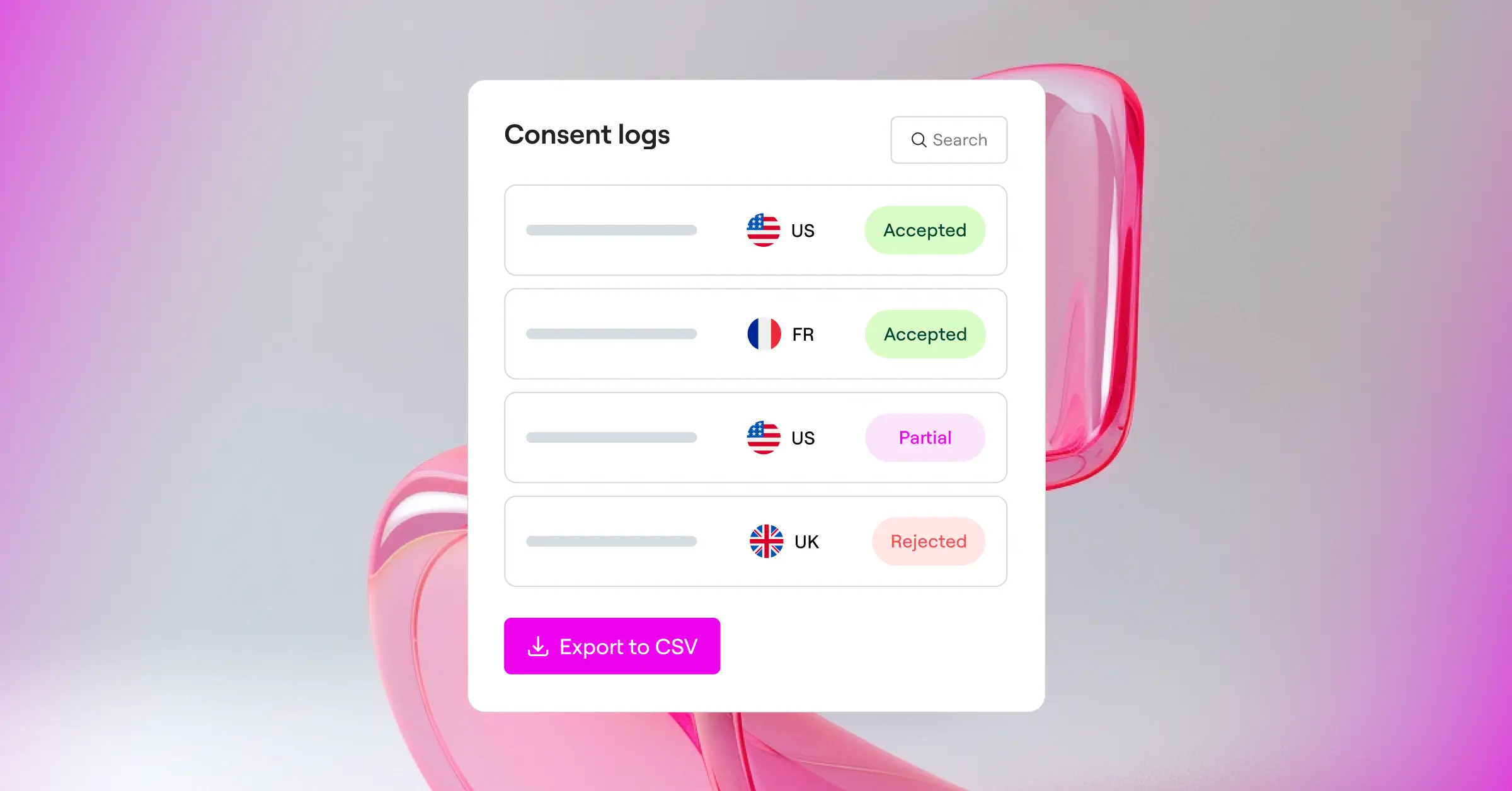
- Saves consent logs for a regulator audit trail.
- Targets banners to specific geographic regions.
- Translates consent messages into multiple languages.
Pros and Cons
- Pro – No dashboard switching required.
- Pro – Setup takes under five minutes.
- Pro – Fully customizable to match your site.
- Con – Advanced geo-targeting needs the pro setup.
- Con – Built for the WordPress ecosystem.
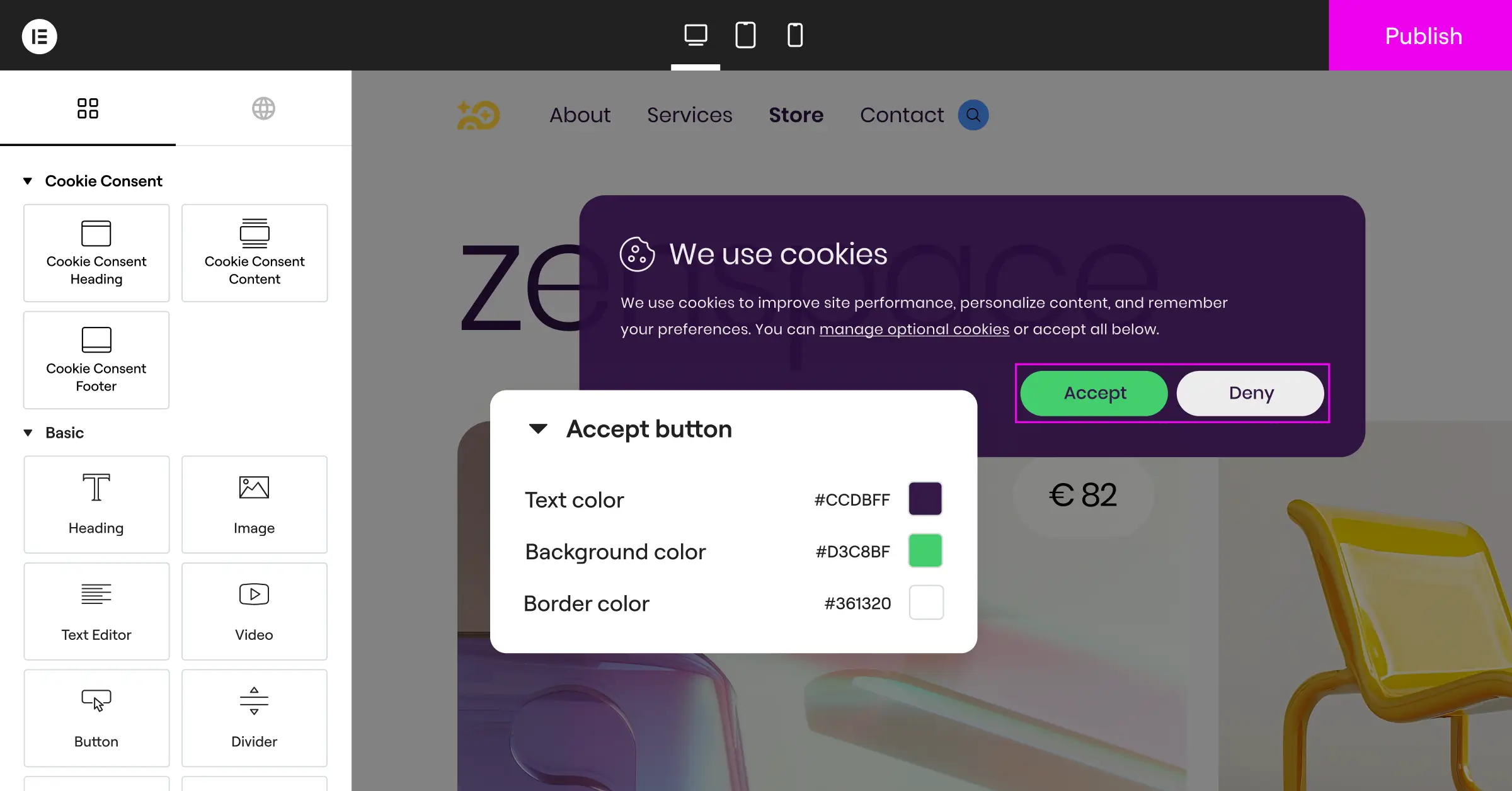
Verdict: The easiest pick for WordPress users. The cookie consent capability handles Consent Mode v2 with minimal setup.
2. Google Official Consent Mode Documentation
If you’d rather go straight to the source, Google’s developer documentation is invaluable. It covers basic and advanced consent mode through GTM, and while technical, it’s the most accurate resource for how tags behave under different consent states.
Key Features
- Maps exact JavaScript commands for default states.
- Explains basic vs advanced consent deployment.
- Supplies code templates for custom tag configurations.
- Details parameters for ad and analytics storage.
Pros and Cons
- Pro – Most reliable, accurate technical source.
- Pro – Free, updated directly by Google engineers.
- Con – Written in technical developer language.
- Con – No pre-built visual banner templates.
Verdict: A must-read for developers, though a bit technical for everyday site owners.
3. Simo Ahava’s Consent Mode v2 Custom Template Guide
Simo Ahava is widely regarded as one of the world’s leading GTM experts, and his guide to the custom GTM Consent Mode template is something of a legend. It covers downloading the template, configuring default states, and triggering updates when a visitor changes their choices.
Key Features
- Simplifies injecting default consent states in GTM.
- Triggers updates when privacy choices change.
- Supports custom regional and analytics settings.
- Integrates with virtually any consent banner.
Pros and Cons
- Pro – Practical guide from a recognized specialist.
- Pro – Flexible, works across many platforms.
- Con – Requires understanding GTM variables and triggers.
- Con – Takes longer than all-in-one solutions.
Verdict: The go-to guide for marketers who want full control over their GTM container.
4. Cookiebot GTM Consent Mode Setup Tutorial
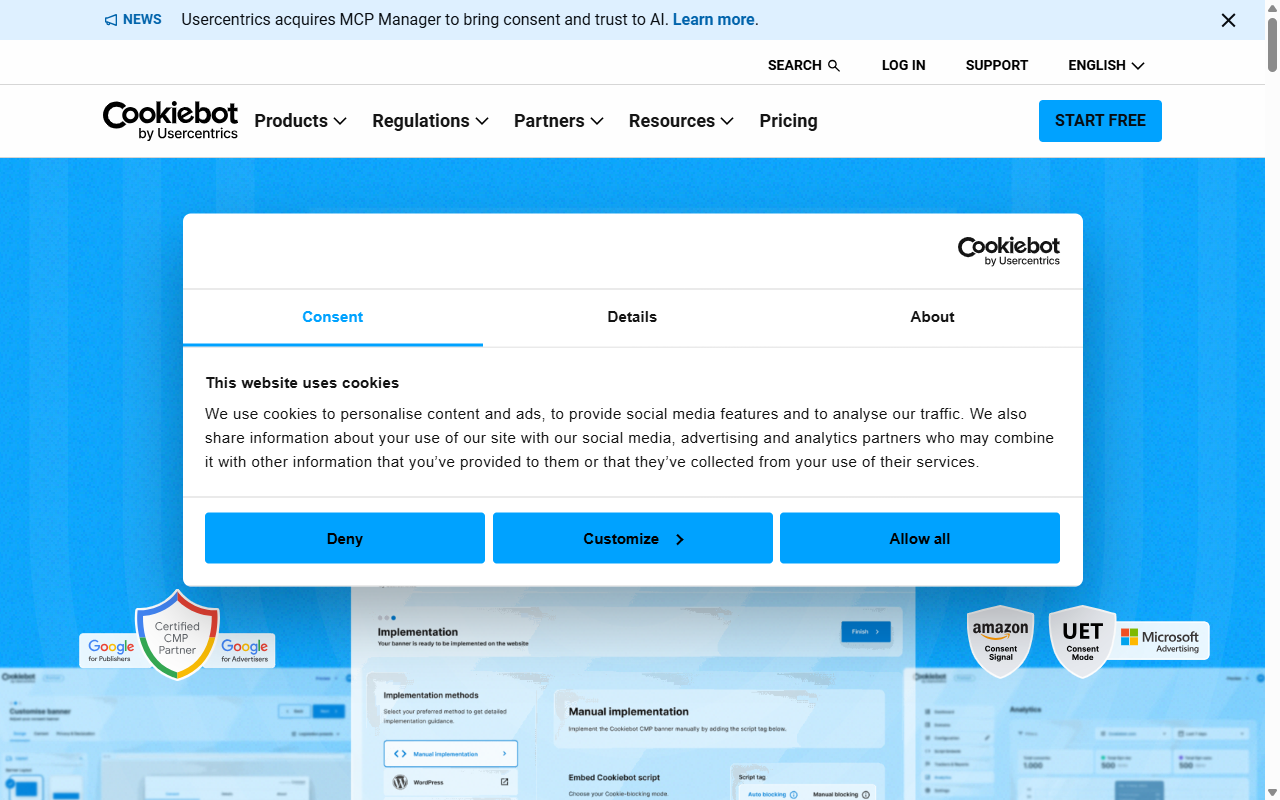
Cookiebot is a well-established name in consent management, and its GTM integration guide is highly regarded. It uses the official Cookiebot tag from the GTM template gallery, with an automated scanner that finds and blocks tracking scripts until consent is granted.
Key Features
- Scans your site monthly for new cookies.
- Generates privacy policies based on scan results.
- Deploys the banner via GTM templates.
- Supports GDPR, CCPA, and LGPD regulations.
Pros and Cons
- Pro – Automated scanning cuts manual audits.
- Pro – Enterprise-level compliance infrastructure.
- Con – Setup lives in an external Cookiebot dashboard.
- Con – Entry-level plans limit site size.
Verdict: Solid for businesses that want automated auditing and don’t mind a subscription.
5. CookieYes GTM Integration Walkthrough
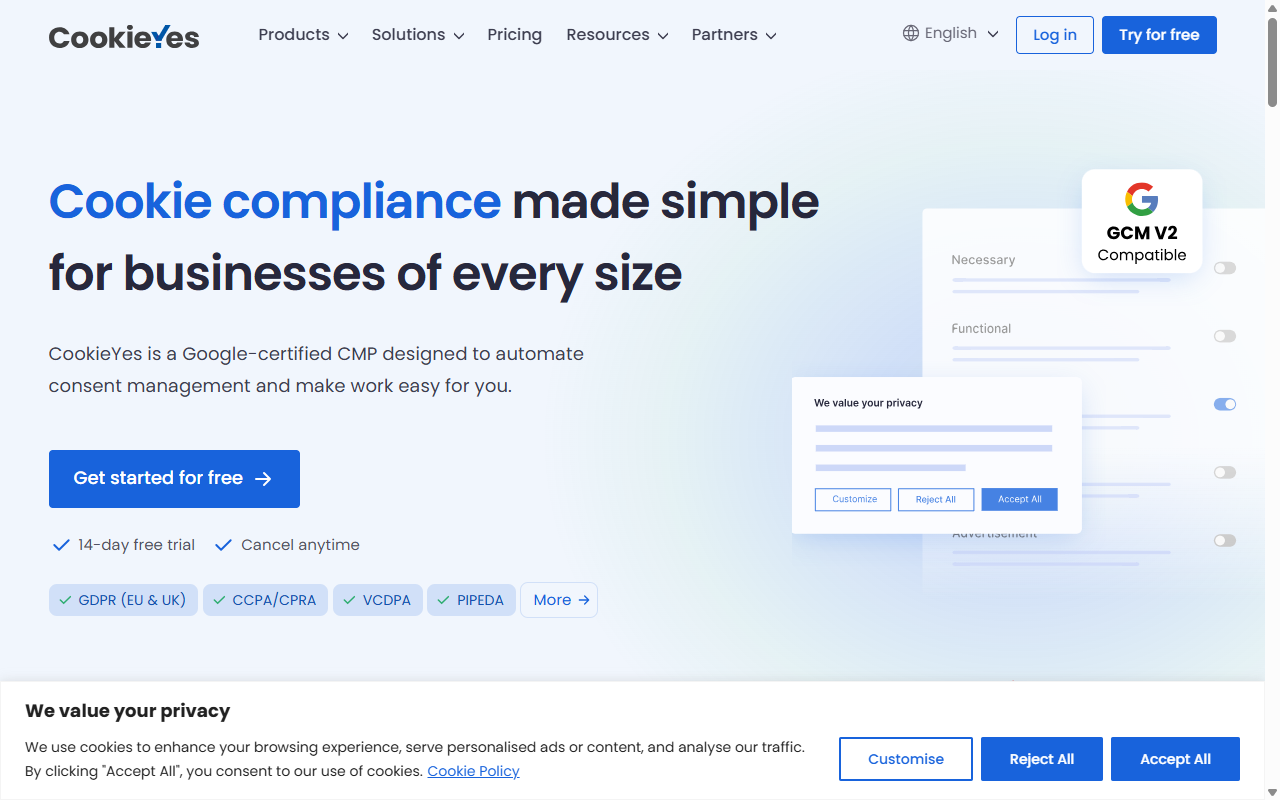
CookieYes offers a popular, beginner-friendly guide for connecting its platform to Google Tag Manager, with clear screenshots aimed at getting your consent banner live with Consent Mode v2 in a few clicks. Setup involves adding a code snippet, then configuring the GTM template to listen for signals.
Key Features
- Connects banner choices directly to GTM triggers.
- Builds custom banners with visual editors.
- Generates compliant cookie policies in one click.
- Supports multilingual translations.
Pros and Cons
- Pro – Intuitive guide with helpful visuals.
- Pro – Generous entry-level plan.
- Con – Geo-targeting locked behind paid plans.
- Con – Requires a separate external account.
Verdict: A friendly, accessible path to basic compliance for small businesses.
6. Complianz WordPress GTM Setup Guide
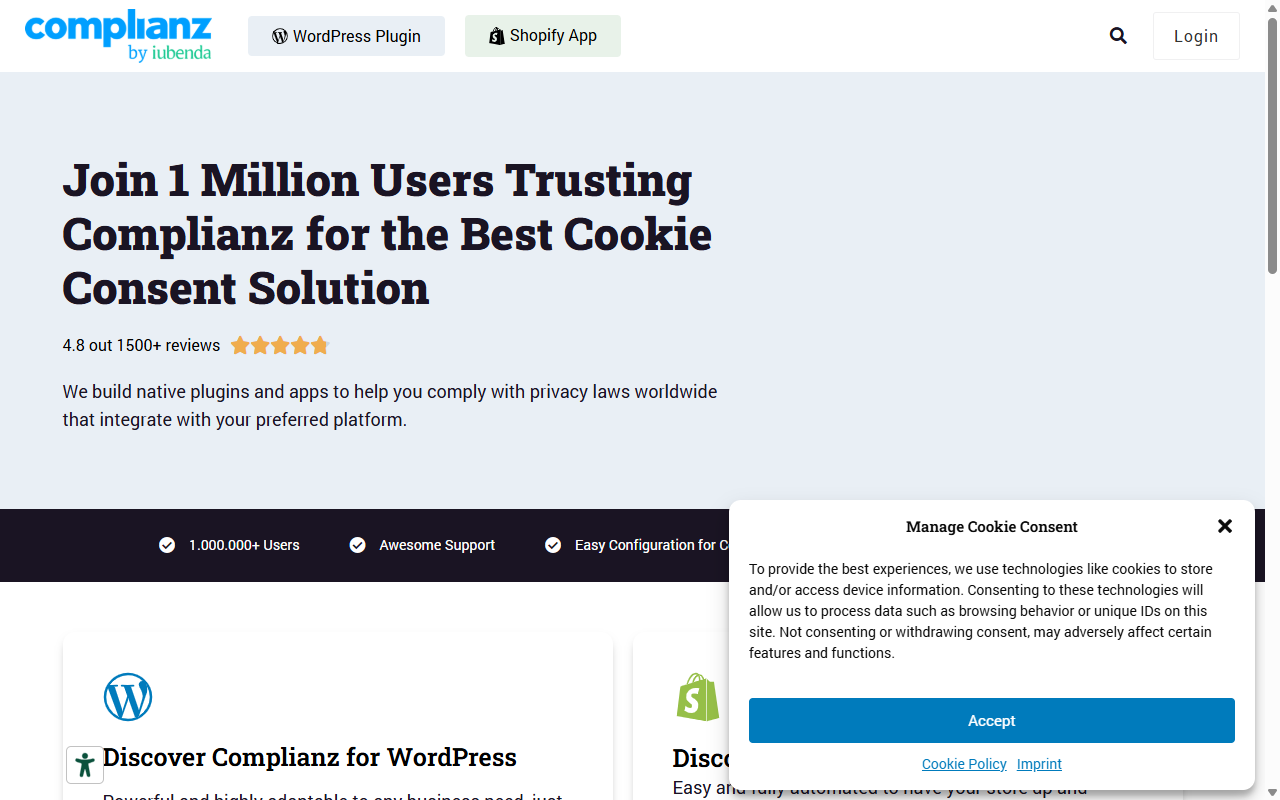
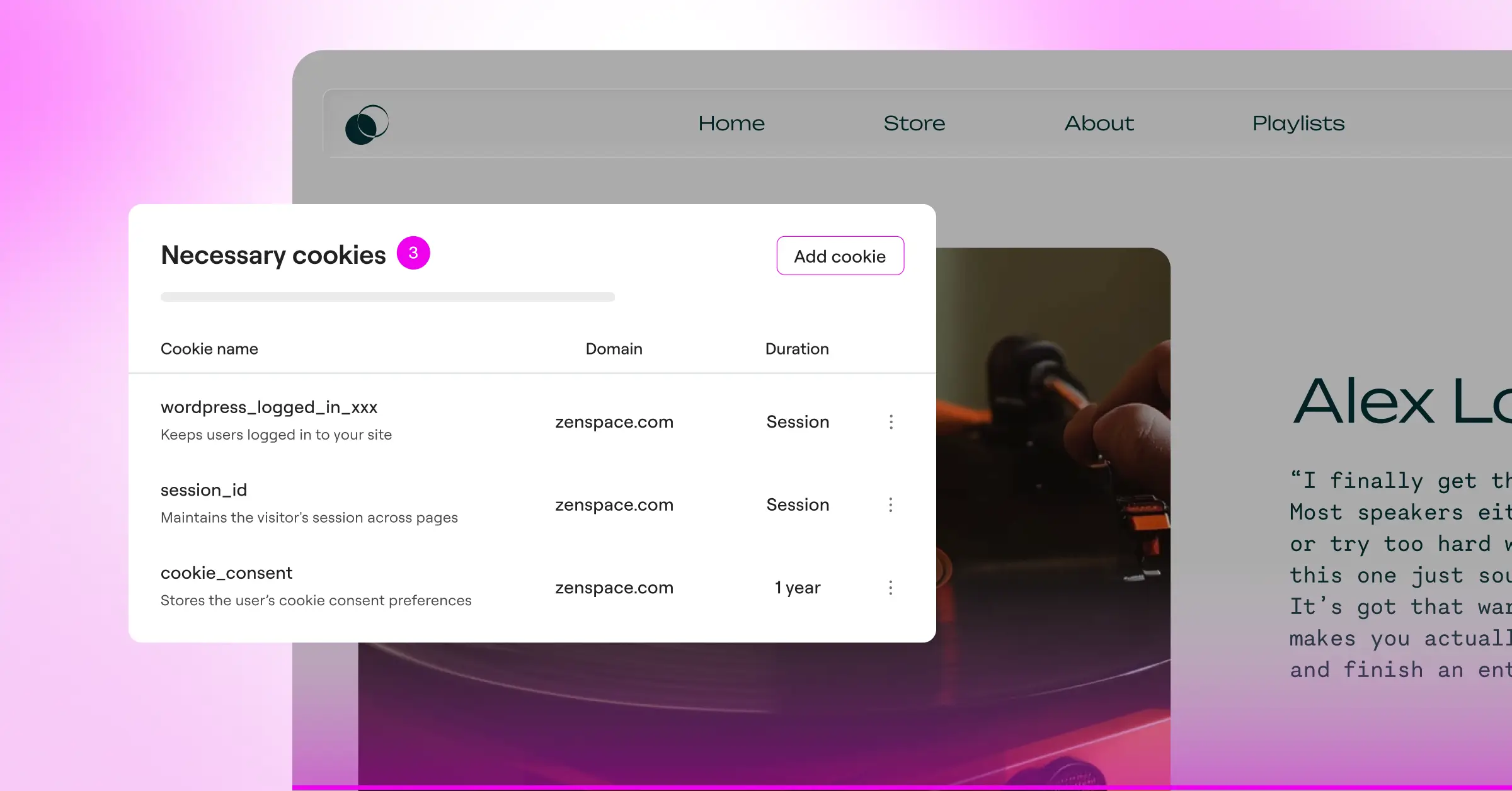
Complianz is a privacy suite built for WordPress, and its GTM setup guide is well-regarded for handling WordPress cookie challenges. It explains configuring the assistant to coordinate with your GTM tags, including blocking tracking scripts until a visitor gives consent.
Key Features
- Scans WordPress for tools that drop cookies.
- Builds dynamic banners based on visitor location.
- Generates legal documents for your business location.
- Integrates directly with Consent Mode v2 parameters.
Pros and Cons
- Pro – Deeply integrated with WordPress tools.
- Pro – Generous entry-level plan.
- Con – Interface can feel overwhelming.
- Con – Complex setups may need premium plans.
Verdict: Good for WordPress users needing a tool that understands theme quirks.
7. iubenda Google Consent Mode Implementation Guide
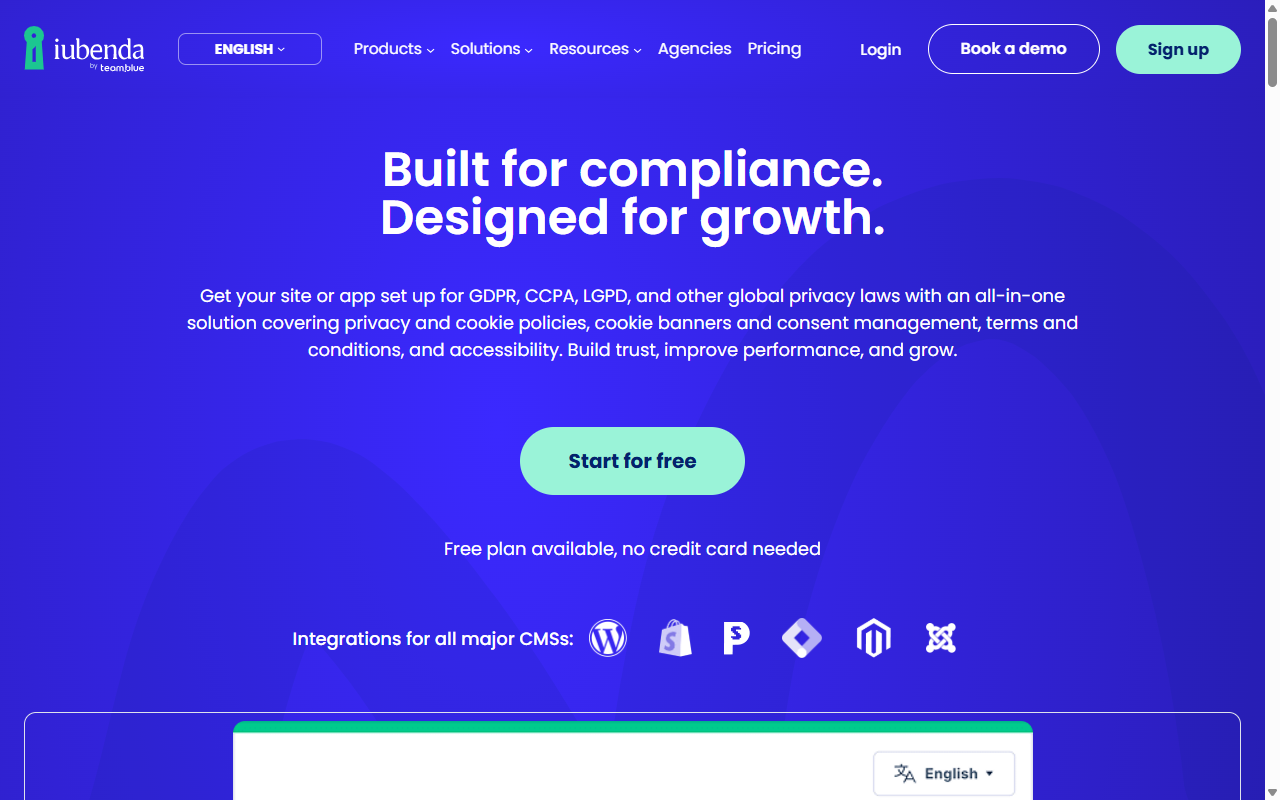
iubenda specializes in generating legal policies and managing privacy compliance across jurisdictions. Its GTM guide covers implementing the consent solution with a strong focus on legal requirements, plus an auto-blocking feature that holds scripts back until a user clicks accept.
Key Features
- Generates policies that update as laws change.
- Blocks non-compliant scripts before consent registers.
- Integrates with GTM for accurate v2 signals.
- Supports deep visual banner customization.
Pros and Cons
- Pro – Strong legal compliance focus.
- Pro – Modular design grows with your needs.
- Con – Pricing tiers add up quickly.
- Con – Setup can be technical for beginners.
Verdict: Best for businesses wanting legal compliance plus automated document generation.
8. Analytics Mania GTM Consent Mode Mastery Guide
Analytics Mania, run by Julius Fedorovicius, is home to one of the most thorough GTM consent mode guides online, known for depth and practical troubleshooting advice. It includes video walkthroughs, configuration screenshots, and clear explanations for testing your setup properly.
Key Features
- Explains GTM consent settings with step-by-step videos.
- Supplies debugging checklists for common errors.
- Teaches GTM Preview mode for consent states.
- Covers data redaction and regional defaults.
Pros and Cons
- Pro – Detailed, excellent troubleshooting advice.
- Pro – Completely free educational resource.
- Con – Full guide takes real time to implement.
- Con – No direct consent tool included.
Verdict: Best tutorial for learning how consent mode works under the hood.
9. OneTrust GTM Integration Blueprint
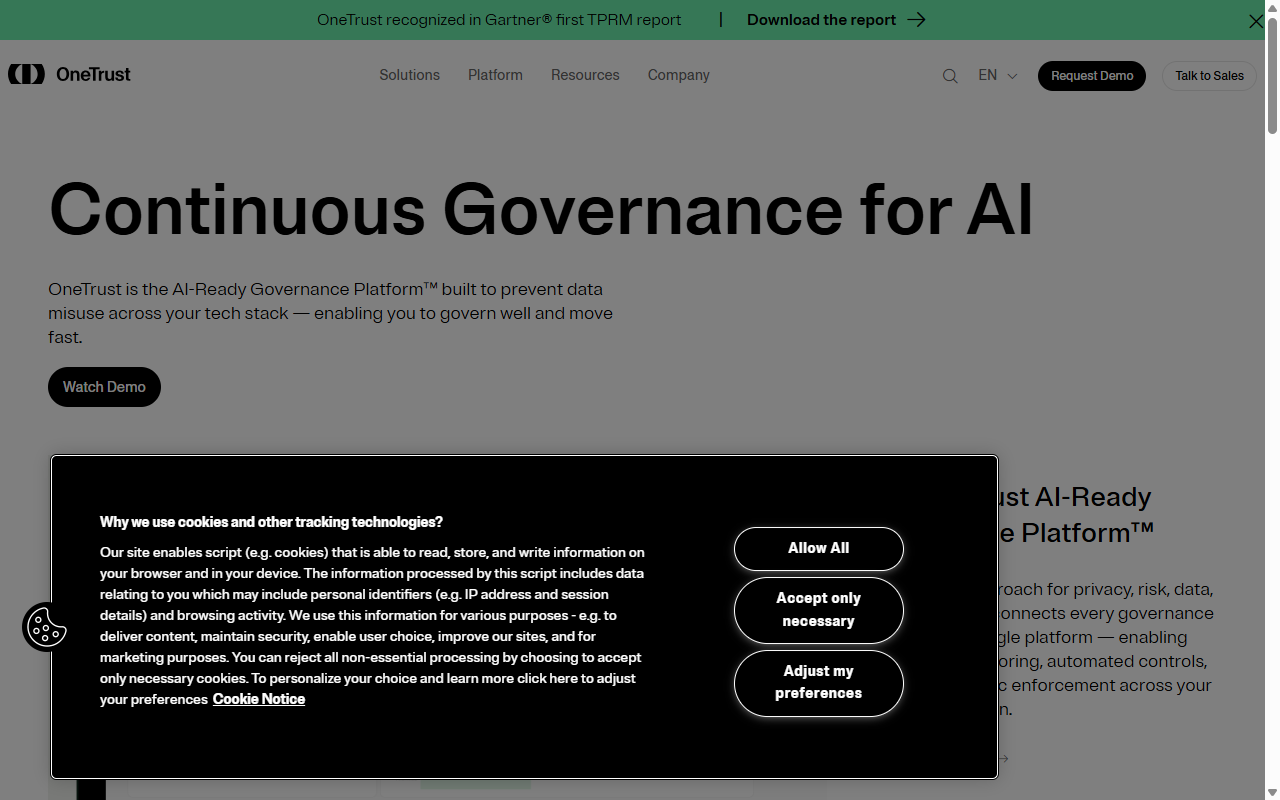
OneTrust is an enterprise-grade privacy platform used by some of the world’s largest organizations. Its GTM blueprint targets companies with complex compliance needs, covering user groups, cross-device consent, and data processing agreements.
Key Features
- Manages consent across web, apps, and devices.
- Integrates with enterprise marketing tech suites.
- Delivers reporting dashboards on opt-in rates.
- Supports advanced geo-targeting for global compliance.
Pros and Cons
- Pro – Secure, built for corporate scale.
- Pro – Covers enterprise compliance thoroughly.
- Con – Setup needs a dedicated technical team.
- Con – Price puts it out of reach for small businesses.
Verdict: Right choice for enterprise teams managing global compliance across departments.
10. Tag Manager Italy Consent Mode Setup Guide
Tag Manager Italy, led by Matteo Zambon, offers a detailed, technically rigorous guide focused on European privacy compliance. Since European regulators are strict, it focuses on implementing Consent Mode v2 while limiting legal risk and keeping useful data.
Key Features
- Focuses on European GDPR standards and interpretations.
- Supplies pre-configured GTM container files.
- Explains tag behavior for non-Google pixels.
- Covers advanced debugging with developer tools.
Pros and Cons
- Pro – Deep focus on European compliance rules.
- Pro – Downloadable assets save setup time.
- Con – Some resources need translation from Italian.
- Con – Best suited for users with GTM experience.
Verdict: Technically rich resource for European businesses wanting the highest legal standard.
Comparing the Top Setup Guides and Methods
Here’s a quick comparison of the key differences between these options.
| Setup Guide / Tool | Primary Focus | Setup Time | Target Audience | Platform Integration |
|---|---|---|---|---|
| Elementor Cookie Consent | Native Ease & Speed | Under 5 Mins | WordPress Owners | WordPress Native |
| Google Official Docs | Technical Specifications | 1 Hour+ | Developers | Universal Code |
| Simo Ahava | Custom GTM Templates | 30-45 Mins | Advanced Marketers | GTM Template |
| Cookiebot | Automated Audits | 15-20 Mins | Growing Businesses | Cloud Platform |
| CookieYes | Visual Simplicity | 10-15 Mins | Small Businesses | Cloud Platform |
| Complianz | WordPress Integrations | 15-20 Mins | WordPress Admins | WordPress Native |
| iubenda | Legal Document Accuracy | 20-30 Mins | Compliance Teams | Cloud Platform |
| Analytics Mania | Step-by-Step Training | 1 Hour+ | Marketers & DIYers | Educational Resource |
| OneTrust | Enterprise Scaling | Days/Weeks | Corporations | Enterprise Cloud |
| Tag Manager Italy | Strict GDPR Compliance | 30-45 Mins | European Businesses | GTM Templates |
Expert Insights on Consent Management
“Implementing consent mode is no longer just about placing a banner on your site. It’s about establishing a trustworthy relationship with your users while keeping your data pipelines accurate. Modern tools that run natively within your CMS make this process much cleaner, reducing site weight and configuration errors.”
– Itamar Haim, Web Compliance Specialist
As Itamar points out, keeping your setup clean matters most. A dedicated cookie consent capability running natively inside WordPress helps you dodge tracking errors common in fragmented setups.
How to Select the Perfect Consent Setup for Your Site
The right setup depends on your platform, your comfort with technical tools, and your audience’s needs.
1. Evaluate Your Current CMS
If your site runs on WordPress, prioritize tools that integrate directly into your CMS. That keeps your admin area clean and skips extra logins. The Cookie Consent capability from Elementor is a great example, running right inside the dashboard you already use, with no external accounts to maintain.
2. Assess Your Tech Stack Complexity
Are you running dozens of custom marketing tags, or just standard Google Analytics and a Meta Pixel? If your tracking is straightforward, a visual guide with pre-built GTM templates is your best bet. For more customized needs, advanced guides like Simo Ahava’s give you more control.
3. Determine Your Compliance Needs
Your legal requirements depend on where your visitors come from. If you serve a global audience, look for a guide covering geo-targeting, so California visitors see CCPA banners, EU visitors see GDPR options, and visitors elsewhere see no banner at all.
- Check your visitor locations – Use your analytics to see where your traffic comes from so you can plan your targeting strategy.
- Identify your tracking pixels – List every active tracking script on your site before you start configuring.
- Test your settings – Always use GTM Preview mode to confirm tags don’t fire before consent is given.
Step-by-Step GTM Consent Mode Testing Guide
Once you’ve finished the configuration, verifying that everything works is the most important step.
Step 1: Open GTM Preview Mode
Head to your Google Tag Manager workspace and click “Preview.” Enter your site’s URL to open a debugging session that lets you inspect tags firing in real time.
Step 2: Check the Consent Tab
In the Tag Assistant panel, click an early event like “Consent” or “Container Loaded,” then click the “Consent” tab on the right. You’ll see consent types like ad_storage and analytics_storage, each showing granted or denied.
Step 3: Interact with Your Banner
Accept the cookie banner on your live site, then check Tag Assistant again. You should see a new “Consent” event where the states switched from “denied” to “granted.” If so, your setup is talking to GTM correctly.
Frequently Asked Questions
What is Google Consent Mode v2?
Google Consent Mode v2 lets your tags behave dynamically based on visitor privacy choices, sending signals to Google Analytics and Ads. If a user declines, Google uses machine learning to estimate the missing data without personal identifiers.
Is Google Consent Mode v2 mandatory in 2026?
Yes. It’s required for personalized advertising or conversion tracking for users in the European Economic Area (EEA) and the UK. Without it, Google limits remarketing audiences and accurate conversion tracking for those regions.
What is the difference between basic and advanced consent mode?
In basic mode, Google tags stay blocked until a user accepts your banner. In advanced mode, tags load first but send cookieless pings if the user declines, for more accurate modeling while still protecting privacy.
Can I set up consent mode without using Google Tag Manager?
Yes, you can write custom code directly in your site’s header, but GTM is the recommended route for most people. It gives you one central place to manage tracking tags and consent triggers.
Does a cookie consent tool slow down my website?
Some heavier third-party tools can add loading time because they pull large scripts from external servers. Native WordPress-based tools tend to be lighter since they run within your existing ecosystem.
How do I test if my consent banner is working correctly?
GTM Preview mode is the most reliable method. Check the “Consent” tab inside Tag Assistant to confirm tags sit in a “denied” state when a visitor first arrives, then switch to “granted” after they accept your banner.
Do I need to show a consent banner to everyone?
No. With geo-targeting, you can set your cookie consent setup to show banners only to visitors in regions with strict privacy laws, like the EU or California. Visitors from other locations get a clean, uninterrupted experience.

