Dealing with privacy law can feel like reading a map upside down. If you run a WordPress site, you’ve probably bumped into the EU Cookie Law and GDPR, and keeping up in 2026 feels like a lot. Don’t worry, we’ll walk through it together. Getting compliant isn’t just about avoiding fines, it’s about building real trust with your visitors, and a compliant consent system doesn’t have to break a sweat.
Key Takeaways
- Active consent is mandatory, meaning you can’t pre-tick cookie acceptance boxes on your WordPress site.
- Google Consent Mode v2 is essential if you serve European traffic and use Google tools.
- Customizable banners help you maintain brand identity while respecting visitor privacy.
- Native tools like Cookie Consent keep your dashboard clean without external logins.
- Regular cookie audits prevent rogue scripts from dropping tracking files on visitors.
Understanding the EU Cookie Law in 2026
To keep it simple, the EU Cookie Law combines two European privacy frameworks: the ePrivacy Directive, covering electronic communications like cookies and tracking, and the General Data Protection Regulation (GDPR), the broader framework for collecting, storing, and processing personal data. Together, they set strict rules for any site European visitors can reach.
Plenty of site owners assume a business registered outside Europe is off the hook. (It’s a common mix-up.) But these laws protect the visitor, not your business address: if someone in Paris, Munich, or Rome lands on your site, you protect their data to European standards no matter where your servers sit.
Browsers have changed a lot by 2026, and phasing out third-party cookies has made first-party tracking matter more. But the legal definition of what needs consent hasn’t budged: a script that writes data to someone’s device needs that person’s yes first, even for a first-party analytics cookie or a session tracker.
What Happens if Your WordPress Site Isn’t Compliant?
Think of compliance as a basic standard of modern web design, not a chore. The risks of skipping it go beyond a stern legal letter: European data protection agencies now scan sites with automated tools checking whether tracking scripts load before a visitor accepts your banner.
If your site fails an audit, the consequences can include:
- Financial penalties that scale with your revenue and the violation’s severity.
- Loss of advertising access, as platforms like Google disable tracking and marketing tools for non-compliant sites.
- Decreased visitor trust, as users notice privacy red flags and leave sites that feel unsafe.
- Data loss in analytics, since a broken consent setup makes tracking data inaccurate or blocks it entirely.
- Inability to run remarketing campaigns to Europe since ad networks require verified consent signals.
- Search engine visibility issues if search engines favor sites that meet regional privacy standards.
A few hours spent sorting out your privacy settings shields your business from all this. Now let’s look at a compliant setup.
Crucial Elements of a Compliant WordPress Site
To meet the EU Cookie Law, your site needs a setup that respects your visitors’ choices. A banner saying “By using this site, you accept cookies” isn’t enough anymore: compliance now calls for active, granular choices and real control over what gets saved on their devices.
Here’s what a compliant consent system needs to cover:
- Blocks non-essential scripts automatically before the user gives consent.
- Categorizes cookies into functional, analytical, and marketing groups.
- Displays a clear choice to accept all, reject all, or customize preferences.
- Maintains a detailed log of consent choices for legal audit trails.
- Updates your privacy policy link dynamically on the consent interface.
- Adapts the banner layout based on the user’s geographic location.
Your banner also needs balanced design: the reject button must be as easy to find and click as the accept button. A bright green “Accept” next to a tiny grey “Reject” link falls short of GDPR’s equal-choice rule.
You’ll also need a dedicated Cookie Policy page: a plain-language document listing every cookie your site uses, what it does, how long it lasts, and who owns it, simple enough that visitors don’t need a law degree.
How to Choose a WordPress Compliance Tool
Finding the right consent tool shapes your daily workflow: many options rely on an external dashboard, which slows things down and hurts design consistency, so native tools are almost always the smoother path.
When evaluating a compliance solution, check a few things:
- Is the tool native to WordPress, or does it need an external account and dashboard?
- Does it support integrations like Google Consent Mode v2 out of the box?
- Can you customize the design within your page builder to match your theme?
- Does it help generate a legal policy without hiring an expensive lawyer?
- Can you target specific regions so visitors elsewhere don’t see unnecessary banners?
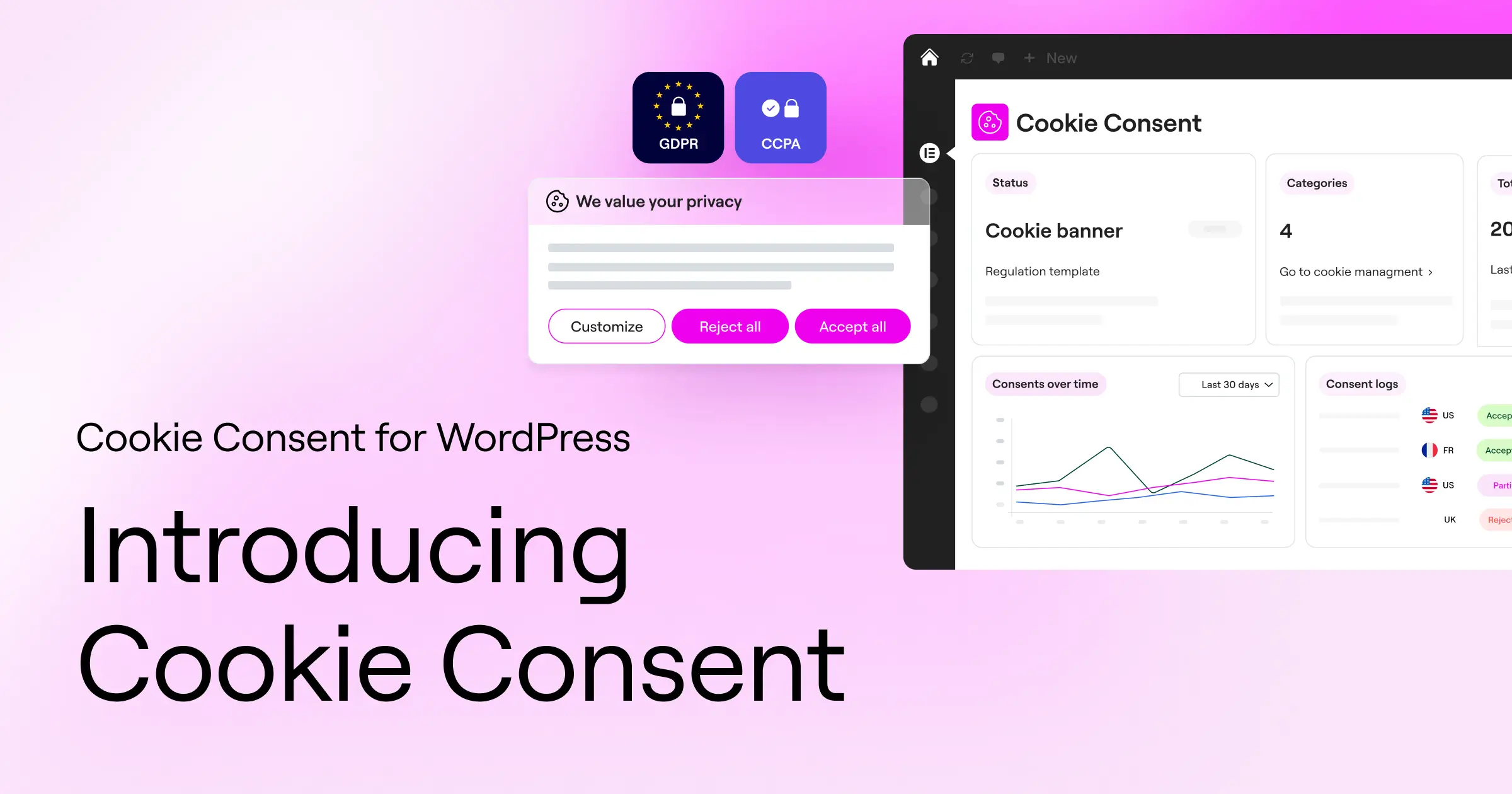
This is where Elementor users have an advantage: a dedicated Cookie Consent capability built into the platform lets you manage compliance from your dashboard, no external logins needed. The three-step setup takes under five minutes and covers scanning, banner customization, and consent logs in one place, already included if you’re building with Elementor Pro.
Here’s how popular options compare across the WordPress ecosystem:
| Tool Name | Platform Type | Google Consent Mode v2 Support | Geo-Targeting Capability | Primary Advantage |
|---|---|---|---|---|
| Cookie Consent (by Elementor) | WordPress Native | Yes, built-in | Yes, included | No external dashboards; deep integration with Elementor layouts and styling. |
| Cookiebot | External Service | Yes | Yes | Strong automated scanning across very large websites. |
| CookieYes | Hybrid Service | Yes | Yes | Easy to use across multiple different content management systems. |
| Complianz | WordPress Native | Yes | Yes | Deep wizard-based setup for complex legal jurisdictions. |
| OneTrust | Enterprise Platform | Yes | Yes | Advanced compliance features built for large corporations. |
| iubenda | External Service | Yes | Yes | Excellent auto-generated policy documents for global privacy laws. |
Each tool has its place depending on your site’s size and complexity. A native option keeps your server from loading heavy scripts, so pages load fast.
The Mechanics of Cookie Consent in WordPress
WordPress itself uses cookies for basics, like keeping users logged in or remembering comments. These count as “strictly necessary,” so you don’t need prior consent, though you still need to list them in your privacy policy.
Trouble starts once you add tools for marketing, tracking, and analytics. Embed a YouTube video, run Google Analytics, or install a tracking pixel, and those scripts try to write cookies right away, firing the moment the page loads and dropping tracking cookies before the visitor has even seen your banner. That’s a violation.
“True compliance isn’t just about showing a banner when a page loads. It’s about establishing a reliable, verifiable system that respects user choices every second they’re on your site and keeping accurate logs to prove it.”
– Itamar Haim, Web Compliance Specialist
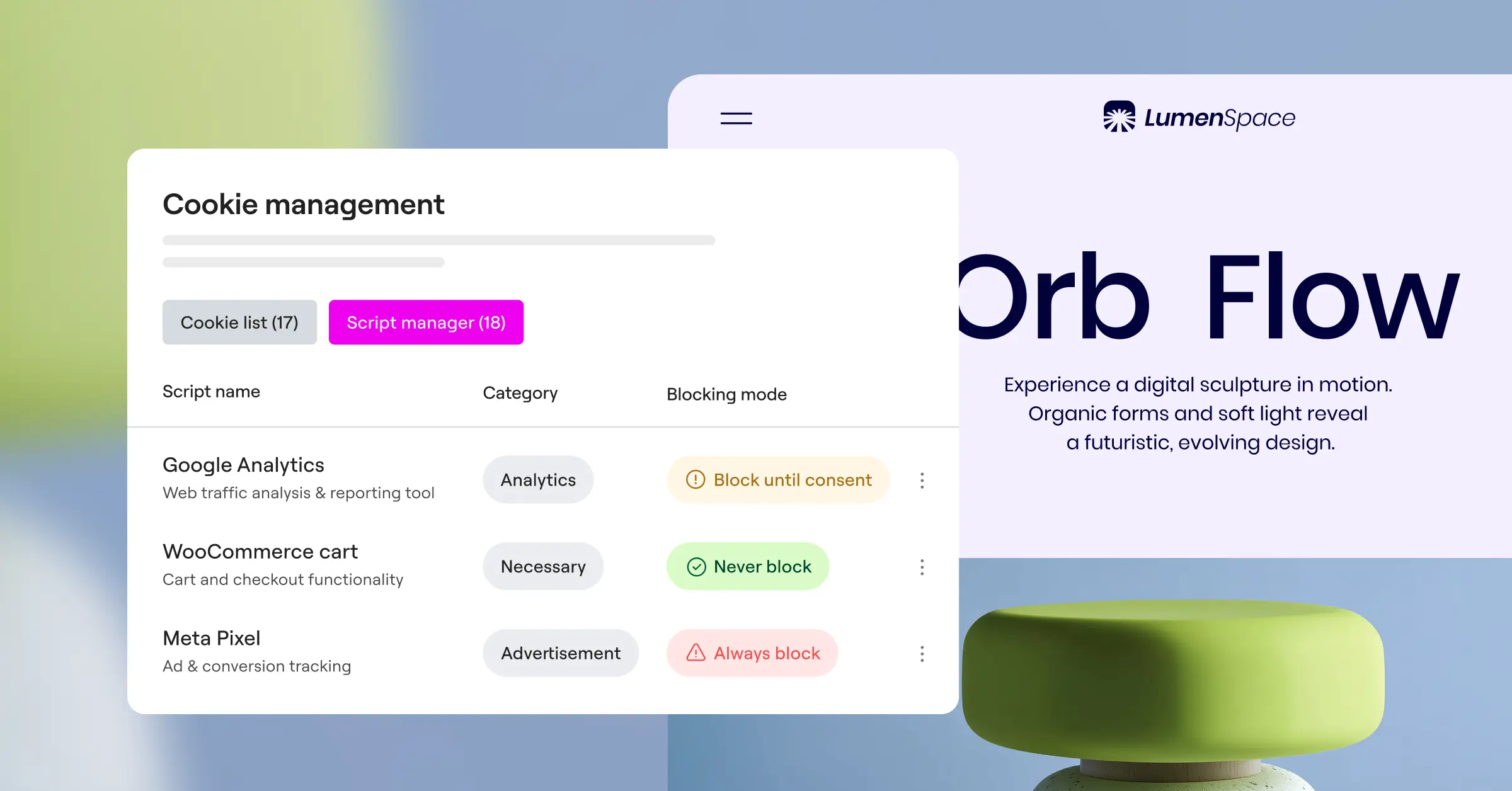
A modern cookie consent tool acts like a traffic controller for your scripts. When a page loads, it intercepts non-essential tracking scripts and holds them back. Only a click on “Accept” releases them to run. Click “Reject,” and they stay blocked, keeping the browser clean.
Step-by-Step Guide: Implementing Cookie Compliance on WordPress
Setting up your site’s compliance structure is easier than it looks. Break it into a few phases, and you’ll have it running in no time.
Phase 1: Prepare and Audit Your Site
Before switching on consent banners, know what tracking your site already runs. It’s hard to block cookies you don’t know exist.
- Perform a cookie audit: open your site in a private window, right-click “Inspect,” and check the “Application” or “Storage” tab for cookies loading on arrival.
- Map your tracking scripts: list every external tool, like Google Analytics, marketing pixels, or map widgets.
- Draft your legal documents: confirm you have a Privacy Policy and Cookie Policy page on your site.
Phase 2: Install and Configure Your Consent Tool
Once you know your cookies, set your consent tool to handle them automatically. (This sounds more involved than it is.)
- Activate your solution: enable the Cookie Consent capability built into your Elementor dashboard.
- Run an automatic scan: let the tool crawl your site and sort cookies into logical groups.
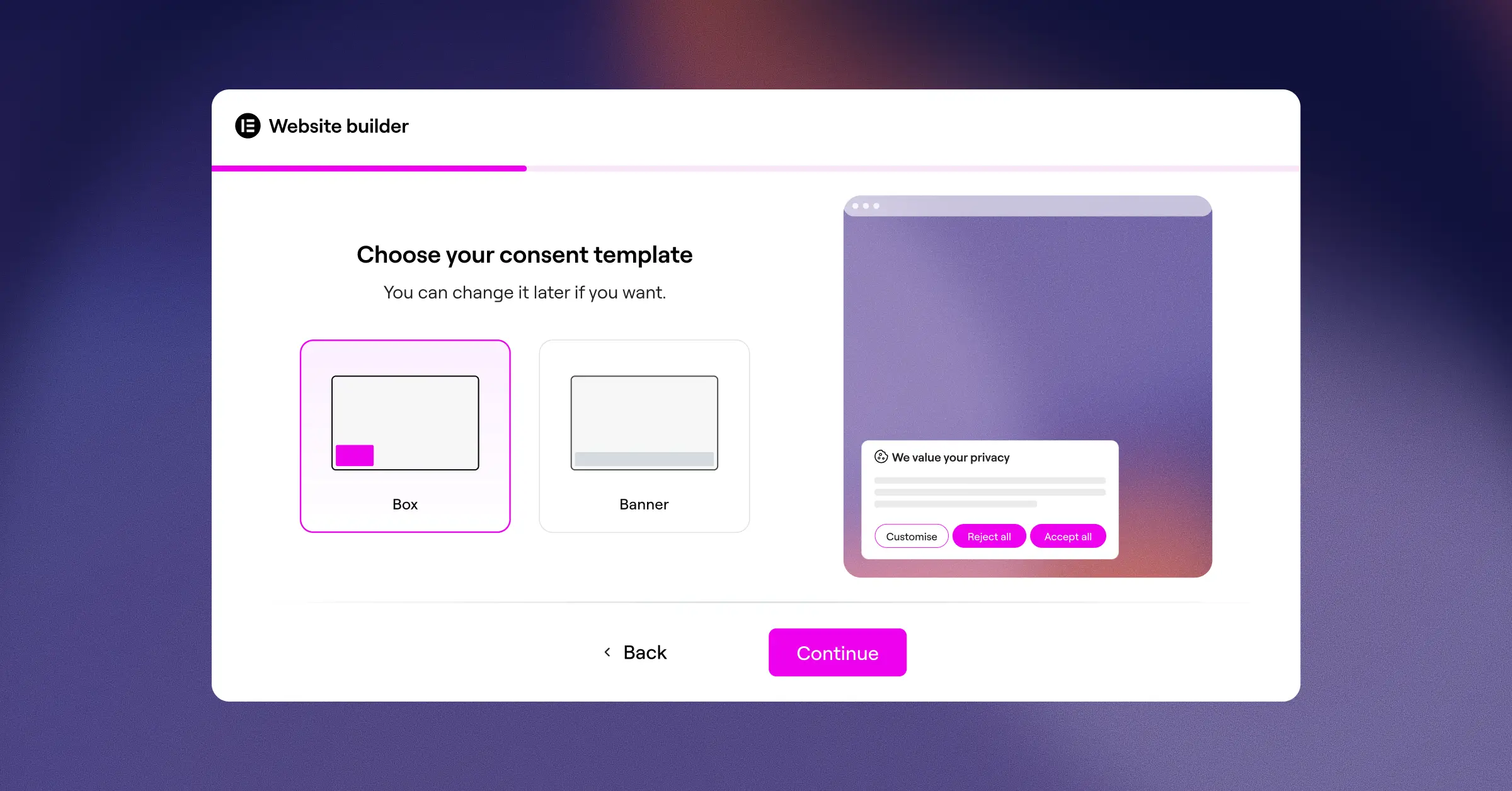
- Design the interface: match your banner to your brand’s colors and fonts, with “Accept” and “Reject” carrying equal weight.
- Set up geo-targeting: show the banner only to visitors from regions that require it.
Phase 3: Connect Google Consent Mode v2
Running Google Ads or Analytics? This step keeps your campaigns running while staying compliant.
- Enable Consent Mode: turn on the Google Consent Mode v2 integration in your consent tool’s settings.
- Map the consent states: link your banner’s categories (Analytics, Marketing) to Google’s default tags (ad_storage, analytics_storage).
- Test the integration: use Google Tag Assistant to confirm your tags get the right signals when visitors interact with your banner.
Work through these phases, and your site’s ready for EU visitors without legal trouble or lost data.
Crucial Compliance Frameworks in 2026
Building your compliance setup, you’ll hit a few technical frameworks that make privacy management easier.
Google Consent Mode v2
In 2026, Google requires any site serving European traffic and using its ad tools to support Google Consent Mode v2, a technical bridge between your banner and Google’s tracking tags. Reject cookies, and the tags run in a restricted state, sending cookieless signals instead of personal data so machine learning can still estimate conversions well, a win for compliance and data collection.
Global Privacy Control (GPC)
Global Privacy Control is a browser setting that lets people set privacy preferences once, at the browser level. Turn it on, and your browser tells every site you visit not to track you. Your banner must recognize that signal and treat it as an automatic rejection. Modern tools handle this on their own.
CCPA and CPRA Alignment
The focus here is the EU Cookie Law, but California has its own rules under the California Consumer Privacy Act (CCPA) and California Privacy Rights Act (CPRA). The same tools for EU compliance usually handle California’s requirements too. The key difference: California uses “opt-out” instead of “opt-in,” so you can load cookies by default but need a clear “Do Not Sell or Share My Personal Information” link for visitors to opt out.
Common WordPress Consent Mistakes to Avoid
Even with good intentions, it’s easy to slip up on privacy setup. Here are the most common mistakes and how to avoid them:
- Using “cookie walls” that block access: rejecting cookies can’t stop visitors from reading content or browsing your store.
- Hiding the reject button in nested menus: forcing visitors through several settings pages to reject cookies while offering one-click “Accept All” isn’t compliant under European rules.
- Failing to block cookies on the initial load: analytics and marketing scripts must stay blocked until the visitor actively consents, the top reason sites fail privacy audits.
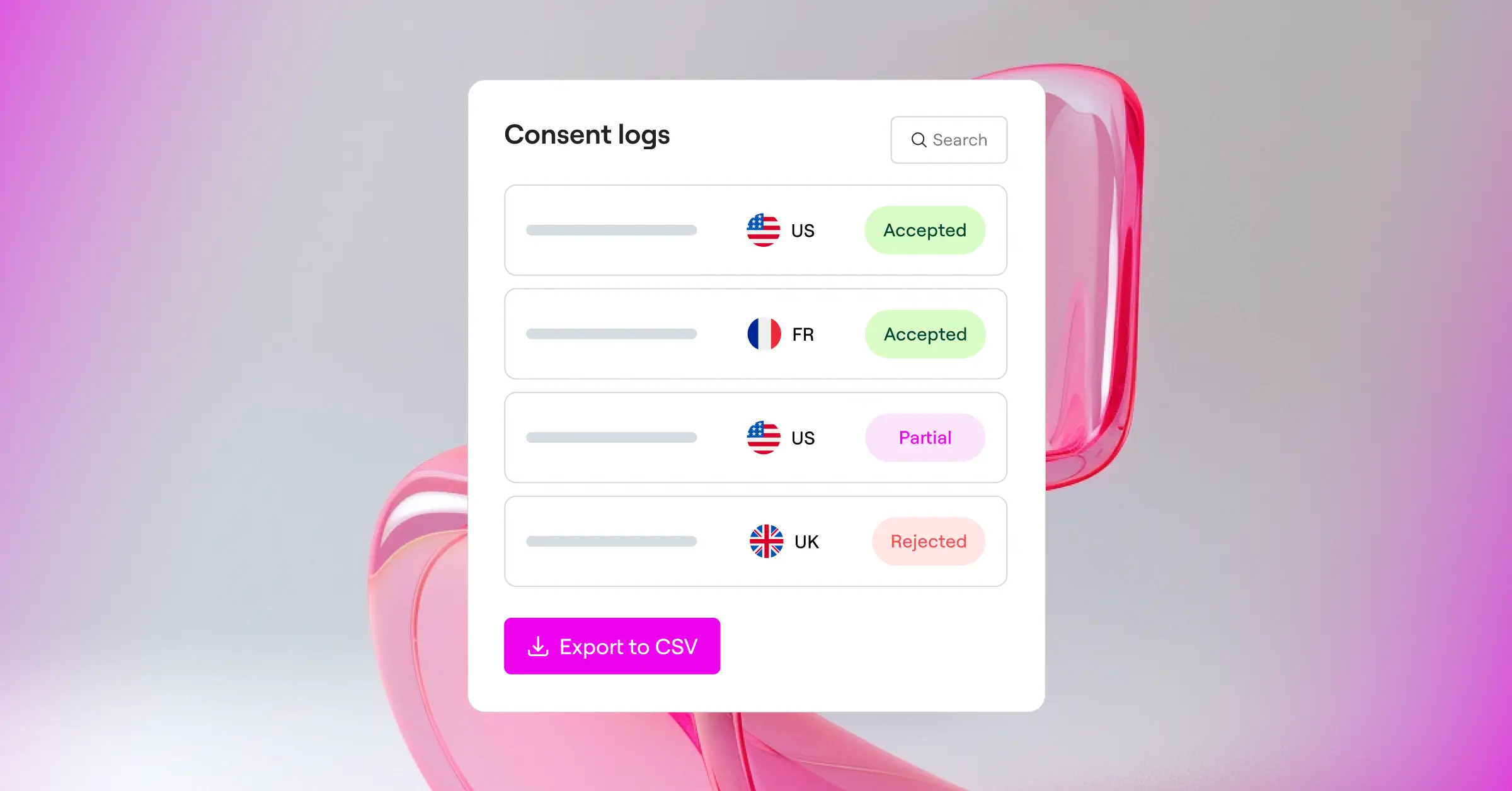
- Neglecting your consent logs: if a regulator asks for proof, you need a clean log of when and how consent was given, without storing personal data.
- Ignoring updates to your themes and integrations: new updates can quietly introduce tracking scripts. A quick cookie scan every few months keeps your banner accurate.
Paying attention to these details shows visitors you genuinely respect their choices. Now let’s look at testing your setup.
Testing and Auditing Your Cookie Setup
Once your banner’s configured, a manual test goes a long way toward peace of mind. (Quick, and worth doing after big changes.)
To test your setup, work through these steps:
- Open a private browsing window for a clean slate with no saved cookies from earlier visits.
- Access the developer console: right-click the page, select “Inspect,” and open the “Application” or “Storage” tab.
- Check the “Cookies” section under your domain. Before you interact with your banner, this should only show strictly necessary files.
- Test the rejection path: click “Reject,” refresh, and confirm no analytical or marketing cookies show up in your dev tools.
- Test the acceptance path: open a new private window, click “Accept All,” and confirm tracking scripts like Google Analytics now load correctly.
Running this test confirms your site handles consent correctly. Make it a habit once a quarter, especially after updates or new marketing tools. Curious what Elementor’s cookie consent capability covers? The full feature overview is a good place to start.
Frequently Asked Questions
Do I need a cookie consent banner if my business is located in the US?
Yes. The EU Cookie Law protects EU citizens no matter where your business is registered. European visitors need a compliant banner blocking tracking scripts before they opt in.
What is Google Consent Mode v2 and is it mandatory?
It lets your site communicate consent choices to Google’s tracking tools. It’s not a government requirement, but Google requires it for personalized ads and accurate conversion tracking.
Can I just block all European visitors to avoid compliance?
You can geo-block European users, but it’s rarely the right move: it cuts off traffic, customers, and readers. A native cookie consent tool keeps your site open globally instead.
What happens if I don’t use a compliant cookie banner?
Non-compliant sites can face warning letters, audits, and real penalties from European data authorities. Google and other ad platforms can also suspend accounts that can’t prove valid consent.
Do session cookies require consent under the EU Cookie Law?
It depends on the cookie. Strictly necessary ones, like saving a shopping cart or keeping you logged in, don’t need prior consent, though you still must list them in your policy.
How do I write a legally compliant Cookie Policy?
Use an automated policy generator, a privacy specialist, or your consent tool’s built-in options. Keep it easy to read, listing every cookie, its purpose, lifetime, and how users can manage it.
Does a simple “OK” button on a banner meet the legal requirements?
No. A banner with only an “OK” or “I Accept” button, and no equal reject option, isn’t compliant under GDPR. You need visible “Accept All,” “Reject All,” and “Customize Preferences” options.
What are first-party and third-party cookies?
First-party cookies are set directly by your site to remember basic preferences. Third-party cookies come from external services like Google Ads, Facebook, or YouTube. Both need consent for non-essential tracking or marketing.
How often should I run an audit on my website’s cookies?
Run an automated scan or manual audit at least once a quarter, keeping your cookie list current so any new themes, tools, or scripts get blocked correctly before consent is given.
Final Thoughts on WordPress Compliance
Making your WordPress site compliant with the EU Cookie Law doesn’t have to be complicated or stressful. Choose a native capability like Cookie Consent, and you can handle compliance right from your WordPress dashboard, without slowing down your site or leaning on complex external software. Respecting your visitors’ privacy is one of the most genuine ways to earn their trust, and it goes a long way toward building a stronger, more professional brand. Take a few minutes to configure your settings today, and get back to growing your business with confidence.