
Finding the right compliance tool for your site doesn’t have to be a chore. Privacy rules keep tightening everywhere, so staying compliant isn’t optional, though it doesn’t have to be complicated. If you’re weighing a WordPress-native option like Cookie Consent against an enterprise platform like OneTrust, you’re in the right place. We’ll compare the two and look at a few solid alternatives too.
Key Takeaways
- Dashboard Location – WordPress-native tools run your whole compliance workflow without leaving your site dashboard.
- Enterprise Scale – OneTrust and similar platforms serve large corporations managing multi-system compliance across languages and apps.
- Google Consent Mode v2 – This standard matters for any site running Google services and serving EEA visitors.
- Setup Speed – Native tools get a customized banner live in under five minutes, while enterprise platforms need technical configuration and much more time.
- Cost Efficiency – Integrated packages often give the best value, especially for a single site or an agency’s client portfolio.
Managing Privacy Compliance in 2026
Privacy compliance keeps shifting, faster than ever. Gone are the days when a generic banner on your home page was enough. Rules like GDPR and CCPA now demand real control over how tracking scripts load, and having a banner doesn’t mean you’re actually blocking cookies before consent is given.
If you serve visitors from Europe, Google Consent Mode v2 applies too: using Google Analytics or Ads means feeding consent choices back to Google in a specific format, or your data breaks and campaigns lose accuracy. Browsers also keep changing how they treat tracking, so you want a tool that detects scripts, categorizes them automatically, and logs consents for any future audit.
Cookie Consent vs OneTrust: The Core Philosophies
Comparing Cookie Consent and OneTrust means comparing two different approaches to compliance, not just a feature checklist. One is deeply integrated into your existing website workflow. The other is a large compliance suite meant to sit at the center of a corporate IT department.
If you build on WordPress, the Cookie Consent capability built by Elementor fits naturally into how you already work. It sits right in your dashboard, so you don’t need a separate login to check logs, edit banner text, or tweak colors.
OneTrust, on the other hand, handles consent for websites, mobile apps, internal databases, employee portals, and marketing lists all at once through external scripts you embed. That gives it real depth, but also more complexity for a small or medium-sized team.
Direct Comparison Table
Here’s how the two stack up on what matters most to site owners and compliance managers.
| Feature or Metric | Cookie Consent (by Elementor) | OneTrust |
|---|---|---|
| Primary Platform | WordPress-native dashboard | External cloud-based platform |
| Setup Time | Under 5 minutes (3-step setup) | Several hours to days for full config |
| Google Consent Mode v2 | Supported out of the box | Supported via custom configurations |
| Design Editing | Visual, native customization | CSS-heavy style editor in external portal |
| Consent Logs | Stored locally in your dashboard | Stored in external enterprise cloud |
| Target Audience | WordPress creators, agencies, and SMBs | Enterprise corporations and legal teams |
A Closer Look: Cookie Consent
The Cookie Consent capability built by Elementor takes the complexity out of compliance. Most site owners just want something that works, keeps them protected, and matches their brand without slowing their site down.
Setting up your cookie banner shouldn’t eat your afternoon. A simple 3-step setup gets you live in under five minutes:
- Activate the feature – Turn on the capability from your native dashboard settings.
- Select your template – Choose from pre-designed, cloud-based templates that look professional out of the box.
- Publish your banner – Review the automatic script categorization and set your banner live to collect consents.
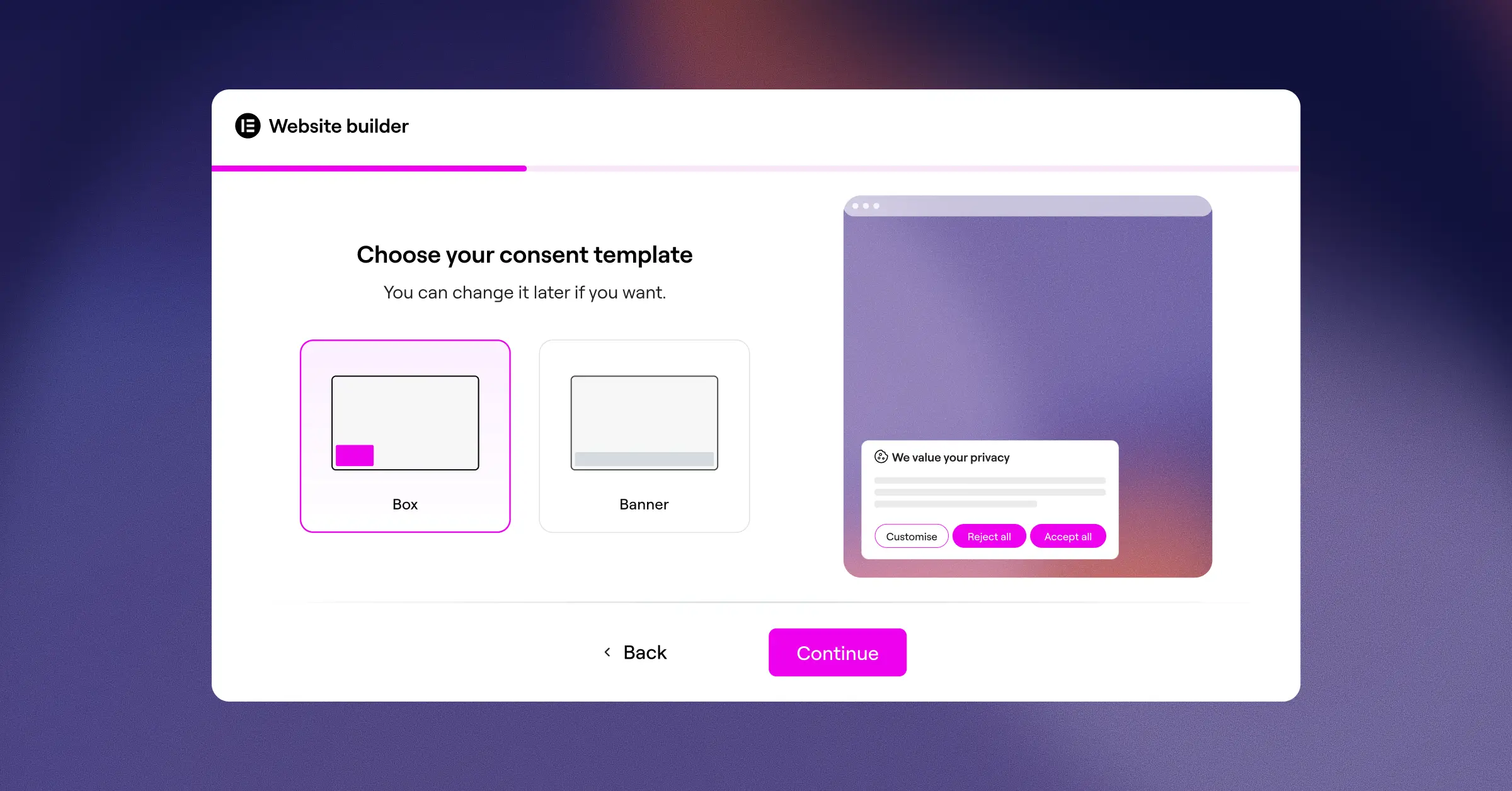
Customization is where this tool shines: no custom CSS needed, just the editor controls you already use, which keeps your brand consistent and builds trust with visitors.
On the compliance side, it scans your site for cookies, manages tracking scripts, keeps detailed consent logs, supports geo-targeting, and supports Global Privacy Control (GPC) signals.
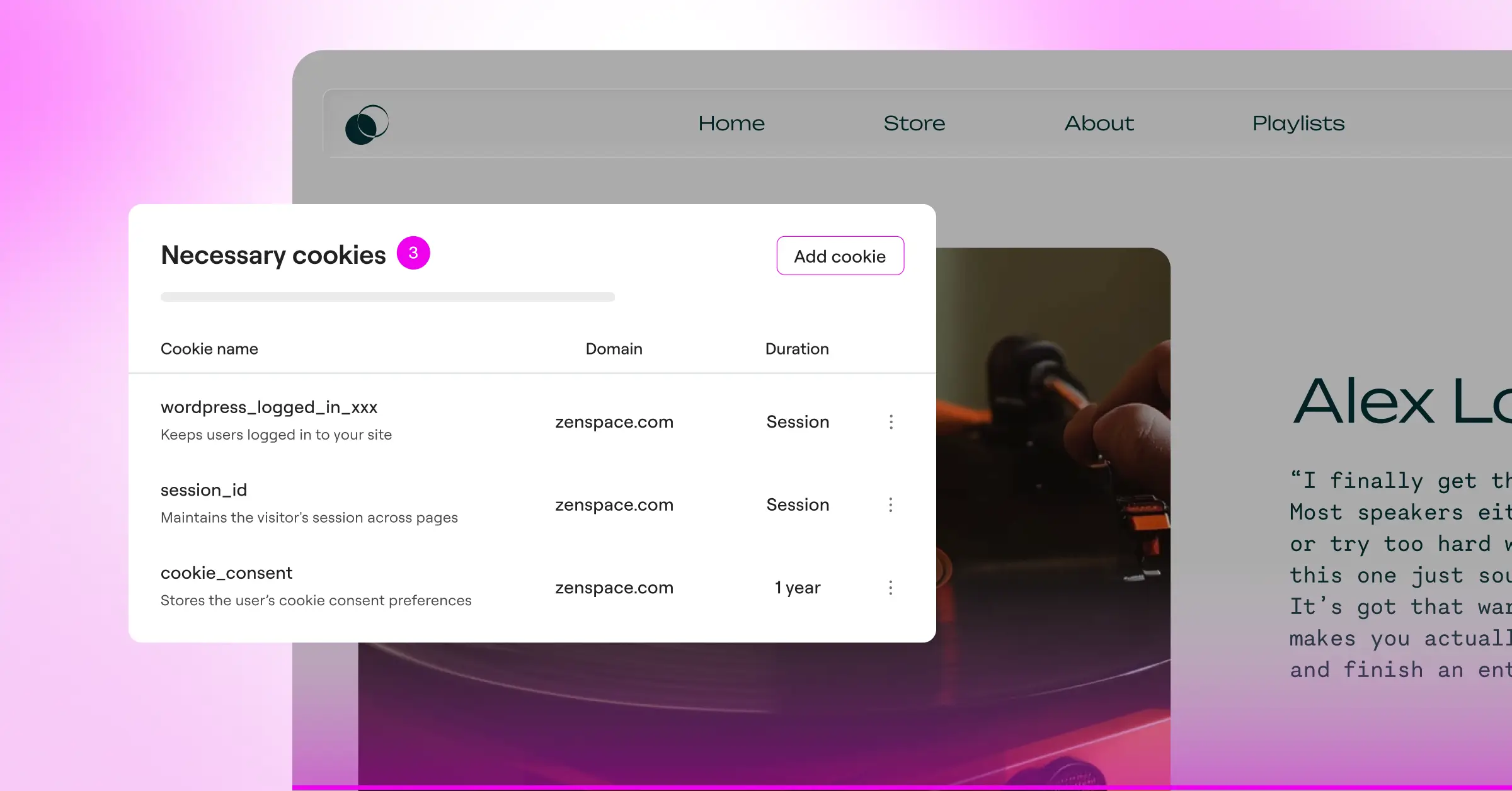
Here are the core capabilities inside this native tool:
- Scans your site automatically to categorize cookies and keep your inventory fresh.
- Adapts your banner language to match your visitor’s location using multilingual support.
- Saves detailed, audit-ready logs of user consents directly in your database.
- Connects smoothly with Google Consent Mode v2 to keep your analytics and ads working safely.
- Generates draft privacy policies quickly with an integrated policy creation tool.
- Loads lightweight, cloud-based templates that don’t slow your site down.
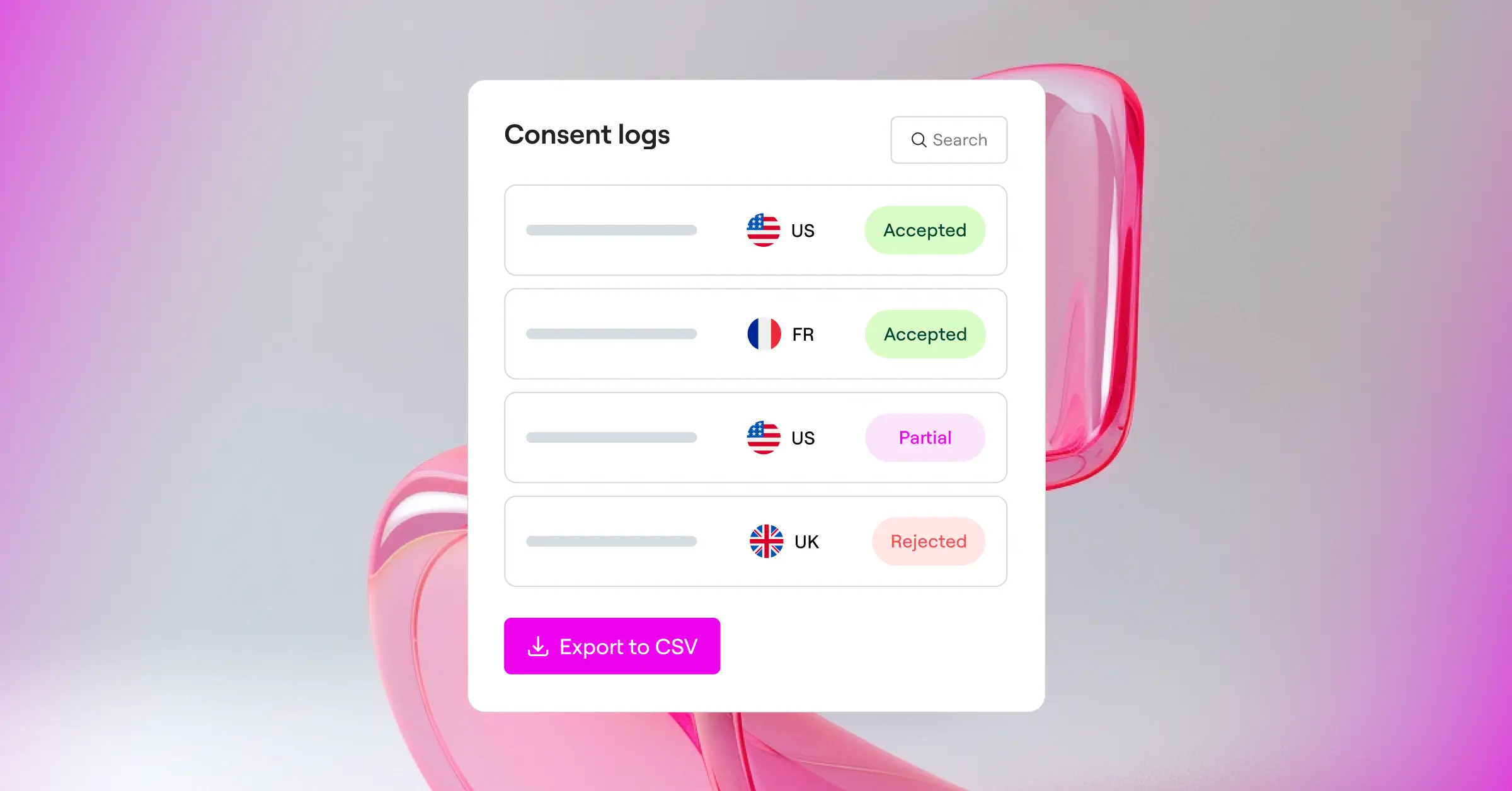
For agencies, it’s a real time-saver, included in the broader Elementor One toolkit alongside Web Accessibility, with white-label options for clients.
A Closer Look: OneTrust
OneTrust is a leading enterprise compliance platform, built for corporate data management, privacy rights requests, vendor risk assessments, and consent across thousands of digital properties.
For a compliance manager at a global enterprise, OneTrust pulls consent data from multiple web properties, mobile apps, and kiosks into one hub built for strict corporate legal and security requirements.
That depth comes with a learning curve: setup is technical, usually needing an administrator to configure consent groups, geolocation rules, and integration scripts, which can feel like a lot for smaller teams.
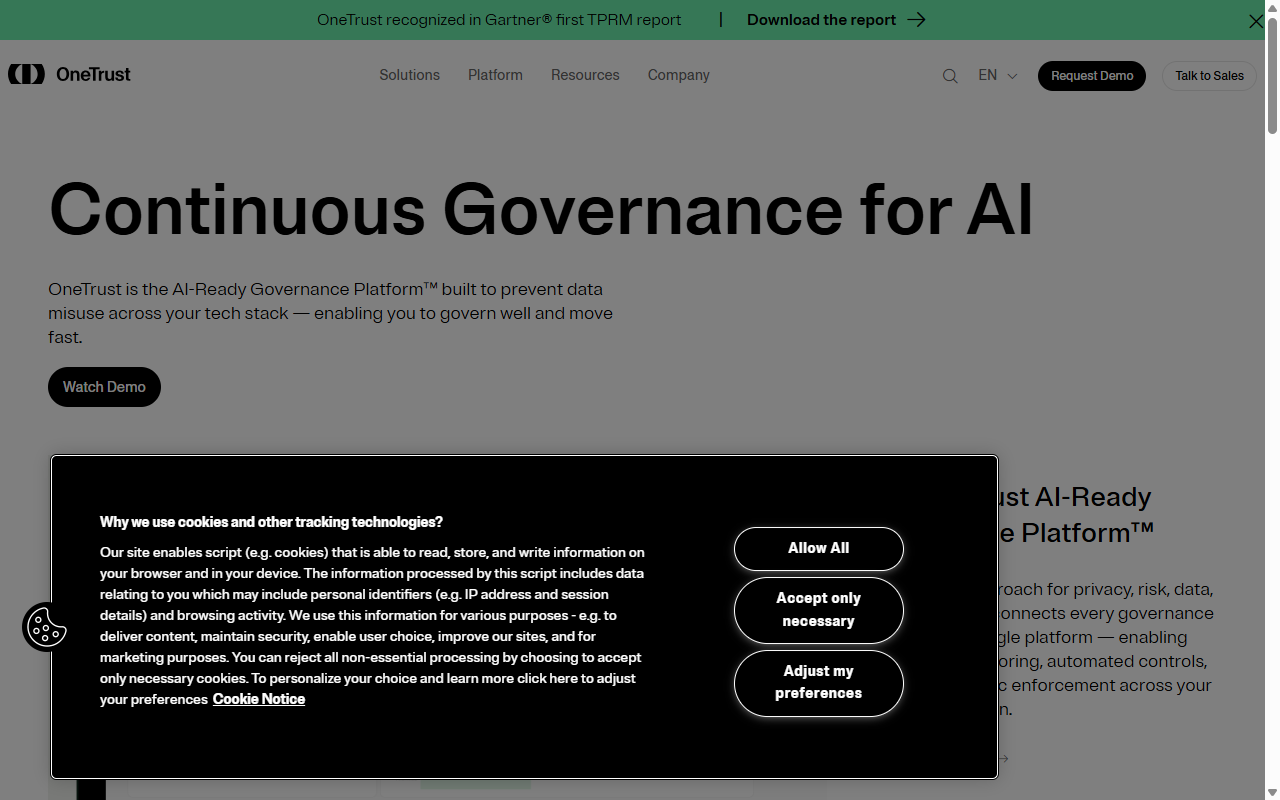
Here’s a look at the platform’s primary capabilities:
- Monitors cookies and trackers across large networks of websites and applications.
- Manages consumer rights requests (DSAR) with automated back-end workflows.
- Stores user consent records securely in a central, cloud-based enterprise database.
- Evaluates third-party vendor risks with detailed compliance assessments.
- Delivers granular reporting dashboards for corporate compliance officers.
- Tracks policy updates and regulatory changes across dozens of global jurisdictions.
OneTrust gives you strong security and compliance tracking with the budget and staff to run it. But for a straightforward way to keep your WordPress site compliant with GDPR, it may be more than you need.
8 Alternative Cookie Consent Tools for 2026
If you’re looking at other options that balance simplicity with scale, here are eight worth considering for website compliance in 2026.
1. Cookiebot
Cookiebot is a widely used cloud-based platform built around automated cookie scanning and control, popular for sites that want a set-and-forget approach.
- Scans your website on a monthly schedule to identify and categorize new cookies.
- Blocks all tracking scripts automatically until the visitor gives explicit consent.
- Displays a clean, customizable consent banner that works across device sizes.
- Saves your consent records in a secure cloud database for easy reporting.
Cookiebot’s page-based pricing suits smaller sites but can get pricey with thousands of pages, even at modest traffic.
2. CookieYes
CookieYes is a friendly, approachable tool that’s grown popular with small and medium-sized businesses, offering both a cloud-based app and easy CMS integrations.
- Builds a responsive consent banner using a simple visual editor.
- Supports major privacy laws including GDPR, CCPA, and Brazil’s LGPD.
- Records visitor choices in a clear, downloadable consent registry.
- Identifies trackers on your site with an automated daily or weekly scanner.
CookieYes is approachable and well documented, though you manage settings outside your dashboard like other external tools. Its entry plan is solid, with tiers that scale by page views.
3. Complianz
Complianz is a dedicated privacy suite built for WordPress, walking you through compliance with a step-by-step wizard about your business and site practices.
- Configures your cookie settings based on an interactive questionnaire.
- Integrates with popular WordPress analytics and tracking tools out of the box.
- Generates legally reviewed documents like cookie policies and terms of service.
- Detects localized requirements to show different banners based on visitor IP addresses.
Complianz suits owners who prefer a self-hosted approach. The wizard takes longer but helps you avoid missing legal details upfront.
4. iubenda
iubenda takes a broader approach, offering a full package of legal solutions including privacy policies, terms and conditions, and cookie consent banners.
- Generates professional legal documents that auto-update when laws change.
- Customizes cookie consent banners to match your site’s look and feel.
- Saves user consent preferences to help you meet GDPR requirements.
- Integrates easily via lightweight code snippets that work on any platform.
This tool suits building a privacy policy that auto-updates as regulations evolve. It’s modular, so you buy separate licenses for what you need.
5. Termly
Termly is built for small businesses, startups, and solo creators who need compliance handled quickly without enterprise-level fees.
- Builds customized privacy policies, terms of service, and disclaimer pages.
- Designs cookie consent banners with a user-friendly visual customizer.
- Categorizes tracking scripts automatically after scanning your domain.
- Keeps your compliance assets current as global regulations change.
Termly is a solid, affordable starter tool. It lacks the deep customization developer-focused tools provide, but for straightforward needs it gets the job done.
6. Osano
Osano positions itself as a reliable data privacy platform with a “no-fine pledge” for businesses that use it correctly, aimed at growing companies reducing legal risk.
- Monitors compliance with global privacy regulations to protect your business.
- Blocks third-party trackers automatically until user consent is confirmed.
- Tracks vendor data practices to keep your data pipelines secure.
- Translates consent banners into dozens of languages based on user location.
Osano sits between simple widgets and enterprise platforms like OneTrust. Its pricing targets growing companies, which can put it outside a freelancer’s budget.
7. Usercentrics
Usercentrics is a developer-friendly platform that excels at API-driven compliance, popular with European businesses needing strict compliance and deep technical integration.
- Opens a fully customizable API for building unique consent experiences.
- Manages consents across web, mobile apps, and smart TV interfaces.
- Integrates with major tag managers to control tracking scripts precisely.
- Collects consent data in a structured, audit-ready format.
If you have developers who want full control over consent handling, Usercentrics is a strong technical choice, though it takes real expertise to configure.
8. Consent Manager
Consent Manager is an analytical consent tool built for publishers and advertisers, focused on protecting ad revenue while staying compliant.
- Optimizes opt-in rates using detailed A/B testing capabilities.
- Supports the latest industry standards for digital advertising and publishing.
- Generates analytical reports on visitor interaction and consent choices.
- Blocks unapproved tracking elements before they load on the visitor’s device.
For publishers relying on strong ad-consent rates, Consent Manager gives you data to refine banners for better opt-in performance, though it can feel visually busy.
Choosing Your Compliance Tool
With so many options out there, the right fit comes down to your tech stack, your team’s skills, and your goals. Before you decide, walk through these:
- Your Platform Stack – A native tool like Cookie Consent keeps your workflow inside one dashboard, saving time and cutting the exposure of juggling accounts.
- Your Implementation Resources – Without a developer for APIs and custom CSS, a visual, code-free setup helps avoid mistakes that could leave you exposed.
- Your Audience Location – For a global audience, choose a tool that adjusts by visitor location, showing a strict GDPR banner only where it applies.
“Modern compliance is no longer just about displaying a banner on your site. It’s about establishing verifiable transparency, maintaining clean consent records, and keeping your user experience clean and fast.”
– Itamar Haim, Web Compliance Specialist
One last thing: always test your compliance tool on staging first, and confirm tracking tags stop firing when a visitor clicks “Decline.” It’s a common oversight that can leave you exposed. With Elementor’s website builder, staging and testing are straightforward.
Frequently Asked Questions
What is Cookie Consent and how does it work?
Cookie Consent is a native WordPress capability that manages your privacy compliance right from your dashboard. It scans for trackers, groups them into categories, shows custom consent banners, and logs visitor choices to keep you compliant with GDPR and CCPA.
How is a WordPress-native tool different from a SaaS platform?
A native tool runs inside WordPress, so you handle settings, cookie lists, and consent logs without an external account. SaaS platforms like OneTrust live on separate servers and need embedded scripts plus their own portal.
What is Google Consent Mode v2 and do I need it?
Google Consent Mode v2 sends consent signals from your banner straight to Google’s tracking systems. If you use Google Analytics or Ads and serve EEA visitors, you need a tool that supports it to keep your data accurate.
Can I customize the look of my consent banner?
Yes, though how easily depends on the tool. Native tools let you adjust colors, fonts, margins, and layouts with familiar controls. External platforms often need custom CSS or basic templates inside their dashboard.
Does using a cookie banner slow down my website?
Some heavier external scripts delay page load by fetching data from remote servers. Native tools stay lightweight, using clean, local code alongside cloud-based templates.
Is there a free tier available for these consent tools?
Many consent tools include a basic free tier with limited page views or scans. Cookie Consent includes one too, part of the broader package in Elementor One for anyone wanting full features without extra subscriptions.
What happens if I don’t use a cookie consent tool on my site?
Collecting data from visitors in regions with strict privacy laws without explicit consent can mean significant fines. Google may also limit your ability to track conversions or build ad audiences.

