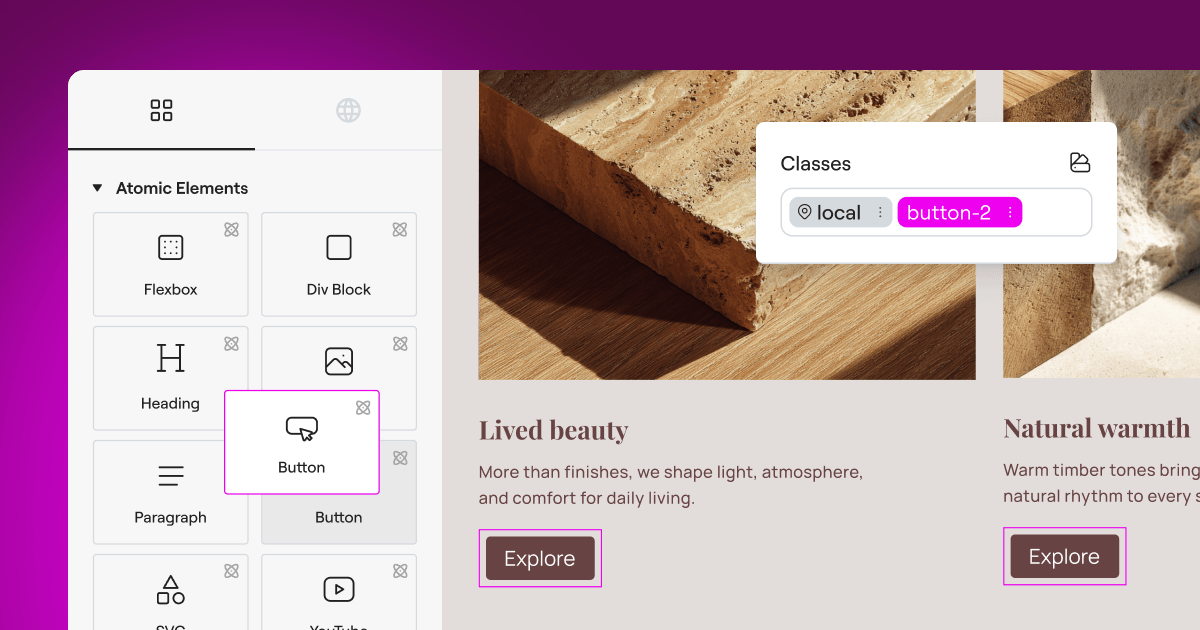
Keeping your website compliant with privacy laws doesn’t have to feel overwhelming. If you manage websites, you’re probably weighing your consent options against shifting regulations, and comparing an enterprise platform like OneTrust with a native WordPress tool is a great place to start. We’ll walk through the top options, including Elementor’s native Cookie Consent tool, so you can find your best match. This is simpler than it looks, and you’ve got this.
Key Takeaways
- Choosing native WordPress or enterprise depends on your site size and technical setup.
- Native tools keep your database light and skip separate third-party dashboards.
- Enterprise systems suit large, multi-platform corporate sites, but take more setup time.
- Google Consent Mode v2 support is essential for any business running European ads or analytics.
- Budget-friendly and free options exist for small businesses needing fast compliance.
The Modern State of Web Compliance
Why’s everyone suddenly talking about privacy banners? Simple: regulators want real control over personal data, and laws like GDPR and CCPA have gotten stricter. A “we use cookies” banner doesn’t cut it, you need to capture consent, log it, and categorize every tracking script on your site.
That’s a real burden when you still need fast page loads. On WordPress, you can build compliance into your dashboard instead of adopting a separate cloud platform. Before choosing software, run a quick check.
- Identify where your visitors are coming from geographically to determine which laws apply to your site.
- Audit your existing tracking scripts, marketing pixels, and analytics tools.
- Decide whether you want to manage compliance inside your site backend or on an external cloud platform.
Once you’ve answered these, let’s see how the two leading approaches compare.
Cookie Consent vs OneTrust: Two Distinct Paths
When you put Cookie Consent side by side with OneTrust, you’re looking at two different philosophies. OneTrust is an enterprise compliance platform built to handle everything from vendor risk management to data mapping across thousands of subdomains, capable but steep enough that teams often bring in IT or specialized training to configure it.
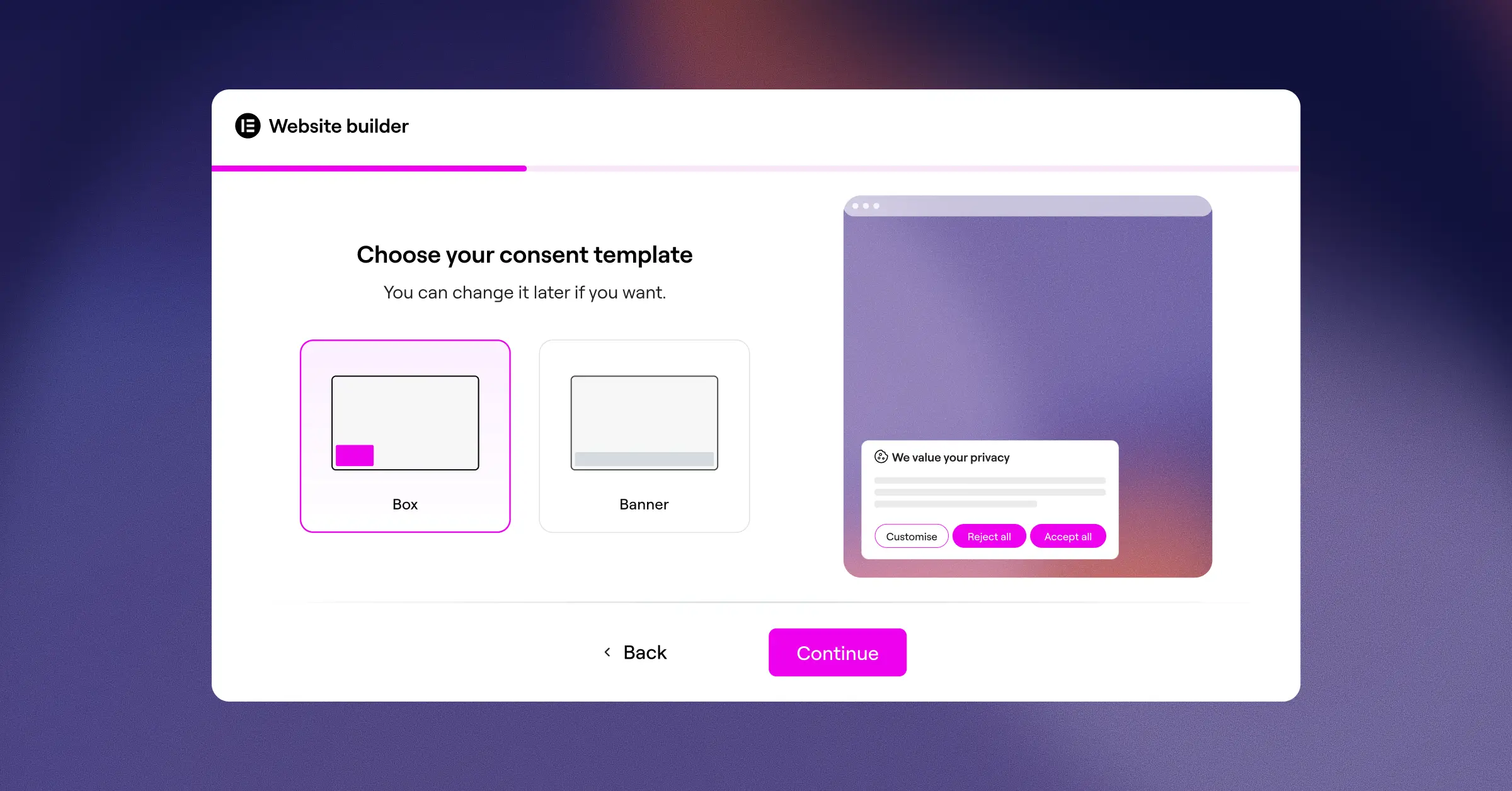
The Cookie Consent capability inside Elementor takes the opposite approach: built for WordPress creators, it lets you build banners, manage consent logs, and scan scripts without leaving your dashboard, no external cloud app, no JavaScript to paste in. For agencies already in Elementor, every button, color, and font stays customizable in the editor.
Core Features Side-by-Side
Enterprise platforms give deep control over regulatory frameworks but usually need a dedicated compliance team to configure. WordPress-native tools get you compliant in under five minutes with a layout that already matches your brand. (Bigger tool doesn’t mean better.)
If you run a single business site, you want something fast that won’t hurt your core web vitals. Enterprise scripts add weight pulling data from external servers, while native tools running on your own server stay fast for visitors while still checking every regulatory box.
Comparison Table of Top Consent Tools
Here’s how the top contenders compare on the features that matter most.
| Tool Name | Dashboard Location | Setup Complexity | Google Consent Mode v2 | Primary Target Audience |
|---|---|---|---|---|
| Cookie Consent | WordPress Native | Very Low (Under 5 mins) | Fully Supported | WordPress Creators & Agencies |
| OneTrust | External Cloud Portal | High (Requires training) | Fully Supported | Large Global Enterprises |
| Cookiebot | External Cloud Portal | Medium | Fully Supported | Mid-Market Businesses |
| CookieYes | External Cloud Portal | Low to Medium | Fully Supported | Small to Mid-Sized Sites |
| Complianz | WordPress Dashboard | Medium | Fully Supported | WordPress Site Owners |
10 Best Cookie Consent Tools for 2026
Now, the ten best options for your compliance needs this year.
1. Cookie Consent (by Elementor)
Built directly into the Elementor environment, this capability keeps consent management inside your WordPress site: no external subscription, no code to copy, no complex integration, just a three-step setup for compliance in under five minutes.
- Builds custom banners directly inside the WordPress visual editor to match your exact branding.
- Scans your website to detect and categorize cookies automatically.
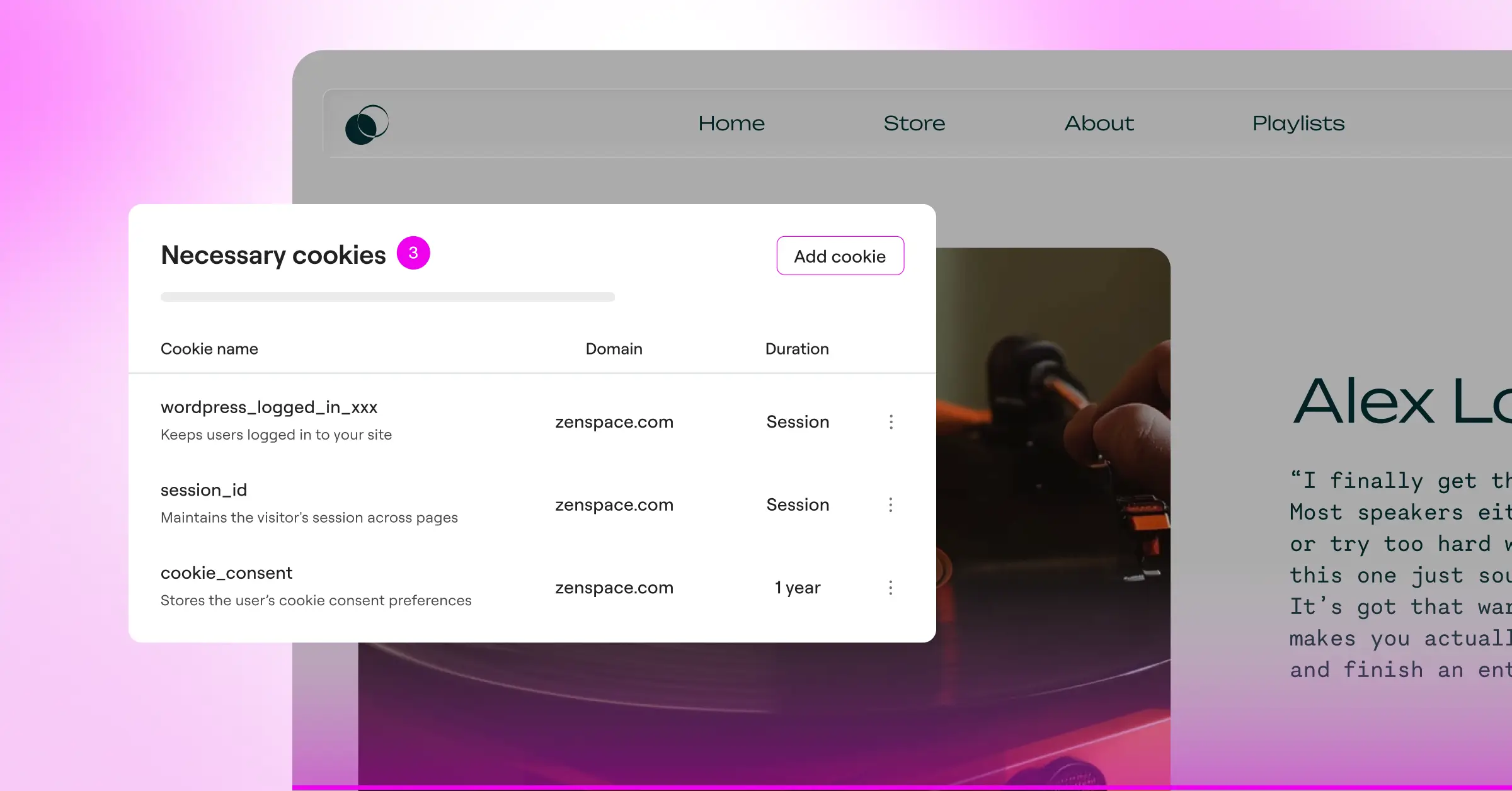
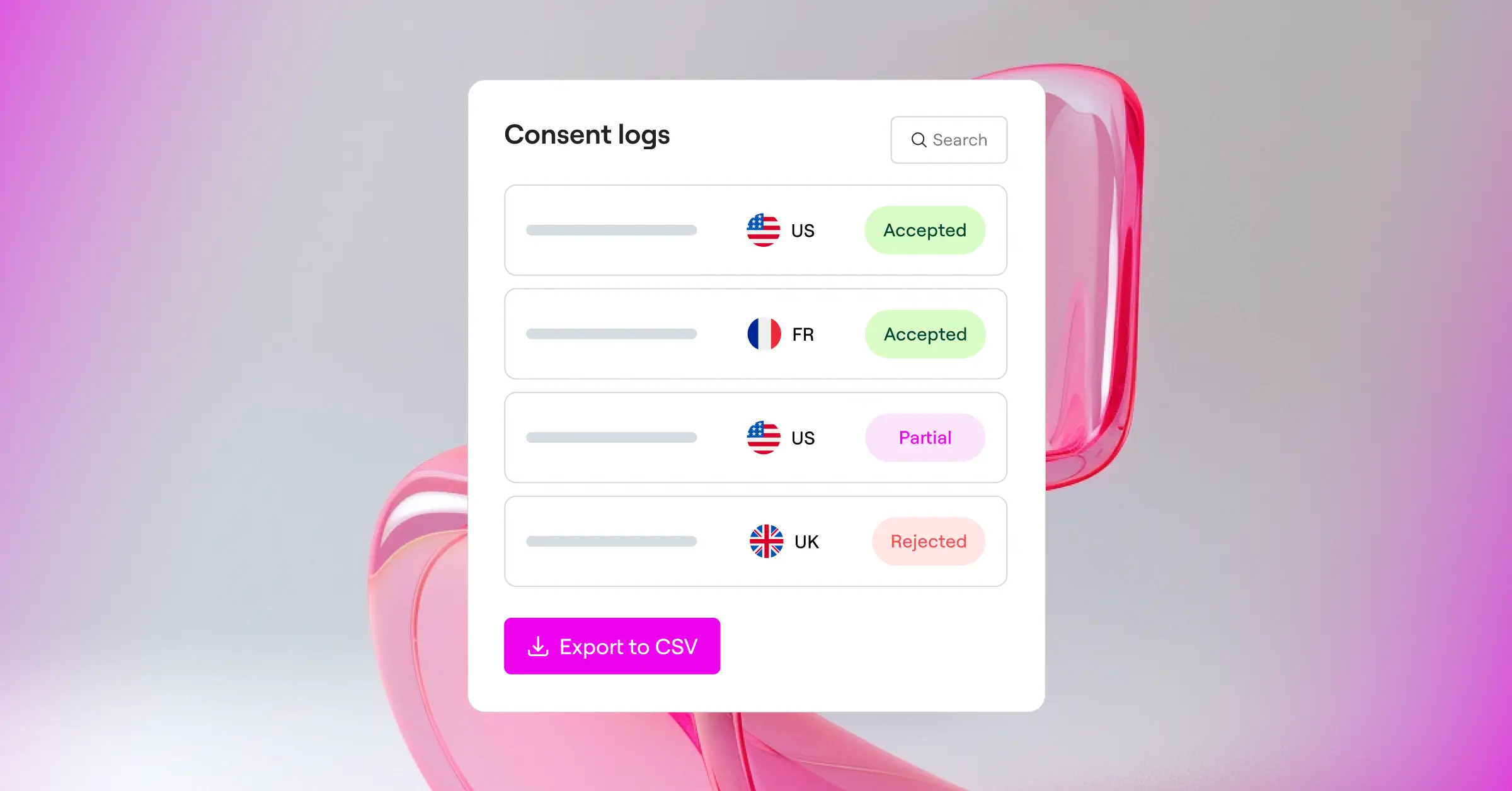
- Stores user consent logs locally on your server for clean audit trails.
Pros: Excellent design control, no external accounts, supports Google Consent Mode v2, plus built-in geo-targeting.
Cons: WordPress-only, so non-WordPress platforms can’t use it.
Verdict: Best for WordPress designers and agencies who want a fast, native compliance solution.
2. OneTrust
OneTrust is a market leader in enterprise privacy, with features well beyond basic banners: vendor risk management, data mapping, and deep policy administration. It’s highly capable, though configuring it properly takes real time and resources.
- Pulls detailed data compliance profiles from complex enterprise systems.
- Tracks user consent across multiple devices, mobile applications, and subdomains.
- Builds advanced reporting schedules for dedicated privacy teams.
Pros: Deep feature set, highly scalable for global organizations, and covers a wide range of privacy regulations.
Cons: Priced for enterprise budgets, complex interface, and usually requires a professional services team to implement.
Contact their sales team for a custom quote.
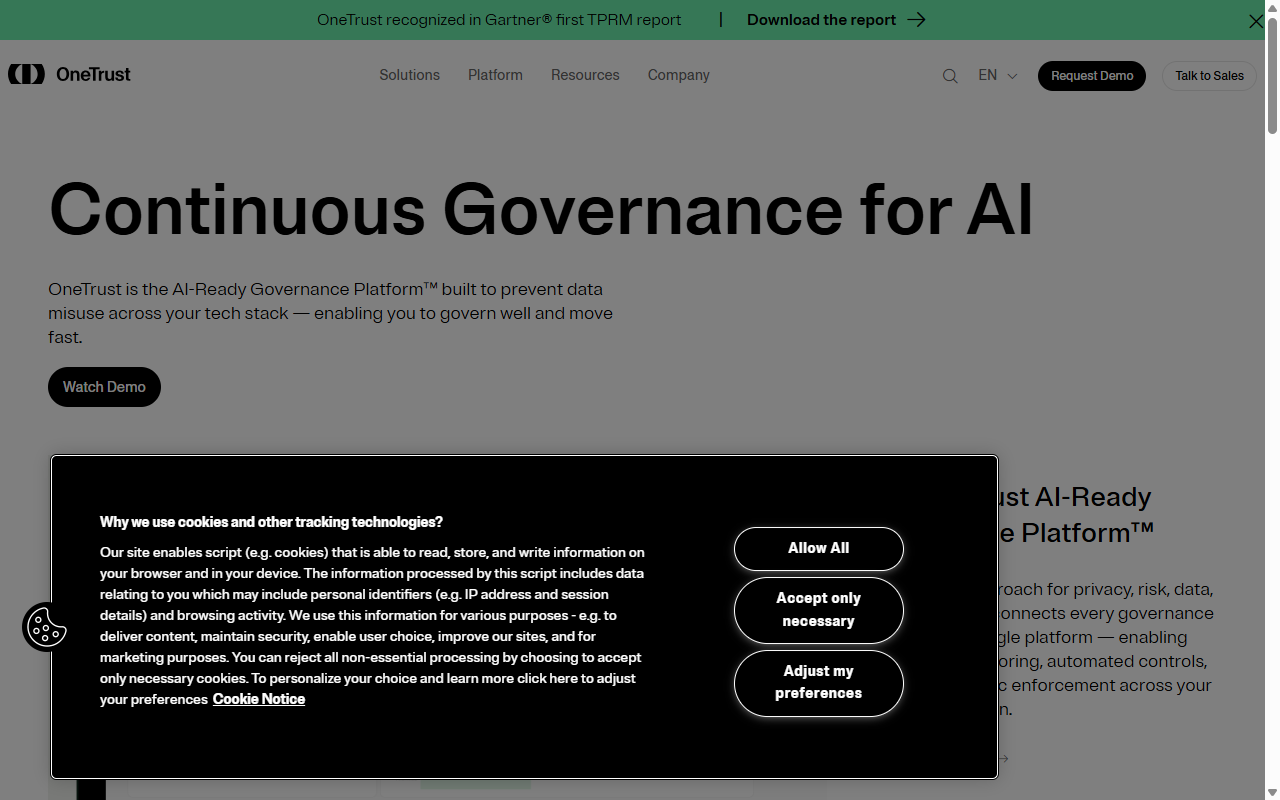
Verdict: Designed for large multi-national corporations with complex compliance needs across multiple platforms.
3. Cookiebot
Cookiebot is a widely used cloud-based consent tool known for automated scanning that keeps your cookie policy updated. Straightforward, though everything runs through an external dashboard.
- Scans your website on a regular schedule to catch new tracking scripts.
- Builds a clean, tabbed consent widget for site visitors to customize preferences.
- Stores consent data in a secure, external cloud database.
Pros: Strong scanning engine, reliable cloud infrastructure, and easy integration with Google Tag Manager.
Cons: Costs can increase as your website traffic grows.
Verdict: A reliable mid-market pick with a cloud-hosted setup and room to scale.
4. CookieYes
CookieYes is a friendly cloud platform for straightforward cookie consent, popular with small-to-medium businesses wanting a simple, modern setup.
- Connects with almost any content management system using a single script tag.
- Generates customized cookie policy pages based on your scan results.
- Displays geo-targeted banners to meet specific regional requirements automatically.
Pros: Intuitive dashboard, straightforward installation, multilingual banner support.
Cons: Heavy customization needs custom CSS in their web app.
Verdict: A solid option for managing a mix of WordPress and non-WordPress sites in one place.
5. Complianz
Complianz is a privacy suite built for WordPress, with a wizard-style setup generating legal documents and consent banners from your answers and scan results.
- Builds a step-by-step wizard to help you configure regional settings.
- Connects with localized legal guidelines to dynamically update your policies.
- Blocks third-party integrations like YouTube and Google Maps until consent is given.
Pros: Solid integration with WordPress and strong compatibility with popular translation tools.
Cons: The dashboard can feel cluttered with legal settings on simpler sites.
Verdict: A good fit for European site owners who want thorough, document-focused legal setup in WordPress.
6. iubenda
iubenda is a full compliance service covering privacy policies, terms and conditions, and cookie consent banners, modular enough to pick just the pieces you need.
- Builds attorney-drafted privacy policies that auto-update when laws change.
- Tracks consent settings across websites, mobile apps, and online stores.
- Manages internal data processing records for GDPR compliance.
Pros: Thorough legal coverage and good options for complex web applications.
Cons: Modular pricing can add up across multiple sites needing several legal documents.
Verdict: A strong candidate for complete legal document generation alongside your cookie banner.
7. Termly
Termly is built for small businesses that need quick compliance templates: a simple consent banner plus builders for privacy policies, terms of service, and disclaimers.
- Generates customized legal documents based on simple questionnaire forms.
- Scans your site weekly to categorize common tracking technologies.
- Builds clean, straightforward consent banners with basic styling options.
Pros: Simple to understand, solid general templates, affordable for startups.
Cons: Limited design flexibility and restricted feature sets on the entry-level plan.
Verdict: A practical choice for startups and freelancers wanting a quick, budget compliance package.
8. Osano
Osano is an enterprise-grade data privacy platform focused on data discovery, vendor management, and consent, backing premium plans with a legal compliance guarantee.
- Tracks the privacy practices of third-party vendors you might use.
- Builds highly secure geo-targeted compliance pathways for global visitors.
- Manages data subject access requests (DSAR) with a built-in workflow.
Pros: Strong security focus, lawsuit protection guarantees, and highly reliable cloud hosting.
Cons: Priced at a premium, less accessible for smaller sites or solo operators.
Verdict: A good fit for growing companies wanting strong legal protection and vendor compliance tracking.
9. Usercentrics
Usercentrics is a consent management platform for mid-to-large businesses, with API options and a customizable interface favored for custom-built web applications.
- Pulls structured consent data directly into your existing marketing analytics pipelines.
- Builds unique user interfaces using their flexible software development kits (SDKs).
- Connects with enterprise tag management systems like Tealium and Google Tag Manager.
Pros: Deep customization options for developers, good security, and solid multi-language support.
Cons: Requires some technical or development knowledge to set up and style correctly.
Verdict: A strong option for product teams and developers who need precise design and API control.
10. Didomi
Didomi is a premium preference management platform that goes beyond standard banners, helping you build custom consent processes and preference centers so customers control what data they share.
- Builds detailed brand preference centers for newsletters, ads, and cookies.
- Tracks consent rates across smart TVs, mobile applications, and web browsers.
- Connects consent data directly to your CRM and marketing automation platforms.
Pros: Advanced consent processes, clean layouts, and strong data platform integrations.
Cons: Overkill for basic blogs or simple sites needing just a standard banner.
Verdict: A top-tier choice for customer-centric brands building deeper trust through data transparency.
Making the Right Choice for Your Website
So how do you choose? For a small WordPress site, an enterprise suite like OneTrust can feel like buying a semi-truck to pick up groceries: capable, but slow to configure and pricey. A native WordPress solution is often enough, though a global brand running several platforms will want something more centralized. Three questions worth asking first.
- Your CMS Platform: If you use WordPress and Elementor One, the built-in cookie consent capability keeps your stack lean and speeds fast.
- Your Technical Team: Without an in-house developer, look for visual builders and wizard-based setups rather than API-driven platforms.
- Your Traffic Source: With a lot of European or Californian traffic, prioritize tools with advanced geo-targeting and Google Consent Mode v2 support.
Focus on what your business needs today and you’ll avoid paying for enterprise systems you’ll never use.
Expert Advice on Website Compliance
We asked an expert how to balance user experience with strict legal requirements.
“The secret to a great cookie consent strategy is simplicity. You want to meet your legal requirements clearly without interrupting the visitor’s experience. WordPress-native compliance tools have made huge strides because they let you manage everything under one roof, keeping your site fast and your branding consistent without relying on heavy external code.” – Itamar Haim, Web Compliance Specialist
When your banner matches your brand’s style, visitors trust it more, and unified tools mean fewer failure points as WordPress updates. See the Elementor blog’s coverage of WordPress compliance for more.
Action Steps If Your Consent Banner Breaks
A script update can sometimes cause your banner to stop showing. If that happens, follow these steps.
- Clear your website cache and any content delivery network (CDN) caches you’re running.
- Check your console log in your browser’s developer tools to see if there are any JavaScript errors.
- Confirm that your consent manager’s integration script is still active and placed in the correct header or footer location.
Frequently Asked Questions
Do I really need a cookie consent banner on my site?
Yes, if you get visitors from the EU, the UK, California, or anywhere else with active privacy laws. It’s based on where your visitors live, not your business, so a solid setup avoids fines and builds trust.
What is Google Consent Mode v2?
A Google framework that passes visitor consent choices directly to services like Analytics and Ads. It’s required for personalized advertising or detailed conversion tracking on European traffic, so pick a tool that supports it natively.
Can I use a free cookie consent tool?
You can. Many platforms offer entry-level plans for basic websites. Elementor’s native Cookie Consent has a free tier with excellent design control and scanning, no external cloud service required.
What is the difference between CCPA and GDPR for cookie consent?
GDPR is opt-in: block non-essential cookies until a user explicitly agrees. CCPA is mostly opt-out: give users a clear way to say “Do Not Sell My Personal Information.” Modern consent managers adjust your banner based on visitor location.
Why should I use a WordPress-native tool instead of an external dashboard?
A native tool keeps your data and settings inside WordPress: no separate service to pay for, no extra portal, no external server slowing your page load. Learn more on Elementor’s Cookie Consent feature page.
How does automated cookie scanning work?
The system crawls your pages like a search engine would, looking for tracking pixels, analytics codes, and other cookie-placing scripts. It groups everything into categories, marketing, analytics, necessary, so your banner can block or allow each by user choice.
What are consent logs and why do I need them?
Consent logs prove a specific user gave consent at a specific time. If a regulator audits your site, you need these logs as proof, and storing that data securely on your server makes audit readiness easier.
Will a cookie consent tool slow down my website load speed?
It can, if you’re running a heavy external system loading megabytes of third-party JavaScript. With a clean, lightweight native option, the impact on page speed is barely noticeable, and light scripts matter for search rankings too. Elementor’s Web Accessibility tool is another good way to build a site that’s legally sound and welcoming to everyone.

