Protecting user privacy isn’t just a box to check anymore. It’s how you build real trust with the people who visit your site. If you run a WordPress site, GDPR compliance is more manageable than it looks once you break it into steps, and staying compliant in 2026 means giving your users real control while keeping your site running smoothly.
Key Takeaways
- Consent must be explicit, freely given, and easy to withdraw for European visitors.
- Google Consent Mode v2 is mandatory if you use Google Analytics or Ads to reach European traffic.
- Data minimization keeps your database safer by only collecting the personal information you need.
- Privacy policies and cookie banners should use plain language, not legal jargon.
- A native WordPress tool lets you manage compliance logs and cookie preferences from your dashboard.
What is GDPR Compliance and Why Does It Matter in 2026?
The General Data Protection Regulation protects the personal data of people in the European Union (EU) and the European Economic Area (EEA). It doesn’t matter where your business is based: the moment someone from the EU visits your site, the rules apply. Personal data covers more than names and emails, too, including IP addresses, location data, and tracking cookies.
In 2026, regulators are watching closely, especially how sites obtain consent, handle third-party tracking, and respect Global Privacy Control (GPC) signals. Outdated opt-out methods or hidden checkboxes can lead to real fines. And visitors notice, too: people are more aware of their privacy rights than ever, and they appreciate sites that respect them.
Here are the ten most practical steps for protecting your WordPress site, your visitors, and your business.
The 10 Best Steps to Make Your Website GDPR Compliant
Getting compliant doesn’t mean shutting down your analytics or your marketing. It just means being transparent and giving users real control over their data.
1. Conduct a Thorough Audit of Your Current Data Collection
Before you can protect your users’ data, you need to know exactly what you’re collecting. Most site owners are surprised by how much runs quietly in the background. Start by mapping your entire data footprint.
List every active system: contact forms, newsletter signups, checkouts, registrations, and comment sections. Then check tools like Google Analytics, Facebook Pixels, heatmaps, and social sharing buttons, since they all collect user details too.
- Identify form submissions: note every form on your website and where that data is stored.
- List third-party scripts: check your tracking pixels, chat widgets, and advertising scripts.
- Review user roles: see who has access to your backend and clean up any old accounts.
- Check payment gateways: make sure your checkout doesn’t store sensitive card details on your own server.
- Audit your tools: some collect telemetry data without making it obvious in your dashboard.
2. Implement a Professional Cookie Consent Solution
Cookies are the most common way sites track visitor behavior. Under GDPR, you can’t load non-essential cookies before the user actively consents, so analytics, advertising, and marketing tracking need to stay paused until someone clicks “Accept.” (This trips a lot of people up, but the right tool makes it painless.)
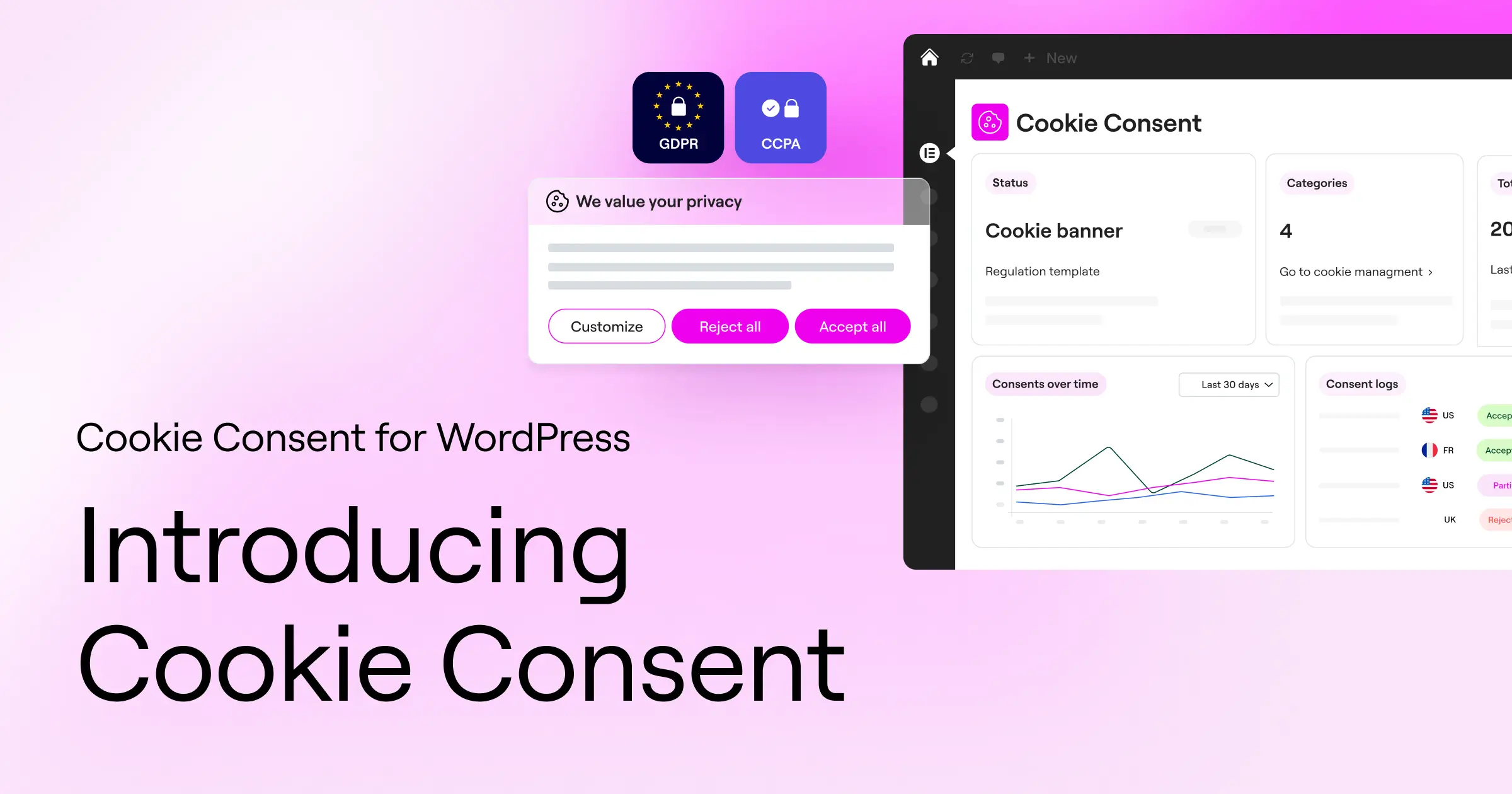
A dedicated tool like Cookie Consent, built natively for WordPress by the team at Elementor, handles this for you. This capability lets you manage GDPR and CCPA compliance right from your dashboard, with clean banners, automatic cookie scanning, and organized consent logs for audit trails.
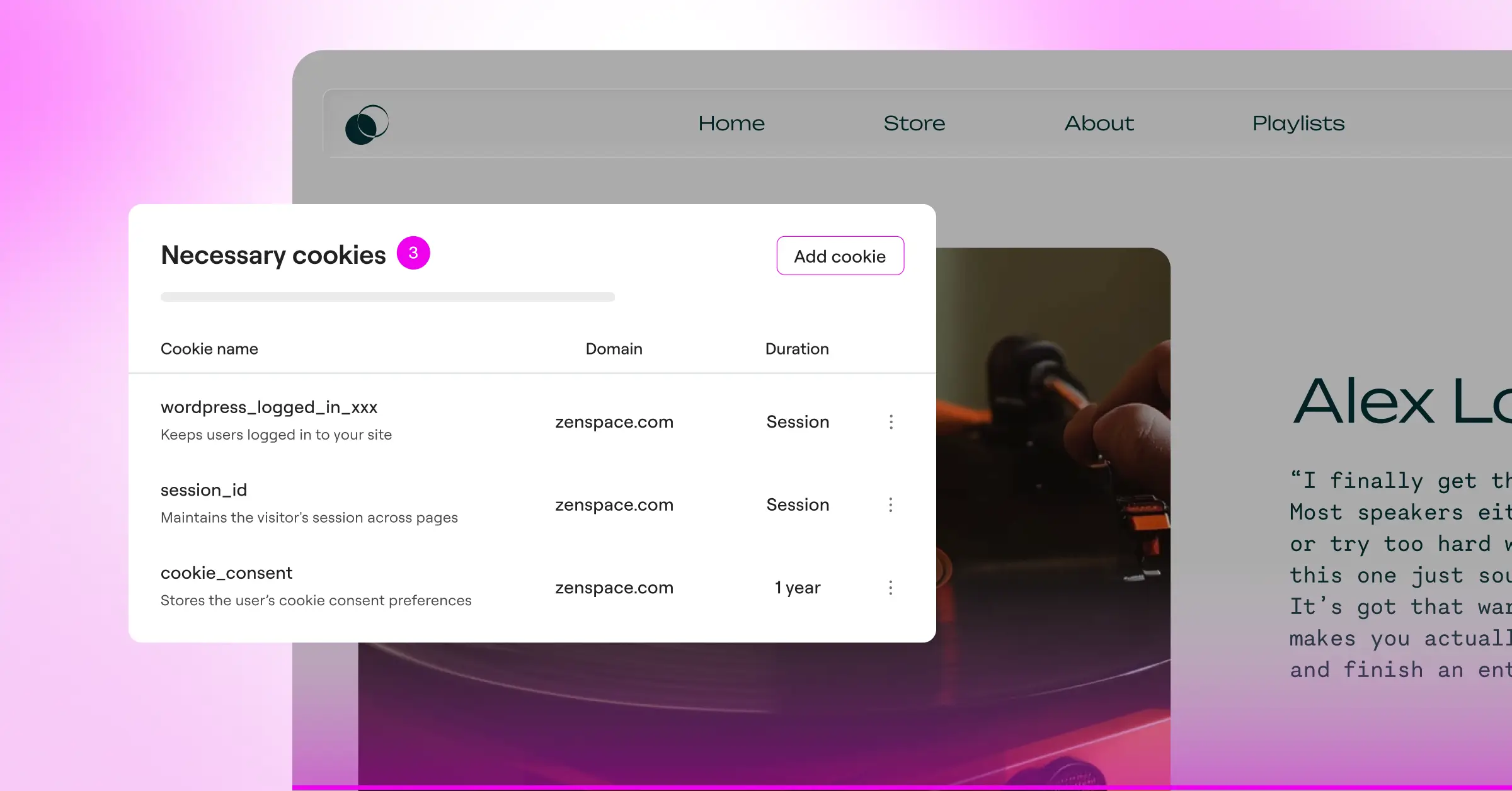
- Scan your site: run an automatic scan to find all active cookies and group them into categories like essential, analytical, and marketing.
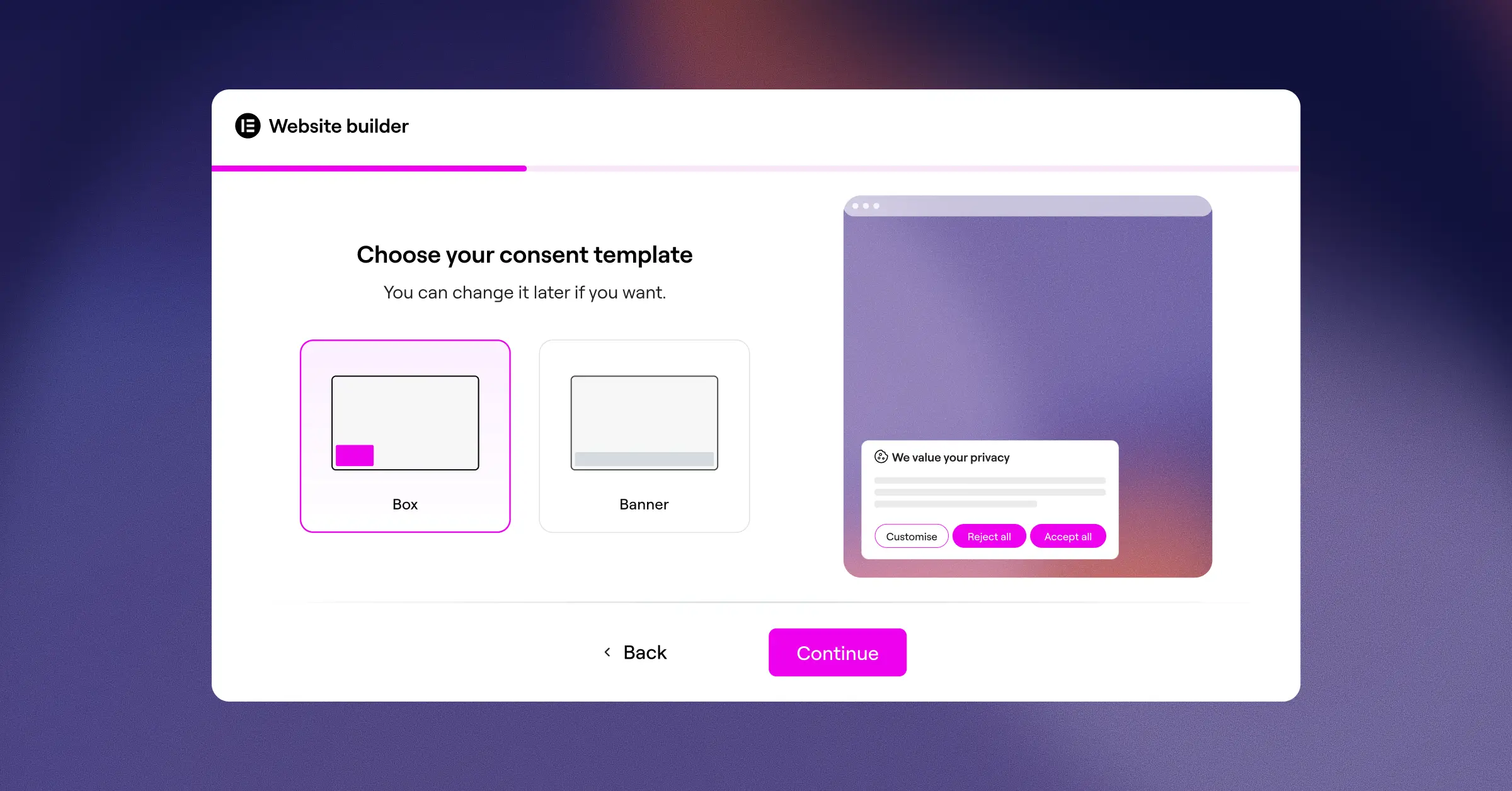
- Design the banner: create a layout that matches your website style, keeping the “Accept” and “Decline” buttons equally prominent.
- Set up cookie blocking: make sure tracking scripts don’t fire until the visitor chooses to opt in.
“Consent isn’t a barrier to business growth; it’s the foundation of digital trust. Giving users transparent choices about their data builds a stronger, more loyal audience over the long term.”
– Itamar Haim, Web Compliance Specialist
3. Support Google Consent Mode v2
If you use Google Analytics 4, Google Ads, or Google Tag Manager to reach European audiences, Google Consent Mode v2 matters. It passes your users’ consent choices straight to Google’s tags, adjusting behavior based on what visitors allow or decline.
When someone declines, Consent Mode v2 uses conversion modeling to fill data gaps without relying on personal tracking cookies. So you keep meaningful measurement for your campaigns while respecting privacy.
- Preserve conversion tracking: keep your campaign measurements even when users decline tracking cookies.
- Stay compliant with Google policies: avoid account suspensions by meeting Google’s European consent requirements.
- Automate tag behavior: dynamically adjust how your scripts load based on the visitor’s selection.
- Use advanced modeling: let Google fill in analytical gaps safely using anonymized data.
4. Update Your Privacy Policy and Terms of Service
Your privacy policy needs to be easy to find, simple to read, and current for 2026. Skip the dense legal text and write in plain language. It should state what data you collect, why, how you protect it, and how users can request deletion.
You’ll also need a link to your policy on every page, usually in the footer. If you’re building with Elementor, save a global footer template with that link so it appears site-wide automatically.
- State your identity: clearly display your business name, address, and contact details.
- Explain data purposes: detail exactly why you need user information, whether it’s for shipping orders or sending newsletters.
- Explain user rights: let readers know how they can access, change, or delete their stored personal data.
- List third parties: disclose any services you share data with, such as email platforms or payment processors.
5. Optimize Your Forms for Active Consent
Every form that collects personal data needs an active consent mechanism. Pre-ticked boxes, or assuming a filled-out form means someone wants marketing emails, are both out of compliance under GDPR.
Say you have a contact form: don’t automatically subscribe those users to your newsletter. Add an un-ticked checkbox instead, something like “I’d like to receive marketing updates,” to keep your lists clean.
- Remove pre-checked boxes: make sure all marketing consent boxes start empty by default.
- Separate your consents: keep terms of service agreement separate from newsletter subscription options.
- Add inline privacy notices: include a brief sentence near the submit button linking to your privacy policy.
- Collect only necessary fields: don’t ask for phone numbers or physical addresses if all you need is an email.
6. Implement Global Privacy Control (GPC)
Global Privacy Control is a browser-level setting that lets users state their privacy preferences automatically. When a visitor with GPC enabled lands on your site, their browser signals that they don’t want their data sold or shared for targeted ads.
Your cookie consent setup should detect that signal and automatically opt the user out of tracking, without making them interact with your banner. It’s a genuinely respectful way to handle privacy.
- Detect browser signals: configure your system to listen for the Sec-GPC header in incoming requests.
- Auto-apply preferences: immediately disable non-essential marketing trackers when the signal is present.
- Reduce banner fatigue: avoid showing intrusive popups to users who’ve already declared their preferences via browser settings.
7. Secure Your Database and Server Connections
GDPR compliance isn’t only about banners and policies. It’s also about keeping the data you collect genuinely secure, whether that’s user accounts, form entries, or order histories in your WordPress database.
Start with HTTPS and a valid SSL certificate to encrypt data between your visitor’s browser and your server. Choose a hosting provider that takes security seriously, with regular firewalls and consistent updates.
- Enforce SSL encryption: redirect all HTTP traffic to secure HTTPS automatically.
- Limit database access: keep credentials secure and restrict access to essential staff only.
- Run regular security scans: use security tools to detect malware, unauthorized files, and suspicious code.
- Schedule automatic backups: store encrypted backups in a secure external location.
8. Provide an Easy Way to Export and Delete Data
Under GDPR, people have the “right to be forgotten” and the “right to data portability.” A visitor can ask for a full copy of the data you hold on them, or ask you to erase their records entirely.
WordPress has built-in tools for this. Under “Tools” in your admin dashboard, you’ll find “Export Personal Data” and “Erase Personal Data.” Get familiar with these now, so you can respond quickly when a request comes in.
- Verify the request: always confirm the identity of the person asking to avoid accidental data leaks.
- Use built-in WordPress tools: generate the secure ZIP file containing their data, or click erase to scrub their database records.
- Check external tools: remember to delete their profiles from linked systems like your email marketing platform or CRM.
9. Use Geolocation to Serve Regional Banners
Showing a detailed GDPR banner to every visitor worldwide, including people from regions without strict privacy laws, can hurt your user experience and conversions. Geo-targeting is the practical fix.
Your site detects where a visitor is browsing from and serves the right banner for their region: a GDPR-compliant banner for EU visitors, a CCPA-compliant one for California, and a simpler notice elsewhere.
- Target specific regions: serve customized compliance messages based on user IP locations.
- Improve user experience: keep your interface clean and simple for visitors from non-regulated countries.
- Optimize ad tracking: safely load marketing tags for visitors in regions where opt-in consent isn’t required.
10. Maintain Clear Consent Logs for Audit Readiness
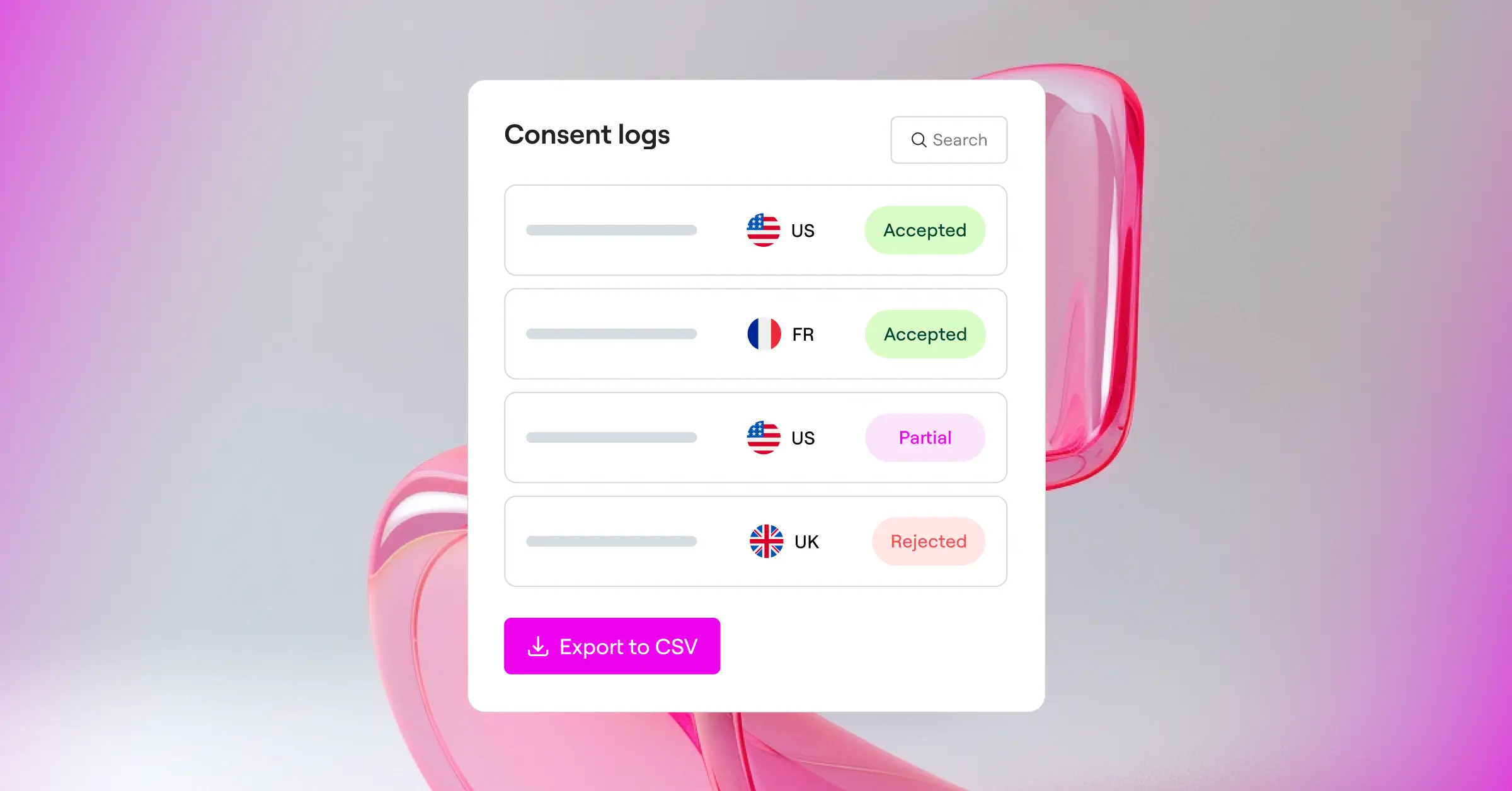
If a regulator ever questions your compliance, you’ll need to prove users gave active consent. A banner alone isn’t enough. You need structured records showing when consent was given and what was selected.
Elementor’s Cookie Consent capability keeps these records organized right inside your WordPress environment, so you’re not depending on an outside service staying online. Clean logs give you real peace of mind when an audit comes around.
- Log anonymous identifiers: record consent choices using secure, random IDs rather than plain-text personal details.
- Timestamp actions: note the exact date and time a visitor modified their cookie preferences.
- Keep logs secure: store consent data in a secure table that can’t be modified from the public-facing side of your site.
Comparison of Leading Consent Management Tools in 2026
Picking the right tool saves you hours of setup. Here’s how the most popular options compare on key features and usability.
| Tool Name | WordPress Dashboard Native | Consent Mode v2 Support | Geo-Targeting Features | Best Fit For |
|---|---|---|---|---|
| Cookie Consent | Yes (Built directly inside WordPress) | Yes (Full automation) | Yes (Available natively) | WordPress sites seeking simple, fast, dashboard-native compliance. |
| Cookiebot | No (Requires external dashboard) | Yes (Via configuration) | Yes (Paid plans) | Large sites managing cookies across multiple distinct platforms. |
| CookieYes | No (Cloud-managed app) | Yes (Standard support) | Yes (Paid plans) | Multi-site networks that prefer external cloud dashboards. |
| Complianz | Yes (WordPress-based) | Yes (Needs manual setup) | Yes (Premium version) | Users who want a step-by-step wizard interface. |
| OneTrust | No (Enterprise portal) | Yes (Enterprise-level) | Yes (Enterprise-level) | Large corporate websites with dedicated legal departments. |
| iubenda | No (Generates embed codes) | Yes (With script integration) | Yes (Regional rules) | Sites looking for combined privacy policy generation and tracking rules. |
Common GDPR Compliance Mistakes to Avoid
Even with good intentions, it’s easy to slip up when setting up your privacy framework. One common mistake is the “cookie wall,” which blocks visitors from viewing content unless they agree to all tracking. Under GDPR, that counts as forced consent and isn’t legally valid.
Another issue: an “Accept All” button without a matching “Decline All” button of equal size and prominence. If decline is buried in a settings menu or shown in low-contrast text, your banner doesn’t meet compliance standards. (It’s simpler than it sounds, and it builds real trust.)
And don’t skip testing regularly. Updating a tool or adding a new tracking pixel can bypass your cookie blocker without you noticing. Check your site’s cookie behavior every few months using a private browser window.
Frequently Asked Questions
Does my small blog really need to be GDPR compliant?
Yes. If your blog is accessible to visitors in the European Union, GDPR applies to you. Even if you don’t sell products, tools like Google Analytics, newsletter signup forms, and sharing buttons all collect personal data, so keeping your blog compliant protects both your audience and your site.
What is the difference between GDPR and CCPA?
GDPR is a European privacy law that requires explicit, opt-in consent before you collect personal data. The California Consumer Privacy Act (CCPA) is a state-level US law that works on an opt-out model instead, meaning you must give visitors a clear way to stop the sale or sharing of their information.
Can I just write my own privacy policy?
You can, but using a verified template or a built-in generator is safer. That way you’re more likely to cover all legally required details, including data storage times, user rights, and contact information, in clear language.
Do I have to block Google Analytics until users click agree?
Yes, standard Google Analytics tracking cookies collect personal identifiers like IP addresses and user behavior. Under GDPR, you must block these scripts from loading until the user consents, or configure Google Consent Mode v2 to adjust tracking behavior instead.
What happens if I do not comply with the GDPR?
Failing to comply can bring warnings, corrective orders, or significant financial penalties. Fines can reach up to EUR 20 million or 4% of annual global turnover, whichever is higher, and visitors who feel their privacy isn’t respected will simply leave your site.
Is a native WordPress consent tool better than an external service?
A native WordPress tool is often a better fit, since it lets you manage consent banners, cookie scans, and logs directly from your dashboard. You don’t need to pay for separate cloud subscriptions or manage multiple external accounts.
How do I test if my cookie blocker is working properly?
Open an incognito browser window and your developer tools (F12 on most browsers). Go to the “Application” or “Storage” tab, select “Cookies,” and verify nothing tracking-related loads until you click accept on your banner.
Do I need consent for essential cookies?
No, strictly necessary cookies don’t require consent. These are cookies your website genuinely needs to function, such as maintaining a shopping cart, keeping a user logged in, or remembering cookie preferences.
Establishing a Secure and Trustworthy Future for Your Site
Protecting your visitors’ data is one of the best investments you can make in your site’s long-term health. Organize your forms, update your privacy policy, and set up a native cookie consent system, and you’ll create a safe, respectful space for your audience. With the right approach, and a tool like Elementor’s Cookie Consent capability, keeping your WordPress site compliant and ready for 2026 is well within reach. You’ve got this.

