Building a Single Page Application gives visitors a fast, app-like experience. But privacy compliance gets tricky on SPAs. Virtual routing skips the full browser reload, so classic consent scripts often miss route changes, and tracking scripts can fire without checking whether the user agreed. The good news: this doesn’t have to be overwhelming. Here are the ten best strategies for handling consent in your frontend stack this year, ones that keep things smooth for visitors while keeping you compliant.
Key Takeaways
- Virtual routing stops standard cookie banners from re-checking consent on their own.
- Google Consent Mode v2 is required for EEA-targeted ads and must plug into your SPA state.
- Event-driven custom architectures give developers full control over tracking triggers.
- WordPress backend integrations, like Elementor’s Cookie Consent capability, offer an easy hybrid option.
- Global Privacy Control (GPC) signals must be honored in client-side code from the start.
Why Single Page Applications Break Traditional Cookie Consent
Traditional browsers request a fresh HTML file on every click. The cookie banner loads, checks saved preferences, and blocks or runs scripts before the page renders.
SPAs work differently: one HTML shell, with the router swapping components dynamically. Here’s how that breaks compliance routines:
- No Hard Document Reloads. The browser stays active, so a script loaded on the first route keeps running everywhere, even after consent changes.
- Dynamic Script Injections. Third-party scripts often load on specific routes, like checkout, but standard banners only scan the initial bundle.
- State Mismatches. Mid-session consent updates can drift out of sync with the window variables scripts depend on.
In practice, cookie preferences need to act as reactive, global state, so your banner re-checks what’s allowed as the route changes.
The Core Requirements for SPA Cookie Management in 2026
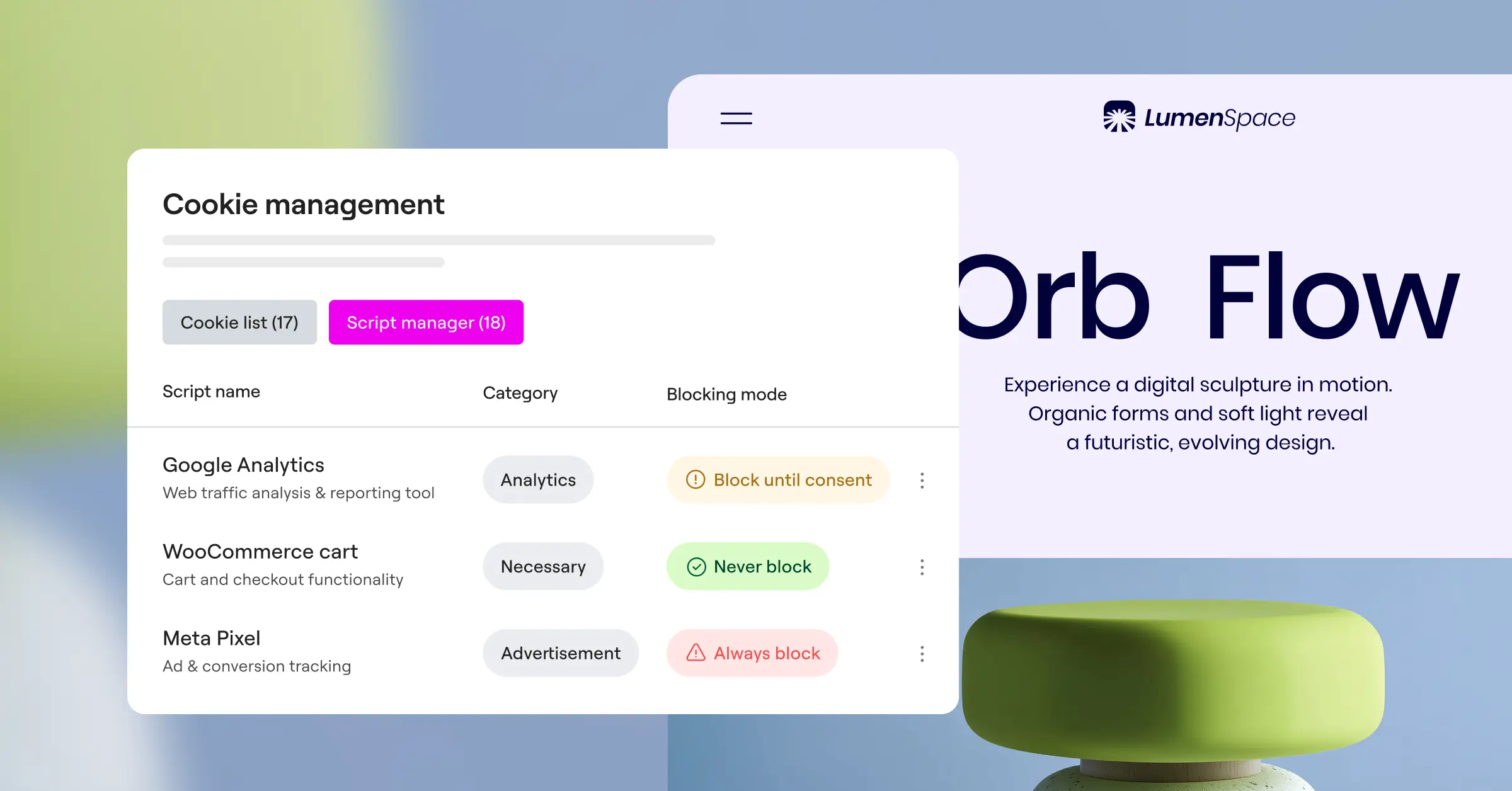
Compliance in 2026 is far stricter than the early GDPR days. You can’t just show a generic banner and assume agreement because someone scrolled. The big one right now is Google Consent Mode v2: if your frontend serves EEA visitors and uses Google Analytics or Ads, you need signals showing whether analytics and ad data storage were allowed.
Browser-level privacy controls matter too. Global Privacy Control (GPC) lets users set privacy preferences globally, and under CCPA and CPRA, your SPA must recognize these signals and opt users out, no popup required.
10 Best Ways to Handle Cookie Consent on Single Page Applications
Here are the best strategies for keeping your SPA compliant, fast, and easy to maintain.
1. Cookie Consent by Elementor (Headless & Hybrid Architectures)
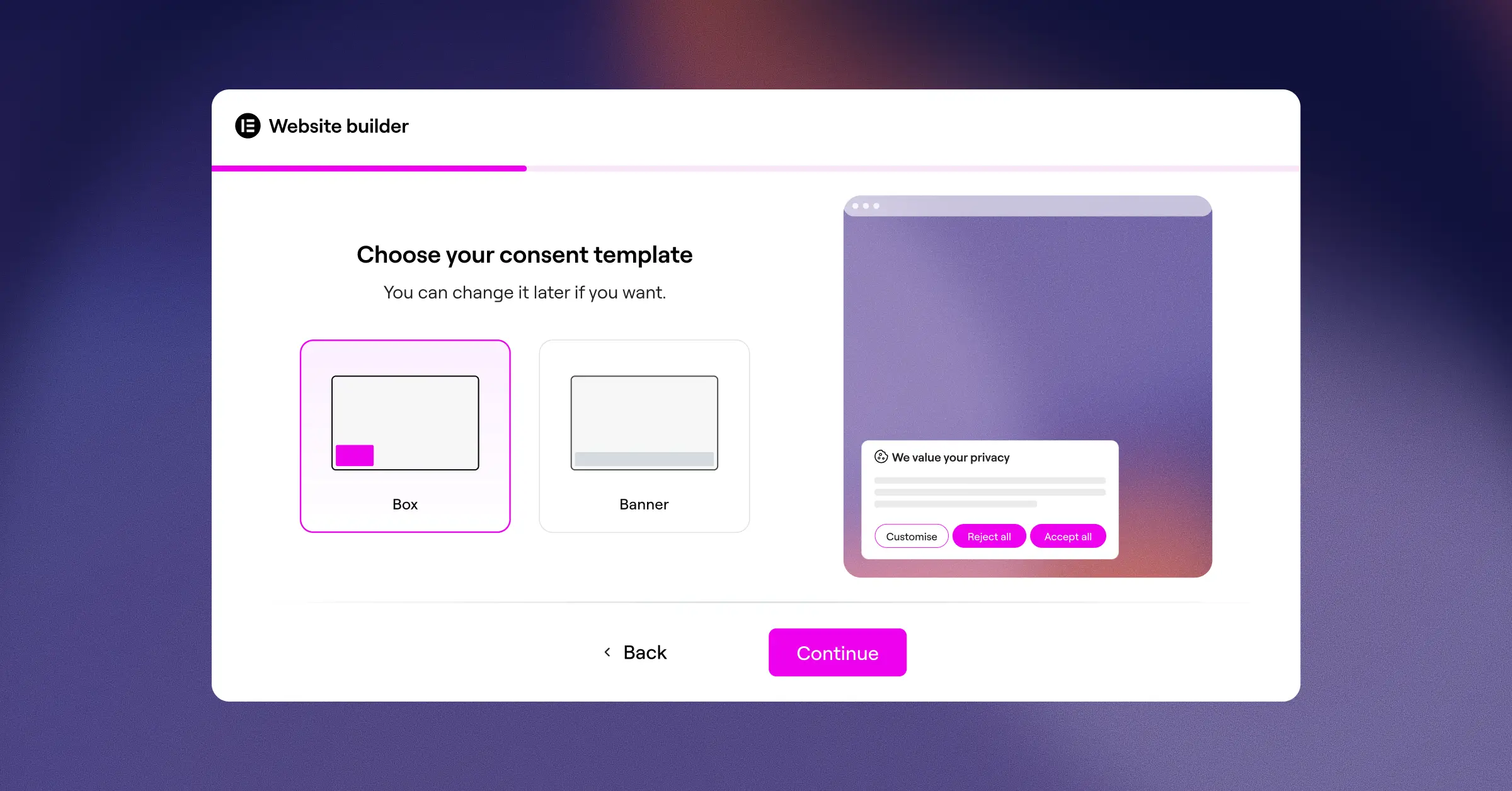
If WordPress is your CMS in a hybrid setup, Elementor’s Cookie Consent capability handles it without an external dashboard. The Cookie Consent tool from Elementor covers GDPR, CCPA, and Google Consent Mode v2 out of the box.
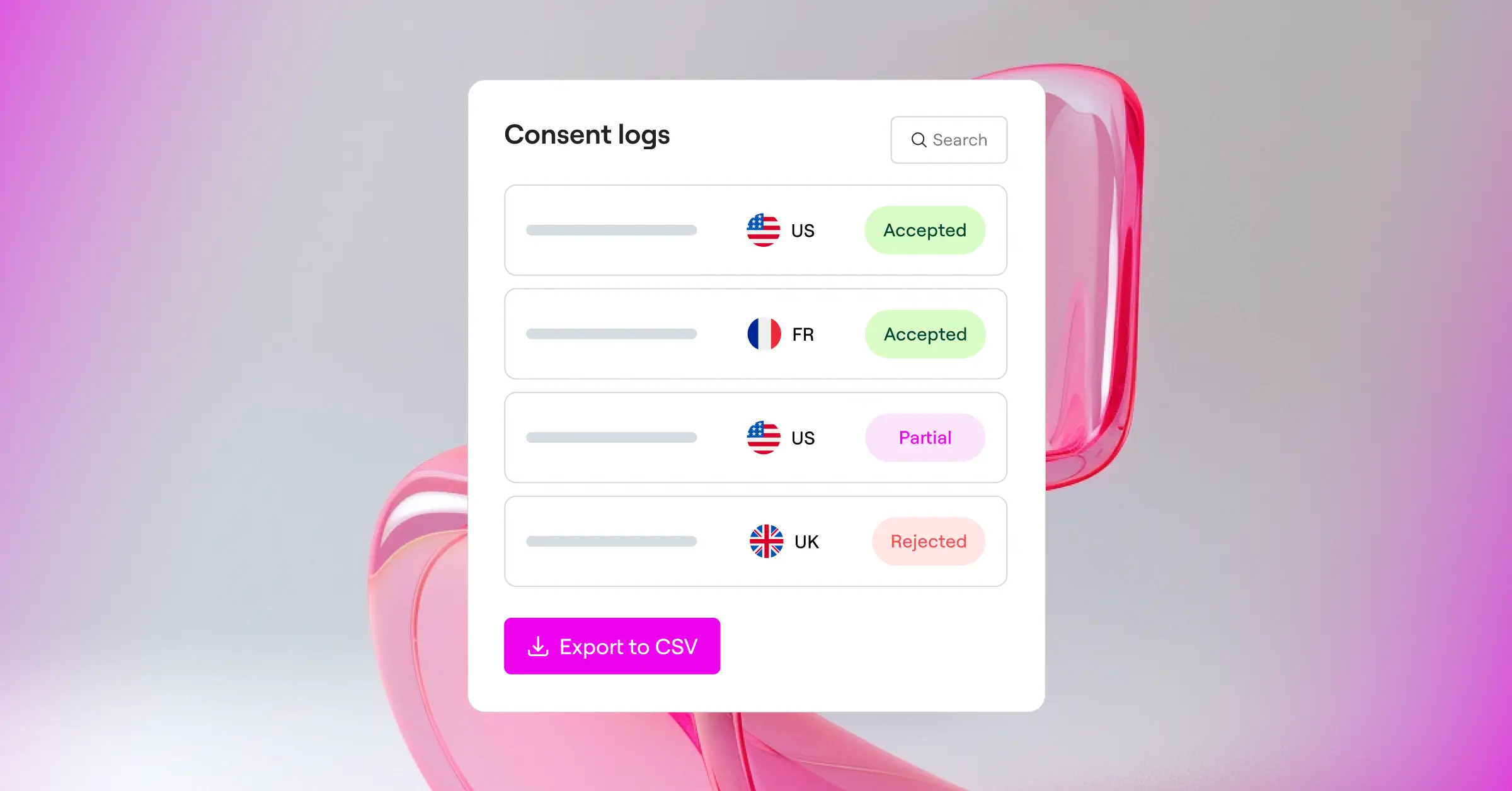
- Saves consent logs to your central database for easy audits.
- Pulls cookie categories automatically with the built-in scanner.
- Builds customizable banners through visual controls, no code needed.
- Blocks specific scripts dynamically based on user settings.
- Syncs across multiple languages for global setups.
Pricing: Included in Elementor One‘s entry-level plan.
Pros: No external dependencies, native WordPress backend, easy setup.
Cons: Best suited for hybrid, WordPress-fed frontends.
Verdict: A solid win for skipping subscription costs with a central audit log.
2. Cookiebot
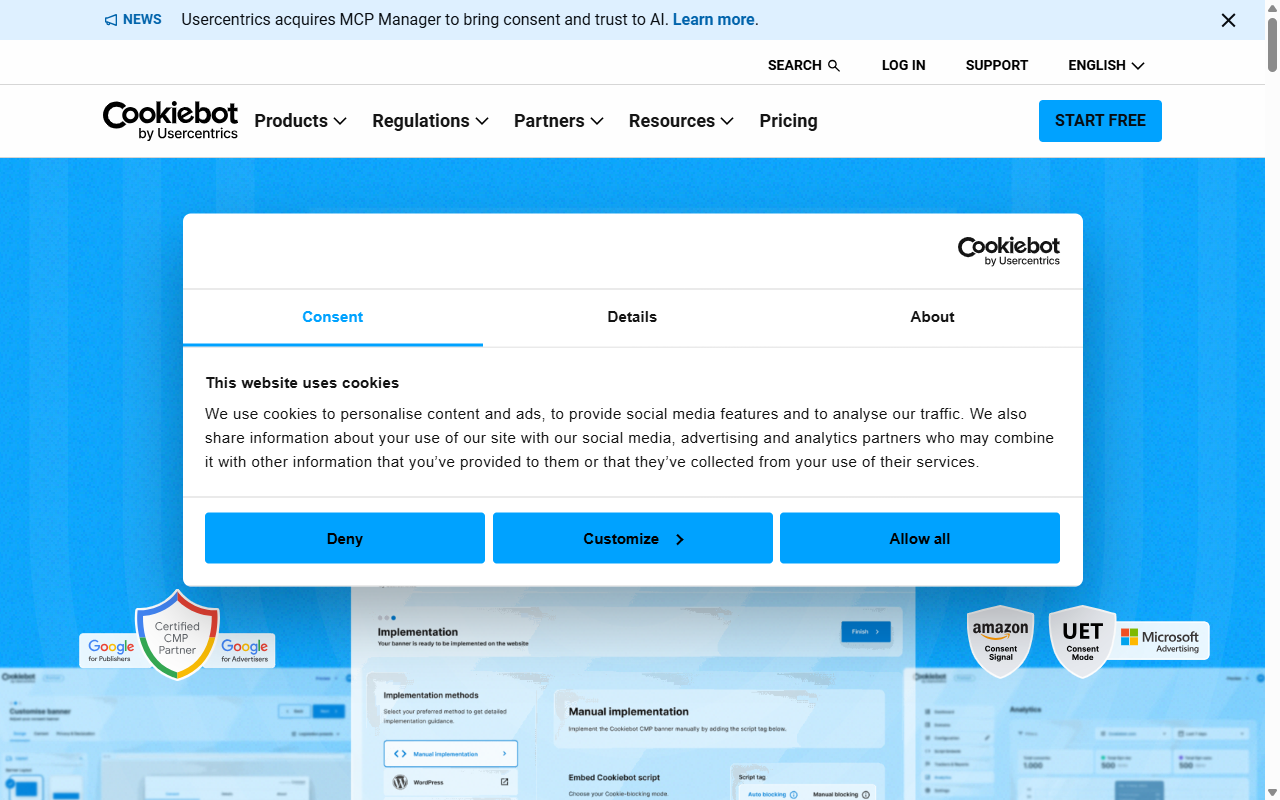
Cookiebot is an established compliance name. For SPAs, it offers a JavaScript SDK for manual page view registrations. Call its update methods on your router’s after-each hook to stay accurate.
- Scans your site structure monthly for new trackers.
- Updates consent state dynamically on virtual path changes.
- Handles Google Consent Mode v2 calls without manual patches.
- Generates updated cookie declarations to publish on your site.
- Detects user locations to show the right banner.
Pricing: Tiered by page views; check their site for details.
Pros: Solid scanner, strong regional accuracy, clean Google Tag Manager integration.
Cons: Can get costly as virtual pages grow.
Verdict: Reliable and enterprise-ready if you’ve got the budget.
3. Event-Driven Custom State Architecture
Skip heavy third-party iframes that drag down Core Web Vitals with a custom reactive state solution. Build a global state wrapper in React, Vue, or Svelte, and dispatch DOM events when preferences change.
- Dispatches custom DOM events when consent values change.
- Listens for routing events in your framework’s router.
- Mounts custom UI banners with React or Vue components.
- Keeps state synced across your global store layer.
- Resets state variables cleanly to avoid data pollution.
Pricing: Free, developer time only.
Pros: Zero bundle impact, full design freedom, no subscription.
Cons: Needs upkeep as legal definitions shift.
Verdict: Best for performance-focused teams wanting full control over the bundle.
4. CookieYes
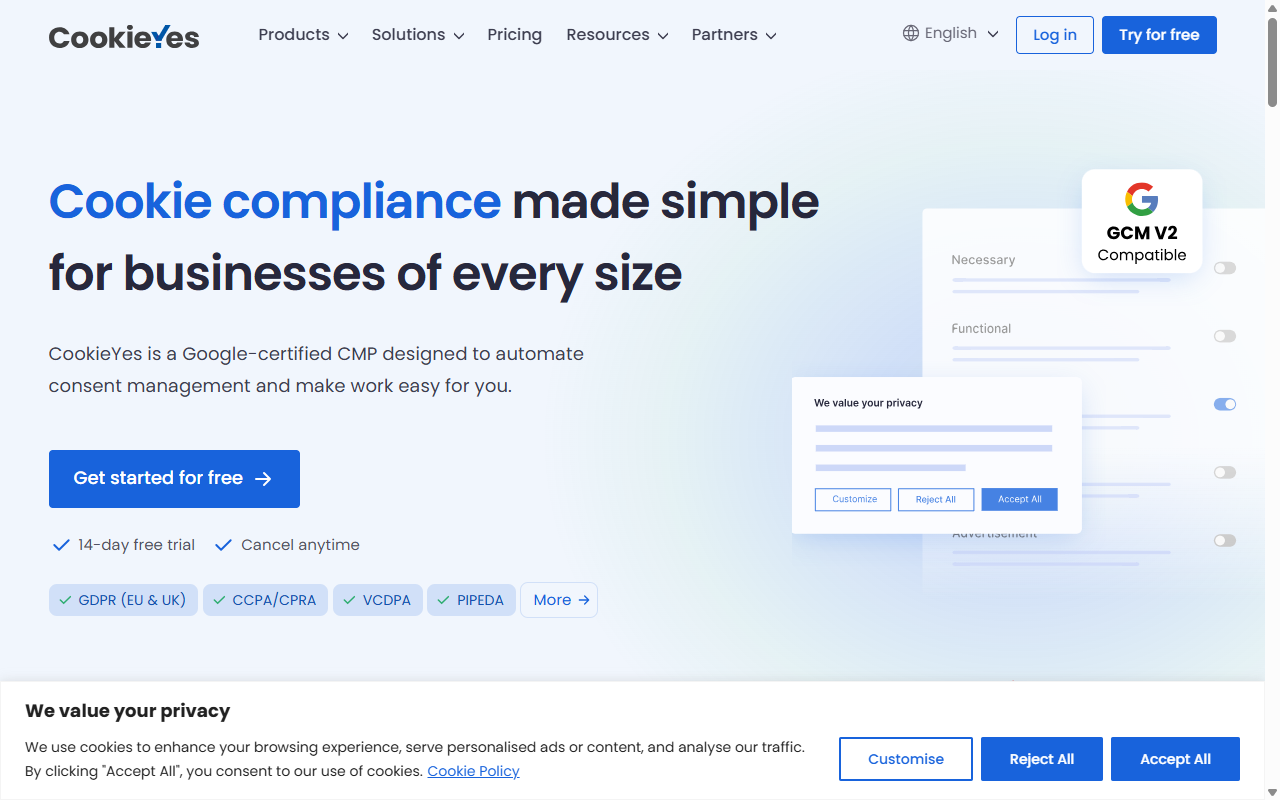
CookieYes is lightweight and works well with static site generators and single-page setups. Its install script loads asynchronously, and you can reach its consent object from your client-side files.
- Syncs consent history with a browser-based tracking log.
- Scans client-side scripts to categorize cookies accurately.
- Builds customized templates that load quickly.
- Triggers updates automatically to block non-essential scripts.
- Validates GPC signals straight from the client header.
Pricing: Free plan available, paid tiers vary.
Pros: Small footprint, easy dashboard, clear setup guides.
Cons: Needs manual wrapper coding for SPA router hooks.
Verdict: A good mid-range pick between convenience and a developer-friendly API.
5. Complianz
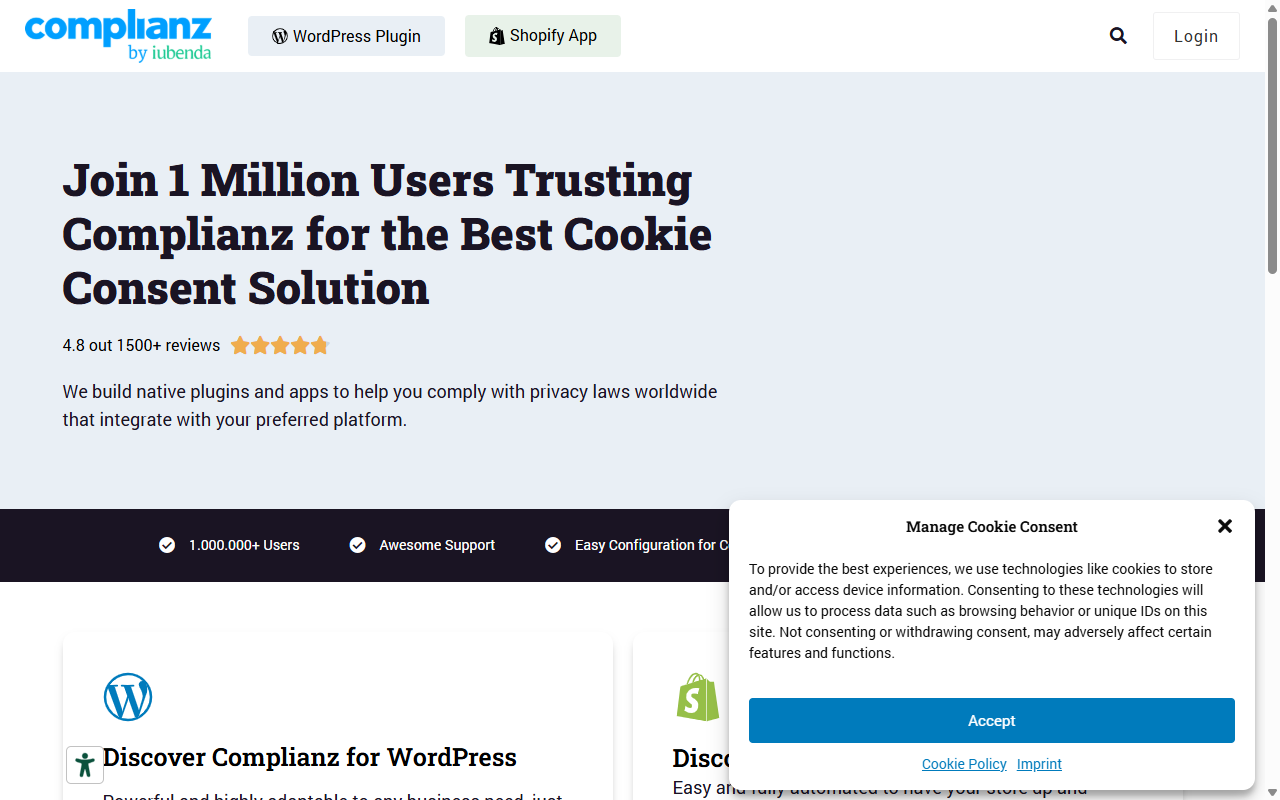
Complianz takes a privacy-first approach with detailed integration options. Built for WordPress, its hybrid tools now run compliance rules on headless setups too, passing consent state to your frontend.
- Integrates with hybrid configurations through headless bridges.
- Pulls legal document templates directly into your site settings.
- Detects regional privacy requirements based on visitor IP.
- Blocks scripts before explicit user interaction happens.
- Keeps records of user consent choices in a private log.
Pricing: Free base version, premium plans unlock more.
Pros: Detailed legal setup, clean integration, no third-party tracking from the banner.
Cons: Needs a WordPress instance as the settings driver.
Verdict: Strong fit for a WordPress-fed SPA wanting a cohesive, privacy-first flow.
6. iubenda
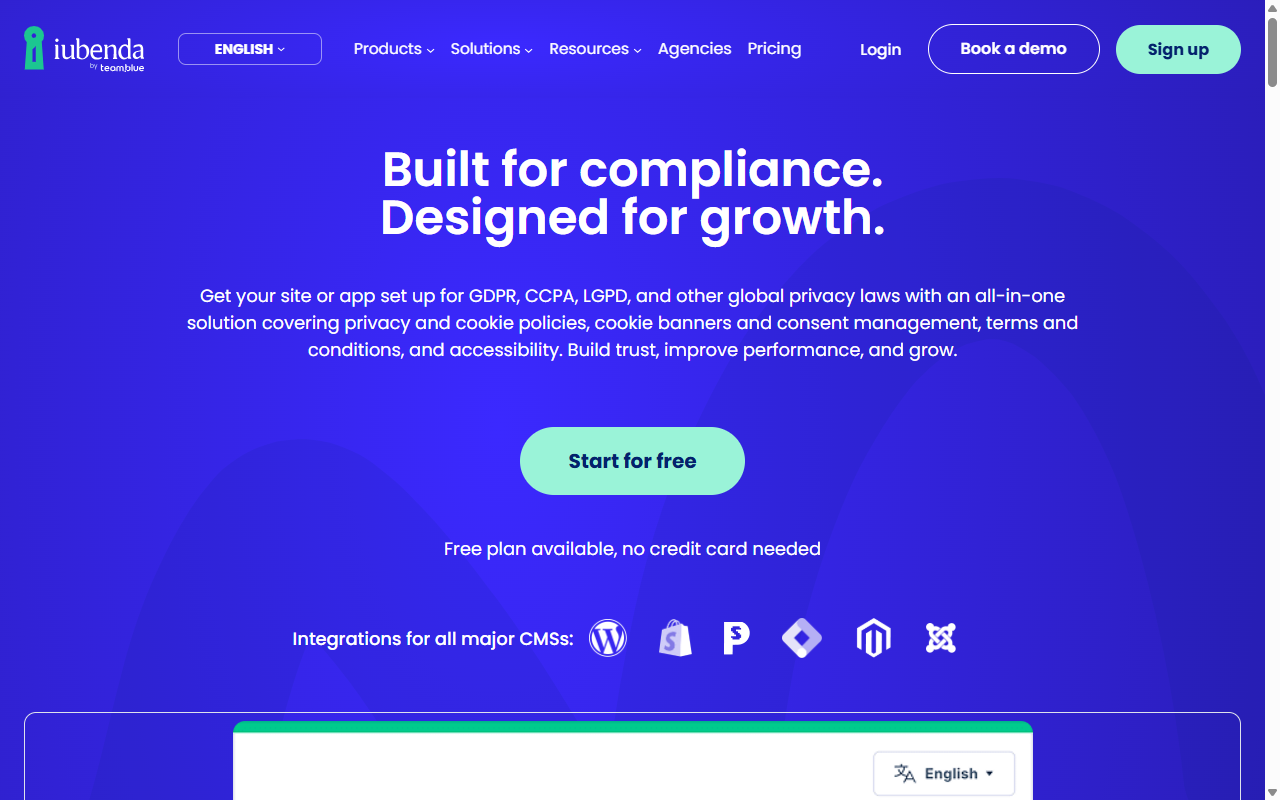
iubenda is a scalable compliance suite that auto-generates legal policies alongside cookie banners. Its API fits custom single-page apps, letting you query user choices and inject scripts once consent is given.
- Pulls updated privacy policies from cloud-based servers.
- Handles global law changes with automated rule sets.
- Generates custom banner designs through a simple builder.
- Saves legal consent proof using a dedicated secure API.
- Coordinates with modern frontend routers via dynamic SDK inputs.
Pricing: Multiple tiers based on site count and features.
Pros: All-in-one: terms, privacy policies, and cookie consent together.
Cons: A learning curve on advanced custom hooks.
Verdict: Good for legal teams wanting tight integration between policies and banners.
7. Google Tag Manager Custom Templates with Consent Mode v2
Move script management out of your codebase with Google Tag Manager (GTM) and dynamic triggers. Hook into GTM’s Consent Initialization event and send data layer updates on every router change.
- Fires tags based on granular browser-level consent states.
- Connects variable declarations directly to your data layer events.
- Triggers tracking pixels only after validation checks pass.
- Updates consent levels dynamically during route changes.
- Simplifies script management inside one central dashboard.
Pricing: GTM is free, some template providers charge separately.
Pros: Keeps pixels out of hardcoded bundles, easily updated by marketing teams.
Cons: Execution order can break on first load if set up carelessly.
Verdict: Standard for marketing-heavy sites adjusting ad tags without redeploys.
8. OneTrust SDK for SPAs
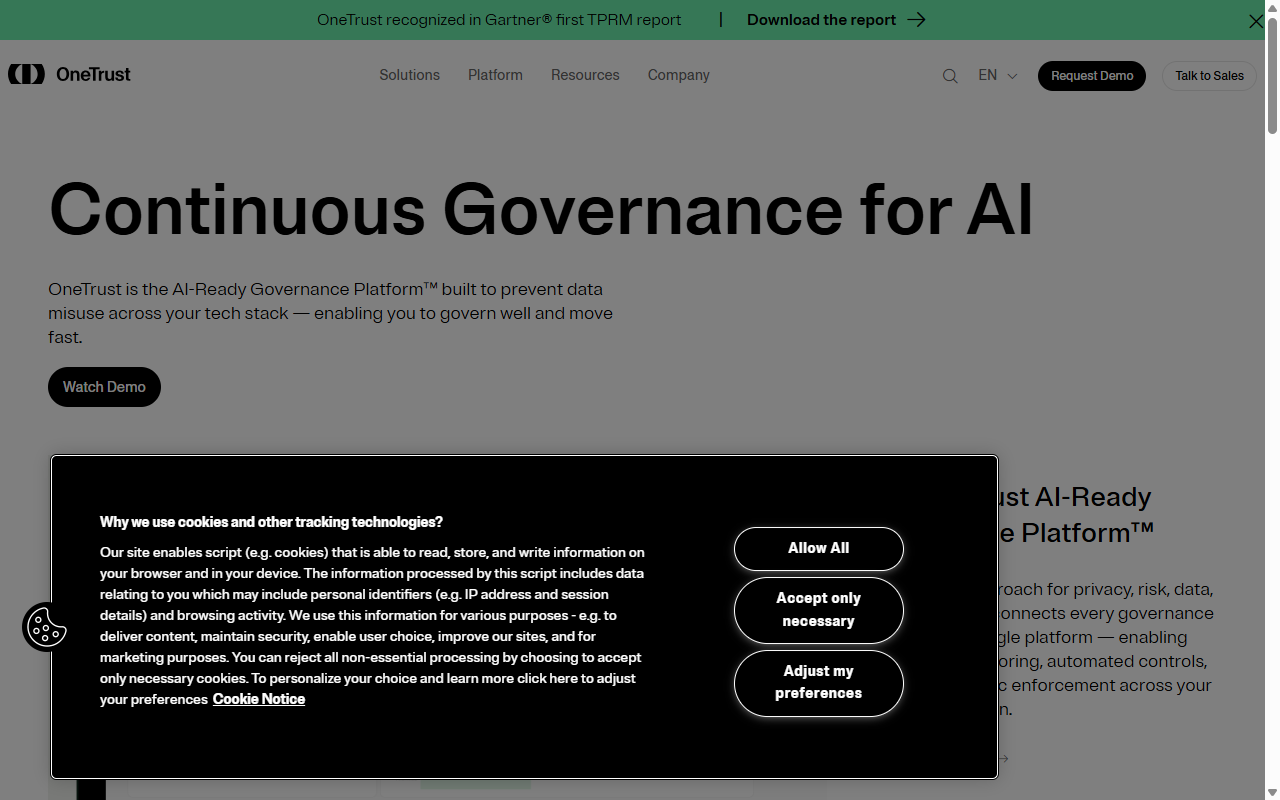
OneTrust is a well-known enterprise compliance platform. Its SDK targets complex client-side apps, offering JSON payloads mapped to your Redux, Pinia, or Context state.
- Builds complex regional compliance maps for global audiences.
- Scans dynamic content blocks to flag compliance risks.
- Tracks user preferences across cross-domain application routes.
- Integrates directly with enterprise CRM and analytics setups.
- Manages policy updates from a central governance dashboard.
Pricing: Enterprise pricing, custom quotes required.
Pros: Broad legal coverage, a highly configurable SDK for large teams.
Cons: Large bundle size, heavier setup than most small apps need.
Verdict: Right for enterprise teams needing scale and multi-region precision.
9. Declarative State with Global Privacy Control (GPC)
For a code-driven, low-overhead approach, build your SPA to read GPC headers from the browser window. Before running any tracker, check the DOM value and set analytics parameters silently, no prompt needed.
- Reads the browser’s native
navigator.globalPrivacyControlsignal. - Disables tracking scripts before the initial DOM renders.
- Saves developer time by skipping banner setups.
- Communicates opt-out preferences to third-party ad providers.
- Respects user choices with zero-trust privacy defaults.
Pricing: Free, native browser API, no third-party dependency.
Pros: Excellent performance, honors preferences instantly, no visual overlay.
Cons: Doesn’t cover regions still demanding an explicit opt-in banner, like EU GDPR.
Verdict: A smart layer every SPA should run alongside its visual consent system.
10. Virtual Router Middleware Integration
Instead of leaning on third-party scripts to locate a user, build consent checks into your router middleware (Next.js middleware, Nuxt plugins, or React Router loaders) and intercept rendering before scripts fire.
- Blocks specific component mounts until consent is confirmed.
- Intercepts virtual page loads before analytics tags fire.
- Keeps consent state in memory without layout shifts.
- Fires validation checks on every router transition.
- Cleans up idle tracking scripts when users opt out.
Pricing: Free, framework-native, developer time only.
Pros: Prevents race conditions where trackers load before a user clicks “accept”.
Cons: Needs deep integration with your framework and code architecture.
Verdict: The cleanest approach for modern full-stack JavaScript architectures.
Cookie Consent Methods Compared
Here’s how these options stack up for single page architectures:
| Method or Tool | Primary Benefit | Setup Complexity | SPA Route Support | Consent Mode v2 |
|---|---|---|---|---|
| Cookie Consent (Elementor) | Dashboard-native & No External Fees | Low | Excellent via headless API | Fully Supported |
| Cookiebot | Automated Cookie Scanning | Medium | Requires Manual Trigger | Fully Supported |
| Custom Event Architecture | Zero Bundle Bloat | High | Native Router Level | Requires Manual Logic |
| CookieYes | Quick Cloud Configuration | Low | Requires SDK Calling | Fully Supported |
| Google Tag Manager | Centralizes All Tracking Tags | Medium | Through History Events | Fully Supported |
| OneTrust SDK | Enterprise Legal Backing | High | Native SDK Methods | Fully Supported |
Implementation Walkthrough: Syncing Consent States Across Virtual Routes
Let’s hook this up step by step: a clean vanilla JavaScript module that ties into your router and manages the consent lifecycle without extra library overhead.
Step 1: Create Your Core Consent State Manager
You need one source of truth for user choices. This module reads local storage, checks GPC settings, and saves updates when the user interacts with your banner.
// ConsentManager.js
export const ConsentManager = {
  state: { analytics: false, marketing: false, essential: true },
  init() {
    // Check if browser GPC is enabled
    if (navigator.globalPrivacyControl === '1') {
      this.state.analytics = false;
      this.state.marketing = false;
      this.save();
      return;
    }
    const saved = localStorage.getItem('spa_consent_state');
    if (saved) { this.state = JSON.parse(saved); }
  },
  update(category, consented) {
    this.state[category] = consented;
    this.save();
    this.dispatchUpdate();
  },
  save() {
    localStorage.setItem('spa_consent_state', JSON.stringify(this.state));
  },
  dispatchUpdate() {
    const event = new CustomEvent('spaConsentUpdated', { detail: this.state });
    window.dispatchEvent(event);
  }
};
Step 2: Bind to Your Application Router
Tell your router to check these states on every virtual page change, so pixels don’t fire on protected paths after a user opts out.
// router.js (Conceptual Vue Router or React Hook wrapper)
import { ConsentManager } from './ConsentManager.js';

router.afterEach((to) => {
  ConsentManager.init();
  // Push route state to the dataLayer for Google Consent Mode updates
  window.dataLayer = window.dataLayer || [];
  window.dataLayer.push({
    event: 'virtual_page_view',
    page_path: to.fullPath,
    consent_state: ConsentManager.state
  });
  // Call analytics script re-evaluation if consent exists
  if (ConsentManager.state.analytics) {
    // Run your tracking updates safely
    triggerAnalyticsPageView(to.fullPath);
  }
});
Step 3: Handle Google Consent Mode Integrations
Set default consent states before your bundles run, then update them once the user interacts with your banner:
// main.js (At the very top of your entry file)
window.gtag = window.gtag || function() { dataLayer.push(arguments); };

// Set dynamic defaults based on stored settings
ConsentManager.init();
gtag('consent', 'default', {
  'ad_storage': ConsentManager.state.marketing ? 'granted' : 'denied',
  'analytics_storage': ConsentManager.state.analytics ? 'granted' : 'denied',
  'wait_for_update': 500
});
“The biggest mistake frontend developers make with SPAs is assuming consent script execution is a one-and-done event. In a client-side environment, you must treat compliance as dynamic state that responds actively to route changes, browser signals, and live user actions.”
Itamar Haim, Web Compliance Specialist
Ensuring Smooth Compliance Paths
You’ve got this. Cookie compliance for your SPA doesn’t have to slow things down or frustrate users. Whether you build a custom event framework, wrap GTM events, or lean on a tool like Elementor’s Cookie Consent capability, you can keep visitors informed, load times fast, and your legal team at ease.

Frequently Asked Questions
How do virtual routes affect cookie consent in SPAs?
Standard cookie banners check consent only when the initial HTML loads. Since SPAs route client-side without a hard reload, tracking scripts can stay active after a user opts out, or miss new page views. Trigger compliance checks on each router change to stay accurate.
Do I need Google Consent Mode v2 for single page applications?
Yes. If your SPA serves EEA visitors and uses Google Analytics 4 or Google Ads, Consent Mode v2 is required, with updates sent on every virtual navigation, not just the first page load.
How does Global Privacy Control (GPC) affect SPA frontend code?
GPC lets users set a global opt-out signal in their browser. Under CCPA and CPRA, your SPA must read navigator.globalPrivacyControl and opt the user out of third-party ad targeting immediately, without a popup.
Should I build a custom cookie banner or use an off-the-shelf solution?
A custom, component-based banner works best if bundle size and performance matter most. If your legal team needs regular updates, translations, and audit logs, a tool like Elementor’s Cookie Consent saves maintenance time.
How can I prevent memory leaks when managing consent state in React or Vue?
Clean up event listeners carefully. If your SPA mounts a component listening for a custom compliance event, use lifecycle hooks, like useEffect in React or onUnmounted in Vue, to tear down listeners and avoid stale references.
Can I use a WordPress-based consent tool in a headless setup?
Yes. If WordPress is your headless CMS backend, configure compliance rules through a tool like Elementor’s Cookie Consent capability. Your SPA can query the REST API to pull cookie rules and store consent preferences in the audit system.
How do I test whether my SPA is correctly blocking cookies before consent?
Open developer tools, clear cookies and local storage, and watch the Network and Application tabs. Load your home page and change routes: no scripts from Google, Meta, or similar providers should fire until you click “accept”.
Is local storage compliance different from cookie compliance?
Legally, they’re treated the same. GDPR and CCPA regulate any technology that stores data on a device, so tracking IDs in IndexedDB, sessionStorage, or localStorage need the same consent and disclosure as cookies.

