
Protecting your visitors’ privacy isn’t just a box to check for lawyers anymore. It’s one of the best ways to earn real trust with people who land on your site. Keeping up with GDPR and CCPA can feel like a lot at first, but the rules are learnable, and good tools exist to make compliance far less painful. Here’s a look at ten of the best GDPR compliance resources and tools to protect your site and respect your visitors’ data rights this year.
Key Takeaways
- WordPress sites need clear, active consent before running non-essential tracking cookies.
- Google Consent Mode v2 is now required with Google services and European visitors.
- Native dashboard tools manage compliance without leaning on slow external scripts.
- A solid compliance strategy needs regular scans to categorize your cookies correctly.
- A secure, accessible consent log protects your business if you’re audited.
The Changing Face of WordPress Privacy in 2026
The privacy landscape has shifted a lot lately. Regulators are handing out bigger fines, and browsers keep blocking more third-party tracking by default. If your site serves visitors in the EU, the UK, or California, you need active consent mechanisms, not an assumption that a scroll counts as agreement.
Google Consent Mode v2 is now essentially mandatory too. If your site uses Google Analytics or Ads without sending valid consent signals, your measurement tools stop collecting data you rely on, so a modern cookie consent tool that plays nicely with Google matters, without slowing your page down.
Plenty of traditional tools make you manage settings from an external dashboard, adding steps and dragging load times. A native tool built into your CMS is usually the cleanest way to stay secure, often without touching code.
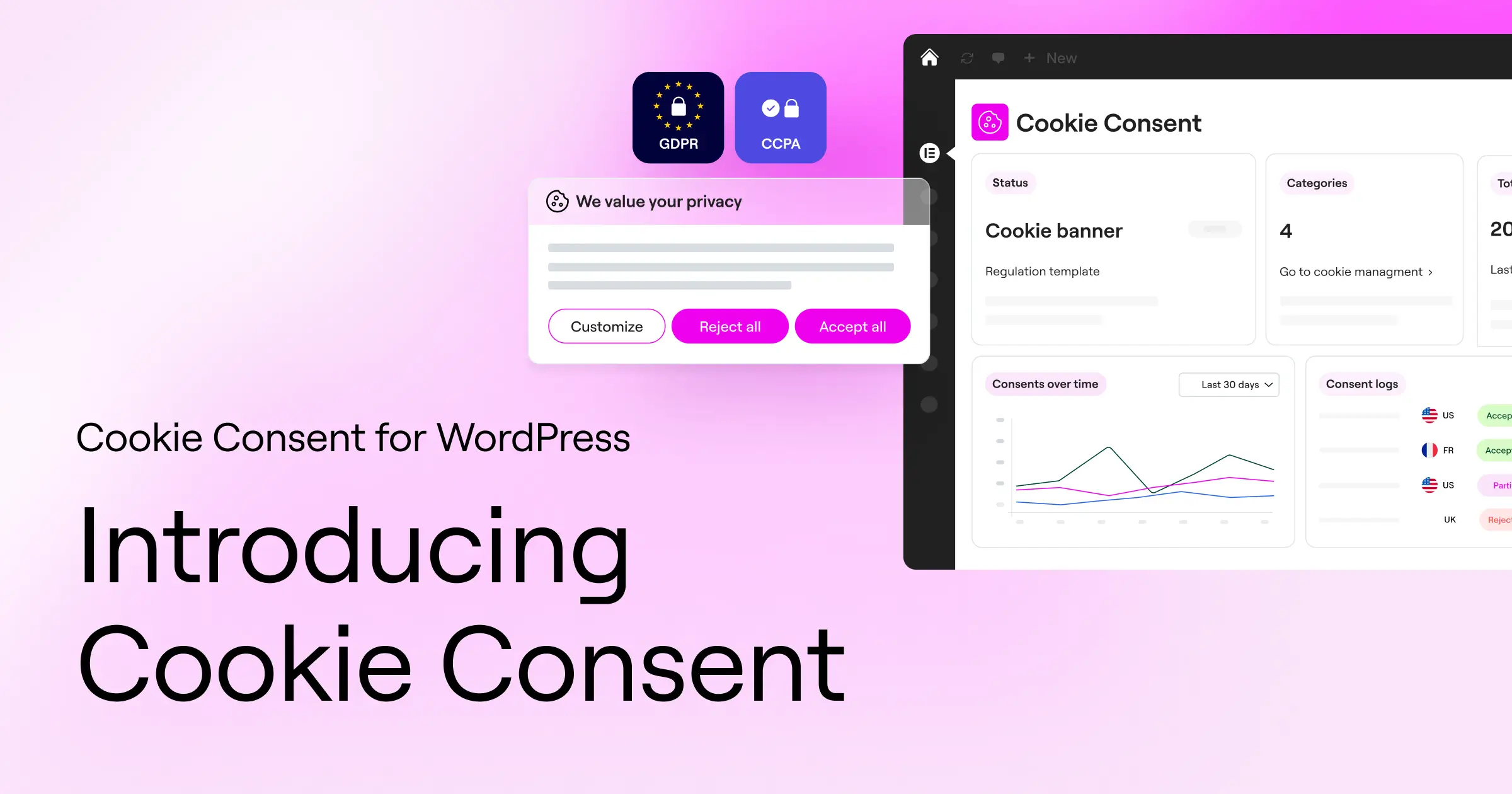
Comparison of Top GDPR Compliance Tools and Guides
Here’s a quick side-by-side look at how these top privacy resources stack up on the things that matter most.
| Resource / Tool | Platform Integration | Setup Difficulty | Google Consent Mode v2 | Key Strength |
|---|---|---|---|---|
| Cookie Consent by Elementor | WordPress Native | Very Easy (Under 5 mins) | Supported (Built-in) | No external dashboards; deep design control |
| Cookiebot Guide | External Platform | Medium | Supported | Automated monthly website scans |
| CookieYes Documentation | Hybrid Cloud | Easy | Supported | Excellent multilingual banner options |
| Complianz Guide | WordPress Plugin | Medium | Supported | Region-specific dynamic banner styling |
| iubenda Privacy Suite | Cloud API | Harder | Supported | Auto-updating legal policy documents |
10 Best GDPR Compliance Resources and Tools
1. Elementor Cookie Consent Guide and Setup
If you want a modern, low-effort way to handle privacy rules right inside WordPress, the native Cookie Consent capability from Elementor is hard to beat. It manages GDPR and CCPA compliance straight from your dashboard, no external account required. The setup guide takes under five minutes, and since it’s built into your site builder, you get full design control over banner fonts, colors, and layout. It’s on an entry-level plan and comes bundled with Elementor One, a cost-effective pick for growing sites.
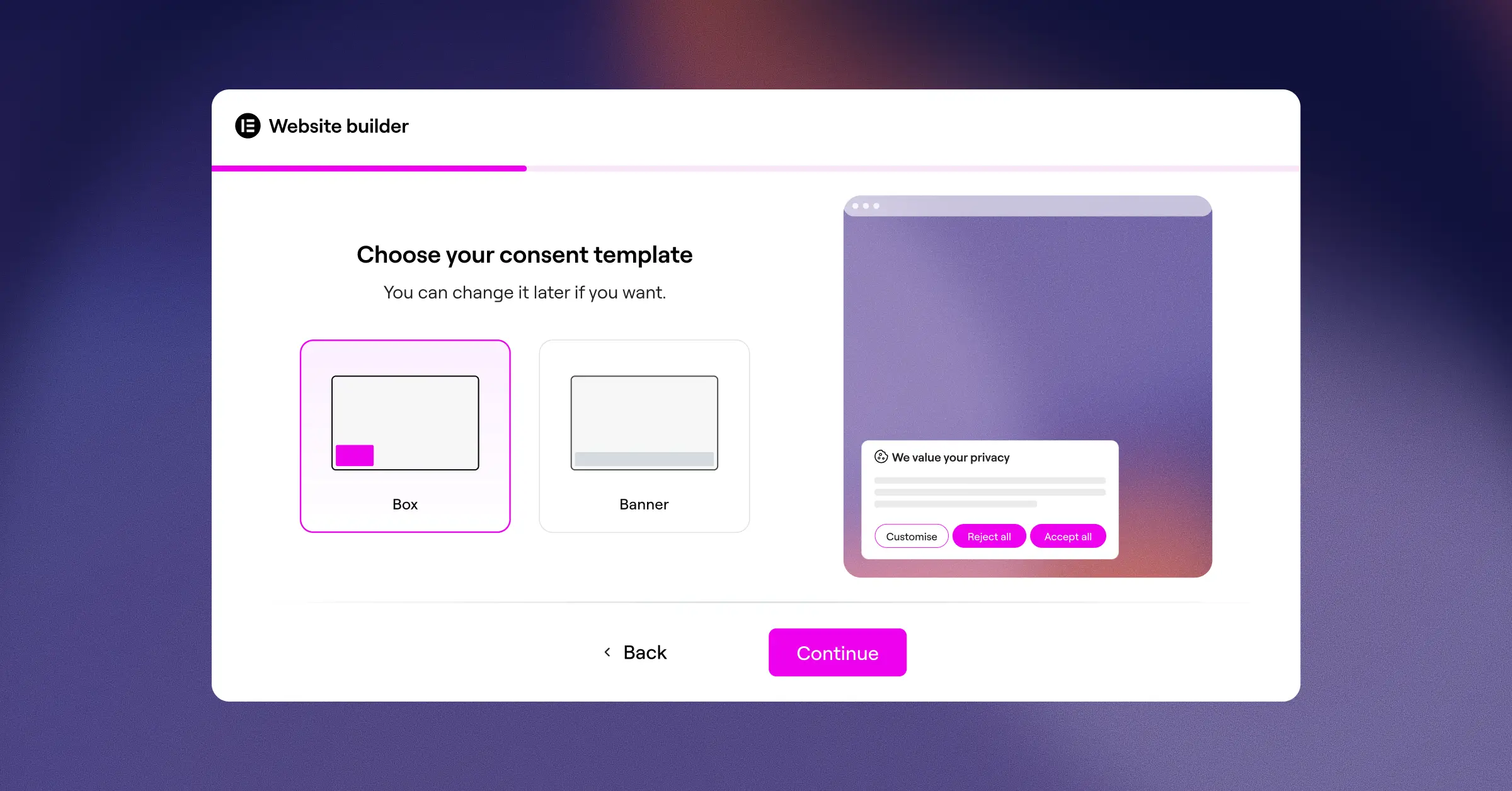
- Builds fully customizable cookie banners that match your site design, no custom CSS needed.
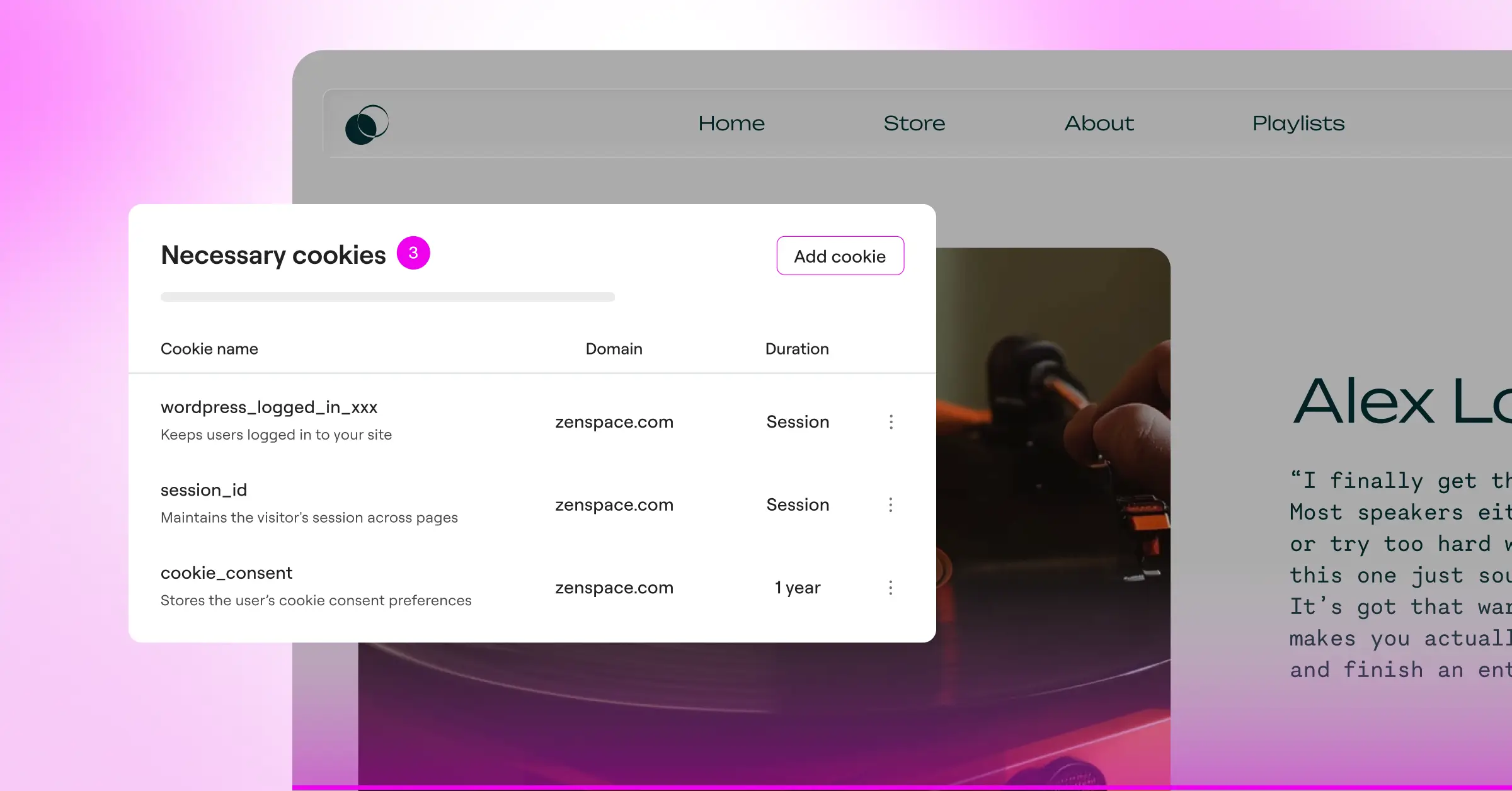
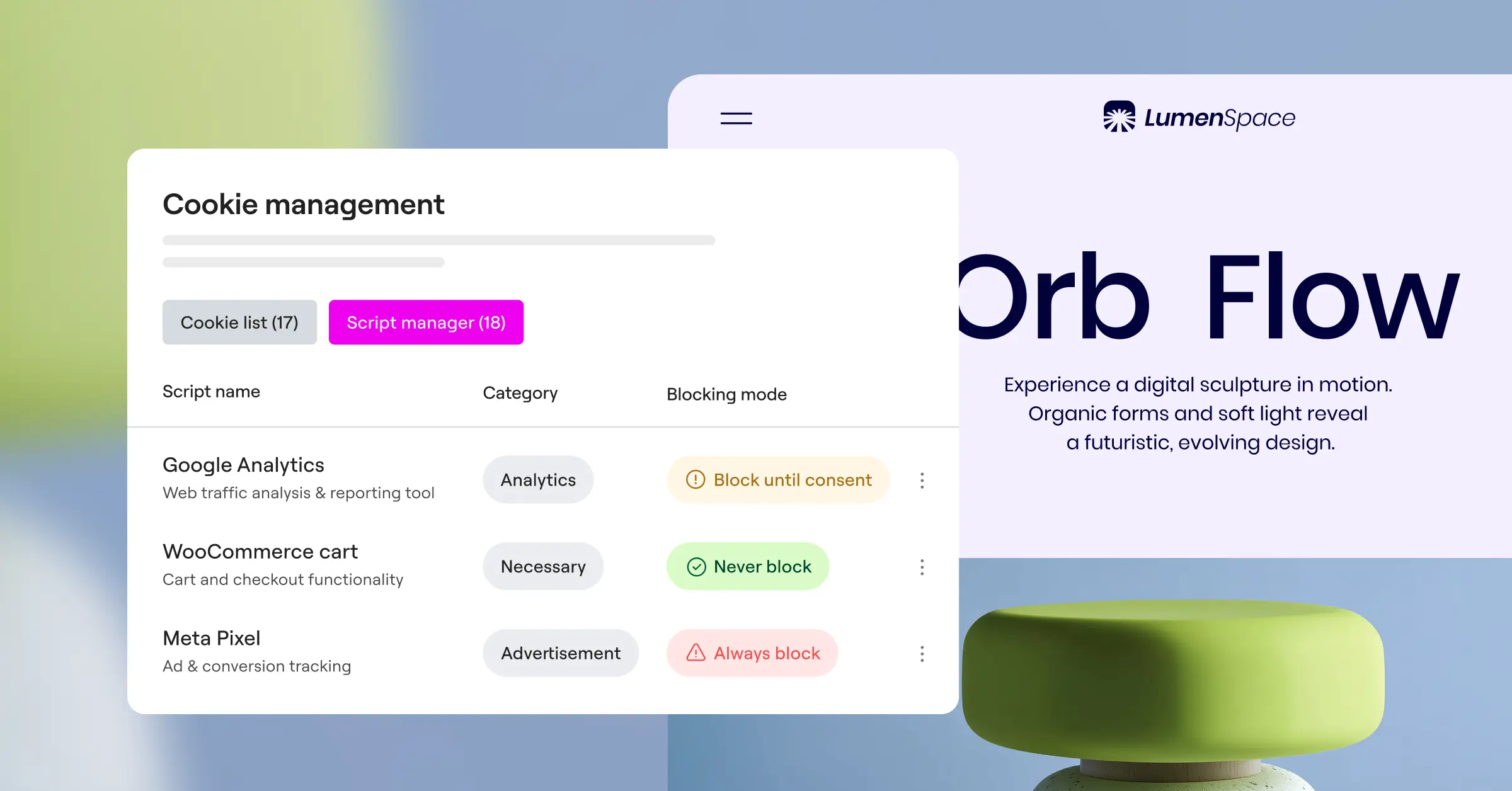
- Scans and categorizes tracking scripts automatically, blocking them until a visitor consents.
- Keeps detailed, secure consent logs so you can prove compliance quickly if you’re ever audited.
- Supports Google Consent Mode v2 right out of the box, protecting your ad and analytics data.
Pros: Native to WordPress, fast setup, strong design controls, no external dashboard.
Cons: Best if you’re already using the Elementor ecosystem.
Verdict: The top pick for handling compliance right in your dashboard, without clunky third-party tools.
2. GDPR.eu Checklist for Site Owners
GDPR.eu is an official resource co-funded by the EU’s Horizon 2020 Framework Programme, and its checklist is worth reading no matter what tools you use. It turns legal language into steps you can follow, covering data minimization, user access rights, and security standards before you pay for legal advice.
- Outlines every legal requirement for collecting, storing, and processing data from EU users.
- Explains how to write a privacy policy that people can genuinely understand.
- Simplifies the rules around data processing agreements (DPAs) with third-party hosting companies.
Pros: Authoritative, detailed, and free of marketing spin.
Cons: Text-heavy, with no automated tool for the technical side.
Verdict: The best starting point before you touch your site’s settings.
3. Cookiebot GDPR Compliance Guide
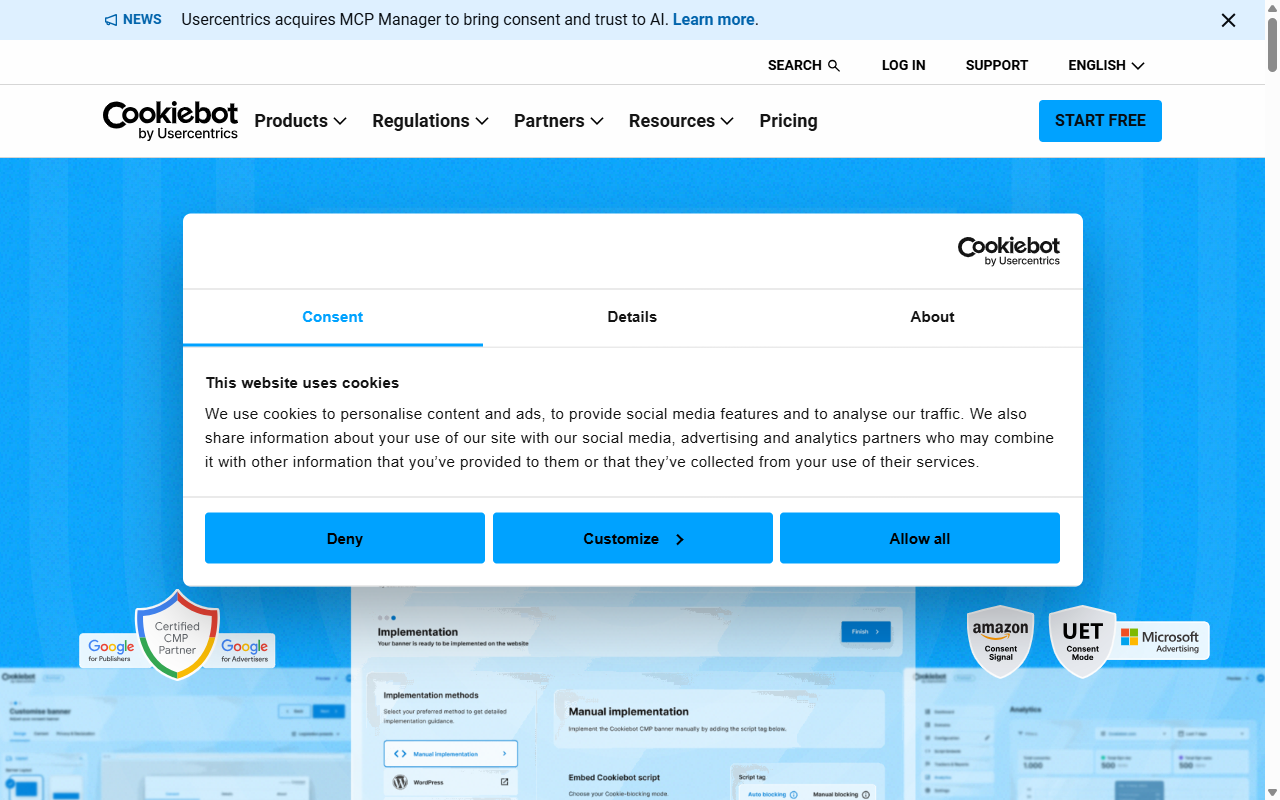
Cookiebot is a well-known name in cloud-based compliance, focused on automated script blocking so tracking cookies don’t load before a visitor clicks accept. Connect its cloud scanner to your site and it crawls monthly for new scripts, keeping your cookie declaration page current without manual audits.
- Automates monthly site audits to search out hidden tracking beacons and cookies.
- Categorizes cookies into necessary, preference, statistics, and marketing groups.
- Detects and blocks third-party scripts before a visitor gives explicit consent.
Pros: A strong automated scanner and reliable cloud storage for consent records.
Cons: Setup means copying code snippets between WordPress and their platform.
Verdict: Dependable if you don’t mind managing settings from an external platform.
4. CookieYes WordPress GDPR Setup Documentation
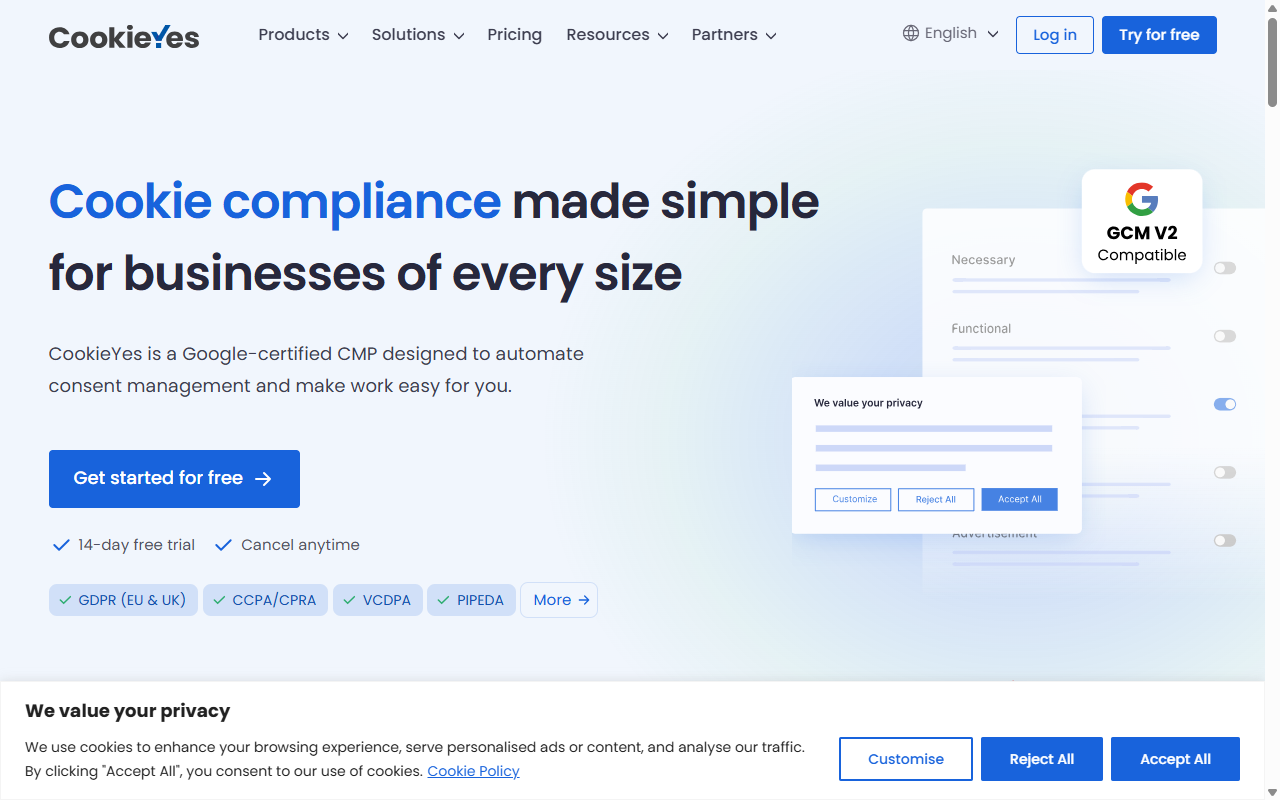
CookieYes is a popular consent management tool with setup guides for WordPress admins, focused on a compliant banner running fast, plus multilingual support (worth checking for European visitors). Its admin panel is clean, with consent logs and geo-targeting so visitors see different banners by location.
- Generates compliant privacy notices that adjust automatically to a visitor’s location.
- Logs consent actions in a secure, downloadable format for easy reporting.
- Translates your consent banners into more than thirty languages automatically.
Pros: Clean interface and simple translation controls for a global audience.
Cons: Changes mean logging into their cloud app, not staying in WordPress.
Verdict: A solid pick for multi-language sites wanting cloud-managed banners.
“Setting up cookie consent directly inside your native CMS environment reduces the risk of script failures and data leaks. Keeping your consent logs clean and local is the most reliable way to stay audit-ready.”
Itamar Haim, Web Compliance Specialist
5. Complianz Privacy Guide for WordPress
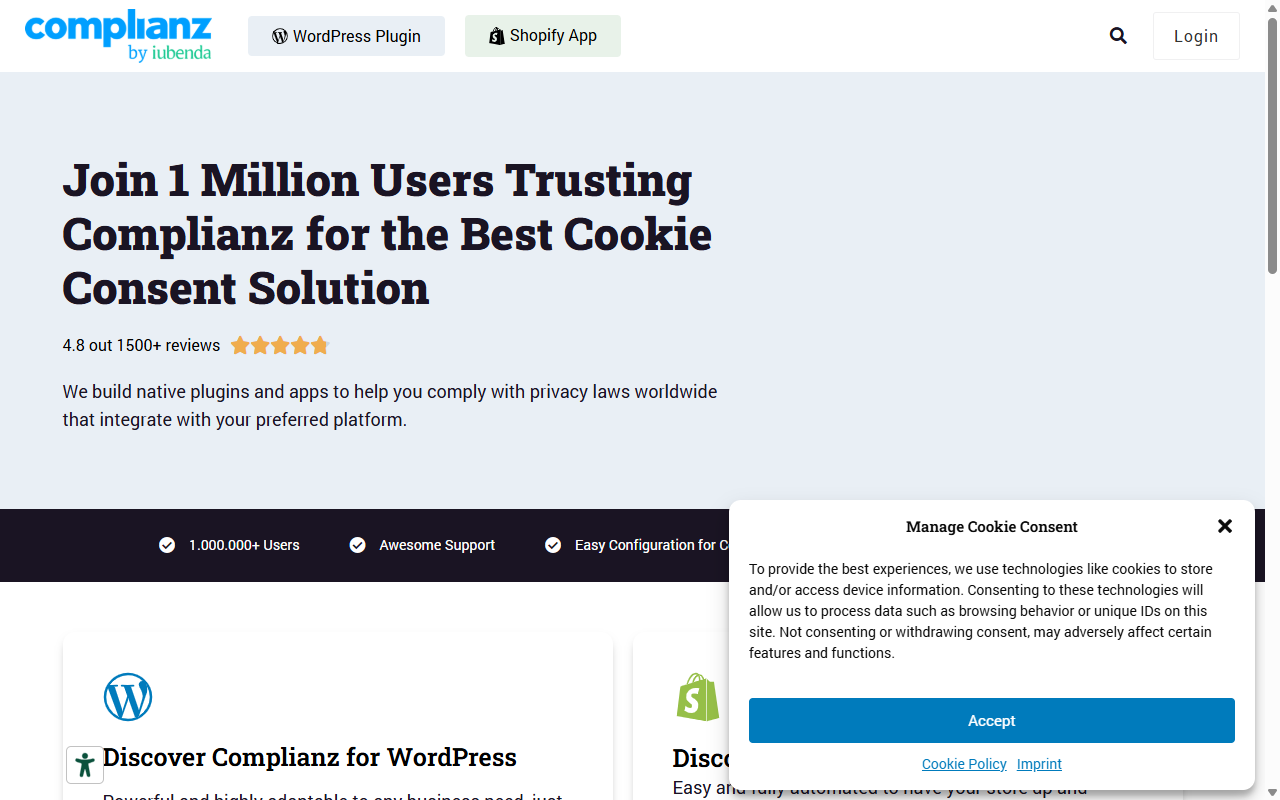
Complianz offers a WordPress-specific suite plus a setup wizard covering legal requirements for different regions. It’s fairly technical, scanning your site to see which privacy laws apply based on location and market, then generating custom legal documents and banner behavior to match. Simpler than it sounds once you’re a few steps in.
- Configures cookie banner behavior based on regional privacy laws like GDPR, CCPA, and COPPA.
- Blocks popular third-party services like YouTube, Google Maps, and Facebook until the user consents.
- Generates legally reviewed cookie policy documents directly inside your WordPress pages.
Pros: Localized settings and a useful step-by-step wizard.
Cons: Many steps, which can feel like a lot for non-technical users.
Verdict: A good fit if you need several regional privacy laws at once.
6. iubenda Privacy and Cookie Policy Guide
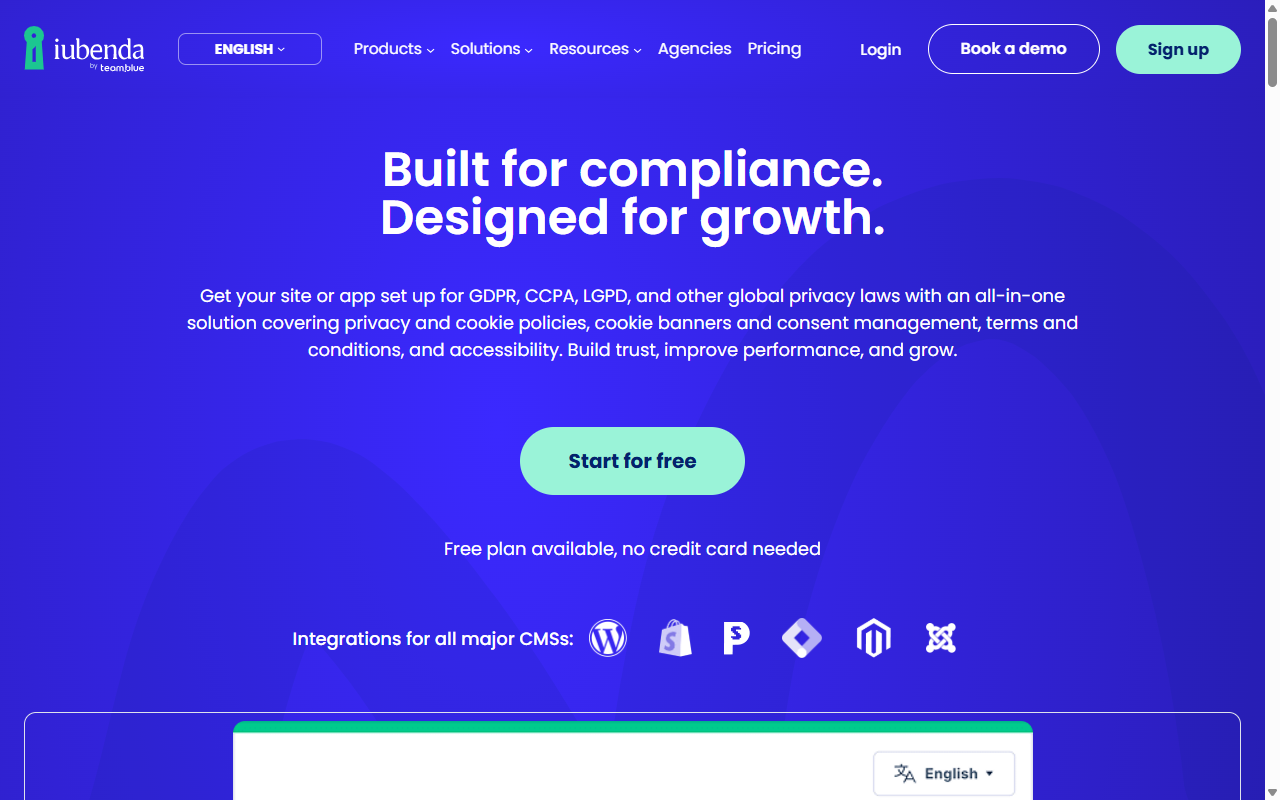
iubenda’s compliance solutions are drafted and monitored by international lawyers, linking policy generators to your WordPress site so legal pages update automatically as privacy laws change in Europe or North America. It’s a good fit for a hands-off approach to legal text, even for complex online shops and membership sites.
- Auto-updates your website’s privacy and cookie policies whenever regulations change.
- Integrates with various forms and checkout systems to collect marketing consent safely.
- Supports complex setups, including mobile apps and SaaS products.
Pros: Professional, lawyer-vetted text that takes drafting off your plate.
Cons: Getting integrations right can be involved, sometimes needing custom code.
Verdict: A strong choice for e-commerce sites wanting lawyer-backed policies that update on their own.
7. ICO Guide to PECR and GDPR
The Information Commissioner’s Office (ICO) is the UK’s independent data privacy regulator, respected worldwide for clear, practical examples of what’s acceptable, especially how GDPR and the UK’s Privacy and Electronic Communications Regulations (PECR) work together. If you want interfaces that don’t trick people into consenting, this explains why pre-ticked checkboxes and confusing “reject all” options don’t meet the legal bar.
- Clarifies the standards for active, freely given, specific user consent.
- Publishes self-assessment checklists to evaluate your current business practices.
- Explains how to handle marketing and newsletter signups lawfully.
Pros: Authoritative guidance straight from an active enforcement agency.
Cons: No technical software or WordPress-specific setup steps.
Verdict: Essential reading so your banners and opt-in forms hold up to real-world enforcement.
8. OneTrust Consent Management Guide
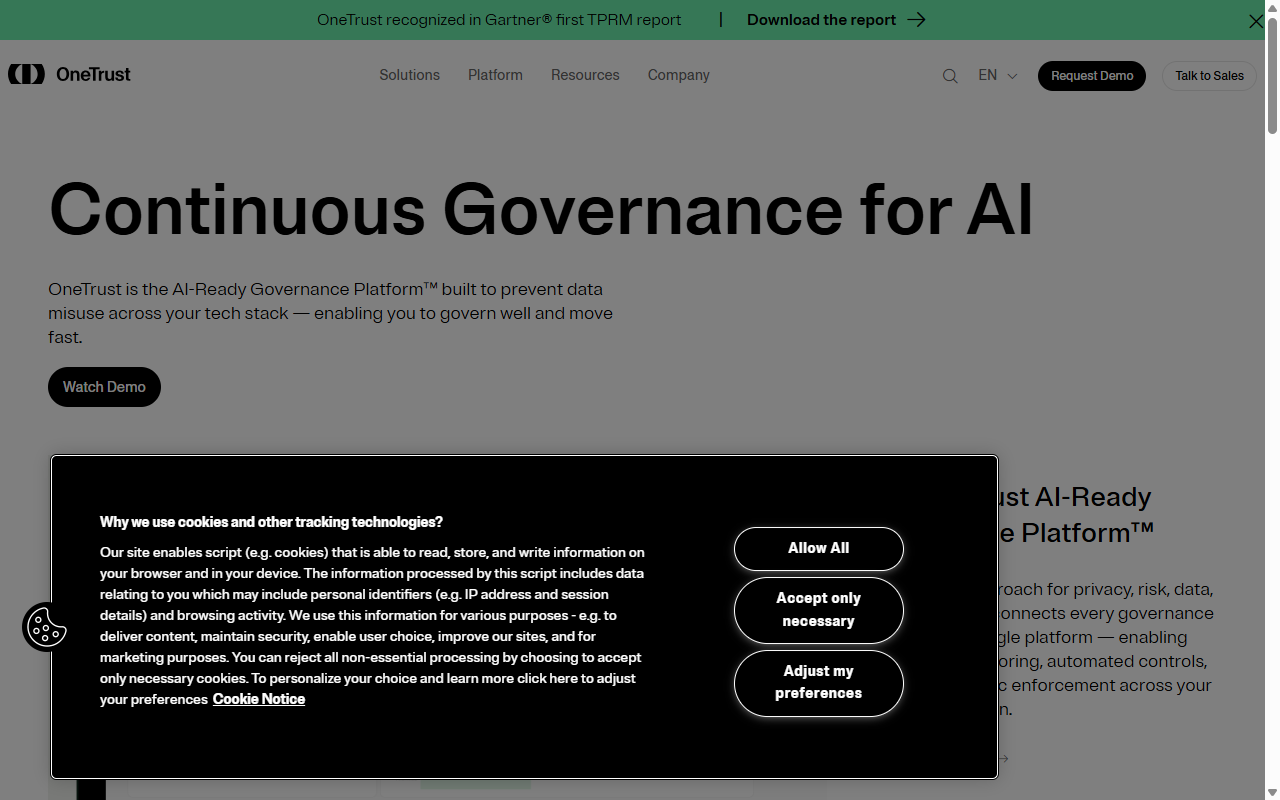
OneTrust is an enterprise-grade compliance platform used by large organizations worldwide, with guides that go deep on global data mapping and consumer rights. Built mainly for large corporations, but useful for fast-growing companies too, mapping where user data lives across databases and third-party tools, handy for a large marketplace or membership site.
- Maps data collection paths across your organization to keep your records clear.
- Manages customer data requests, including requests for deletion or account portability.
- Tracks regulatory changes across hundreds of jurisdictions to keep your business ahead of new laws.
Pros: Feature-rich tools for complex corporate compliance setups.
Cons: Overkill, in cost and complexity, for a small business site.
Verdict: The go-to option for enterprise sites managing large amounts of sensitive customer data.
9. EDPB Guidelines on Consent
The European Data Protection Board (EDPB) makes sure GDPR rules apply consistently across the EU, and its guidelines on consent are about as authoritative as it gets (worth bookmarking to check whether your banner is legal). Using simple diagrams, they explain what counts as valid “affirmative action” by a user, and why cookie walls, blocking a site unless someone agrees to tracking, are strictly forbidden.
- Defines the legal boundaries of user consent under EU law.
- Illustrates bad design practices that could lead to complaints and fines.
- Establishes requirements for letting users withdraw consent at any time.
Pros: The highest authority on GDPR rules, giving real legal clarity.
Cons: Formal legal language that can be slow reading.
Verdict: Essential reading for a legally airtight consent design.
10. W3C Web Privacy Best Practices Guide
The World Wide Web Consortium (W3C) develops open standards for the web, and its privacy interest group publishes best practices for cutting down user tracking online. This resource is different: it’s about building privacy into your site’s code and design, not just bolting on a banner, collecting less data from the start. That idea, “privacy by design,” is a core GDPR principle and a smart long-term approach.
- Defines architectural standards to minimize data exposure across modern web browsers.
- Promotes cleaner coding habits that cut your reliance on invasive tracking scripts.
- Encourages developers to respect global browser-level signals like Global Privacy Control (GPC).
Pros: Forward-thinking technical advice for faster, cleaner sites.
Cons: Written for developers, so it can run technical for casual owners.
Verdict: A great guide for developers who want privacy at the code level.
3 Step Guide to Configure Google Consent Mode v2
Want to keep using Google Analytics and Ads without GDPR trouble? Here’s how to configure Google Consent Mode v2.
- Verify your script tags – Make sure your Google Tag Manager or gtag.js script is installed and ready to receive consent states.
- Enable consent settings in your manager – Set the default state for analytics and advertising storage to “denied” for visitors from the European Economic Area (EEA).
- Connect your consent banner – Use a modern cookie consent tool that updates the consent status in Google Tag Manager once a visitor clicks “accept.”
How to Safely Handle a Subject Access Request (SAR)
Under the GDPR, any EU visitor can ask what personal data you’ve stored, and ask you to delete it. Nobody loves these emails, but a calm process makes them painless.
- Verify the visitor’s identity – Confirm the requester actually owns that email account or profile before sharing any data.
- Export their WordPress user data – Go to Tools and select “Export Personal Data” for a secure XML file of their comments, posts, and profile details.
- Delete their data if requested – Use the “Erase Personal Data” tool under Tools to wipe their information from your database.
- Confirm the action – Send a short, secure email confirming the data was exported or deleted.
3 Ways to Clean Up Legacy Tracking Scripts Before Scanning
Before running an automated privacy scan, it’s worth tidying up old tracking codes first. This keeps the scan clean and prevents false positives that create confusion later.
- Audit your active plugins – Deactivate and delete old social sharing or tracking tools you no longer use, to keep your code base clean.
- Consolidate scripts in Tag Manager – Move tracking codes from your header files into one Tag Manager container so blocking is easier to manage.
- Enable Global Privacy Control – Use a privacy tool that recognizes GPC browser headers, letting visitors signal privacy preferences automatically without a banner.
Frequently Asked Questions
What is Cookie Consent and why does my WordPress site need it?
Cookie Consent is a dedicated compliance capability built natively for WordPress, managing GDPR and CCPA compliance right from your dashboard. You need it because privacy laws require explicit permission before loading non-essential cookies, and a native solution keeps you from jumping between external sites.
Do I really need to comply with GDPR if my business is based in the US?
Yes. The GDPR applies to any website that collects, stores, or processes personal data from people in the European Union, no matter where your business or servers sit. Track an EU resident’s behavior with cookies, and GDPR applies to you.
Is Google Consent Mode v2 mandatory for my website?
It’s mandatory if you serve EEA visitors and use Google services like Ads or Analytics, so Google can confirm you’re collecting data lawfully. Without it, you’ll lose the ability to track conversions, run retargeting ads, or gather accurate traffic data.
What is the easiest way to design a beautiful cookie banner?
Use a tool that integrates directly with your site builder. Many external tools force you to write custom CSS just to change how banners look. With a native tool like the Cookie Consent capability, you adjust fonts, colors, and button positions in a visual editor, no coding required.
Can I get fined for using a bad cookie banner design?
Yes, regulators are watching for “dark patterns,” deceptive choices that trick users into accepting tracking. A giant green “accept” button next to a tiny “reject” button is non-compliant. Your banner needs equal, clear choices for accepting and declining tracking cookies.
Do I need a separate tool to generate my privacy policy?
Not necessarily. You can write your own using guides like the GDPR.eu checklist. A built-in policy generator inside your compliance tool saves hours and helps cover the legal bases without expensive help.
How often should I scan my WordPress website for cookies?
At least once a month, and any time you install a new tracking tool. Plugins often add scripts without you noticing, so regular scanning keeps your banner and policy current.

