Table of Contents
This guide provides a deep, expert-level analysis of the current landscape, moving past surface-level feature lists to explore the strategic implications of your choice. Whether you are a solo entrepreneur, a creative agency, or a high-volume eCommerce merchant, the goal is to align your platform choice with your business trajectory.
Key Takeaways
- Ownership is Critical: The choice between “renting” on a closed SaaS platform and “owning” on an open-source framework defines your long-term flexibility and data portability.
- The Rise of the Platform: Modern solutions have evolved from simple page builders into comprehensive ecosystems that combine the ease of SaaS with the power of open source.
- Performance Drives Ranking: In 2026, a builder is only as good as its underlying infrastructure. Core Web Vitals, cloud hosting speed, and asset optimization are non-negotiable for SEO.
- Scalability prevents Re-platforming: A tool perfect for a static portfolio may fail under the weight of a dynamic 500-product store. Selecting a builder that scales with traffic prevents costly migrations later.
- AI as a Workflow Standard: The integration of AI for planning, content creation, and code generation is now a standard requirement for professional productivity.
The Core Dilemma: Rented Land vs. Owned Property
Before evaluating specific brand names, it is essential to understand the two primary architectural models that define the web creation industry. This distinction shapes every other aspect of your website, from monthly costs to creative control.
The Closed SaaS Model (The “Walled Garden”)
Platforms operating on a Software-as-a-Service (SaaS) model require users to pay a monthly fee to rent access to proprietary software and hosting.
- The Appeal: These platforms offer a highly curated, all-in-one experience where hosting, security, and updates are managed by the provider. The learning curve is typically shallow, allowing for a fast launch.
- The Trade-off: Users are locked into a single ecosystem. It is generally impossible to move the site to another host if performance dips or prices rise. Feature access is limited to what the provider allows or integrates. If the subscription stops, the website effectively ceases to exist.
The Open-Source Model (The “Open Web”)
WordPress represents the open-source standard, where software is free to download and install on any hosting environment.
- The Appeal: Users retain full ownership of their data and code. Access to a virtually infinite library of plugins and themes allows for limitless customization. The site can be migrated to any host globally.
- The Trade-off: Historically, this model required the user to act as their own IT manager, stitching together hosting, themes, and security plugins from different vendors. This fragmentation often led to compatibility issues and a steeper learning curve.
The Hybrid Solution: The Website Builder Platform
According to web creation expert Itamar Haim, the industry has shifted toward a third option: the comprehensive Website Builder Platform. This model aims to resolve the “convenience vs. control” dilemma by offering a managed, SaaS-like experience built on top of an open-source foundation.
Analyzing the Market Leaders
To determine which builder aligns with specific needs, we must objectively analyze the dominant players in the market based on their functional and technical characteristics.
Wix
Wix is a SaaS platform that utilizes an unstructured, drag-and-drop editor.
- Architecture: The platform uses a proprietary, absolute-positioning editor, allowing users to place elements anywhere on the canvas without strict grid constraints.
- Target Audience: Designed for users prioritizing visual placement freedom over complex data structures or code access.
- Ecosystem: Operates as a closed ecosystem. Functionality can be extended only through apps approved and integrated within the provider’s specific marketplace.
- Scalability: Hosting infrastructure is fully managed by the provider. Users cannot access server-side settings, manually optimize backend performance, or migrate the site codebase to an external provider.
Squarespace
Squarespace is a SaaS platform focused on template-driven website creation.
- Architecture: The editor is section-based and structured. Users select from pre-designed content blocks that snap into a grid system to maintain design consistency according to the chosen template.
- Target Audience: Appeals to users requiring a visually polished portfolio or brochure site with minimal configuration or customization needs.
- Ecosystem: The platform is curated and closed. It offers built-in tools for basic scheduling and email marketing but has limited third-party integrations compared to open platforms.
- Scalability: As a closed environment, significant design changes often require switching templates. Custom CSS usage is possible but restricted.
Shopify
Shopify is a dedicated SaaS platform built exclusively for eCommerce.
- Architecture: Utilizes the proprietary Liquid templating language. The visual builder focuses on store pages, while a separate backend dashboard handles inventory, shipping, and order processing.
- Target Audience: Built for pure-play merchants where online retail is the primary business model.
- Ecosystem: Features a robust proprietary App Store for extending functionality. Many third-party apps require additional monthly subscriptions.
- Scalability: Designed to handle transaction volumes effectively. Deep customization of the checkout experience or non-commerce pages often requires developer intervention or higher-tier plans.
Webflow
Webflow is a web design tool that functions as a visual interface for generating HTML, CSS, and JavaScript.
- Architecture: Mimics the logic of front-end coding. Users utilize a visual interface that corresponds directly to CSS properties like flexbox, padding, and classes.
- Target Audience: Targets designers and developers who wish to build custom sites without manually writing syntax.
- Ecosystem: Includes a built-in CMS for dynamic content. It remains a closed hosting environment; while code can be exported, the CMS database functionality is tied to the platform’s infrastructure.
- Scalability: Generates clean code. The tool necessitates a significant learning curve regarding web development principles.
The Elementor Solution: A Comprehensive Platform
For creators seeking professional-grade capabilities without the restrictions of a closed environment, Elementor occupies a unique position. It transforms WordPress from a basic CMS into a comprehensive Website Builder Platform.
This approach offers a distinct strategic advantage: Data Ownership. Unlike closed SaaS platforms where users rent their digital presence, building on WordPress with Elementor ensures full ownership of content and code. Users benefit from the visual ease of a SaaS builder—drag-and-drop creation, integrated hosting, and premium support—while retaining the power and flexibility of open-source software.
The Creative Engine: Visual Power & Control
At its core, the builder replaces the standard WordPress editor with a live, frontend visual interface. It allows for “pixel-perfect” design, meaning users can control every aspect of a site’s layout—margins, padding, Z-index, and motion effects—without writing CSS.
- Flexibility: Whether building a simple landing page or a complex dynamic listing site, the builder adapts. It includes over 100 widgets for every design need.
- Theme Builder: For professionals, Elementor Pro allows for the visual design of headers, footers, archive pages, and single post templates, effectively overriding the rigid structure of a traditional theme.
- Design Efficiency: Users can leverage the Elementor Library to access thousands of pre-designed templates and blocks, accelerating the build process without sacrificing quality.
The Optimized Foundation: Managed Hosting
A major friction point for open-source users has historically been hosting. Generic hosting often leads to slow sites and security vulnerabilities. Elementor Hosting resolves this by providing a managed cloud environment specifically engineered for the builder.
- Infrastructure: Built on the Google Cloud Platform, it utilizes premium tier networks and C2 machine types for maximum speed.
- Performance: It integrates Cloudflare Enterprise CDN, pushing content to servers closest to visitors for instant load times.
- Security: Enterprise-grade security, including a Web Application Firewall (WAF) and DDoS protection, is built-in, removing the need for third-party security plugins.
The Workflow Accelerators: AI & Automation
In 2026, efficiency is a competitive advantage. The ecosystem integrates AI deeply into the workflow, moving beyond simple text generation.
- AI Site Planner: This tool helps creators overcome the “blank page” syndrome. By answering a few strategic questions, the AI Site Planner generates a comprehensive website brief, a logical sitemap, and wireframes in minutes.
- Native AI Integration: Inside the editor, users can leverage Elementor AI to generate images, write copy, and even write custom CSS or HTML snippets contextually. This acts as a comprehensive AI website builder solution embedded directly in the workflow.
- Angie (Agentic AI): For advanced users, Angie represents the next step in automation—an AI agent capable of executing complex, multi-step tasks within the WordPress environment.
The eCommerce Powerhouse
For online stores, the platform offers capabilities that rival dedicated eCommerce SaaS tools while offering superior design freedom.
- WooCommerce Builder: Store owners can use the WooCommerce Builder to customize every part of their shop, from product pages to the checkout flow, ensuring the brand identity is consistent throughout the buying journey.
- Dedicated Infrastructure: Elementor eCommerce Hosting provides the robust backend required to handle transaction spikes and inventory management securely.
The Growth Suite: Beyond the Build
A website is not a static object; it is a business engine. The platform includes specialized tools to drive traffic and engagement.
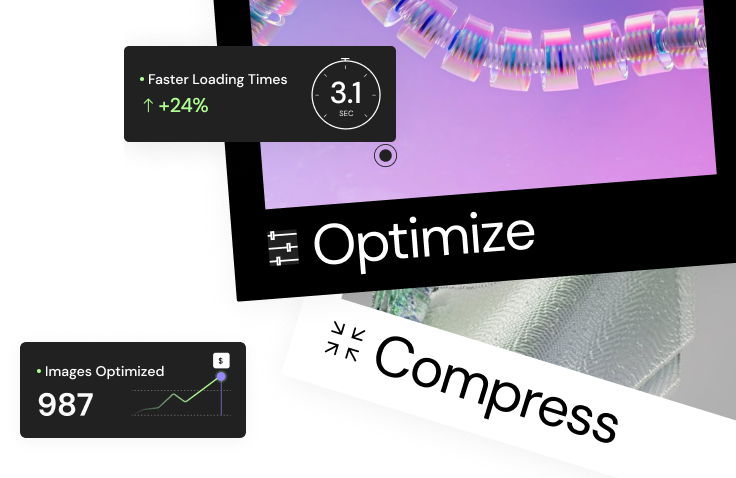
- Image Optimizer: This plugin automatically compresses images and converts them to next-gen formats (WebP/AVIF), ensuring high visual quality without sacrificing speed. It is a critical tool for maintaining Core Web Vitals. Explore Image Optimizer
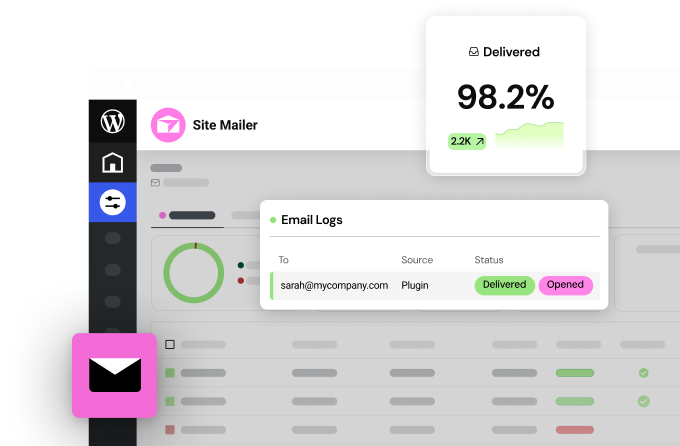
- Site Mailer: It ensures transactional emails (receipts, password resets) actually reach the inbox, solving a notorious WordPress reliability issue. See how Site Mailer works
- Ally: A comprehensive tool for web accessibility scanning and remediation, ensuring sites meet legal and ethical standards. Learn about Ally Web Accessibility
Getting Started Options
To accommodate different skill levels, Elementor provides specific entry points:
- Hello Theme: A lightweight, blank canvas designed for professionals who want complete design control from the ground up. Download the Hello Theme
- Hello Biz: A theme optimized for beginners and small businesses, featuring guided setup wizards and pre-designed kits for a fast launch. This is an ideal solution for designers and DIYers looking for speed.
Deep Dive: Critical Selection Criteria for 2026
When evaluating which builder is “best,” specific criteria must be weighed based on business goals.
1. Design Flexibility and Responsive Control
The “best” builder must allow for a mobile-first design philosophy. In 2026, over 60% of web traffic is mobile.
- The Limitation: Many platforms offer “responsive” templates that merely stack content vertically on smaller screens. Users often cannot adjust font sizes, padding, or visibility specifically for a tablet versus a phone.
- The Professional Standard: Elementor provides granular breakpoints. Creators can hide specific elements on mobile, reverse column ordering for better UX, and adjust typography settings for up to seven different device sizes.
2. Performance and Core Web Vitals
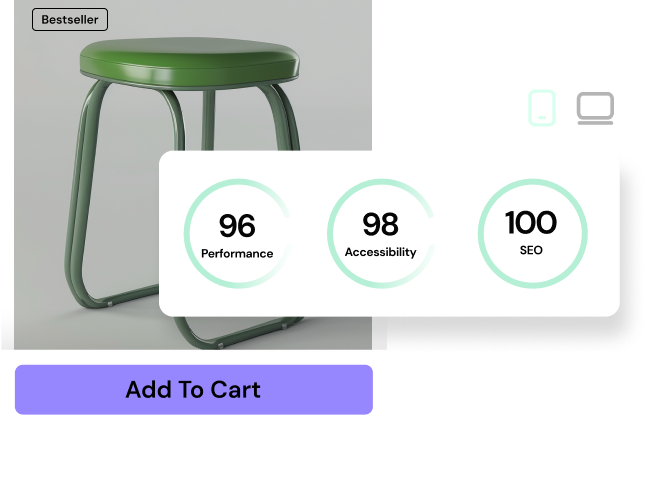
Google’s Core Web Vitals (CWV) metrics determine how a site ranks based on user experience, specifically loading speed, interactivity, and visual stability.
- The Risk: Some builders load excessive scripts on every page, slowing down the “Largest Contentful Paint” (LCP) and hurting SEO.
- The Solution: The best platforms include built-in performance tools. Elementor Hosting includes object caching and CDN integration by default, giving users a technical head start on passing CWV assessments.
3. Scalability and Extensibility
Business growth often outpaces platform capabilities.
- The Plugin Ecosystem: This is the decisive factor for many businesses. If a specific booking system, real estate listing manager, or complex learning management system (LMS) is required, open-source WordPress allows for the installation of specialized plugins.
- The Closed Constraint: On a closed SaaS platform, if a feature does not exist in the proprietary app store, the user typically cannot build it or integrate it.
Matching the Builder to the Persona
The “best” builder is relative to the user’s technical expertise and business model.
For the “DIY” Solopreneur
- Needs: Speed, simplicity, and low cost.
- Challenge: Traditional open-source setups can be overwhelming to configure.
- Recommendation: A builder that offers pre-made kits is essential. The Elementor Library provides access to full website kits that can be imported in clicks, effectively providing a “business-in-a-box” experience.
For the Digital Agency
- Needs: Workflow efficiency, client management, and design consistency.
- Challenge: Managing dozens of client sites on disparate hosts is inefficient.
- Recommendation: Agencies require a platform that supports collaboration and rapid prototyping. The AI Site Planner accelerates the proposal phase, while the ability to manage all client hosting from one dashboard streamlines operations.
For the eCommerce Merchant
- Needs: Reliability, conversion tools, and inventory management.
- Challenge: While some platforms are strong on backend logistics, they often lack frontend design flexibility for rich content marketing.
- Recommendation: Elementor eCommerce Hosting combined with the WooCommerce Builder allows for a content-first commerce strategy. Merchants can build immersive product storytelling pages that standard eCommerce templates cannot match.
Conclusion: The Strategic Verdict
So, which website builder is best?
If the priority is zero maintenance and the user is willing to sacrifice ownership and flexibility, a closed SaaS platform is a functional choice for simple needs.
However, if the priority is business growth, brand ownership, and professional design, the Elementor Website Builder Platform stands out as the superior strategic choice. It offers the only viable “best of both worlds” solution: the robust, secure, and managed environment of a modern SaaS, built upon the limitless foundation of the open web.
By choosing a platform that allows you to plan, build, host, and grow within a single ecosystem, you are not just building a website; you are building a digital asset that you truly own.
Get Started | Claim your domain name
Frequently Asked Questions (FAQ)
1. What is the fundamental difference between Elementor and closed SaaS builders regarding ownership? The primary difference lies in data ownership. Closed SaaS platforms generally rent you the site, meaning you cannot migrate the codebase elsewhere. Elementor is built on WordPress, ensuring you retain complete ownership of your data and content.
2. Is coding knowledge required to use Elementor effectively? No, Elementor is a “no-code” visual builder. Users can drag and drop elements onto the canvas and see exactly how they look in real-time. However, unlike many closed builders, Elementor allows for the addition of custom CSS or HTML if desired.
3. Is the WordPress software free to use? Yes, the WordPress software itself is free and open-source. However, to publish a live site, users must pay for hosting and a domain name. Elementor Hosting simplifies this process by bundling managed cloud hosting, the builder, and support into a single subscription.
4. Can Elementor be used to build a fully functional online store? Yes. Elementor integrates seamlessly with WooCommerce. With the WooCommerce Builder, users can visually customize product pages, carts, and checkout flows, capabilities often restricted in other platforms.
5. How does the AI Site Planner streamline the web creation process? The AI Site Planner addresses the initial hurdle of starting from scratch. By asking a few questions about the business and its goals, it generates a complete website strategy, including a sitemap and wireframes.
6. Is Elementor optimized for Search Engine Optimization (SEO)? Yes. Because Elementor generates clean code and integrates with top SEO plugins, it is highly effective for SEO. Furthermore, Elementor Hosting is optimized for speed and Core Web Vitals, which are key ranking factors.
7. Is it possible to switch hosting providers after building with Elementor? This is one of the strongest arguments for using Elementor. Because it is built on WordPress, users can export their entire site and move it to any hosting provider globally.
8. Are separate plugins required for email marketing and backups? Not necessarily. The Elementor ecosystem is designed to be comprehensive. Elementor Hosting includes automated daily backups.
9. Is Elementor suitable for large digital agencies? Absolutely. Many agencies utilize Elementor due to its Theme Builder and dynamic content capabilities, which allow for the creation of complex, custom client sites at scale.
10. How can I acquire a domain name for my Elementor site? When purchasing an Elementor Hosting subscription, users can often connect an existing domain or purchase a new one. The platform simplifies the DNS connection process, making it easy to get a professional URL live quickly.
Looking for fresh content?
By entering your email, you agree to receive Elementor emails, including marketing emails,
and agree to our Terms & Conditions and Privacy Policy.