Table of Contents
The 2026 Legal Reality of Google Consent Mode v2
Data privacy fines hit a staggering €2.1 billion in 2023. They haven’t slowed down since. You’re building websites, and you can’t afford a lazy privacy plugin. Regulatory bodies are cracking down harder than ever. Google mandated Consent Mode v2 for all EEA/UK traffic back in March 2024. Now, in 2026, it’s the absolute baseline for survival.
Many site owners still rely on outdated cookie banners that don’t actually block scripts. That’s a massive liability. 67% of global internet users are more concerned about their online privacy today than in previous years. They demand transparency. If your consent tool breaks your site’s performance or ignores user preferences, you’ll lose traffic and face steep penalties. Let’s examine the absolute best options available right now.
Key Takeaways
- GDPR fines are escalating – Regulators issued over €2.1 billion in penalties in 2023 alone.
- Google Consent Mode v2 is mandatory – You can’t run effective Google Ads without it in 2026.
- Trust drives sales – 81% of consumers consider data trust a deal-breaker for purchasing.
- Performance matters – Poorly coded plugins delay Largest Contentful Paint (LCP) by over 200ms.
- Acceptance rates hover around 50-60% – Clean, honest banner designs yield the best valid consent metrics.
- Market growth is explosive – The privacy software sector is expanding at a 40.8% CAGR.
Why WordPress Sites Carry the Most Risk
WordPress currently powers 43.5% of all websites globally. Hackers and privacy auditors look here first. The open-source nature of the platform means third-party plugins constantly inject tracking scripts without your direct knowledge. You don’t always know what your own website is loading.
Auditors run automated scraping tools across millions of domains. They’re looking for missing privacy policies, unauthorized YouTube embeds, and rogue Facebook pixels. If you aren’t blocking these scripts prior to consent, you’re failing the test before a human even reviews your site.
- Theme dependencies – Many premium themes hardcode Google Fonts and tracking APIs.
- Plugin bloat – Analytics, social sharing, and marketing tools often load tracking cookies independently.
- Embedded media – YouTube and Vimeo iframes drop tracking cookies the second a page loads.
- Form integrations – Third-party CRMs capture IP addresses during standard form submissions.
What Actually Matters in a CMP
Finding a Consent Management Provider (CMP) isn’t just about throwing a banner on your footer. It’s about data control. A proper tool blocks scripts at the server or browser level before they execute. Anything less is merely decorative.
You also need to protect your Core Web Vitals. Unoptimized privacy tools force heavy JavaScript execution right at the top of the document. This pushes your Largest Contentful Paint well past the acceptable threshold. Users bounce when sites load slowly.
- Prior Consent blocking – Scripts must remain paused until the user explicitly clicks accept.
- Design control – Banners must match your brand guidelines without requiring custom CSS.
- Audit trails – You’ll need a downloadable log of consent records if an auditor comes knocking.
- Automated scanning – The plugin should regularly crawl your site to detect newly added cookies.
Privacy isn’t just a legal checkbox anymore. It directly impacts your core web vitals and how search engines crawl your JavaScript. You need a consent tool that loads late but executes perfectly.
Itamar Haim, SEO Team Lead at Elementor. A digital strategist merging SEO, AEO/GEO, and web development.
1. Cookiez: The Ultimate Elementor-Native Solution
Cookiez stands completely apart from legacy privacy tools. It integrates directly with Elementor Editor Pro to manage consent visually. You don’t have to wrestle with clunky backend settings or override terrible default CSS. You build your privacy banner exactly like you build any other part of your website.
This approach solves the biggest headache in privacy compliance. Standard plugins inject their own stylesheets and wreck your site’s performance. Cookiez uses your existing Elementor global fonts and colors. It’s fast, incredibly lightweight, and completely native to your workflow.
Key Features
- Native Elementor Widget – Drag and drop your consent banner directly inside the visual builder.
- Automated cookie scanning – Monthly crawls categorize your scripts automatically.
- Google Consent Mode v2 – One-click integration for strict AdTech requirements.
- Geo-targeting built-in – Show the banner only to users in regulated regions like the EU or California.
Pricing
Cookiez offers highly competitive annual pricing starting at $49/year for a single site license. It scales affordably for agencies managing multiple client domains.
Pros
- Zero-code styling – Use the Elementor interface you already know.
- Performance focused – Minimal impact on LCP and totally free of external bloat.
- Global Styles sync – Automatically pulls your typography and color variables.
Cons
- Platform specific – You’ll need Elementor Editor Pro to unlock its full potential.
- Newer ecosystem – Lacks the massive historical documentation of older plugins.
This is honestly the best choice for designers and agencies using Elementor who need pixel-perfect compliance.
2. CookieYes: The Cloud Infrastructure Choice
CookieYes takes a completely different path. It handles the heavy lifting on its own servers rather than relying on your WordPress database. This platform powers over 1.5 million websites globally. It’s a massive player in the space.
The hybrid setup means you install a lightweight connector plugin. The actual scanning, categorization, and script blocking logic happens in the cloud. You manage multiple client sites from a single centralized dashboard. This is where CookieYes really shines for non-technical site owners.
Key Features
- Massive dictionary – A database of over 100,000 pre-categorized cookies.
- Multilingual support – Auto-translates banners into 30+ languages based on browser settings.
- Historical logs – Maintains a secure Proof of Consent log for legal audit trails.
- Custom branding – Add logos and adjust colors from the cloud dashboard.
Pricing
They offer a restricted free tier for very small sites. Pro plans start at $10/month for basic features, scaling up for high-traffic domains.
Pros
- Incredibly simple setup – Non-developers can deploy it in minutes.
- Centralized management – Control dozens of WordPress installs from one screen.
- Reliable infrastructure – Cloud delivery ensures high uptime.
Cons
- Recurring costs – Monthly subscriptions add up fast for small businesses.
- Design limits – The free version forces a generic, unbranded look.
Ideal for business owners who want a “set it and forget it” system maintained by a large corporation.
3. Complianz: Legal Document Generation for Power Users
Some projects require more than just a cookie banner. E-commerce stores and membership sites need dense legal documentation. Complianz steps in here. It’s an entire privacy suite packaged into a single plugin. With over 300,000 active installations, it’s highly trusted by the WordPress community.
Complianz generates your Privacy Policy, Terms and Conditions, and Disclaimer pages automatically. You fill out a wizard detailing your data practices. The plugin then writes the legal text for you. It updates those pages dynamically when regional laws change.
Key Features
- Legal wizard – Questionnaire-based document generation for multiple regions.
- Deep integration – Connects perfectly with caching tools like WP Rocket.
- A/B testing – Built-in tools to optimize your consent acceptance rates.
- Data breach reporting – Guides you through the legal notification process if you’re hacked.
Pricing
The premium version costs $59/year for a single site license. Agency bundles are available for bulk installs.
Pros
- Extensive coverage – Replaces the need for expensive legal counsel on basic sites.
- Wizard UI – The setup process holds your hand through complex legal choices.
- Constant updates – The development team pushes legal updates rapidly.
Cons
- Interface bloat – The dashboard feels overwhelming and data-heavy.
- Overkill for blogs – Simple portfolio sites don’t need this level of complexity.
Best for store owners who need strong legal documentation generated natively within WordPress.
4. Borlabs Cookie: Strict Compliance for the DACH Market
The German, Austrian, and Swiss (DACH) markets enforce privacy laws with brutal efficiency. Borlabs Cookie dominates this region for a reason. It stores absolutely everything locally. It makes zero external API calls. This local-first architecture satisfies the strictest interpretations of the GDPR and DSGVO.
Borlabs doesn’t guess. It blocks external media aggressively. If you embed a YouTube video, Borlabs replaces it with a local placeholder image. The video only loads after the user clicks a specific consent button on that exact image. It’s incredibly thorough.
Key Features
- Content Blockers – Intercepts iframes for YouTube, Google Maps, and social feeds.
- Local execution – Never sends user IP addresses to third-party verification servers.
- Script handling – Manages complex JavaScript dependencies securely.
- Cross-domain tracking – Manages consent across multiple related domains locally.
Pricing
Borlabs Cookie 3.0 starts at €39/year for a single website license.
Pros
- Maximum privacy – The safest choice against aggressive German warning letters (Abmahnungen).
- Excellent blocking – The iframe interception feature is technically flawless.
- One-time yearly fee – No monthly usage limits or traffic caps.
Cons
- Dated UI – The backend settings panel looks like it belongs in 2015.
- Steep learning curve – You’ll need basic technical knowledge to configure script blockers.
The absolute top tier choice for any business operating primarily within Germany or Austria.
5. Cookiebot: Automated Scanning for Massive Sites
Enterprise websites contain thousands of pages. They have dozens of marketing teams dropping tracking pixels daily. Manual categorization isn’t possible at this scale. Cookiebot solves this through aggressive, automated cloud scanning. It crawls your entire domain structure like a search engine.
When the scanner finds a new cookie, it automatically sorts it into the correct category (Marketing, Statistics, Preferences). It then updates your live banner without human intervention. Websites using clear configurations see an average Accept All rate of 50-60%.
Key Features
- Deep scanning engine – Finds hidden scripts inside complex JavaScript applications.
- Monthly reporting – Emails compliance status summaries to your legal department.
- Global CDN – Delivers the banner script incredibly fast from edge servers.
- Bulk consent – Shares user preferences across dozens of subdomains automatically.
Pricing
Cookiebot offers a free tier strictly for sites under 50 subpages. The “Small” plan starts at €12/month for up to 500 subpages.
Pros
- Total automation – Hands-off maintenance once the initial setup is complete.
- High accuracy – The scanner rarely miscategorizes established tracking scripts.
- Enterprise trust – Widely recognized by major legal compliance firms.
Cons
- Price scales poorly – Very expensive for large blogs with thousands of articles.
- Limited styling – Visual customization requires custom CSS overrides.
Best for large corporate entities with massive page counts and complex internal tracking requirements.
6. Usercentrics: High-Traffic Management
The global data privacy software market is surging toward a 40.8% CAGR. Usercentrics sits right at the top of that growth curve. This isn’t a simple WordPress plugin. It’s a professional-grade CMP designed for legal teams, publishers, and developers managing massive traffic volumes.
Usercentrics focuses heavily on the ad-tech ecosystem. If you run programmatic advertising, you must pass consent signals to ad exchanges. If you fail, your ad fill rate drops to zero. Usercentrics manages this complex handshake perfectly.
Key Features
- TCF 2.2 Support – Fully certified by the IAB for modern ad-tech compliance.
- Advanced analytics – Detailed dashboards showing exactly where users drop off.
- API-first design – Connects to custom mobile apps and headless WordPress builds.
- A/B testing engine – Optimize button placements to maximize legal opt-ins.
Pricing
They operate on custom enterprise pricing. Basic configurations generally start around €50/month depending on pageviews.
Pros
- Ad-network friendly – Protects your programmatic revenue streams safely.
- Incredibly secure – Bank-level encryption for consent audit logs.
- Cross-platform – Works across web, iOS, Android, and smart TV apps.
Cons
- Extremely expensive – Prices out small to medium businesses quickly.
- Complex deployment – Requires dedicated developer time to implement properly.
Recommended strictly for high-traffic media publishers and enterprise networks relying on programmatic ads.
7. GDPR Cookie Compliance by Moove: The Developer Framework
Sometimes you don’t want automated cloud scanners. Sometimes you want bare-metal control. Moove’s plugin provides exactly that. It gives you the necessary UI and cookie-setting logic, but it leaves the actual script execution to the developer. It’s a blank canvas.
You write your own PHP or JavaScript hooks. You tell the plugin exactly when and where to fire Google Analytics. Because it doesn’t run background scanning bloat, it’s incredibly fast. It won’t drag down your server response times.
Key Features
- Developer hooks – Extensive documentation for custom CSS and PHP modifications.
- CDN compatibility – Works flawlessly with Cloudflare and aggressive page caching.
- Sleek UI – The frontend modal is modern and highly responsive out of the box.
- Zero dependencies – Doesn’t require external API calls to function.
Pricing
The core framework is free. Premium features unlock at £59/year.
Pros
- Blazing fast – The lowest performance overhead on this list.
- Total control – You decide exactly how scripts load on your server.
- Clean codebase – Highly optimized PHP that respects WordPress coding standards.
Cons
- Manual labor – You must configure every single script yourself.
- No auto-scanning – The free version won’t warn you if a new plugin adds cookies.
Best for front-end developers who want to write their own compliance logic without fighting heavy software.
8. Termly: Syncing Policies Across Platforms
Many businesses don’t just run WordPress. They might have a Shopify store, a dedicated landing page built on Webflow, and a custom web app. Managing privacy across disparate platforms is a nightmare. Termly solves this by acting as a centralized compliance hub.
The California Privacy Rights Act (CPRA) applies to businesses grossing over $25 million or handling data for 50,000+ residents. Termly adjusts its rules based on these specific regional thresholds. You manage the policy in Termly, and it updates across all your connected websites instantly.
Key Features
- Auto-updating generator – Privacy policies refresh when regional laws change.
- DSAR forms – Built-in forms for users to request their personal data deletion.
- Multi-law coverage – Handles GDPR, CCPA, and VCDPA simultaneously.
- Universal embed – A single JavaScript snippet handles deployment everywhere.
Pricing
The standard plan costs $15/month when billed annually.
Pros
- Cross-platform – Perfect for omnichannel digital businesses.
- Clean aesthetics – The user-facing banners look incredibly polished.
- Legal peace of mind – Policies are drafted by actual privacy attorneys.
Cons
- Cloud dependency – The external script can slightly delay initial page rendering.
- Generic WP features – Lacks deep native WordPress hooks compared to dedicated plugins.
Great for businesses that need a unified legal presence across multiple different CMS platforms.
9. Iubenda: Agency and Legal Operations
Iubenda is built by lawyers. You can feel that immediately when you log in. It’s incredibly thorough and handles edge cases that most standard plugins completely ignore. If your business processes sensitive data, you can’t rely on basic tools. You need strict, verifiable documentation.
It includes an Internal Privacy Registry. This allows your legal team to map exactly where data goes within your organization. It connects perfectly with Google Tag Manager, intercepting tags based on granular user choices.
Key Features
- Privacy Registry – Documents internal data processing activities for regulators.
- Granular consent – Allows users to toggle specific marketing vendors individually.
- GTM integration – Deep compatibility with complex Tag Manager containers.
- Offline tracking – Generates consent receipts for offline data collection events.
Pricing
The basic Pro bundle starts at an affordable $29/year, though complex sites require higher tiers.
Pros
- Legally rigorous – Covers obscure regional clauses that others miss.
- Affordable entry – The base price is exceptionally low for the legal value provided.
- Extensive documentation – Massive library of legal text snippets.
Cons
- Notoriously complex – The initial setup wizard asks highly technical legal questions.
- Overwhelming dashboard – It takes hours to learn the interface properly.
Best for tech startups and agencies managing clients with complex, sensitive data processing requirements.
10. Quantcast Choice: Ad-Tech Free Tier
If you run a high-traffic blog monetized through Google AdSense, you’ve a specific problem. You need IAB TCF 2.2 certification, but you don’t want to pay $50 a month for enterprise tools. Quantcast Choice fills this gap perfectly. It’s a widely used CMP built explicitly for publishers.
Quantcast offers this tool for free. Why? Because they operate a massive advertising intelligence network. By providing the CMP, they gather aggregate consent data to strengthen their own ecosystem. It’s a trade-off, but for many publishers, it’s highly beneficial.
Key Features
- TCF 2.2 Certification – Ensures your ad inventory remains eligible for programmatic bidding.
- Detailed reporting – View exact opt-in and opt-out rates by geography.
- Vendor controls – Allow users to consent to specific advertising partners.
- Fast delivery – Built on high-speed infrastructure to prevent ad load delays.
Pricing
Completely Free for standard publisher implementation.
Pros
- Zero financial cost – High-level ad compliance without the massive subscription fee.
- Trusted by advertisers – Ad networks recognize and trust the Quantcast signal.
- Simple UI – Clean, recognizable modal that users understand quickly.
Cons
- Data trade-off – You’re feeding data into the Quantcast machine.
- Rigid styling – Very few options to customize the visual appearance.
The smartest option for independent publishers who rely entirely on programmatic advertising revenue.
Comparison of Top GDPR Plugins for 2026
We’ve analyzed the top contenders. Choosing the right tool depends entirely on your traffic volume, legal risk, and tech stack. Elementor users will naturally gravitate toward native solutions. Enterprise managers will focus on cloud automation.
Here’s a breakdown of how the primary options stack up in critical areas. Focus on the features that align with your specific technical constraints.
| Platform | GCM v2 Support | Starting Price | Best Use Case |
|---|---|---|---|
| Cookiez | Native Built-in | $49/year | Elementor Editor Pro Users |
| CookieYes | Cloud Connector | $10/month | Beginners & Small Business |
| Complianz | Advanced Integration | $59/year | Legal Document Generation |
| Borlabs | Local Execution | €39/year | Strict DACH Compliance |
| Cookiebot | Automated Cloud | €12/month | High Page Count Domains |
| Usercentrics | Enterprise API | €50+/month | Programmatic Ad Networks |
Quick Implementation Protocol with Elementor Pro
Getting compliant doesn’t have to take weeks. If you’re running Elementor One or the Pro editor, you can deploy a legally sound banner in under 20 minutes. The visual builder removes the need for complex CSS overrides.
You’ll want to deploy this carefully. Don’t rush the categorization phase. A miscategorized marketing pixel can trigger a compliance audit just as fast as having no banner at all.
- Install the Cookiez Plugin – Navigate to your WordPress repository, install, and activate the plugin. Connect your license key in the new settings panel.
- Run the Baseline Scan – Initiate the automated scanner. It will crawl your domain and categorize your existing cookies into Essential, Analytics, and Marketing buckets.
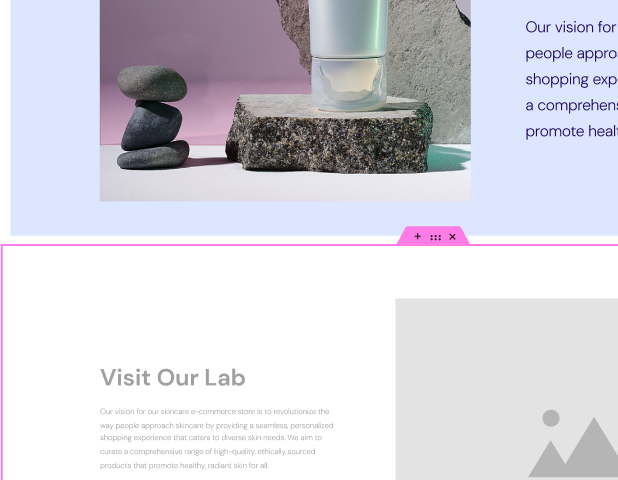
- Design the Modal – Open your Popup Builder or standard Elementor interface. Drag the Cookiez widget onto your global footer template. Style the typography to match your brand exactly.
- Toggle Consent Mode – Navigate to the settings tab. Flip the switch to enable Google Consent Mode v2. This ensures your tracking pings load correctly for unconsented users.
- Publish and Verify – Push your changes live. Open an incognito window and verify that scripts remain blocked until you actively click the accept button.
Frequently Asked Questions
Do I actually need a cookie banner if I only use Google Analytics?
Yes. Google Analytics drops tracking cookies that fall under marketing and statistics regulations. You can’t run GA legally in the EU or California without explicit, prior consent from the user.
What happens if I ignore Google Consent Mode v2?
Google will actively throttle your ad account. You won’t be able to build remarketing audiences or track conversions accurately for users in the EEA. Your ad spend efficiency will plummet.
Can a consent plugin slow down my website?
Absolutely. Poorly coded plugins force heavy JavaScript to load before the visual content. This easily spikes your Largest Contentful Paint by over 200ms. Choose lightweight or native tools.
Is “Accept All” legally required to be the same color as “Reject All”?
Many European data protection authorities now enforce this. Using bright colors for “Accept” and hidden, gray text for “Reject” is considered a deceptive dark pattern. You’ll face fines for it.
Does Elementor have built-in privacy tools?
Elementor provides the structural foundation to build compliant sites securely. For specialized cookie scanning and blocking, native integrations like Cookiez bridge the gap perfectly.
How often should I scan my website for new cookies?
You should run a scan every 30 days. If you install new plugins or embed new third-party media, run a manual scan immediately to catch rogue tracking scripts.
What is the CPRA revenue threshold?
The California Privacy Rights Act applies if your business exceeds $25 million in gross revenue, or if you buy, sell, or share the personal information of 50,000 or more California residents.
Looking for fresh content?
By entering your email, you agree to receive Elementor emails, including marketing emails,
and agree to our Terms & Conditions and Privacy Policy.